
 IN
Lost Wax Casting Systems
11 products available
What are Lost Wax Casting Systems?
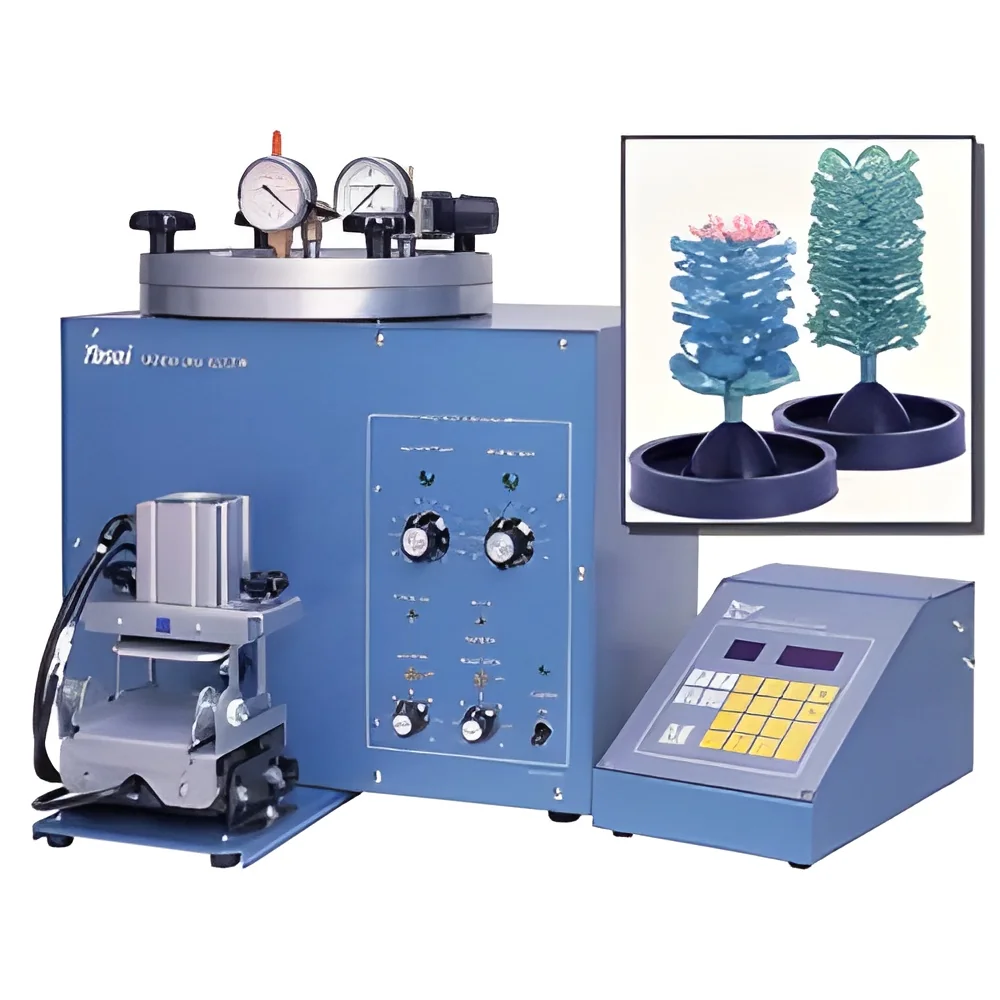
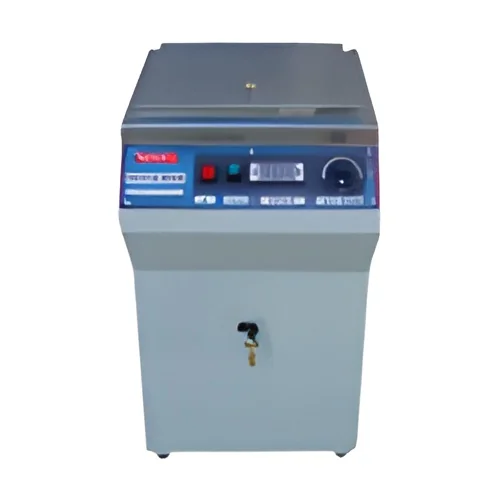
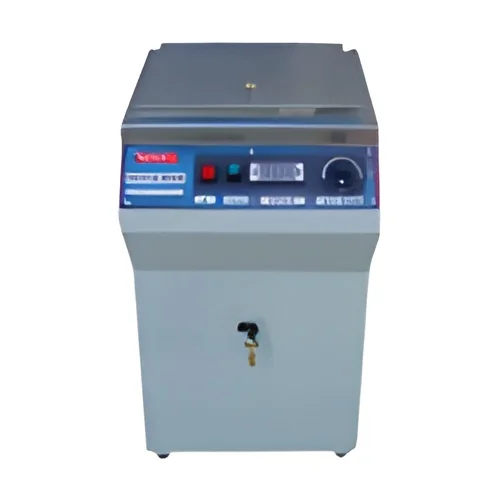
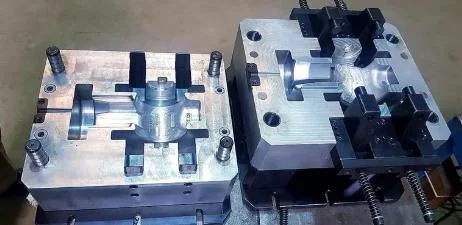
Lost wax casting systems are advanced manufacturing techniques used to create intricate metal parts and components. This method involves creating a wax model of the desired item, which is then coated with a ceramic shell. Once the shell hardens, the wax is melted away, leaving a cavity that can be filled with molten metal. This process allows for high precision and complex geometries that traditional casting methods often struggle to achieve.
These systems are primarily utilized in industries such as aerospace, automotive, jewelry, and medical devices. Businesses in these sectors benefit from the ability to produce lightweight, durable components that meet stringent specifications. The lost wax casting process is particularly valued for its ability to replicate fine details and produce small to medium-sized parts in various materials, including steel, brass, and aluminum. Given the increasing demand for precision engineering, lost wax casting systems remain a relevant and crucial part of the manufacturing landscape.
Key Features and Specifications
Lost wax casting systems are characterized by several key features that enhance their performance and efficiency. Understanding these specifications is essential for businesses looking to invest in such systems.
Key specifications include:
1. Precision Tolerance
- Achieves high accuracy in dimensions
- Tolerances can range from ±0.1 mm to ±0.5 mm depending on the part size and complexity
2. Shell Thickness
- Determines the strength and durability of the casting
- Typically ranges from 3 mm to 10 mm based on application requirements
3. Material Compatibility
- Suitable for various metals, including stainless steel, aluminum, and bronze
- Allows for casting of unique alloys tailored to specific needs
4. Production Capacity
- Capable of producing small to medium batches efficiently
- Depending on the system, production can range from a few pieces to thousands
5. Cycle Time
- Affects the overall efficiency of the casting process
- Average cycle times can vary based on complexity but generally range from hours to days
6. Automation Level
- Systems may vary from fully manual to highly automated
- Automation can reduce labor costs and improve consistency
7. Temperature Control
- Essential for optimal metal pouring
- Typically requires monitoring and adjustments to maintain ideal conditions
8. Environmental Considerations
- Systems may include features for waste reduction and energy efficiency
- Compliance with local environmental regulations is often necessary
In summary, understanding these specifications helps businesses choose the right lost wax casting systems tailored to their needs.
Common Applications and Use Cases
Lost wax casting systems find applications across various industries, serving specific needs and enhancing production capabilities.
1. Aerospace: Lost wax casting is used for producing turbine blades and other critical components that require lightweight and high-strength materials.
2. Automotive: This method is utilized for manufacturing engine parts, transmission components, and other intricate automotive elements that demand precision.
3. Jewelry: Lost wax casting is popular in jewelry making for creating detailed designs and complex shapes, allowing for unique and custom pieces.
4. Medical Devices: The precision of lost wax casting is ideal for producing surgical instruments and implants that require stringent quality standards.
5. Industrial Equipment: Manufacturers use this method to create components for machinery and equipment that must withstand high levels of stress and wear.
6. Art and Sculptures: Artists and sculptors often employ lost wax casting to produce detailed replicas and original works in metal.
7. Oil and Gas: Components for valves, pumps, and other equipment used in oil and gas extraction benefit from the durability and precision of lost wax casting.
Product Variants and Subcategories
Lost wax casting systems come in various configurations to meet diverse manufacturing needs. The flexibility of these systems allows them to cater to different scales of production and specific industry requirements.
Compact Systems
These systems are designed for small-scale operations or workshops. They offer ease of use and require minimal space, making them suitable for jewelry makers and small manufacturers.
Industrial Systems
Larger systems are tailored for high-volume production. They incorporate advanced automation features and are ideal for industries such as aerospace and automotive, where efficiency and precision are paramount.
Custom Systems
Some manufacturers offer customizable systems designed to meet specific production needs. These systems can be tailored for unique materials, sizes, and shapes, providing versatility for specialized applications.
Benefits and Advantages
Investing in lost wax casting systems provides numerous advantages for businesses looking to improve their manufacturing processes.
Key benefits include:
1. High Precision: The ability to produce intricate designs with tight tolerances ensures high-quality end products that meet rigorous specifications.
2. Material Versatility: These systems can work with a wide range of metals and alloys, providing flexibility in material selection based on project requirements.
3. Reduced Waste: The lost wax process minimizes material waste compared to traditional casting methods, making it more environmentally friendly.
4. Short Lead Times: Efficient production processes lead to quicker turnaround times, allowing businesses to respond rapidly to market demands.
5. Enhanced Surface Finish: The ceramic shell provides a smooth finish, reducing the need for extensive post-processing work.
6. Scalability: Lost wax casting systems can adapt to varying production scales, accommodating both small batches and larger production runs.
Buying Guide for B2B Buyers
When sourcing lost wax casting systems, several important factors should be considered to ensure a successful purchase.
1. Quality Assessment: Evaluate the quality of casting systems by reviewing manufacturer credentials, customer feedback, and product samples. Look for systems that consistently produce high-quality castings.
2. Supplier Verification: Conduct thorough background checks on suppliers. Verify their experience in the industry and request references from other businesses that have purchased from them.
3. Pricing and MOQ: Understand the pricing structure and minimum order quantities associated with different suppliers. This information is critical to budgeting and determining the feasibility of your purchase.
4. Delivery and Lead Times: Inquire about delivery timelines to ensure that the systems can be delivered within your project's schedule. Consider any logistics involved in transporting the equipment.
5. Compliance Requirements: Ensure that the systems meet relevant regulatory and safety standards for your industry. This includes checking for certifications such as CE.
Compliance and Certifications
Lost wax casting systems must adhere to various quality standards and certifications to ensure safe and reliable operation.
ISO 9001 is a widely recognized quality management standard that applies to manufacturers of lost wax casting systems. This certification demonstrates a commitment to quality and continuous improvement in processes.
Industry certifications such as CE indicate compliance with health, safety, and environmental protection standards within the European market. These certifications are crucial for systems intended for use in regulated industries.
Safety and testing requirements are also essential to consider. Manufacturers must conduct thorough testing to ensure their systems operate safely and efficiently under various conditions.
Regional compliance considerations may vary based on local regulations, so it is important for buyers to verify that their chosen systems meet all necessary compliance criteria.
Why Source Lost Wax Casting Systems from Pepagora?
Pepagora offers a trusted platform for sourcing lost wax casting systems with several key advantages for B2B buyers.
Verified Supplier Network: Pepagora ensures that all suppliers on the platform are thoroughly vetted and verified. This commitment to supplier quality gives buyers confidence in their purchasing decisions.
Streamlined RFQ Process: The platform features an efficient request for quotation (RFQ) system that simplifies the process of obtaining quotes from multiple suppliers. This allows businesses to compare options easily and choose the best fit for their needs.
Trade Assurance and Support: Pepagora provides trade assurance and support to buyers, which includes protection against potential issues such as late delivery or product quality concerns. This added layer of security fosters trust in the purchasing process.
Regional Coverage: With a strong presence in India, the GCC, and Southeast Asia, Pepagora offers extensive regional coverage, making it easier for businesses to source lost wax casting systems tailored to their geographic needs.

Frequently Asked Questions
What are Lost Wax Casting Systems?
Lost Wax Casting Systems, also known as investment casting, is a manufacturing process used to create metal parts with a high degree of precision. This technique involves creating a wax model, which is then coated in a ceramic material to form a mold. After the mold hardens, the wax is melted away, leaving a cavity that is filled with molten metal.
What are the different types of Lost Wax Casting Systems?
There are several types of Lost Wax Casting Systems, including traditional hand-casting methods and modern automated systems. Some systems may focus on specific materials such as ferrous and non-ferrous metals, while others might be designed for high-volume production or intricate designs. Each type varies in complexity and the level of precision it can achieve.
How do I choose the right Lost Wax Casting Systems?
Choosing the right Lost Wax Casting System depends on several factors such as the type of metal you plan to cast, the complexity of your designs, and your production volume. It's essential to assess your specific project requirements and consult with suppliers or manufacturers who can provide insights into the best systems for your needs.
What are the standard specifications for Lost Wax Casting Systems?
Standard specifications for Lost Wax Casting Systems typically include factors like mold material, temperature tolerance, and the range of metal compatibility. Other specifications may involve the level of detail achievable in the casting process and the system's overall production capacity. It's important to refer to manufacturer data sheets for precise specifications.
What is the price range for Lost Wax Casting Systems?
The price range for Lost Wax Casting Systems can vary significantly based on factors such as size, complexity, and the manufacturer’s reputation. Generally, prices can start from a few thousand rupees for basic models and can go up to several lakhs for advanced systems. It's advisable to compare offerings from multiple suppliers to find the best option.
What quality standards apply to Lost Wax Casting Systems?
Lost Wax Casting Systems are subject to various quality standards, including ISO certifications and industry-specific regulations. These standards ensure that the systems produce parts with the required strength, durability, and precision. Manufacturers often adhere to these standards to guarantee product reliability and customer satisfaction.
Where can I find Lost Wax Casting Systems suppliers in India?
You can find Lost Wax Casting Systems suppliers in India through various channels such as B2B marketplaces, industrial trade shows, and online directories. Websites like Pepagora.com list reputable suppliers and manufacturers, making it easier to compare products and services. Networking within industry circles can also lead to valuable supplier recommendations.
Can Lost Wax Casting Systems be customized?
Yes, Lost Wax Casting Systems can often be customized to meet specific project requirements. Customization may include modifications to the mold design, the materials used, or the system's operational capabilities. It's best to discuss your needs with suppliers to explore the available customization options.
What is the typical minimum order quantity for Lost Wax Casting Systems?
The typical minimum order quantity (MOQ) for Lost Wax Casting Systems can vary depending on the manufacturer and the specific system configuration. MOQs can range from a single unit for specialized systems to larger quantities for mass-produced models. Always check with the supplier for their specific MOQ policies.
What is the typical lead time for Lost Wax Casting Systems?
The typical lead time for Lost Wax Casting Systems can vary based on factors such as the complexity of the order and the manufacturer's production capacity. Generally, lead times can range from a few weeks to several months. It's advisable to confirm lead times with suppliers when placing an order to manage your project timeline effectively.
Why Businesses Trust Pepagora
Thousands of companies trust Pepagora to source smarter and sell faster
Expand Your Sales Globally

Source Smarter,Grow Faster
