What are Centrifugal Casting Machines?
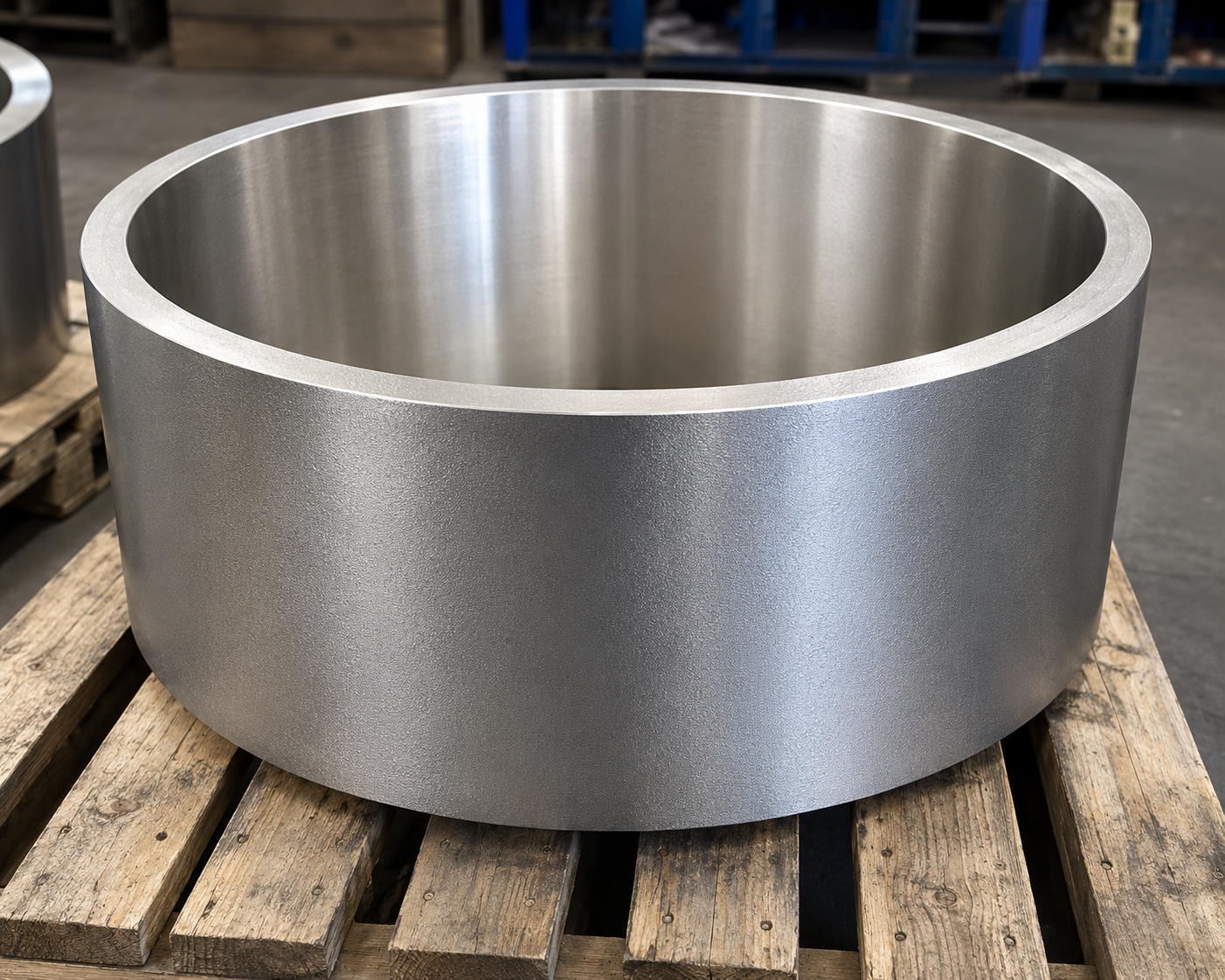
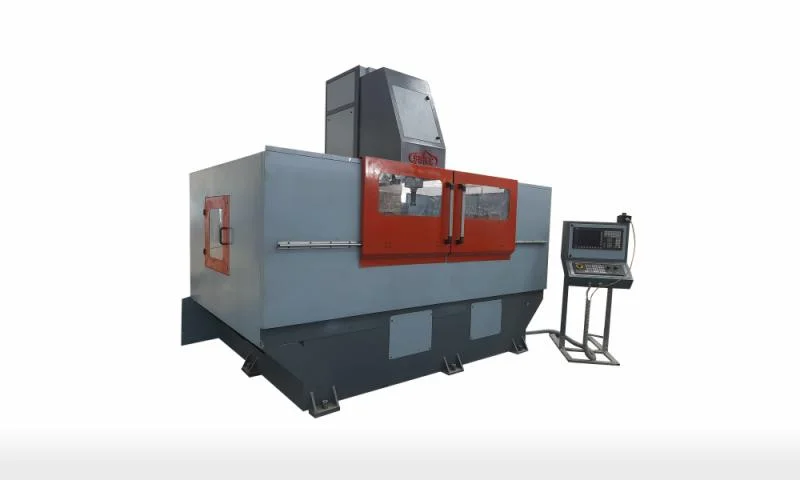
Centrifugal casting machines are specialized equipment used for the production of cylindrical metal components. They operate by pouring molten metal into a rotating mold, which creates a centrifugal force that helps distribute the metal evenly along the mold's inner surface. This process results in high-density castings with excellent mechanical properties, making it suitable for a variety of applications.
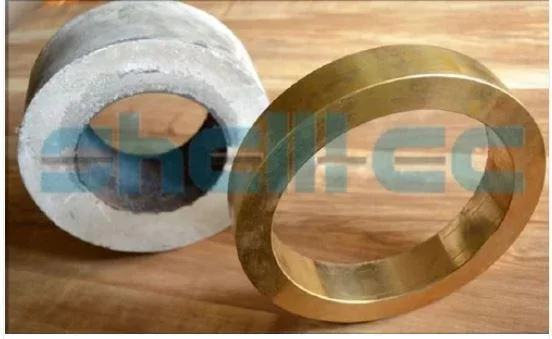
These machines are primarily used in industries that require precision-engineered components, such as automotive, aerospace, and heavy machinery manufacturing. They enable the production of components like pipes, rings, and other cylindrical shapes that demand high strength and durability. The ability to create complex geometries with fewer defects positions centrifugal casting as a preferred choice for manufacturers looking to optimize production efficiency and product quality.
In the current market context, the relevance of centrifugal casting machines is growing as industries continue to demand advanced manufacturing techniques that ensure consistency and performance. With the rise of automation and technological advancements in casting processes, these machines are becoming integral to modern manufacturing strategies.
Key Features and Specifications
Centrifugal casting machines boast a range of features that enhance their performance and efficiency. These specifications are crucial for buyers to understand in order to select the right equipment for their needs.
Key specifications include:
1. Rotational Speed
- The speed at which the mold rotates, which can significantly impact the quality of the cast.
- Typical ranges are from 100 to 300 RPM, depending on the application.
2. Mold Material
- The type of material used for the mold, which influences heat resistance and durability.
- Common materials include steel, cast iron, and various alloys.
3. Pouring Temperature
- The optimal temperature at which the molten metal is poured into the mold.
- This can vary greatly depending on the type of metal, typically ranging from 1200°C to 1600°C.
4. Maximum Casting Diameter
- The largest diameter of the castings that can be produced.
- This can range from 50 mm to over 1 meter, depending on the machine design.
5. Automation Level
- The degree of automation in the casting process, from manual to fully automated systems.
- More advanced machines incorporate automated pouring and cooling systems.
6. Control Systems
- The monitoring and control systems used to regulate the casting process.
- Some machines feature advanced digital interfaces and data logging capabilities.
7. Cooling Mechanisms
- The systems in place to ensure rapid cooling of the castings post-production.
- Options may include air cooling, water quenching, or oil baths.
8. Weight Capacity
- The maximum weight of the components that can be cast in a single pour.
- This may vary widely, with machines capable of handling from a few kilograms to several tons.
In summary, understanding these key features and specifications will aid buyers in making informed decisions regarding the purchase of centrifugal casting machines.
Common Applications and Use Cases
Centrifugal casting machines are employed across various industries due to their ability to produce high-quality, durable components.
1. Automotive: These machines are used to manufacture engine blocks, cylinder heads, and other critical components that require high strength and precision.
2. Aerospace: In this industry, centrifugal casting is utilized for producing turbine housings and other complex parts that must withstand extreme conditions.
3. Oil and Gas: Components such as pipes and valve bodies are cast using centrifugal methods to ensure they can handle high pressures and corrosive environments.
4. Marine: Centrifugal casting is ideal for creating propellers and shafts that demand exceptional durability and resistance to marine conditions.
5. Heavy Machinery: The production of heavy-duty parts, such as gears and housings, relies on centrifugal casting for its ability to deliver high mechanical strength.
6. Construction: Pipes and fittings used in construction often benefit from the reliability and quality achieved through centrifugal casting methods.
7. Energy: Components for turbines and generators are also produced using centrifugal casting to ensure they can operate efficiently under demanding conditions.
Product Variants and Subcategories
Centrifugal casting machines are diverse in their designs and capabilities, allowing for various applications and production needs.
High-Pressure Centrifugal Casting Machines
These machines are designed to operate under high pressure, ensuring that the molten metal fills the mold completely. They are ideal for producing high-density castings and are commonly used in industries like aerospace and automotive.
Low-Pressure Centrifugal Casting Machines
These variants utilize lower pressure to allow for more intricate designs and complex geometries. They are suitable for applications requiring detailed castings, such as decorative parts and specialized components.
Vertical Centrifugal Casting Machines
This type features a vertical orientation of the mold, which is advantageous for specific applications, particularly in the production of long cylindrical parts. The vertical setup enhances metal flow and cooling.
Horizontal Centrifugal Casting Machines
These machines employ a horizontal mold position, ideal for casting shorter components. They are widely used for manufacturing pipes and fittings that require uniform thickness.
Benefits and Advantages
The use of centrifugal casting machines offers numerous benefits, making them a valuable investment for manufacturers.
1. High Quality: The centrifugal force ensures uniform density and eliminates porosity, resulting in high-quality castings.
2. Cost-Effective: Efficient production processes reduce material waste and lower overall manufacturing costs.
3. Versatility: These machines can accommodate a variety of metals and alloys, making them suitable for multiple applications.
4. Faster Production: The rapid cooling and solidification process enables quicker turnaround times for production runs.
5. Reduced Defects: The method minimizes common casting defects, such as air bubbles and inclusions, ensuring reliable product performance.
6. Customization: Many machines can be tailored to meet specific production requirements, allowing for flexibility in manufacturing.
Buying Guide for B2B Buyers
When sourcing centrifugal casting machines, it is essential for buyers to consider several key factors to ensure a successful purchase.
1. Quality Assessment: Evaluate the quality of the machine by reviewing manufacturer certifications and production standards. Look for machines that meet international standards for quality and performance.
2. Supplier Verification: It is crucial to vet suppliers to ensure they have a reliable track record. Check references, reviews, and their experience in the industry.
3. Pricing and MOQ: Understand the cost implications, including the minimum order quantity (MOQ). Compare pricing among suppliers to ensure competitive rates.
4. Delivery and Lead Times: Discuss delivery schedules to ensure they align with production timelines. Consider the logistics involved in transporting the machinery.
5. Compliance Requirements: Ensure that the machines comply with necessary regulations and industry standards. This may include safety certifications and environmental compliance.
Compliance and Certifications
Centrifugal casting machines are subject to various compliance and certification requirements to ensure safety and quality.
Relevant quality standards include ISO 9001, which ensures that manufacturers maintain effective quality management systems. This standard is essential for ensuring consistent product quality.
Industry certifications such as CE indicate that the machines meet European safety, health, and environmental protection standards. Compliance with these certifications is crucial for market acceptance.
Safety and testing requirements must also be adhered to, including proper machine guarding and emergency stop functions. Regular inspections and testing ensure that machines operate safely and efficiently.
Regional compliance considerations may vary, so it is important to be aware of local regulations that may affect the use and operation of centrifugal casting machines.
Why Source Centrifugal Casting Machines from Pepagora?
Pepagora provides a trusted platform for sourcing centrifugal casting machines with several key advantages.
Verified Supplier Network: Pepagora connects buyers with a network of verified suppliers, ensuring that all listed vendors have undergone thorough vetting processes. This builds trust and confidence in the sourcing process.
Streamlined RFQ Process: The Request for Quotation (RFQ) process is designed to be efficient, allowing buyers to receive competitive quotes from multiple suppliers quickly. This saves time and simplifies decision-making.
Trade Assurance and Support: Pepagora offers trade assurance, providing buyers with protection in their transactions. This includes support services that help resolve any disputes that may arise during the purchasing process.
Regional Coverage: With a strong presence in India, the GCC, and Southeast Asia, Pepagora enhances geographical reach for buyers, making it easier to find local suppliers and reduce shipping times. This regional expertise ensures that buyers can access the best centrifugal casting machines for their needs.

 IN
IN