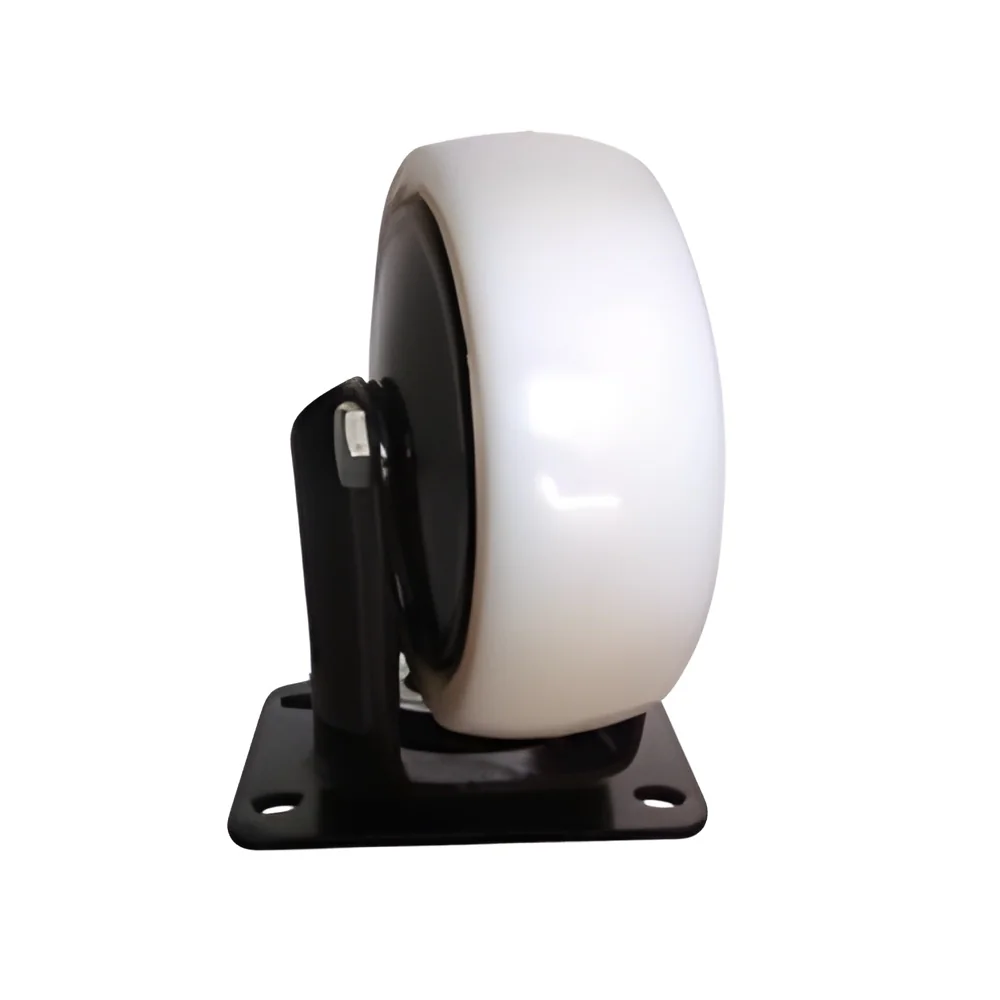
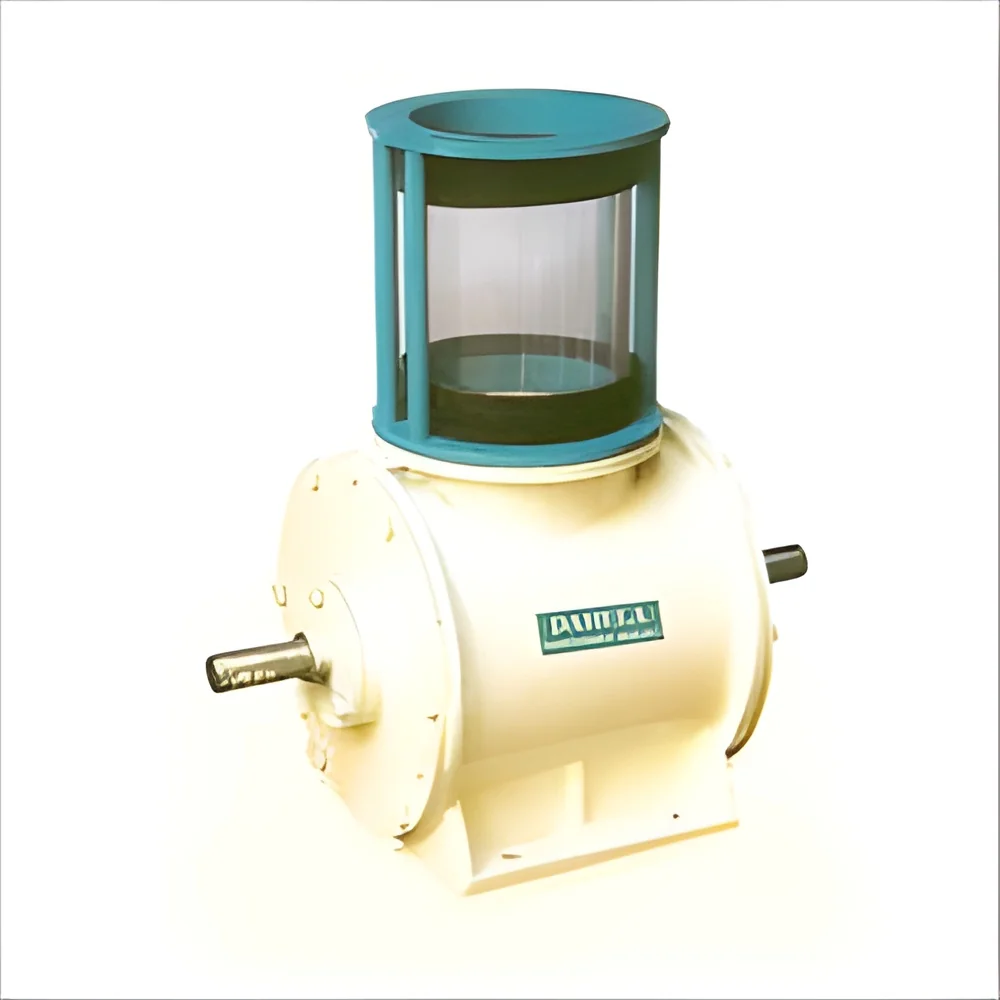
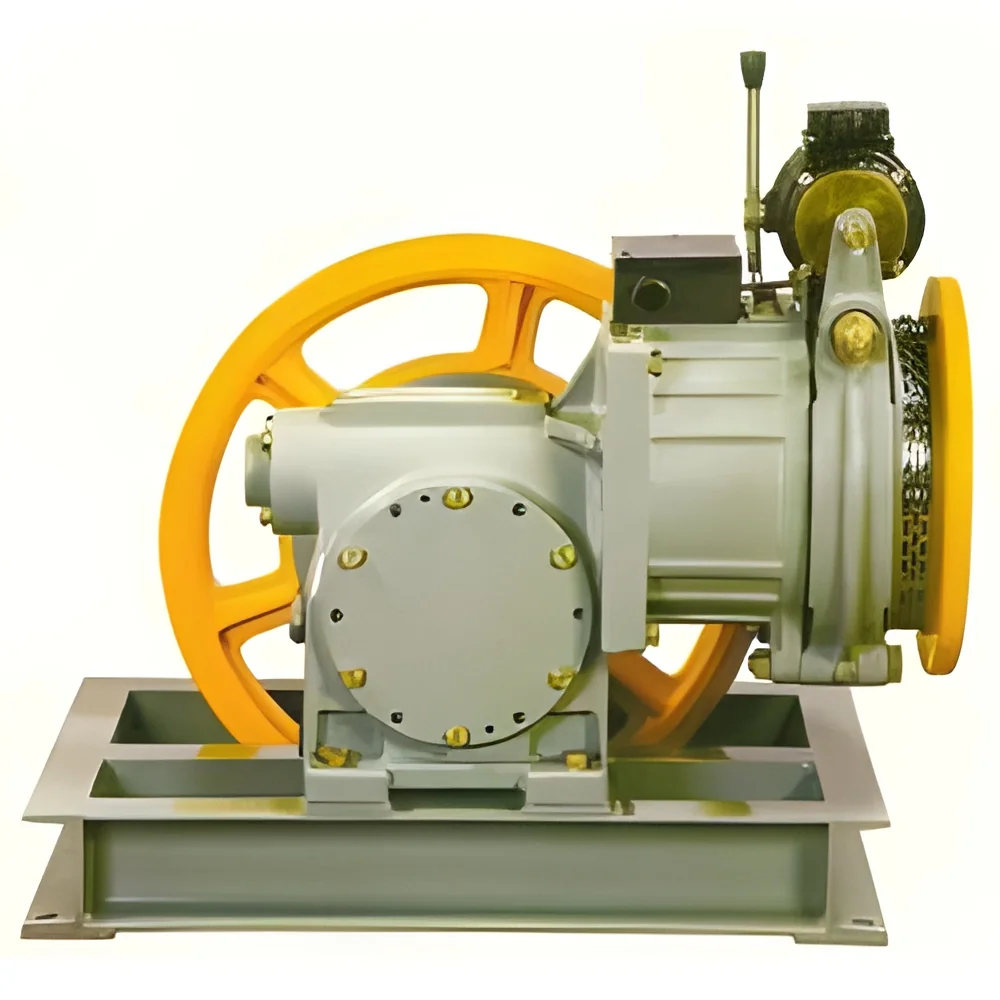
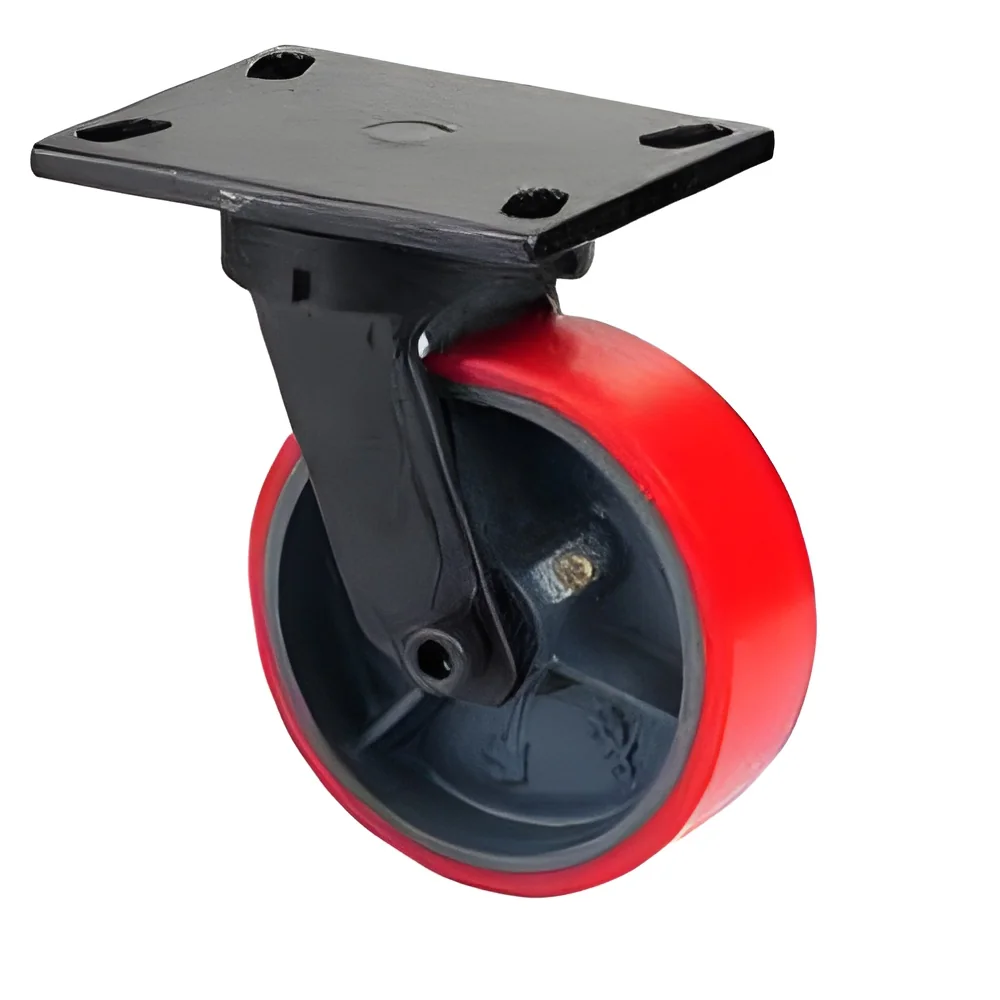
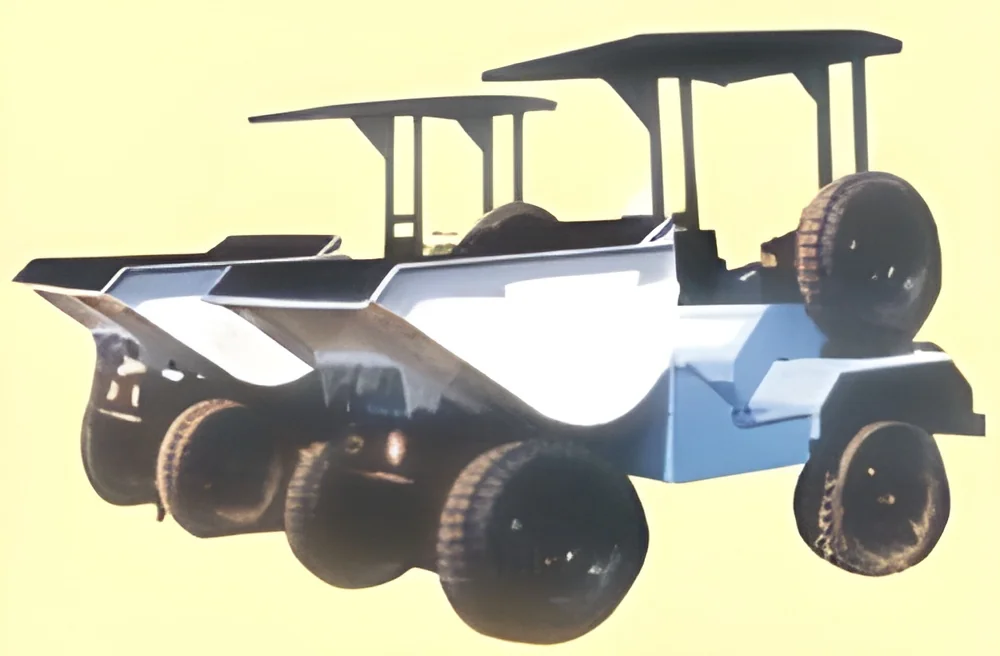
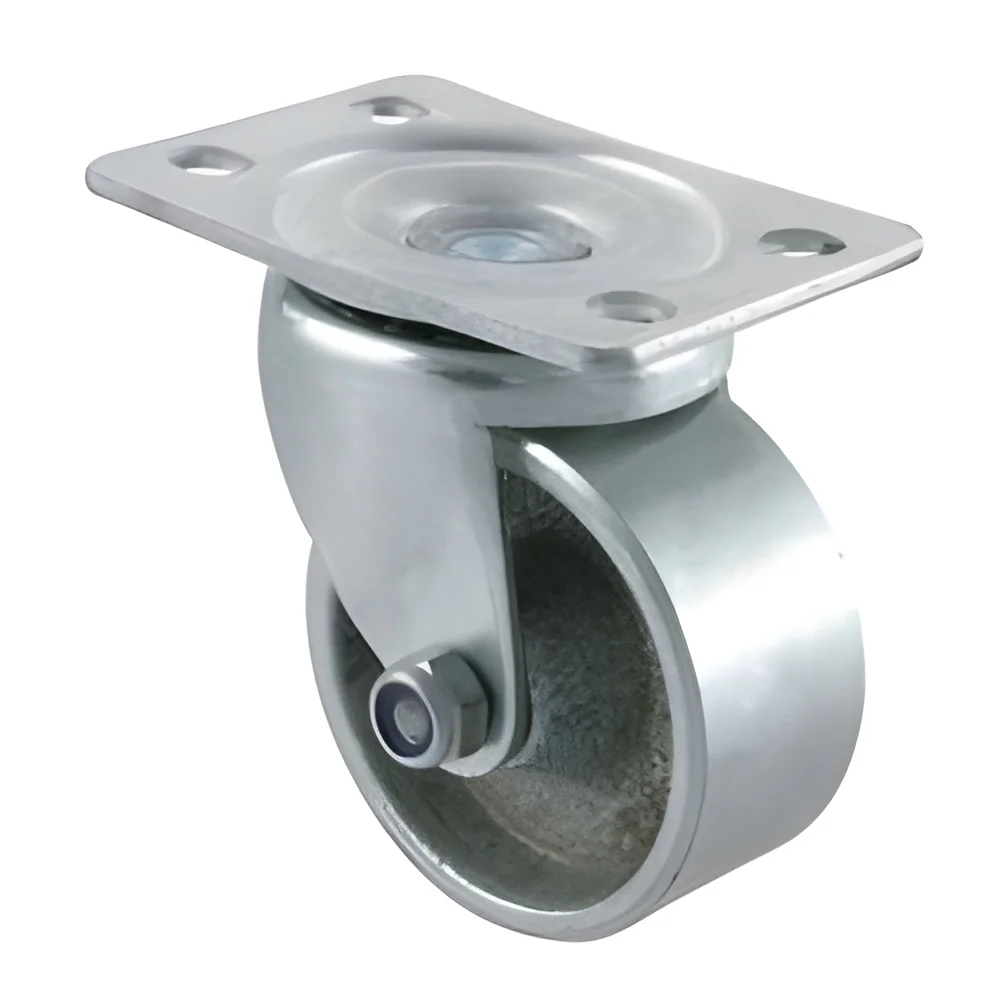
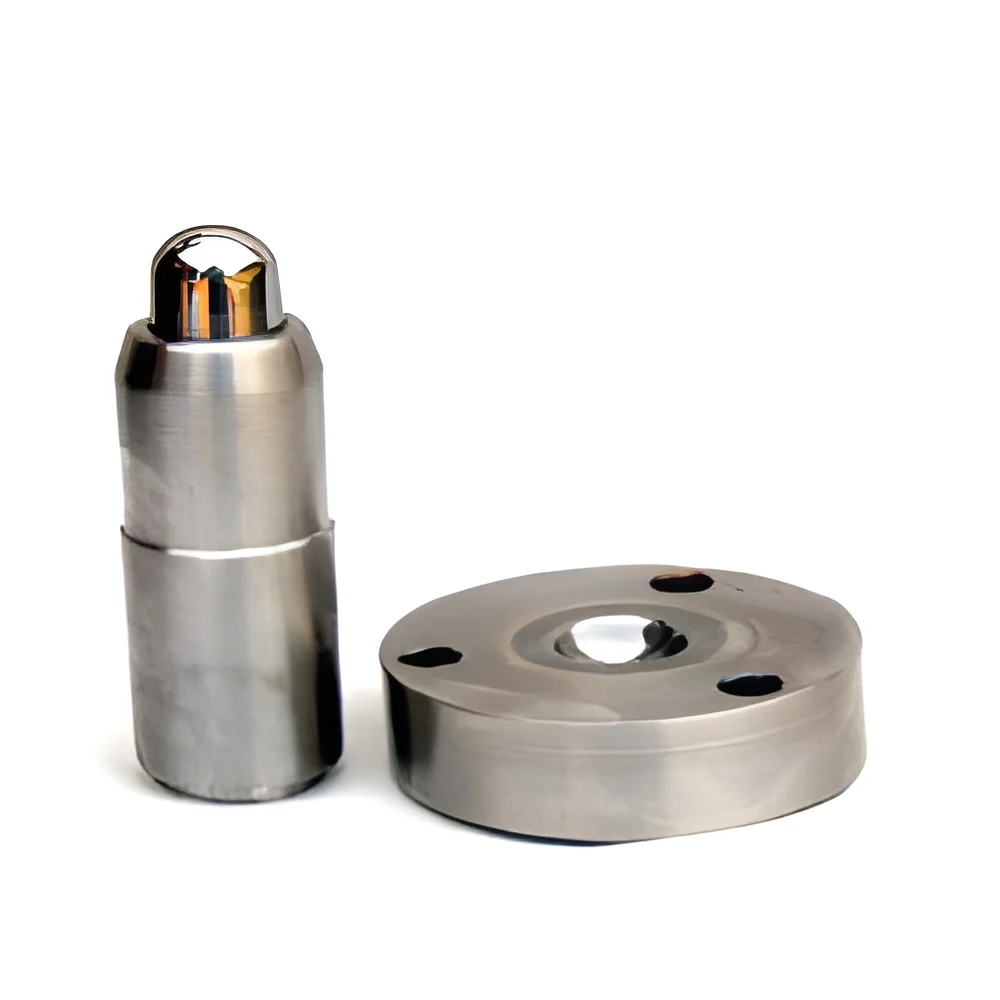
What are Material Handling for Cast/Forged Parts?
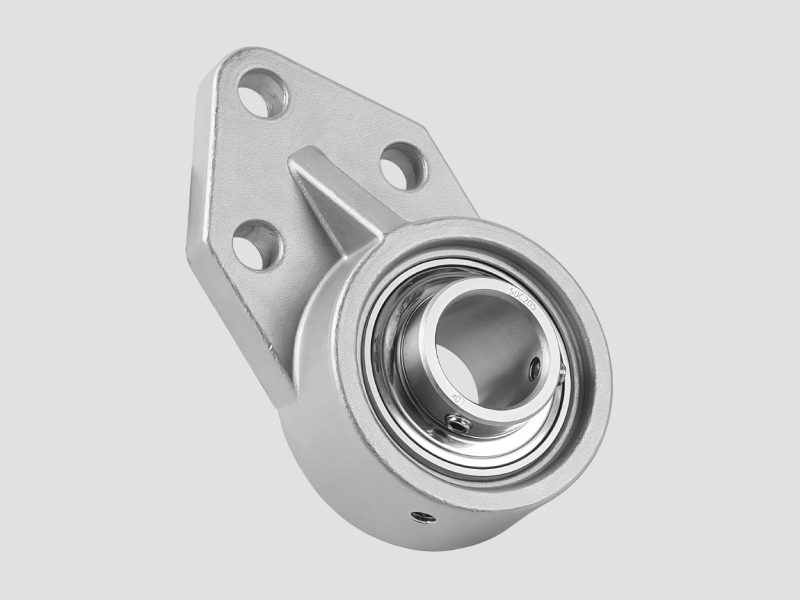
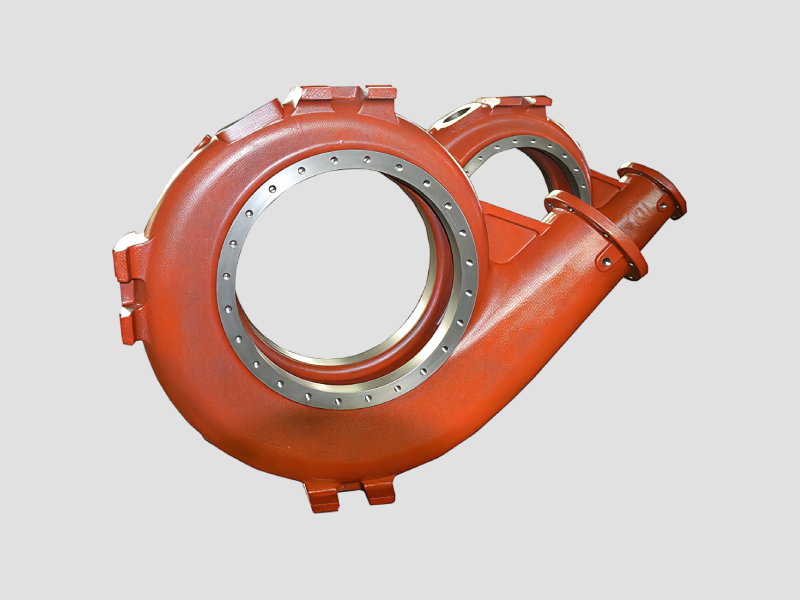
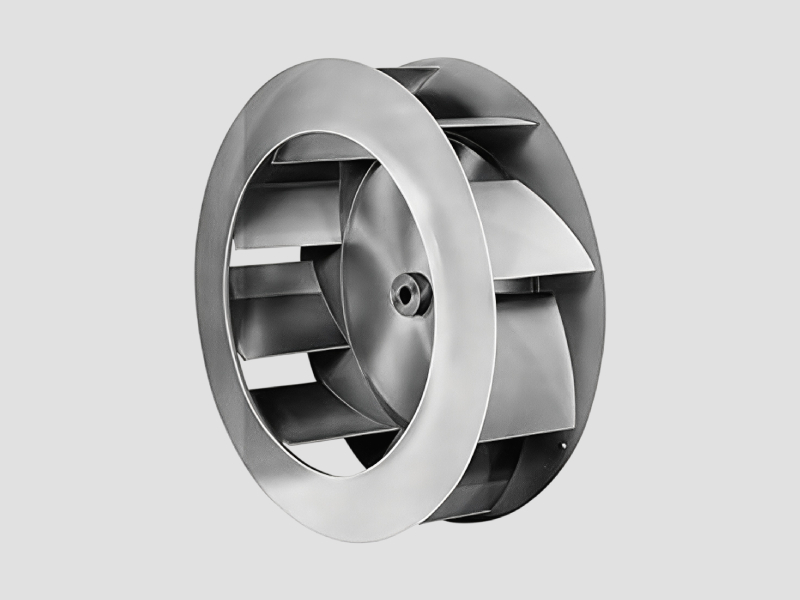
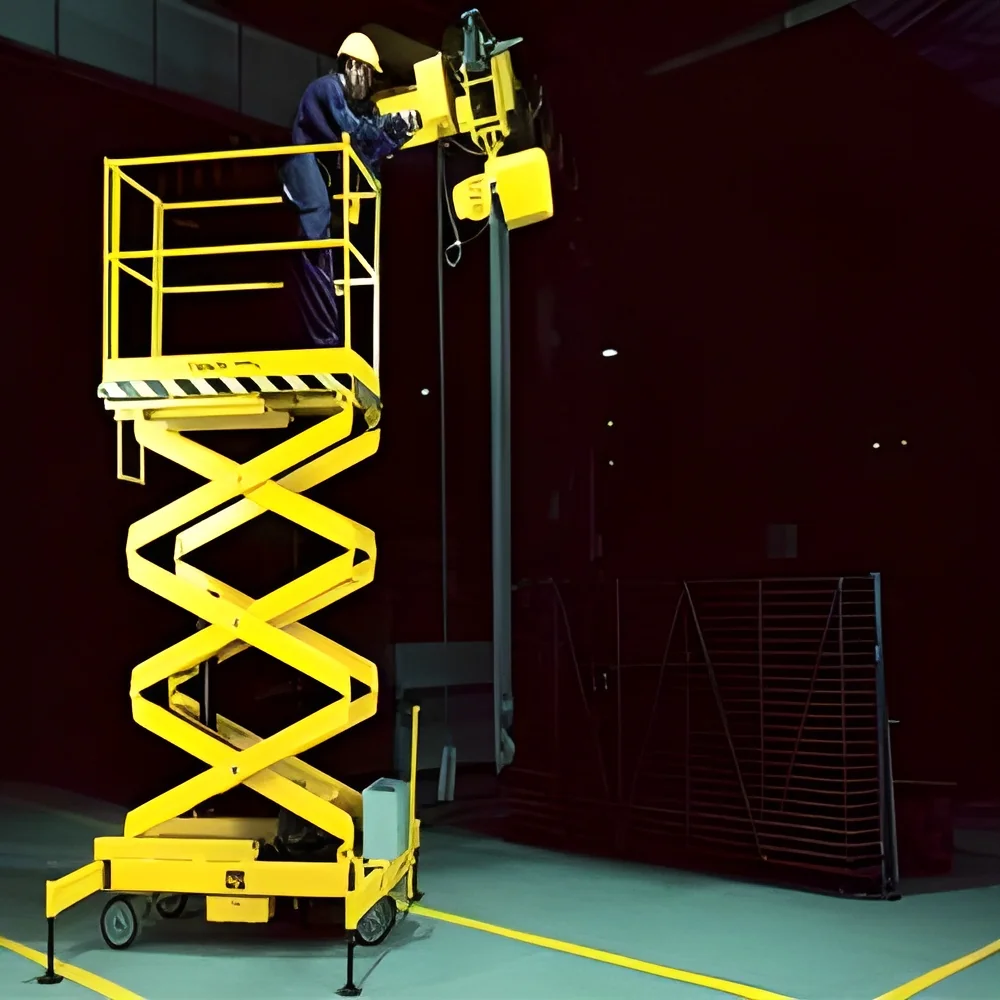
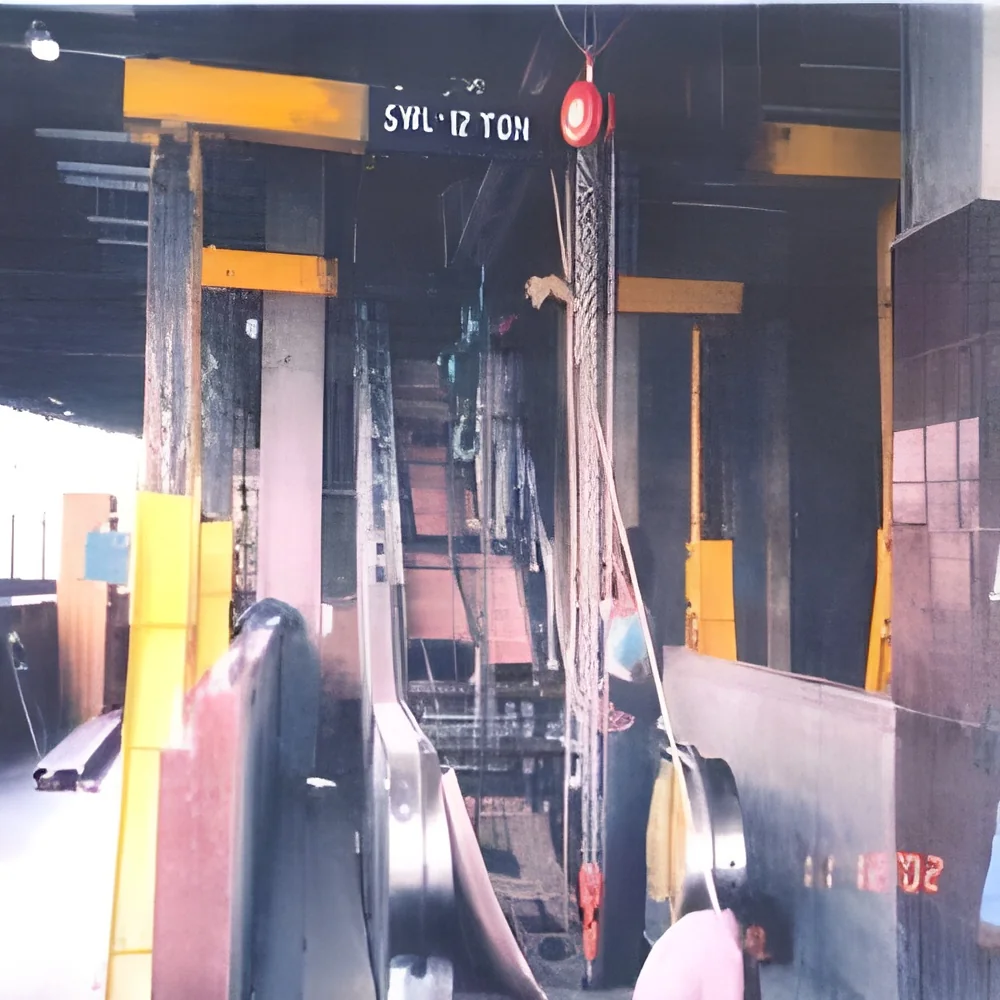
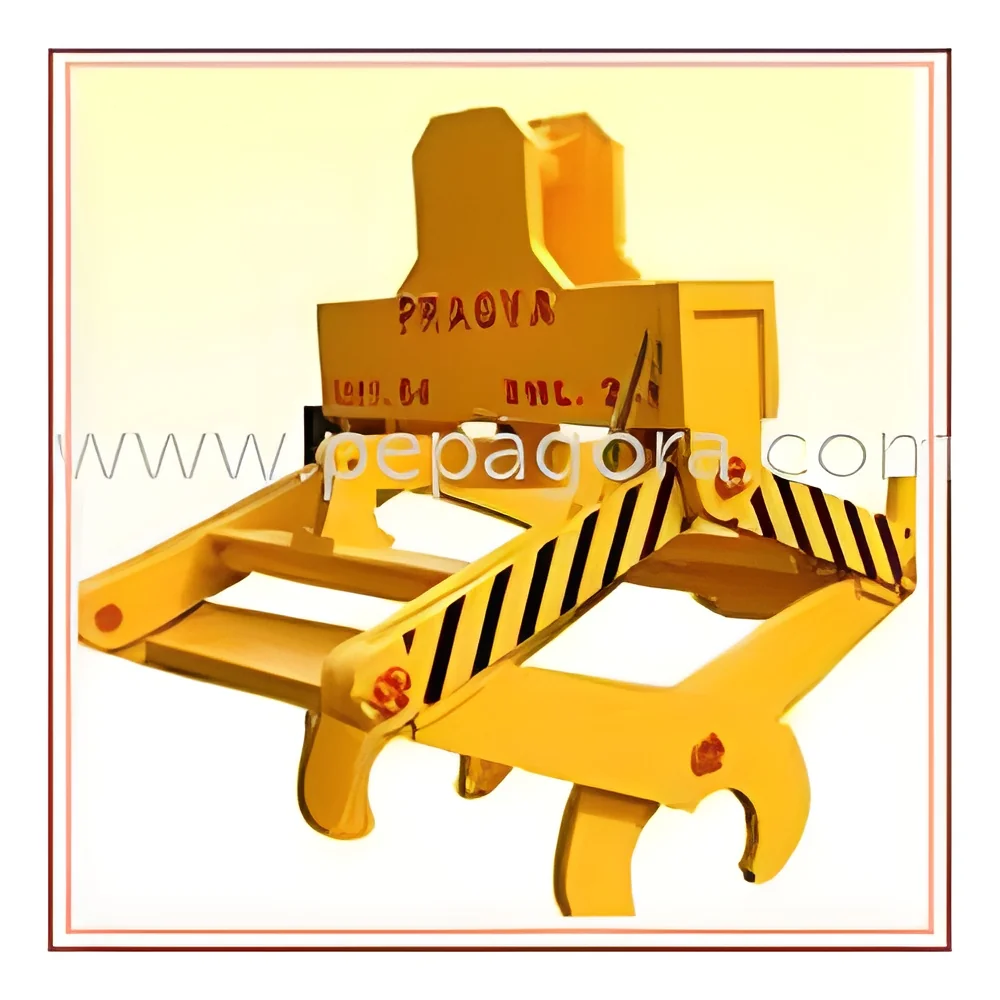
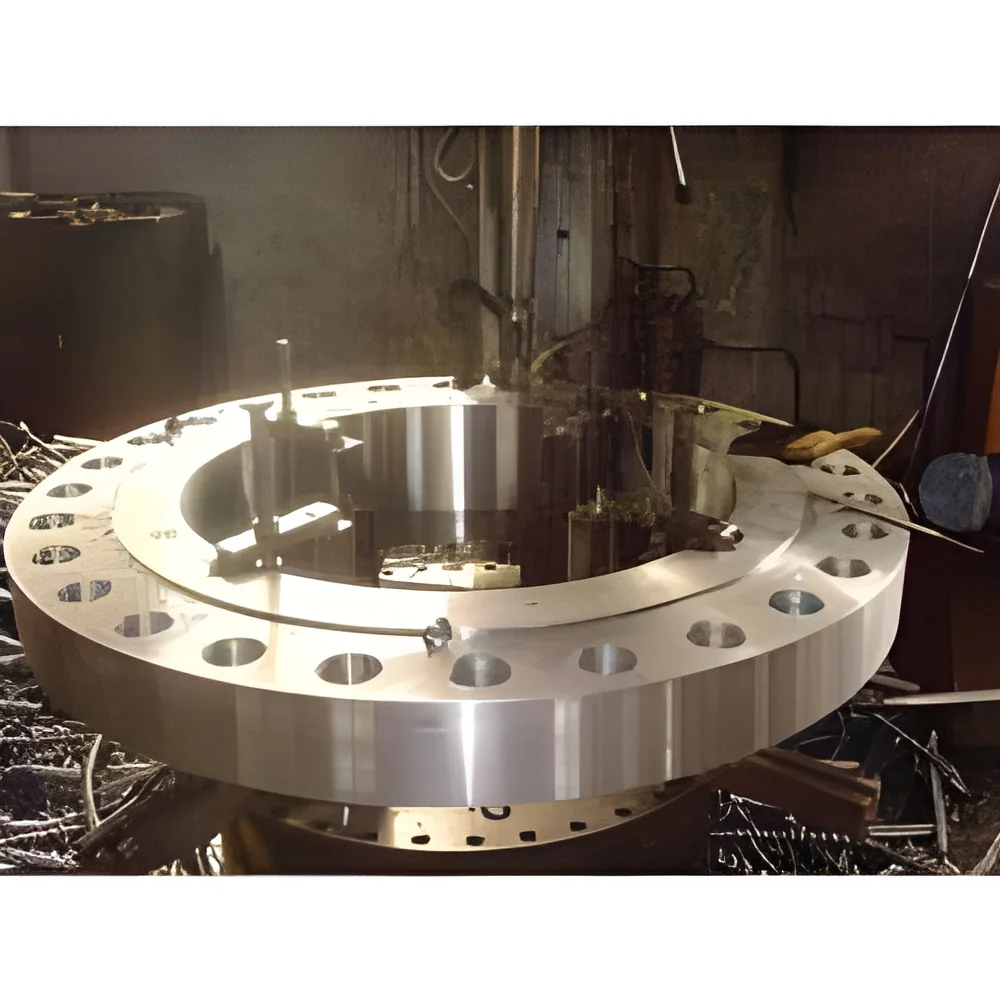
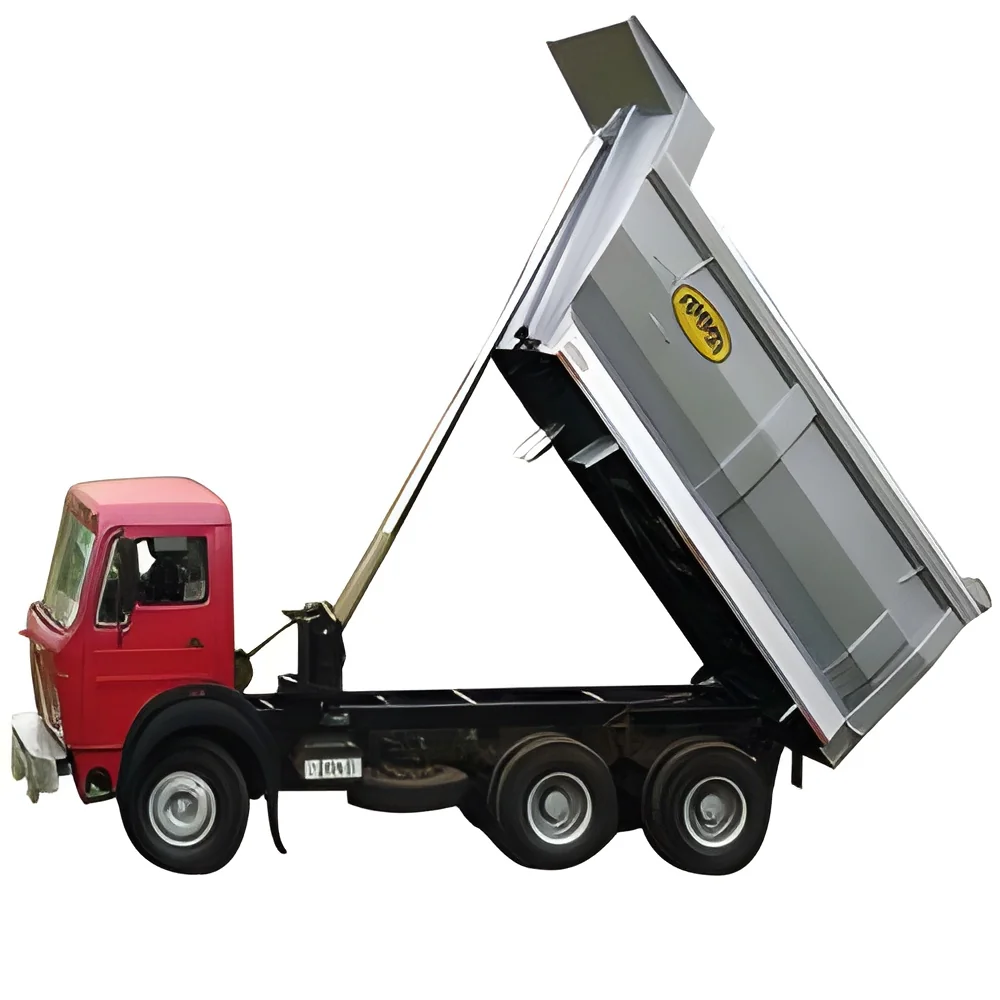
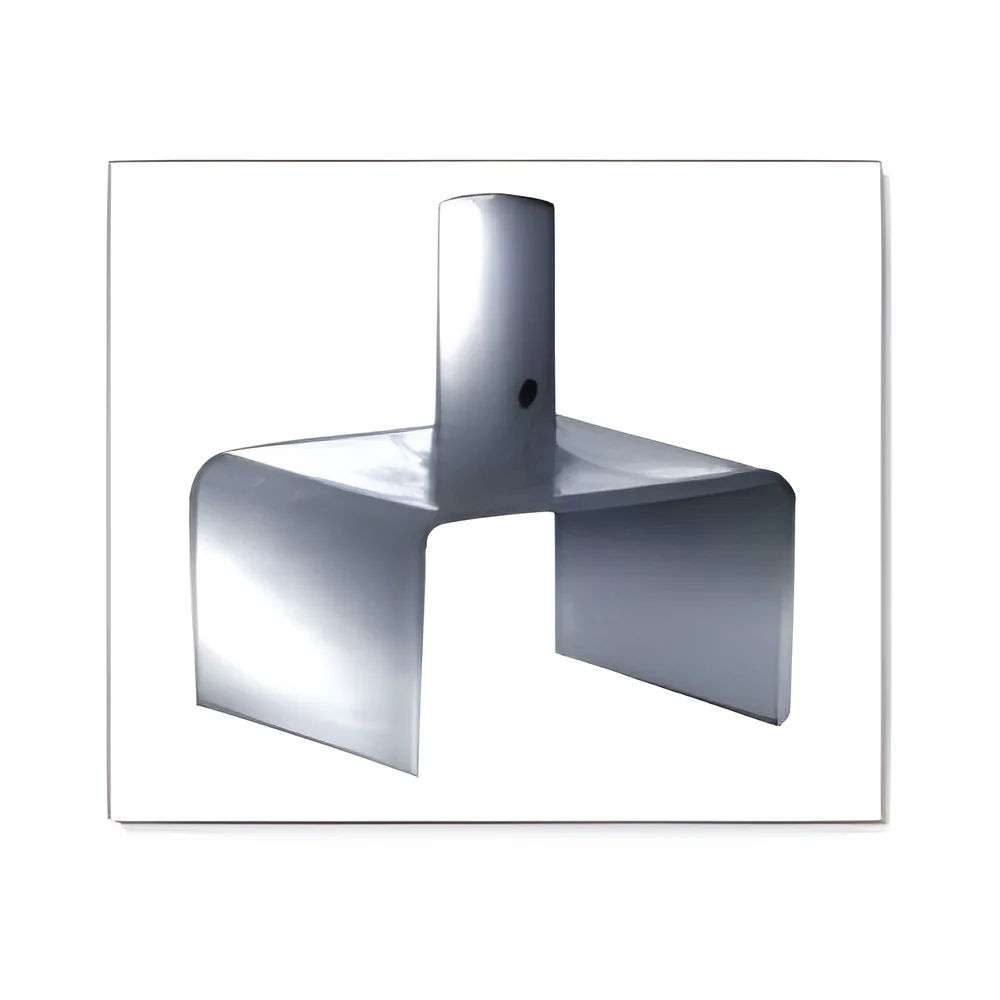
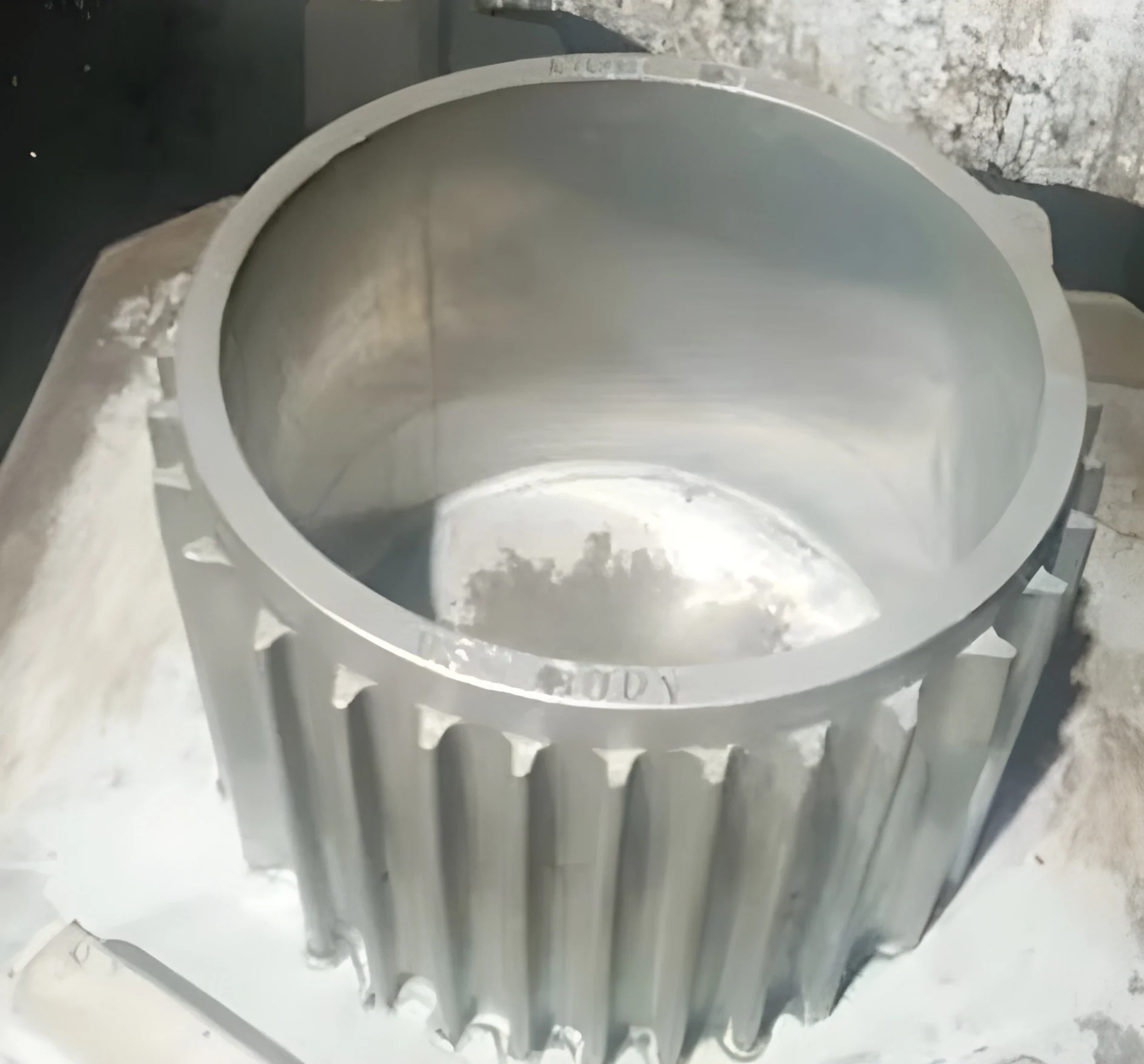
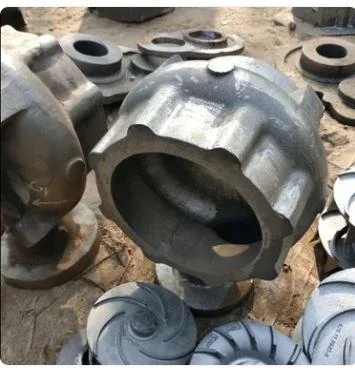
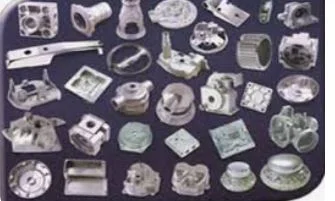
Material handling for cast and forged parts involves the processes, equipment, and systems used to transport, store, and control these heavy and often irregularly shaped items within a manufacturing or industrial setting. These parts, which include components made through casting and forging, typically require specialized handling solutions due to their weight, size, and material properties. Efficient material handling ensures that these components are moved safely and effectively throughout the production process, minimizing the risk of damage and improving overall operational efficiency.
The primary uses of material handling for cast and forged parts are found across various industries, including automotive, aerospace, and heavy machinery manufacturing. Within these sectors, the need for precise movement and storage solutions is critical, as mishandling can lead to costly errors, production delays, and safety hazards. As industries continue to evolve with advancements in manufacturing technology, the demand for sophisticated material handling solutions is increasing. Companies are looking for ways to enhance productivity and reduce operational costs.
In the current market context, the material handling sector for cast and forged parts is experiencing growth driven by the rising demand for automation and efficiency in manufacturing processes. As industries adopt new technologies such as robotics and AI, the capabilities of material handling systems are also expanding, paving the way for more innovative solutions that meet the needs of modern manufacturing environments.
Key Features and Specifications
Material handling solutions for cast and forged parts are designed with a range of features to address the unique challenges posed by these heavy components. These features ensure safety, efficiency, and reliability in operations.
Key specifications include:
1. Load Capacity
- Designed to handle heavy weights typical of cast and forged parts
- Capacity ranges vary depending on the specific equipment and application
2. Mobility Solutions
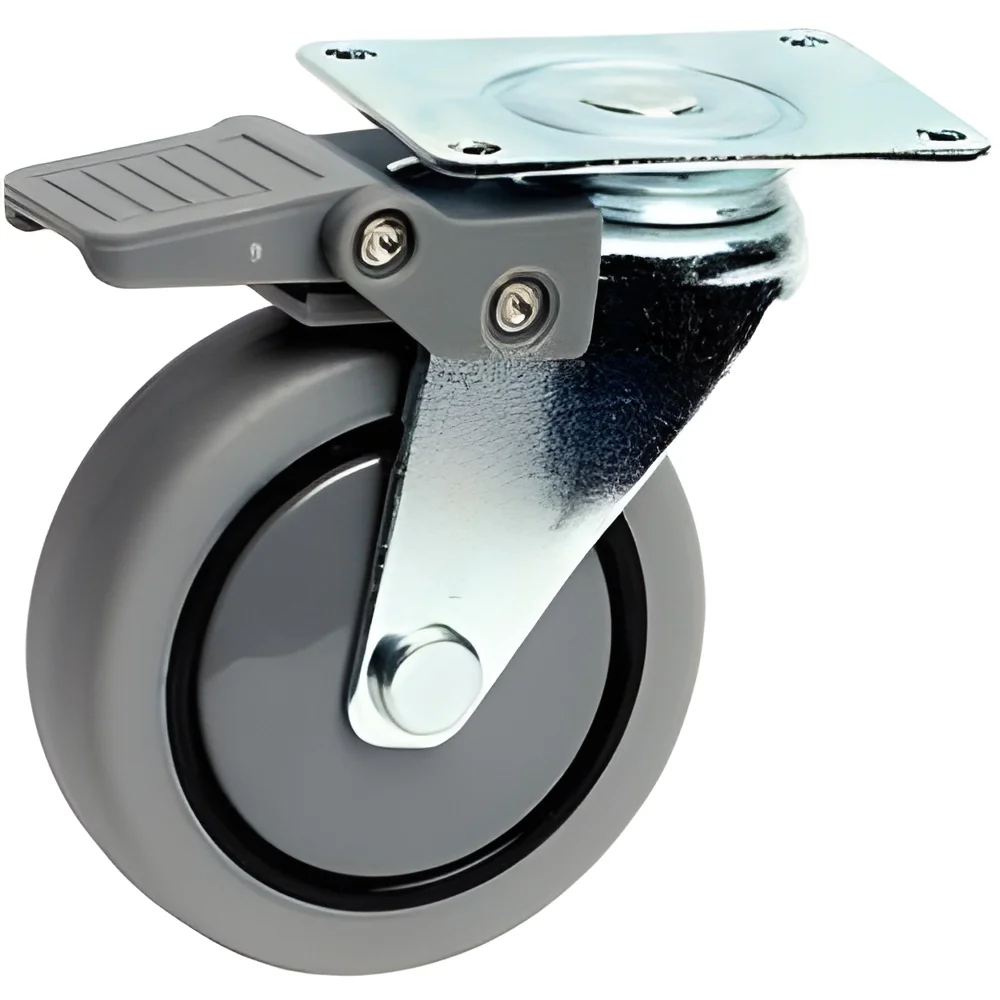
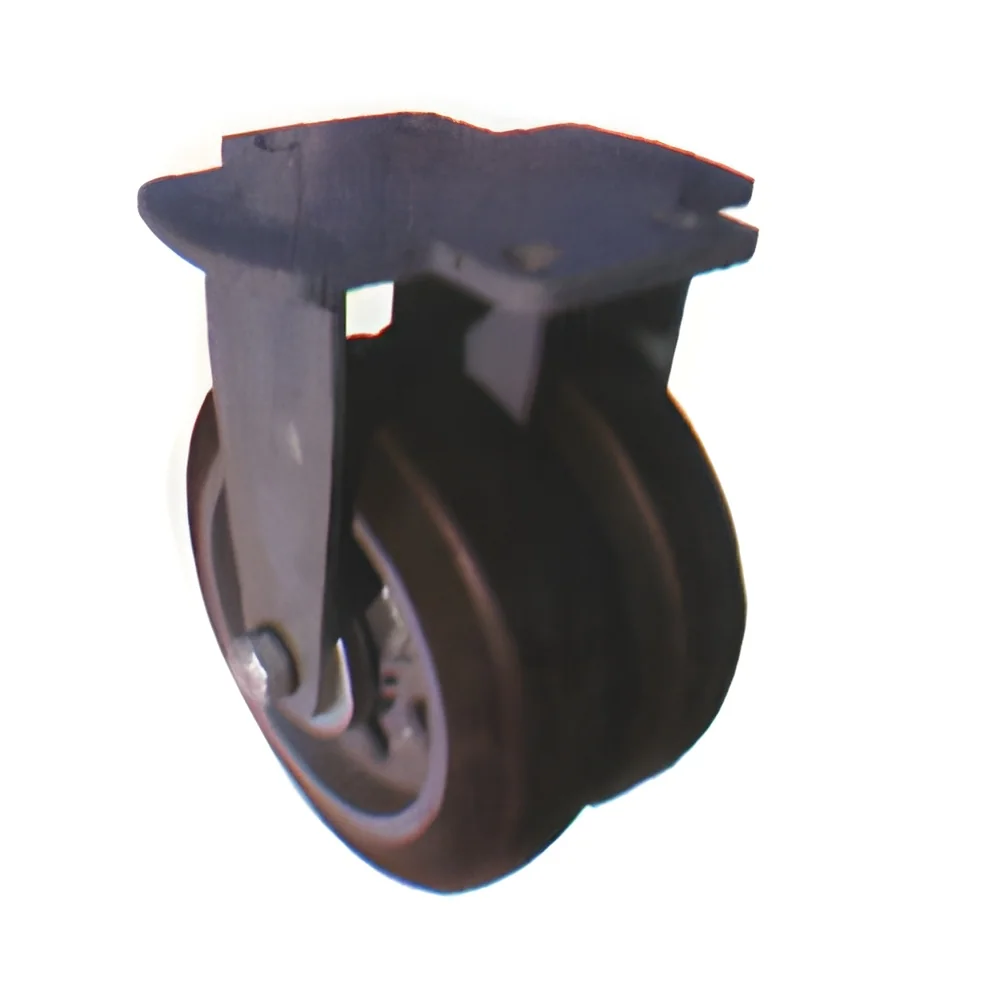
- Options for manual and powered movement systems
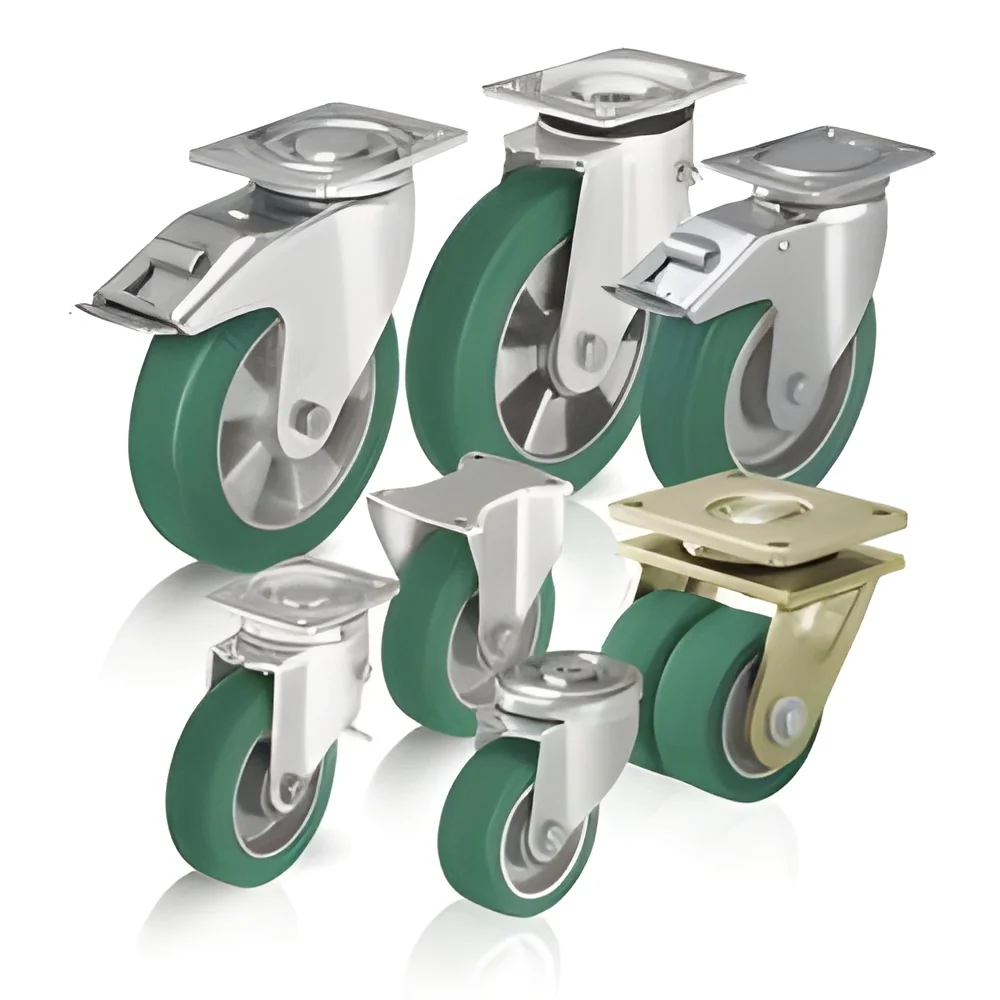
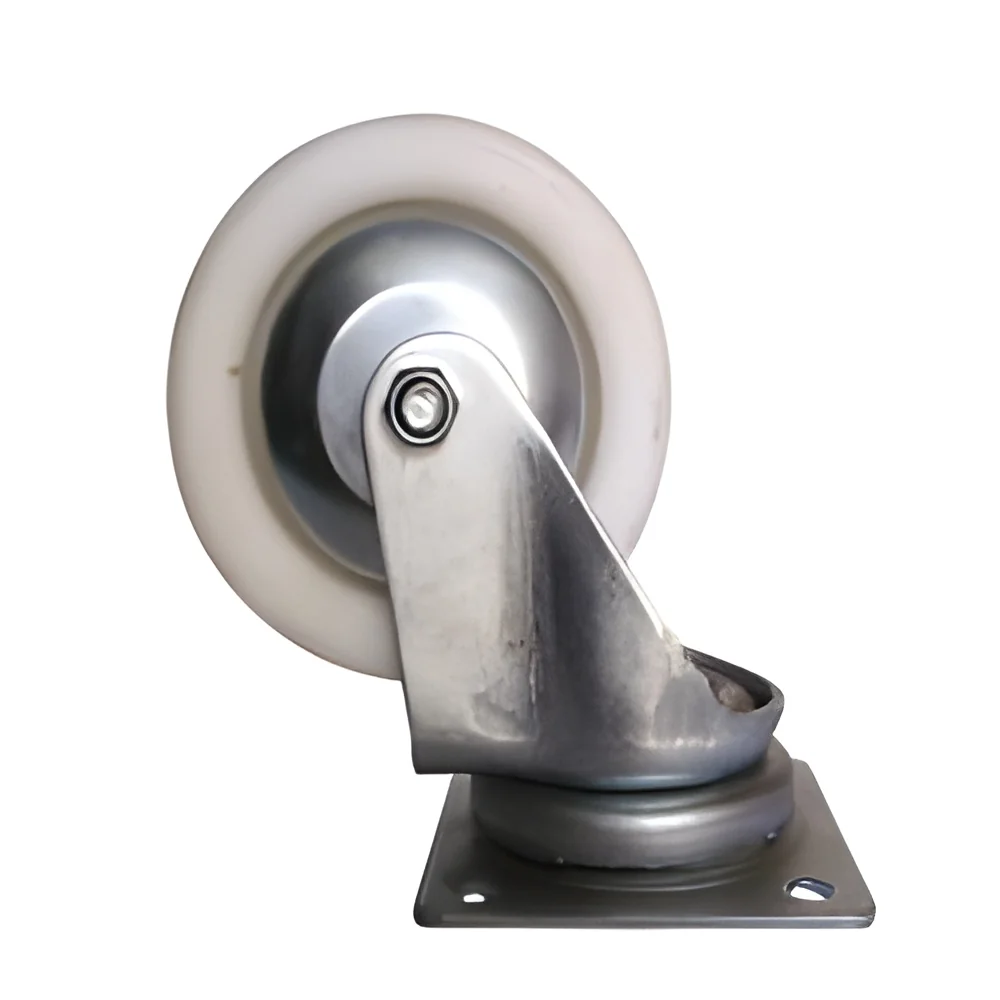
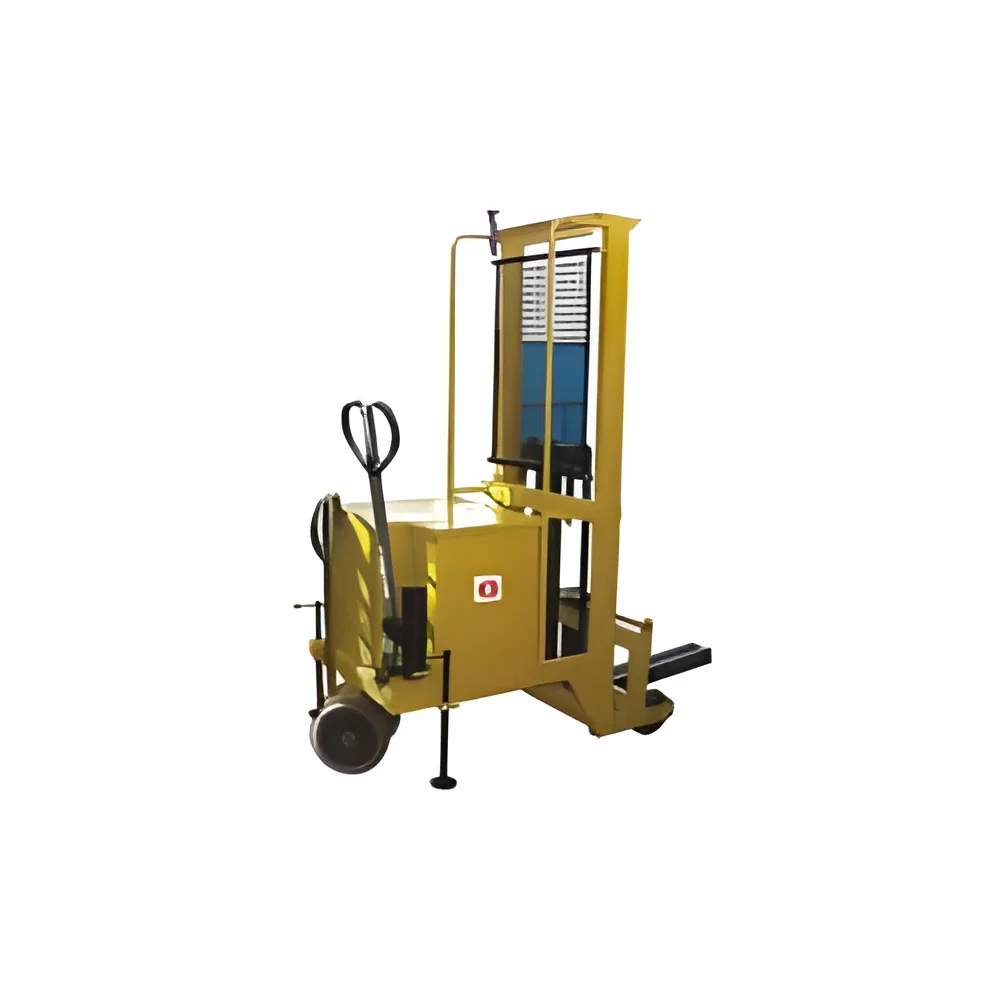
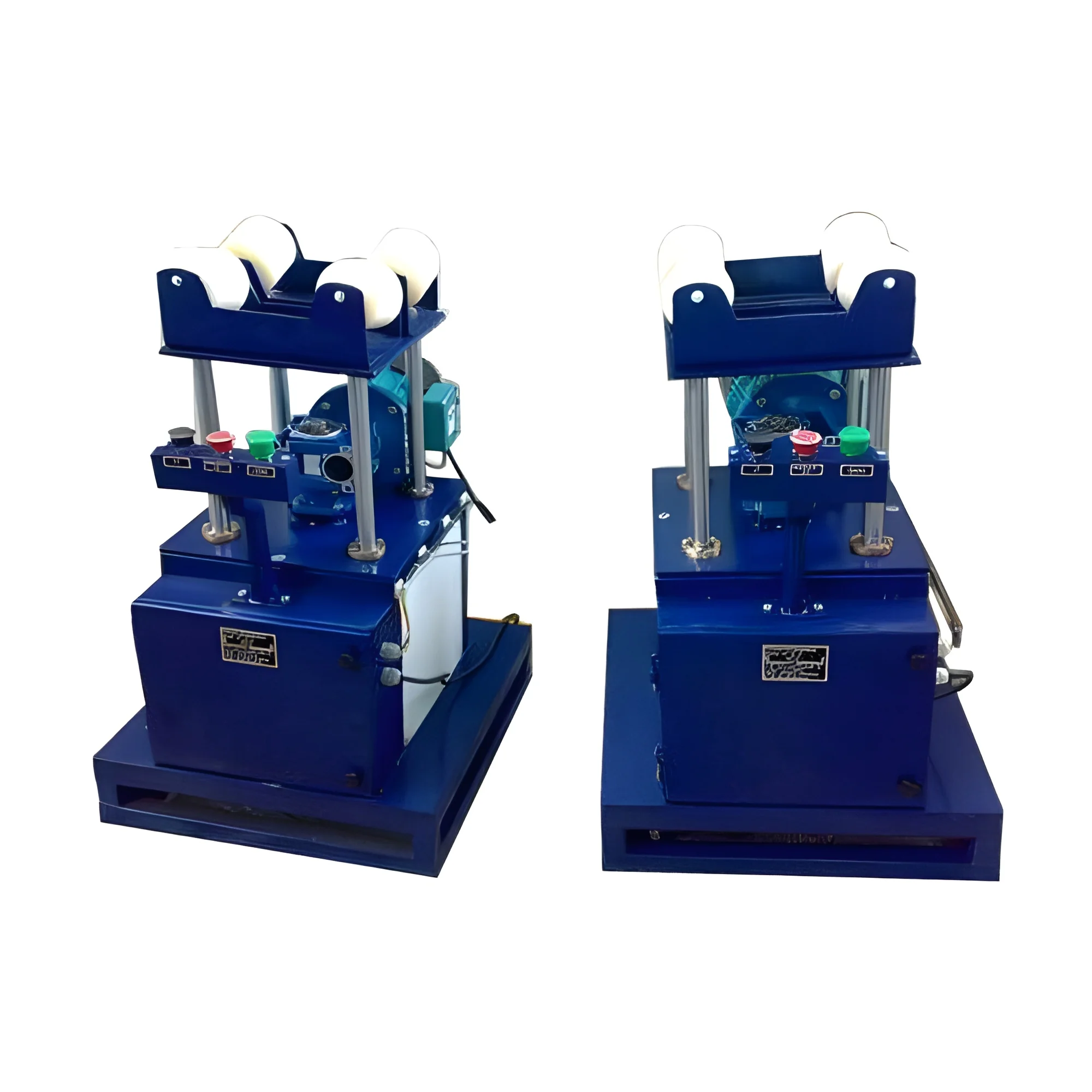
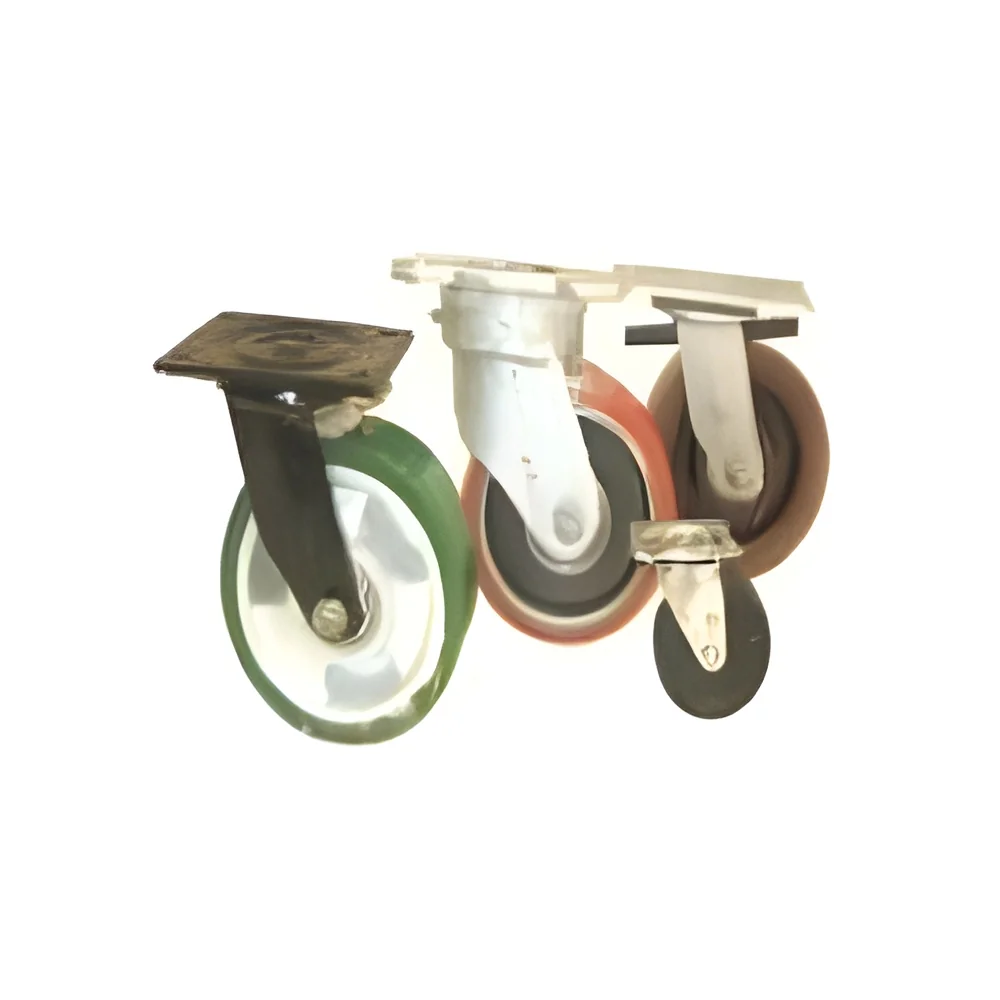
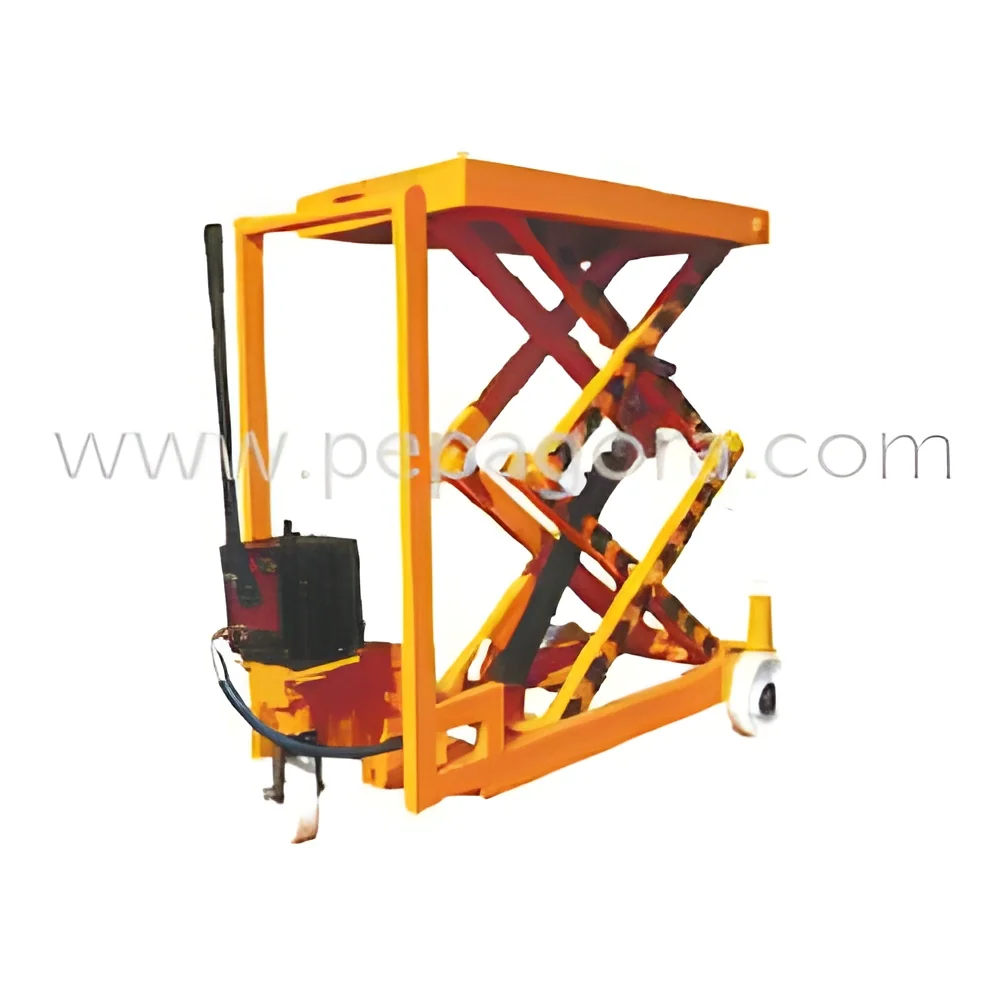
- Includes forklifts, conveyors, and automated guided vehicles
3. Storage Solutions
- Racks and shelving systems tailored for the dimensions of cast and forged parts
- Adjustable configurations to optimize space utilization
4. Safety Features
- Integrated safety systems to protect operators and equipment
- Includes emergency stop buttons and load monitoring systems
5. Material Composition
- Equipment made from durable materials to withstand harsh environments
- Corrosion-resistant finishes for longevity
6. Customization Options
- Ability to modify equipment to fit specific operational needs
- Includes adjustable heights, widths, and load configurations
7. Environmental Controls
- Systems designed to operate in challenging environments
- Features may include temperature and humidity monitoring
8. Compliance Standards
- Adherence to industry safety and quality standards such as CE certification
- Ensures reliability and acceptance in various markets
In summary, the key features and specifications of material handling solutions for cast and forged parts are critical for ensuring safe and efficient operations within manufacturing environments. Choosing the right specifications can significantly impact productivity and safety.
Common Applications and Use Cases
Material handling for cast and forged parts finds application in various industries, each with specific operational requirements.
1. Automotive Industry: Cast and forged parts are essential in vehicle manufacturing. Material handling solutions are used to transport engine blocks, axles, and other heavy components within assembly lines.
2. Aerospace Industry: The aerospace sector relies on precise handling of cast and forged parts such as turbine blades and landing gear. Specialized equipment ensures these high-value components are moved safely and efficiently.
3. Heavy Machinery Manufacturing: Companies producing construction and agricultural machinery utilize material handling systems to manage large cast and forged components, optimizing production flow and reducing the risk of damage.
4. Energy Sector: In energy production, particularly in wind and hydroelectric power, heavy cast parts like turbine housings need careful handling. Solutions are tailored to support their unique weight and size.
5. Oil and Gas: The industry requires robust material handling systems to manage heavy forged components used in drilling equipment and pipelines, ensuring safety and reliability.
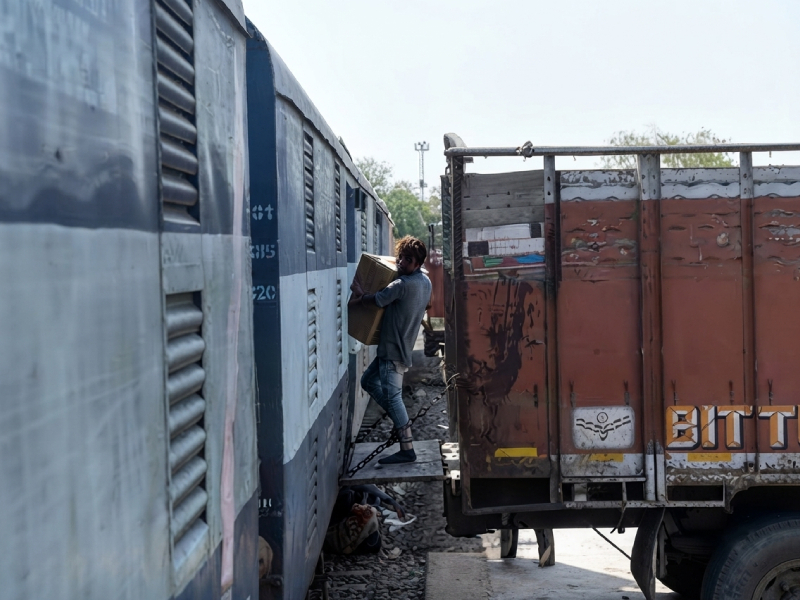
6. Rail and Transportation: Cast parts in railway systems, such as wheels and axles, necessitate specialized handling solutions to maintain efficiency and safety standards.
7. Military and Defense: Material handling systems are critical for moving cast and forged parts used in defense applications, ensuring secure and efficient logistics management.
Product Variants and Subcategories
Material handling solutions for cast and forged parts come in various forms, catering to different operational needs.
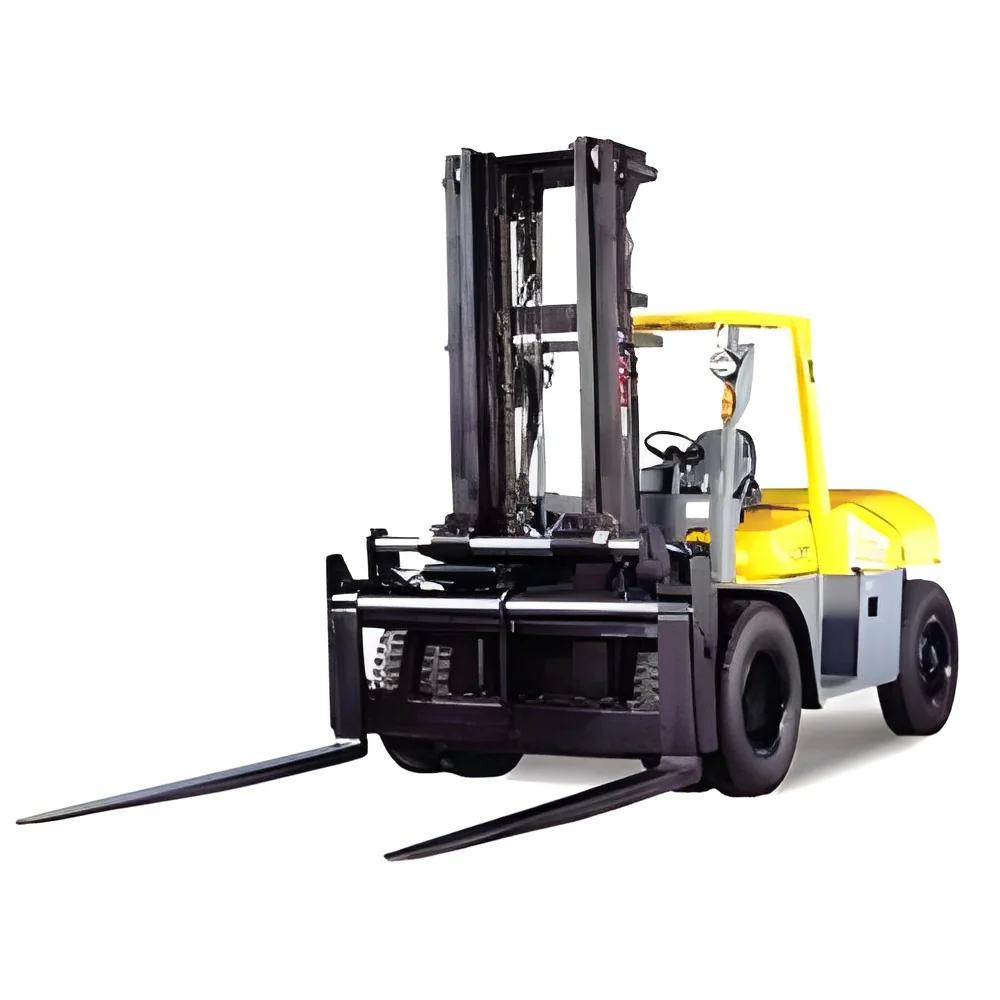
Forklifts: These vehicles are designed specifically to lift and transport heavy cast and forged parts within manufacturing facilities. They offer high load capacity and maneuverability, making them ideal for warehouse environments.
Automated Guided Vehicles (AGVs): AGVs are increasingly used for transporting cast and forged parts autonomously within production lines. They improve efficiency and reduce the need for manual labor.
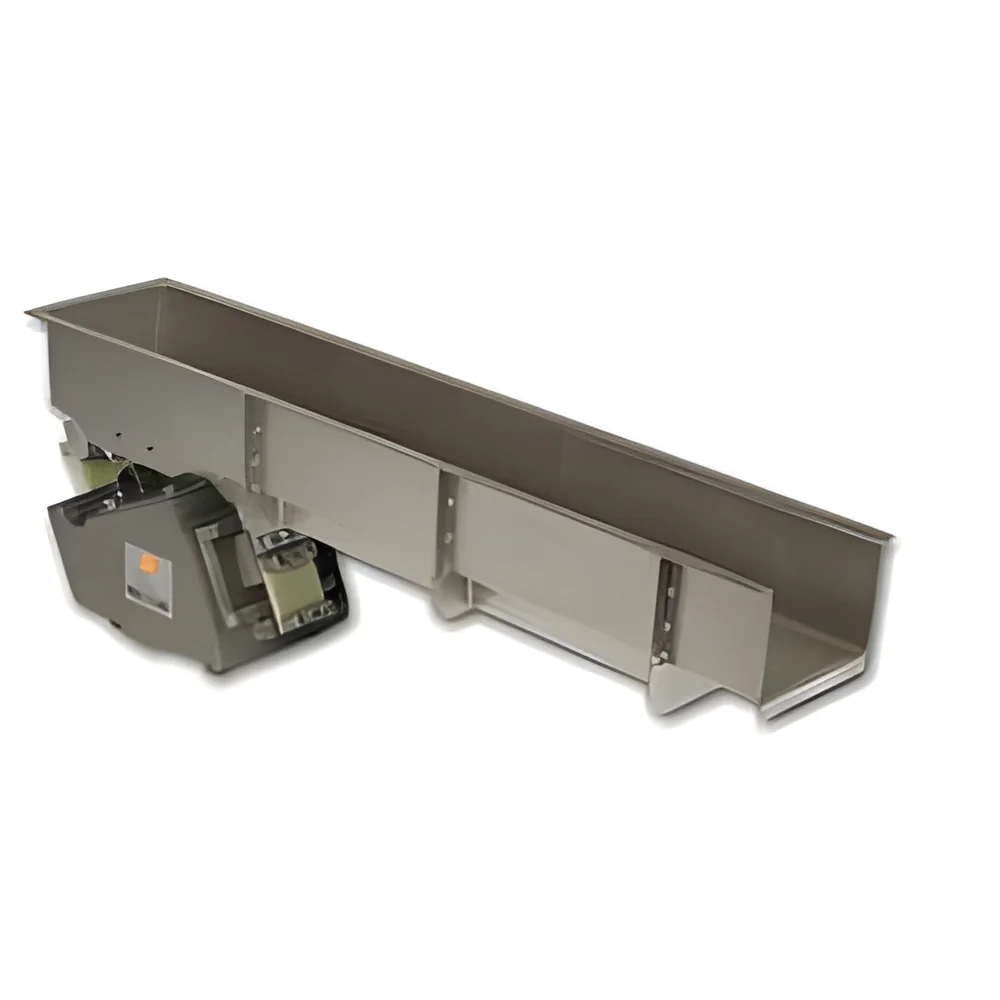
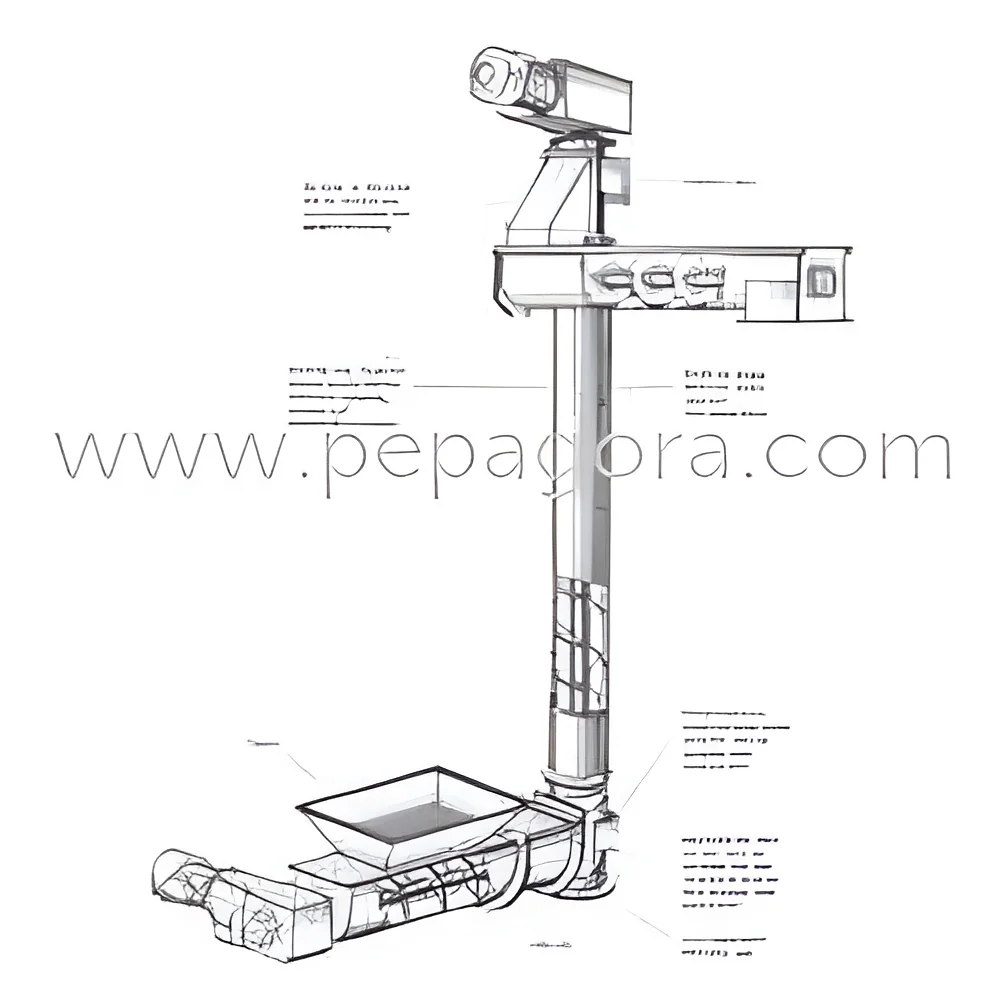
Conveyor Systems: These systems are designed to facilitate the continuous movement of cast and forged parts between different stages of the manufacturing process, optimizing workflow and reducing handling time.
Heavy-Duty Racking Systems: Customized racking solutions provide safe storage for large, heavy cast and forged parts, allowing manufacturers to maximize their available space while ensuring easy access when needed.
Benefits and Advantages
The use of material handling solutions for cast and forged parts offers numerous benefits that enhance operational efficiency.
1. Improved Safety: Specialized handling systems reduce the risk of injury to workers by minimizing manual lifting and providing secure transport methods.
2. Enhanced Efficiency: Streamlined processes ensure that parts are moved quickly and accurately, reducing downtime and increasing productivity.
3. Cost Reduction: Efficient material handling lowers operational costs by minimizing waste and damage to high-value components.
4. Increased Flexibility: Customizable equipment allows businesses to adapt to changing demands and production requirements, ensuring scalability.
5. Better Space Utilization: Optimized storage solutions help manufacturers make the most of their available space, leading to improved organization and workflow.
6. Compliance Assurance: Adhering to safety and quality standards through certified equipment ensures reliability and builds trust with clients and partners.
Buying Guide for B2B Buyers
When sourcing material handling for cast and forged parts, it is essential for B2B buyers to consider several key factors.
1. Quality Assessment: Look for equipment that meets industry standards and has a track record of performance. Check for certifications like CE to ensure reliability.
2. Supplier Verification: Vet potential suppliers by reviewing their reputation, experience, and customer feedback. A verified supplier network provides peace of mind in sourcing.
3. Pricing and MOQ: Understand the pricing structure and minimum order quantities (MOQ) as they can vary significantly. Ensure the costs align with your budget and operational needs.
4. Delivery and Lead Times: Evaluate the delivery capabilities of suppliers. Timely delivery is crucial for maintaining production schedules and avoiding delays.
5. Compliance Requirements: Be aware of any regulatory needs specific to your industry. Ensure that the material handling solutions comply with local and international standards.
Compliance and Certifications
Compliance and certifications play a vital role in the material handling sector, particularly for cast and forged parts. Adherence to relevant quality standards such as ISO 9001 ensures that manufacturers meet stringent quality and safety benchmarks. This certification demonstrates a commitment to continuous improvement in processes and product quality.
Additionally, the CE mark is essential for products sold within the European Economic Area, indicating compliance with health, safety, and environmental protection standards. This is crucial for maintaining market access and customer trust.
Safety and testing requirements are also significant in the selection of material handling solutions. Equipment must undergo rigorous testing to ensure it can withstand the demands of heavy loads and challenging operational environments. Awareness of regional compliance considerations is also vital for businesses operating in multiple locations, as regulations can vary significantly.
Why Source Material Handling for Cast/Forged Parts from Pepagora?
Pepagora provides a trusted platform for sourcing material handling solutions for cast and forged parts, offering several key advantages to buyers.
Verified Supplier Network: Pepagora connects buyers with a network of verified suppliers, ensuring access to high-quality products and reliable service. This reduces the risk associated with sourcing and enhances confidence in purchase decisions.
Streamlined RFQ Process: The platform simplifies the request for quotation (RFQ) process, making it easy for buyers to compare offerings and obtain competitive pricing from multiple suppliers. This efficiency saves time and enhances decision-making.
Trade Assurance and Support: Pepagora offers trade assurance, providing buyers with protection throughout the transaction process. This support includes assistance in case of disputes, ensuring a smoother purchasing experience.
Regional Coverage: With a strong presence in India, the Gulf Cooperation Council (GCC), and Southeast Asia, Pepagora offers extensive geographical coverage. This enables buyers to source material handling solutions tailored to their specific regional needs, enhancing operational effectiveness.

 IN
IN