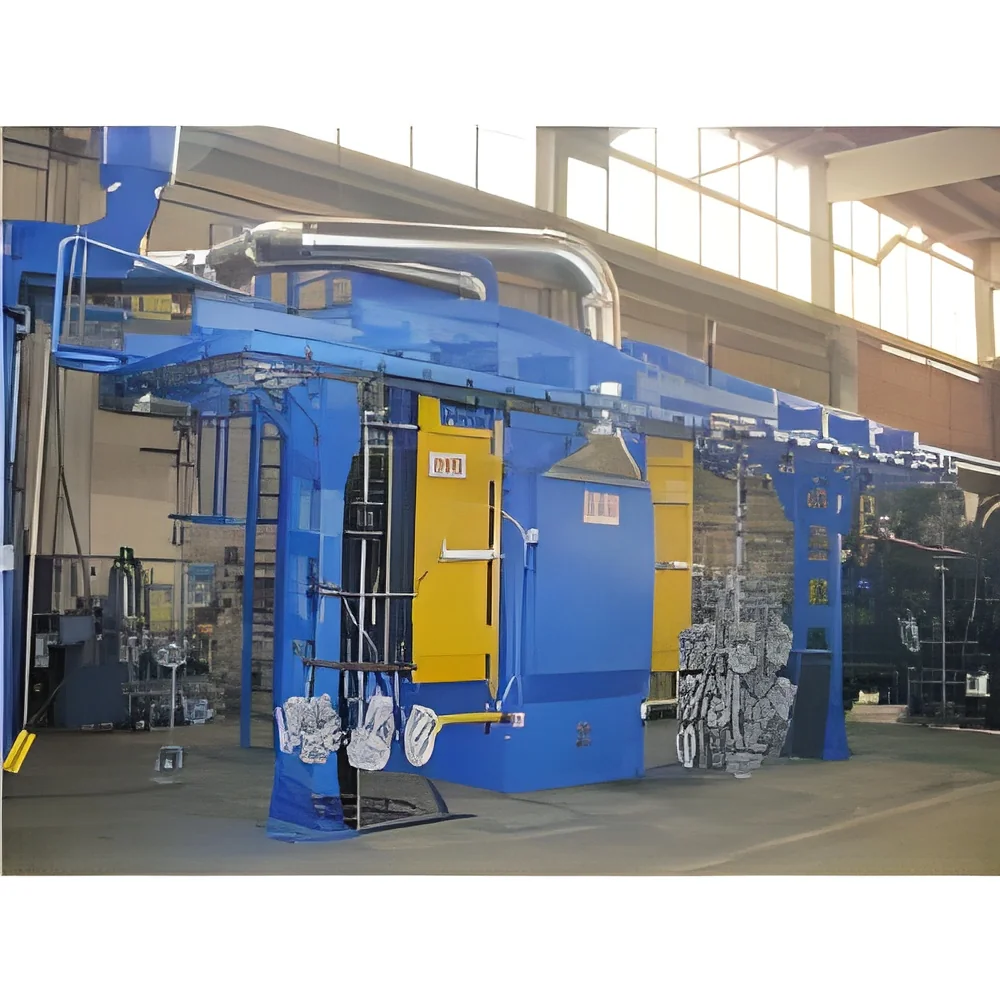
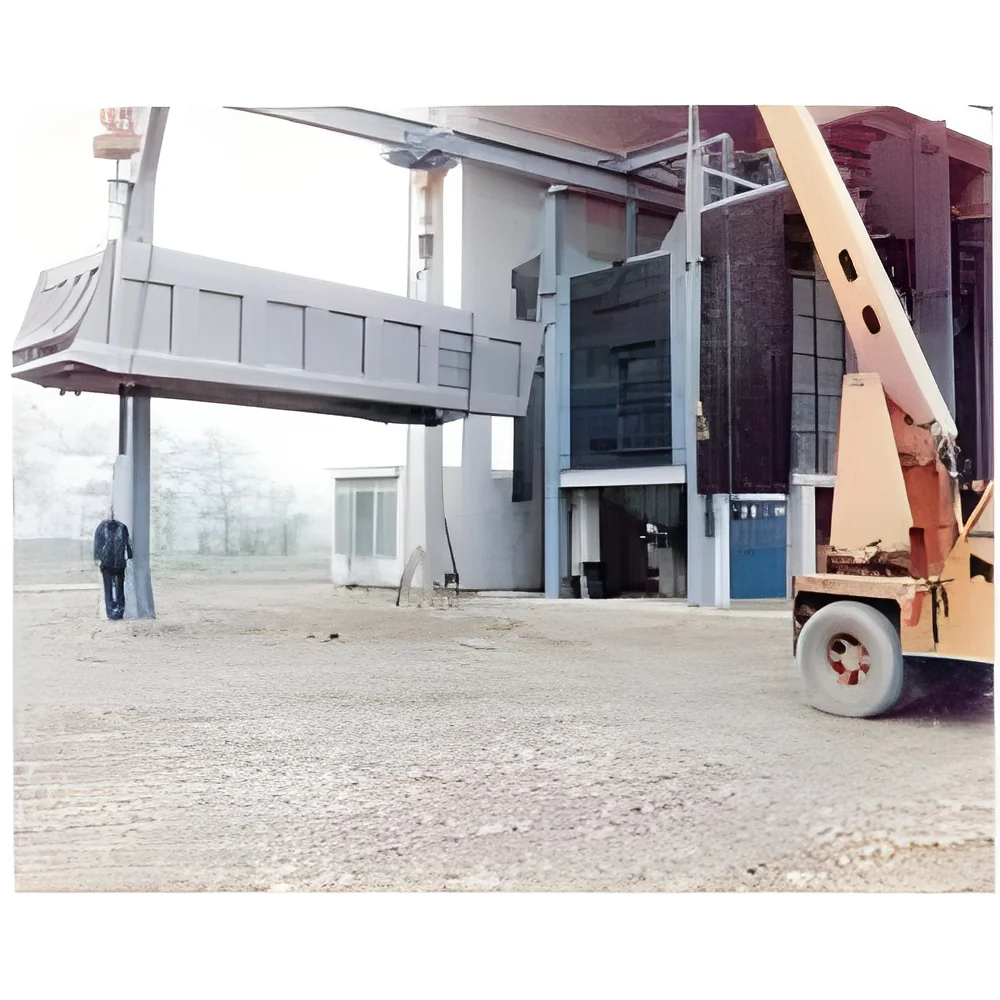
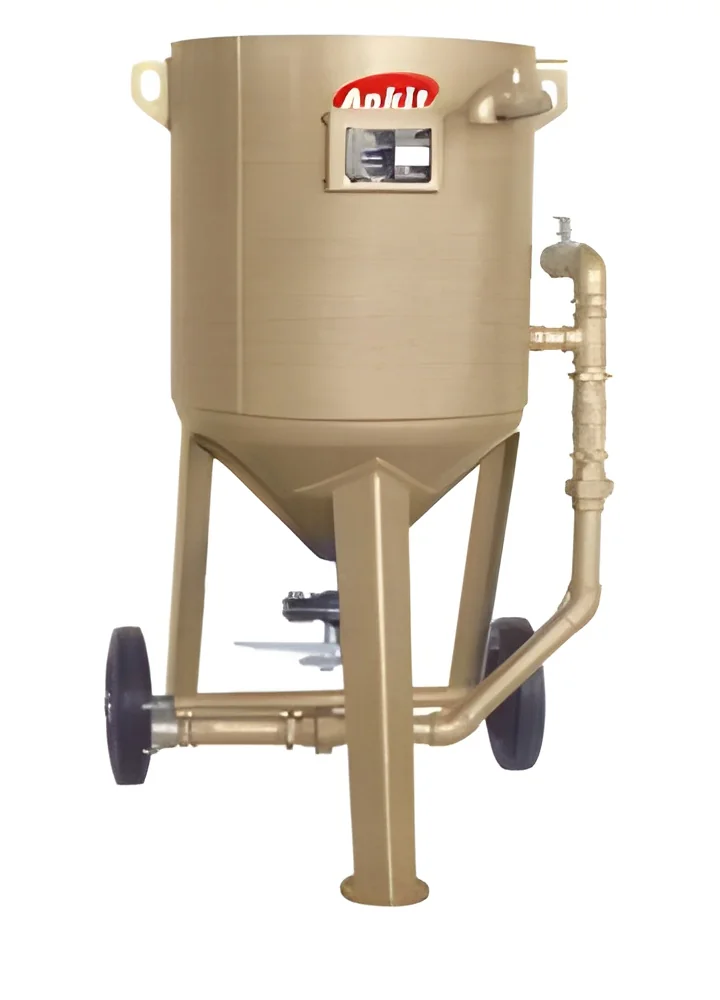
What are Shot Blasting Machines?
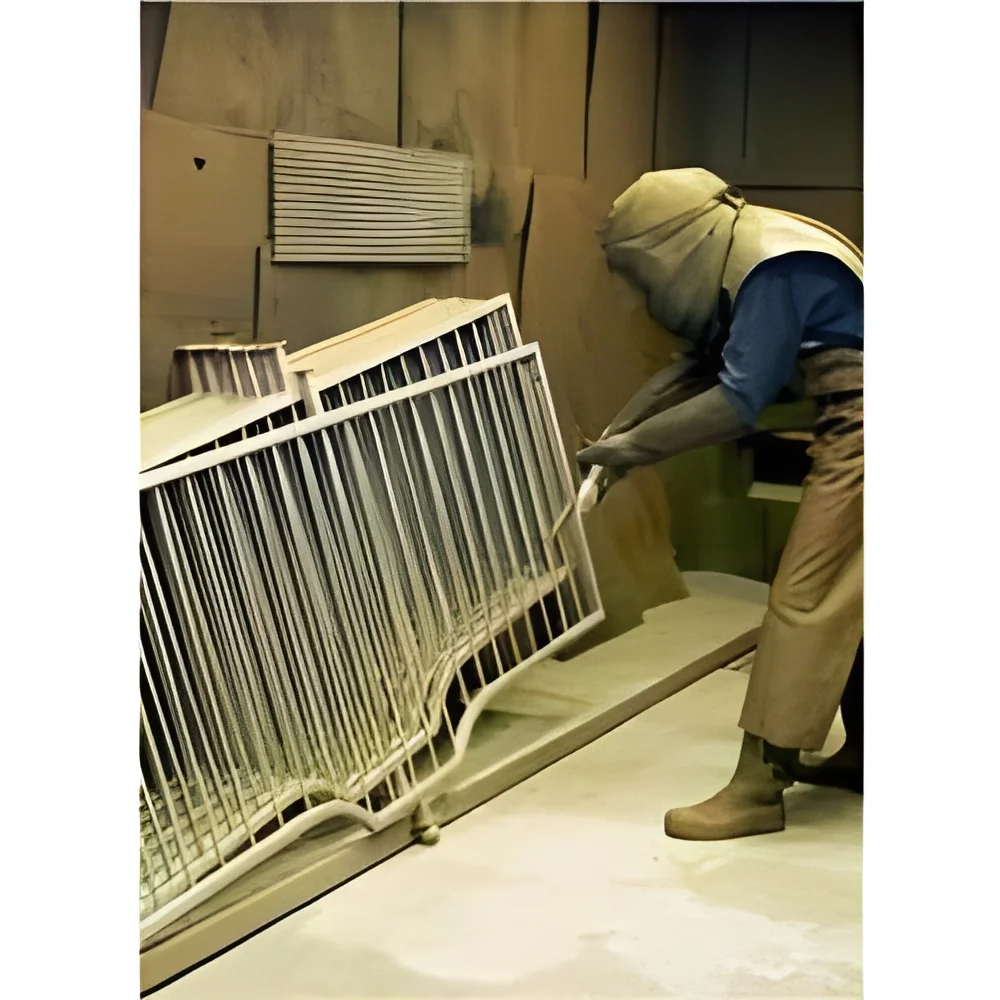
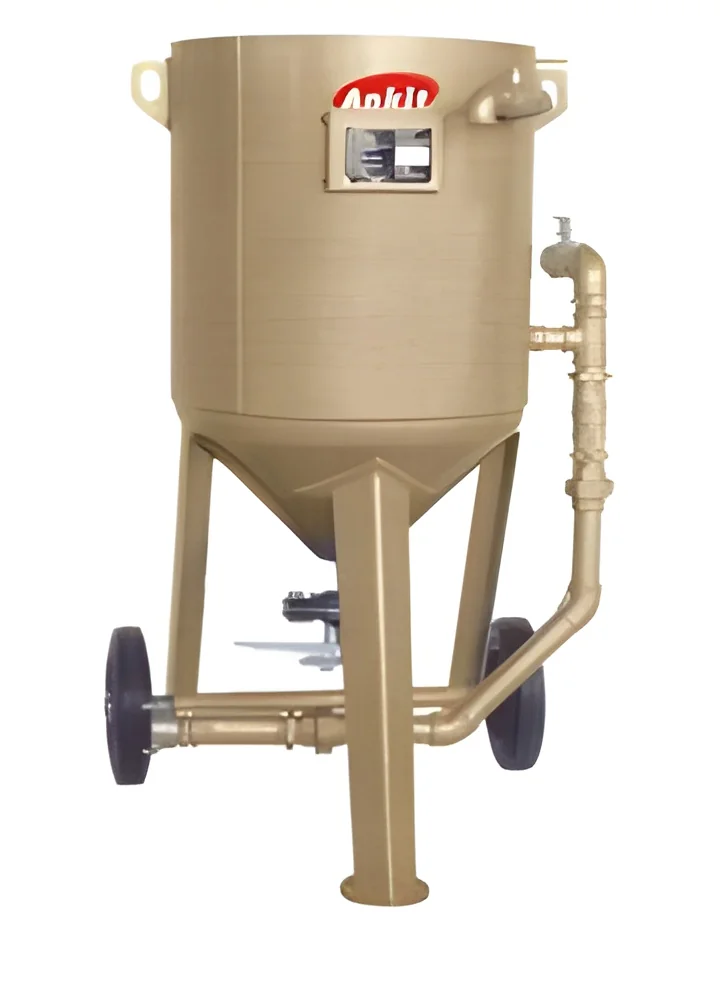
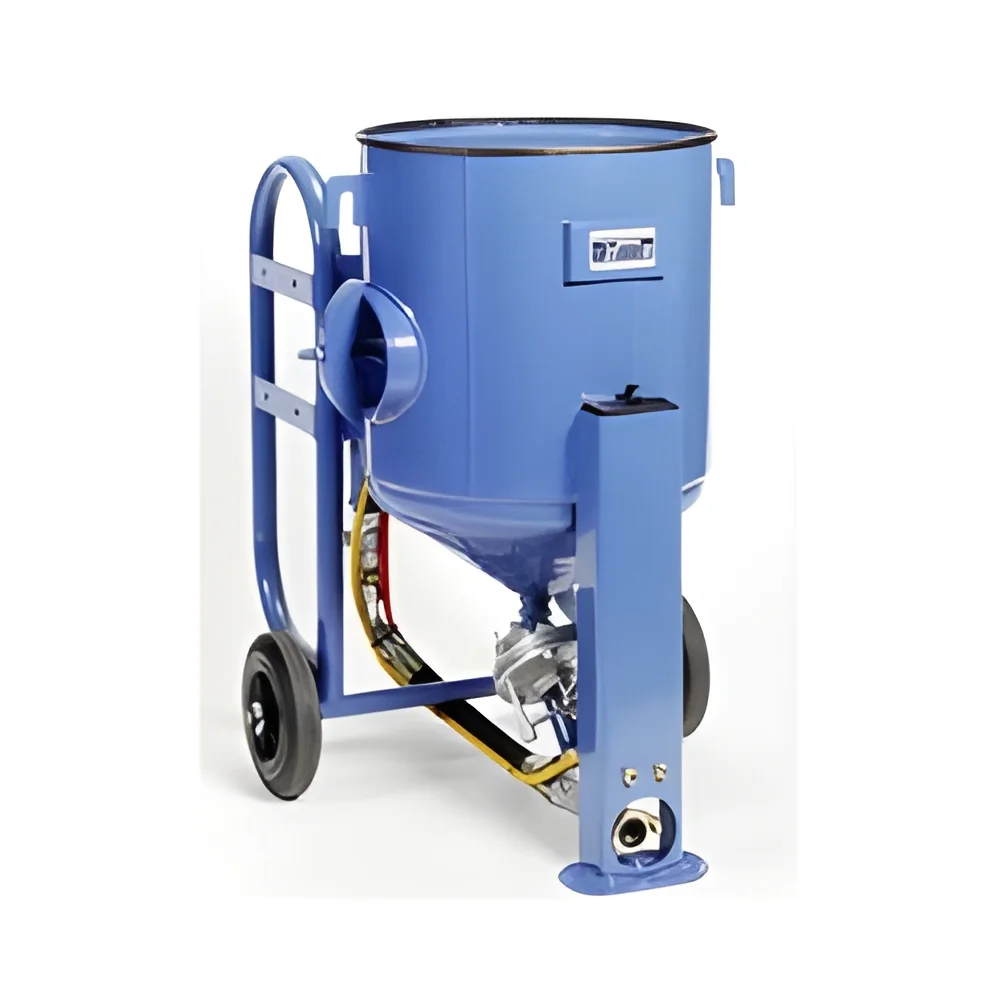
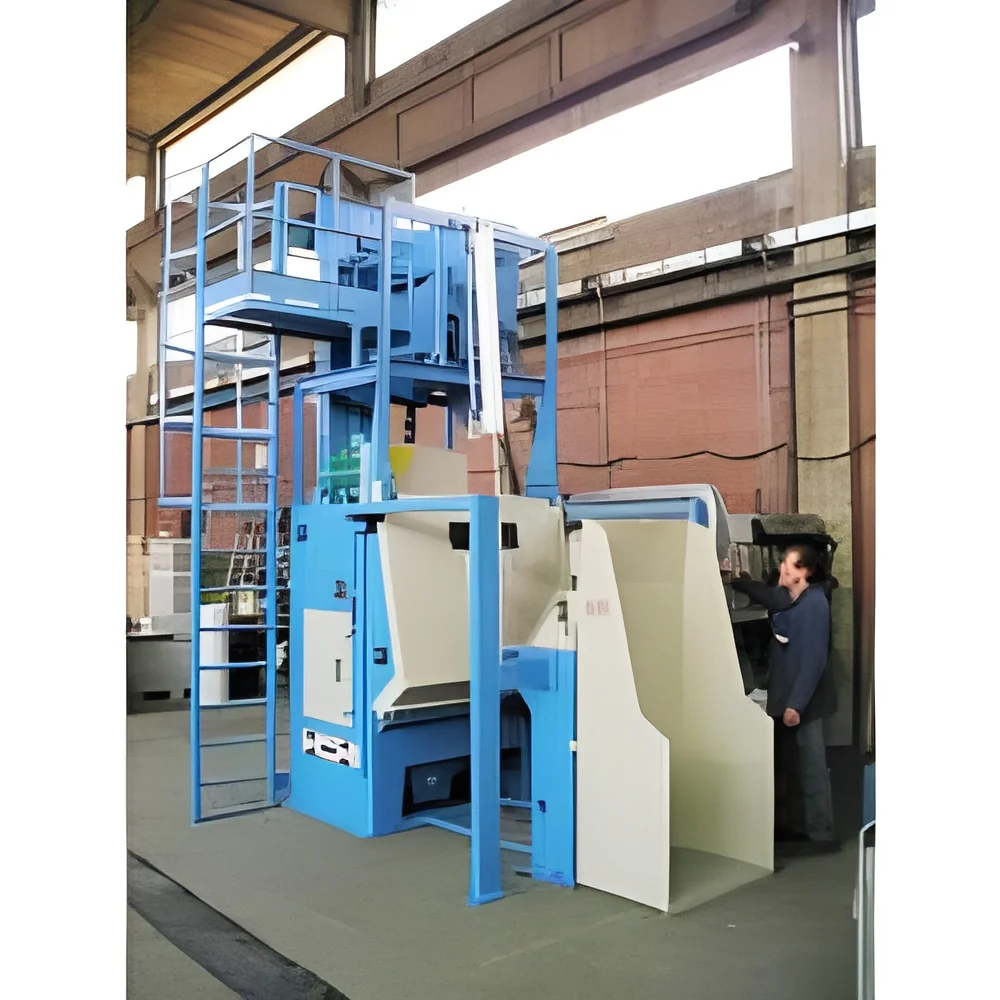
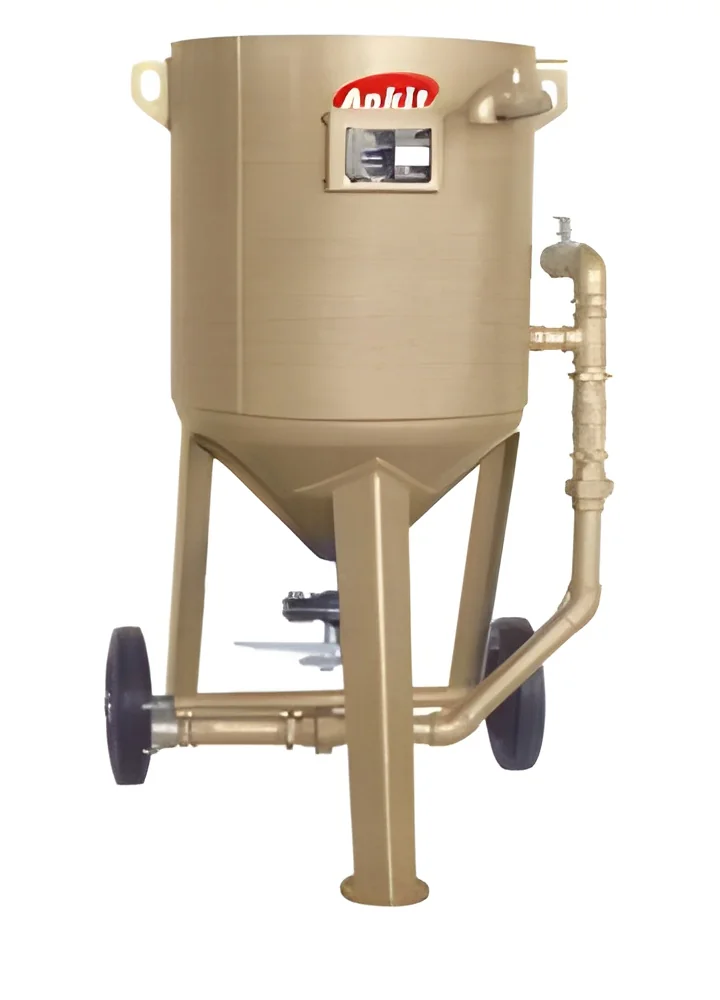
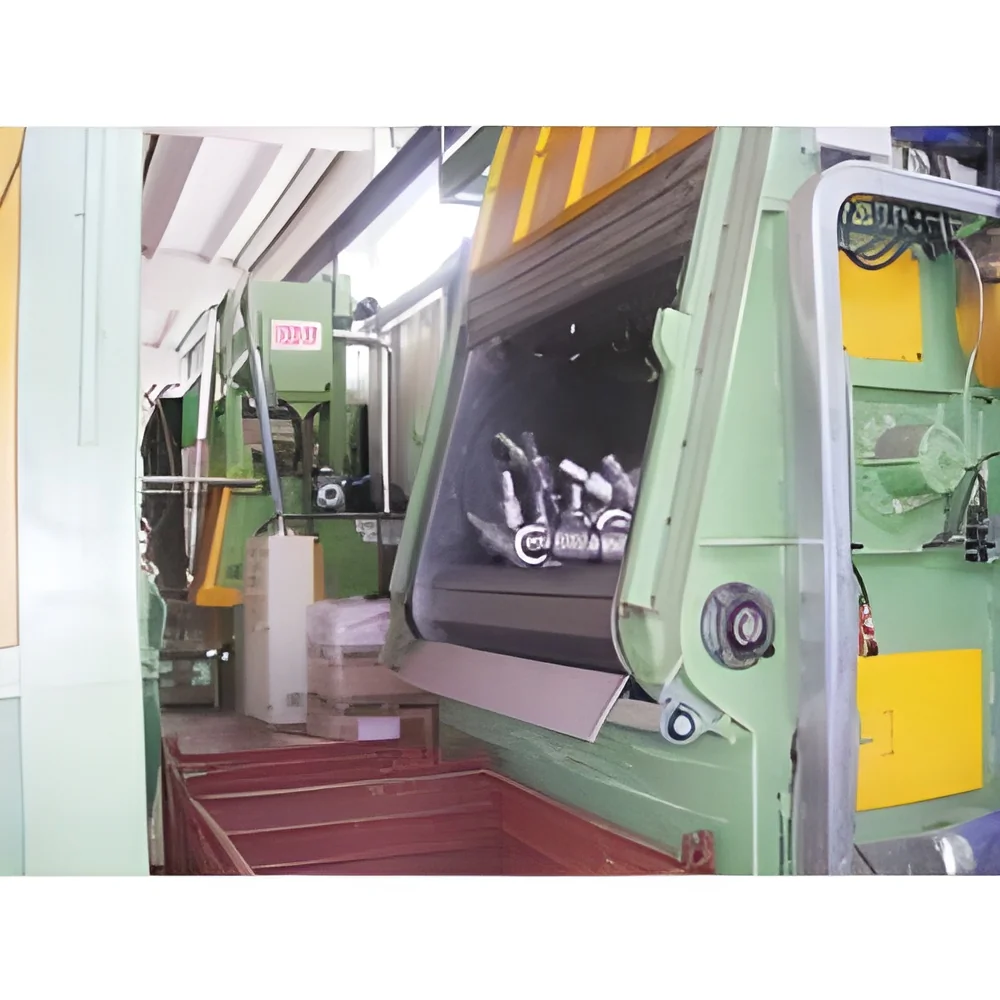
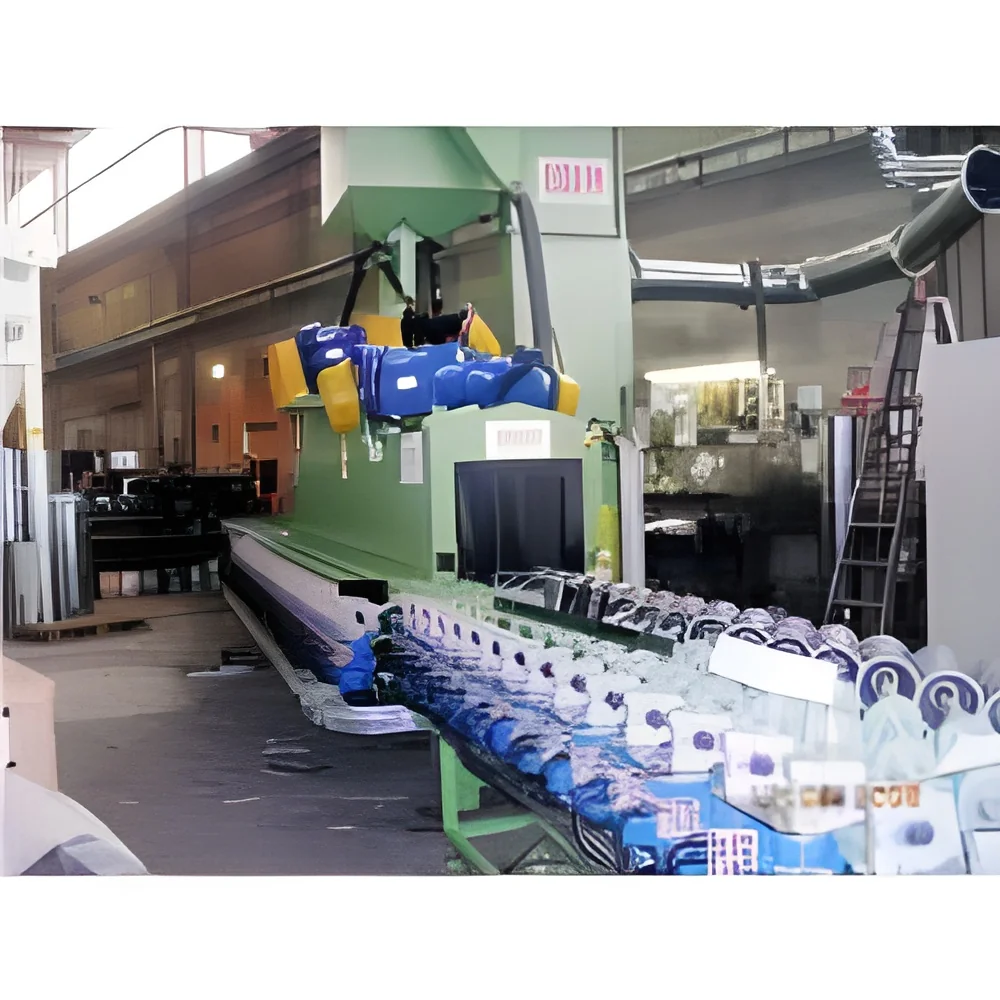
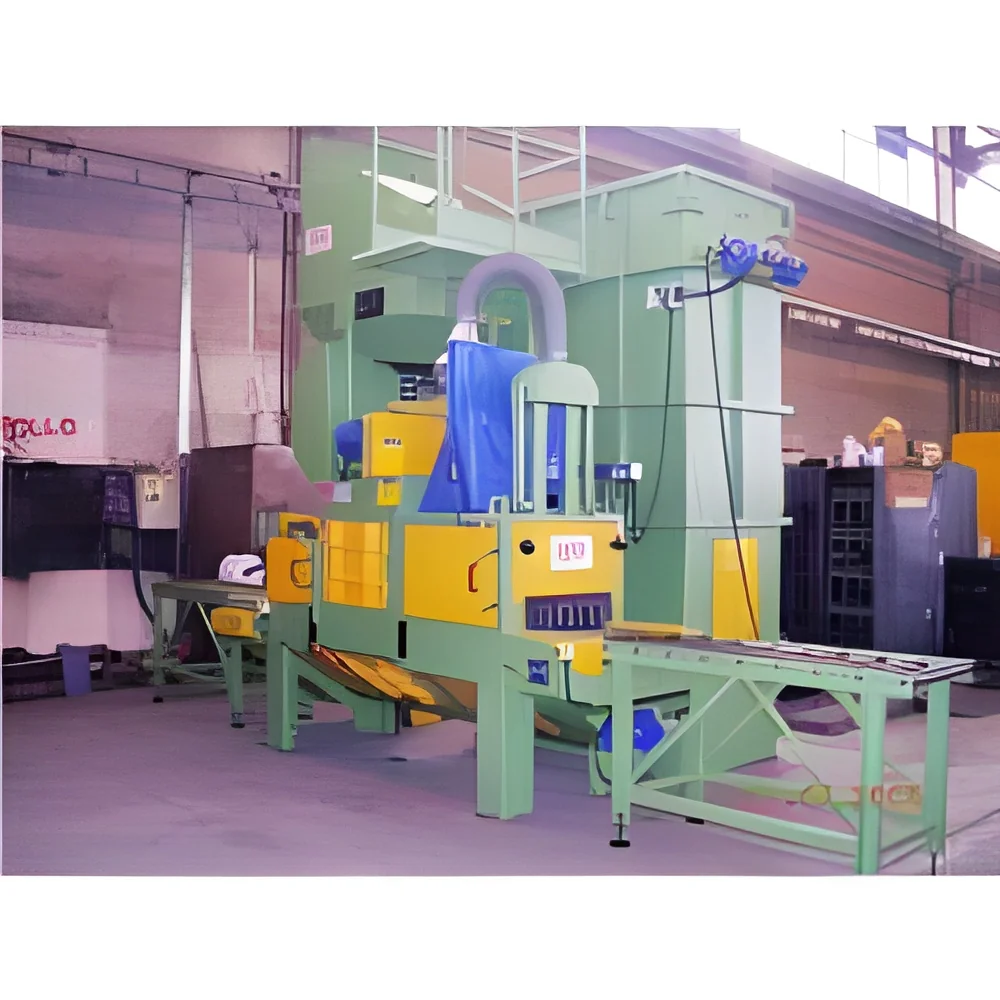
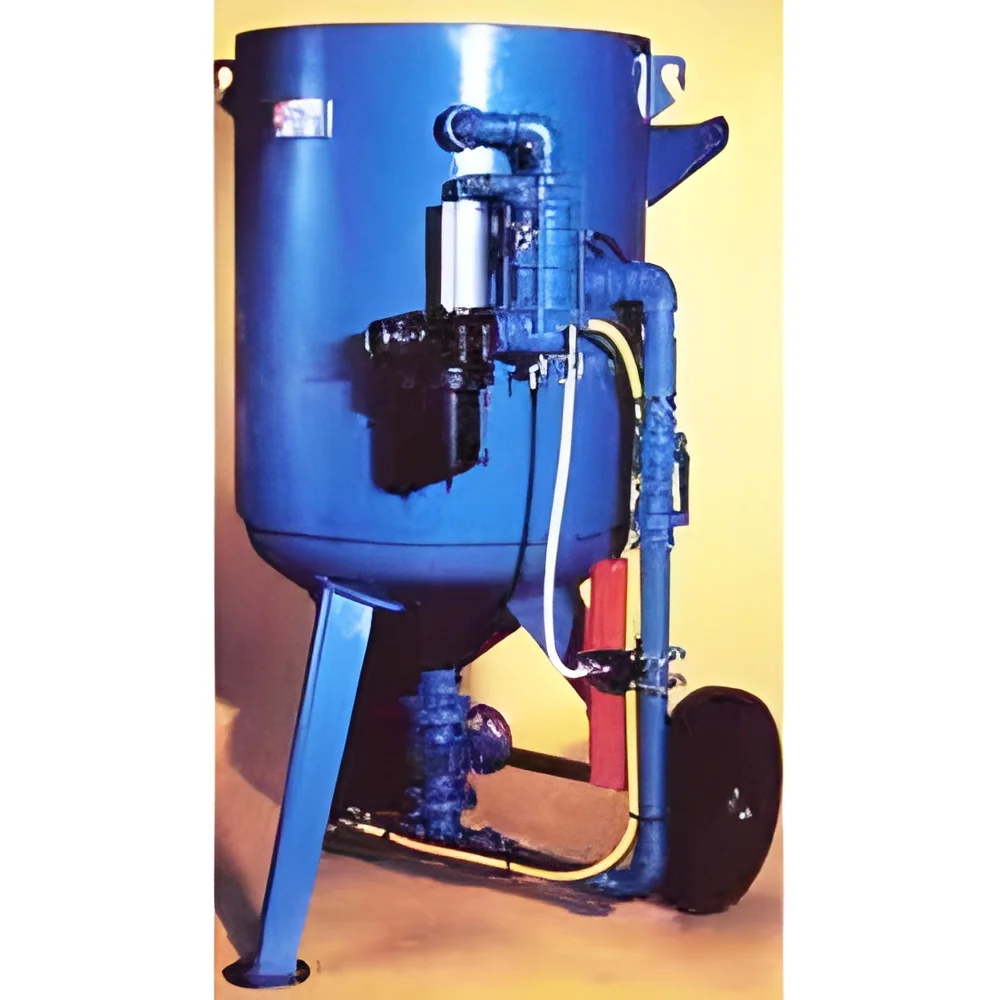
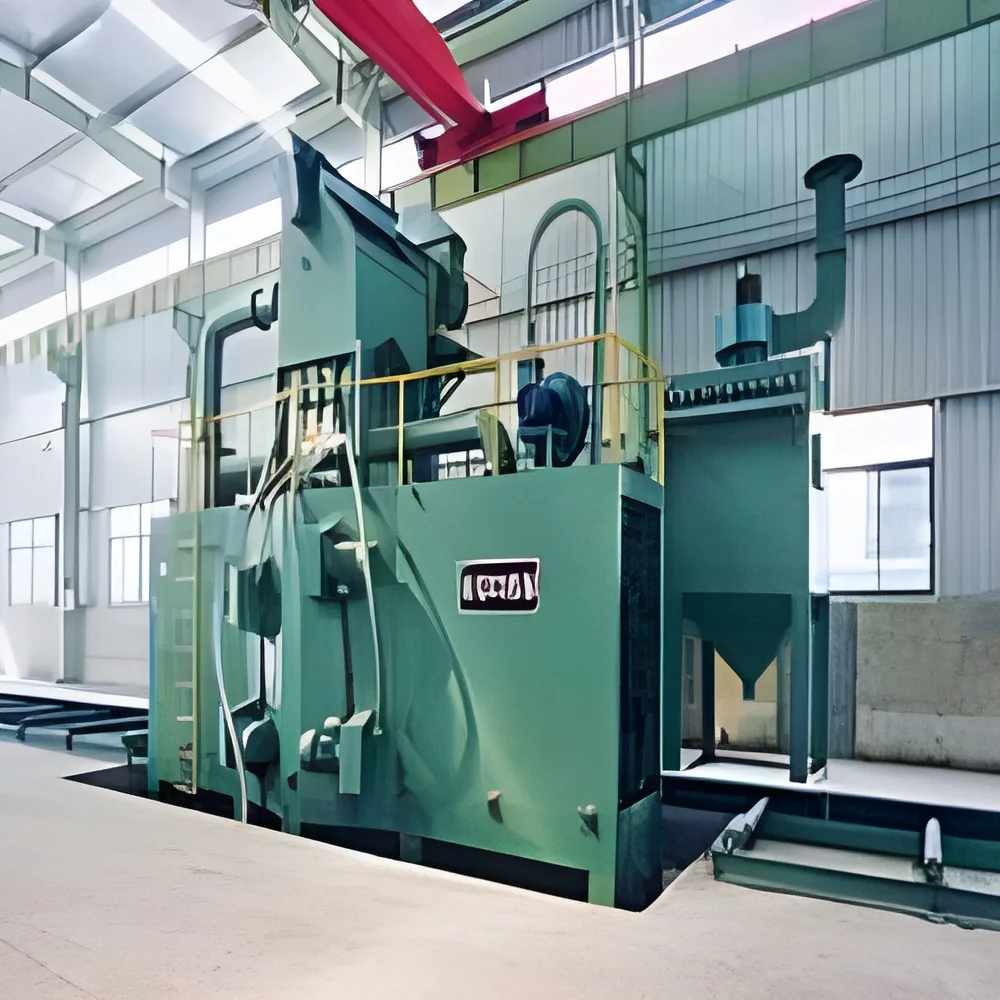
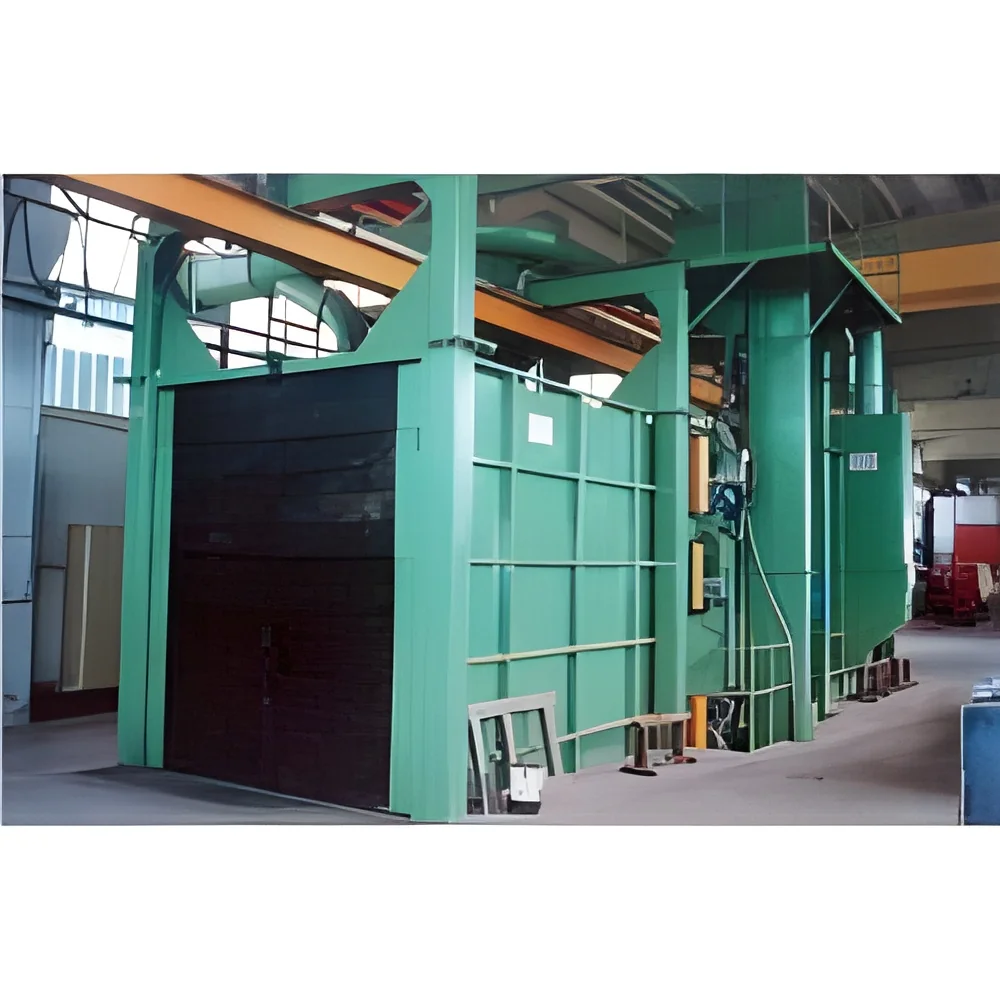
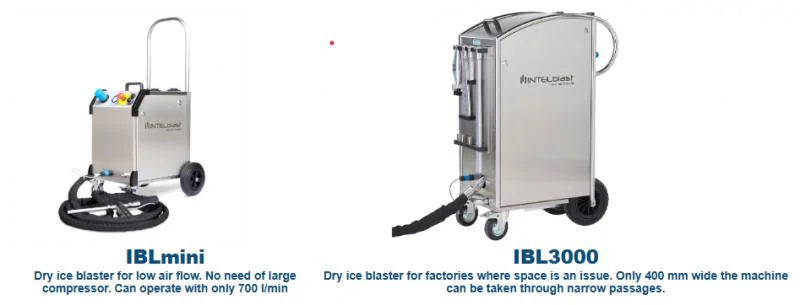
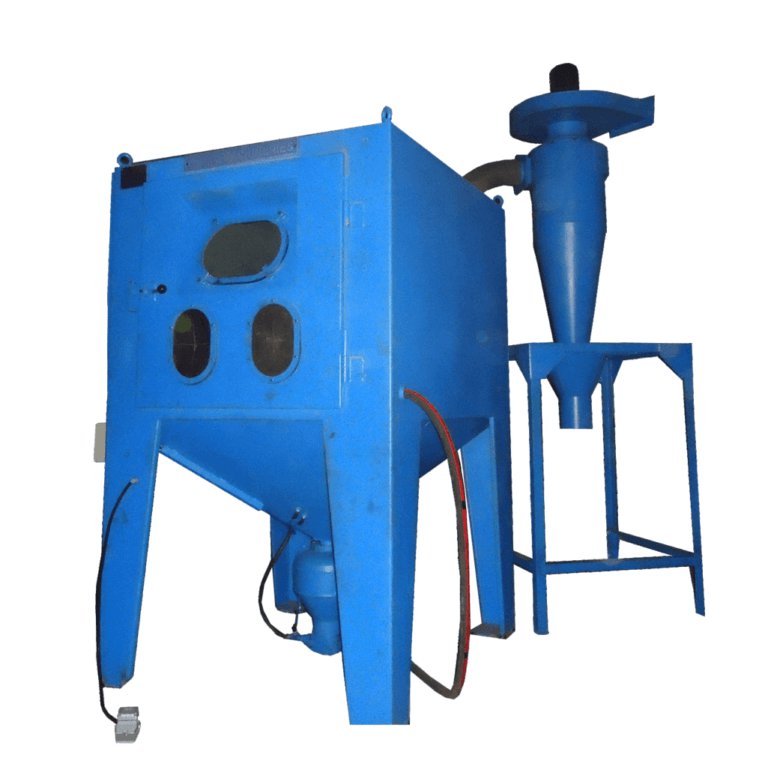
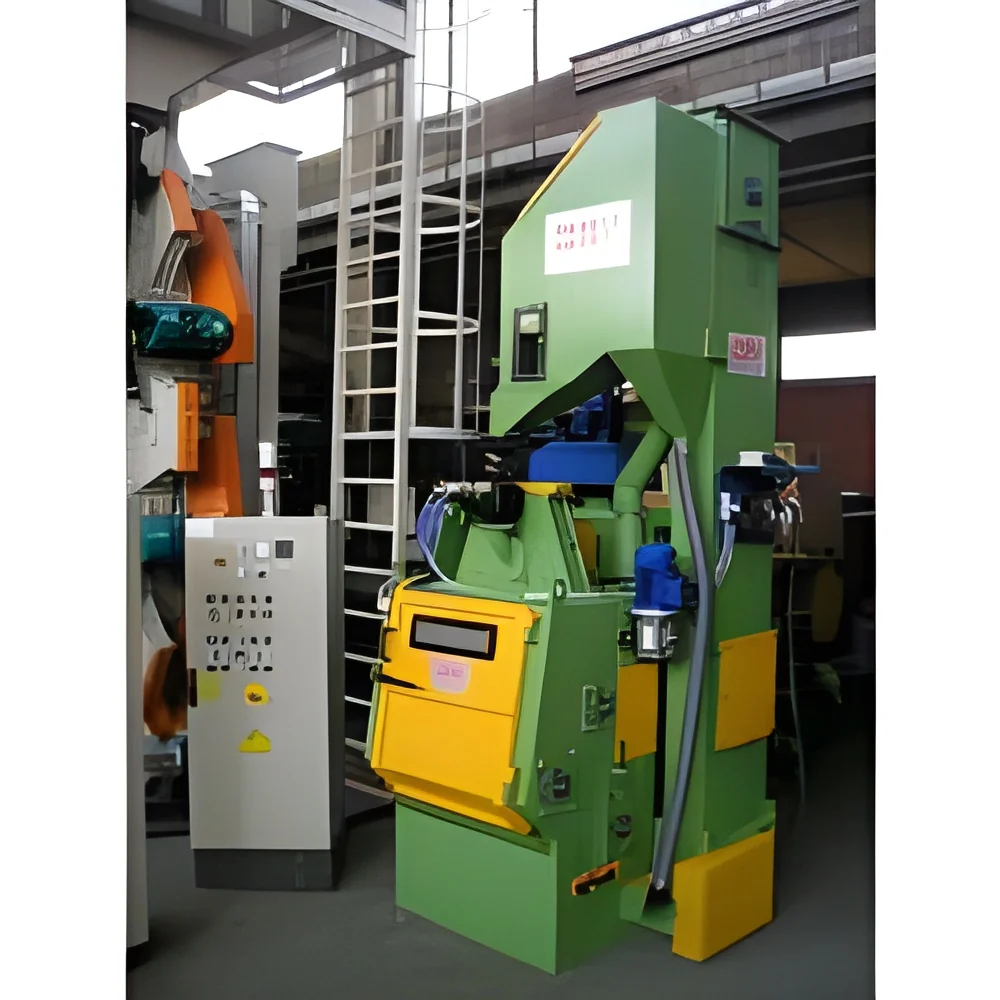
Shot blasting machines are industrial tools used for surface preparation and cleaning. They operate by propelling abrasive materials at high velocity against a surface. This process effectively removes contaminants such as rust, scale, and old paint, while also improving surface finish and enhancing adhesion for subsequent coatings.
These machines find primary applications in various manufacturing sectors, including automotive, aerospace, and construction. They are essential for preparing metal components for painting, coating, or further processing. Additionally, shot blasting is used to strengthen materials through a process called shot peening. The relevance of shot blasting machines in the industry is underscored by the growing demand for surface treatment solutions that ensure product longevity and performance in competitive markets.
Key Features and Specifications
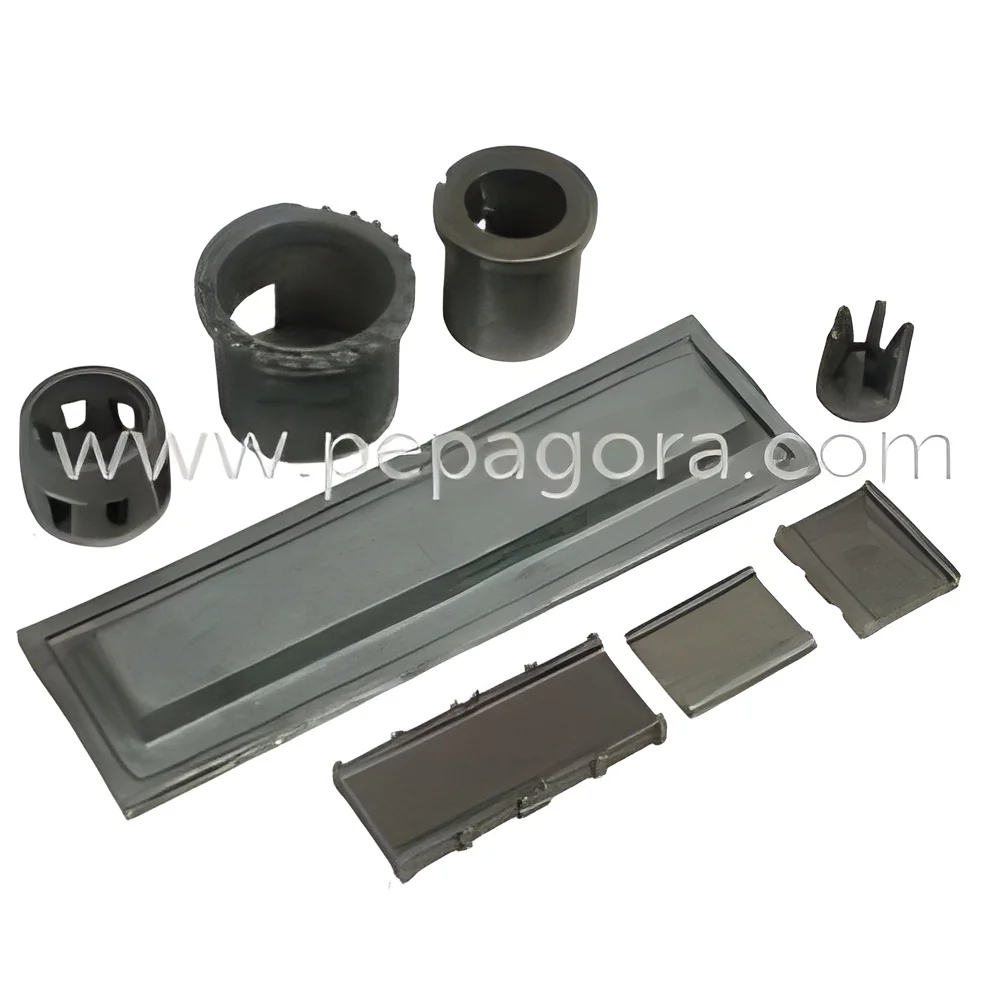
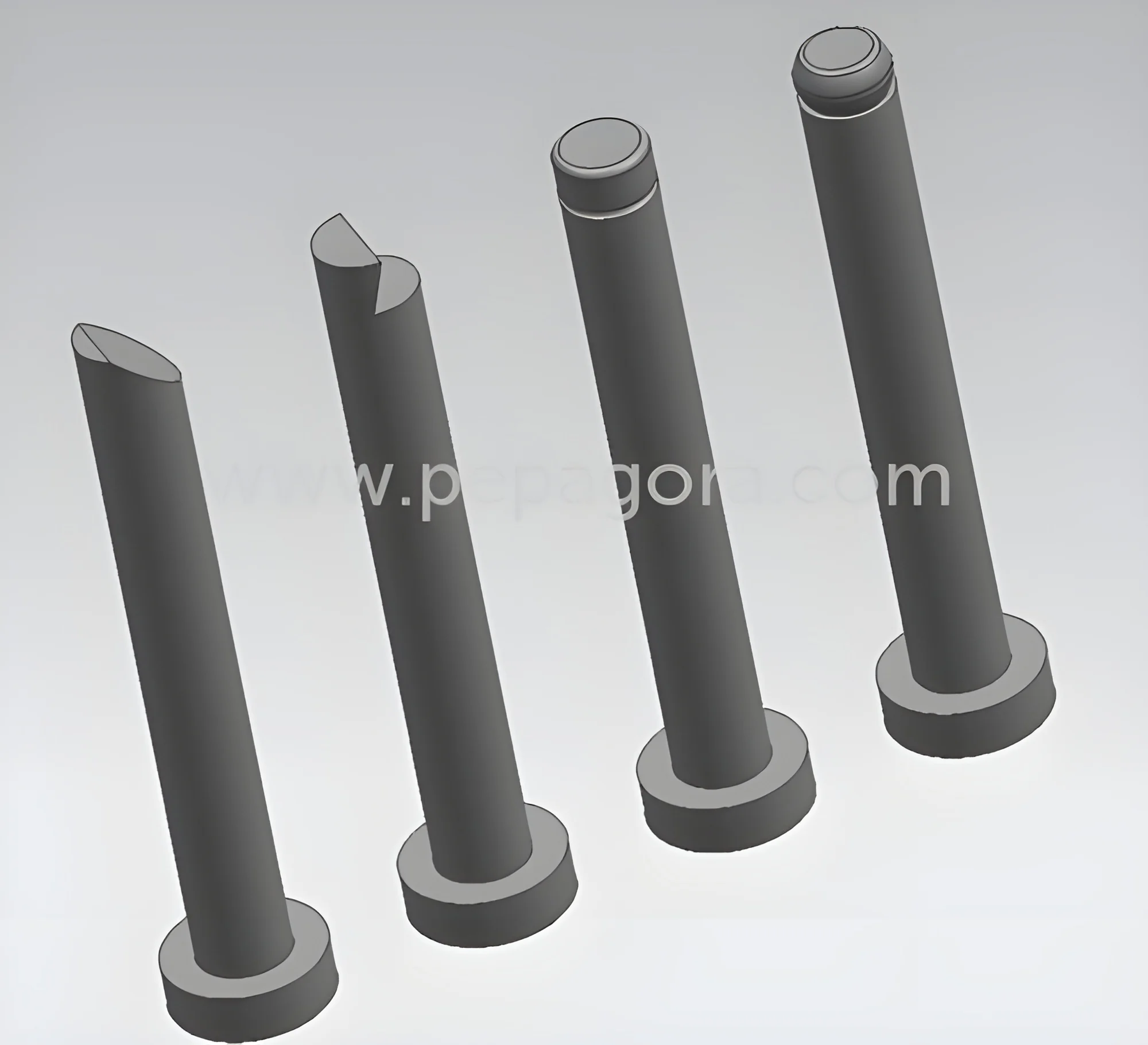
Shot blasting machines come with several key features that enhance their efficiency and effectiveness. Understanding these specifications is crucial when selecting the right machine for specific applications.
Key specifications include:
1. Abrasive Type
- Commonly used abrasives include steel shot, steel grit, and aluminum oxide.
- Selection depends on the desired surface finish and material compatibility.
2. Chamber Size
- Varies based on the dimensions of the items being processed.
- Larger chambers accommodate bulkier components.
3. Blasting Pressure
- Typically ranges from 1 to 8 bar, depending on the machine type.
- Higher pressures allow for more aggressive cleaning.
4. Production Capacity
- Measured in terms of parts processed per hour.
- Important for businesses with high-volume production needs.
5. Drive Type
- Can be pneumatic or electric.
- Electric drives offer quieter operation and lower maintenance costs.
6. Automation Level
- Varies from manual to fully automated systems.
- Automated machines enhance efficiency and reduce labor costs.
7. Safety Features
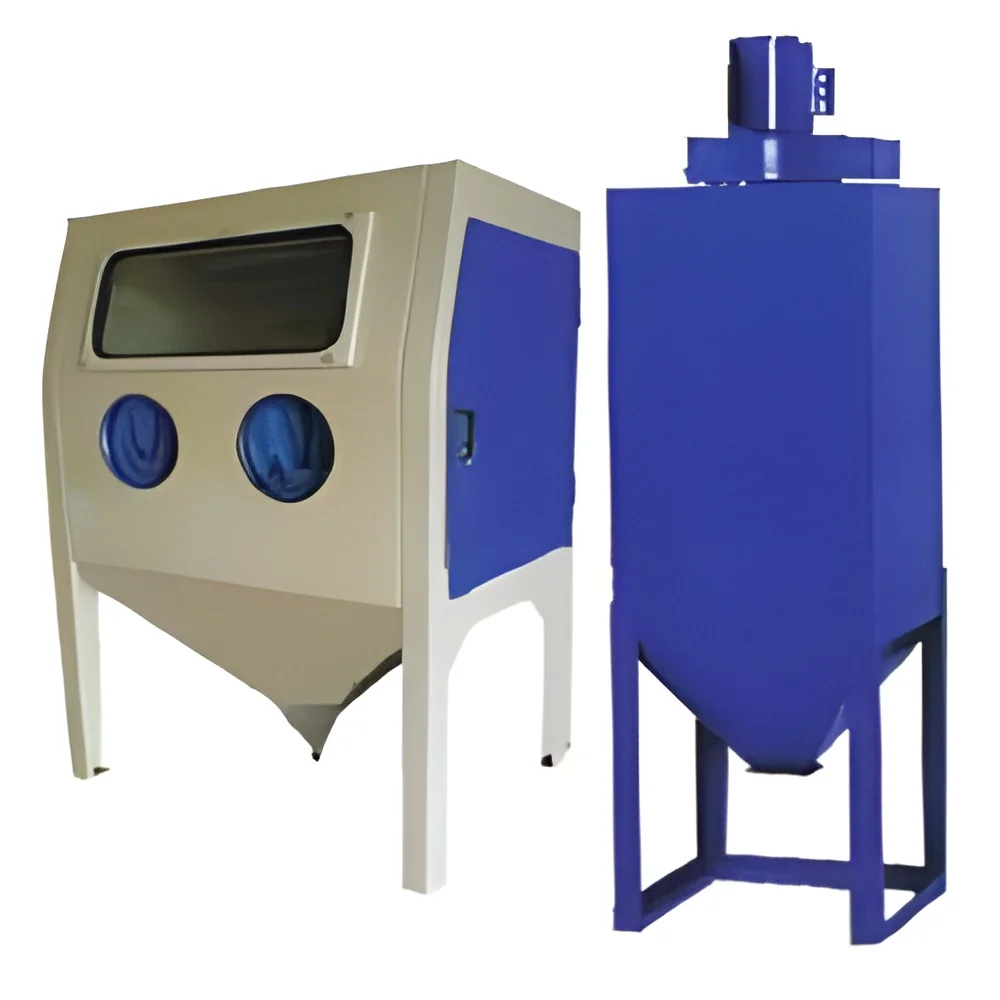
- May include dust collection systems and protective enclosures.
- Essential for ensuring operator safety and compliance with regulations.
8. Control Systems
- Advanced models feature digital controls for precise operation.
- Allow for adjustments in blasting intensity and duration.
In summary, understanding the key features and specifications of shot blasting machines is vital for making informed purchasing decisions.
Common Applications and Use Cases
Shot blasting machines are utilized across various industries, showcasing their versatility and importance in surface treatment.
1. Automotive Industry: Shot blasting is used for cleaning engine components, chassis parts, and other metal surfaces before painting or coating.
2. Aerospace Industry: These machines prepare aircraft components by removing surface imperfections, ensuring optimal performance and safety.
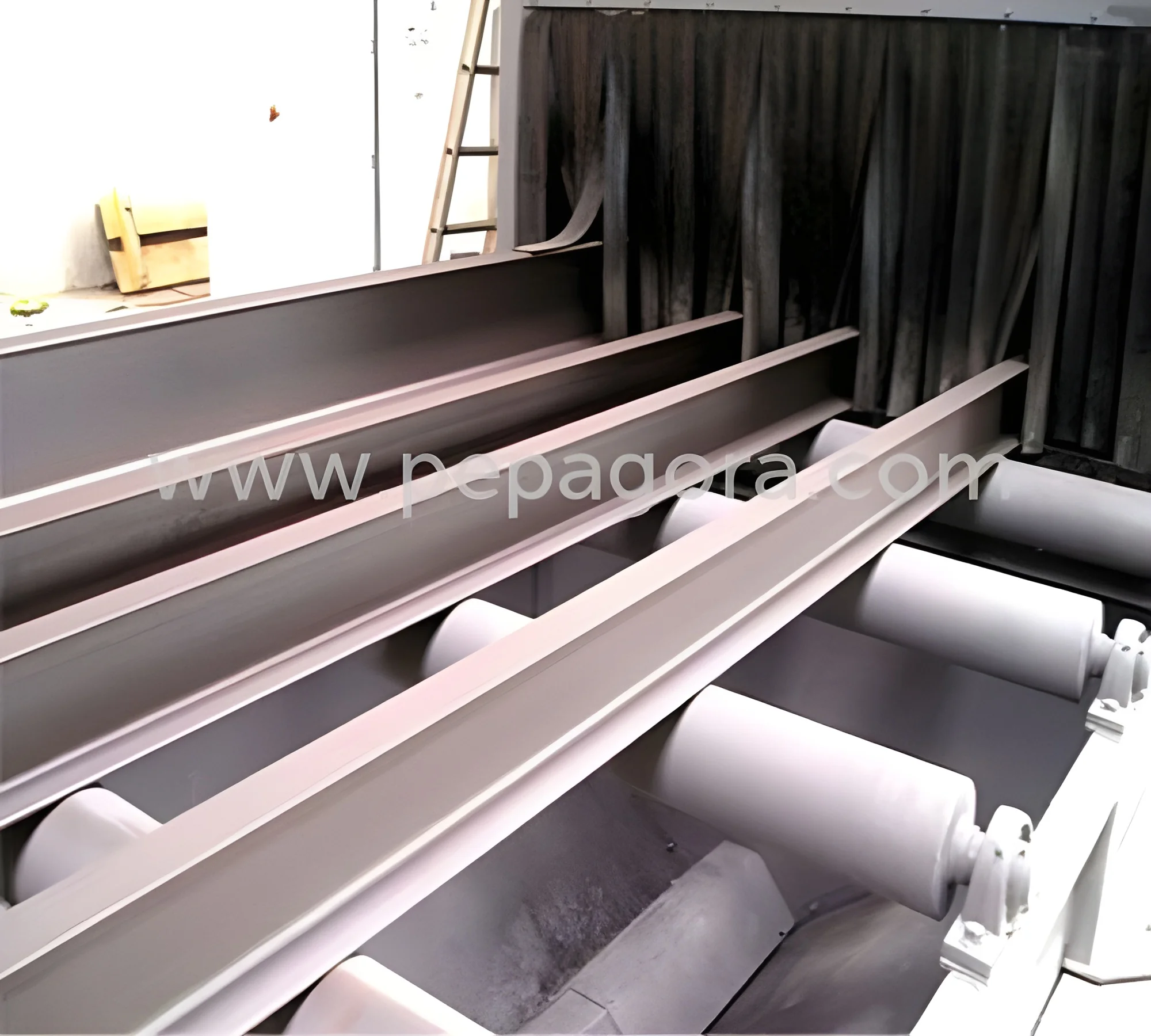
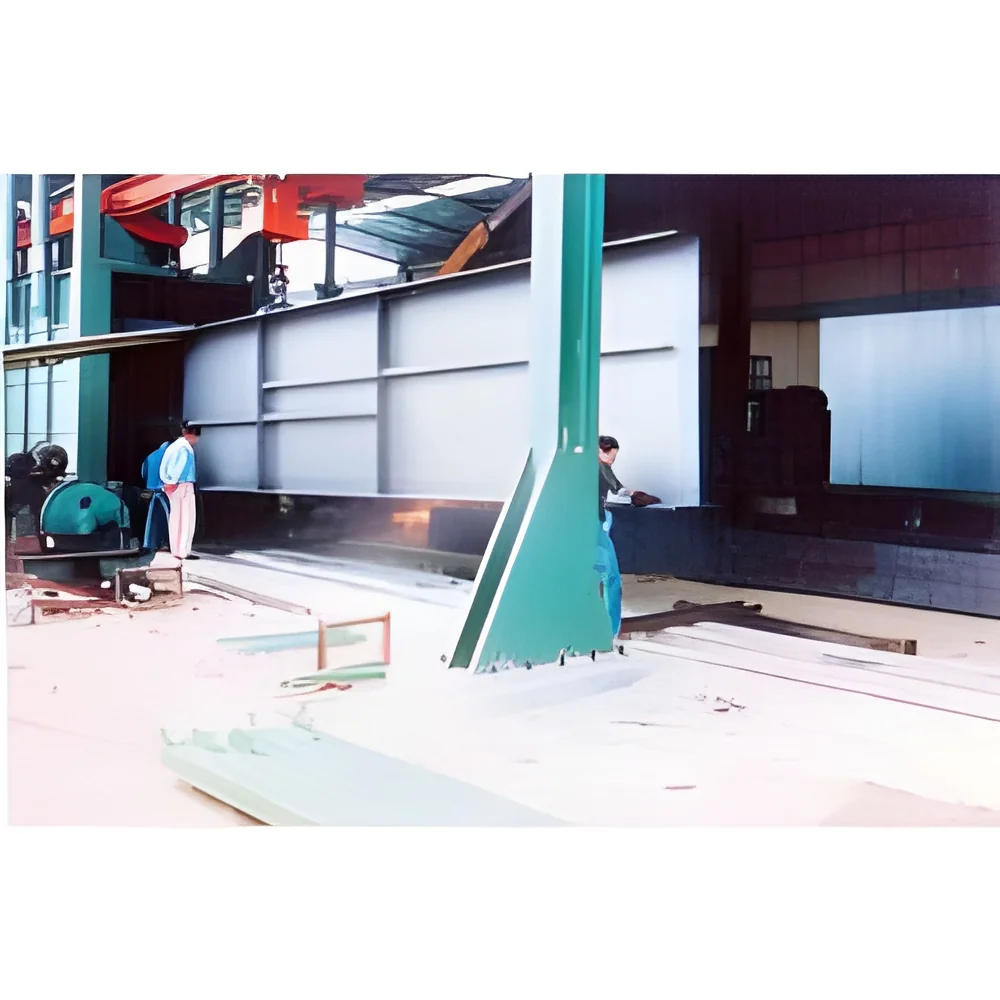
3. Construction Industry: Shot blasting is employed to clean steel beams and other structural elements, promoting better adhesion of protective coatings.
4. Metal Fabrication: Used to prepare fabricated metal parts for finishing, improving overall quality and durability.
5. Shipbuilding: Essential for removing rust and marine growth from hulls and other critical areas, maintaining the integrity of vessels.
6. Oil and Gas: Shot blasting cleans pipelines and equipment, ensuring they meet stringent safety and operational standards.
7. Heavy Machinery: Used to restore and prepare parts for maintenance, prolonging the life of equipment.
Product Variants and Subcategories
Shot blasting machines are available in various configurations to meet different operational needs.
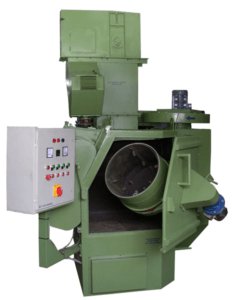
Tumble Blast Machines
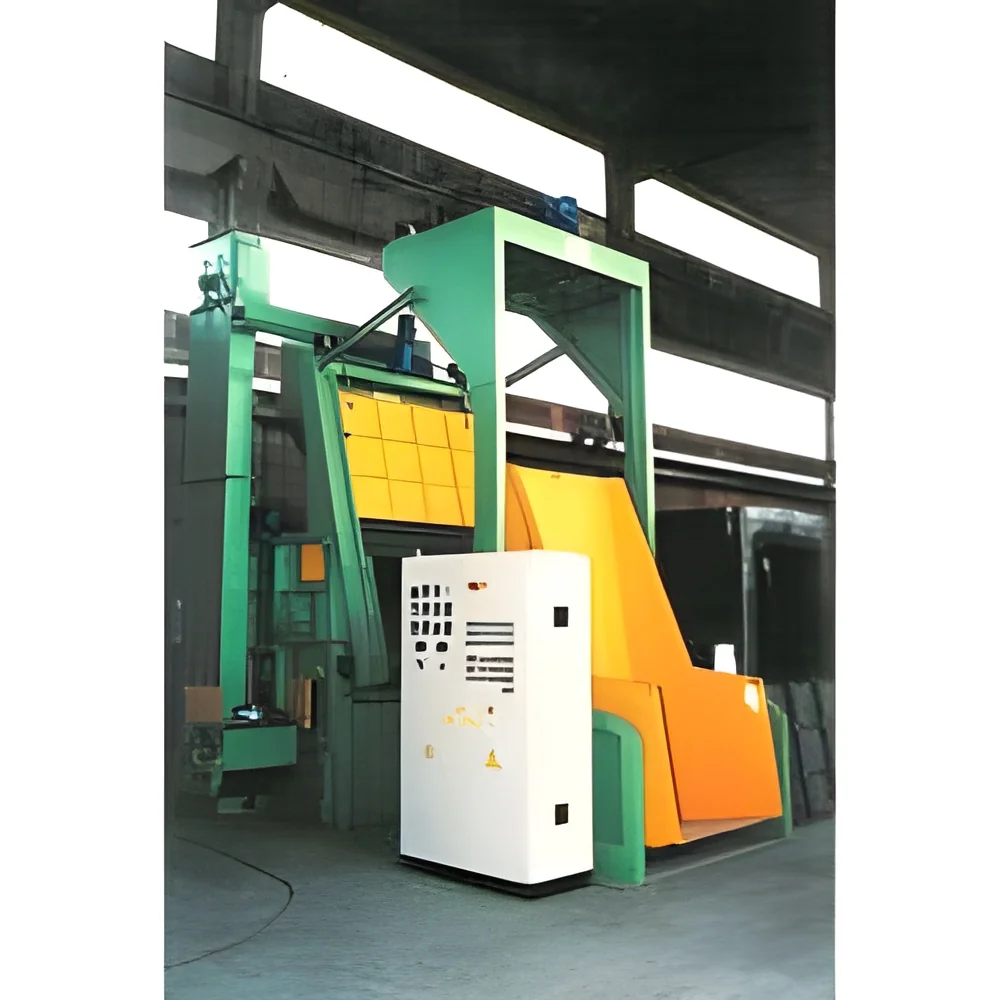
These machines are designed for small to medium-sized parts. They use a tumbling action to expose all surfaces to the blasting process, making them ideal for bulk processing.
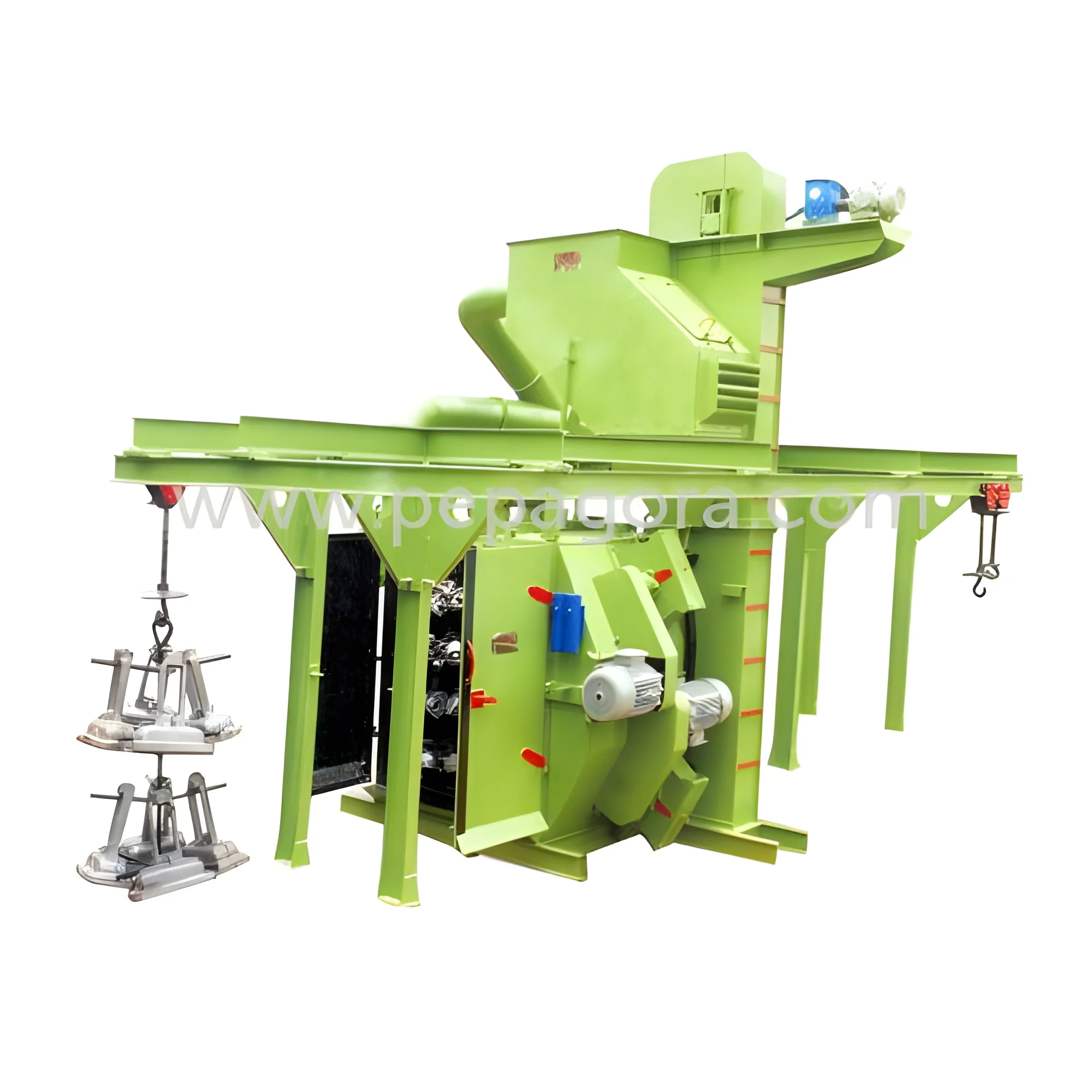
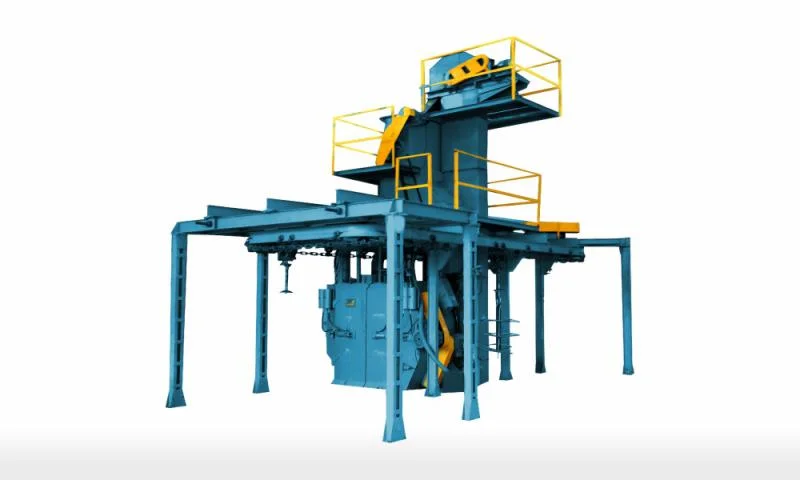
Hanger Type Blasting Machines
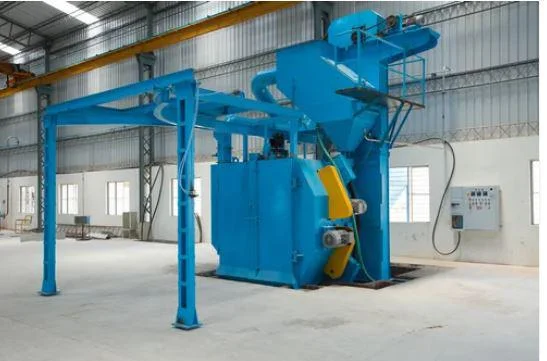
Suitable for larger components, these machines allow items to be suspended while being blasted. This design minimizes the risk of damage and ensures thorough cleaning.
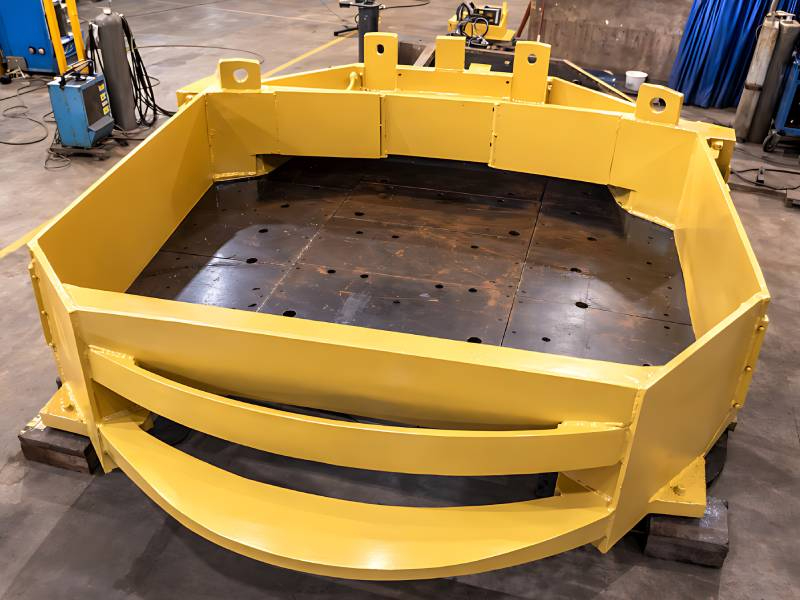
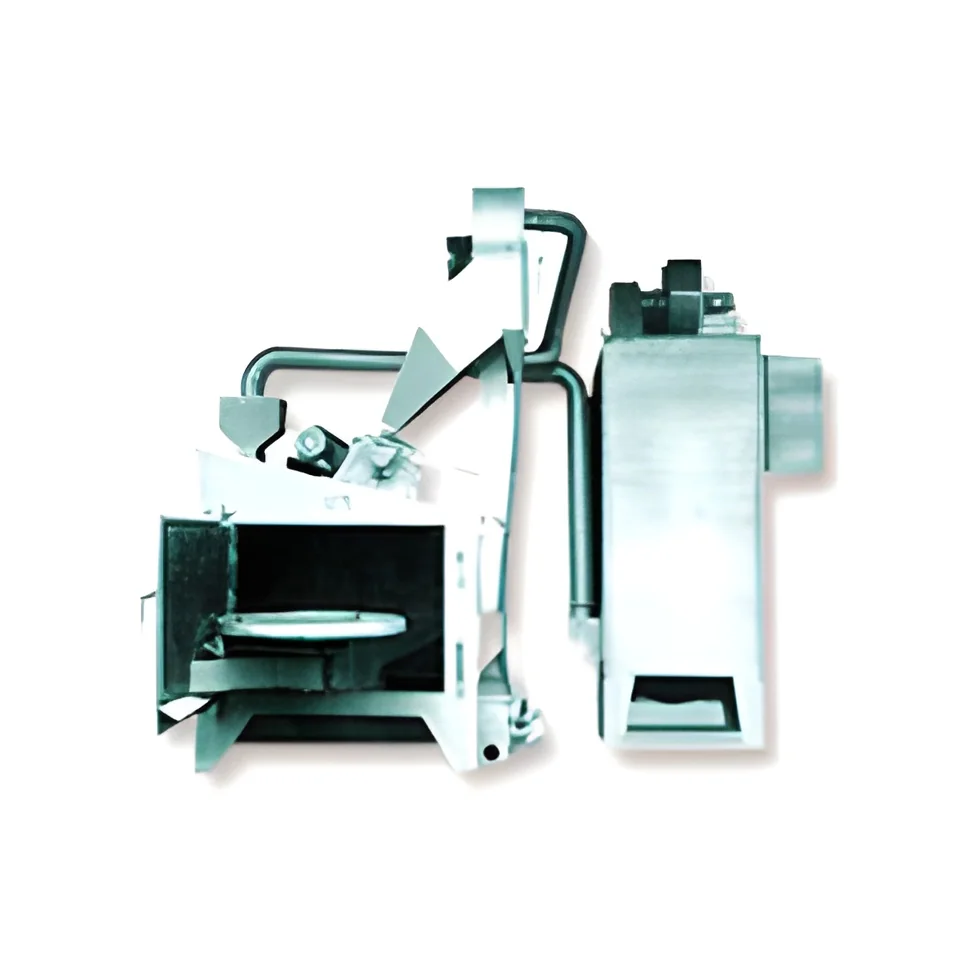
Table Type Blasting Machines
These are best for larger parts requiring precise blasting. The adjustable table accommodates different sizes, making them versatile for various applications.
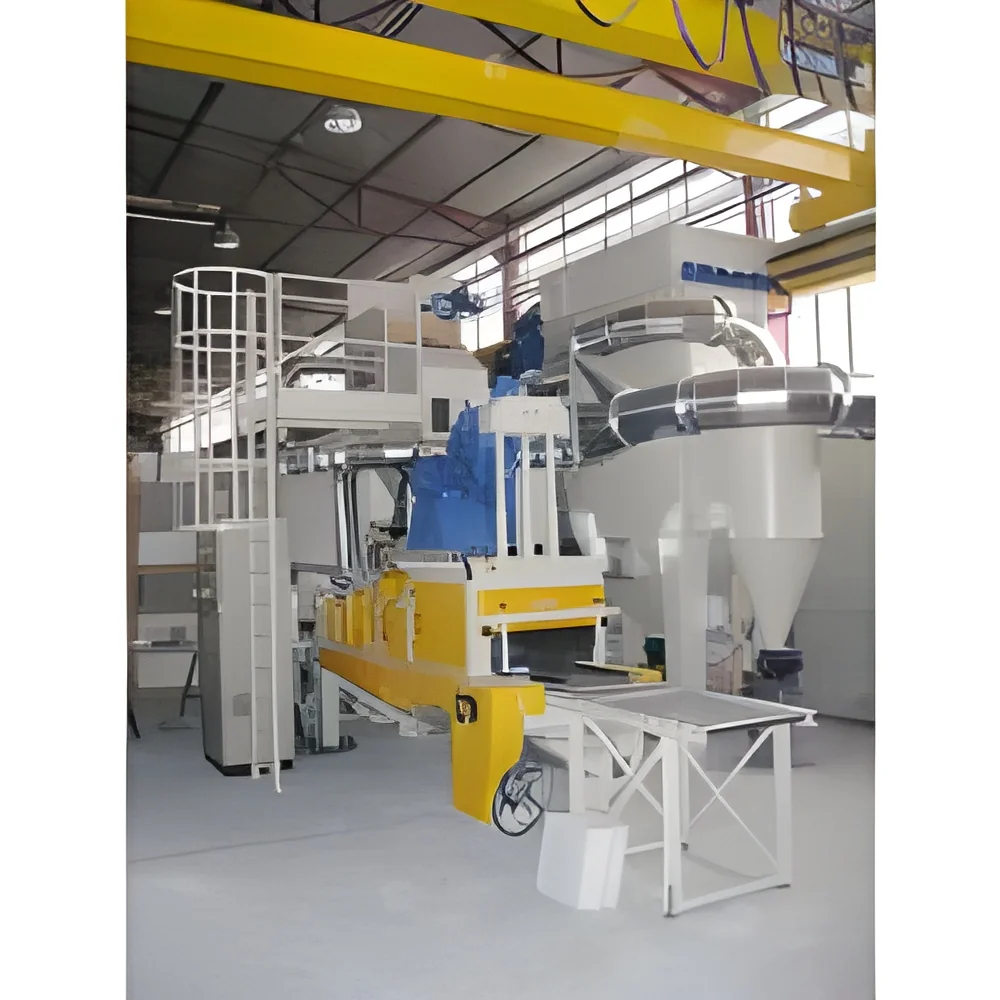
Continuous Flow Blasting Machines
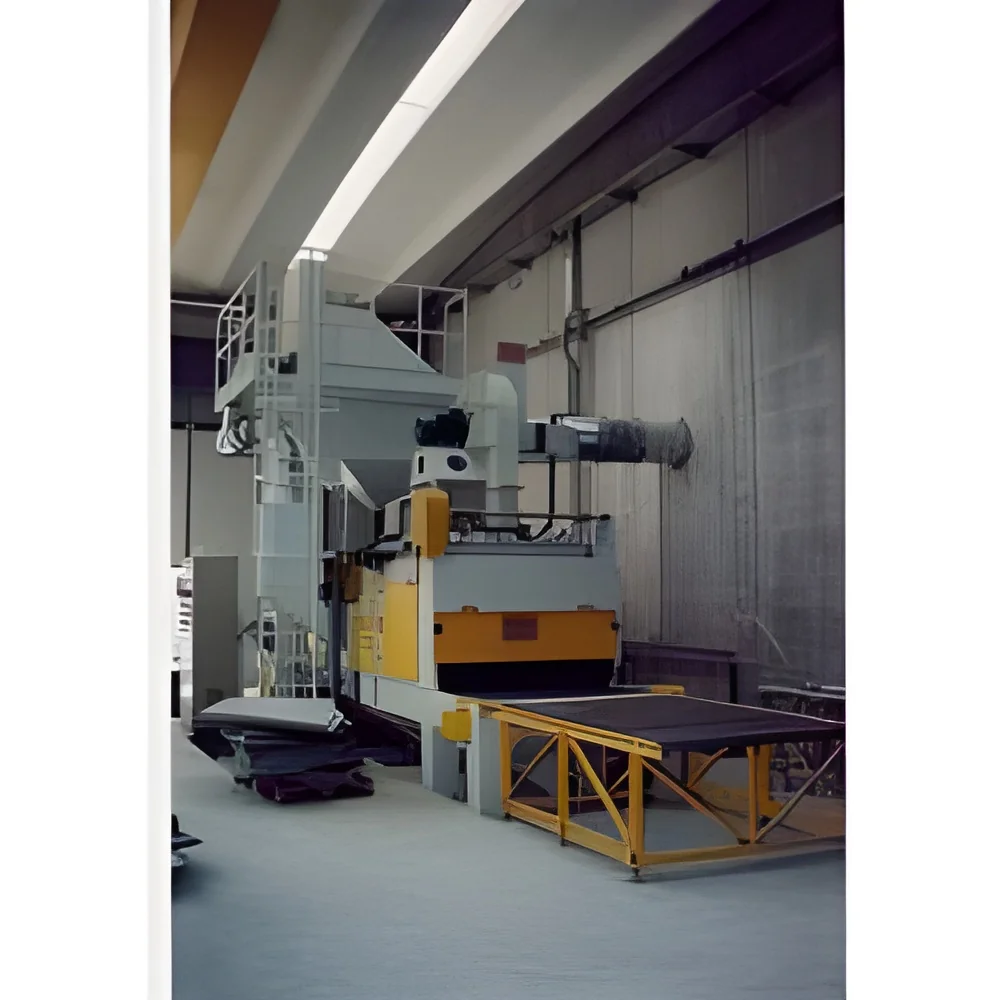
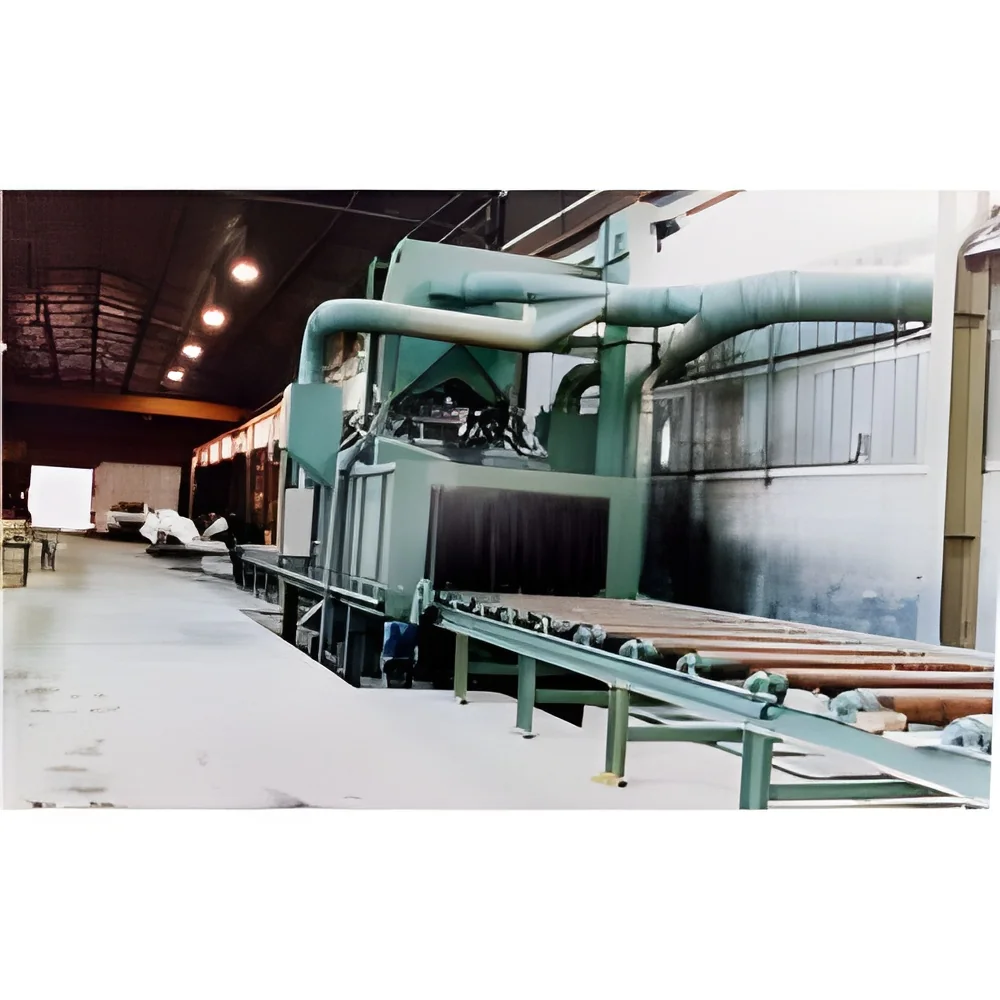
Designed for high-volume production, these machines continuously feed parts through the blasting chamber, optimizing efficiency.
Benefits and Advantages
Shot blasting machines offer numerous benefits that enhance operational efficiency and product quality.
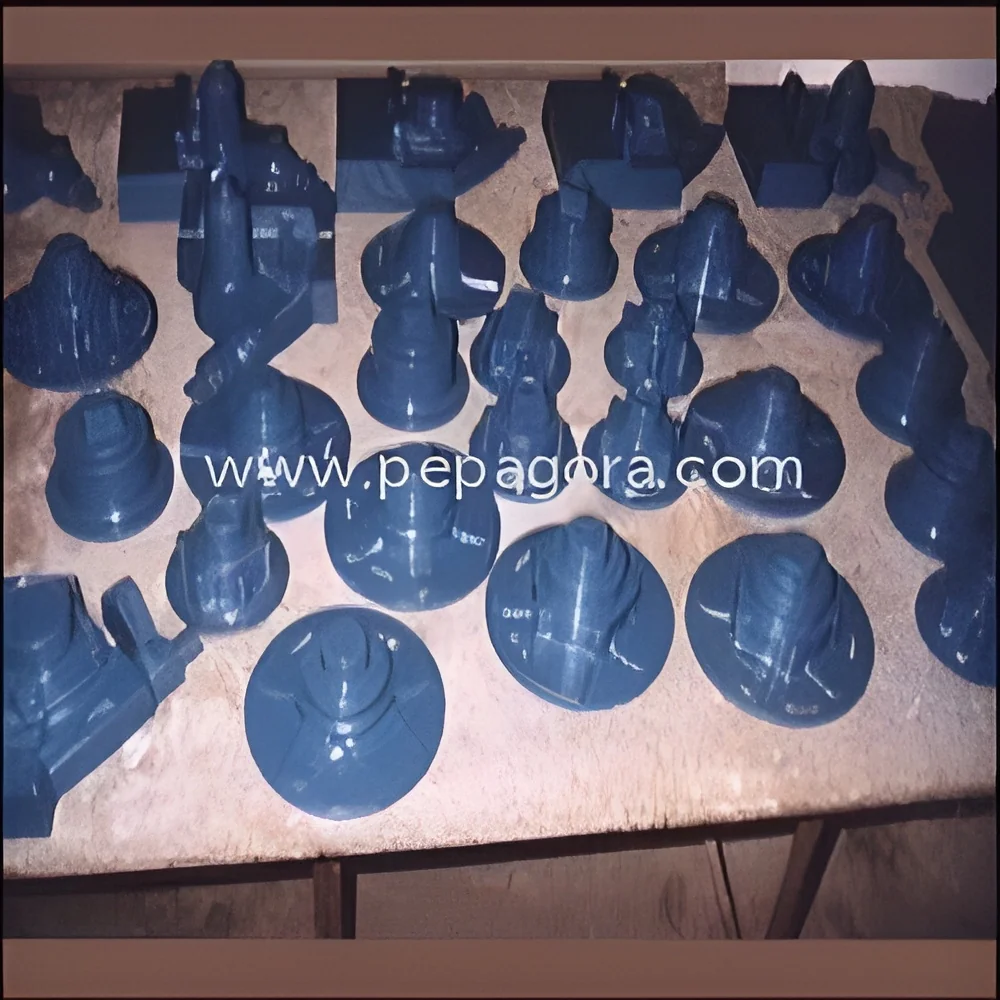
1. Improved Surface Quality: They provide a uniform finish on metal surfaces, which is crucial for coating adhesion.
2. Increased Durability: The shot peening process strengthens materials, extending the lifespan of components.
3. Enhanced Productivity: Automated systems reduce processing time, allowing for higher throughput.
4. Cost-Effective Maintenance: Regular use of shot blasting machines can minimize the need for extensive repair work on components.
5. Environmentally Friendly: Many machines incorporate dust collection systems that reduce airborne contaminants.
6. Versatile Applications: They can be used for various materials and industries, making them a valuable investment for manufacturers.
Buying Guide for B2B Buyers
When sourcing shot blasting machines, several factors should be considered to ensure optimal procurement.
1. Quality Assessment: Evaluate the build quality and reliability of the machines. Look for industry certifications that signify adherence to quality standards.
2. Supplier Verification: Vet suppliers through references and reviews. Ensure they have a proven track record in delivering reliable products.
3. Pricing and MOQ: Understand the pricing structure and minimum order quantities. This can help in budgeting and negotiating better deals.
4. Delivery and Lead Times: Consider the logistics involved in shipping and installation. Timely delivery is crucial for maintaining production schedules.
5. Compliance Requirements: Ensure that the machines meet all relevant safety and environmental regulations. Compliance with standards such as CE certification is essential for operational legality.
Compliance and Certifications
Compliance with industry standards and certifications is critical for shot blasting machines. Various quality standards apply, such as ISO 9001, which ensures a consistent quality management system.
The CE certification is particularly relevant, signaling that the machines meet European safety, health, and environmental protection requirements. This certification is essential for suppliers looking to operate in European markets.
Safety and testing requirements also play a significant role in machine design. These machines must undergo rigorous testing to ensure they operate safely and effectively.
Additionally, regional compliance considerations must be taken into account, as different countries may have specific regulations governing industrial equipment.
Why Source Shot Blasting Machines from Pepagora?
Pepagora provides a trusted platform for sourcing shot blasting machines, offering several key advantages for B2B buyers.
Verified Supplier Network: Pepagora connects buyers with a network of verified suppliers, ensuring that all listed products meet industry standards and quality benchmarks.
Streamlined RFQ Process: The platform features a user-friendly request for quotation system, allowing buyers to easily obtain competitive pricing and options from multiple suppliers.
Trade Assurance and Support: Buyers can benefit from trade assurance programs that protect their purchases, ensuring safe transactions and reliable delivery.
Regional Coverage: Pepagora's reach extends across key markets in India, the GCC, and Southeast Asia, making it a convenient option for businesses looking to procure shot blasting machines efficiently.

 IN
IN