What are Crucible Furnaces?
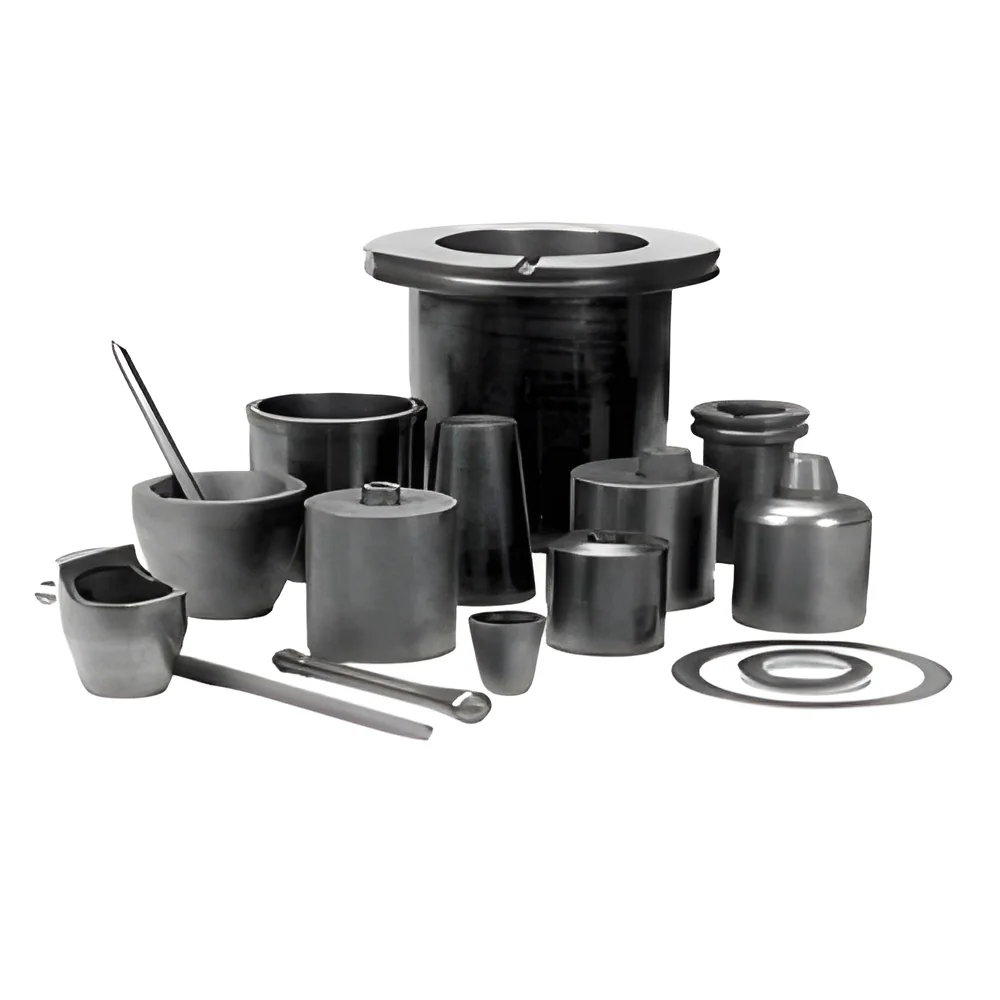
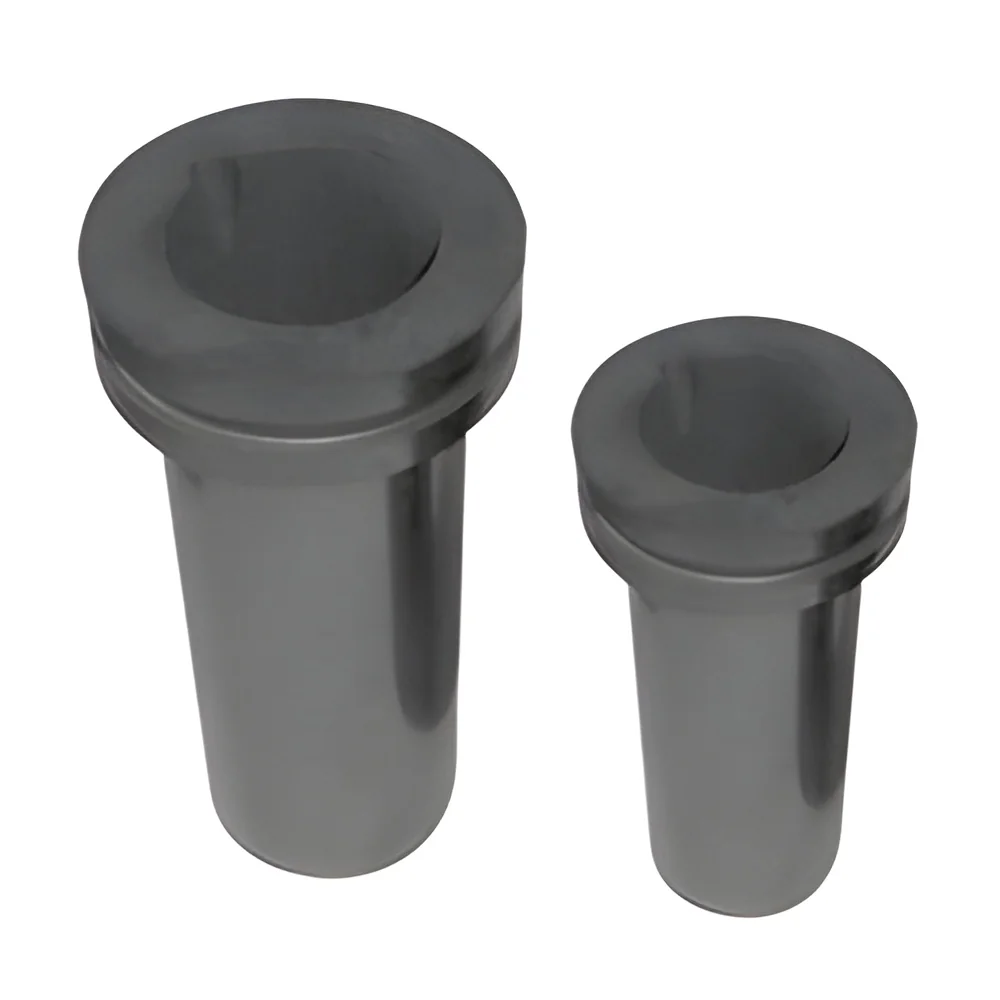
Crucible furnaces are specialized heating devices designed to melt and process metals and other materials. These furnaces operate at high temperatures and use a crucible, which is a container made from heat-resistant materials, to hold the substance being melted. The design allows for precise temperature control, making them ideal for various metallurgical processes.
Crucible furnaces are commonly used in industries such as metal casting, jewelry making, and laboratory applications. They are essential for melting precious metals, producing alloys, and conducting material research. Businesses rely on these furnaces for their ability to deliver consistent results and high-quality output.
In the current market, the demand for crucible furnaces is growing due to advancements in manufacturing technologies and the increasing need for high-performance materials. Industries focusing on precision engineering and custom metal works are particularly reliant on these furnaces to meet their production needs.
Key Features and Specifications
Crucible furnaces come equipped with several features that enhance their functionality and efficiency. Understanding these specifications is crucial for businesses looking to invest in reliable melting solutions.
Key specifications include:
1. Temperature Range
- Crucible furnaces can reach temperatures necessary for melting various metals, typically ranging from 600 to 1600 degrees Celsius.
2. Capacity
- The furnace capacity varies, allowing for small-scale operations to large industrial applications. Capacities can range from a few kilograms to several tons.
3. Heating Method
- Options include electric and gas heating methods, each providing different benefits depending on the application.
4. Construction Material
- Furnaces are constructed using durable materials like steel, refractory bricks, or ceramic to withstand high temperatures.
5. Control Systems
- Many models feature advanced control systems for temperature regulation, ensuring precise heating and consistent results.
6. Safety Features
- Safety measures such as automatic shut-off systems and temperature alarms help prevent accidents during operation.
7. Mobility
- Some crucible furnaces are designed for portability, making them suitable for on-site melting tasks.
8. Energy Efficiency
- Modern designs focus on energy-efficient operations, reducing operational costs for businesses.
These features contribute to the overall performance and reliability of crucible furnaces, making them invaluable assets in various industrial settings.
Common Applications and Use Cases
Crucible furnaces serve a multitude of industries, each benefiting from their unique capabilities.
1. Metal Casting: In the metal casting industry, crucible furnaces are used to melt metals for the production of castings. This allows for the creation of intricate designs and high-strength components.
2. Jewelry Manufacturing: Jewelers utilize crucible furnaces to melt precious metals like gold and silver. The ability to control temperatures precisely ensures high-quality finishes for fine jewelry.
3. Research and Laboratory Work: Laboratories often employ crucible furnaces for material testing and research purposes. They enable scientists to melt and analyze samples with accuracy.
4. Aerospace: In aerospace manufacturing, crucible furnaces are essential for producing high-performance alloys used in aircraft components.
5. Automotive: The automotive industry uses crucible furnaces to create specialized metal parts that require specific melting points and properties.
6. Electronics: Crucible furnaces are used in electronics to melt materials for components like circuit boards and semiconductors.
7. Art Foundries: Artists and sculptors rely on crucible furnaces for casting metal sculptures and art pieces, allowing for creative expression through metalworking.
Product Variants and Subcategories
Crucible furnaces come in various models and designs, each tailored to specific applications and user needs.
Electric Crucible Furnace
Electric crucible furnaces offer precise temperature control and are ideal for small to medium-scale operations. They are commonly used in laboratories and jewelry manufacturing due to their ease of use and safety features.
Gas Crucible Furnace
Gas-fired crucible furnaces provide a powerful heating solution, suitable for larger melting tasks. They are often employed in industrial applications where high throughput is essential.
Induction Crucible Furnace
Induction crucible furnaces use electromagnetic energy to heat the crucible, offering rapid melting times and energy efficiency. These furnaces are popular in metalworking industries where speed and precision are critical.
Benefits and Advantages
Investing in crucible furnaces offers numerous advantages for businesses.
1. High Efficiency: These furnaces provide quick melting times and maintain stable temperatures, improving overall production efficiency.
2. Precision Control: Advanced control systems allow for accurate temperature settings, ensuring high-quality material processing.
3. Versatility: Crucible furnaces can handle a variety of materials, making them suitable for different industrial applications.
4. Durability: Built with robust materials, crucible furnaces are designed to withstand the rigors of industrial use, offering long service life.
5. Safety Features: Enhanced safety measures help protect operators and reduce the risk of accidents during operation.
6. Cost-Effectiveness: Energy-efficient designs and reliable performance contribute to lower operational costs over time.
Buying Guide for B2B Buyers
When sourcing crucible furnaces, several key factors should be considered to ensure a successful purchase.
1. Quality Assessment: Evaluate the quality of the furnaces by reviewing specifications and manufacturer certifications. Look for reputable brands known for their durability and performance.
2. Supplier Verification: Vet suppliers thoroughly to ensure they have a track record of reliability and customer satisfaction. Request references and check reviews to assess their credibility.
3. Pricing and MOQ: Understand the price range for different models and consider the minimum order quantities. This helps in budgeting and ensures you meet your operational needs without overcommitting.
4. Delivery and Lead Times: Inquire about delivery schedules and lead times. Timely delivery is crucial for maintaining production schedules and project timelines.
5. Compliance Requirements: Ensure that the furnaces meet relevant industry standards and certifications. This includes safety regulations and operational guidelines specific to your region.
Compliance and Certifications
Crucible furnaces must adhere to several quality standards and certifications to ensure safety and reliability. Key standards include ISO 9001, which focuses on quality management systems, and CE certification, indicating compliance with European safety standards.
Safety and testing requirements are crucial, especially in high-temperature applications. Manufacturers are often required to conduct rigorous testing to meet these standards before their products enter the market.
Regional compliance considerations may also apply depending on the location of operation. It is essential to be aware of local regulations that might affect the use and certification of crucible furnaces.
Why Source Crucible Furnaces from Pepagora?
Pepagora is a trusted platform for sourcing crucible furnaces, offering several key advantages that benefit B2B buyers.
Verified Supplier Network: Pepagora connects buyers with a network of verified suppliers, ensuring quality and reliability in every transaction. This helps businesses find trustworthy manufacturers and distributors.
Streamlined RFQ Process: The platform features an efficient Request for Quotation (RFQ) system that simplifies the process of obtaining quotes. This allows buyers to compare prices and specifications quickly.
Trade Assurance and Support: Pepagora provides trade assurance, protecting buyers throughout the purchasing process. This includes support for any issues that may arise post-purchase.
Regional Coverage: With a strong presence in India, the GCC, and Southeast Asia, Pepagora offers extensive regional coverage. This enables businesses to access local suppliers and services that meet their specific needs.

 IN
IN