What are Vacuum Casting Equipment?
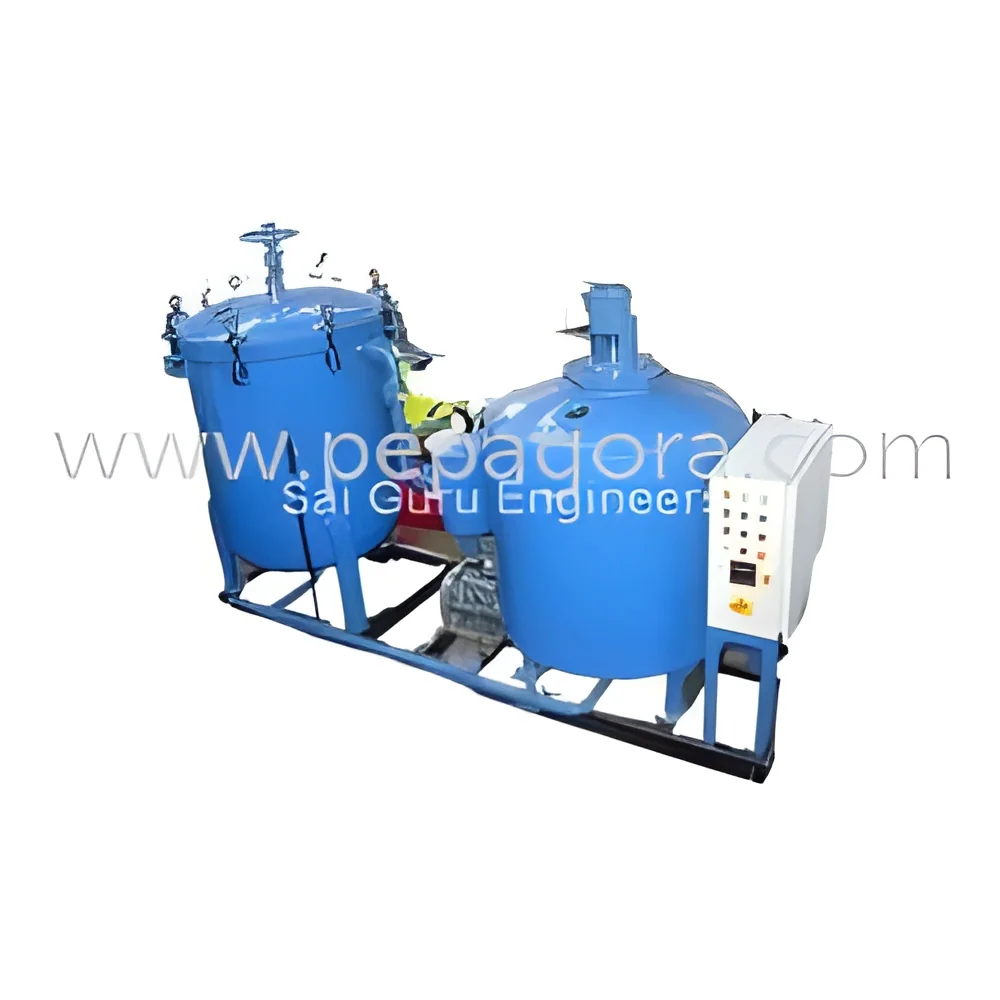
Vacuum casting equipment is a critical technology used in the manufacturing sector to produce high-quality prototypes and small batches of parts. This process involves creating a silicone mold from a master model, which is then used to cast parts in various materials under vacuum conditions. This ensures that air bubbles are eliminated and that the final product has a smooth finish and precise dimensions. The equipment typically includes a vacuum chamber, heating elements, and casting machines that are designed to work with specific materials.
The primary applications of vacuum casting equipment are in industries such as automotive, aerospace, medical devices, and consumer products. Companies utilize this technology for rapid prototyping, product testing, and the production of intricate components that require high accuracy. This method is especially valuable for businesses looking to bring products to market quickly while maintaining quality standards. In the current market, vacuum casting is increasingly relevant as manufacturers seek cost-effective solutions to produce complex parts without the need for expensive tooling.
Key Features and Specifications
Vacuum casting equipment boasts several key features that enhance its usability and effectiveness in various applications. These features are designed to cater to the specific needs of manufacturers looking for precision and efficiency.
Key specifications include:
1. Vacuum Chamber Capacity
- Typically ranges from small units (10 liters) to larger setups (100 liters or more).
- The size of the chamber affects the volume of parts that can be produced in one cycle.
2. Heating Capability
- Standard temperature ranges can go up to 200 degrees Celsius.
- Essential for the proper curing of materials used in the casting process.
3. Material Compatibility
- Designed to work with a variety of casting materials including polyurethane, silicone, and resins.
- Different models may support specific material types for optimized results.
4. Control System
- Equipped with digital interfaces for precise control over vacuum levels and temperature.
- Allows for real-time monitoring and adjustments during the casting process.
5. Safety Features
- Includes over-pressure protection and emergency shut-off systems.
- Ensures operational safety during the casting process.
6. Energy Efficiency
- Many models are designed to minimize energy consumption while maximizing output.
- Contributes to lower operational costs for manufacturers.
7. Noise Levels
- Generally operates at low noise levels, suitable for environments where sound is a concern.
- Ensures a comfortable workplace for operators.
8. Portability
- Some models are designed to be compact and portable for easy relocation.
- Ideal for companies with limited space or those that require mobility.
In summary, the features and specifications of vacuum casting equipment are tailored to meet the diverse needs of various industries, ensuring high-quality production with enhanced safety and efficiency.
Common Applications and Use Cases
Vacuum casting equipment is utilized across a range of industries, each with specific applications that take advantage of its unique capabilities.
1. Automotive: In the automotive sector, vacuum casting is used to produce prototype parts and small batch components, allowing manufacturers to test designs and functionality before mass production.
2. Aerospace: This equipment is critical in aerospace applications for creating lightweight parts that require precision and durability, including interior components and structural elements.
3. Medical Devices: Manufacturers in the medical field rely on vacuum casting to produce components for devices that must meet stringent regulatory standards while maintaining high quality and precision.
4. Consumer Electronics: Companies producing consumer electronics use vacuum casting to create prototypes and casings that are both aesthetically pleasing and functional.
5. Industrial Equipment: Vacuum casting allows for the production of specialized components used in various industrial applications, helping to streamline manufacturing processes.
6. Jewelry: The jewelry industry benefits from vacuum casting for creating intricate designs and detailed prototypes with high fidelity to the original designs.
7. Art and Sculpture: Artists and sculptors utilize vacuum casting to reproduce their works in various materials, ensuring high quality and fine detail in the finished pieces.
Product Variants and Subcategories
Vacuum casting equipment comes in various models and configurations to meet the differing needs of manufacturers. Each variant offers unique features tailored for specific applications.
Vacuum Casting Machine A
This variant is suitable for small-scale production and prototyping. It features a compact design, easy-to-use interface, and is compatible with a wide range of casting materials, making it ideal for startups and small businesses.
Vacuum Casting Machine B
Designed for larger batch production, this model has a higher capacity vacuum chamber and advanced heating capabilities. It is perfect for companies looking to produce multiple parts in a single cycle without sacrificing quality.
Vacuum Casting Machine C
This variant focuses on energy efficiency and operational safety. It features advanced monitoring systems and is designed for environments where energy costs are a concern, making it suitable for larger manufacturing facilities.
Benefits and Advantages
Investing in vacuum casting equipment offers numerous advantages for manufacturers seeking to enhance their production capabilities.
Key benefits include:
1. High Precision: Vacuum casting ensures that parts are produced with exact dimensions and a smooth finish, reducing the need for additional machining.
2. Reduced Lead Times: This method allows for quicker prototyping and production, enabling companies to bring products to market faster.
3. Cost-Effectiveness: By minimizing material waste and reducing the need for expensive tooling, vacuum casting is a cost-effective solution for small batch production.
4. Versatile Material Options: Users can work with a variety of materials, including resins and silicones, providing flexibility for different applications.
5. Lower Production Risks: The ability to prototype before mass production reduces the risk of costly errors in the final product.
6. Enhanced Safety Features: Modern vacuum casting equipment includes safety systems that protect operators and ensure safe operation during casting processes.
Buying Guide for B2B Buyers
When sourcing vacuum casting equipment, it is essential for businesses to consider several key factors to ensure they make informed decisions.
1. Quality Assessment: Evaluate the quality of materials and construction of the equipment. Look for certifications that guarantee durability and reliability in performance.
2. Supplier Verification: Conduct thorough background checks on suppliers to ensure they have a solid reputation and can provide support when needed.
3. Pricing and MOQ: Understand the pricing structure and minimum order quantities. This helps in budgeting and determining the scale of production you can afford.
4. Delivery and Lead Times: Consider the logistics involved in obtaining the equipment. Ensure that suppliers can meet your timeline requirements for delivery.
5. Compliance Requirements: Be aware of any regulatory standards that the equipment must meet. This includes understanding industry-specific compliance needs to avoid potential legal issues.
Compliance and Certifications
Vacuum casting equipment must adhere to various quality standards and certifications to ensure safety and performance in industrial applications.
Relevant quality standards include ISO 9001, which focuses on quality management systems, ensuring consistent production quality. Other standards like HACCP and GDP may also be applicable depending on the industry, particularly in food and medical device manufacturing.
Industry certifications, such as CE marking, indicate compliance with European safety standards, making the equipment suitable for use in various markets.
Safety and testing requirements are crucial, and manufacturers should ensure that the equipment has passed necessary tests to guarantee safe operation.
Additionally, regional compliance considerations may vary, requiring equipment to meet specific local regulations. Manufacturers should be well-informed about these requirements to avoid complications.
Why Source Vacuum Casting Equipment from Pepagora?
Pepagora is a trusted platform for sourcing vacuum casting equipment, offering a range of advantages for businesses.
The verified supplier network ensures that all suppliers listed have undergone thorough checks, providing buyers with confidence in their sourcing decisions. This reduces the risks associated with purchasing industrial equipment.
The streamlined RFQ process allows businesses to easily request quotations, making it convenient to compare prices and specifications from various suppliers. This transparency helps buyers make informed choices.
Trade assurance and support are key components of the Pepagora experience. Buyers can benefit from protections that safeguard their purchases, ensuring that they receive the equipment as promised.
With regional coverage extending across India, the GCC, and Southeast Asia, Pepagora facilitates access to a diverse range of suppliers. This broad reach allows businesses to connect with manufacturers who can meet their specific needs, regardless of their location.

 IN
IN