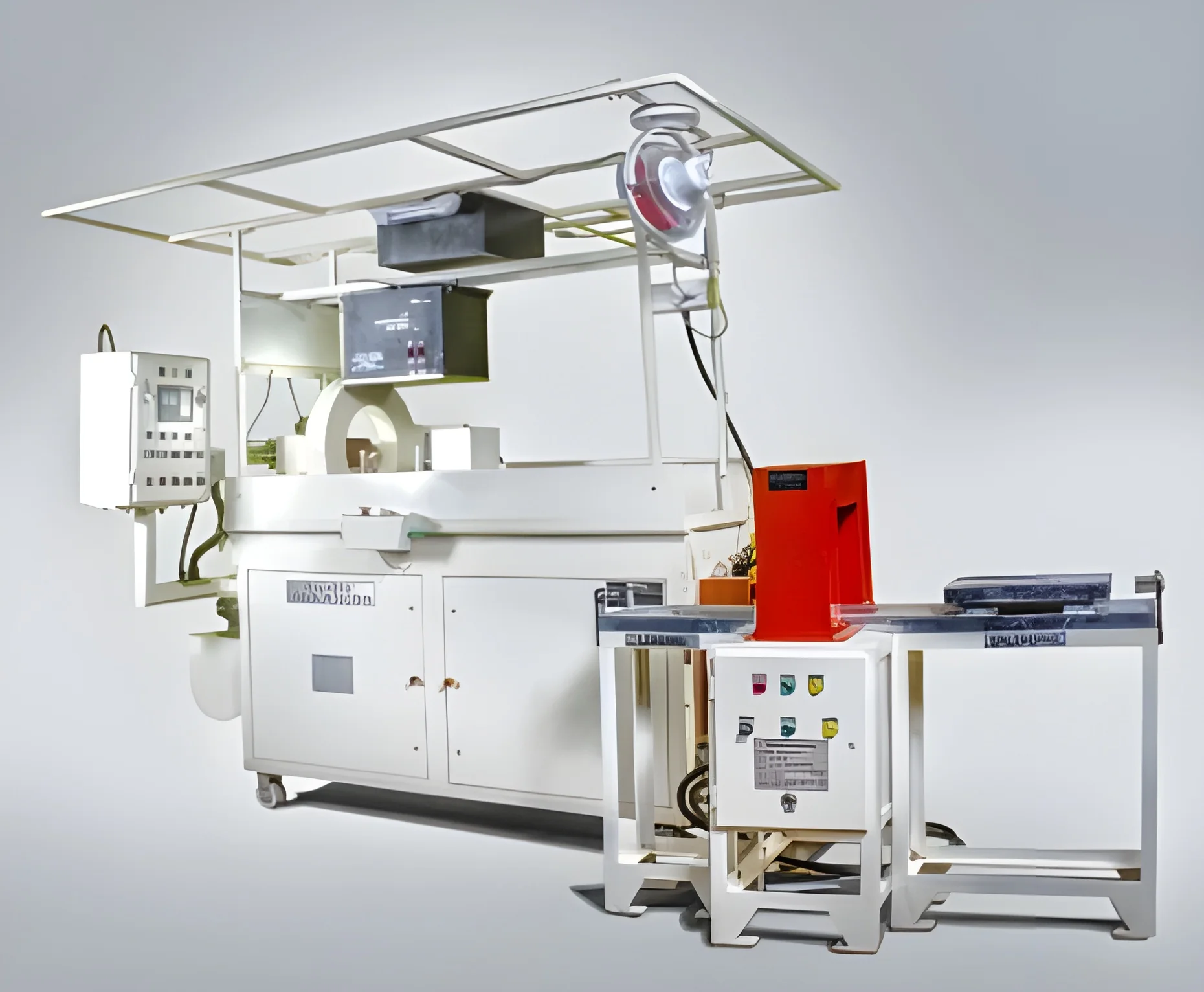
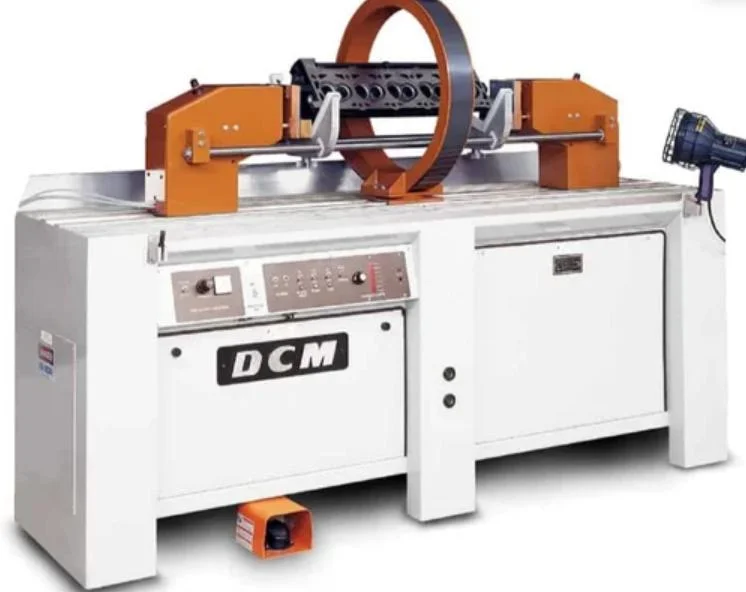
What are Magnetic Particle Inspection Systems?
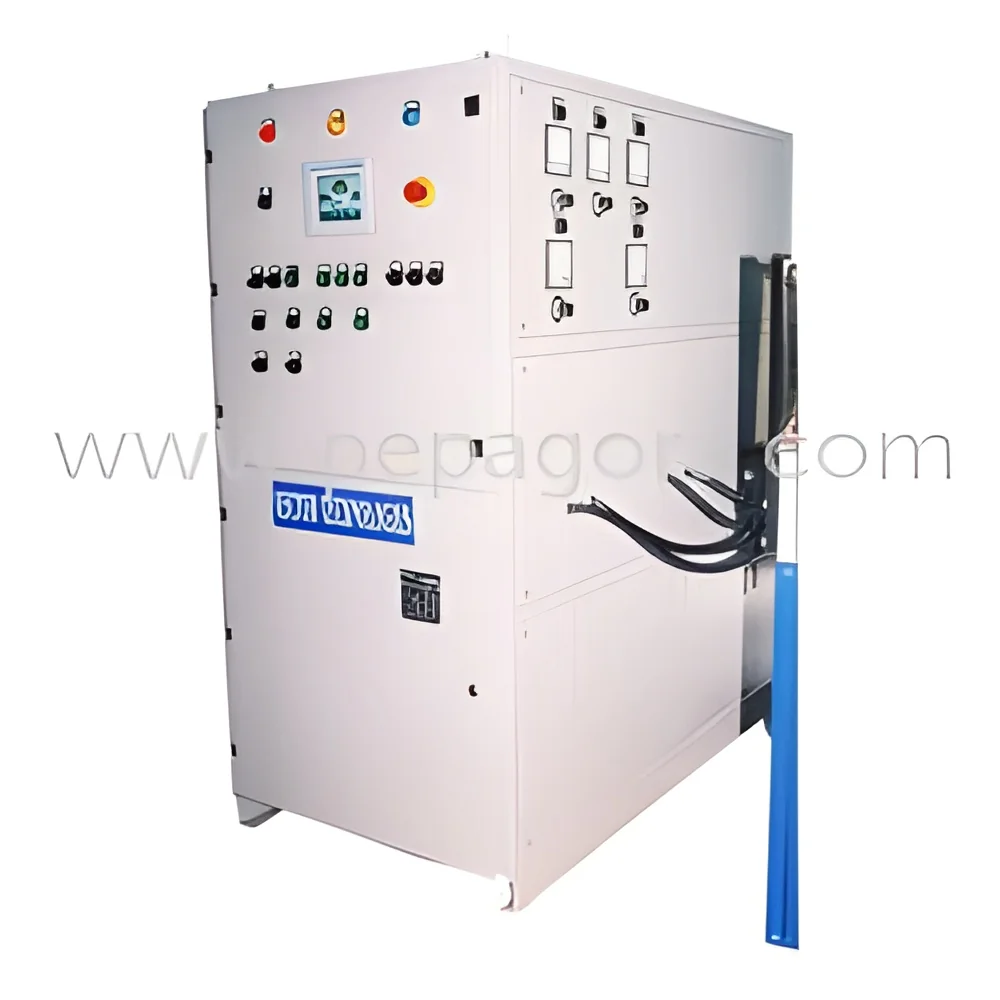
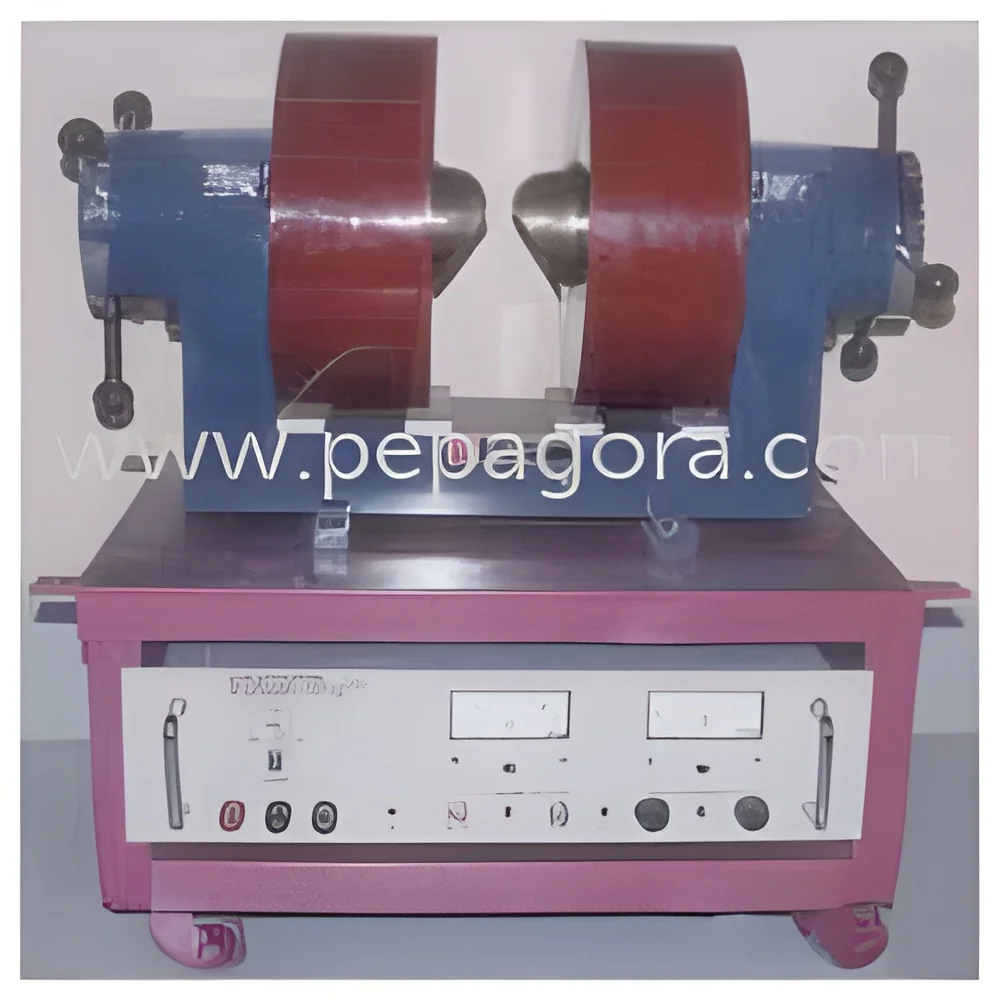
Magnetic Particle Inspection Systems are non-destructive testing tools used to detect surface and near-surface discontinuities in ferromagnetic materials. This method utilizes magnetic fields and fine magnetic particles to highlight defects such as cracks, inclusions, or voids. When a magnetic field is applied to the material being tested, any discontinuities will disrupt the magnetic field, causing the particles to accumulate and form visible indications of the flaws.
These systems are widely used in various industries, including manufacturing, aerospace, and automotive, where material integrity is critical. By identifying defects early, companies can prevent costly failures and ensure safety and compliance with industry standards. The relevance of Magnetic Particle Inspection Systems in today’s market stems from the increasing demand for quality assurance in production processes and the need for reliable inspection methods that ensure the longevity and safety of critical components.
Key Features and Specifications
Magnetic Particle Inspection Systems come equipped with several key features that enhance their functionality and effectiveness. Understanding these specifications is essential for selecting the right system for your needs.
Key specifications include:
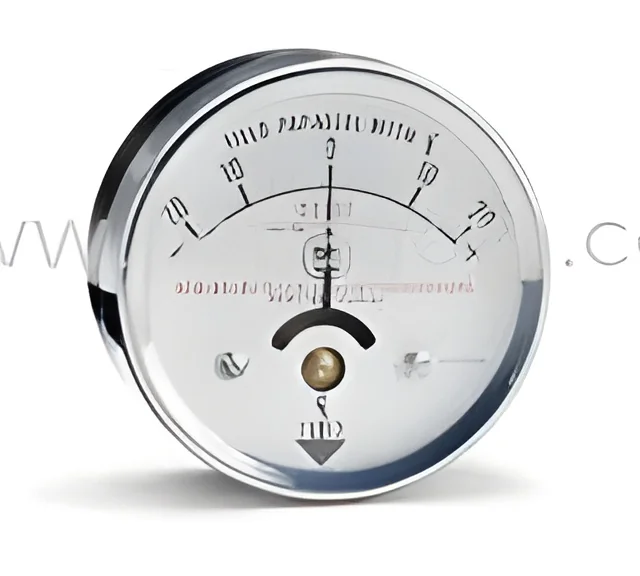
1. Magnetic Field Strength
- Determines the effectiveness of detection capabilities.
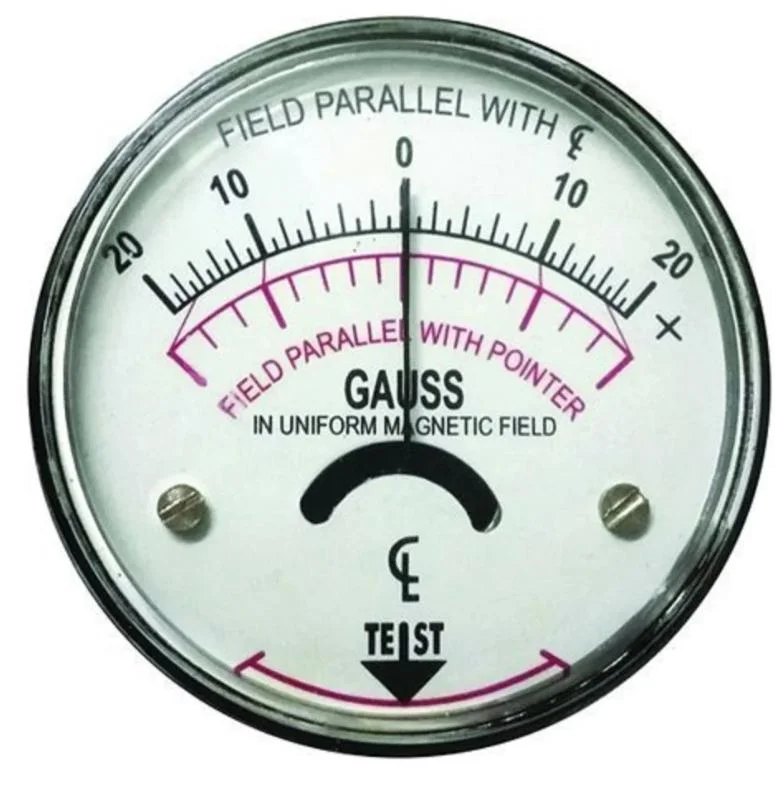
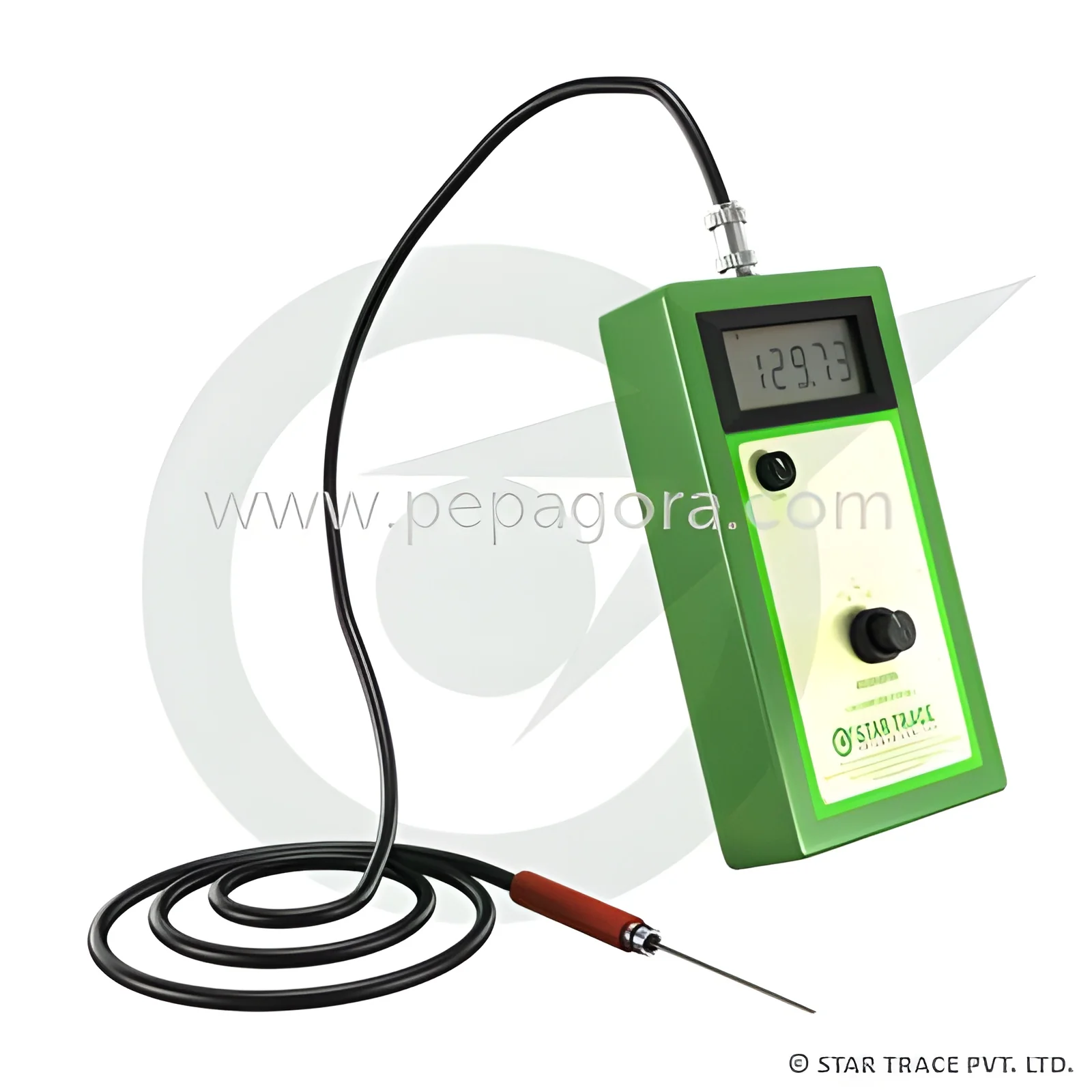
- Typically ranges from 100 to 4000 gauss.
2. Particle Size
- Affects the sensitivity of the inspection process.
- Common sizes range from 10 to 100 microns.
3. Inspection Modes
- Offers versatility in inspection techniques.
- Includes wet and dry methods, enabling use in various environments.
4. Power Supply
- Ensures consistent operation of the inspection system.
- Can be AC or DC powered, usually operating at 110V or 220V.
5. Control Features
- Provides ease of use and monitoring.
- Often includes adjustable controls for field strength and particle flow.
6. Portability
- Affects the system's deployment in different locations.
- Some models are lightweight and designed for field use.
7. Compliance Standards
- Ensures that systems meet necessary regulatory requirements.
- Many systems comply with CE standards for safety.
In summary, these features and specifications are essential for ensuring optimal performance and reliability in various industrial applications.
Common Applications and Use Cases
Magnetic Particle Inspection Systems are utilized across multiple industries due to their effectiveness in detecting material flaws.
1. Aerospace: Used for inspecting critical aircraft components, ensuring safety and adherence to stringent regulations.
2. Automotive: Essential for checking the integrity of parts such as gears, axles, and engine components to prevent failures.
3. Manufacturing: Employed in quality control processes to ensure that manufactured products meet industry standards without compromising safety.
4. Construction: Utilized in the inspection of structural components like beams and welds, vital for ensuring structural integrity.
5. Oil and Gas: Important for inspecting pipelines and drilling equipment to prevent catastrophic failures.
6. Railways: Used for checking railway tracks and components, ensuring safe transportation.
7. Power Generation: Critical for inspecting turbine components and other equipment, ensuring operational reliability.
Product Variants and Subcategories
Magnetic Particle Inspection Systems offer a range of variants to cater to different inspection needs and environments.
Portable Magnetic Particle Inspection System
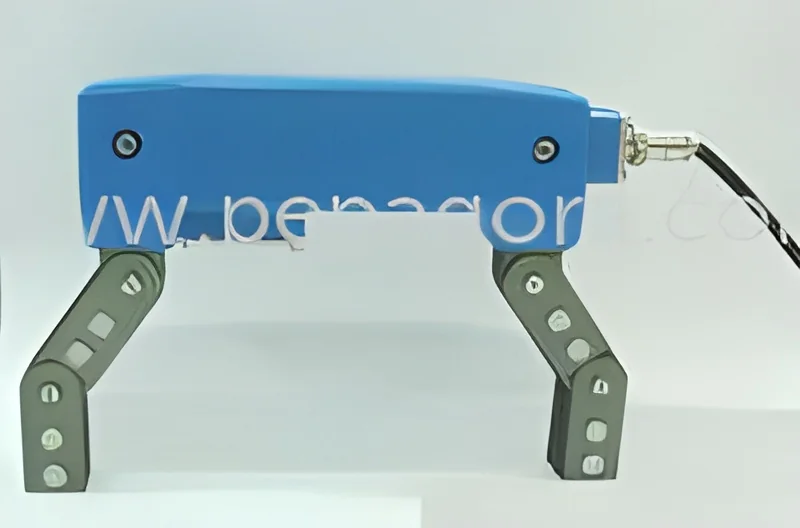
This variant is designed for field applications, allowing inspectors to perform tests on-site. It typically includes a compact design and battery-operated features for enhanced mobility.
Automated Magnetic Particle Inspection System
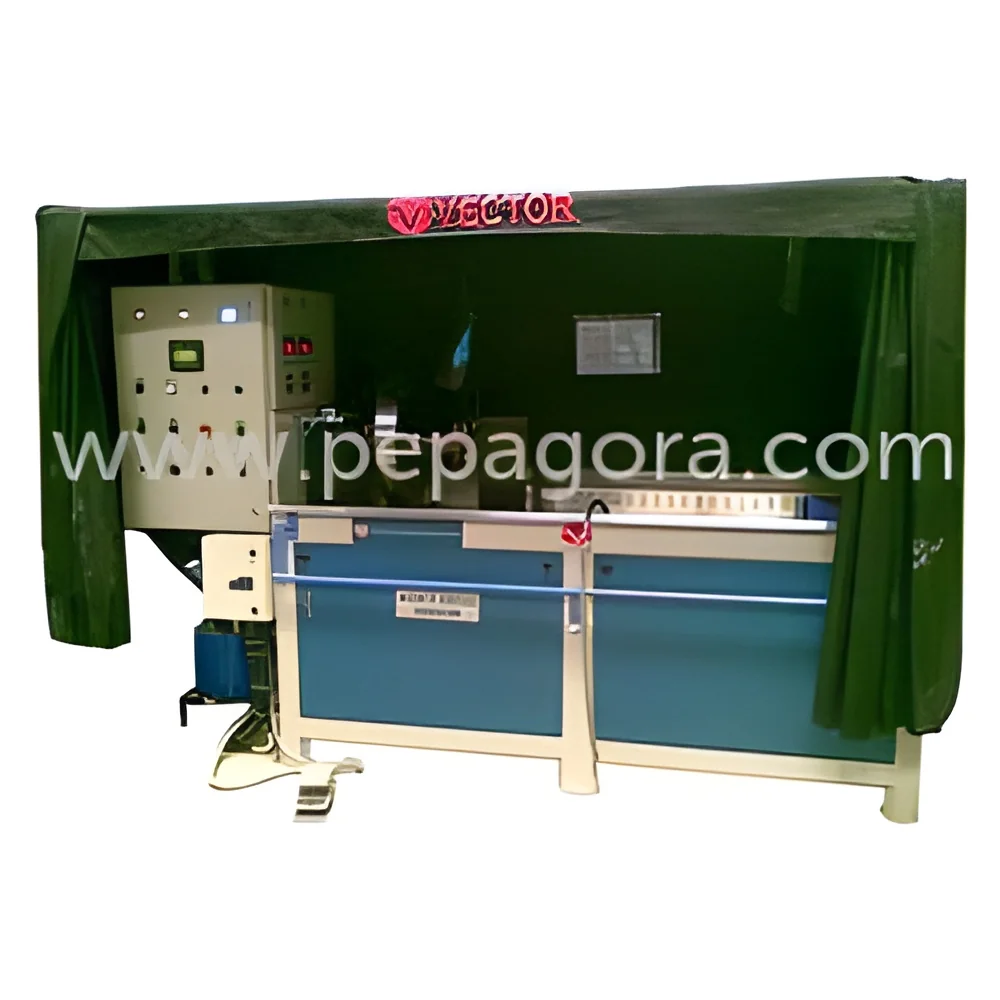
This variant features automation capabilities for increased efficiency in high-volume inspection processes. It is often integrated into production lines, providing real-time inspection and data logging.
Manual Magnetic Particle Inspection System
Ideal for smaller operations or specific inspection tasks, this variant allows operators to have complete control over the inspection process. It is often more cost-effective and suitable for smaller facilities.
Benefits and Advantages
Magnetic Particle Inspection Systems provide numerous benefits that enhance operational efficiency and safety.
1. Non-Destructive Testing: Allows inspection without damaging the material, preserving the integrity of components.
2. High Sensitivity: Capable of detecting very fine surface and near-surface defects, increasing reliability in quality assurance.
3. Quick Results: Provides immediate feedback on the integrity of materials, facilitating faster decision-making.
4. Cost-Effective: Reduces the risk of costly failures by identifying defects early in the manufacturing process.
5. Versatile Applications: Suitable for a wide range of industries and materials, making them invaluable in diverse operational contexts.
6. Compliance Assurance: Helps organizations meet industry standards and regulations, ensuring product quality and safety.
Buying Guide for B2B Buyers
When sourcing Magnetic Particle Inspection Systems, it is crucial to consider several factors that influence the purchasing decision.
1. Quality Assessment: Evaluate the quality of the systems by reviewing product specifications, customer feedback, and industry certifications to ensure reliability.
2. Supplier Verification: Conduct thorough vetting of suppliers. Look for established companies with a reputation for quality and service in the market.
3. Pricing and MOQ: Understand the pricing structure and minimum order quantities (MOQ) to ensure that your budget aligns with the supplier’s offerings.
4. Delivery and Lead Times: Confirm delivery schedules and lead times to ensure that inspection equipment is available when needed.
5. Compliance Requirements: Ensure that the systems meet relevant industry standards and regulations to avoid compliance issues.
Compliance and Certifications
Magnetic Particle Inspection Systems must adhere to various quality standards and certifications to ensure reliability and safety.
ISO 9001 is a widely recognized quality management standard that assures that organizations maintain consistent quality in products and services. Companies that manufacture inspection systems often seek this certification to demonstrate their commitment to quality.
CE certification is crucial for systems sold in Europe, indicating that they meet EU safety, health, and environmental protection requirements. This certification assures buyers of the system's safety and efficacy.
Safety and testing requirements vary by industry and region. Manufacturers must ensure that their systems comply with specific regulations to operate in their respective markets.
Regional compliance considerations also play a role, as different countries may have unique standards and regulations that must be followed. Buyers should verify that the systems they are purchasing meet these local requirements.
Why Source Magnetic Particle Inspection Systems from Pepagora?
Pepagora provides a trusted platform for sourcing Magnetic Particle Inspection Systems, offering several key advantages to B2B buyers.
Verified Supplier Network: Pepagora connects buyers with a network of verified suppliers, ensuring that customers can access high-quality products from reputable manufacturers. This reduces the risk of purchasing substandard equipment.
Streamlined RFQ Process: The platform features a user-friendly RFQ system that simplifies the quotation process. Buyers can easily request quotes from multiple suppliers, allowing for informed decision-making based on price and specifications.
Trade Assurance and Support: Pepagora offers trade assurance to protect buyers, ensuring that they receive the products as described. Dedicated support is available to assist buyers throughout the purchasing process, enhancing their experience.
Regional Coverage: With a strong presence in India, the GCC, and Southeast Asia, Pepagora provides extensive regional coverage. This allows buyers to source Magnetic Particle Inspection Systems that meet local needs while benefiting from competitive pricing and reliable logistics.

 IN
IN