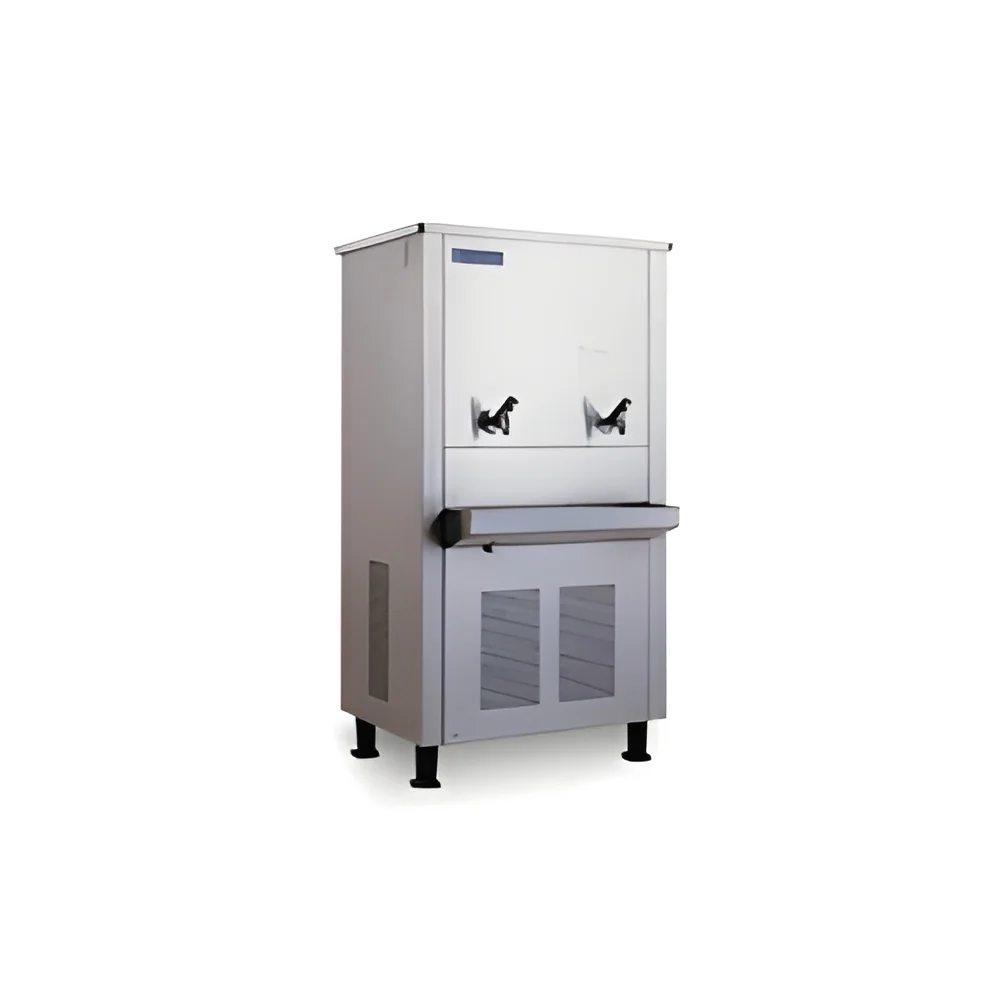
What are Chillers & Water Cooling Systems?
Chillers and water cooling systems are integral components in various industrial and commercial processes that require temperature control and heat removal. These systems operate by circulating chilled water or refrigerants to absorb heat from equipment or environments, thereby maintaining optimal operating conditions. Chillers can be categorized into air-cooled and water-cooled systems, each designed to meet specific cooling needs based on application and environment.
Primarily, chillers and water cooling systems are utilized across multiple industries including manufacturing, pharmaceuticals, data centers, and food processing. They serve critical functions such as cooling machinery, regulating temperatures in production areas, and ensuring the proper functioning of HVAC systems. Their reliable performance directly impacts operational efficiency and product quality, making them essential for many businesses.
The relevance of chillers and water cooling systems is highlighted by the increasing demand for energy-efficient and environmentally friendly solutions. As industries aim to minimize their carbon footprint, advanced technologies in chillers are being developed to enhance energy efficiency and reduce operational costs. This trend positions chillers as a vital component in the market, with continuous growth projected in various sectors.
Key Features and Specifications
Chillers and water cooling systems come equipped with various features designed to enhance performance and efficiency. Understanding these specifications is crucial for businesses looking to invest in reliable cooling solutions.
Key specifications include:
1. Cooling Capacity
- Typically measured in tons or kilowatts.
- Ranges from small units for residential use to large systems for industrial applications.
2. Energy Efficiency Ratio (EER)
- A measure of cooling output relative to energy consumption.
- Higher EER indicates better energy efficiency, which can lead to cost savings.
3. Refrigerant Type
- Common refrigerants include R-410A, R-134A, and ammonia.
- The choice of refrigerant affects efficiency and environmental impact.
4. Operating Temperature Range
- Defines the temperature limits within which the unit can operate effectively.
- Important for ensuring optimal performance in various environments.
5. Noise Level
- Measured in decibels (dB).
- Important for applications in noise-sensitive environments.
6. Control Systems
- Advanced units may feature digital controls for precise temperature management.
- Integration with IoT for remote monitoring and management is increasingly common.
7. Maintenance Requirements
- Systems should have accessible components for easy maintenance.
- Regular maintenance is crucial for long-term performance and reliability.
8. Footprint and Design
- Size and design must be considered for space-restricted installations.
- Compact designs can be advantageous in urban or limited spaces.
In summary, understanding the specifications of chillers and water cooling systems helps businesses select the right equipment for their needs, ensuring efficiency and reliability.
Common Applications and Use Cases
Chillers and water cooling systems serve a wide range of industries and applications. Their ability to maintain temperature control plays a critical role in various processes.
1. Manufacturing: In manufacturing, chillers are used to cool machinery and equipment, preventing overheating and ensuring consistent production rates.
2. Pharmaceuticals: The pharmaceutical industry relies on precise temperature control for processes such as storage of sensitive materials, ensuring product stability and compliance with regulations.
3. Data Centers: Chillers are essential in data centers to manage heat generated by servers, maintaining optimal operating conditions to prevent equipment failure.
4. Food Processing: In food processing, chillers are used to maintain low temperatures during production and storage, preserving product quality and safety.
5. HVAC Systems: Chillers are integral to HVAC systems in commercial buildings, providing cooling to maintain comfortable indoor environments.
6. Chemical Processing: The chemical industry uses chillers to regulate temperatures during various reactions, ensuring safety and product quality.
7. Plastics Manufacturing: In plastics production, chillers cool molds and extruders, enhancing product quality and reducing cycle times.
Product Variants and Subcategories
Chillers and water cooling systems come in various types to meet specific needs. Each variant offers unique features and applications tailored to different industries.
Air-Cooled Chillers
Air-cooled chillers use ambient air to dissipate heat, making them suitable for smaller applications and installations where water sources are limited. They are often easier to install and maintain compared to water-cooled units.
Water-Cooled Chillers
Water-cooled chillers utilize water from cooling towers to remove heat. They are typically more efficient than air-cooled systems and are ideal for larger applications where more significant cooling capacities are required.
Scroll Chillers
Scroll chillers use scroll compressors, offering high efficiency and reliability. They are commonly used in commercial applications due to their quiet operation and compact design.
Centrifugal Chillers
Centrifugal chillers are designed for high-capacity cooling needs. They are ideal for large industrial applications and significant commercial buildings due to their energy efficiency and effectiveness in large-scale cooling.
Benefits and Advantages
Investing in chillers and water cooling systems offers numerous advantages for businesses looking to optimize their operations.
Key benefits include:
1. Energy Efficiency: Modern chillers are designed to consume less energy, reducing operational costs and environmental impact.
2. Improved Product Quality: By maintaining optimal temperatures, chillers help ensure product quality and consistency in manufacturing processes.
3. Enhanced Equipment Longevity: Cooling systems prevent overheating, which extends the life of machinery and equipment.
4. Flexibility: Chillers can be customized to meet specific cooling requirements, allowing for greater flexibility in industrial applications.
5. Reliability: High-quality chillers provide consistent performance and reliability, essential for critical operations.
6. Compliance: Many chillers are designed to meet industry standards, aiding businesses in maintaining compliance with regulations.
Buying Guide for B2B Buyers
When sourcing chillers and water cooling systems, several factors should be considered to ensure the best investment.
1. Quality Assessment: Evaluate the quality of the equipment by reviewing manufacturer certifications, customer reviews, and performance data. High-quality systems typically offer better performance and lower maintenance costs.
2. Supplier Verification: Vet suppliers by checking their reputation, industry experience, and customer feedback. A reliable supplier can provide ongoing support and service.
3. Pricing and MOQ: Consider the pricing structure and minimum order quantities. Balancing cost with quality is crucial for making an informed purchase decision.
4. Delivery and Lead Times: Assess the supplier's delivery capabilities and lead times to ensure that the equipment can be delivered when needed, preventing operational delays.
5. Compliance Requirements: Ensure that the chillers meet all relevant regulatory and compliance standards specific to your industry. This can prevent legal issues and ensure safe operation.
Compliance and Certifications
Chillers and water cooling systems must adhere to various quality standards and certifications to ensure their reliability and safety.
ISO 9001: This is a quality management standard that ensures manufacturers maintain consistent quality in their processes and products. Compliance with ISO 9001 indicates a commitment to quality and operational excellence.
CE Certification: The CE mark indicates that the equipment meets European Union safety, health, and environmental protection standards. This is essential for products sold in EU markets.
Safety and Testing Requirements: Chillers should undergo rigorous testing to meet safety standards. This includes assessments for electrical safety, refrigerant handling, and operational efficiency.
Regional Compliance Considerations: Depending on the region, there may be additional compliance requirements related to environmental regulations, energy efficiency standards, and safety protocols. It is crucial for buyers to be aware of these regulations to ensure compliance and avoid potential penalties.
Why Source Chillers & Water Cooling Systems from Pepagora?
Pepagora provides a trusted platform for sourcing chillers and water cooling systems, offering several key advantages to B2B buyers.
Verified Supplier Network: Pepagora rigorously verifies suppliers, ensuring that only reputable manufacturers are listed on the platform. This gives buyers confidence in the quality and reliability of the products offered.
Streamlined RFQ Process: The platform features a streamlined request for quotation (RFQ) process, allowing buyers to easily obtain quotes from multiple suppliers. This simplifies the sourcing process and helps businesses find the best deals.
Trade Assurance and Support: Pepagora offers trade assurance and support to protect buyers during transactions. This ensures that buyers receive the products they ordered and can resolve any issues that may arise.
Regional Coverage: With a focus on regions like India, the GCC, and Southeast Asia, Pepagora connects buyers with local suppliers, enhancing accessibility and reducing logistics challenges. This regional focus supports businesses in finding tailored solutions to meet their cooling needs.

 IN
IN