What are Induction Heaters for Forging?
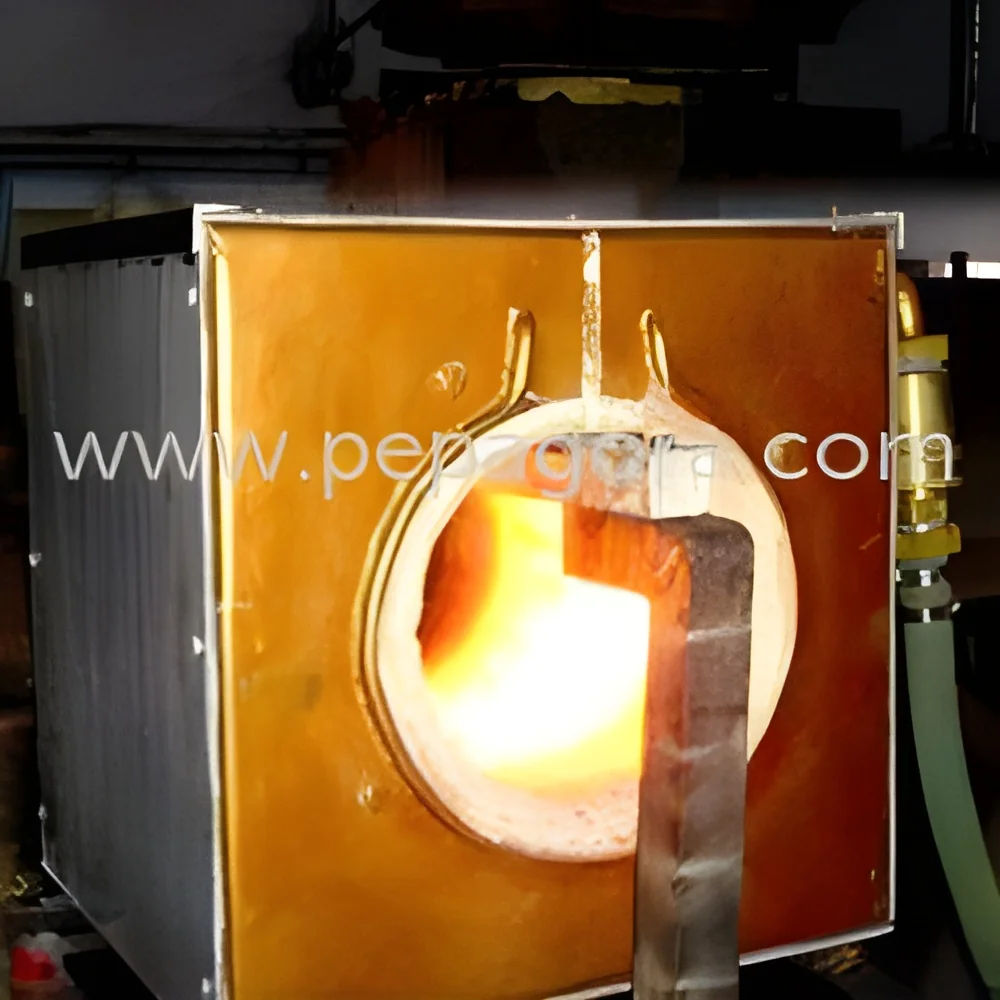
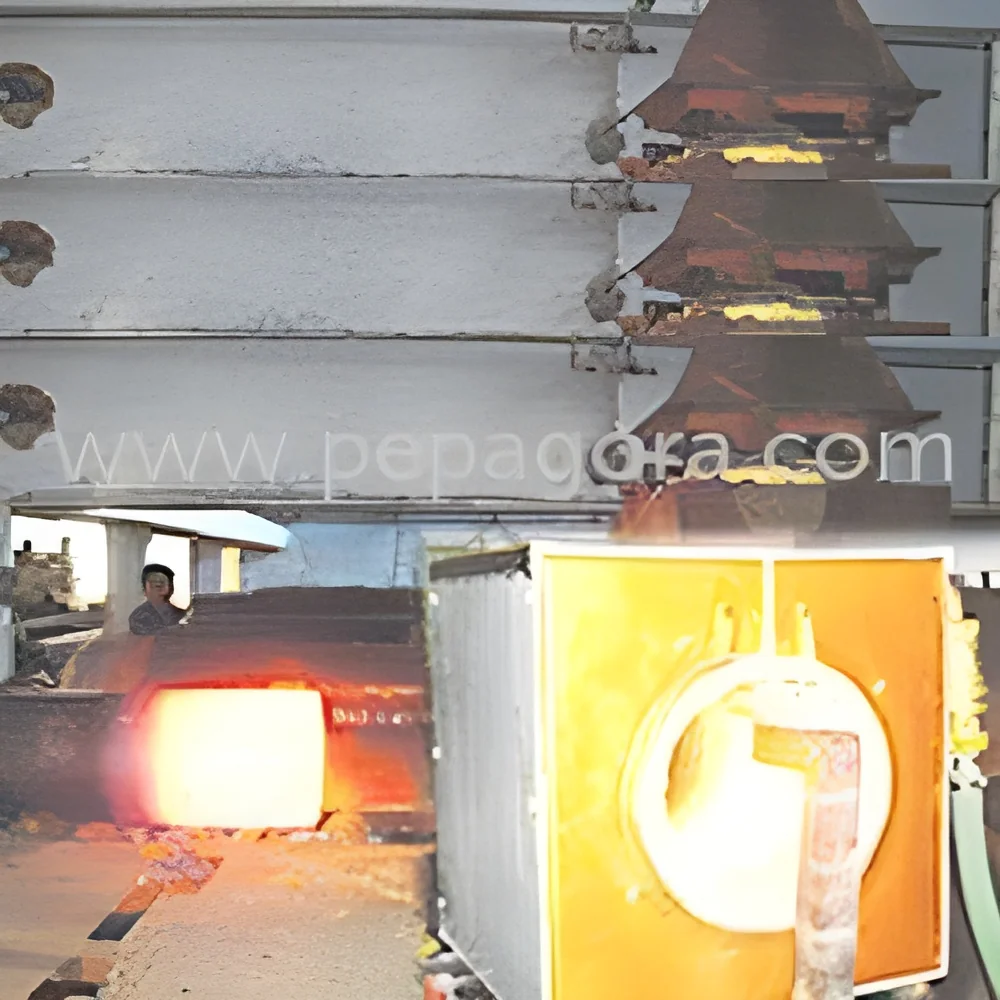
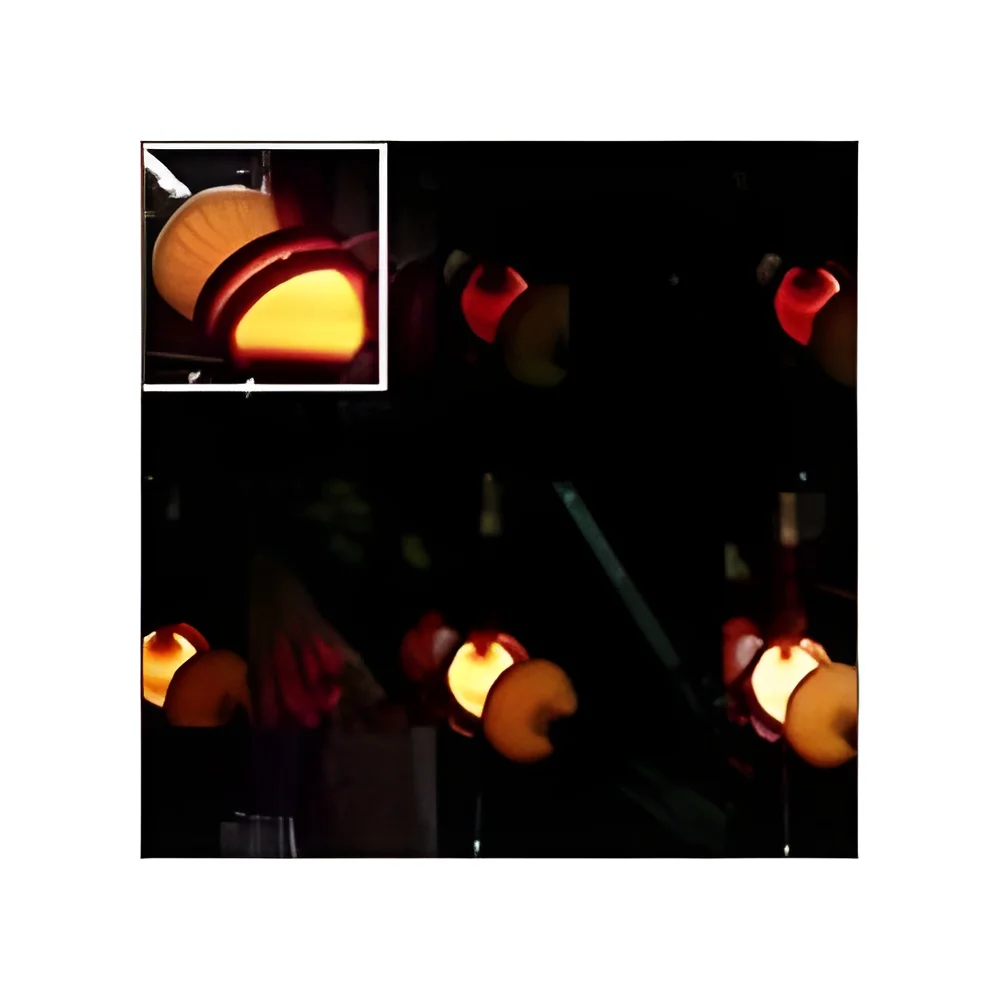
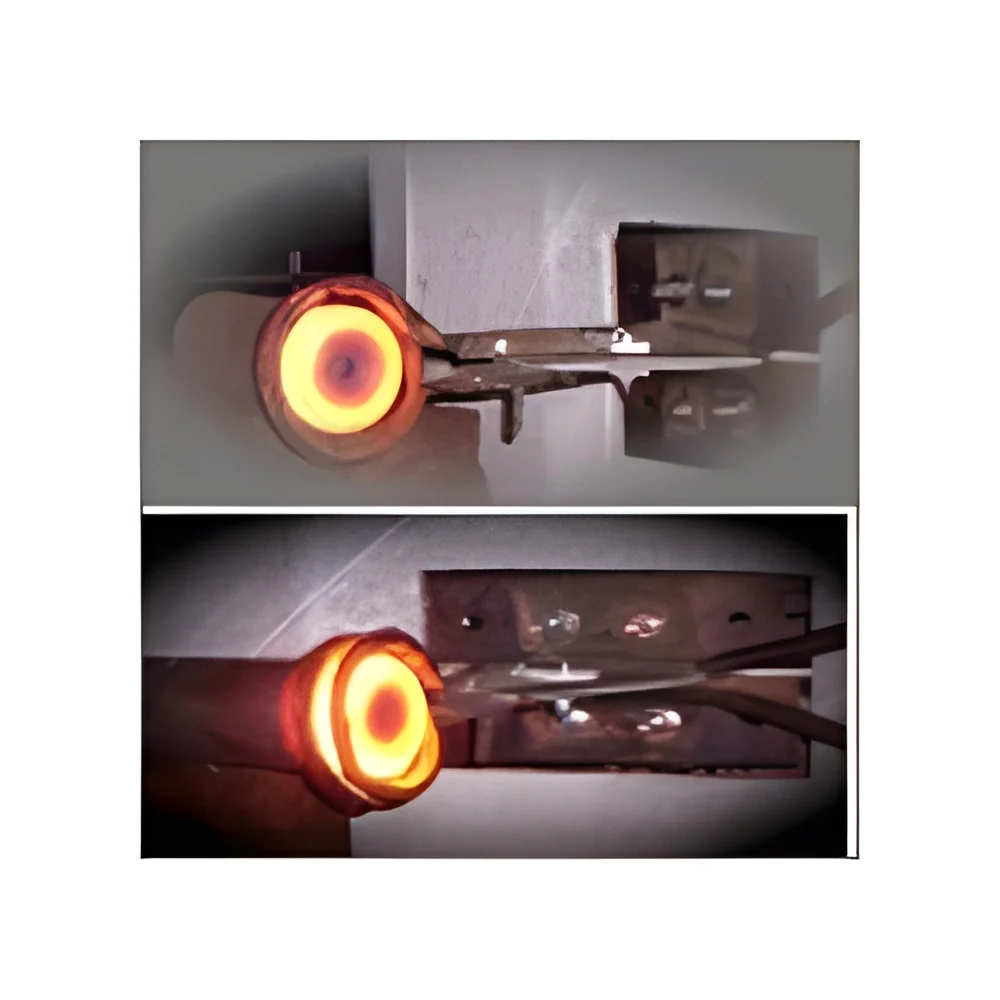
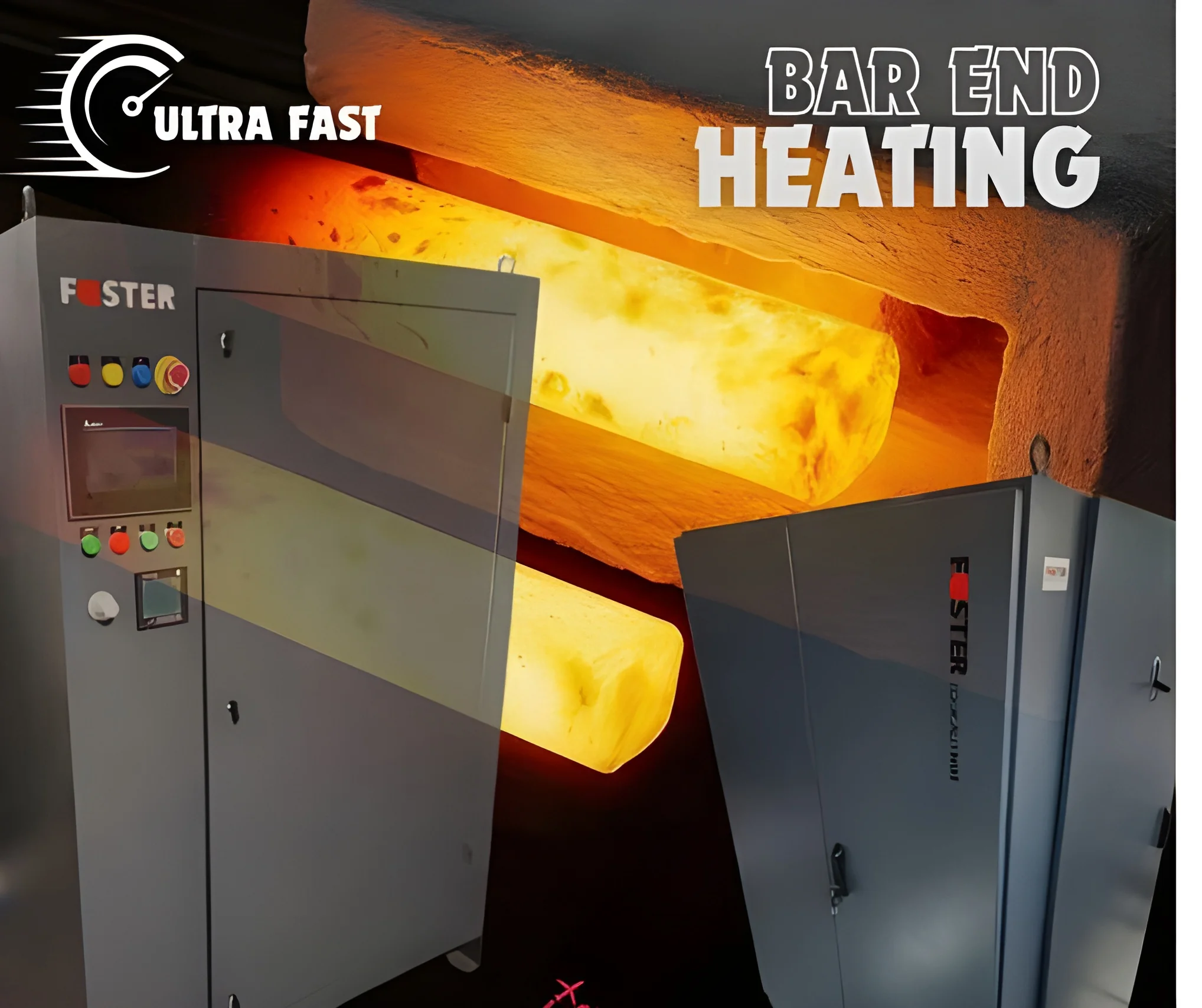
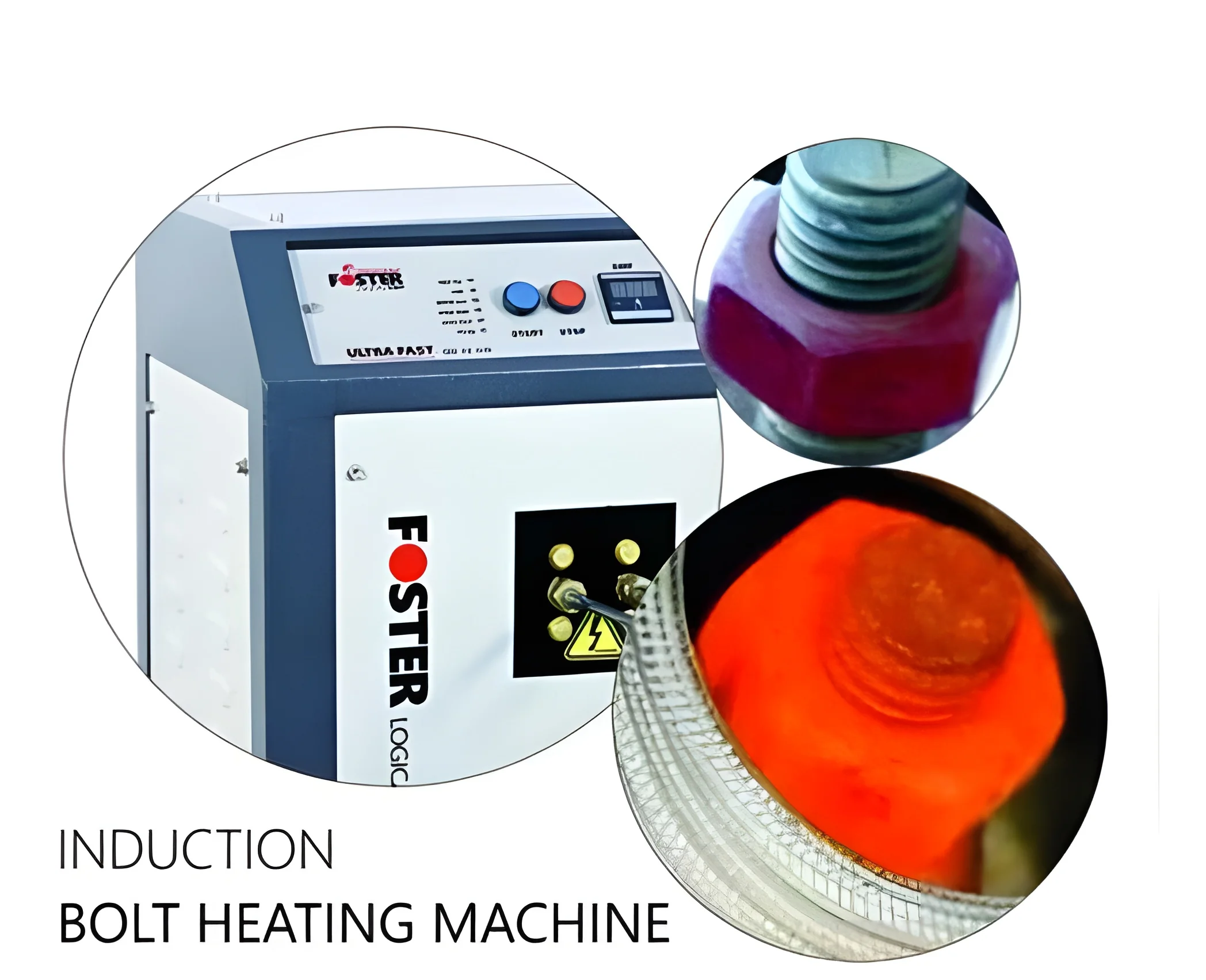
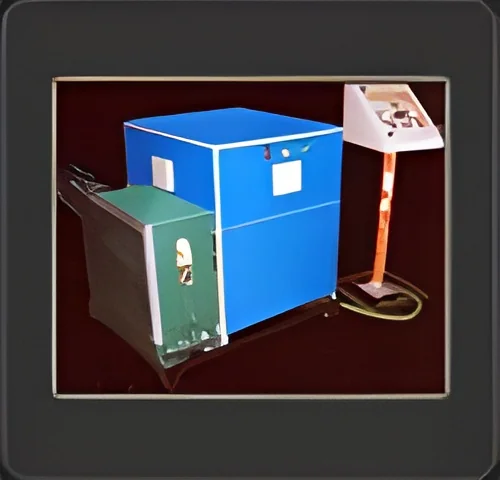
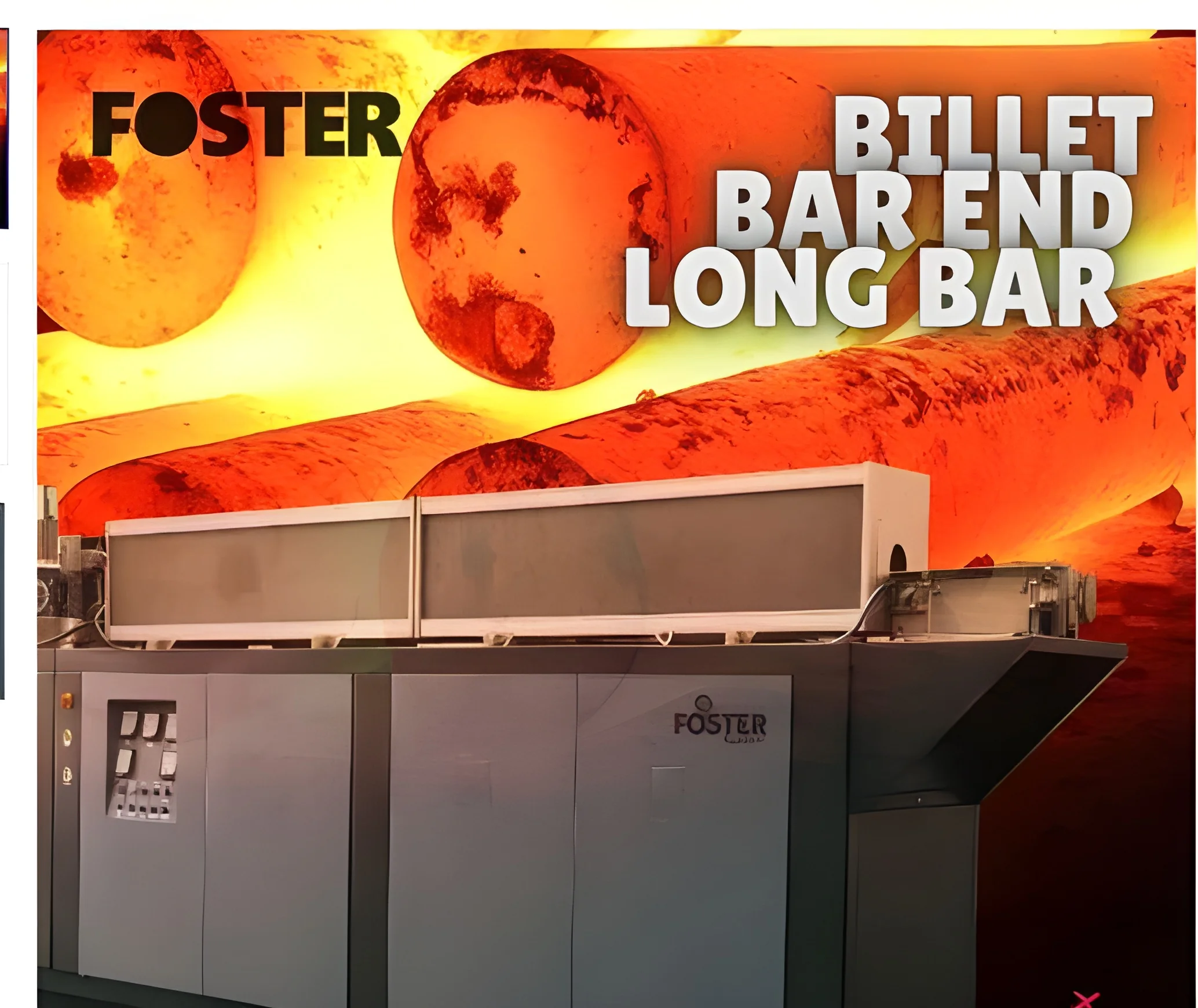
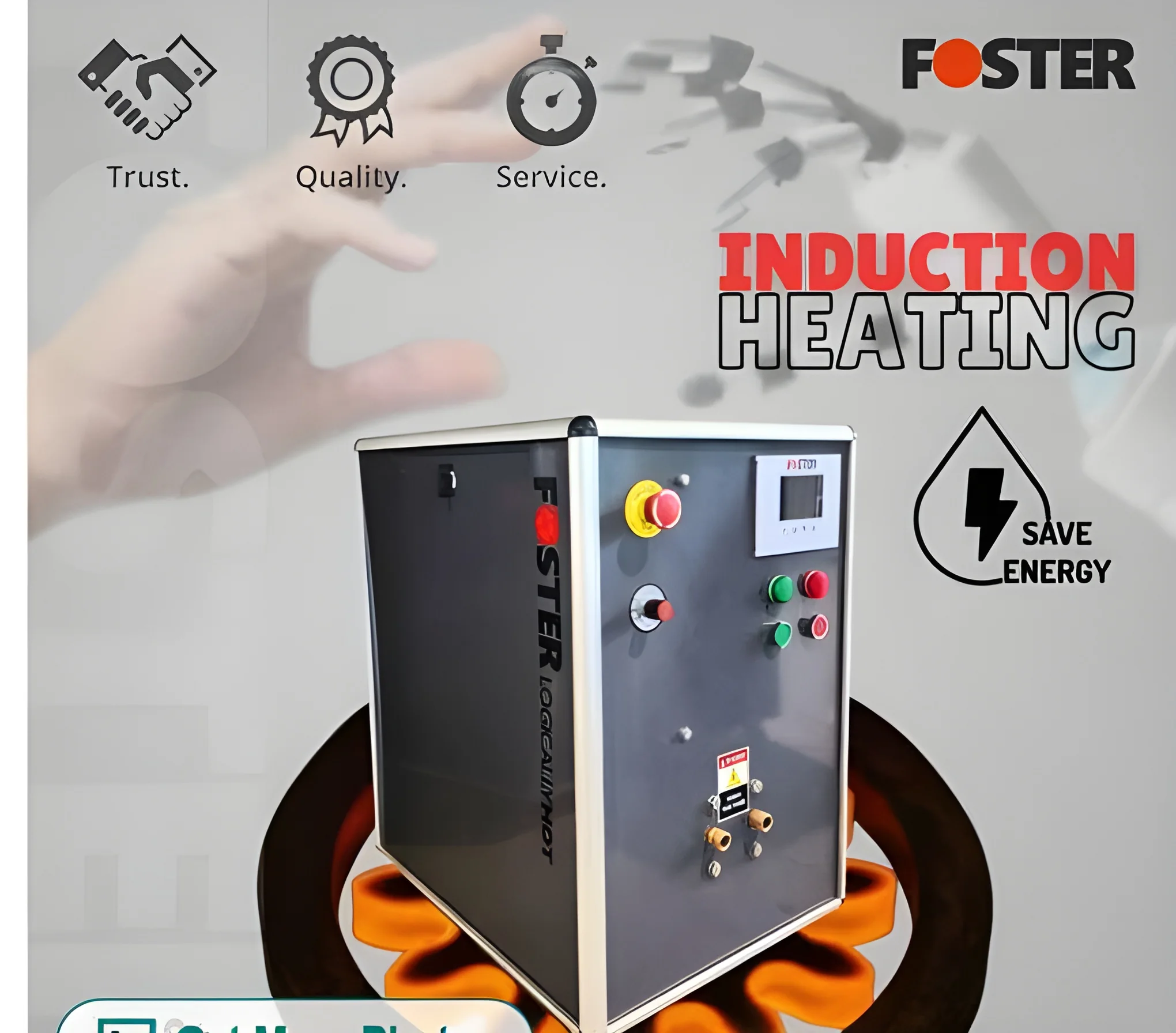
Induction heaters for forging are specialized devices that utilize electromagnetic induction to heat metal components before they undergo forging processes. This technology allows for rapid and uniform heating, ensuring that the material reaches the desired temperature efficiently. The heating occurs without direct contact, which minimizes oxidation and preserves the material's integrity.
These induction heaters are primarily used in industries that require the manipulation of metal parts, such as automotive, aerospace, and heavy machinery manufacturing. They are particularly effective in applications where high precision and repeatability are required. By maintaining consistent heating profiles, manufacturers can improve productivity, reduce energy consumption, and enhance the quality of the final product.
In the context of market trends, the adoption of induction heating technology is on the rise due to increasing demands for energy efficiency and sustainable manufacturing practices. As industries seek to optimize their processes, induction heaters for forging have become vital tools to meet these evolving needs.
Key Features and Specifications
Induction heaters for forging come equipped with advanced features that enhance their performance and usability. The specifications can vary based on the model and application, but key features generally include:
1. Power Output
- Ranges typically from 10 kW to 1000 kW, allowing for flexibility in heating various metal sizes.
- Adjustable power settings to cater to specific material requirements.
2. Heating Frequency
- Operating frequencies ranging from 1 kHz to 100 kHz, optimizing heating efficiency for different metal types.
- Higher frequencies are effective for smaller parts, while lower frequencies suit larger components.
3. Control System
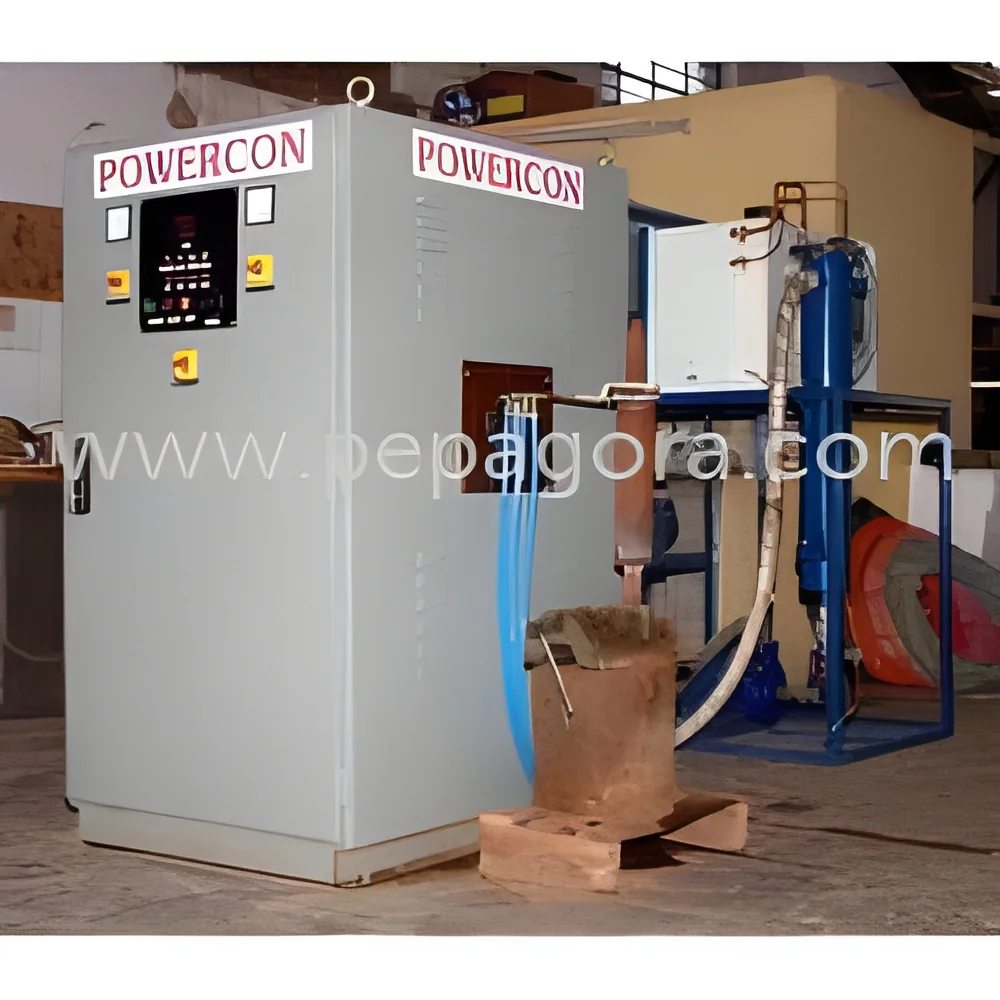
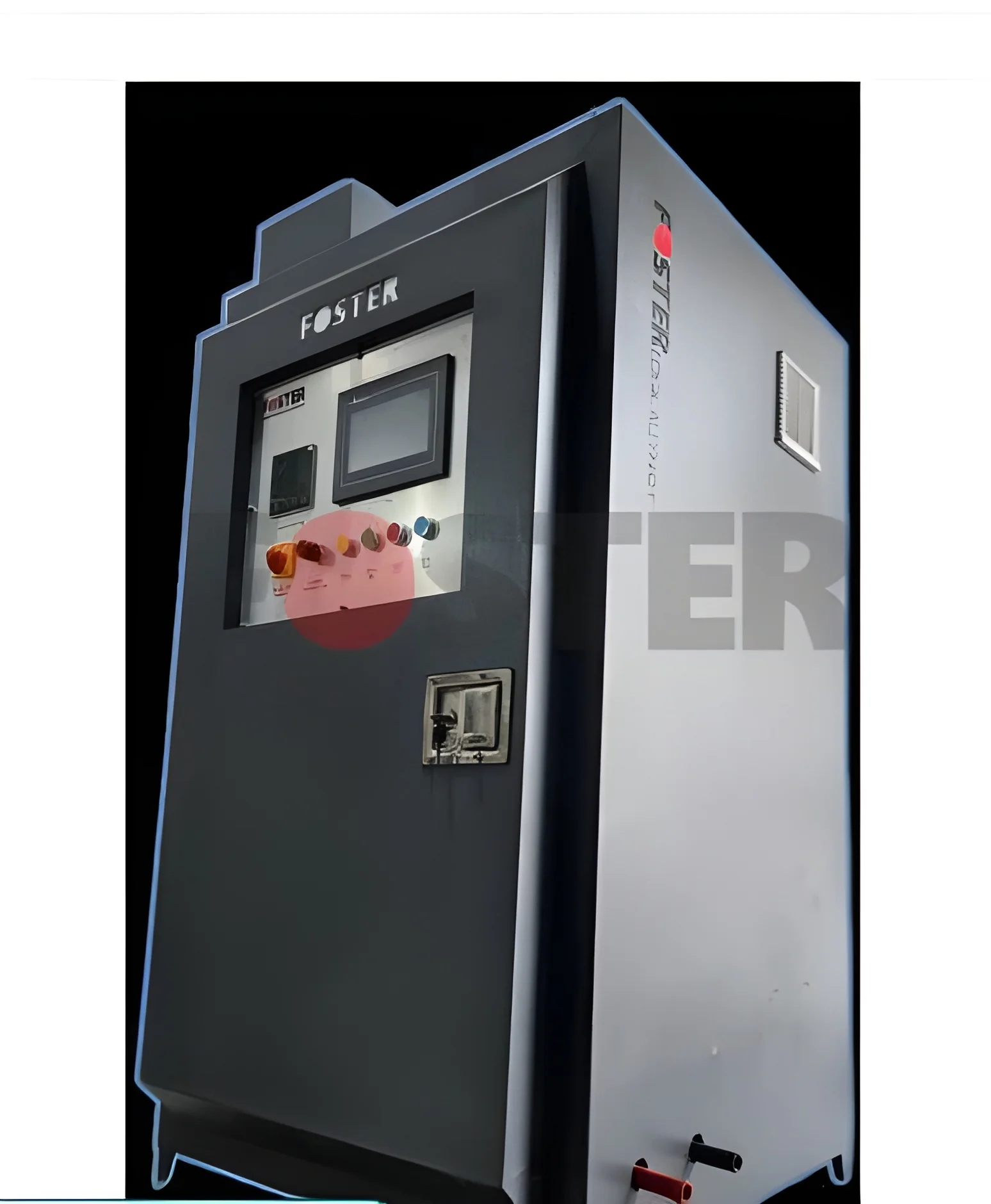
- Equipped with digital control interfaces for precise temperature management.
- Automation capabilities for integration into existing production lines.
4. Cooling System
- Built-in cooling mechanisms to prevent overheating and ensure equipment longevity.
- Enhanced thermal management for consistent performance.
5. Portability
- Some models designed for easy mobility, allowing for use in multiple workstations.
- Compact designs to save space in manufacturing facilities.
6. Safety Features
- Emergency shut-off systems to protect both operators and equipment.
- Compliance with industry safety standards, including CE certification.
7. Energy Efficiency
- Designed to minimize energy consumption, leading to cost savings over time.
- High thermal efficiency, reducing waste heat generation.
8. Durability
- Constructed from high-quality materials to withstand harsh industrial environments.
- Long operational lifespan with minimal maintenance requirements.
In summary, induction heaters for forging are characterized by their powerful heating capabilities, precise control systems, and robust construction, making them essential tools in modern manufacturing.
Common Applications and Use Cases
Induction heaters for forging are versatile and find applications in several industries:
1. Automotive: Used for heating components such as axles and gears, ensuring proper malleability for shaping and forming.
2. Aerospace: Essential for preparing parts like turbine blades and landing gear components, where precision and strength are critical.
3. Heavy Machinery: Employed in the forging of large components such as frames and housings, allowing for enhanced structural integrity.
4. Oil and Gas: Utilized for heating pipe fittings and valves, ensuring they meet rigorous pressure and temperature specifications.
5. Construction: Important for fabricating steel beams and reinforcements, where uniform heating is vital for quality assurance.
6. Tool Manufacturing: Used to heat treat tools and dies, improving their hardness and wear resistance for extended service life.
7. Rail Industry: Serves to heat rail tracks and components for improved durability and performance.
Product Variants and Subcategories
Induction heaters for forging come in various designs tailored to meet different operational needs.
Mobile Induction Heaters
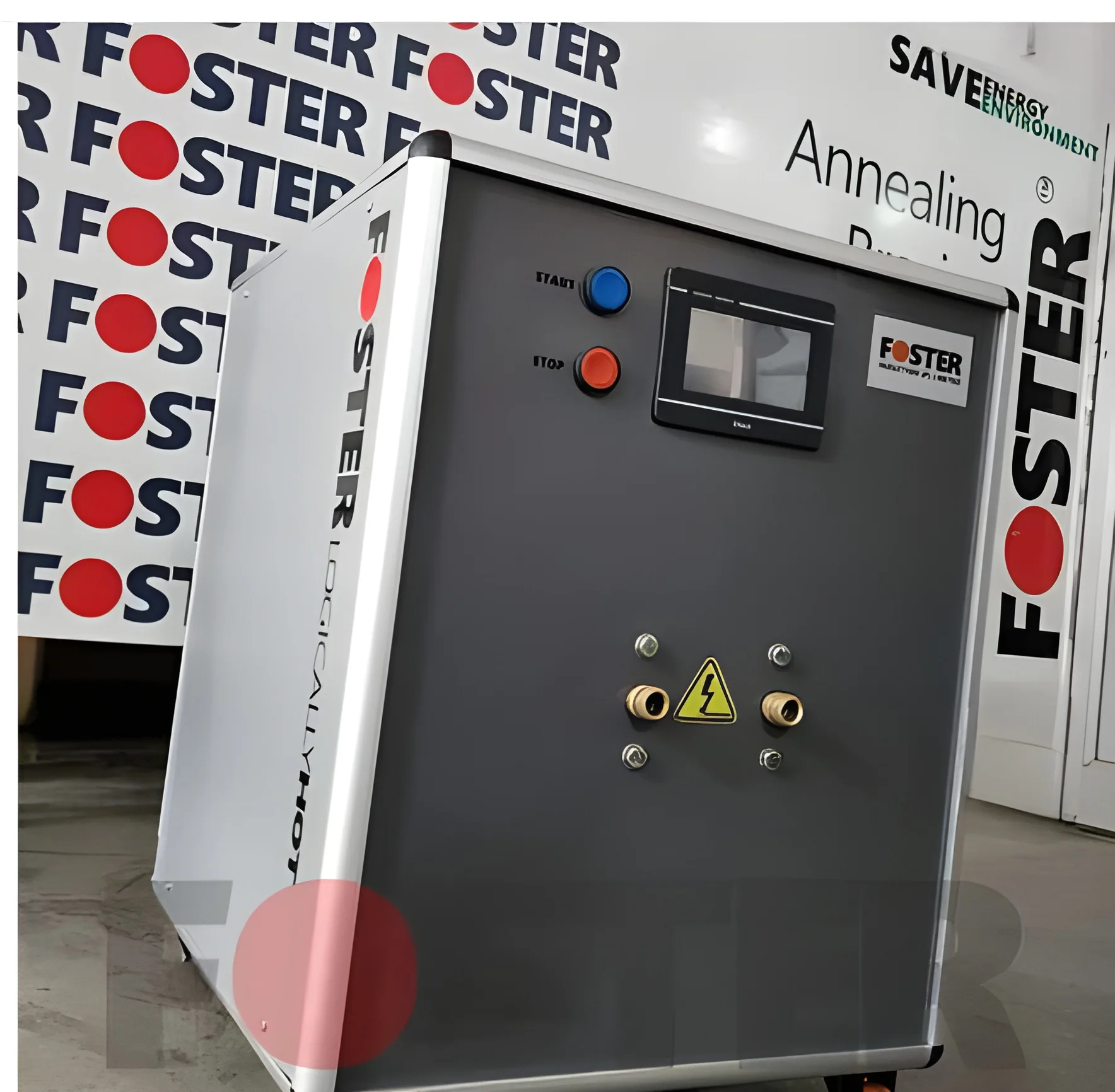
These units are designed for portability, allowing operators to move them around the workshop easily. They are ideal for small to medium-sized parts and are often equipped with user-friendly interfaces for quick adjustments.
Stationary Induction Heaters
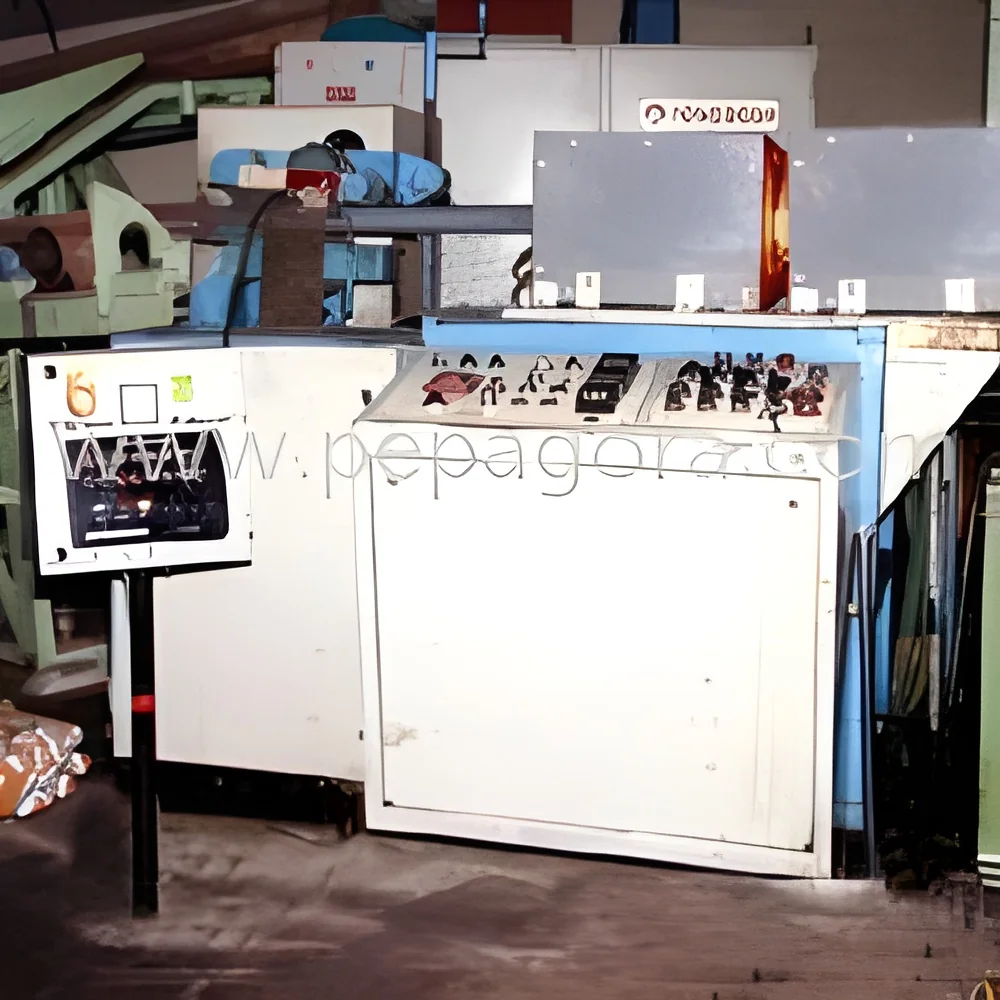
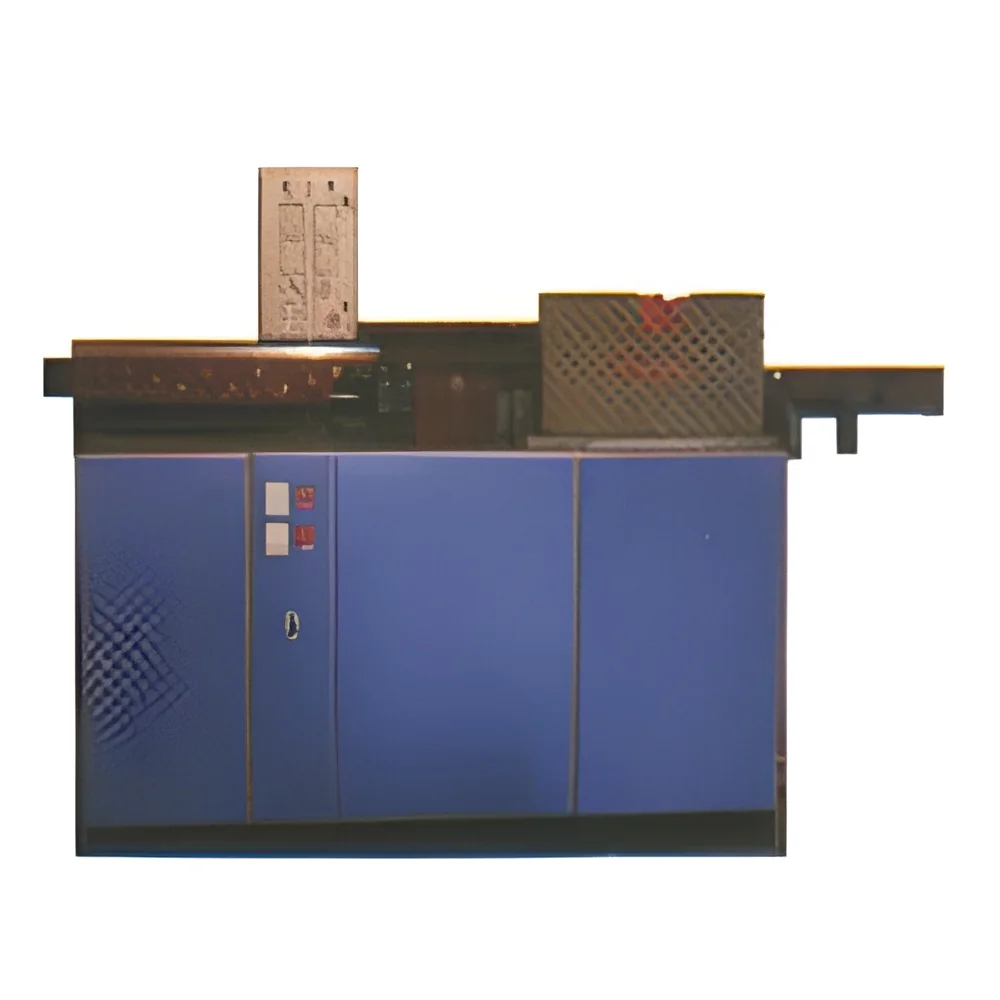
Stationary models are built for high-volume production environments. They offer higher power output and are integrated into automated assembly lines, designed for continuous operation with minimal downtime.
Multi-Zone Induction Heaters
These advanced systems allow for simultaneous heating of multiple parts or zones, enhancing efficiency in larger operations. They can be programmed for specific heating profiles, catering to complex manufacturing needs.
Benefits and Advantages
Induction heaters for forging offer numerous benefits that enhance manufacturing processes.
1. Speed: Induction heating is significantly faster than traditional heating methods, reducing cycle times and improving overall efficiency.
2. Precision: The technology allows for accurate temperature control, ensuring that materials are heated uniformly and to the exact specifications required.
3. Energy Savings: With reduced energy consumption, businesses can lower operational costs while adopting more sustainable practices.
4. Reduced Oxidation: The non-contact heating method minimizes oxidation, which enhances the quality of the metal and reduces post-processing requirements.
5. Safety: Induction heaters come with built-in safety features that protect workers and equipment, minimizing risks associated with high-temperature operations.
6. Flexibility: These heaters can be adapted for a variety of materials and part sizes, making them suitable for diverse manufacturing applications.
Buying Guide for B2B Buyers
When sourcing induction heaters for forging, it is essential to consider several key factors to ensure a successful purchase.
1. Quality Assessment: Evaluate the quality of the induction heaters by reviewing certifications such as CE and other industry standards. Look for manufacturers with a reputation for reliability and performance.
2. Supplier Verification: Vet potential suppliers by checking their background, customer reviews, and past project experience. A reliable supplier should provide references and support.
3. Pricing and MOQ: Understand the pricing structures and minimum order quantities (MOQ). Compare different suppliers to find the best value for your needs.
4. Delivery and Lead Times: Inquire about delivery schedules and lead times to ensure that the equipment arrives when needed. Timely delivery is crucial for maintaining production schedules.
5. Compliance Requirements: Ensure that the induction heaters meet all necessary compliance and regulatory standards specific to your industry. This will help avoid any legal issues and ensure product safety.
Compliance and Certifications
Induction heaters for forging must adhere to various quality standards and certifications to ensure safety and effectiveness in industrial applications.
ISO 9001 is a widely recognized standard that emphasizes quality management systems. Compliance with this standard indicates that the manufacturer has established effective processes for maintaining quality throughout production.
CE certification is essential for products sold in European markets. This certification assures buyers that the equipment meets safety, health, and environmental protection requirements.
Safety and testing requirements are critical in the manufacturing environment. Induction heaters should undergo rigorous testing to verify their performance and safety features, ensuring they operate reliably in high-demand settings.
Regional compliance considerations may vary by location, necessitating that buyers understand local regulations that may affect the installation and operation of induction heating systems.
Why Source Induction Heaters for Forging from Pepagora?
Pepagora provides a trusted platform for sourcing induction heaters for forging, offering several key advantages to B2B buyers.
Verified Supplier Network: Pepagora has established a robust network of verified suppliers, ensuring that buyers can connect with reputable manufacturers. This verification process enhances trust and reliability in sourcing.
Streamlined RFQ Process: The platform offers a user-friendly request for quotation (RFQ) system, simplifying the procurement process. Buyers can easily compare quotes from multiple suppliers to find the best fit for their needs.
Trade Assurance and Support: Pepagora emphasizes buyer protection through trade assurance policies. This support includes assistance in resolving any disputes that may arise during the procurement process.
Regional Coverage: With a strong presence in India, the GCC, and Southeast Asia, Pepagora ensures that buyers have access to a wide range of suppliers and products tailored to their regional needs. This coverage facilitates efficient sourcing and logistics for a diverse market.

 IN
IN