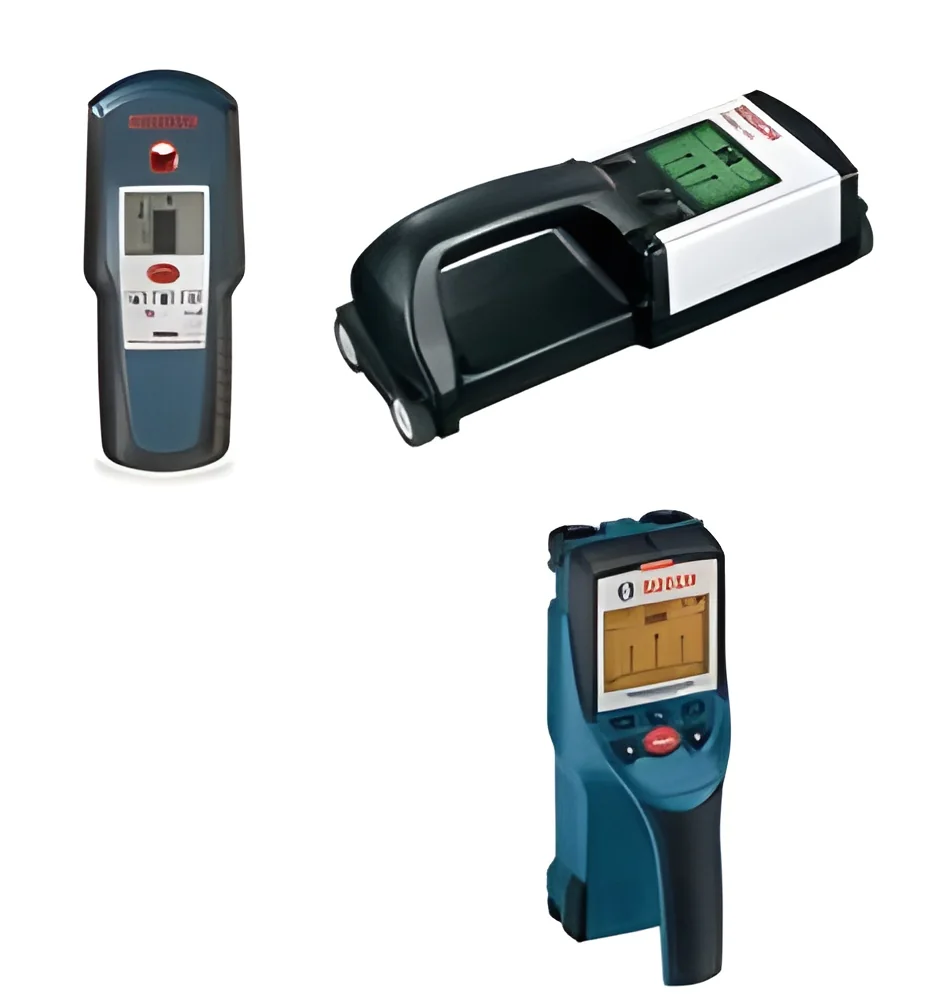
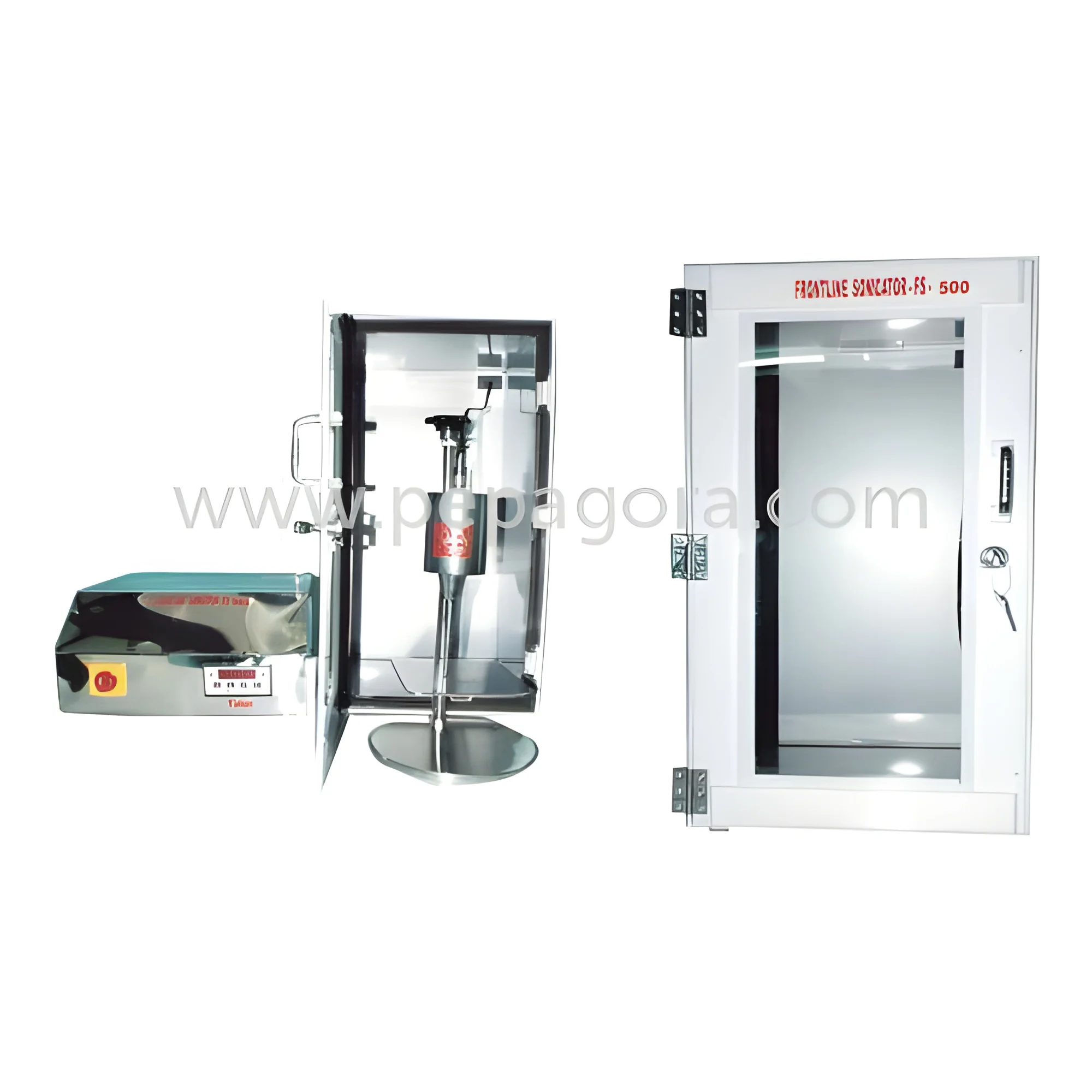
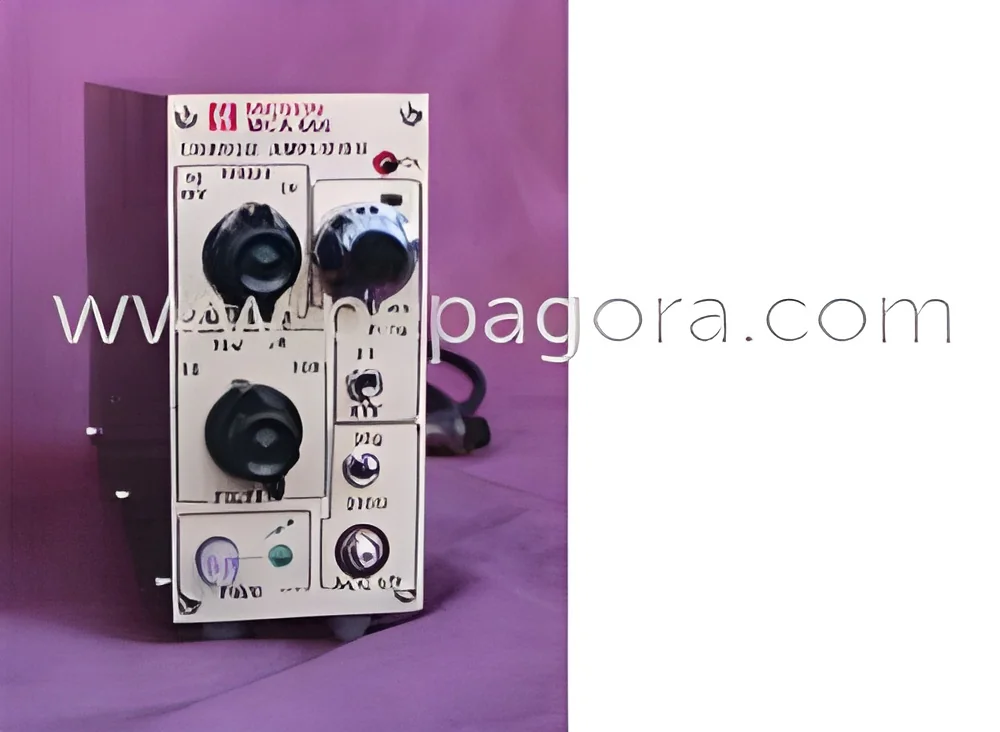
What are Ultrasonic Flaw Detectors?
Ultrasonic flaw detectors are advanced testing devices used to detect internal and surface defects in various materials. They utilize high-frequency sound waves to identify inconsistencies and irregularities within a material by measuring the time it takes for the sound waves to return after bouncing off a flaw. This non-destructive testing method is crucial in ensuring the integrity and reliability of materials without causing any damage.
These detectors are primarily used in industries such as manufacturing, aerospace, automotive, and construction. They play a vital role in quality control processes, helping businesses identify potential issues before they escalate into significant problems. By ensuring that materials meet safety and quality standards, ultrasonic flaw detectors contribute to maintaining operational efficiency and reducing costs associated with material failures.
Given the increasing demand for high-quality materials across various sectors, ultrasonic flaw detectors are becoming essential tools. The market for these devices continues to expand as industries prioritize safety and quality assurance, creating a significant opportunity for businesses that rely on precise material testing.
Key Features and Specifications
Ultrasonic flaw detectors come equipped with various features that enhance their functionality and usability. These features are designed to provide accurate readings, improve user experience, and ensure compliance with industry standards.
Key specifications include:
1. Frequency Range
- Typically between 1 MHz to 10 MHz
- Affects the resolution and penetration depth of the tests
2. Display Type
- Digital or analog options available
- Ensures easy visualization of test results
3. Measurement Range
- Commonly from a few millimeters to several meters
- Allows for flexible application across different materials
4. Battery Life
- Usually ranges from 8 to 20 hours
- Enables extended usage in field conditions
5. Weight
- Ranges from 1 to 3 kilograms
- Ensures portability and ease of handling
6. Operating Temperature
- Compatible with a range from -20°C to 60°C
- Ensures functionality in various environments
7. Data Storage Capacity
- Capable of storing hundreds of test results
- Facilitates easy retrieval and analysis
8. Connectivity Options
- Includes USB and Bluetooth capabilities
- Allows for easy data transfer and integration with other systems
These features collectively enhance the efficacy and reliability of ultrasonic flaw detectors, making them essential tools for quality assurance in various industries.
Common Applications and Use Cases
Ultrasonic flaw detectors find applications in numerous sectors due to their effectiveness in non-destructive testing.
1. Aerospace: Used for inspecting aircraft components to ensure safety and compliance with regulatory standards, helping to prevent catastrophic failures.
2. Automotive: Essential for testing vehicle parts such as welds and castings, ensuring they meet safety standards and performance requirements.
3. Manufacturing: Employed in the production of metals and composites to detect internal defects before the final product is manufactured.
4. Construction: Utilized for inspecting structural elements like beams and columns, ensuring they are free from defects that could compromise safety.
5. Oil and Gas: Applied in pipeline inspections to detect corrosion and other defects, preventing leaks and ensuring environmental safety.
6. Power Generation: Used in inspecting turbine blades and other critical components to maintain efficiency and prevent failures.
7. Shipbuilding: Essential for examining hull integrity, ensuring that vessels meet safety standards before entering service.
Product Variants and Subcategories
Ultrasonic flaw detectors are available in various configurations to meet different testing needs. Each variant is designed for specific applications and user requirements.
Portable Ultrasonic Flaw Detectors: These lightweight devices are ideal for field testing. They offer battery operation and rugged designs, making them suitable for remote locations.
Digital Ultrasonic Flaw Detectors: These provide advanced digital signal processing features. They enhance measurement accuracy and allow for better data visualization and storage.
Multi-Channel Ultrasonic Flaw Detectors: These units can conduct simultaneous inspections on multiple channels. They are suited for high-volume testing environments, providing efficiency and speed.
Benefits and Advantages
Using ultrasonic flaw detectors offers numerous benefits that enhance operational efficiency and safety.
1. Non-Destructive Testing: These devices allow for thorough inspections without damaging the material, preserving the integrity of the tested products.
2. High Sensitivity: Capable of detecting small defects that might be missed by other testing methods, ensuring comprehensive quality control.
3. Cost-Effective: By identifying potential issues early, businesses can save on costs associated with material failures and replacements.
4. Versatility: Suitable for a wide range of materials, including metals, plastics, and composites, making them adaptable to various industries.
5. User-Friendly Interfaces: Many models feature intuitive controls and displays, allowing for easier operation and quicker training for personnel.
6. Enhanced Safety: Regular inspections with ultrasonic flaw detectors help prevent accidents caused by material failures, improving workplace safety.
Buying Guide for B2B Buyers
When sourcing ultrasonic flaw detectors, it is essential to consider several critical factors to ensure the right choice for your business needs.
1. Quality Assessment: Evaluate the quality of the detectors by reviewing manufacturer reputation and product reviews. Ensure they meet relevant industry standards.
2. Supplier Verification: It is crucial to vet suppliers for their reliability and track record in providing quality products. Look for certifications and customer testimonials.
3. Pricing and MOQ: Consider the pricing structure and minimum order quantities offered by suppliers. This will help in budgeting and managing inventory effectively.
4. Delivery and Lead Times: Assess the logistics capabilities of suppliers regarding delivery times. Timely delivery is vital for maintaining production schedules.
5. Compliance Requirements: Ensure that the ultrasonic flaw detectors comply with applicable regulations and standards in your industry, which may include certifications like UL and CE.
Compliance and Certifications
Ultrasonic flaw detectors must adhere to various quality standards and certifications to ensure they are safe and effective for use in industrial applications.
Relevant quality standards such as ISO 9001 ensure that manufacturers implement quality management systems that meet customer and regulatory requirements. Compliance with these standards is crucial for maintaining product consistency and reliability.
Industry certifications like UL and CE indicate that the products have been tested for safety and performance. These certifications are essential for gaining acceptance in international markets and ensuring user safety.
Additionally, ultrasonic flaw detectors must meet specific safety and testing requirements that vary by region. Understanding these requirements is crucial for businesses that operate in multiple geographic locations and need to ensure compliance with local regulations.
Why Source Ultrasonic Flaw Detectors from Pepagora?
Pepagora provides a trusted platform for sourcing ultrasonic flaw detectors, offering several key advantages for B2B buyers.
Verified Supplier Network: Pepagora connects buyers with a network of verified suppliers, ensuring that all listed products meet high-quality standards and compliance requirements.
Streamlined RFQ Process: The platform simplifies the request for quotation process, allowing buyers to receive competitive quotes from multiple suppliers efficiently.
Trade Assurance and Support: Pepagora offers buyer protection features, ensuring that transactions are secure and that buyers receive the support they need throughout the purchasing process.
Regional Coverage: With a strong presence in India, the GCC, and Southeast Asia, Pepagora provides extensive geographic reach, making it easier for businesses to find suppliers that cater to their specific regional needs.

 IN
IN