
 IN
Mechanical Forging Presses
61 products available
What are Mechanical Forging Presses?
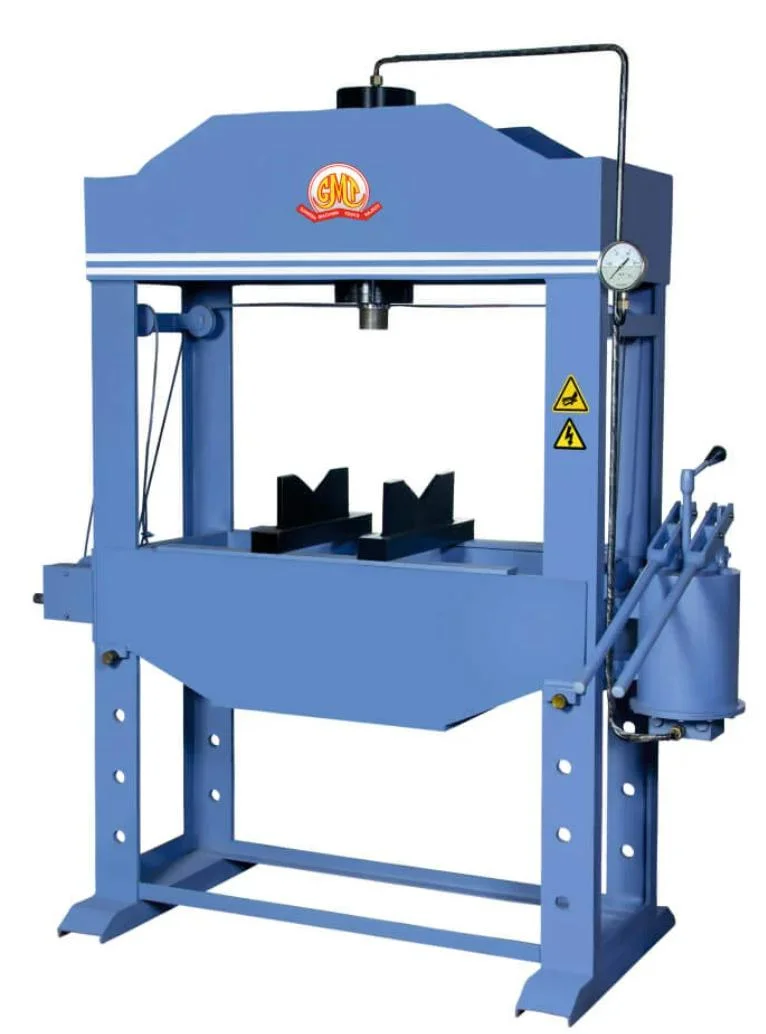
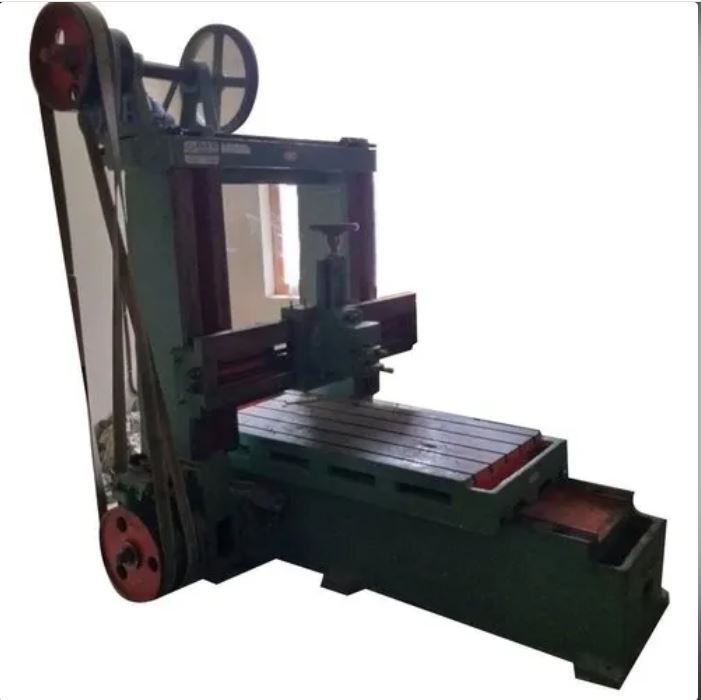
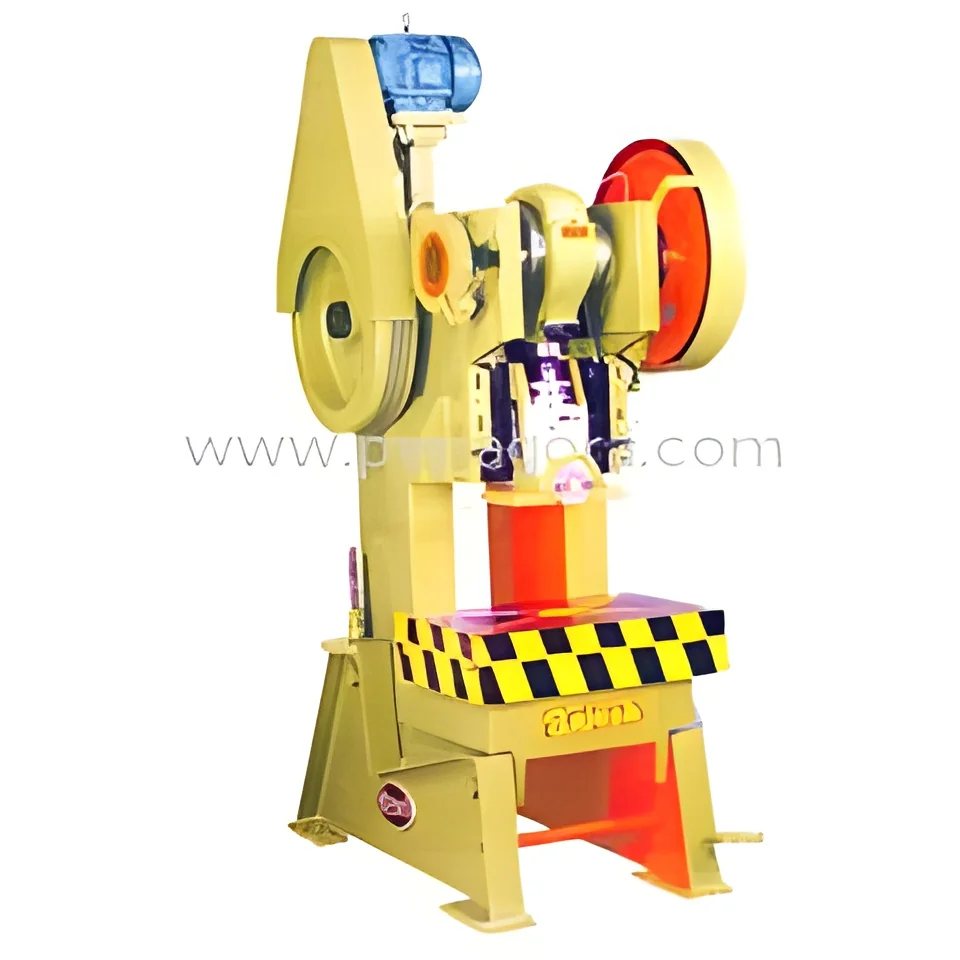
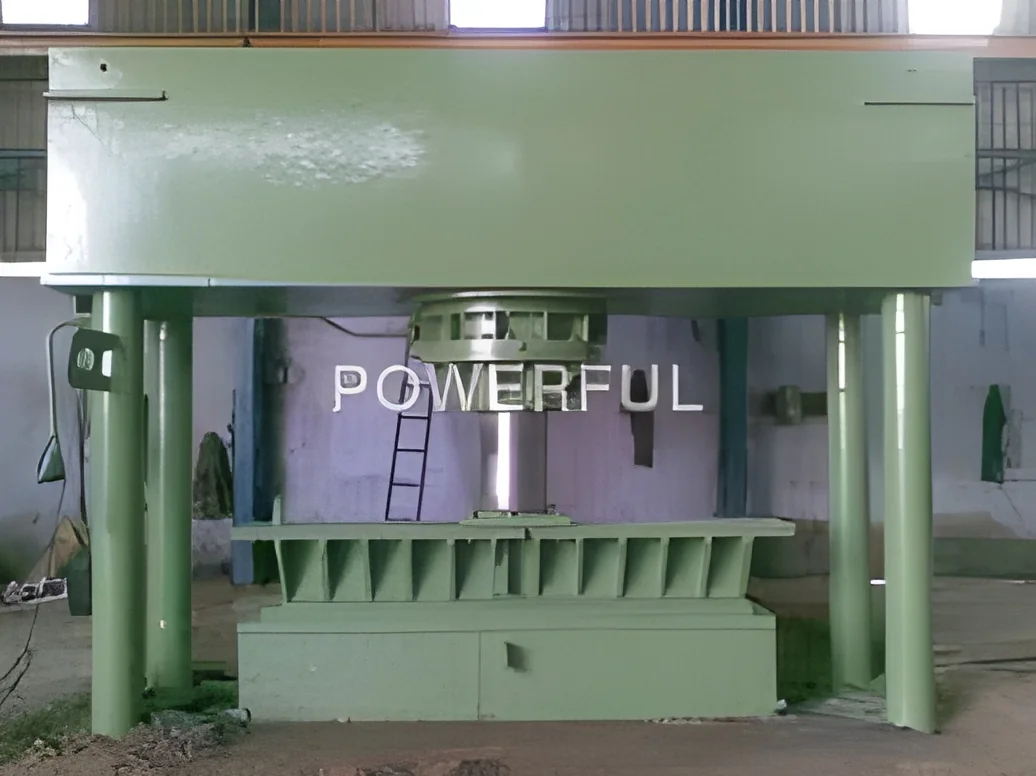
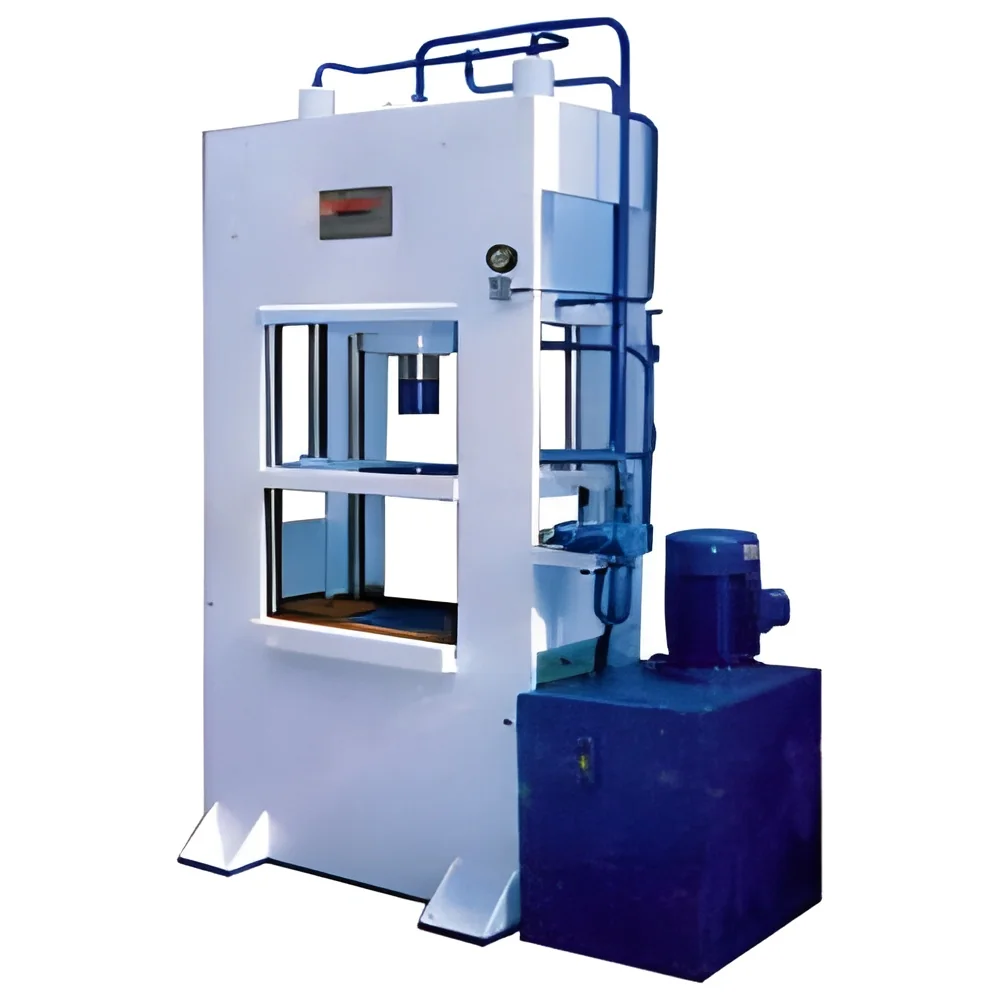
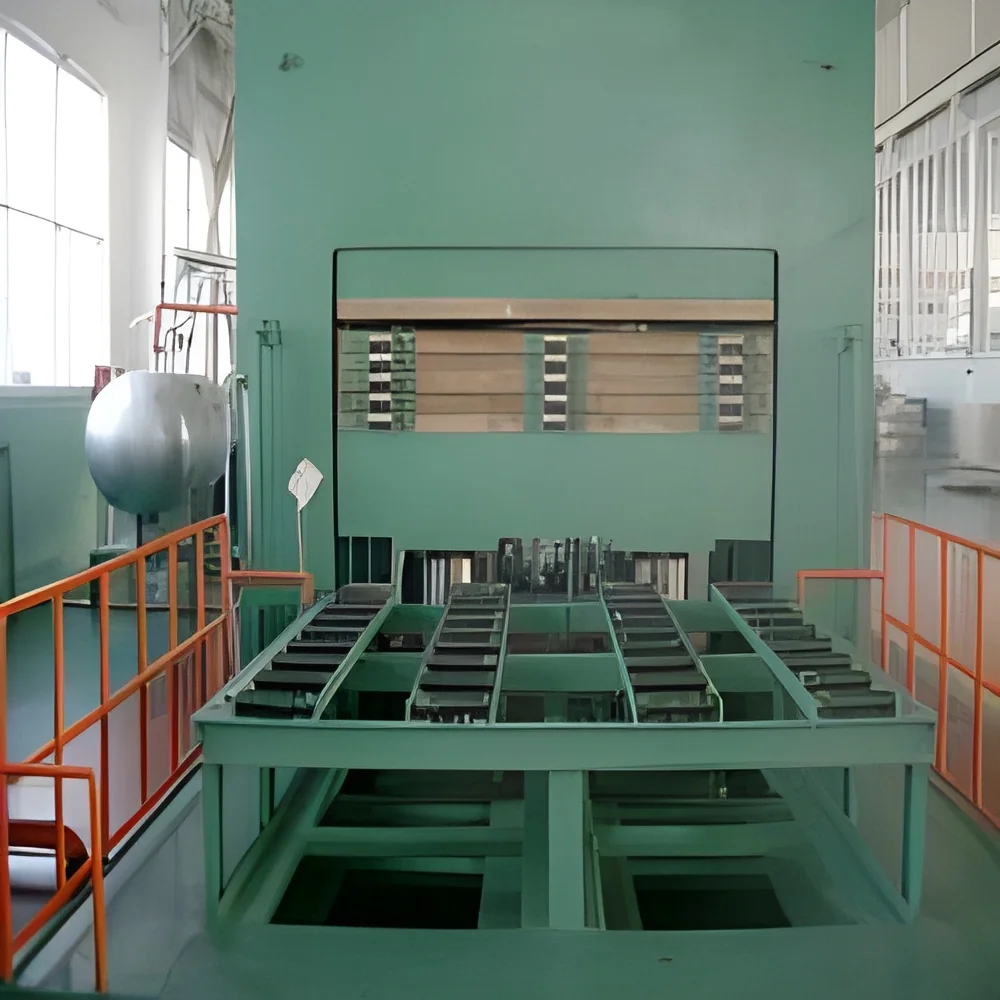
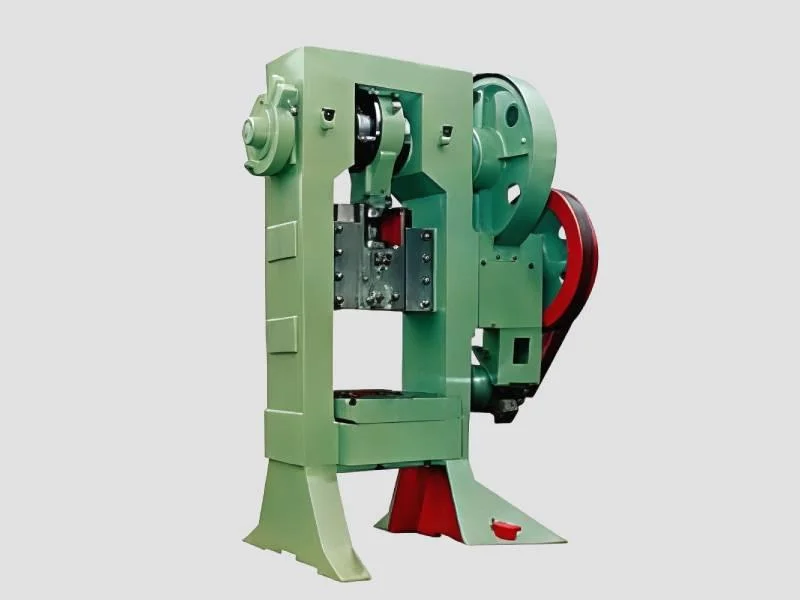
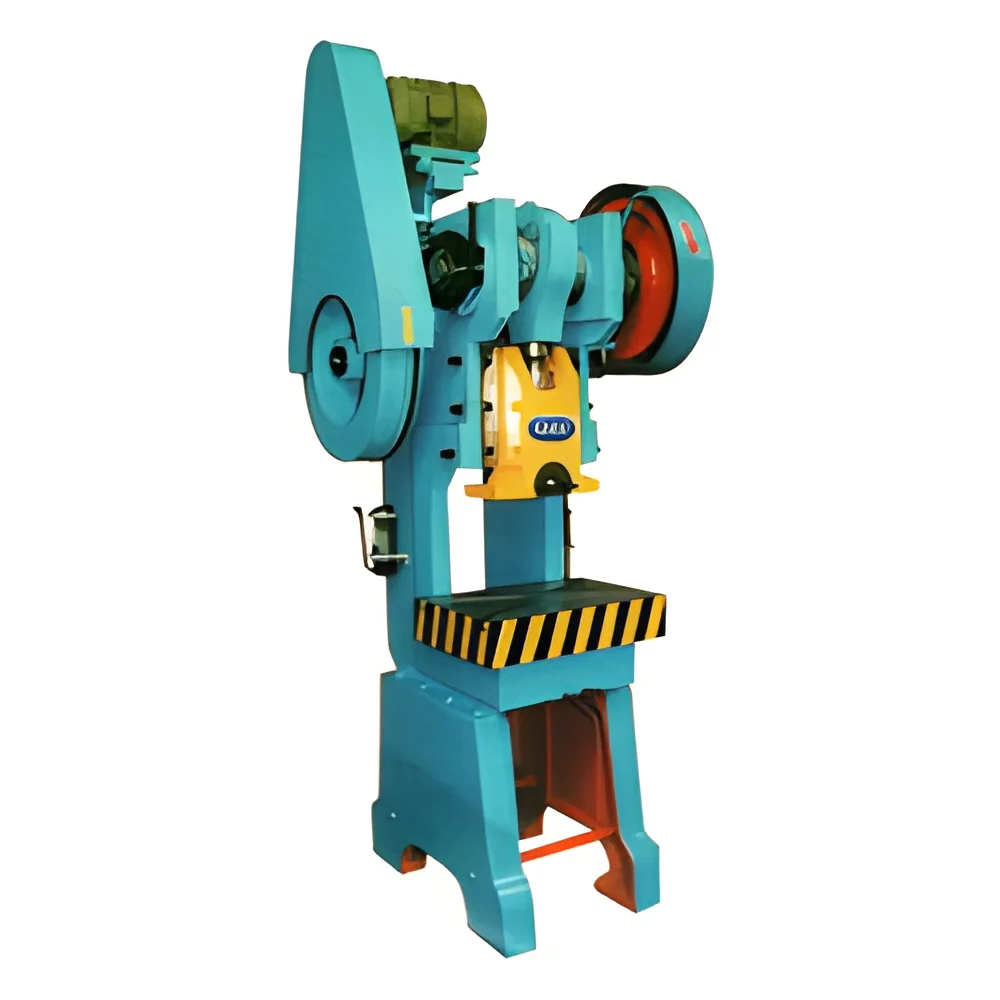
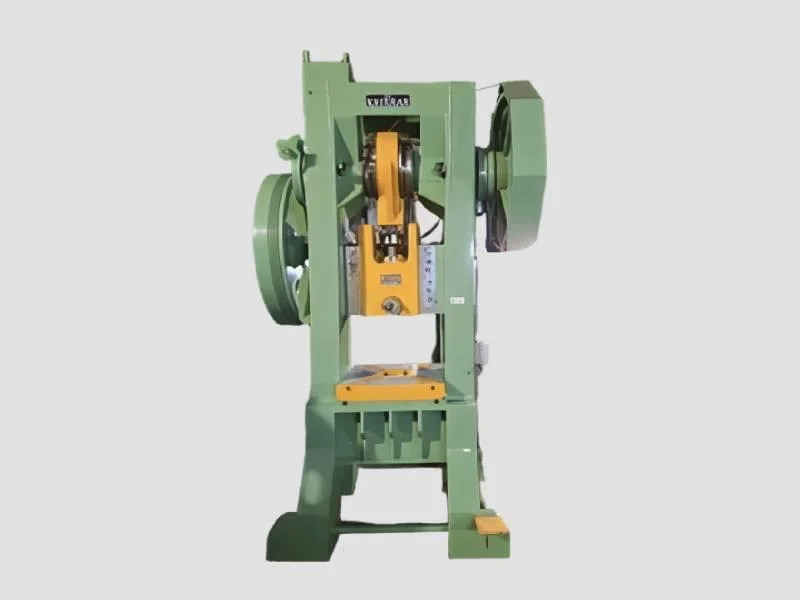
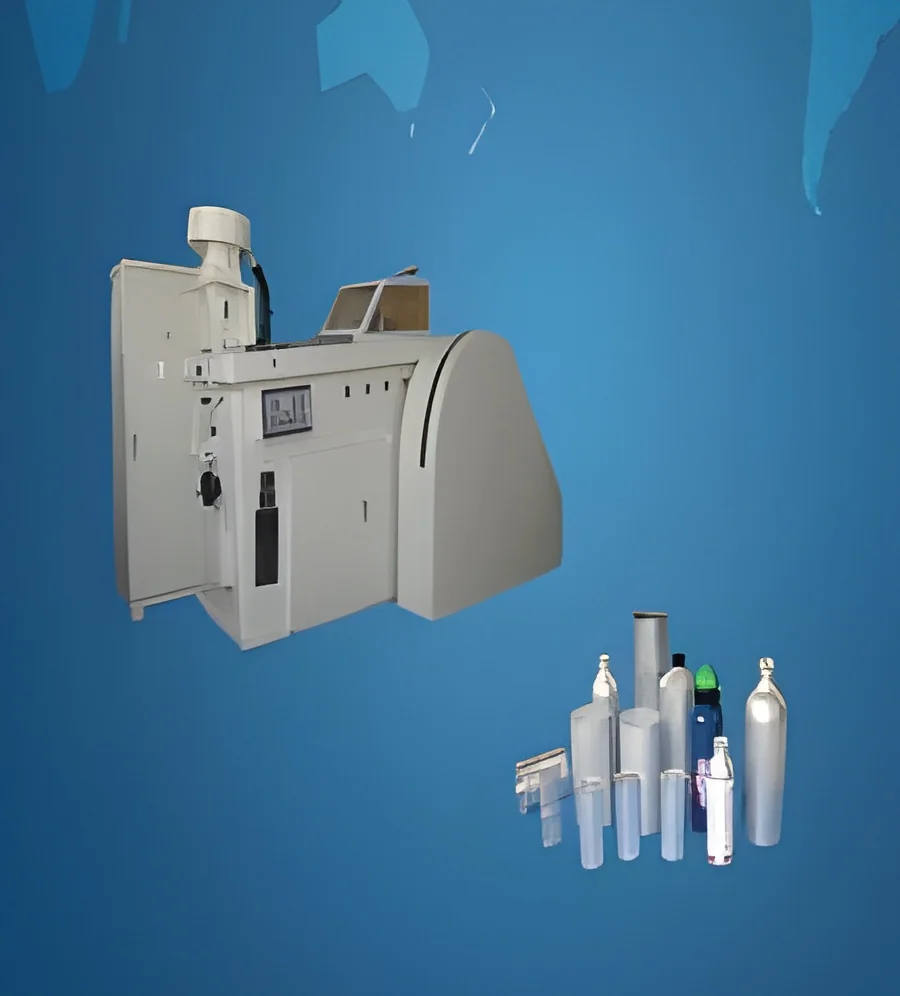
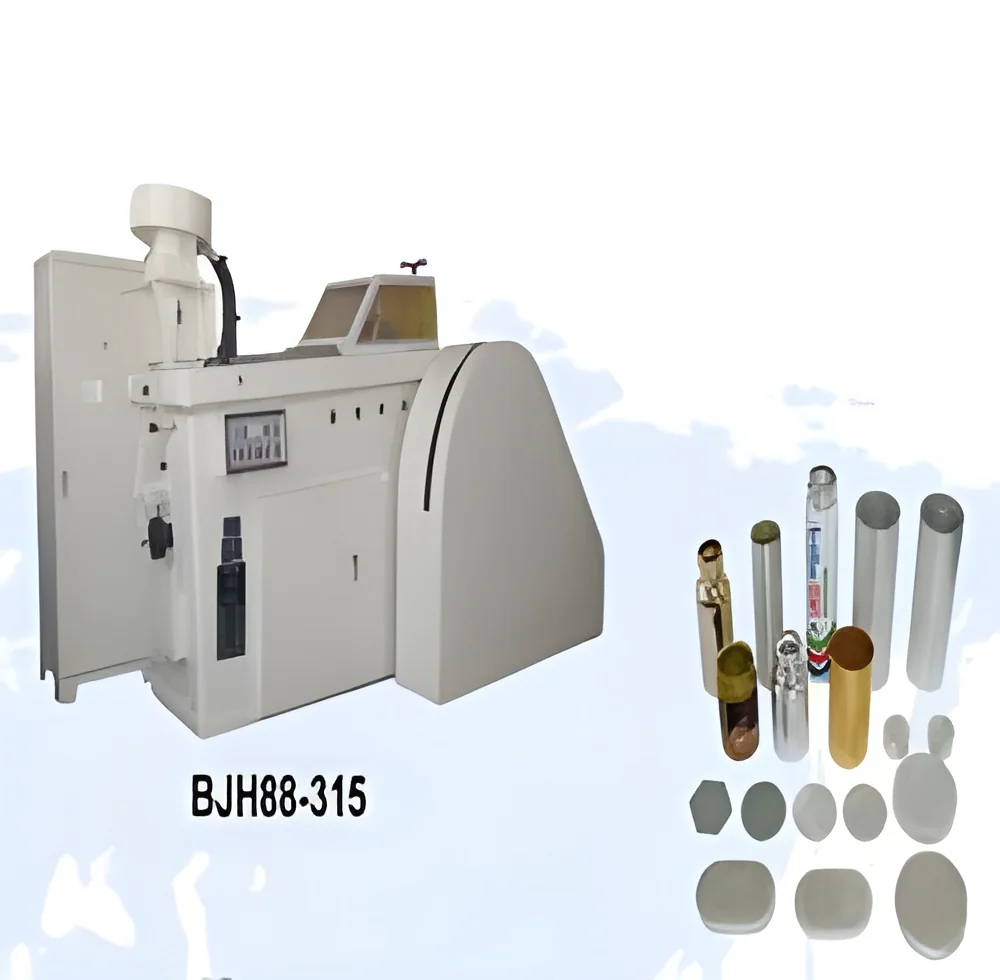
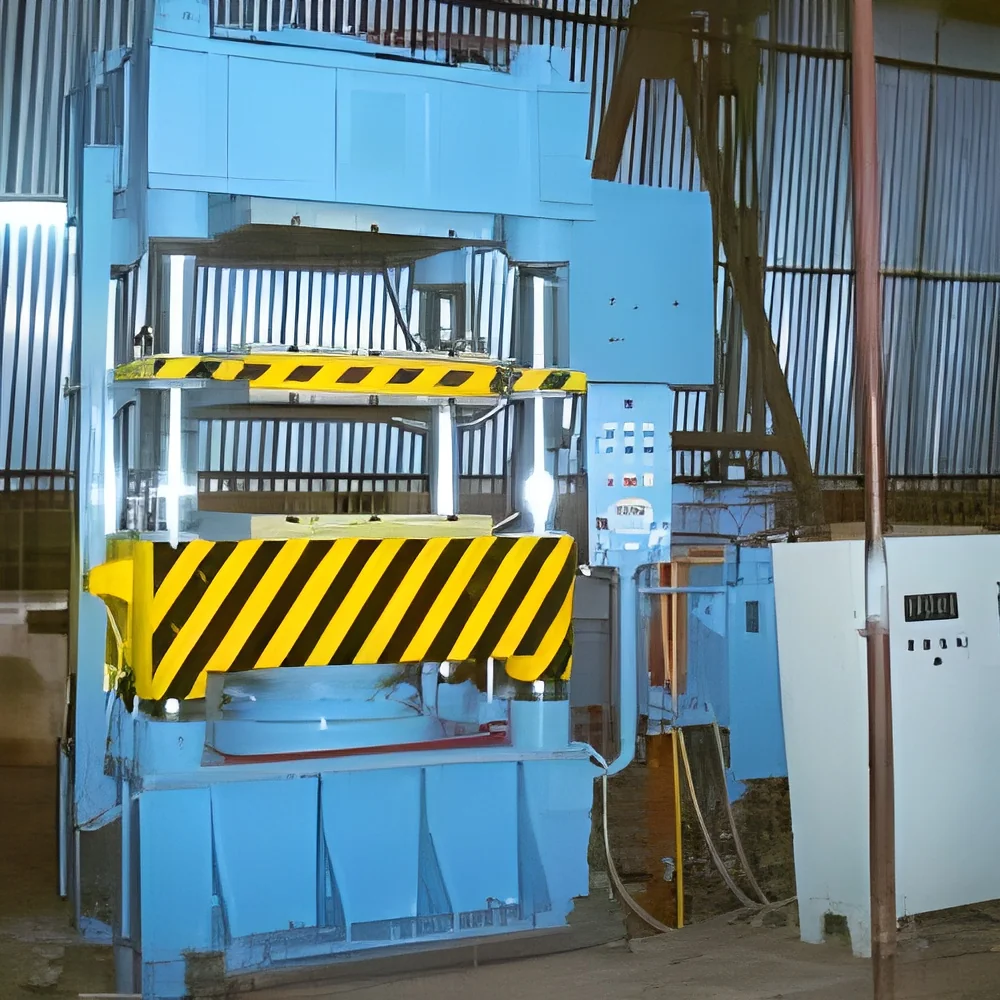
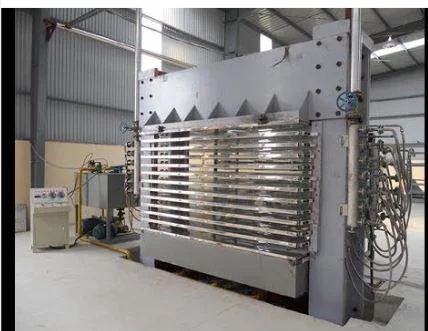
Mechanical forging presses are powerful machines designed to shape metal through the application of compressive force. These machines use a ram that descends to apply pressure to the workpiece, deforming it into the desired shape. Mechanical forging presses are essential in various manufacturing processes, where they excel in shaping and forming metals with precision and efficiency.
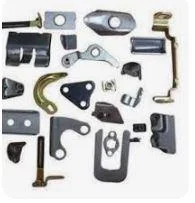
The primary uses of mechanical forging presses include the production of automotive components, aerospace parts, and industrial machinery. They are widely used in industries that require the manipulation of metal into specific forms, such as gears, shafts, and brackets. As these industries continue to evolve, the demand for reliable and efficient forging processes grows, making mechanical forging presses increasingly relevant in the market.
In the current industrial landscape, mechanical forging presses play a crucial role in enhancing production capabilities. Their ability to produce high-strength components while maintaining dimensional accuracy makes them essential for manufacturers looking to improve product performance and reduce costs. As technology advances, mechanical forging presses are adapting to meet the needs of modern manufacturing, ensuring their continued significance in various sectors.
Key Features and Specifications
Mechanical forging presses are characterized by several key features that enhance their performance and reliability. These specifications are crucial for businesses when selecting the right machine for their manufacturing processes.
Key specifications include:
1. Force Capacity
- Mechanical forging presses typically have a force capacity ranging from 100 tons to 2,500 tons.
- This range allows for the forging of various metal components of differing sizes and complexities.
2. Stroke Length
- The stroke length of mechanical forging presses can vary from 150 mm to over 600 mm.
- This specification determines the depth of the forging process and is vital for achieving desired component shapes.
3. Ram Speed
- Ram speeds usually vary from 10 to 30 strokes per minute.
- Higher ram speeds can improve production efficiency but may require careful control to ensure quality.
4. Control System
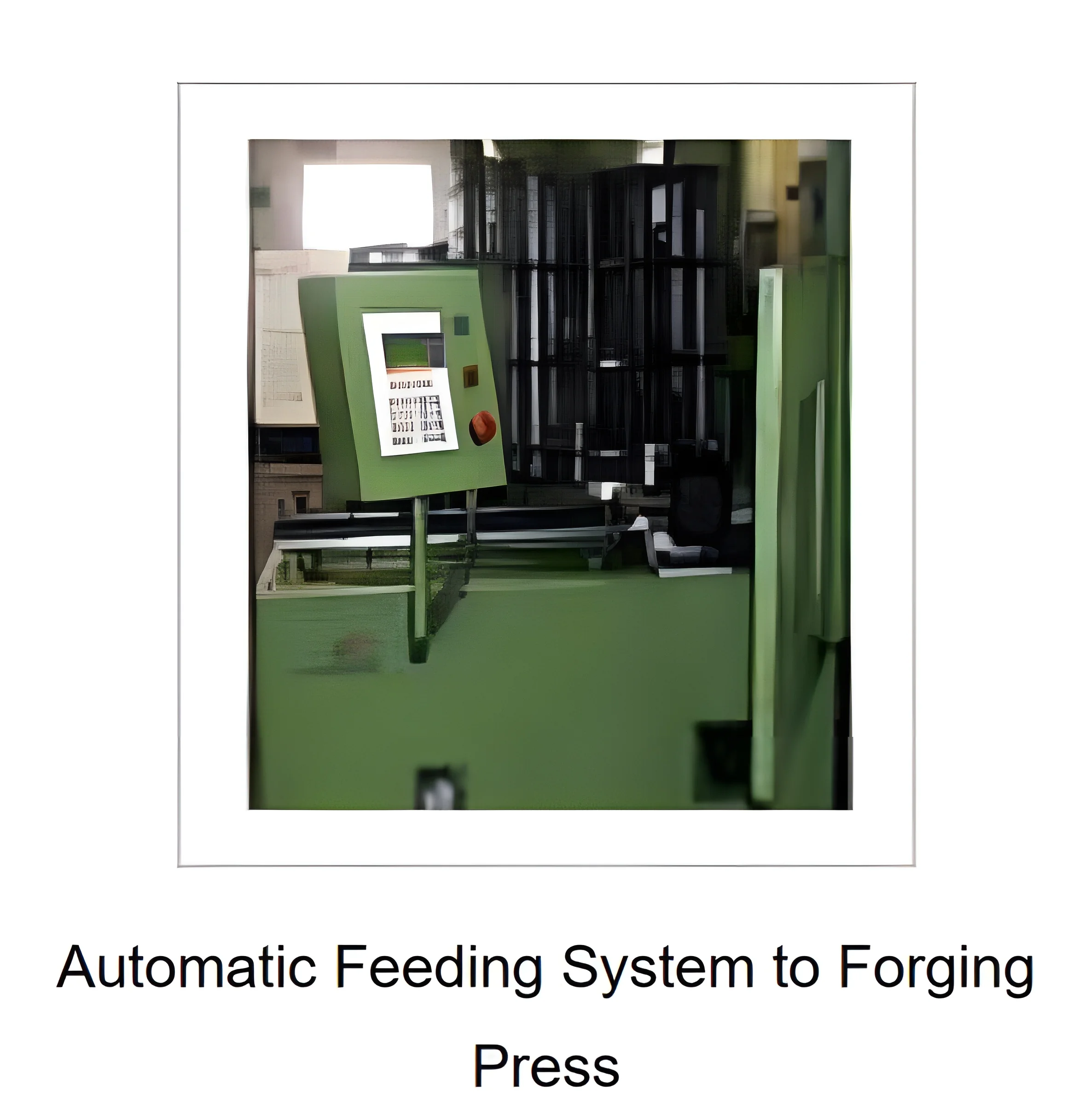
- Many modern mechanical forging presses come equipped with advanced control systems for precise operation.
- These systems enable programmable settings for different forging applications.
5. Bed Size
- The bed size can range from 600 mm x 600 mm to 2,000 mm x 2,000 mm.
- A larger bed size allows for the accommodation of bigger workpieces.
6. Energy Consumption
- Mechanical forging presses are designed to operate efficiently, often outlined by their kilowatt ratings.
- Energy-efficient models can significantly reduce operational costs.
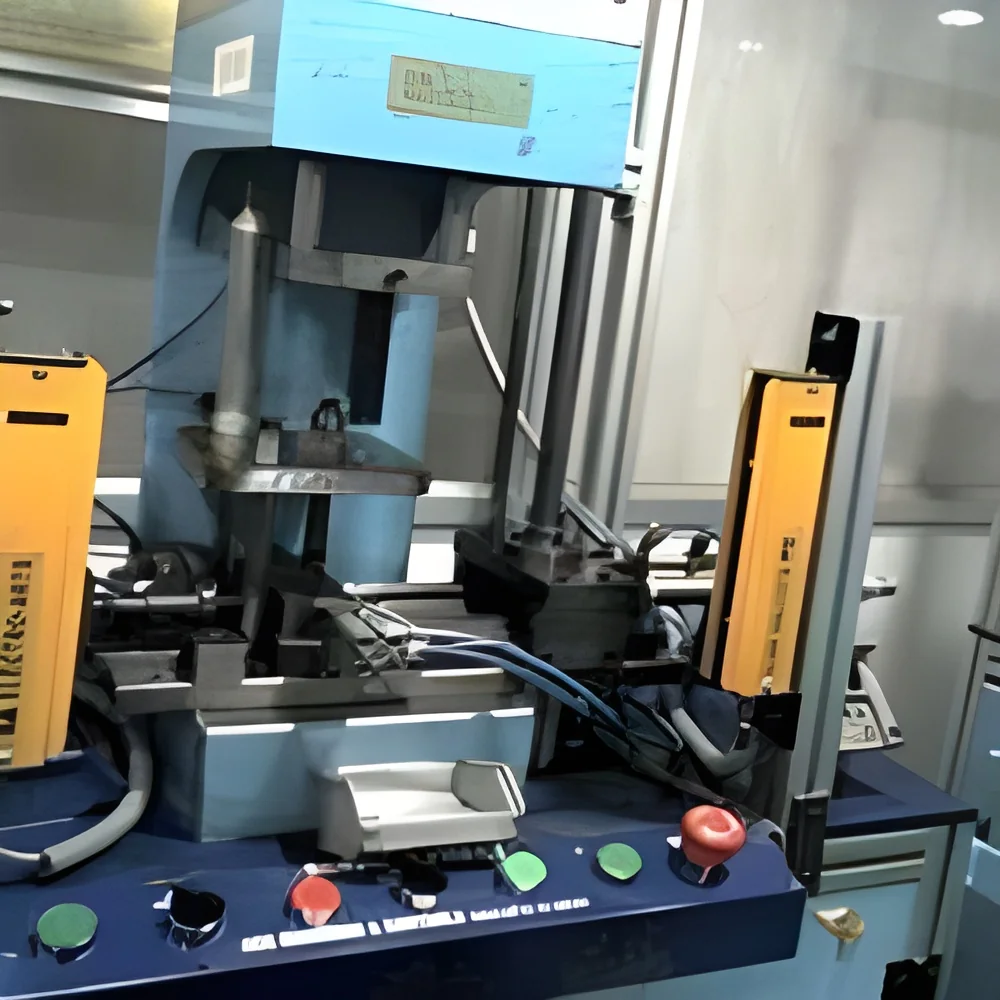
7. Safety Features
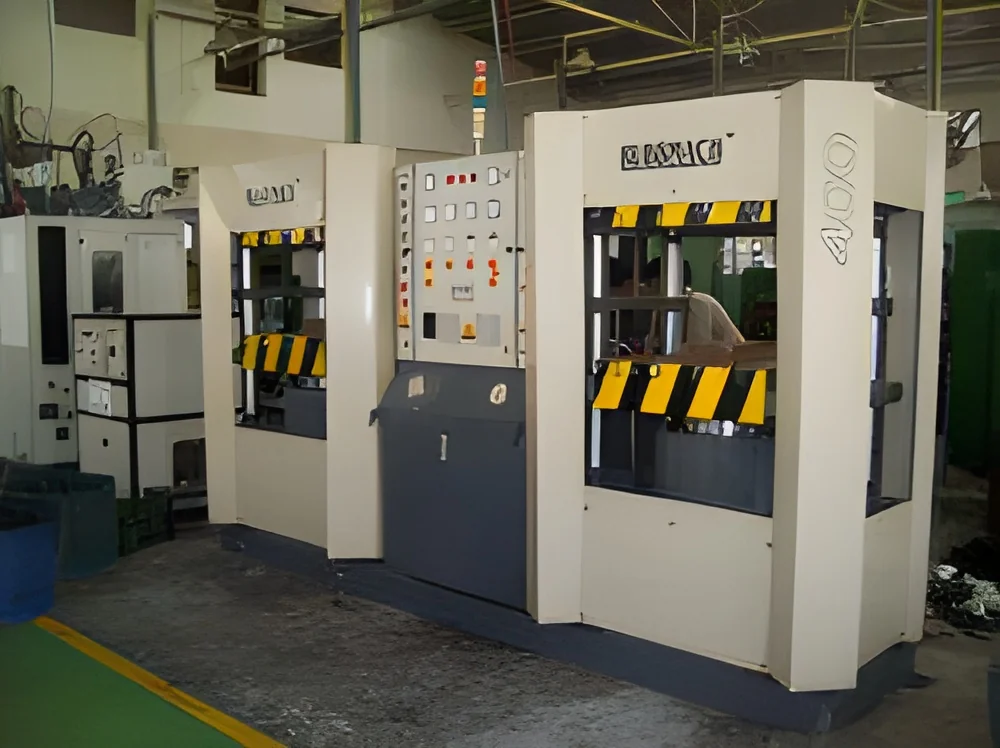
- Safety is prioritized in mechanical forging presses, including emergency stop systems and protective guards.
- These features ensure the safety of operators during the forging process.
8. Maintenance Requirements
- Maintenance requirements vary based on the complexity of the machine, with regular checks needed for mechanical integrity.
- Proper maintenance guarantees longevity and optimal performance.
In summary, understanding these key specifications helps businesses select the right mechanical forging presses to meet their production needs while ensuring efficiency and safety.
Common Applications and Use Cases
Mechanical forging presses serve a variety of industries, providing essential support in manufacturing processes.
1. Automotive Industry: In this sector, mechanical forging presses are used to create components such as crankshafts, axles, and connecting rods. These parts require high strength and precision, making forging an ideal method.
2. Aerospace Industry: Mechanical forging presses are critical for producing lightweight yet robust components like turbine blades and aircraft frames. The forging process enhances the material's mechanical properties, crucial for aerospace applications.
3. Oil and Gas Industry: These presses are utilized to manufacture valves, flanges, and other essential components that withstand high pressure and extreme conditions.
4. Industrial Machinery: In this sector, mechanical forging presses are used to create gears, levers, and other machinery parts that require durability and precision.
5. Construction Industry: Components such as structural beams and fasteners are produced using mechanical forging presses, ensuring they meet stringent safety standards.
6. Defense Sector: Mechanical forging presses are essential for manufacturing weapon components and armor plates, where strength and reliability are paramount.
7. Renewable Energy: Parts for wind turbines and solar energy systems are often produced using these presses, supporting the growth of sustainable energy solutions.
Product Variants and Subcategories
Mechanical forging presses come in various types, each designed for specific applications and manufacturing needs.
Open-Die Forging Presses: These presses allow for the free movement of the material during the forging process, making them suitable for producing large and complex shapes. They are commonly used in heavy industries.
Closed-Die Forging Presses: In this variant, the metal is placed in a mold, allowing for precise control over dimensions. This type is ideal for high-volume production of smaller parts with tight tolerances.
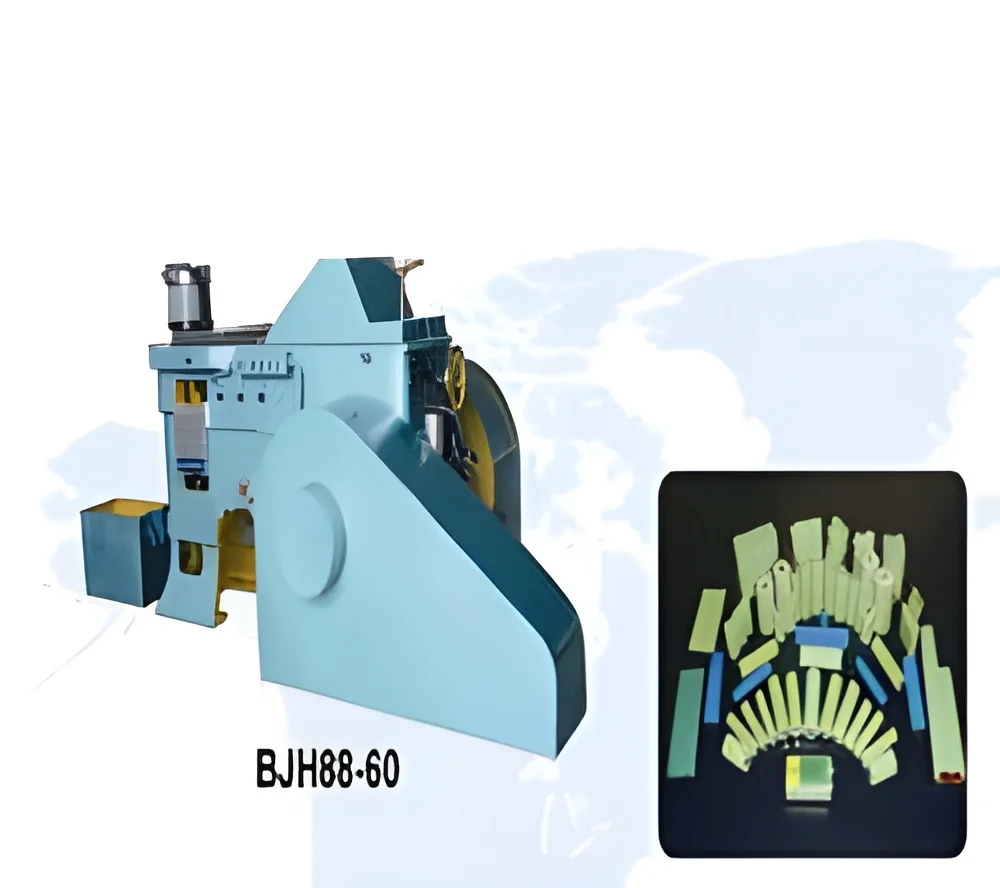
Mechanical Hammers: While not a traditional press, mechanical hammers are similar in function and are used for forging applications where high-speed impact is beneficial. They are often used for producing intricate designs.
Benefits and Advantages
Mechanical forging presses offer several key benefits that enhance production efficiency and product quality.
1. Increased Strength: The forging process improves the internal structure of metals, resulting in components with superior strength and durability.
2. High Precision: Mechanical forging presses allow for the production of parts with tight tolerances, reducing the need for additional machining.
3. Enhanced Production Efficiency: With high force capacities and fast ram speeds, these presses can significantly increase output while maintaining quality.
4. Versatility: Mechanical forging presses can handle various materials, including aluminum, steel, and titanium, making them suitable for diverse applications.
5. Cost-Effective: By reducing waste and improving material yield, mechanical forging presses can lower overall production costs.
6. Safety Features: Many models come equipped with advanced safety mechanisms, ensuring operator protection during the forging process.
Buying Guide for B2B Buyers
When sourcing mechanical forging presses, businesses should consider several critical factors to ensure they make informed purchasing decisions.
1. Quality Assessment: It is essential to evaluate the quality of the presses based on manufacturer reputation and customer reviews. High-quality machines will offer better performance and longevity.
2. Supplier Verification: Vetting suppliers is crucial to ensure they have a track record of reliability and quality. Check for certifications and customer feedback.
3. Pricing and MOQ: Understand the pricing structure and the minimum order quantity (MOQ) required by suppliers. This knowledge helps in budgeting and negotiating terms.
4. Delivery and Lead Times: Consider the logistics involved in delivery and the expected lead times, as these can impact project timelines.
5. Compliance Requirements: Ensure that the mechanical forging presses meet relevant industry standards and regulatory requirements, as this is critical for operational legality and safety.
Compliance and Certifications
Mechanical forging presses must adhere to various quality standards and certifications to ensure their reliability and safety in operation.
ISO 9001 is a widely recognized standard that outlines quality management principles. Manufacturers of mechanical forging presses often comply with this standard to demonstrate their commitment to quality and customer satisfaction.
CE certification is essential for machinery sold in the European market. It indicates that the equipment meets safety, health, and environmental protection standards.
Safety and testing requirements are critical in ensuring that mechanical forging presses operate safely and effectively. These may include regular inspections and testing of components to prevent failures during operation.
Regional compliance considerations may also apply, as different regions may have specific regulations governing machinery use. It is vital for manufacturers and buyers to be aware of these requirements to ensure compliance.
Why Source Mechanical Forging Presses from Pepagora?
Pepagora provides a trusted platform for sourcing mechanical forging presses, offering several key advantages to B2B buyers.
Verified Supplier Network: Pepagora features a network of verified suppliers, ensuring that buyers can connect with reputable manufacturers. This verification process helps mitigate risks associated with procurement.
Streamlined RFQ Process: The platform simplifies the request for quotation (RFQ) process, allowing buyers to easily compare offers and select the best suppliers based on their specific needs.
Trade Assurance and Support: Pepagora offers trade assurance features that protect buyers throughout the procurement process. This support fosters trust and confidence in transactions.
Regional Coverage: With a strong presence in India, the Gulf Cooperation Council (GCC), and Southeast Asia, Pepagora facilitates connections across these regions, enhancing opportunities for businesses looking to source mechanical forging presses.

















Frequently Asked Questions
What are Mechanical Forging Presses?
Mechanical forging presses are machines used in the manufacturing process to shape metal by applying a compressive force. They utilize a mechanical drive system to achieve high speeds and force, allowing for precise metal forming operations.
What are the different types of Mechanical Forging Presses?
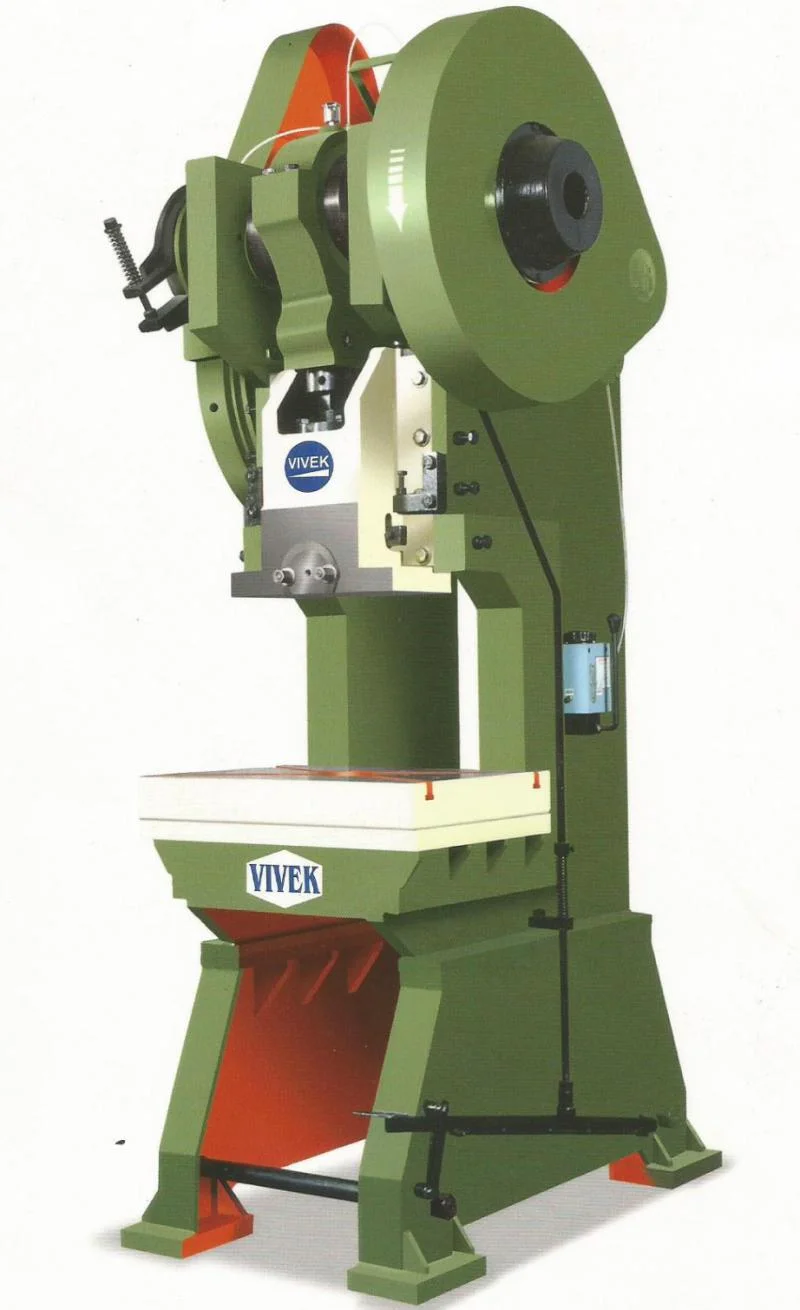
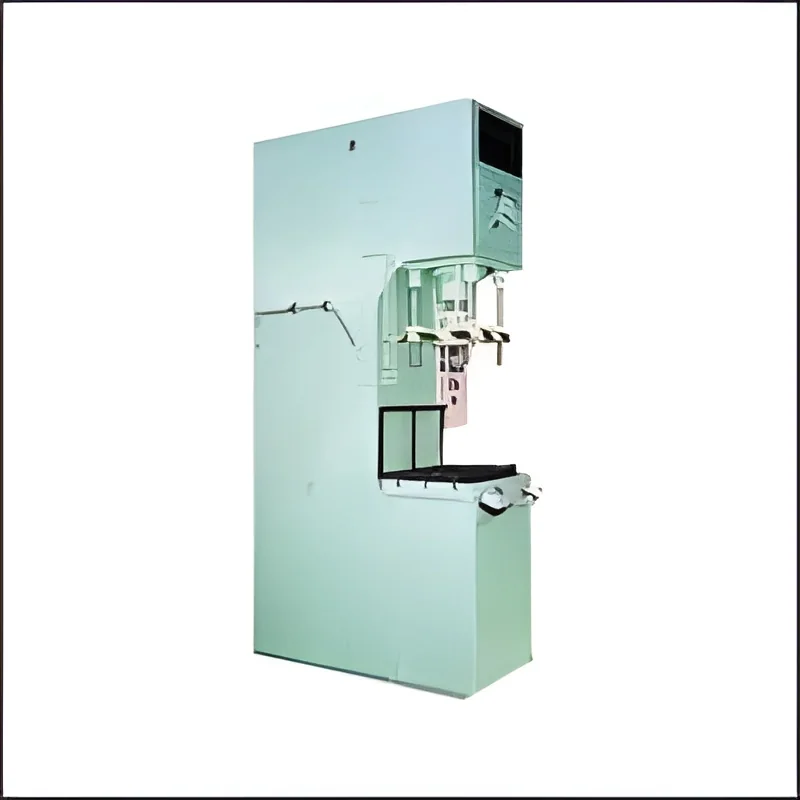
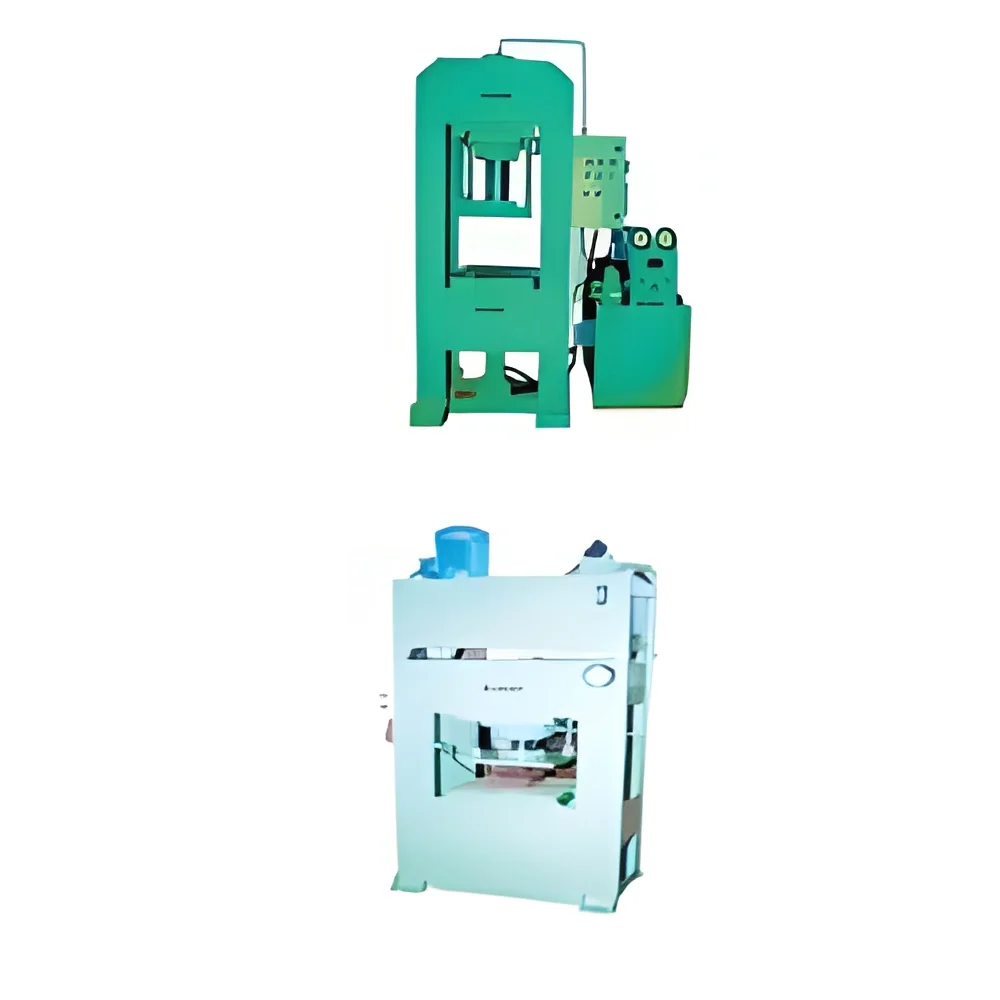
The main types of mechanical forging presses include gap frame presses, straight side presses, and toggle presses. Each type is designed for specific applications, providing different force capacities and configurations to accommodate various forging requirements.
How do I choose the right Mechanical Forging Presses?
Selecting the right mechanical forging press involves considering factors such as the type of material being forged, the required force capacity, and the desired production rate. It's essential to assess your specific manufacturing needs and consult with suppliers to find the most suitable option.
What are the standard specifications for Mechanical Forging Presses?
Standard specifications for mechanical forging presses typically include force capacity (measured in tons), stroke length, and the dimensions of the bed and bolster plate. Additional specifications may involve the type of drive mechanism and the speed of operation.
What is the price range for Mechanical Forging Presses?
The price range for mechanical forging presses can vary significantly based on the machine's specifications, size, and manufacturer. Generally, prices can start from a few lakhs and can go up to several crores for advanced models.
What quality standards apply to Mechanical Forging Presses?
Mechanical forging presses are generally manufactured following international quality standards such as ISO 9001. Adherence to these standards ensures that the machines meet safety, reliability, and performance requirements.
Where can I find Mechanical Forging Presses suppliers in India?
You can find mechanical forging presses suppliers in India through B2B marketplaces like Pepagora.com, industry trade shows, and manufacturer directories. It's advisable to research and compare suppliers based on their reputation and product offerings.
Can Mechanical Forging Presses be customized?
Yes, many manufacturers offer customization options for mechanical forging presses to meet specific production needs. Customization can include modifications in size, force capacity, and special features tailored to unique applications.
What is the typical minimum order quantity for Mechanical Forging Presses?
The typical minimum order quantity (MOQ) for mechanical forging presses varies by supplier and can range from one unit for standard models to larger quantities for custom machines. It's best to confirm with specific manufacturers regarding their MOQ policies.
What is the typical lead time for Mechanical Forging Presses?
The lead time for mechanical forging presses can vary based on the complexity of the order and current production schedules. Generally, lead times can range from a few weeks to several months, especially for customized machines.
Why Businesses Trust Pepagora
Thousands of companies trust Pepagora to source smarter and sell faster
Expand Your Sales Globally

Source Smarter,Grow Faster
