IN
IN₹
Apparel & Fashion
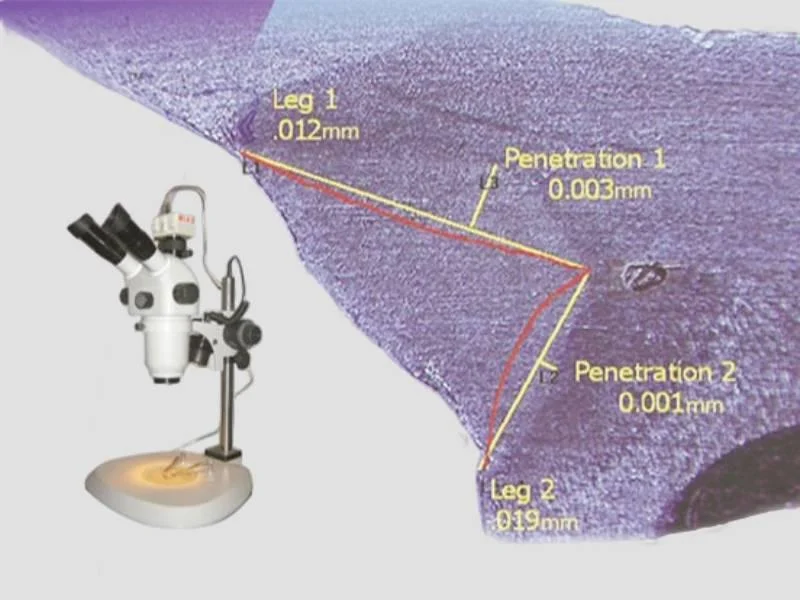
Description
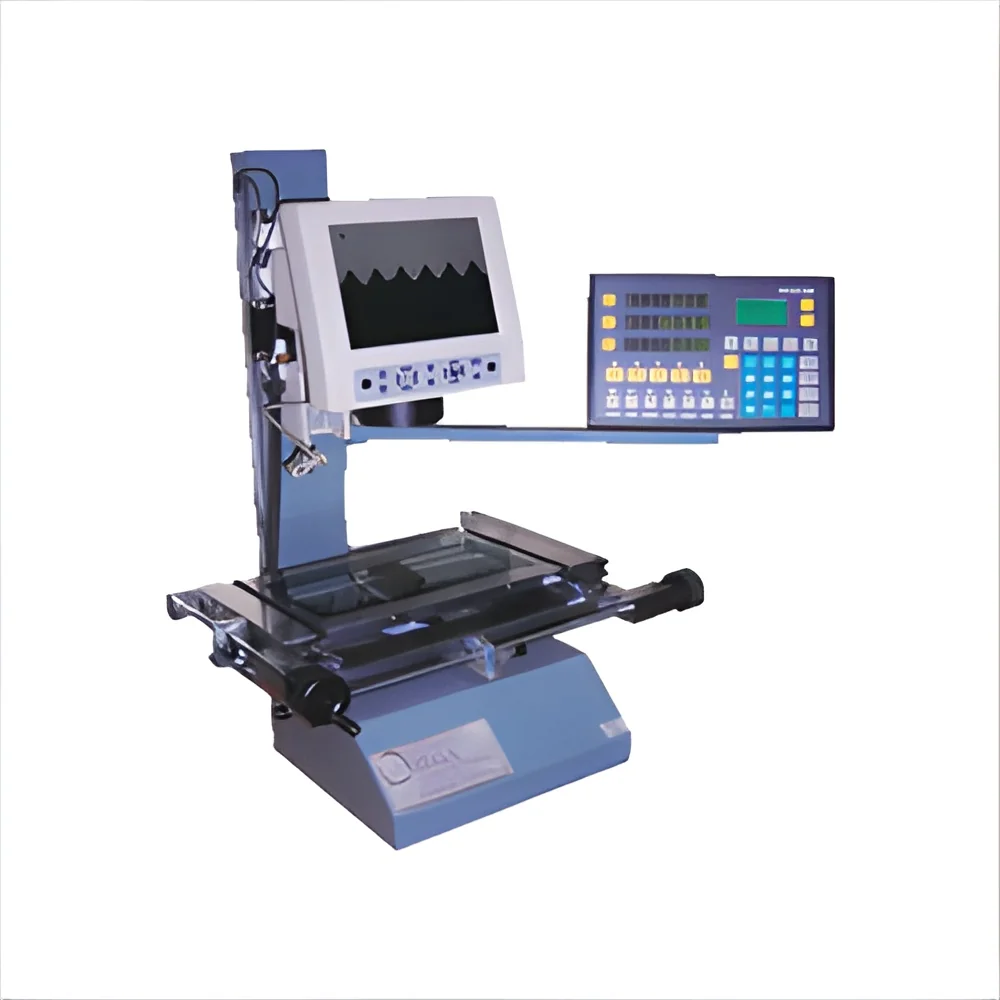
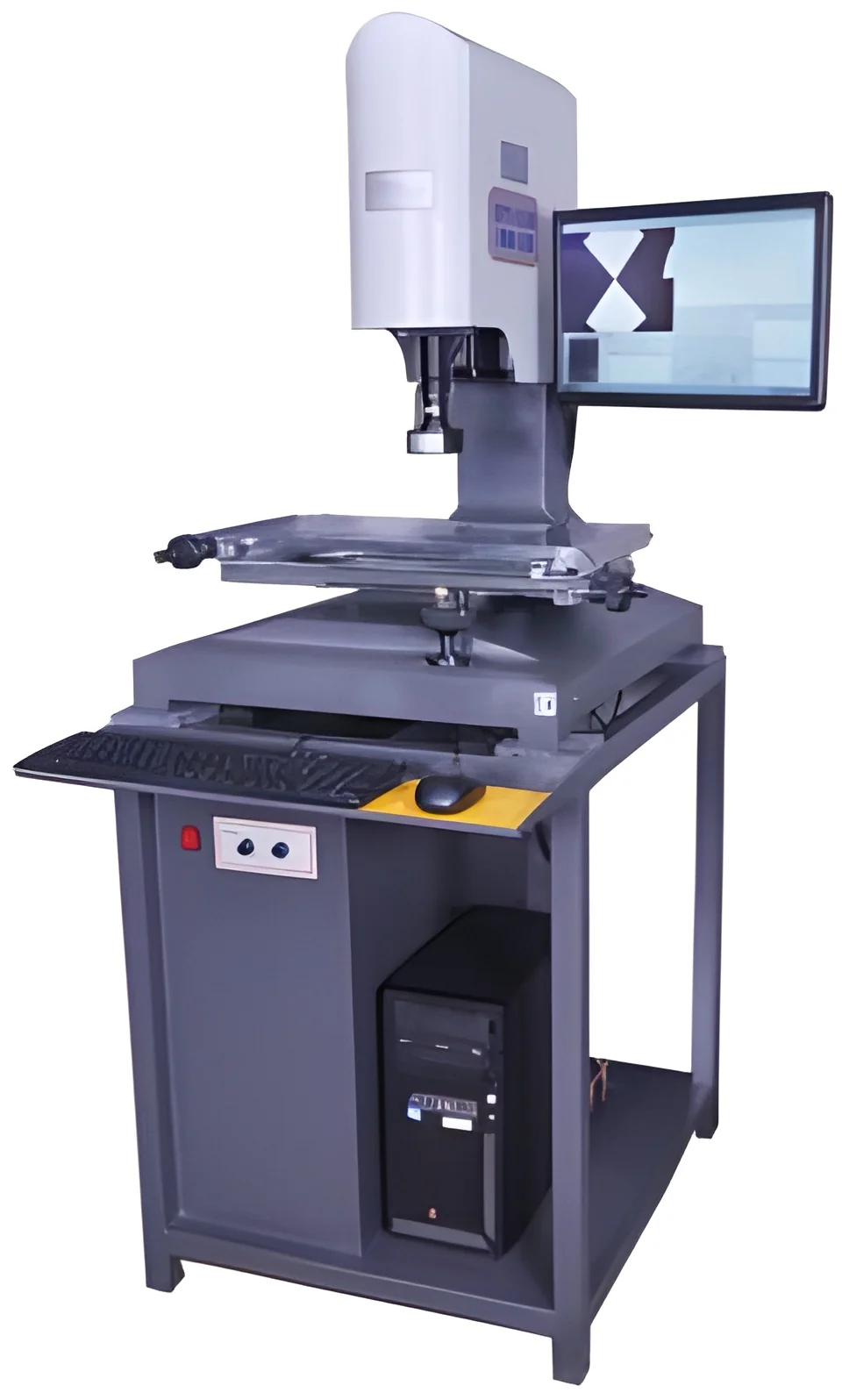
The Industrial Welding Penetration System is a sophisticated, multi-method inspection solution designed to eliminate uncertainty in welding quality control. It provides accurate, real-time measurement of weld penetration depth and internal integrity using a combination of radiographic, ultrasonic, and laser-based technologies. This system operates within a weld thickness range of 0.5 mm to 50 mm with an impressive inspection accuracy of ±0.05 mm to ±0.1 mm, offering scan speeds from 50 to 300 mm/sec. By delivering immediate feedback on fusion quality, it allows for on-the-spot corrections, ensuring consistent weld quality from the first pass and supporting both manual and automated welding environments. This precision tool is engineered for reliability in demanding industrial settings, operating on 20–240 V AC or 380 V AC power supplies.

This inspection system is a cornerstone for heavy industries where weld failure is not an option. In automotive manufacturing, it guarantees the stru...
The Industrial Welding Penetration System is a sophisticated, multi-method inspection solution designed to eliminate uncertainty in welding quality control. It provides accurate, real-time measurement of weld penetration depth and internal integrity using a combination of radiographic, ultrasonic, and laser-based technologies. This system operates within a weld thickness range of 0.5 mm to 50 mm with an impressive inspection accuracy of ±0.05 mm to ±0.1 mm, offering scan speeds from 50 to 300 mm/sec. By delivering immediate feedback on fusion quality, it allows for on-the-spot corrections, ensuring consistent weld quality from the first pass and supporting both manual and automated welding environments. This precision tool is engineered for reliability in demanding industrial settings, operating on 20–240 V AC or 380 V AC power supplies.

This inspection system is a cornerstone for heavy industries where weld failure is not an option. In automotive manufacturing, it guarantees the structural integrity of chassis, frames, and safety-critical components. Aerospace fabricators rely on its high-resolution data (0.01 mm – 0.05 mm) to validate welds in engine mounts, airframe structures, and fuel systems. The oil and gas sector employs it for constructing and maintaining pipelines, where it inspects welds that must withstand extreme pressures and corrosive environments. Shipbuilders use it to ensure hull and deck welds meet rigorous marine classification standards. Furthermore, manufacturers of pressure vessels, boilers, and heavy machinery depend on this system to certify their products for safe operation under high stress, adhering to global standards like ASME and API.

Implementing this Welding Penetration System delivers substantial business value by transforming quality assurance from a reactive to a proactive process. Its reliability stems from robust construction capable of handling parts up to 500 kg and 2000 mm in length, with a data acquisition rate of 100 to 1000 measurements per second for comprehensive analysis. This precision directly reduces costs associated with scrap, rework, warranty claims, and potential liability from weld failures. It enhances operational efficiency by minimizing production downtime for testing and enabling faster certification of welded assemblies. The system's consistent performance builds trust with clients and certifying bodies, strengthening your reputation for delivering reliable, code-compliant products. Its straightforward integration into existing workflows makes it a sound investment for improving overall manufacturing quality and competitiveness.

Key Features:
- Multi-method inspection combining radiographic, ultrasonic, and laser-based technologies for comprehensive defect detection.
- High-precision measurement with accuracy up to ±0.05 mm across a weld thickness range of 0.5 mm to 50 mm.
- Real-time monitoring with fast scan speeds (50–300 mm/sec) and high data acquisition rates (100–1000 measurements/sec).
- Robust design supporting large parts up to 500 kg in weight and 2000 mm in length with a variable field of view (50–500 mm).
- Versatile power compatibility, operating on standard industrial voltages from 20–240 V AC to 380 V AC.

Benefits:
- Ensures weld quality and structural integrity in real-time, preventing costly failures and rework.
- Provides definitive, data-driven quality assurance that meets strict international standards and codes.
- Increases production efficiency by enabling immediate corrections and reducing post-weld inspection time.
- Enhances safety and reliability of final products across automotive, aerospace, energy, and marine sectors.
- Delivers a strong return on investment by minimizing material waste, liability risks, and improving client confidence.
Specifications
| Key Attributes | |
|---|---|
| Inspection Method | Radiographic / Ultrasonic / Laser-based |
| Weld Thickness Range | 0.5 mm – 50 mm |
| Inspection Accuracy | ±0.05 mm – ±0.1 mm |
| Scan Speed | 50 – 300 mm/sec |
| Field of View (FOV) | 50 mm – 500 mm |
| Resolution | 0.01 mm – 0.05 mm |
| Maximum Load / Part Size | Up to 500 kg / 2000 mm length |
| Data Acquisition Rat | 100 – 1000 measurements/sec |
| Operating Voltage | 20–240 V AC / 380 V AC |
| Additional Information | |
|---|---|
| Country of Origin | India |
Application
The Industrial Welding Penetration System delivers precise, real-time measurement of weld penetration depth and internal quality. It utilizes advanced radiographic, ultrasonic, and laser-based inspection methods to detect insufficient fusion, voids, and defects during MIG, TIG, laser, and arc welding processes. This ensures every weld meets stringent quality standards before proceeding to the next production stage, preventing costly rework and material waste.
This system is indispensable for sectors where weld integrity is paramount to safety and operational longevity. It serves industries including automotive manufacturing for chassis integrity, aerospace for critical flight components, oil and gas for high-pressure pipeline welds, shipbuilding for hull construction, and heavy engineering for pressure vessels and structural steel. Its high accuracy and reliability make it a trusted tool for quality managers and welding inspectors who cannot afford guesswork in their quality assurance protocols.
- Ensuring weld integrity in automotive chassis and frame assembly for vehicle safety and durability.
- Verifying penetration quality in aerospace component fabrication for critical flight parts and landing gear.
- Inspecting pipeline girth welds in oil and gas construction to prevent leaks and ensure pressure containment.
- Quality control for ship hull welds and marine structures to meet classification society standards like Lloyd's Register and DNV.
- Non-destructive testing of pressure vessel and boiler welds to comply with ASME, API, and other international codes.
Trade Details
| Available Stock | In Stock |
| Sample Availability | No |
Payment Terms
| Payment Terms |
|
Company Profile

Omega Metrology Products, Karnataka
 Karnataka, India
Karnataka, IndiaManufacturer•Importer / Exporter
Factory Details
Factory SizeBelow 1000 sqm
No. of Production Lines6
Annual Production Capacity0
Main Markets
North America
Oceania
Northern Europe
South America
Mid East
Southern Europe
Eastern Europe
Eastern Asia
South Asia
Southeast Asia
Western Europe
Africa
Central America
Domestic
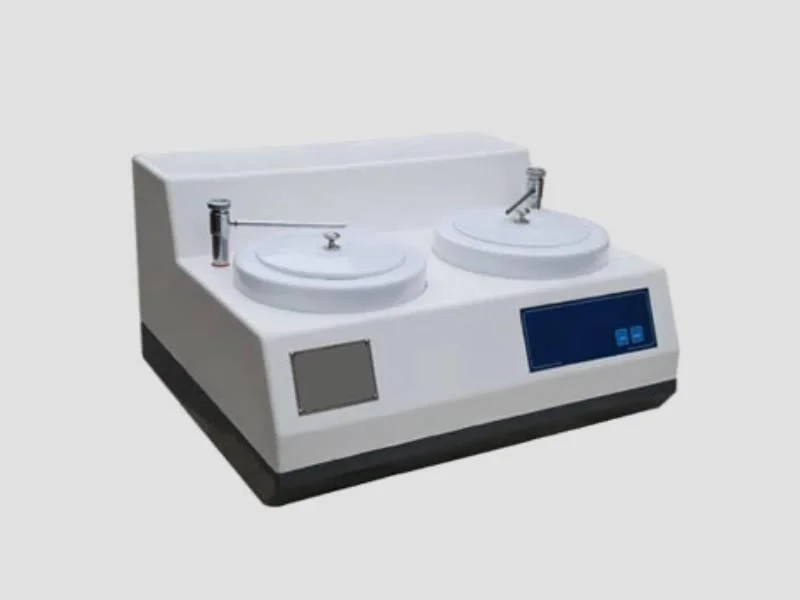
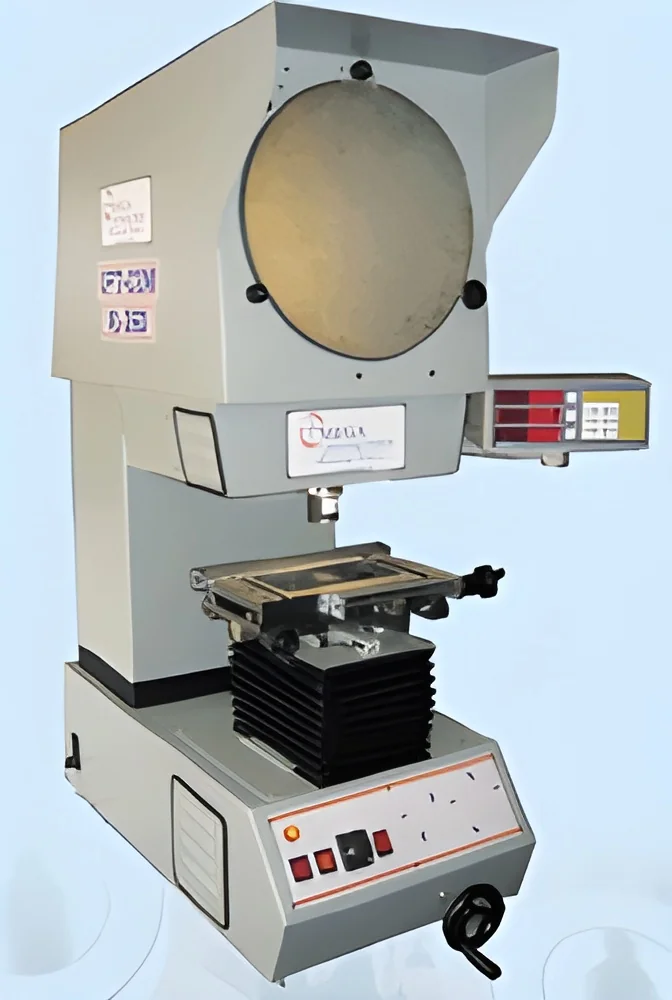
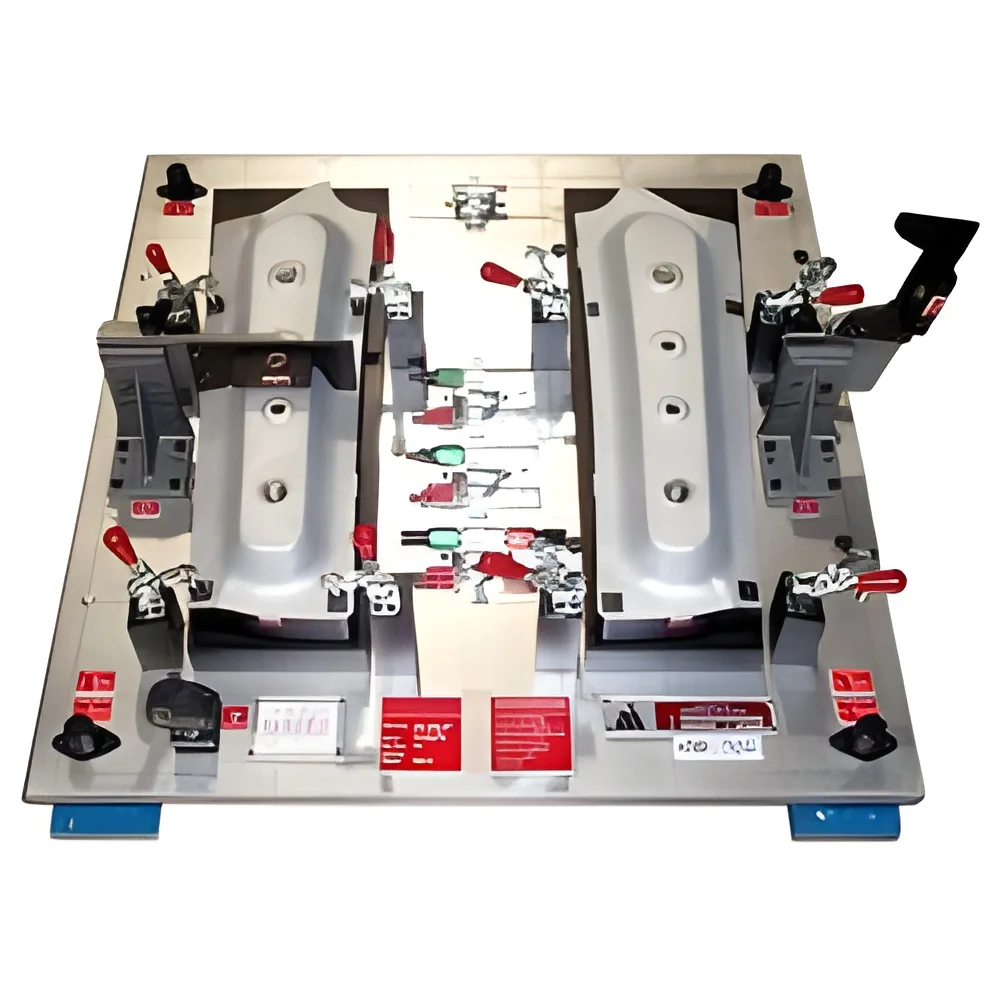
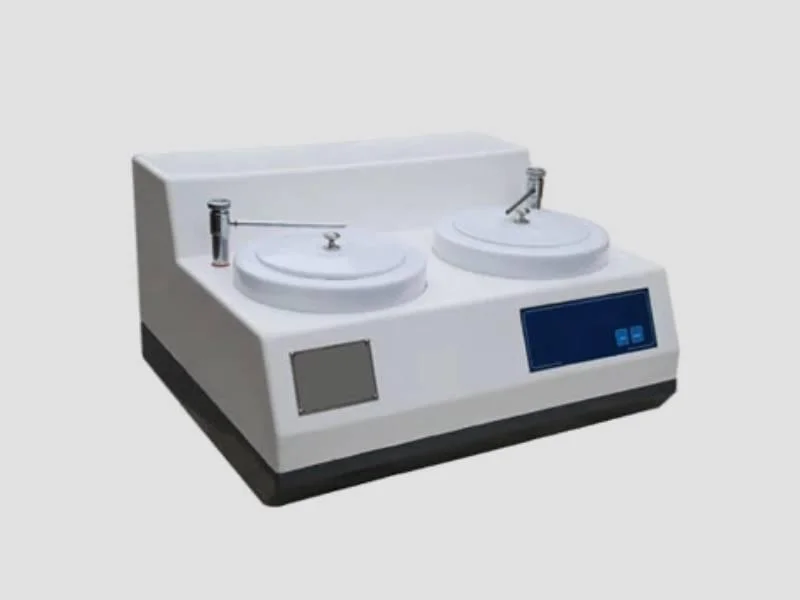
Industrial Welding Penetration System Radiographic Ultrasonic Laser Inspection
Industrial Welding Penetration System is a precision radiographic ultrasonic laser inspection tool for real-time weld depth measurement and quality assurance in critical fabrication applications.
Min. Order Quantity: 1 unit
Shipping
Shipping fee and delivery date to be negotiated. Contact supplier now for more details.
Omega Metrology Products
 Karnataka, India
Karnataka, IndiaManufacturer