IN
IN₹
Apparel & Fashion
Loading subcategories...
View More
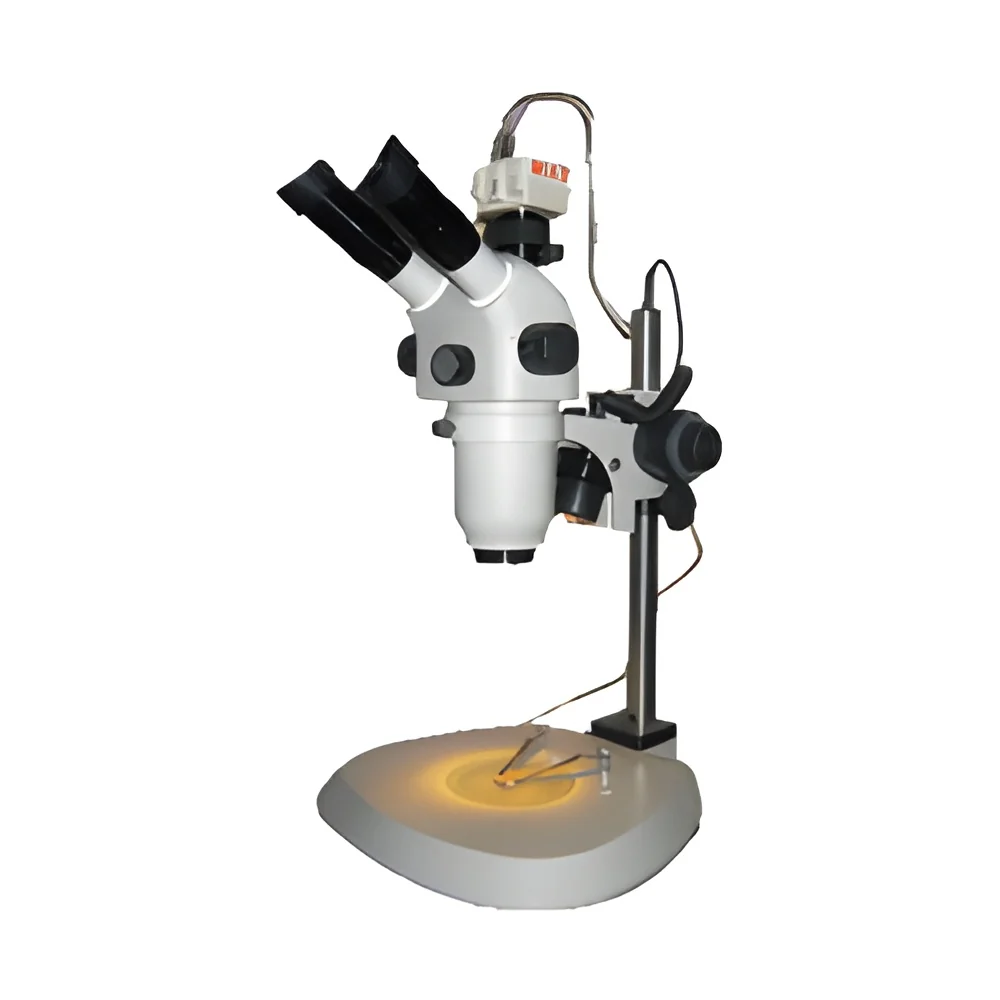
Description
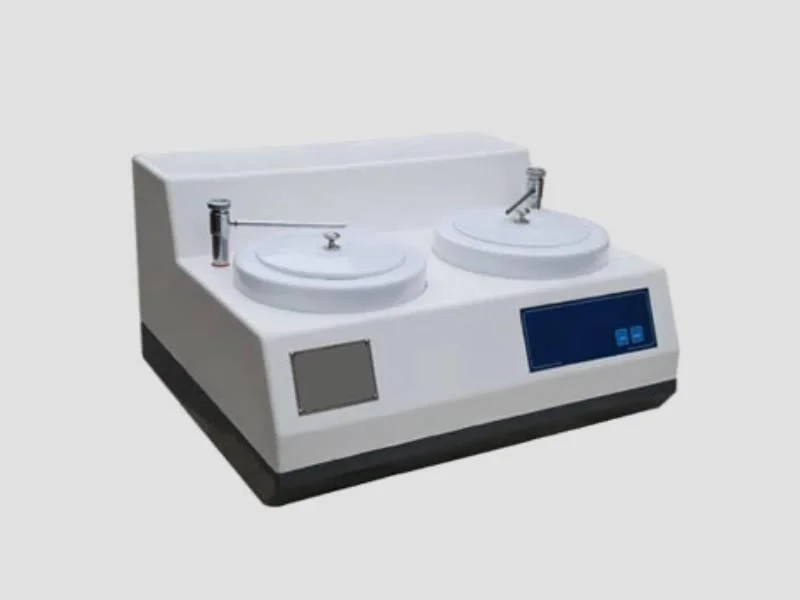
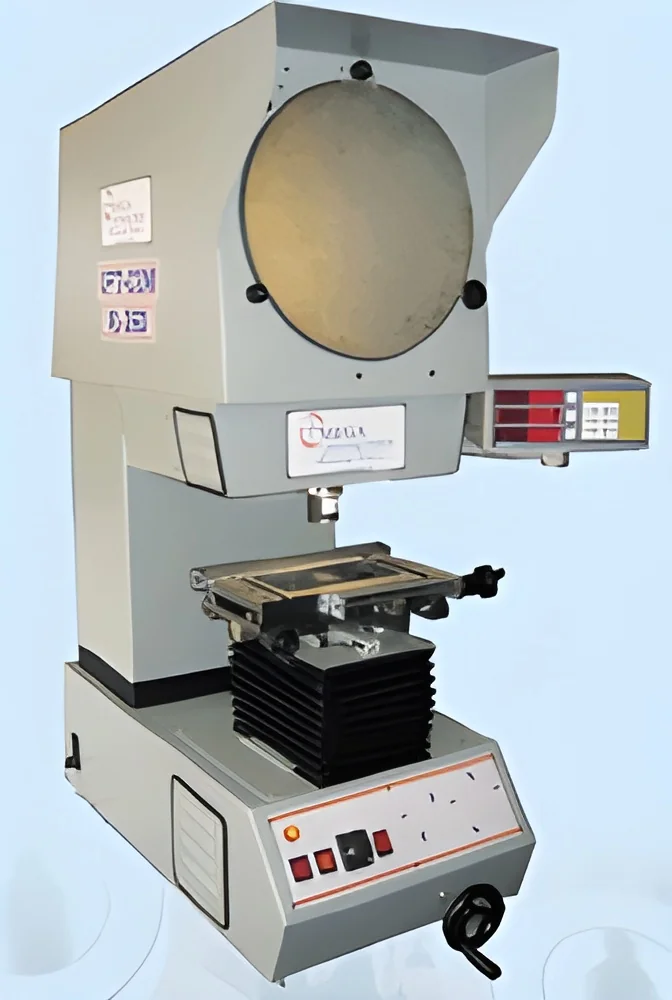
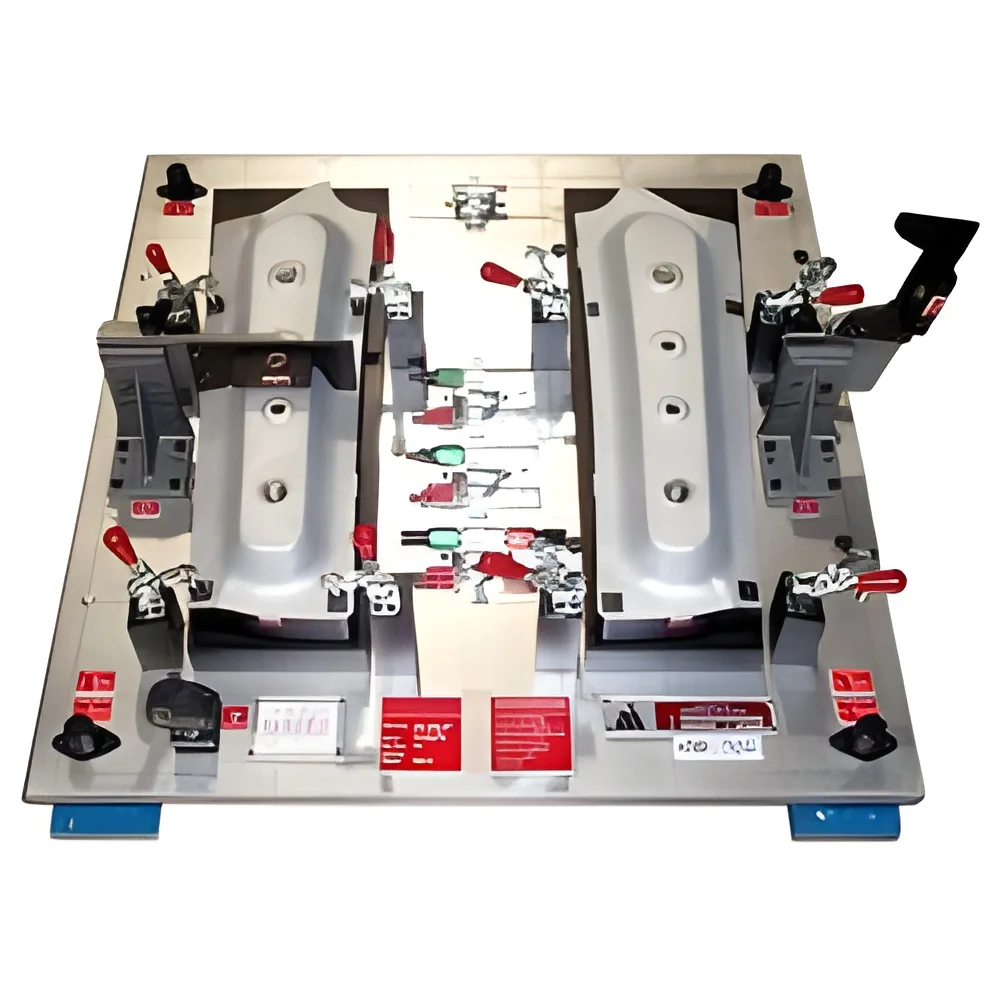
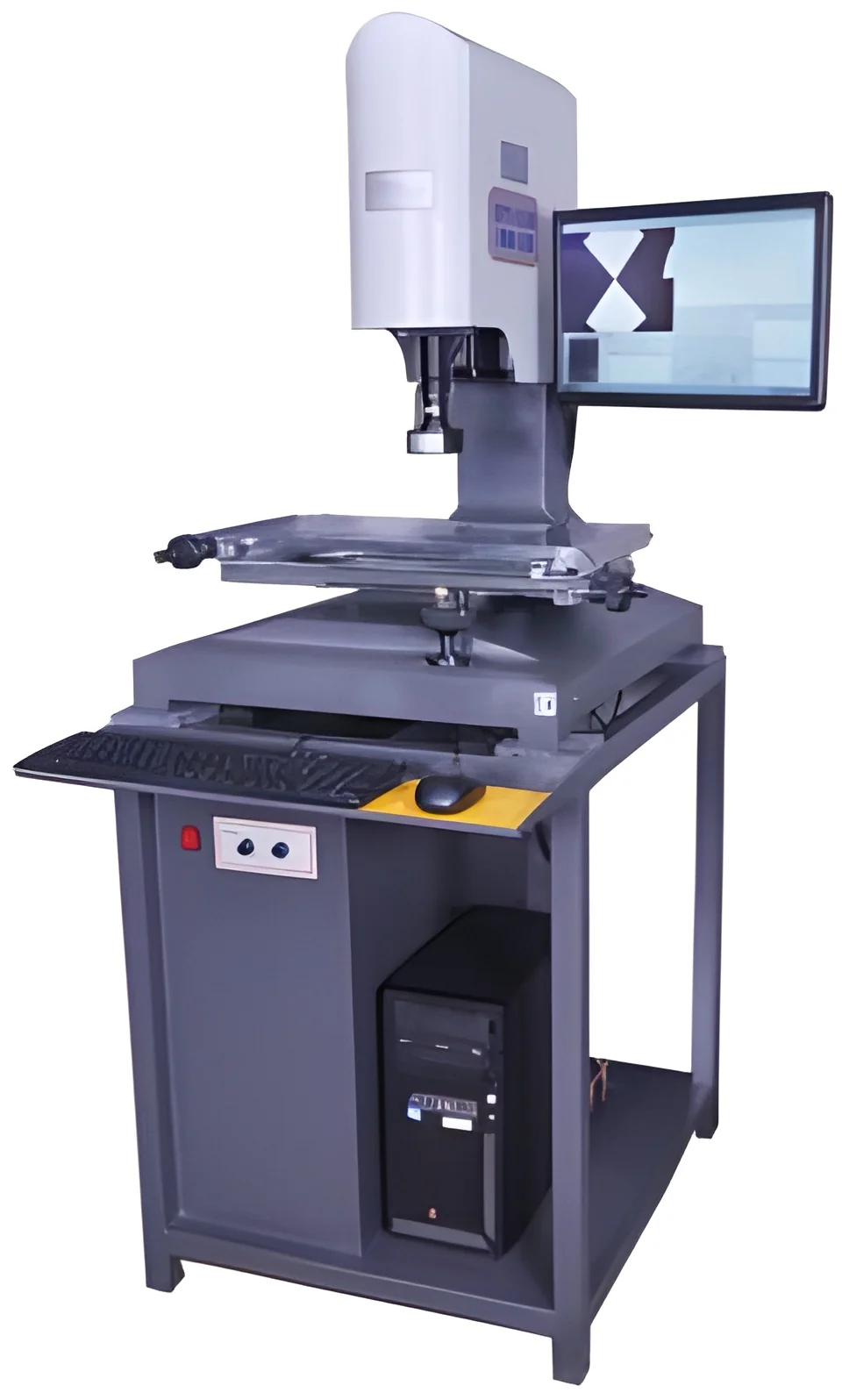
Industrial weld penetration inspection machines represent advanced non-destructive testing technology specifically engineered to evaluate weld quality and penetration depth without compromising material integrity. These sophisticated systems employ ultrasonic, radiographic, or electromagnetic testing methods to detect imperfections, insufficient penetration, and hidden defects that could compromise joint strength and durability. The technology provides manufacturers with critical data about weld quality, ensuring every connection meets rigorous standards required for safety-critical applications. Engineered for precision, these machines offer detailed imaging and analysis capabilities that help quality teams make informed decisions about weld integrity before components enter service.

These inspection systems find extensive application across industrial sectors where weld quality is paramount. The automotive industry relies on them for ensuring structural integrity of vehicle frames a...
Industrial weld penetration inspection machines represent advanced non-destructive testing technology specifically engineered to evaluate weld quality and penetration depth without compromising material integrity. These sophisticated systems employ ultrasonic, radiographic, or electromagnetic testing methods to detect imperfections, insufficient penetration, and hidden defects that could compromise joint strength and durability. The technology provides manufacturers with critical data about weld quality, ensuring every connection meets rigorous standards required for safety-critical applications. Engineered for precision, these machines offer detailed imaging and analysis capabilities that help quality teams make informed decisions about weld integrity before components enter service.

These inspection systems find extensive application across industrial sectors where weld quality is paramount. The automotive industry relies on them for ensuring structural integrity of vehicle frames and safety components. The aerospace sector depends on them for verifying critical aircraft structures and engine components. Construction and infrastructure projects utilize these machines to validate structural steel connections in buildings and bridges. The energy sector employs them for pipeline welding inspection and pressure vessel manufacturing, while heavy equipment manufacturers use them for mining machinery, agricultural equipment, and industrial machinery production. Each industry benefits from the machine's ability to prevent failures and ensure long-term reliability of welded structures.

The operational value of implementing weld penetration inspection machines extends beyond quality assurance to significant financial benefits. These systems dramatically reduce the risk of product failures, recalls, and liability issues by catching defects early in production. They help manufacturers maintain compliance with international standards such as ISO, ASME, and AWS requirements, facilitating global market access. The reliability of these machines translates to reduced downtime and maintenance costs, while their precision minimizes material waste and rework expenses. The combination of technical excellence and operational reliability makes these inspection machines a strategic investment for manufacturing operations focused on quality and safety.

Key Features:
- Advanced non-destructive testing technology for precise weld assessment
- High-resolution imaging and data recording for detailed analysis
- Robust industrial construction for continuous operation
- Compliance with international quality standards
- User-friendly interface for efficient operation

Benefits:
- Enhanced product safety and reliability
- Reduced risk of failures and recalls
- Compliance with international quality standards
- Lower maintenance and rework costs
- Improved manufacturing efficiency
Specifications
| Additional Information | |
|---|---|
| Country of Origin | India |
| Customisable | No |
Application
Weld penetration inspection machines provide essential verification of welded joint integrity across industrial manufacturing. These advanced systems utilize non-destructive testing methods to detect flaws, ensuring structural safety and compliance with international quality standards. They are particularly valuable where weld quality directly impacts product performance and operational safety.
These inspection solutions serve critical sectors including automotive manufacturing, aerospace engineering, construction infrastructure, shipbuilding, and heavy machinery production. The technology helps prevent failures by identifying insufficient penetration, cracks, or voids before components enter service, making them indispensable for quality assurance in demanding manufacturing environments.
- Aerospace component manufacturing for aircraft structural verification
- Automotive frame and chassis production quality control
- Pipeline construction and maintenance weld inspection
- Pressure vessel manufacturing for industrial applications
- Structural steel fabrication for building and bridge construction
Trade Details
| Available Stock | In Stock |
| Sample Availability | No |
Payment Terms
| Payment Terms |
|
Company Profile

Omega Metrology Products, Karnataka
 Karnataka, India
Karnataka, IndiaManufacturer•Importer / Exporter
Factory Details
Factory SizeBelow 1000 sqm
No. of Production Lines6
Annual Production Capacity0
Main Markets
North America
Oceania
Northern Europe
South America
Mid East
Southern Europe
Eastern Europe
Eastern Asia
South Asia
Southeast Asia
Western Europe
Africa
Central America
Domestic
Industrial Weld Penetration Inspection Machines For Quality Control
Industrial weld penetration inspection machines deliver precise quality control for manufacturing and construction. These reliable systems ensure weld integrity with advanced testing technology for critical industrial applications.
Min. Order Quantity: 1 unit
Shipping
Shipping fee and delivery date to be negotiated. Contact supplier now for more details.
Omega Metrology Products Karnataka, India
Karnataka, IndiaManufacturer