IN
IN₹
Apparel & Fashion
Description
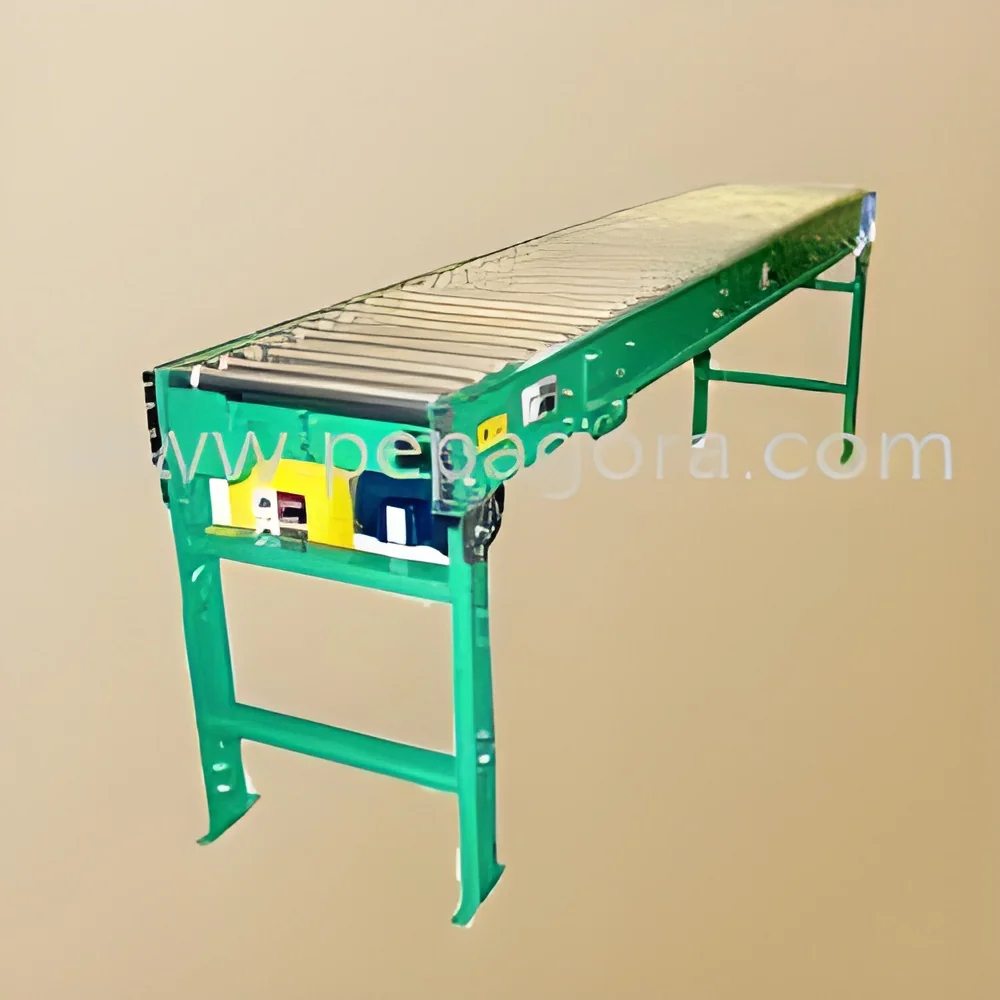
Industrial conveyor systems form the foundation of efficient material handling operations, providing automated transportation solutions that move materials reliably between locations. These mechanical handling systems eliminate manual labor while ensuring consistent movement of goods ranging from small components to heavy bulk materials. Engineered for durability and performance, conveyor systems adapt to various operational environments and accommodate specific load requirements, spatial limitations, and industry standards. Their robust construction guarantees long-term reliability with minimal maintenance needs, making them a valuable investment for businesses focused on optimizing material flow processes and operational efficiency.

Multiple industries depend on conveyor systems for their critical handling operations. Automotive manufacturing facilities utilize conveyors to move parts through assembly lines with precise timing and positioning. Food processing plants employ sanitary ...
Industrial conveyor systems form the foundation of efficient material handling operations, providing automated transportation solutions that move materials reliably between locations. These mechanical handling systems eliminate manual labor while ensuring consistent movement of goods ranging from small components to heavy bulk materials. Engineered for durability and performance, conveyor systems adapt to various operational environments and accommodate specific load requirements, spatial limitations, and industry standards. Their robust construction guarantees long-term reliability with minimal maintenance needs, making them a valuable investment for businesses focused on optimizing material flow processes and operational efficiency.

Multiple industries depend on conveyor systems for their critical handling operations. Automotive manufacturing facilities utilize conveyors to move parts through assembly lines with precise timing and positioning. Food processing plants employ sanitary conveyor designs that meet strict hygiene standards while transporting ingredients and packaged products safely. Warehouse and logistics operations implement conveyor networks for efficient sorting, packaging, and distribution tasks that accelerate order processing. The mining and construction sectors rely on heavy-duty conveyors for moving bulk materials efficiently, while airports use sophisticated baggage handling systems to manage passenger luggage reliably. Each industry benefits from tailored conveyor solutions that address unique operational challenges and regulatory requirements effectively.

Implementing a conveyor system delivers substantial business value through improved operational efficiency, reduced labor costs, and enhanced workplace safety. These systems minimize manual handling risks while increasing throughput capacity and consistency in material movement operations. The reliability of well-designed conveyor systems translates to reduced downtime and lower maintenance expenses, providing significant long-term operational savings. Customization capabilities ensure each system perfectly matches specific operational requirements, whether for light-duty packaging applications or heavy industrial material handling tasks. This combination of efficiency, reliability, and adaptability makes conveyor systems a strategic investment for businesses seeking to optimize their production and logistics operations while maintaining competitive advantage in their markets.

Key Features:
- Durable construction using high-quality materials for extended service life
- Multiple configuration options including belt, roller, and chain systems
- Adaptable to various load capacities from light packages to heavy materials
- Integration capability with existing production and handling equipment
- Designed for minimal maintenance requirements and easy operation

Benefits:
- Increased operational efficiency through automated material handling
- Reduced labor costs by minimizing manual handling requirements
- Enhanced workplace safety by reducing manual material movement
- Improved throughput capacity and consistent material flow
- Long-term reliability with minimal maintenance and downtime
Specifications
| Additional Information | |
|---|---|
| Country of Origin | India |
Application
Conveyor systems streamline material movement across diverse industrial environments, from manufacturing facilities to distribution centers. They handle everything from small components to heavy bulk materials with consistent reliability while reducing manual labor requirements. These systems improve workflow efficiency and workplace safety through automated material transportation that minimizes human intervention and potential hazards.
Custom conveyor solutions adapt to specific operational needs across multiple sectors including automotive assembly, food processing plants, and warehouse logistics. They integrate seamlessly with existing production lines and can be configured for various load capacities, operational speeds, and spatial constraints. This flexibility makes them essential equipment for modern industrial operations seeking to optimize material flow and increase throughput capacity.
- Automotive manufacturing plants for moving parts along assembly lines
- Food processing facilities for hygienic transportation of ingredients
- Warehouse distribution centers for efficient order fulfillment
- Mining operations for heavy-duty bulk material handling
- Airport baggage systems for reliable luggage transportation
Trade Details
| Available Stock | In Stock |
| Sample Availability | No |
Payment Terms
| Payment Terms |
|
Company Profile
Mammon Furnace & Fabricatiors Co, Maharashtra
 Maharashtra, India
Maharashtra, IndiaIndustrial Equipment & Machinery•Manufacturer•Importer / Exporter
Factory Details
Factory SizeBelow 1000 sqm
Annual Production Capacity0
Industrial Material Handling Reliable Conveyor Systems For Efficiency
Industrial conveyor systems provide reliable material handling solutions for automotive, food processing, packaging, and logistics industries. Enhance productivity with durable, low-maintenance conveying equipment designed for efficiency.
Min. Order Quantity: 1 unit
Shipping
Shipping fee and delivery date to be negotiated. Contact supplier now for more details.
Mammon Furnace & Fabricatiors Co
 Maharashtra, India
Maharashtra, IndiaIndustrial Equipment & MachineryManufacturer