IN
IN₹
Apparel & Fashion
Loading subcategories...
View More
Description
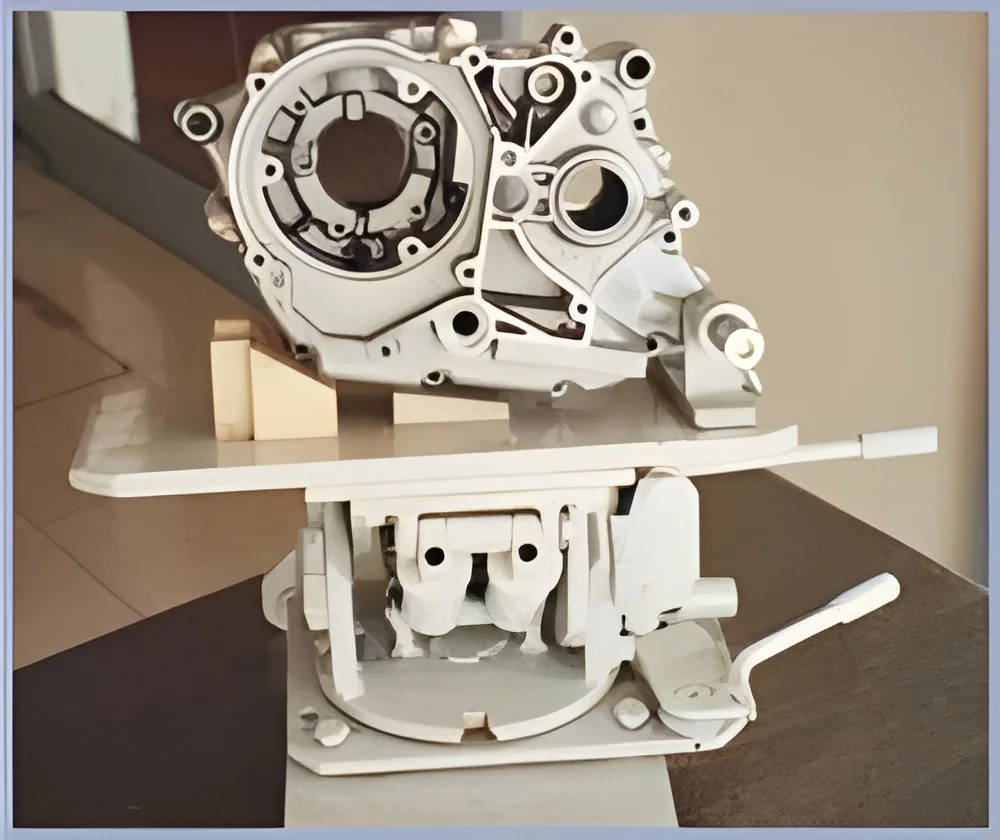
Precision Manufacturing Jigs and Fixtures are custom-engineered tools designed to hold, support, and guide workpieces during machining, assembly, and inspection processes. They are the backbone of repeatable, high-quality manufacturing, ensuring every component is produced to exact specifications with minimal variance. Built from robust, high-grade materials, these fixtures are engineered for durability to withstand rigorous industrial use while maintaining critical tolerances. Their design focuses on eliminating setup errors and reducing operator dependency, which directly contributes to streamlined production flows and consistent output. By providing a reliable foundation for your manufacturing operations, these tools help transform complex production challenges into routine, efficient processes.

These precision tools serve mission-critical functions across industries where accuracy is non-negotiable. In the automotive sector, they are essential for aligning body panels during weldi...
Precision Manufacturing Jigs and Fixtures are custom-engineered tools designed to hold, support, and guide workpieces during machining, assembly, and inspection processes. They are the backbone of repeatable, high-quality manufacturing, ensuring every component is produced to exact specifications with minimal variance. Built from robust, high-grade materials, these fixtures are engineered for durability to withstand rigorous industrial use while maintaining critical tolerances. Their design focuses on eliminating setup errors and reducing operator dependency, which directly contributes to streamlined production flows and consistent output. By providing a reliable foundation for your manufacturing operations, these tools help transform complex production challenges into routine, efficient processes.

These precision tools serve mission-critical functions across industries where accuracy is non-negotiable. In the automotive sector, they are essential for aligning body panels during welding and ensuring precise placement of components on assembly lines. Aerospace manufacturers rely on them to secure expensive, complex parts during high-tolerance machining, preventing costly errors. The electronics industry uses specialized fixtures for populating printed circuit boards (PCBs) with components and for automated soldering processes. Beyond these, they are vital in medical device manufacturing for the sterile assembly of small parts and in general industrial machinery production for fabricating and aligning large-scale components. Their application ensures quality and consistency from prototype development through to full-scale production.

The business value of investing in precision jigs and fixtures is realized through significant operational improvements and tangible cost savings. They dramatically reduce changeover times between production runs, increasing overall equipment effectiveness and throughput. By virtually eliminating measurement errors and material waste, they deliver immediate savings on scrap and rework costs. Their durable, low-maintenance construction ensures a long service life, providing an excellent return on investment. Most importantly, the reliability they bring to your production line minimizes unplanned downtime and ensures you can consistently meet delivery commitments with high-quality products. This reliability builds trust with your customers and strengthens your market reputation for precision and dependability.

Key Features:
- Precision engineered for exact alignment, repeatability, and holding of workpieces.
- Durable construction using high-grade industrial materials for long-term reliability.
- Designed for low maintenance to minimize operational downtime and costs.
- Engineered to reduce setup time and streamline production workflows.
- Robust design capable of withstanding demanding manufacturing environments.

Benefits:
- Ensures consistent, high-quality output by eliminating human error and variability.
- Increases production efficiency through faster cycle times and reduced changeovers.
- Lowers operational costs by reducing scrap rates, rework, and labor requirements.
- Provides long-term reliability and durability, offering an excellent return on investment.
- Enhances overall manufacturing capability and supports competitive, on-time delivery.
Specifications
| Additional Information | |
|---|---|
| Country of Origin | India |
| Customisable | No |
Application
Our precision jigs and fixtures are engineered to deliver exact alignment and repeatability in demanding manufacturing environments. They securely hold workpieces, guiding tools and processes to produce components that meet strict specifications every time. This eliminates human error, reduces scrap rates, and ensures consistent output quality, which is fundamental for maintaining high production standards and streamlined workflows across various industrial sectors.
These tools are indispensable for high-volume and high-precision production where speed, accuracy, and reliability are critical. By standardizing complex operations, they enable faster cycle times, reduce operator training requirements, and lower overall labor costs. This translates directly into enhanced operational efficiency, greater machine utilization, and a stronger competitive edge for businesses focused on quality and throughput.
- Automotive assembly lines for precise positioning during welding, drilling, and component installation.
- Aerospace manufacturing for securing complex geometries during critical machining and inspection processes.
- Electronics production for accurate PCB assembly, soldering, and testing fixture applications.
- Medical device manufacturing where sterile, repeatable assembly of small, intricate parts is required.
- Industrial machinery production for aligning and holding large components during fabrication and assembly.
Trade Details
| Available Stock | In Stock |
| Sample Availability | No |
Payment Terms
| Payment Terms |
|
Company Profile
Char-M Technologies, Maharashtra
 Maharashtra, India
Maharashtra, IndiaIndustrial Equipment & Machinery•Manufacturer•Distributor / Wholesaler•Importer / Exporter
Factory Details
Factory SizeBelow 1000 sqm
Annual Production Capacity0
Precision Manufacturing Jigs And Fixtures For Automotive Aerospace Electronics
Precision Manufacturing Jigs and Fixtures engineered for durability and low maintenance. Ideal for automotive, aerospace, and electronics industries to ensure reliable production, reduce operational costs, and maintain exact alignment.
Min. Order Quantity: 1 unit
Shipping
Shipping fee and delivery date to be negotiated. Contact supplier now for more details.
Char-M Technologies
 Maharashtra, India
Maharashtra, IndiaIndustrial Equipment & MachineryManufacturer