IN
IN₹
Apparel & Fashion
Description
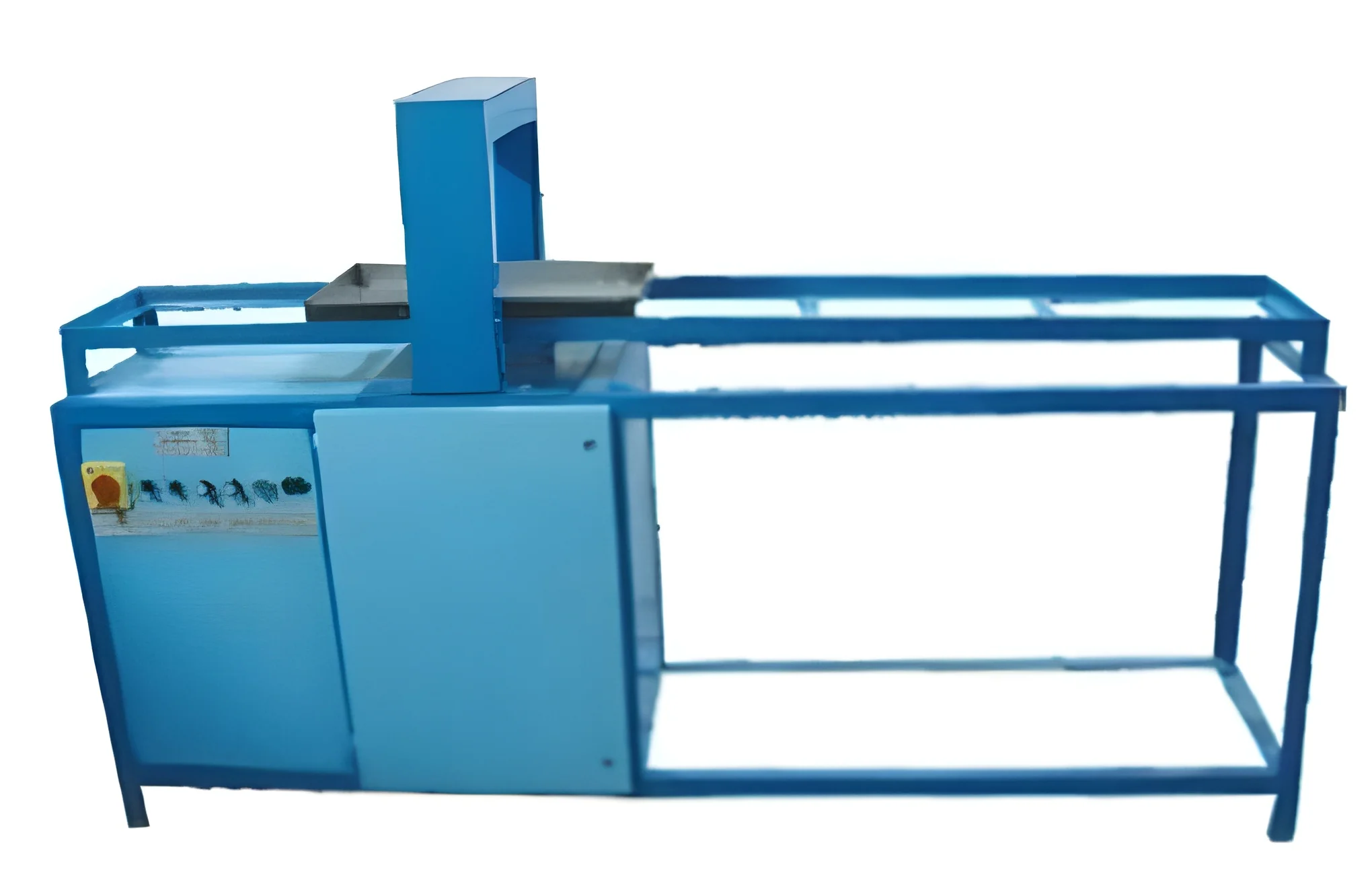
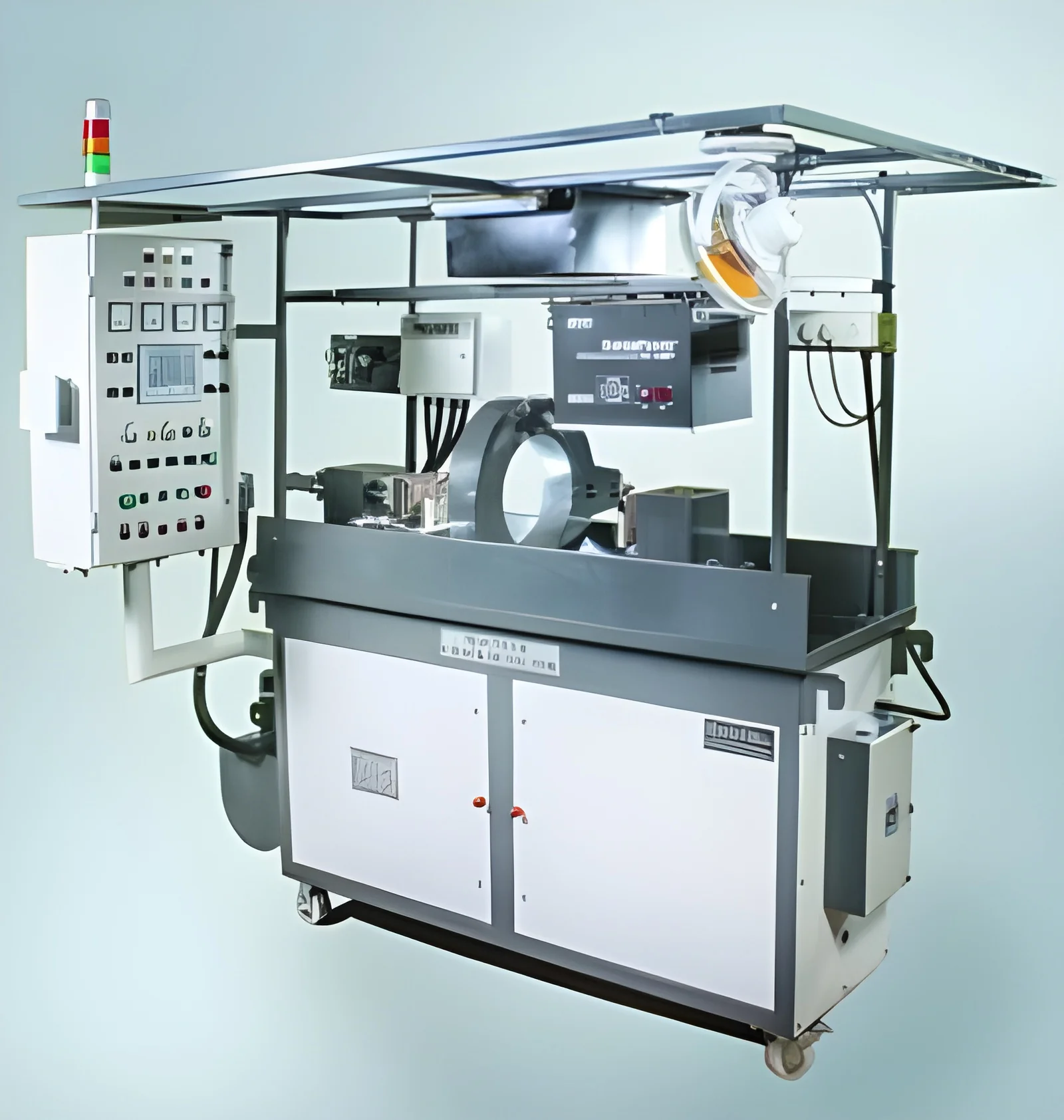
The Industrial Current Crack Detector represents advanced non-destructive testing technology engineered specifically for heavy industrial applications. This robust system utilizes controlled high-current injection through metallic components, generating precise electromagnetic fields that reveal even the smallest surface and subsurface flaws. Through sophisticated signal processing and digital filtering capabilities, the detector identifies cracks, discontinuities, and material defects that could compromise component integrity. The equipment features adjustable current control to accommodate various material types and thicknesses, ensuring accurate detection across diverse industrial applications. Built with industrial durability in mind, it delivers consistent performance in demanding shop floor environments while maintaining the sensitivity required for critical quality assurance processes.

This crack detector serves multiple industries where component reliability is non-negotiable....
The Industrial Current Crack Detector represents advanced non-destructive testing technology engineered specifically for heavy industrial applications. This robust system utilizes controlled high-current injection through metallic components, generating precise electromagnetic fields that reveal even the smallest surface and subsurface flaws. Through sophisticated signal processing and digital filtering capabilities, the detector identifies cracks, discontinuities, and material defects that could compromise component integrity. The equipment features adjustable current control to accommodate various material types and thicknesses, ensuring accurate detection across diverse industrial applications. Built with industrial durability in mind, it delivers consistent performance in demanding shop floor environments while maintaining the sensitivity required for critical quality assurance processes.

This crack detector serves multiple industries where component reliability is non-negotiable. In steel manufacturing and metalworking sectors, it ensures the quality of structural beams, plates, and custom fabrications before they enter service. Automotive and aerospace manufacturers rely on it for testing critical components like crankshafts, connecting rods, and landing gear parts. Heavy machinery producers use it to verify the integrity of large gears, shafts, and hydraulic components. The technology also supports energy sector applications, examining turbine blades, pipeline sections, and pressure vessel components where failure is not an option. Foundries and forging operations implement it for both process control and final product verification.

The business value of this industrial crack detector lies in its ability to prevent costly failures and ensure regulatory compliance. By identifying defects early in the manufacturing process, companies avoid expensive rework, warranty claims, and potential liability issues. The detector's reliability translates to reduced downtime and maintenance costs throughout the equipment lifecycle. The rugged construction ensures long-term operation in challenging industrial environments, providing documented quality assurance records that support certification processes and customer confidence. This technology represents an investment that pays dividends through improved product quality, reduced risk, and enhanced manufacturing efficiency.

Key Features:
- High-current electromagnetic flaw detection for surface and subsurface defects
- Advanced signal processing with digital filtering technology
- Adjustable current control for various materials and thicknesses
- Rugged industrial enclosure built for shop floor environments
- Automated probe scanning with optional rotary table integration

Benefits:
- Prevents costly component failures through early defect detection
- Reduces quality control costs with automated inspection capabilities
- Ensures regulatory compliance and certification requirements
- Improves production efficiency with rapid testing cycles
- Enhances customer confidence with documented quality assurance
Specifications
| Additional Information | |
|---|---|
| Country of Origin | 106 |
Application
This industrial current crack detector delivers reliable non-destructive testing for heavy metallic components in demanding manufacturing environments. It maintains consistent performance across steel plants, foundries, and forging operations, providing accurate flaw detection for both batch testing and continuous production line applications. The equipment handles challenging shop floor conditions while delivering precise inspection results for critical quality control processes.
Manufacturers across automotive, aerospace, and heavy machinery sectors depend on this detector for final quality assurance inspections. It effectively examines shafts, rods, crankshafts, flanges, and structural components before critical processing stages. The technology also serves research laboratories and testing centers requiring precise flaw detection capabilities for material analysis and development projects.
- Final quality control inspection of automotive crankshafts and engine components
- Pre-treatment screening of structural steel parts before heat processing
- Continuous production line monitoring in forging and casting operations
- Research and development testing for new alloy materials in laboratories
- Preventive maintenance checking of heavy machinery components in power generation
Trade Details
| Available Stock | In Stock |
| Sample Availability | No |
Payment Terms
| Payment Terms |
|
Shipping & Logistics
| Port of Dispatch | Chennai, Tamil Nadu, India |
Company Profile

Electro-Magfield Controls And Services, Tamil Nadu
 Tamil Nadu, India
Tamil Nadu, IndiaIndustrial Equipment & Machinery•Manufacturer•Distributor / Wholesaler•Importer / Exporter
Factory Details
Factory SizeBelow 1000 sqm
Annual Production Capacity0
Industrial Current Crack Detector For Heavy Components NDT Inspection
Industrial current crack detector for heavy components provides reliable NDT inspection using controlled current injection and field sensing technology. Detects surface and subsurface flaws with high sensitivity for steel, automotive, and heavy machinery manufacturing applications.
Min. Order Quantity: 1 Unit
Shipping
Shipping fee and delivery date to be negotiated. Contact supplier now for more details.
Electro-Magfield Controls And Services
 Tamil Nadu, India
Tamil Nadu, IndiaIndustrial Equipment & MachineryManufacturer