IN
IN₹
Apparel & Fashion
Description
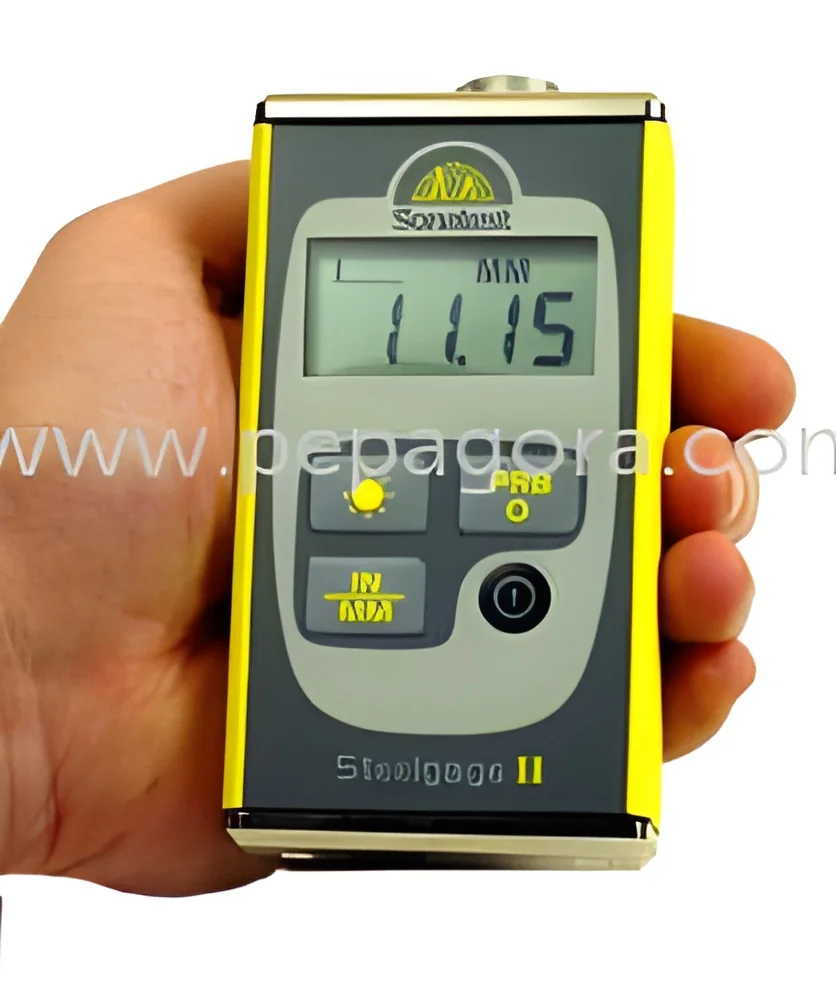
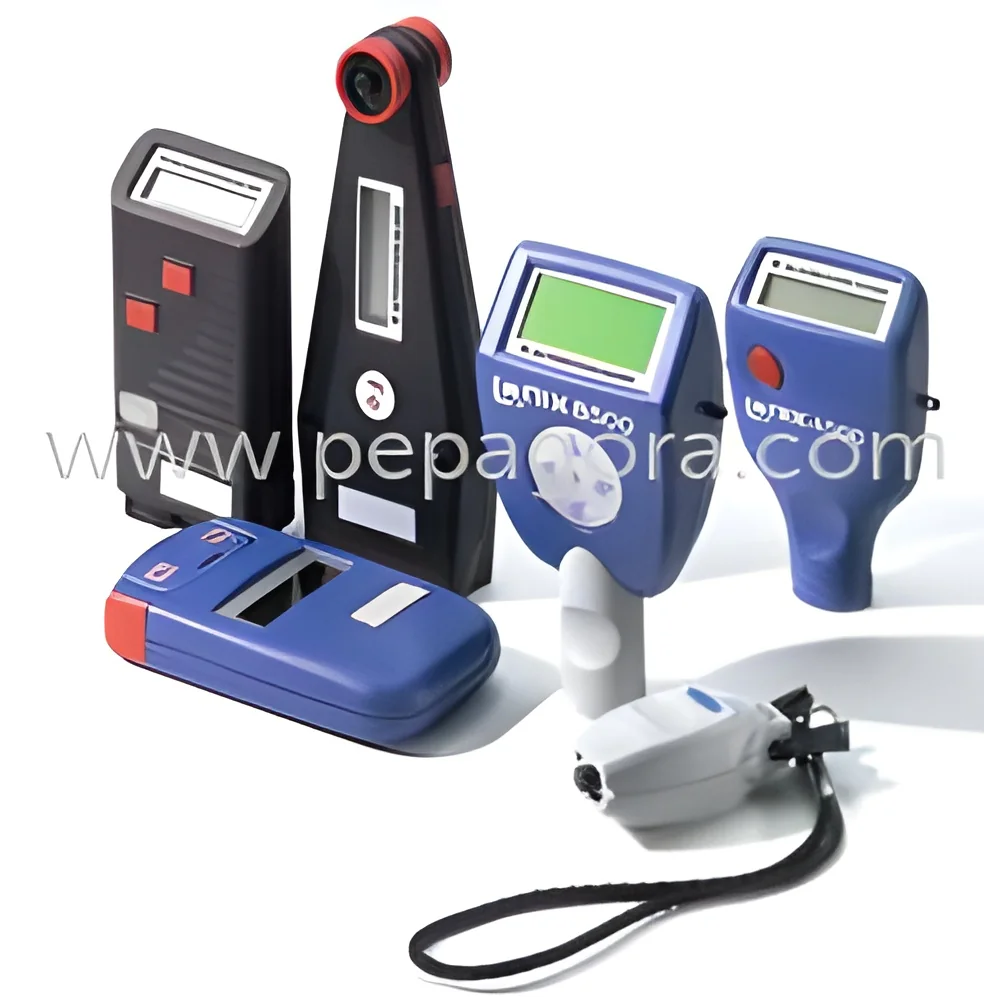
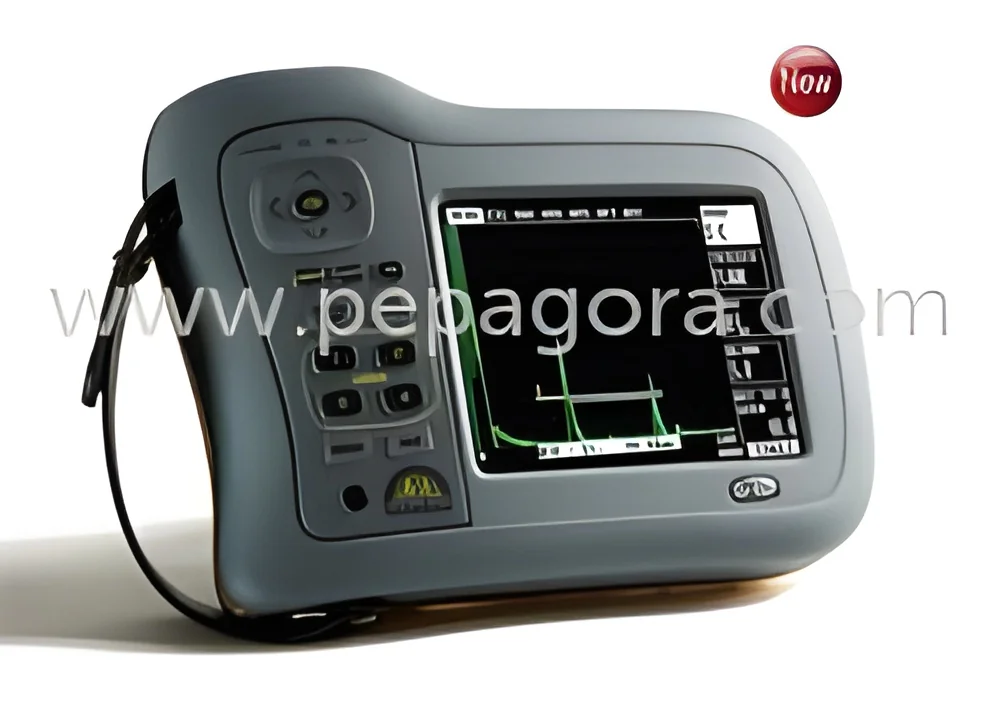
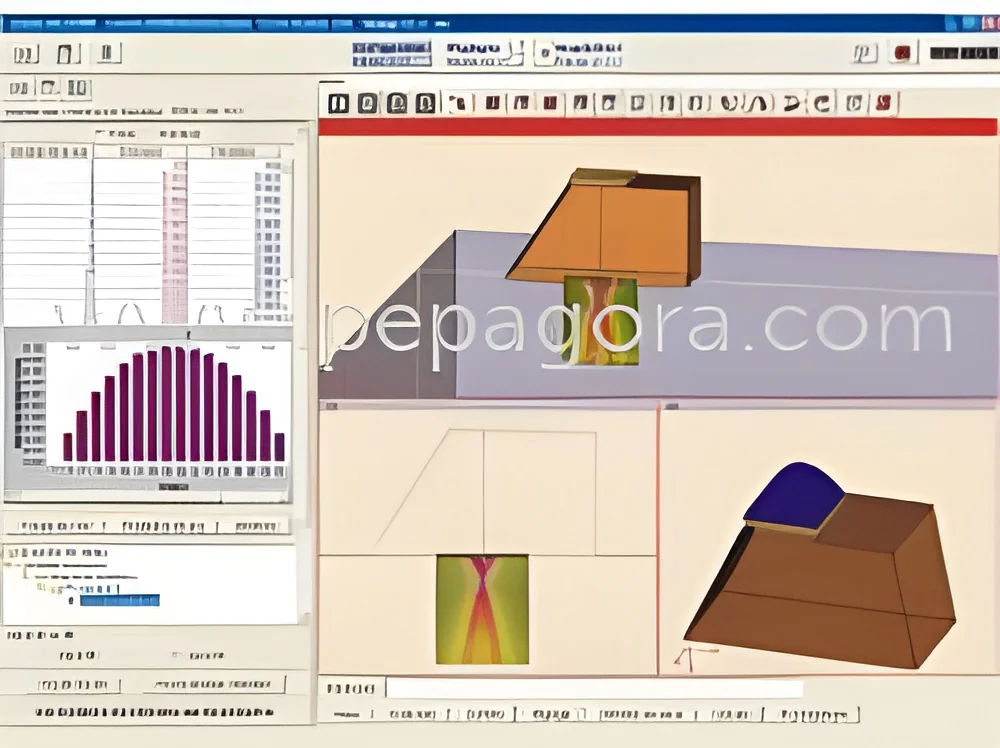
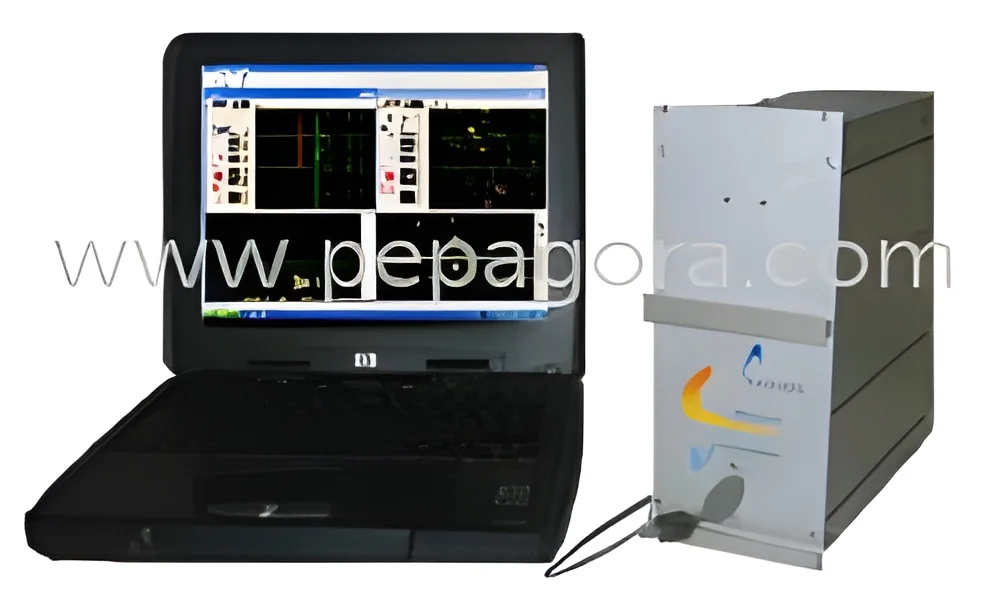
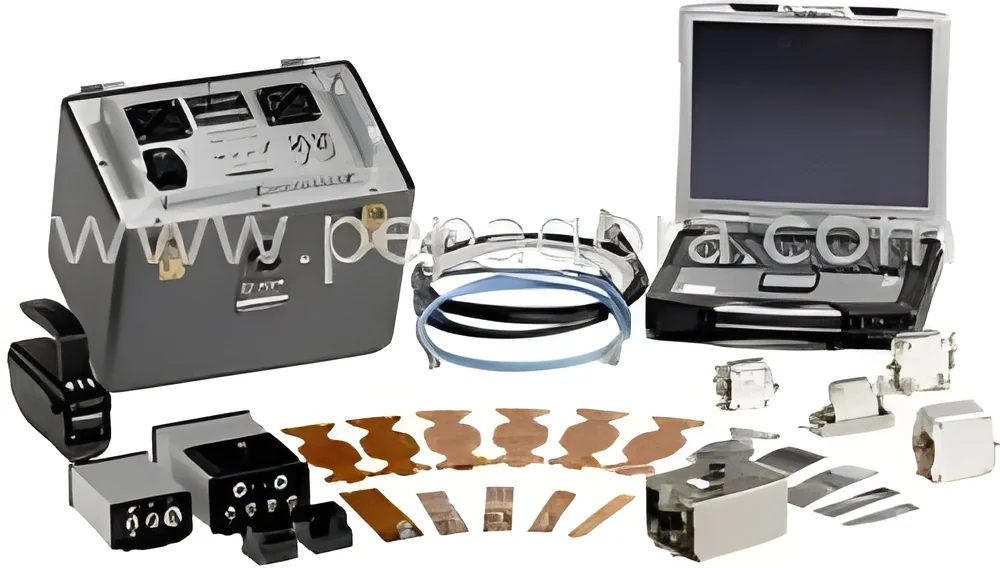
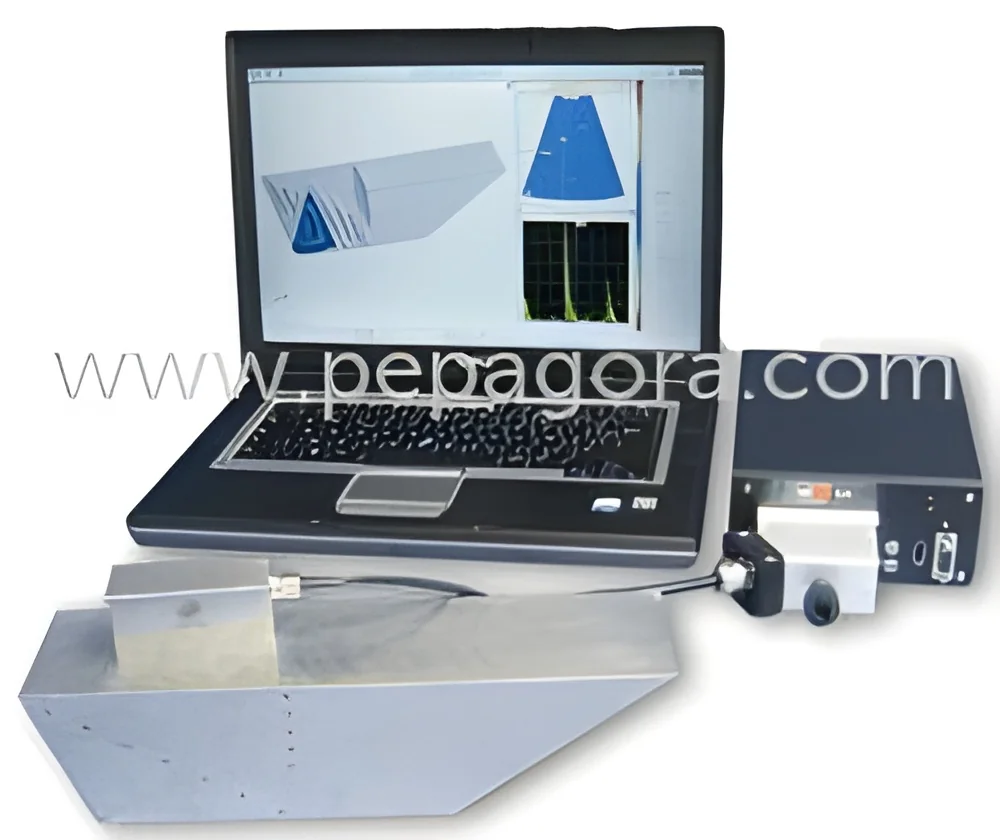
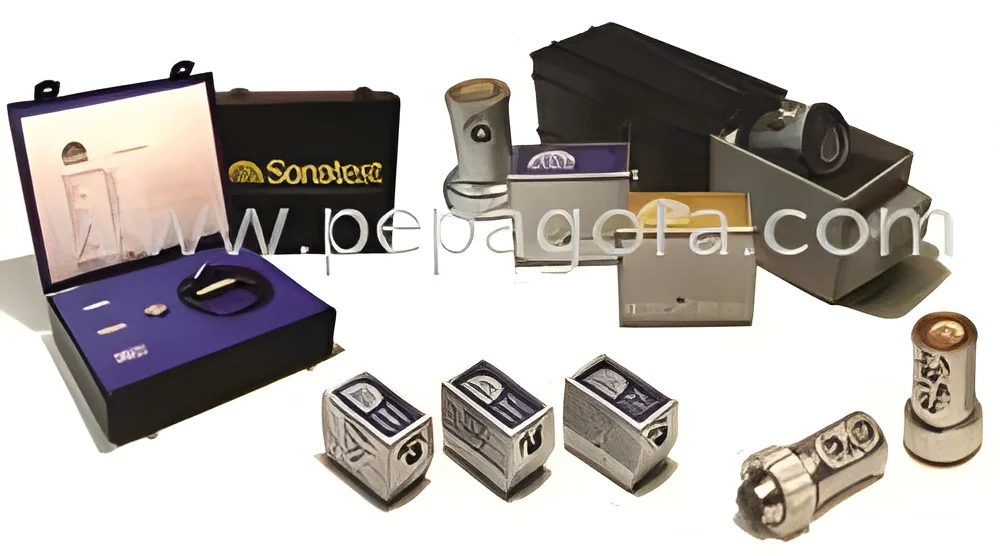
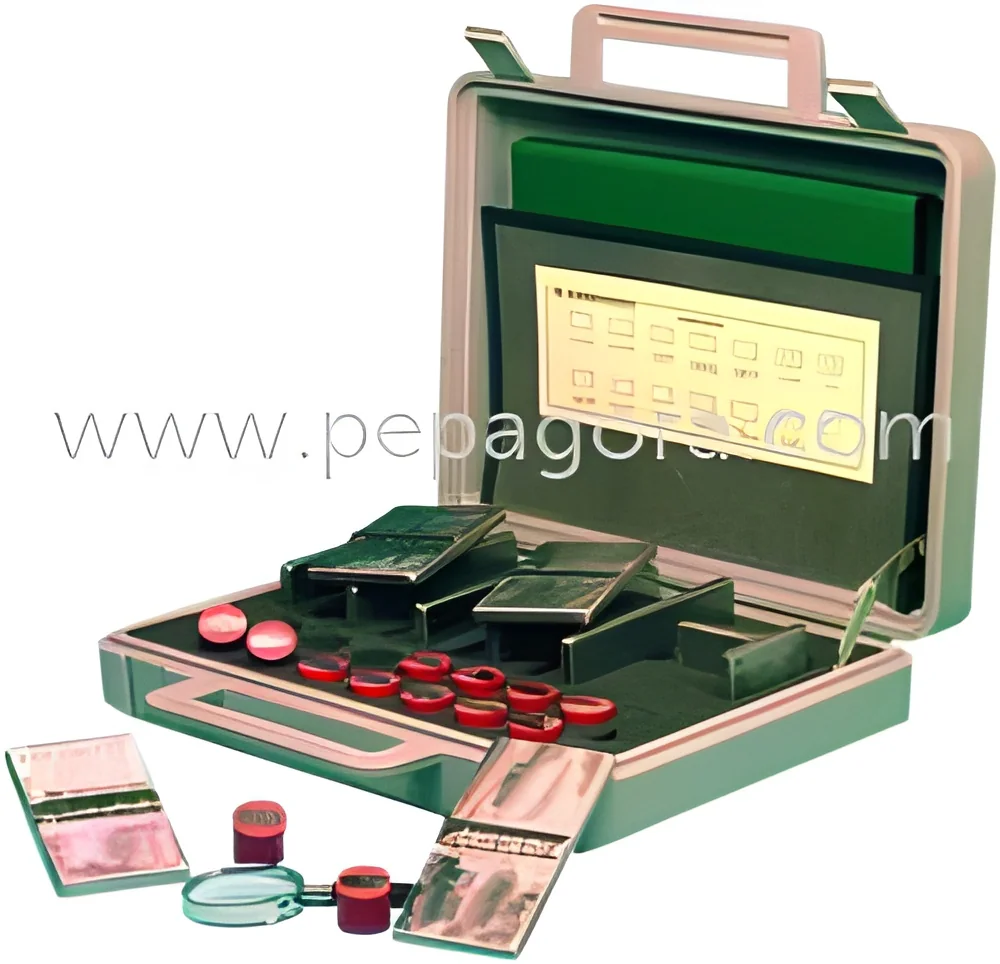
NDE Educational Kits and Flawed Specimen Sets are precision-crafted training tools designed for professional non-destructive testing (NDT) applications. Each kit contains meticulously manufactured specimens with intentionally induced, real-world flaws such as cracks, porosity, lack of fusion, and inclusions. Every flaw is carefully documented with its exact type, size, and location, providing complete transparency for educational and calibration purposes. These tools are indispensable for organizations that need to verify the performance of their NDT equipment, validate testing methodologies, and train personnel to detect and accurately characterize material discontinuities. Manufactured to exacting tolerances, they deliver consistent, reliable results essential for both skill development and ensuring measurement accuracy across various industrial inspection scenarios.

These training kits serve critical roles in industries where undetected material flaws can lead to safety hazards, op...
NDE Educational Kits and Flawed Specimen Sets are precision-crafted training tools designed for professional non-destructive testing (NDT) applications. Each kit contains meticulously manufactured specimens with intentionally induced, real-world flaws such as cracks, porosity, lack of fusion, and inclusions. Every flaw is carefully documented with its exact type, size, and location, providing complete transparency for educational and calibration purposes. These tools are indispensable for organizations that need to verify the performance of their NDT equipment, validate testing methodologies, and train personnel to detect and accurately characterize material discontinuities. Manufactured to exacting tolerances, they deliver consistent, reliable results essential for both skill development and ensuring measurement accuracy across various industrial inspection scenarios.

These training kits serve critical roles in industries where undetected material flaws can lead to safety hazards, operational failures, or significant financial loss. The aerospace industry uses them to train technicians in detecting minute flaws in turbine blades, airframe structures, and landing gear components. Manufacturing and automotive sectors employ the specimens to qualify inspectors for castings, forgings, and welded assemblies, ensuring compliance with stringent quality protocols. The power generation and oil & gas industries rely on them for training personnel in the inspection of pressure vessels, pipelines, and storage tanks. Furthermore, construction and infrastructure companies utilize these kits to certify welder and inspector proficiency for bridges, buildings, and heavy machinery, while technical institutes integrate them into curricula to provide students with practical, industry-relevant NDT experience.

The business value of these kits is rooted in risk mitigation, compliance assurance, and operational excellence. By providing a known, repeatable standard, they enable organizations to confirm their inspection equipment is calibrated correctly and their personnel are trained to a high level of competency. This directly reduces the likelihood of missed defects that could cause catastrophic failures, unplanned downtime, or safety incidents. The investment in high-quality training specimens leads to improved inspection accuracy, enhanced safety records, and reduced liability. Their reliability ensures consistent training outcomes and equipment validation over time, making them a cost-effective, long-term asset for maintaining rigorous quality assurance standards and building a culture of technical proficiency within any inspection team.

Key Features:
- Specimens contain precisely engineered, real-world flaws like cracks, porosity, and inclusions.
- Comprehensive documentation provided for each flaw, detailing exact type, size, and location.
- Manufactured from industrial-grade materials for durability and repeated training use.
- Designed and produced to meet relevant international calibration and training standards.
- Flaw characteristics are consistent and repeatable for reliable training and equipment verification.

Benefits:
- Enhances technician skill and accuracy in flaw detection through realistic, hands-on practice.
- Ensures NDT equipment is properly calibrated for accurate field measurements.
- Supports personnel certification and compliance with industry quality standards.
- Reduces operational risk by improving the reliability of material inspection processes.
- Provides a long-lasting, reliable training resource that delivers consistent educational outcomes.
Specifications
| Additional Information | |
|---|---|
| Country of Origin | India |
Application
These NDE educational kits provide essential hands-on training for technicians learning non-destructive testing methods. The precisely engineered flawed specimens allow trainees to practice identifying and sizing real-world defects in a controlled environment, building practical skills that translate directly to field operations. This practical experience is crucial for developing the accuracy and confidence needed in high-stakes industrial settings.
Industries reliant on material integrity and safety utilize these kits for personnel certification and equipment verification. From manufacturing plants to energy infrastructure, these specimens help validate testing procedures against international standards. They serve as a reliable benchmark for ensuring quality control systems are functioning correctly and that inspection teams can consistently identify potential failures before they become critical issues.
- Calibrating ultrasonic and eddy current testing equipment in manufacturing quality control labs.
- Training new inspectors to identify weld defects, cracks, and inclusions in metal components.
- Conducting proficiency tests and recertification for NDT personnel in the oil and gas sector.
- Validating phased array ultrasonic testing (PAUT) procedures for pipeline and structural inspections.
- Educational demonstrations in technical colleges and vocational training centers for future inspectors.
Trade Details
| Available Stock | In Stock |
| Sample Availability | No |
Payment Terms
| Payment Terms |
|
Company Profile
Ndts India (P) Ltd, Maharashtra
 Maharashtra, India
Maharashtra, IndiaTools & Hardware•Manufacturer•Trading Company•Distributor / Wholesaler
Factory Details
Factory SizeBelow 1000 sqm
Annual Production Capacity0
NDE Educational Kits Flawed Specimen Sets Industrial Training Calibration
NDE Educational Kits and Flawed Specimen Sets for industrial training and equipment calibration. These precision-engineered kits contain real, documented defects for reliable NDT validation and accurate flaw detection training.
Min. Order Quantity: 1 unit
Shipping
Shipping fee and delivery date to be negotiated. Contact supplier now for more details.
Ndts India (P) Ltd
 Maharashtra, India
Maharashtra, IndiaTools & HardwareManufacturer