IN
IN₹
Apparel & Fashion
Description
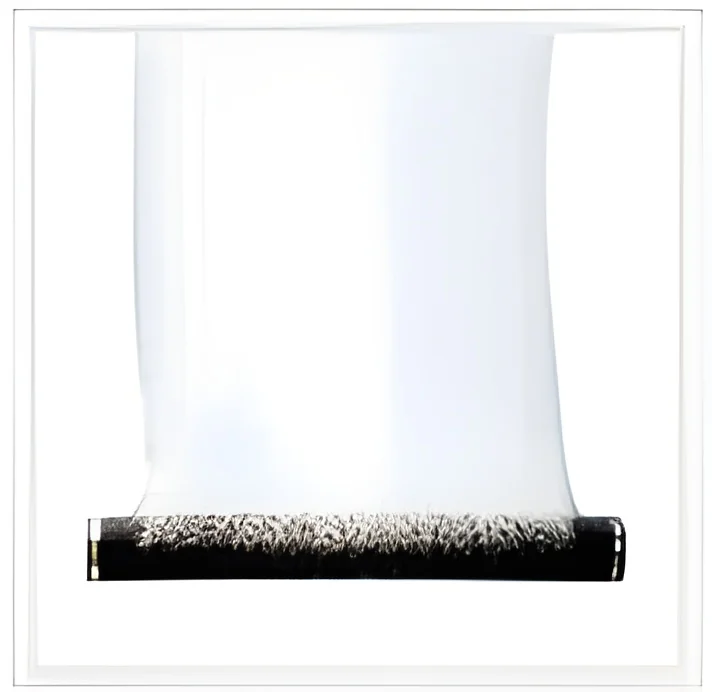
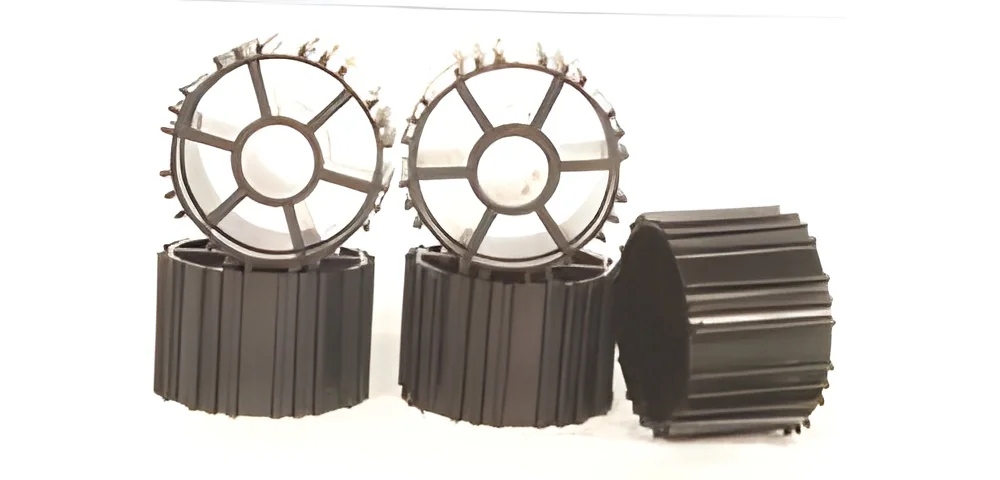
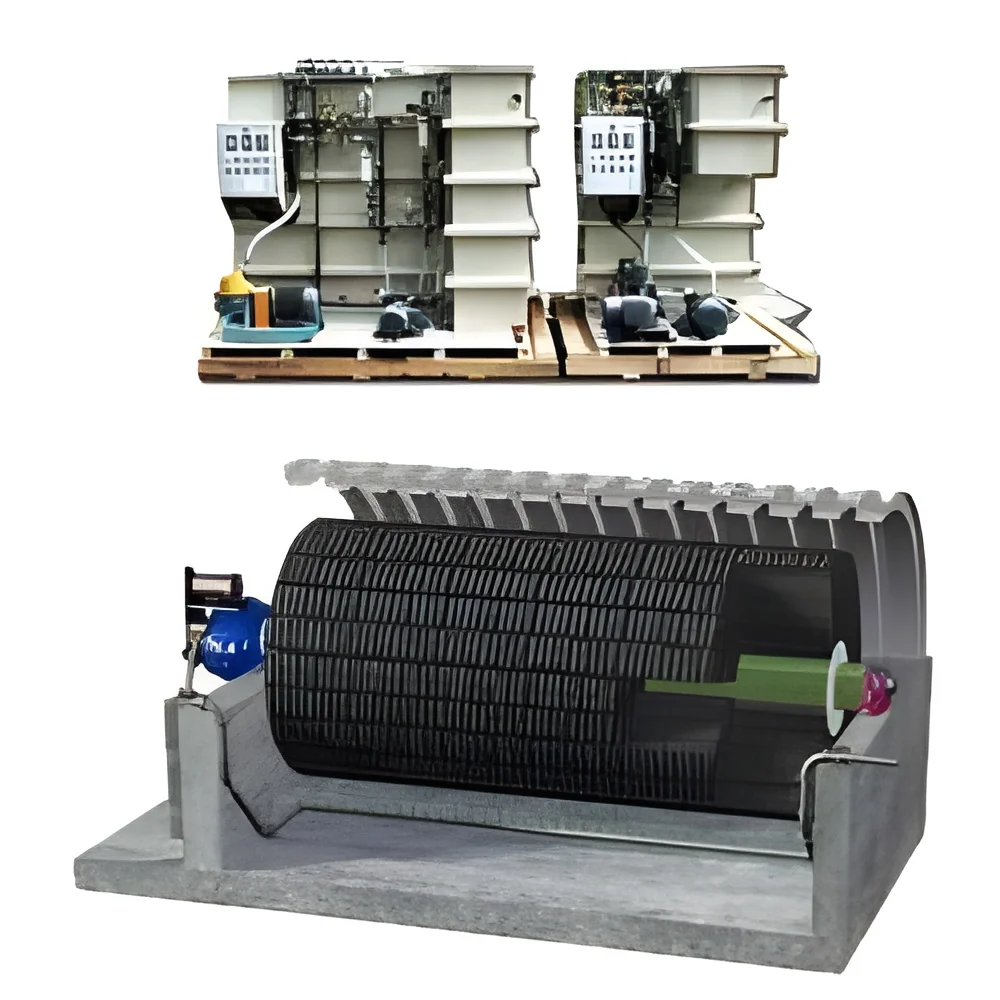
RBC Drums, or Rotating Biological Contactors, are advanced wastewater treatment systems designed for the efficient biological degradation of organic pollutants. They consist of large, partially submerged discs that rotate, supporting a robust microbial biofilm. As the discs turn, the microbes alternately contact the wastewater for nutrient uptake and the air for oxygen, enabling continuous aerobic treatment. This simple yet highly effective mechanical design minimizes complexity while delivering consistent, high-efficiency treatment. Known for reliability and operational ease, these systems are a preferred solution for sustainable wastewater management across both public and private sectors, requiring minimal intervention for maximum output.

These systems are extensively deployed in municipal facilities for secondary treatment, significantly reducing key parameters like Biochemical Oxygen Demand (BOD), Chemical Oxygen Demand (COD), and ammonia. Industries with high-strength organic wa...
RBC Drums, or Rotating Biological Contactors, are advanced wastewater treatment systems designed for the efficient biological degradation of organic pollutants. They consist of large, partially submerged discs that rotate, supporting a robust microbial biofilm. As the discs turn, the microbes alternately contact the wastewater for nutrient uptake and the air for oxygen, enabling continuous aerobic treatment. This simple yet highly effective mechanical design minimizes complexity while delivering consistent, high-efficiency treatment. Known for reliability and operational ease, these systems are a preferred solution for sustainable wastewater management across both public and private sectors, requiring minimal intervention for maximum output.

These systems are extensively deployed in municipal facilities for secondary treatment, significantly reducing key parameters like Biochemical Oxygen Demand (BOD), Chemical Oxygen Demand (COD), and ammonia. Industries with high-strength organic waste, including food and beverage processing, pharmaceutical production, textile manufacturing, and chemical plants, utilize RBC Drums to treat their effluents before safe discharge or potential reuse. The technology is particularly valuable in regions with stringent environmental regulations, providing a dependable method for compliance. Their modular design allows for seamless integration into existing treatment infrastructure or deployment as standalone units tailored to specific process streams, offering great flexibility for plant upgrades and expansions.

The business value of RBC Drums is clear in their reduced operational costs, primarily through lower energy consumption compared to other aeration systems and minimal maintenance requirements. Their mechanical simplicity and durable construction translate to a long service life and excellent return on investment. Reliability is a key differentiator; they provide consistent treatment performance even under variable hydraulic and organic loading conditions, minimizing downtime and operational risk. This proven performance across countless global installations gives buyers confidence in their operational stability and treatment consistency, making them a sound, low-risk investment for long-term wastewater management strategy.

Key Features:
- Rotating disc design enables continuous, efficient biological treatment
- High-density microbial biofilm support for optimal pollutant breakdown
- Constructed with corrosion-resistant materials for long-lasting durability
- Modular configuration allows for easy system scalability and expansion
- Engineered for low energy consumption during operation

Benefits:
- Delivers consistent, high-performance wastewater treatment with minimal operational oversight
- Significantly reduces energy costs compared to conventional aeration systems
- Offers low maintenance requirements and long-term operational reliability
- Provides scalability to adapt to changing treatment capacity needs
- Ensures compliance with environmental discharge regulations through effective pollutant removal
Specifications
| Additional Information | |
|---|---|
| Country of Origin | India |
Application
RBC Drums are engineered for municipal wastewater treatment plants, effectively reducing organic matter and ammonia. Their robust, low-maintenance design handles fluctuating sewage loads, making them ideal for urban systems and smaller community plants that require dependable, consistent operation without complex oversight.
In industrial settings, these systems treat organic-rich wastewater from sectors like food processing, pharmaceuticals, and textiles. They reliably break down pollutants to meet strict discharge standards. Their scalable and adaptable nature allows them to be tailored to specific effluent characteristics, ensuring effective treatment for diverse industrial processes.
- Municipal sewage treatment for BOD and ammonia removal
- Managing wastewater from food and beverage production
- Treating effluent from pharmaceutical manufacturing
- Purifying wastewater from textile dyeing and processing
- Bioremediation of wastewater in petrochemical and refinery operations
Trade Details
| Available Stock | In Stock |
| Sample Availability | No |
Payment Terms
| Payment Terms |
|
Company Profile

Bajrang Enviro Engineers, Andhra Pradesh
 Andhra Pradesh, India
Andhra Pradesh, IndiaIndustrial Equipment & Machinery•Manufacturer•Distributor / Wholesaler
Factory Details
Factory SizeBelow 1000 sqm
Annual Production Capacity0
Wastewater Treatment RBC Drums For Municipal And Industrial Applications
RBC Drums are rotating biological contactors for efficient municipal and industrial wastewater treatment, offering high performance, reliability, and cost savings through simple design and easy installation.
Min. Order Quantity: 1 unit
Shipping
Shipping fee and delivery date to be negotiated. Contact supplier now for more details.
Bajrang Enviro Engineers
 Andhra Pradesh, India
Andhra Pradesh, IndiaIndustrial Equipment & MachineryManufacturer