IN
IN₹
Apparel & Fashion
Loading subcategories...
View More
Description
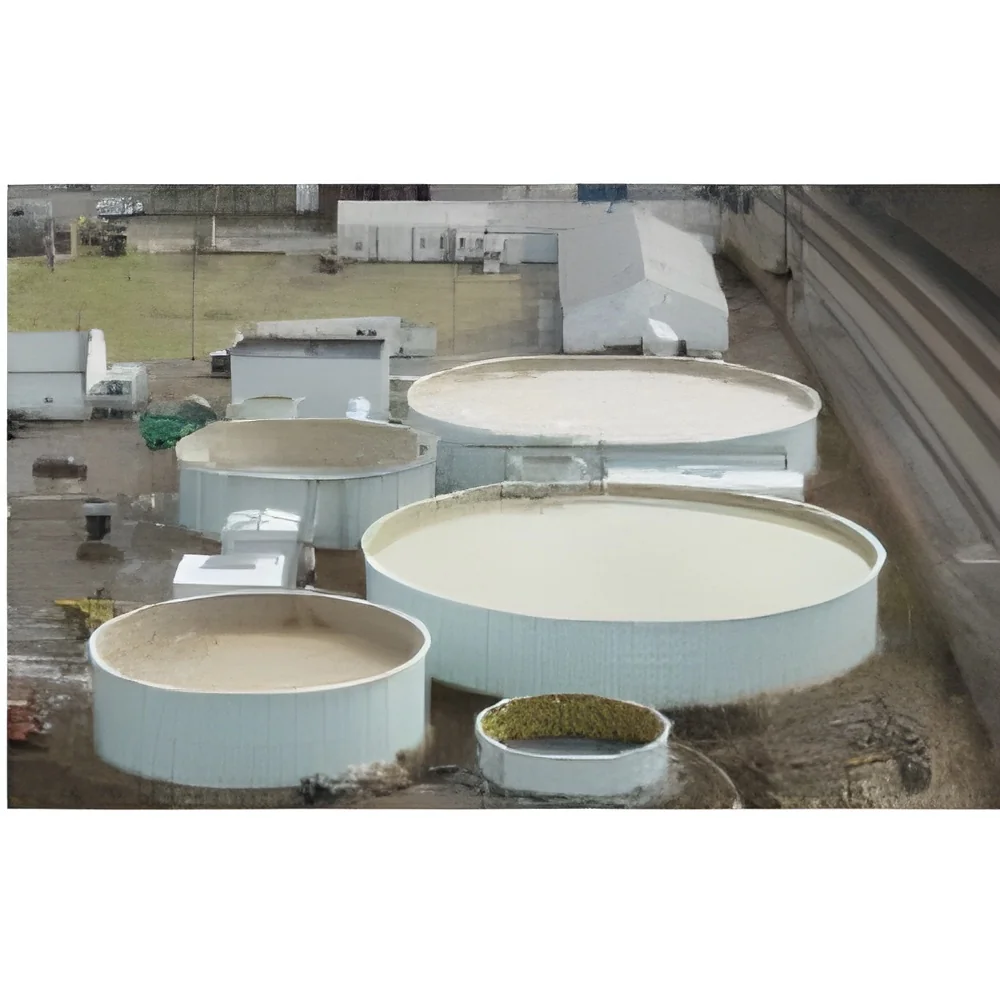
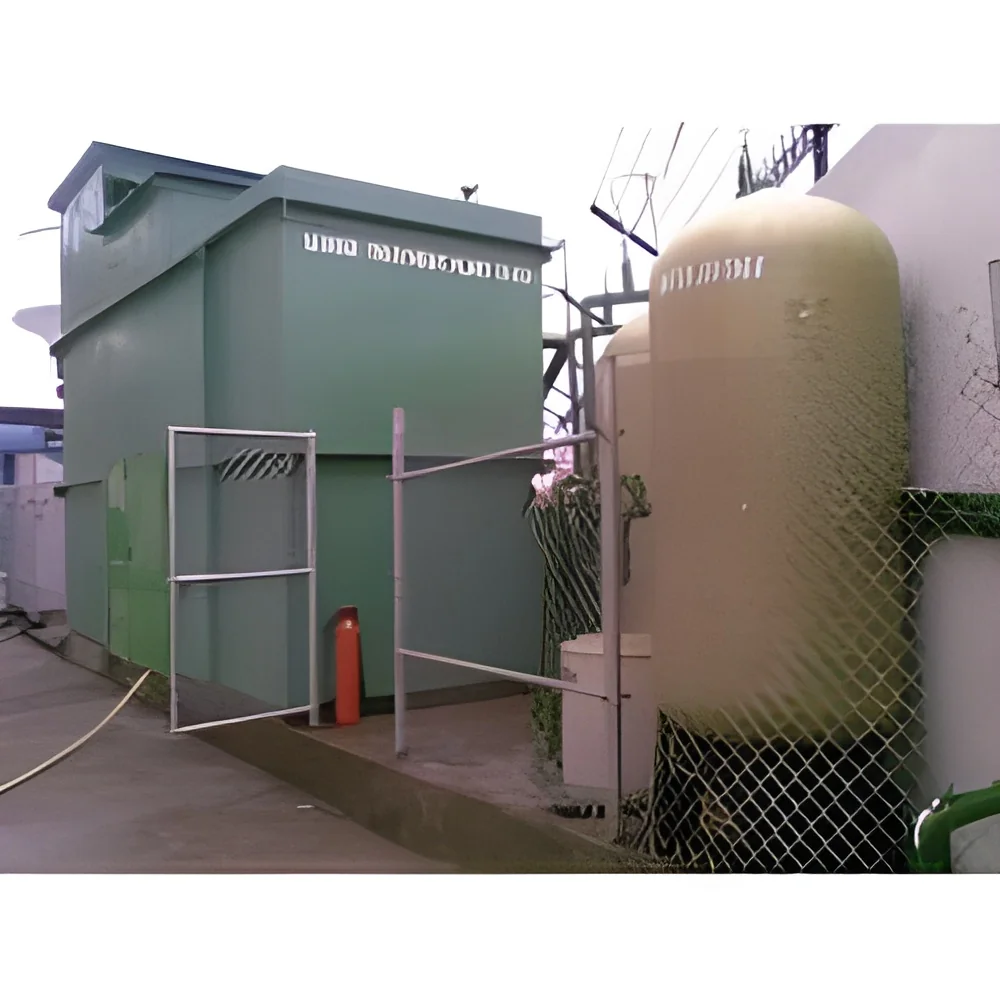
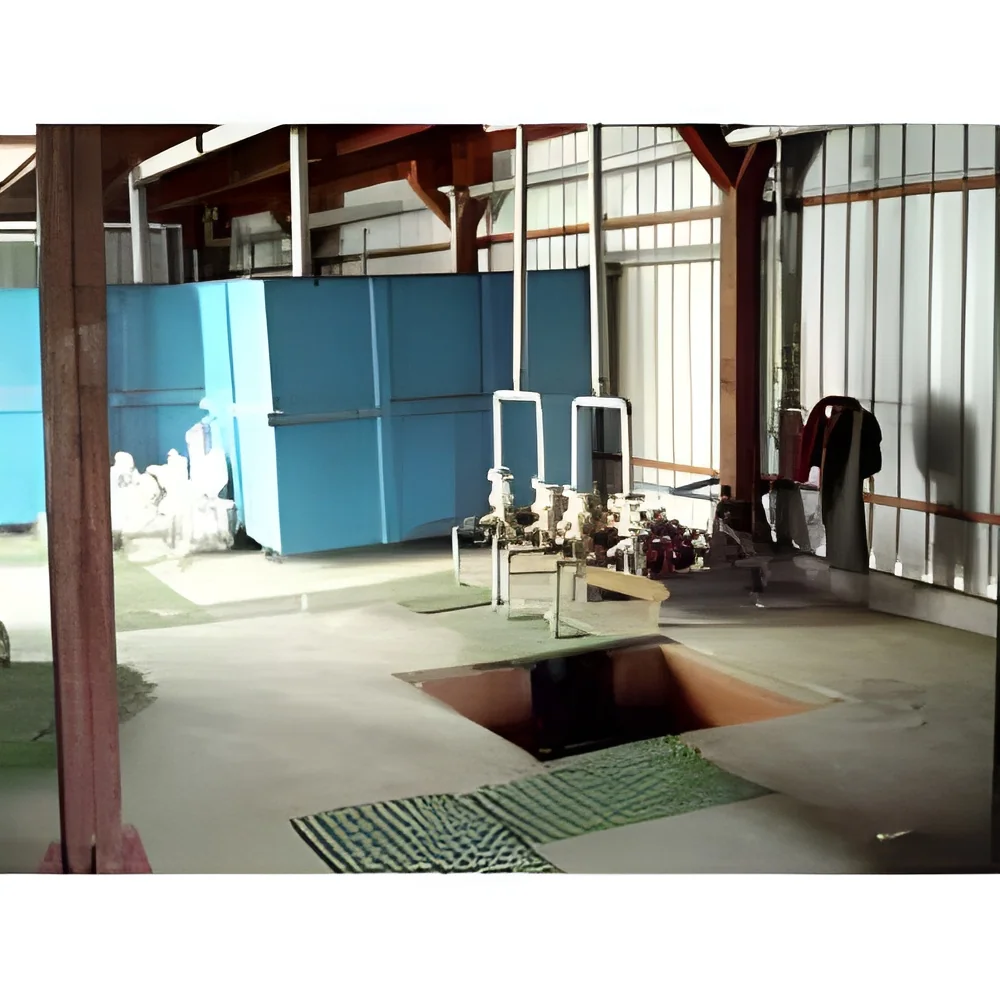
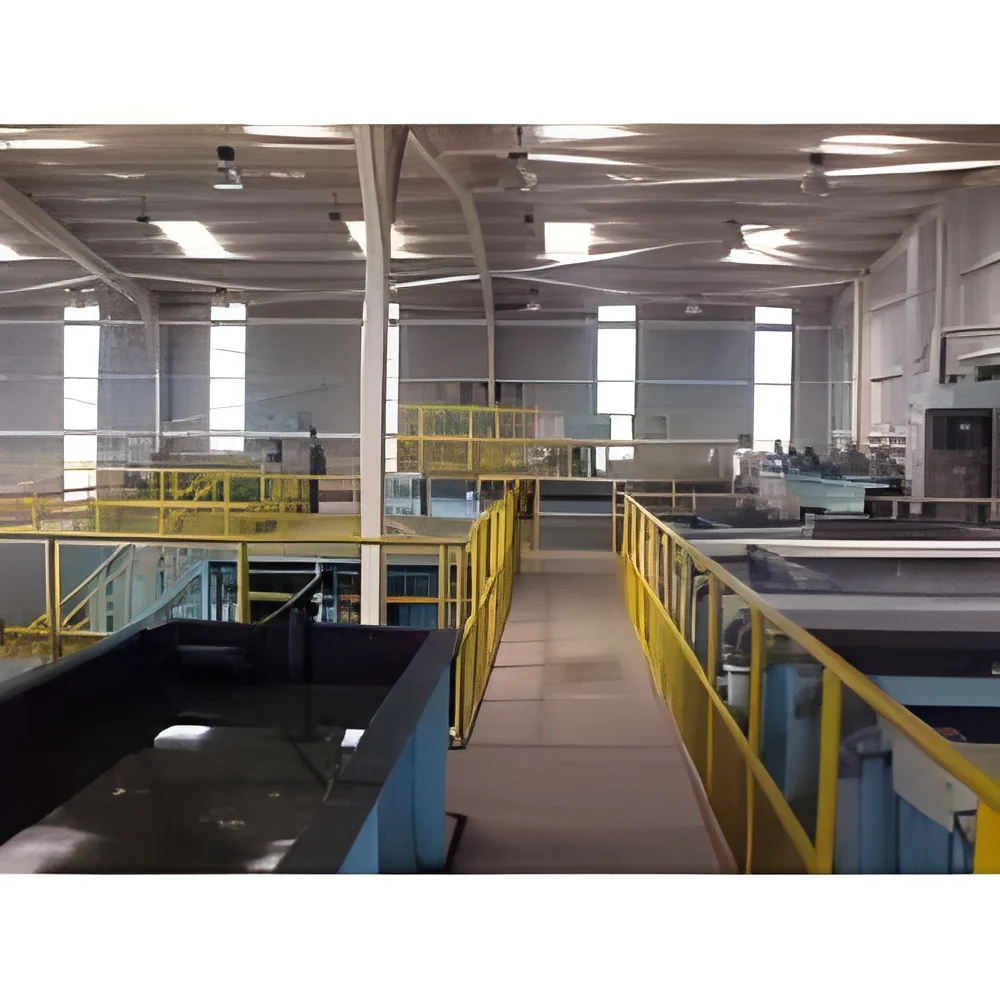
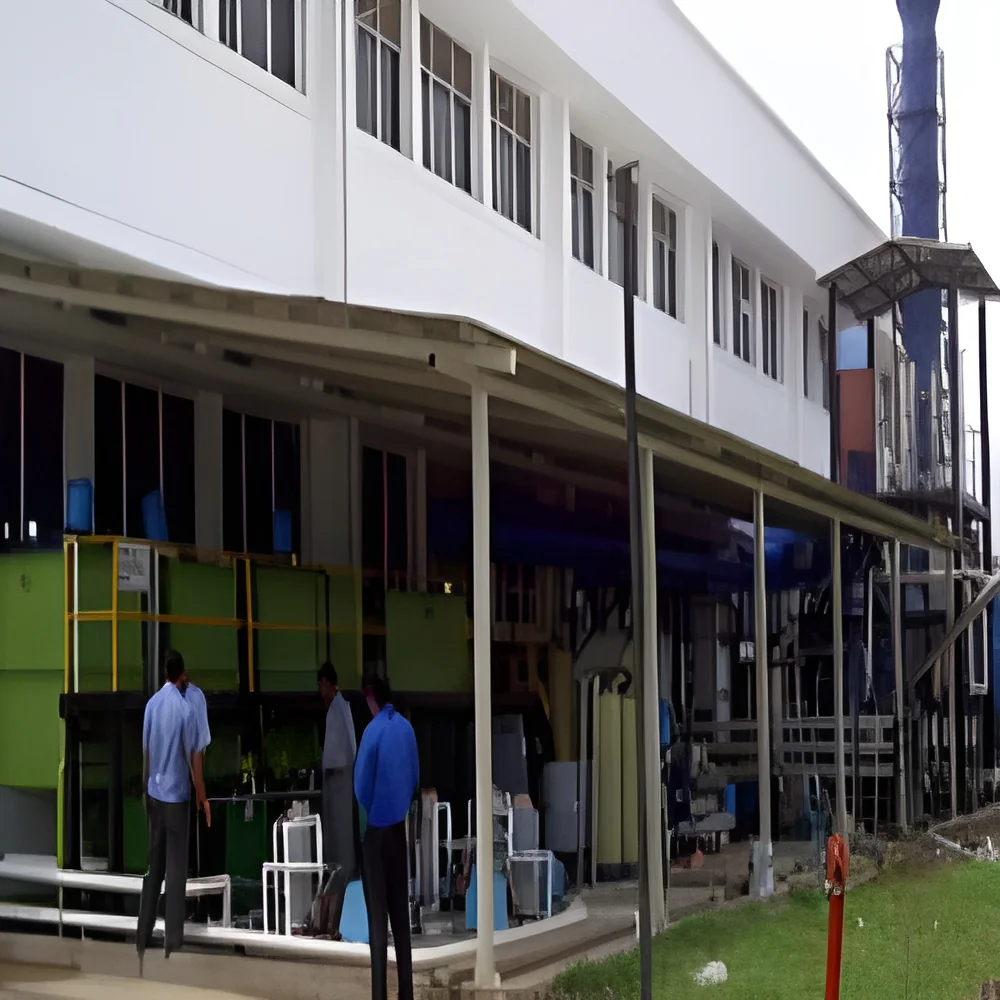
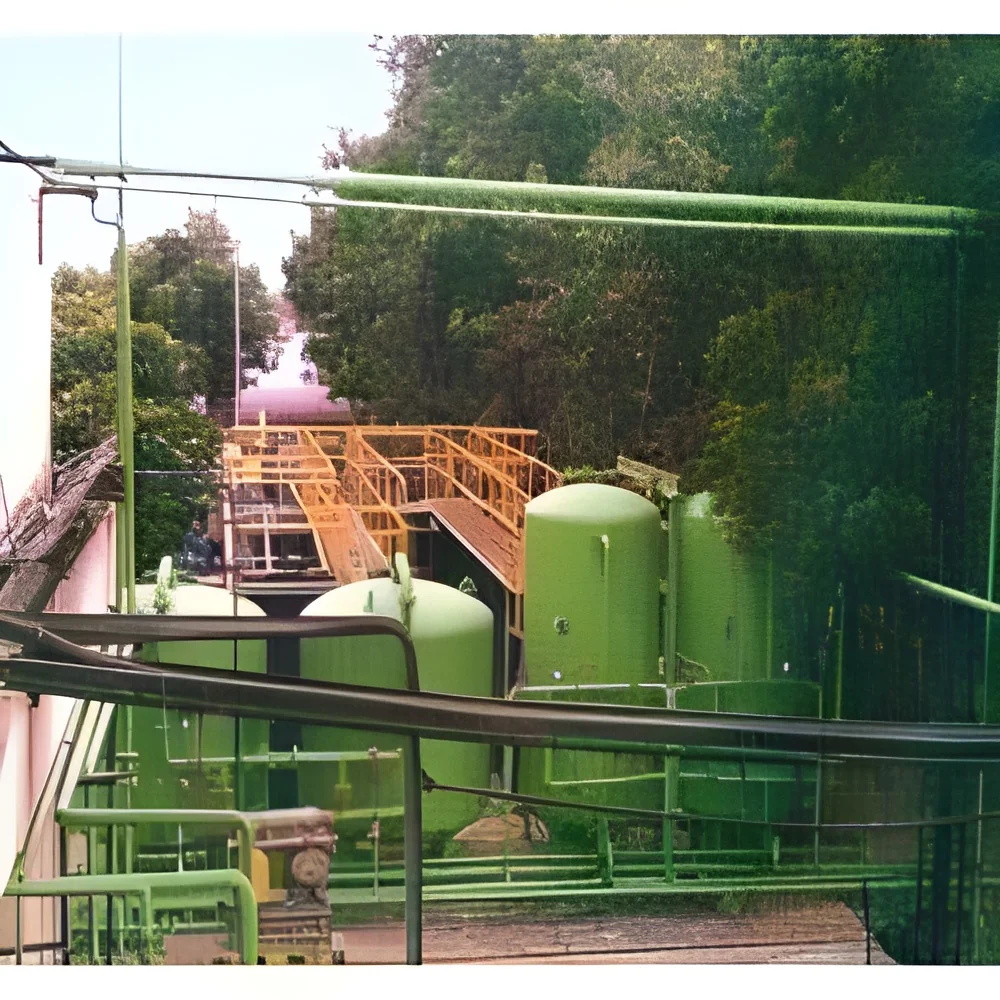
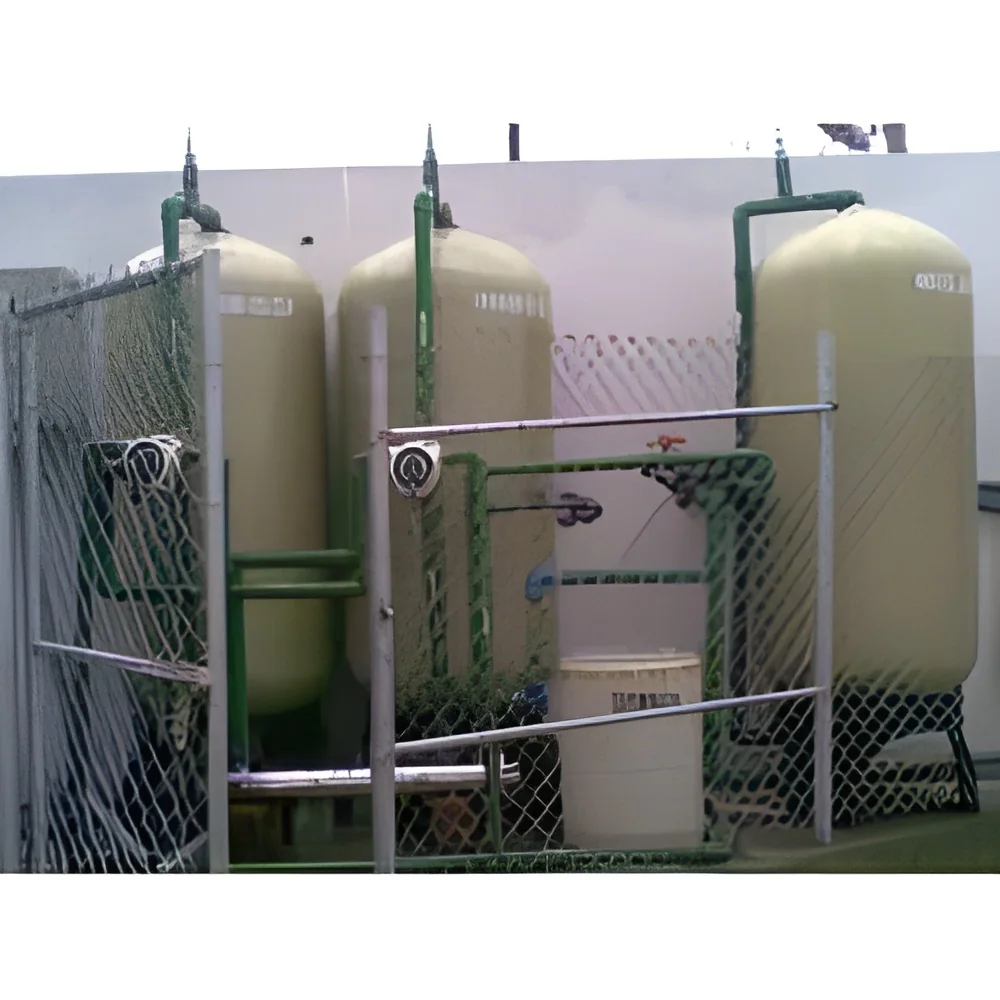
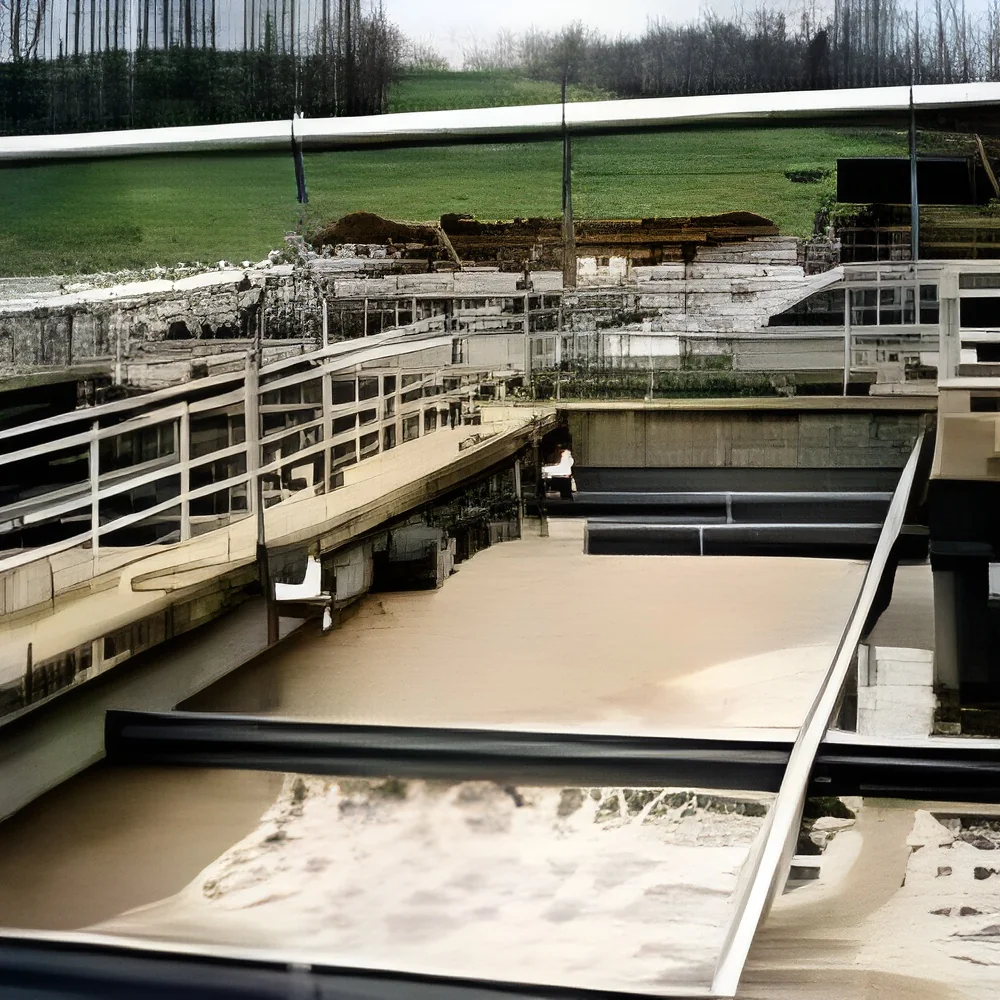
Biological sewage treatment plants provide advanced wastewater purification through natural microbial processes that effectively break down organic pollutants. These systems utilize carefully cultivated microorganisms to consume organic matter, transforming harmful contaminants into harmless byproducts. The treatment process occurs through aerobic and anaerobic biological reactions that efficiently reduce biochemical oxygen demand (BOD), chemical oxygen demand (COD), and suspended solids. Engineered for consistent performance, these plants maintain optimal microbial activity through precisely controlled environmental conditions, ensuring reliable organic matter removal regardless of seasonal variations or changing wastewater characteristics. The biological treatment approach offers a natural, sustainable alternative to chemical-intensive methods, producing treated water that meets stringent discharge standards while minimizing environmental impact.

These treatment systems serve critic...
Biological sewage treatment plants provide advanced wastewater purification through natural microbial processes that effectively break down organic pollutants. These systems utilize carefully cultivated microorganisms to consume organic matter, transforming harmful contaminants into harmless byproducts. The treatment process occurs through aerobic and anaerobic biological reactions that efficiently reduce biochemical oxygen demand (BOD), chemical oxygen demand (COD), and suspended solids. Engineered for consistent performance, these plants maintain optimal microbial activity through precisely controlled environmental conditions, ensuring reliable organic matter removal regardless of seasonal variations or changing wastewater characteristics. The biological treatment approach offers a natural, sustainable alternative to chemical-intensive methods, producing treated water that meets stringent discharge standards while minimizing environmental impact.

These treatment systems serve critical roles across multiple sectors where organic wastewater management is essential. Municipal water treatment facilities implement these plants for urban sewage processing, handling large volumes of domestic wastewater while ensuring public health protection. Industrial applications include food processing plants managing high-strength organic effluents, pharmaceutical manufacturers treating complex waste streams, and textile industries processing dye-containing wastewater. Agricultural operations utilize these systems for livestock waste management, converting animal effluent into safer discharge water. Healthcare institutions rely on biological treatment for proper sanitation of medical wastewater, while hospitality establishments ensure environmental compliance through effective sewage treatment. The versatility of these plants makes them suitable for both centralized and decentralized treatment scenarios.

The operational reliability of biological sewage treatment plants delivers significant business value through reduced operational costs and long-term performance consistency. These systems minimize energy consumption compared to conventional treatment methods, leveraging natural biological processes that require less mechanical intervention and chemical usage. The robust construction ensures durability against corrosive wastewater environments, extending equipment lifespan and reducing replacement frequency. Low maintenance requirements translate to decreased labor costs and minimal operational disruptions. The consistent treatment performance ensures continuous regulatory compliance, avoiding potential fines and operational shutdowns. By implementing these biological treatment solutions, organizations demonstrate environmental responsibility while achieving cost-effective wastewater management that supports sustainable operations and community relations.

Key Features:
- Natural microbial processes for efficient organic pollutant breakdown
- Robust construction designed for long-term durability and reliability
- Automated control systems for consistent treatment performance
- Scalable designs accommodating various capacity requirements
- Compact footprint suitable for space-limited installations

Benefits:
- Significant reduction in operational and maintenance costs
- Consistent compliance with environmental discharge standards
- Lower energy consumption compared to conventional treatment methods
- Minimal chemical usage through biological treatment processes
- Reliable performance with automated operational controls
Specifications
| Additional Information | |
|---|---|
| Country of Origin | India |
| Customisable | No |
Application
Our biological sewage treatment plants effectively handle high organic loads in wastewater through natural microbial degradation processes. These systems are engineered for consistent performance across varying inflow conditions, maintaining treatment efficiency while adapting to different pollution levels commonly found in municipal and industrial effluents. The robust biological processes ensure stable operation even with fluctuating wastewater characteristics, providing dependable organic matter removal day after day.
These treatment systems integrate seamlessly into existing infrastructure with minimal modifications required. Their scalable design accommodates future expansion needs while maintaining compact footprints suitable for space-constrained sites. The plants operate with automated controls that simplify daily management, making them practical for facilities with limited technical staff while ensuring consistent treatment quality and regulatory compliance.
- Municipal wastewater treatment facilities processing urban sewage
- Healthcare institutions managing biological waste disposal
- Agricultural operations treating livestock wastewater
- Food processing plants handling organic effluent
- Hospitality establishments managing commercial sewage
Trade Details
| Available Stock | In Stock |
| Sample Availability | No |
Payment Terms
| Payment Terms |
|
Company Profile

Aastha Enviro Engineers Pvt Ltd, Haryana
 Haryana, India
Haryana, IndiaIndustrial Equipment & Machinery•Manufacturer•Distributor / Wholesaler•Importer / Exporter
Factory Details
Factory SizeBelow 1000 sqm
Annual Production Capacity0
Biological Sewage Treatment Plants For Industrial And Municipal Wastewater
Biological sewage treatment plants efficiently remove organic pollutants from industrial and municipal wastewater using natural microbial processes, ensuring environmental compliance and reliable performance for diverse sectors.
Min. Order Quantity: 1 unit
Shipping
Shipping fee and delivery date to be negotiated. Contact supplier now for more details.
Aastha Enviro Engineers Pvt Ltd
 Haryana, India
Haryana, IndiaIndustrial Equipment & MachineryManufacturer