IN
IN₹
Apparel & Fashion
Description
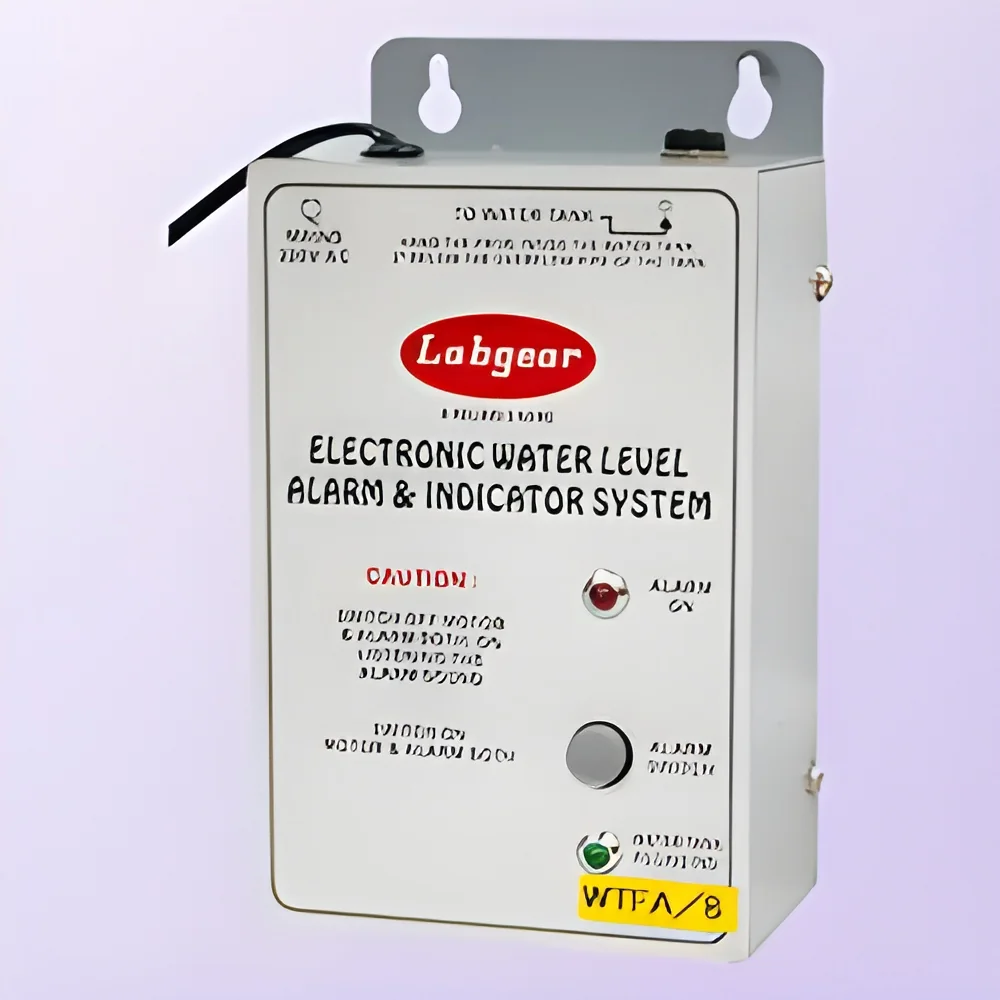
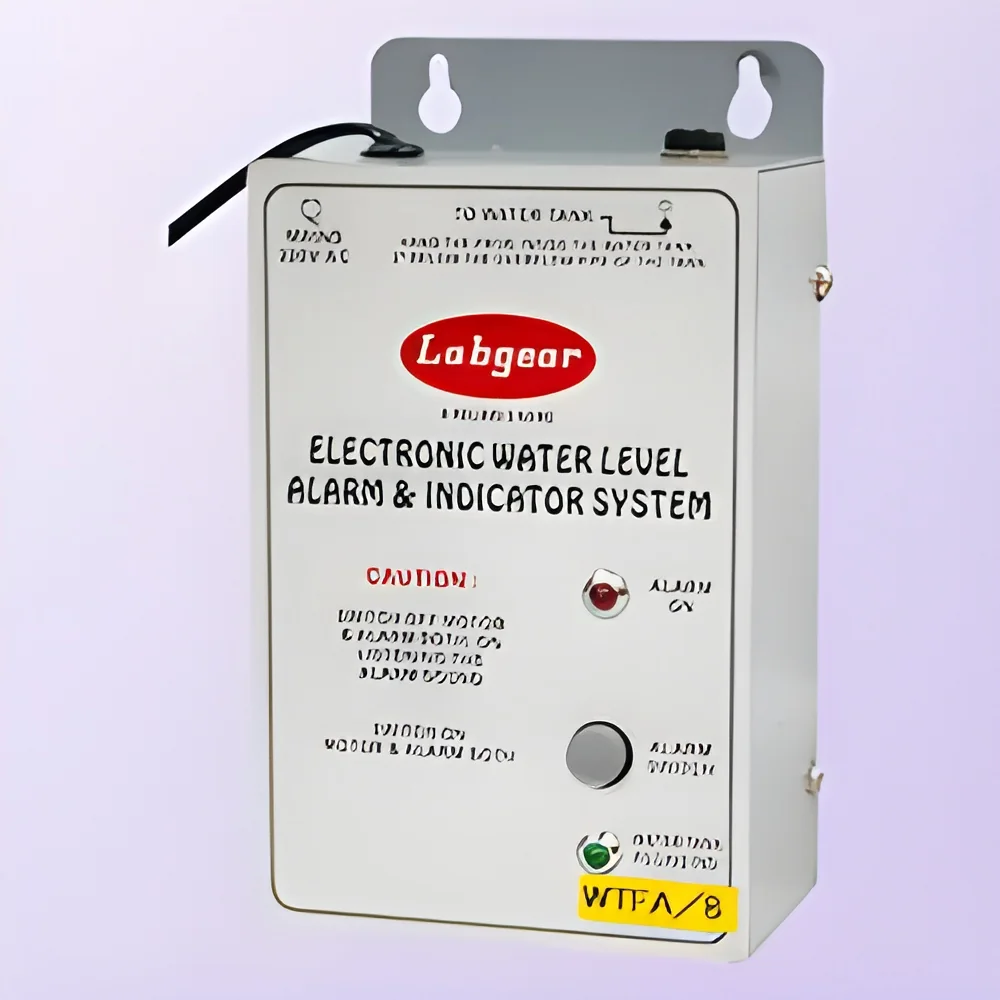
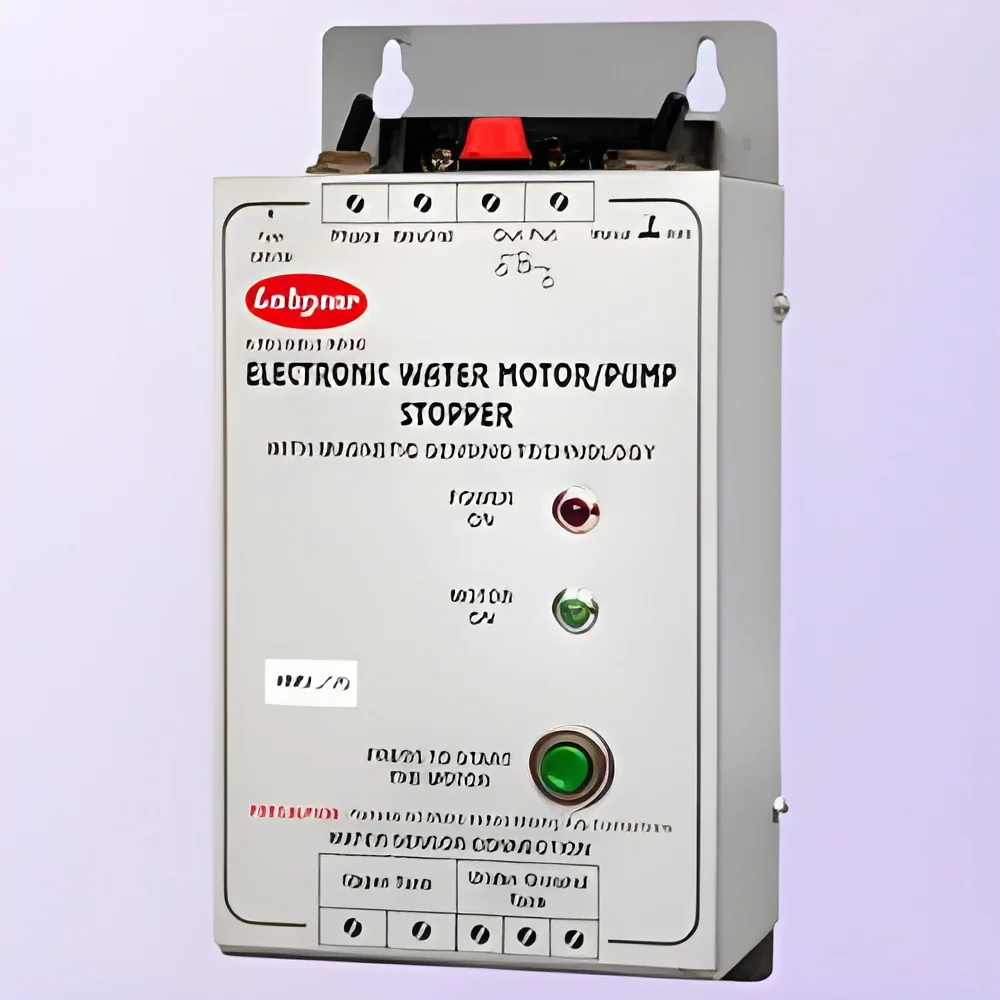
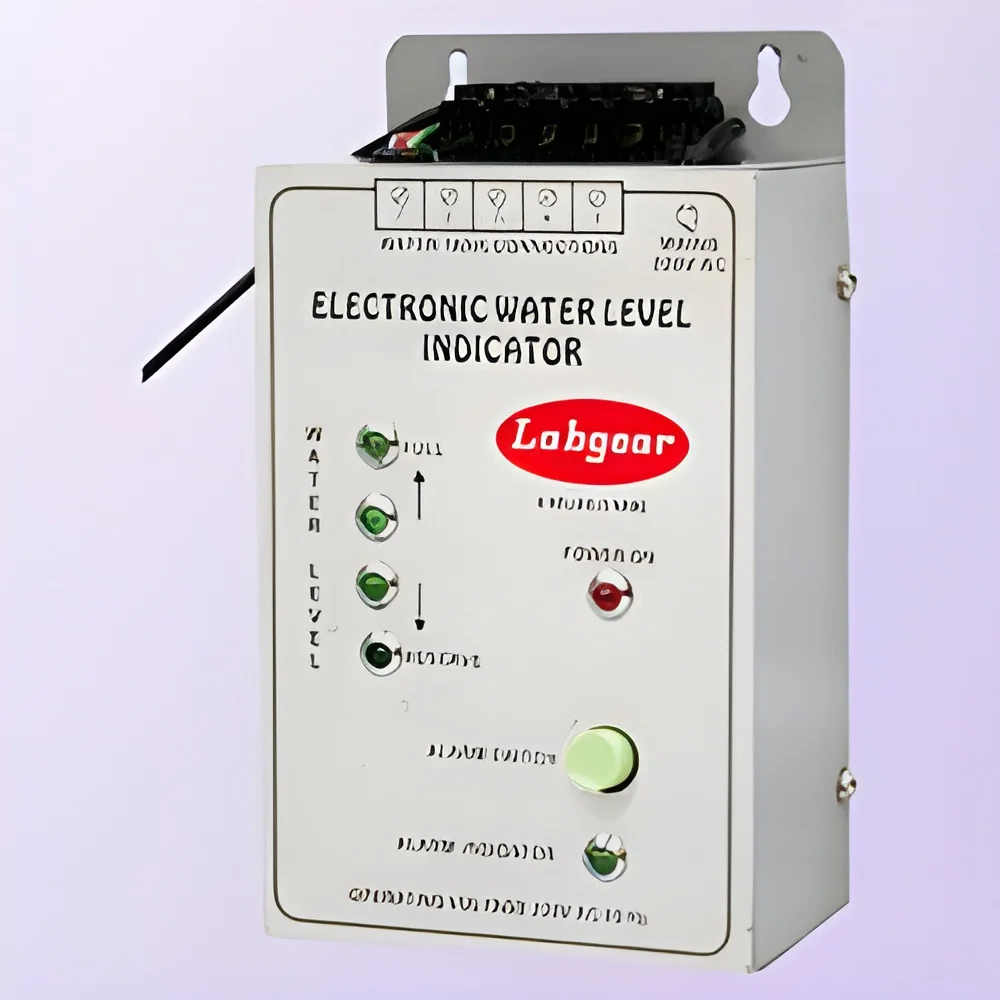
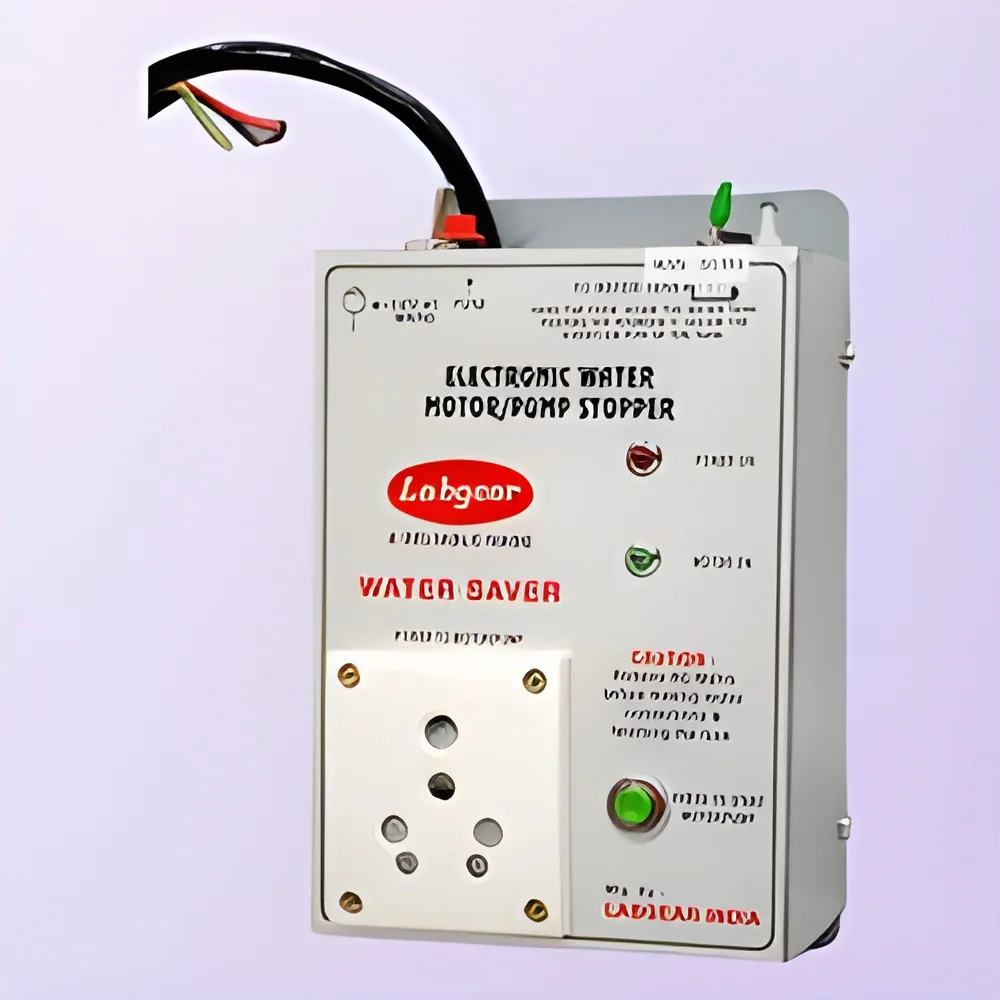
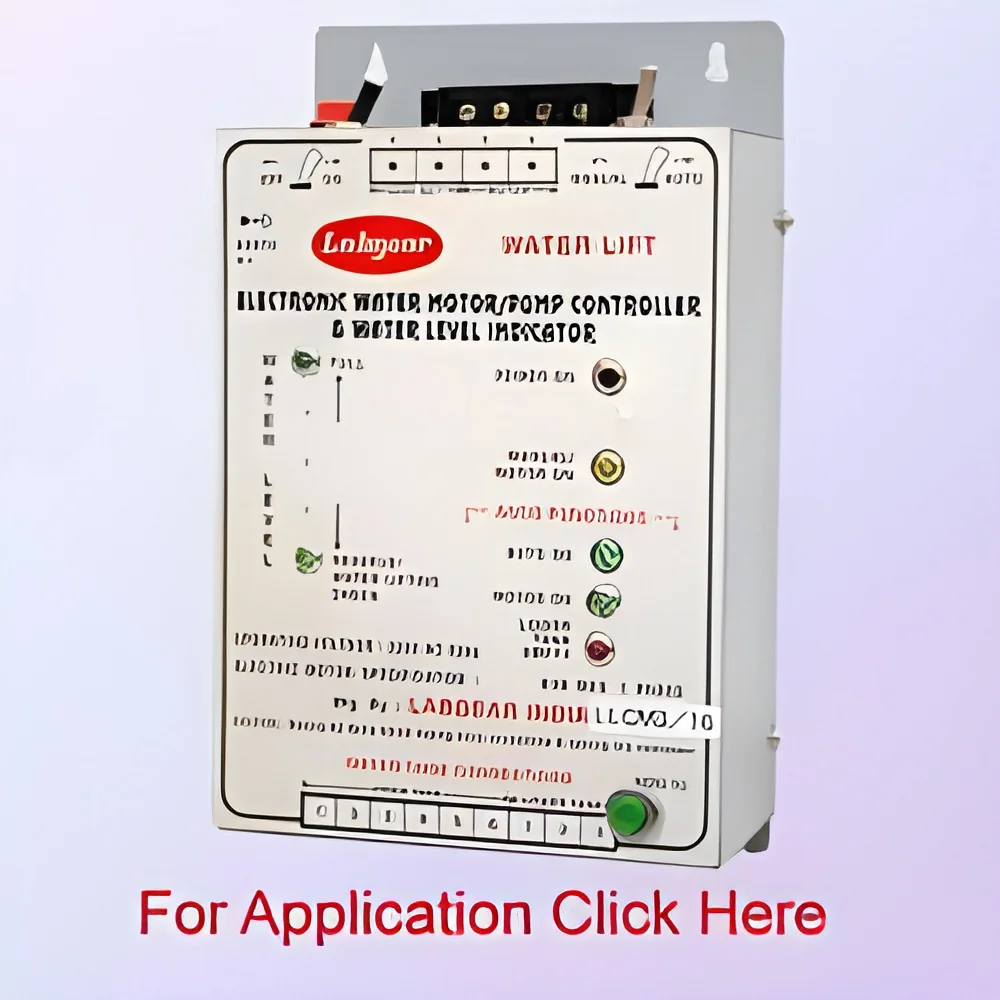
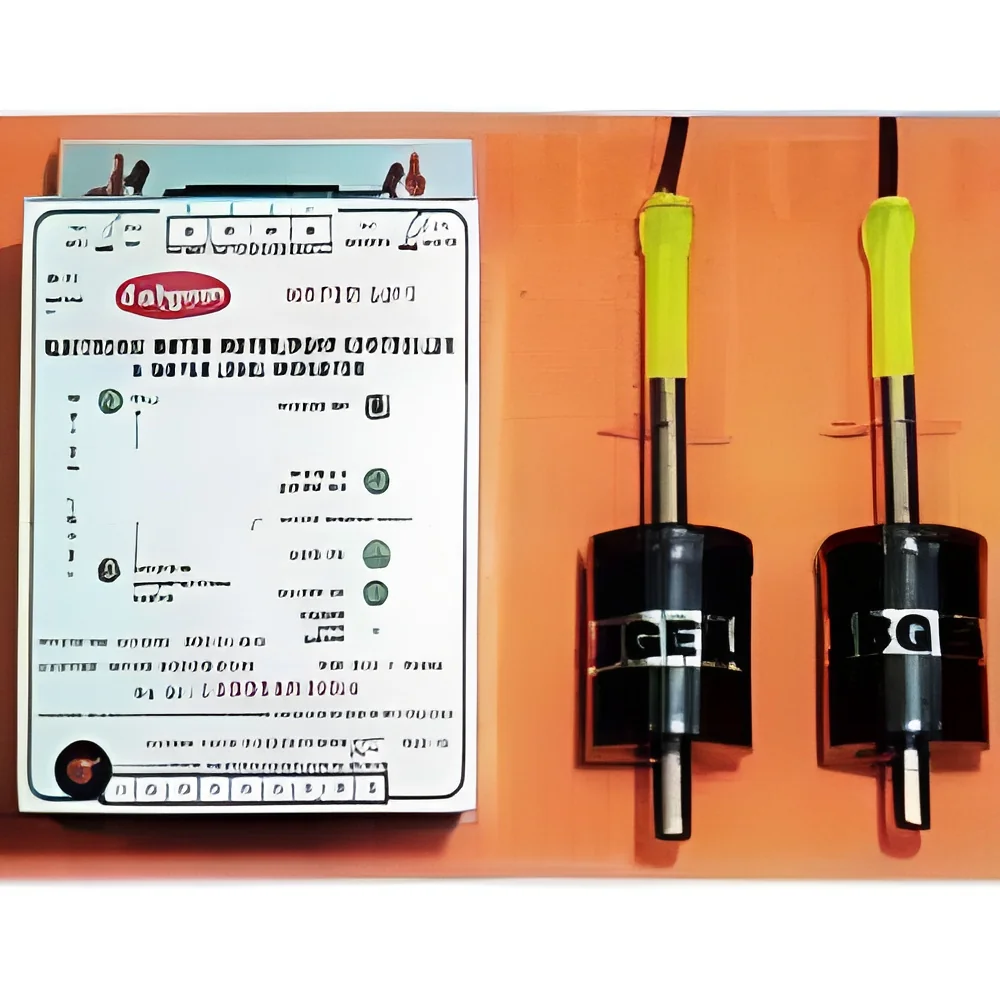
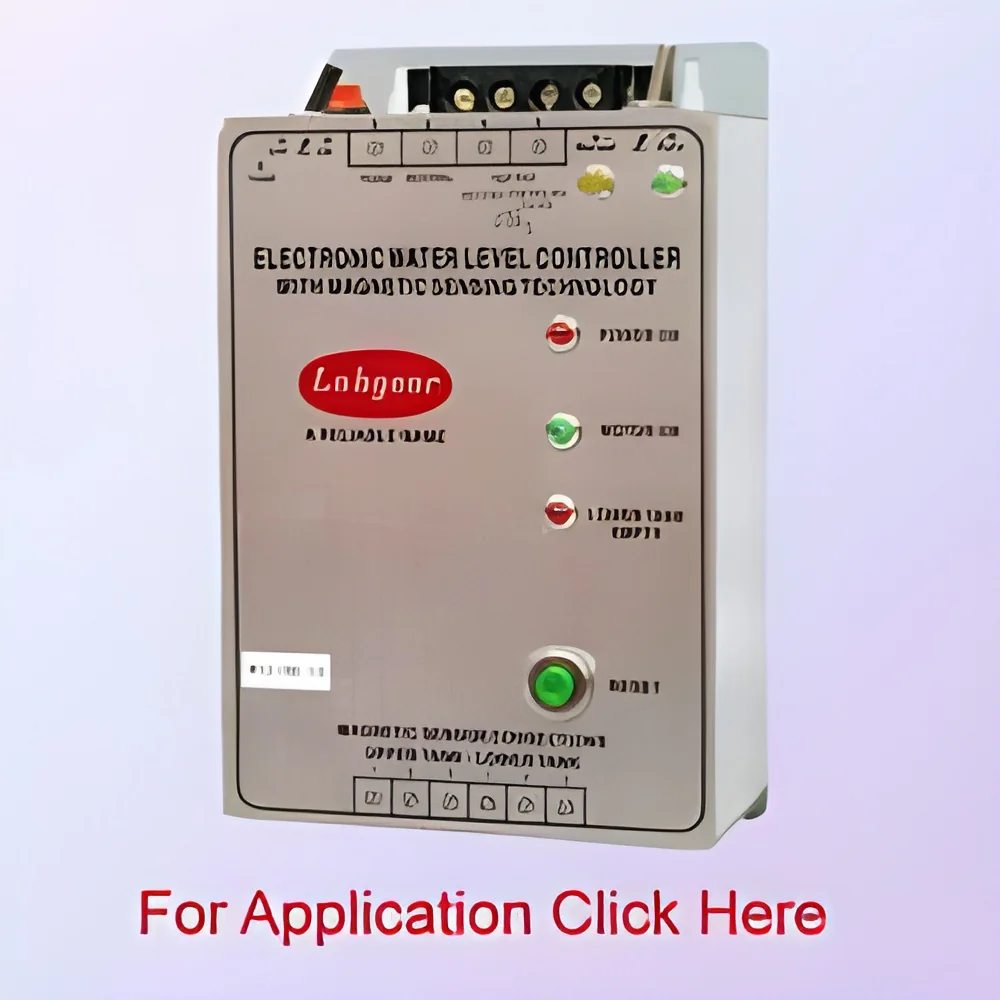
The Industrial Commercial Automatic Water Level Controller is a precision-engineered device designed for reliable, automated control of water levels in tanks, sumps, and reservoirs. It operates by continuously monitoring water levels through sensors and automatically switching connected pumps on or off to maintain a pre-set range. This eliminates the need for manual intervention, preventing both water overflow and the risk of pumps running dry, which can cause severe motor damage. Built with industrial-grade components, it ensures consistent performance in demanding environments, from factory floors to large-scale commercial installations. Its core function is to provide a set-and-forget solution that enhances operational efficiency, conserves water, and extends the lifespan of pumping equipment.

These controllers are vital across a spectrum of industries that depend on consistent and controlled water access. In manufacturing and industrial plants, they are used to manage water levels...
The Industrial Commercial Automatic Water Level Controller is a precision-engineered device designed for reliable, automated control of water levels in tanks, sumps, and reservoirs. It operates by continuously monitoring water levels through sensors and automatically switching connected pumps on or off to maintain a pre-set range. This eliminates the need for manual intervention, preventing both water overflow and the risk of pumps running dry, which can cause severe motor damage. Built with industrial-grade components, it ensures consistent performance in demanding environments, from factory floors to large-scale commercial installations. Its core function is to provide a set-and-forget solution that enhances operational efficiency, conserves water, and extends the lifespan of pumping equipment.

These controllers are vital across a spectrum of industries that depend on consistent and controlled water access. In manufacturing and industrial plants, they are used to manage water levels in cooling systems, chemical process tanks, and boiler feed systems, where precise control is necessary for safety and continuous production. The agriculture sector employs them to automate irrigation pumps, ensuring optimal water delivery to crops while conserving resources. Commercial real estate, including large office buildings, shopping malls, and hospitality venues, relies on them to manage rooftop or basement storage tanks, guaranteeing an uninterrupted water supply for occupants. Their robust design makes them equally suitable for harsh environments like construction sites, where they manage dewatering pumps to keep foundations dry.

Implementing this automatic water level controller delivers direct business value through operational savings and risk mitigation. It significantly reduces water waste from overflows and lowers electricity costs by preventing pumps from running unnecessarily. By automating a routine task, it frees up personnel for more critical work and reduces labor costs associated with manual monitoring. Most importantly, it protects capital investment in pumps and motors by preventing dry running and overloads, thereby minimizing downtime and expensive repairs. The controller's reliability and durability translate into a low-maintenance, long-term asset that supports operational continuity, enhances sustainability efforts by conserving water and energy, and provides peace of mind through its fail-safe operation.

Key Features:
- Automatic pump control based on real-time water level sensing to prevent overflow and dry running.
- Robust, industrial-grade construction designed for reliable operation in harsh or demanding environments.
- Simple installation and user-friendly setup compatible with a wide range of submersible and centrifugal pumps.
- Durable sensor technology and electronic components for long service life and minimal maintenance.
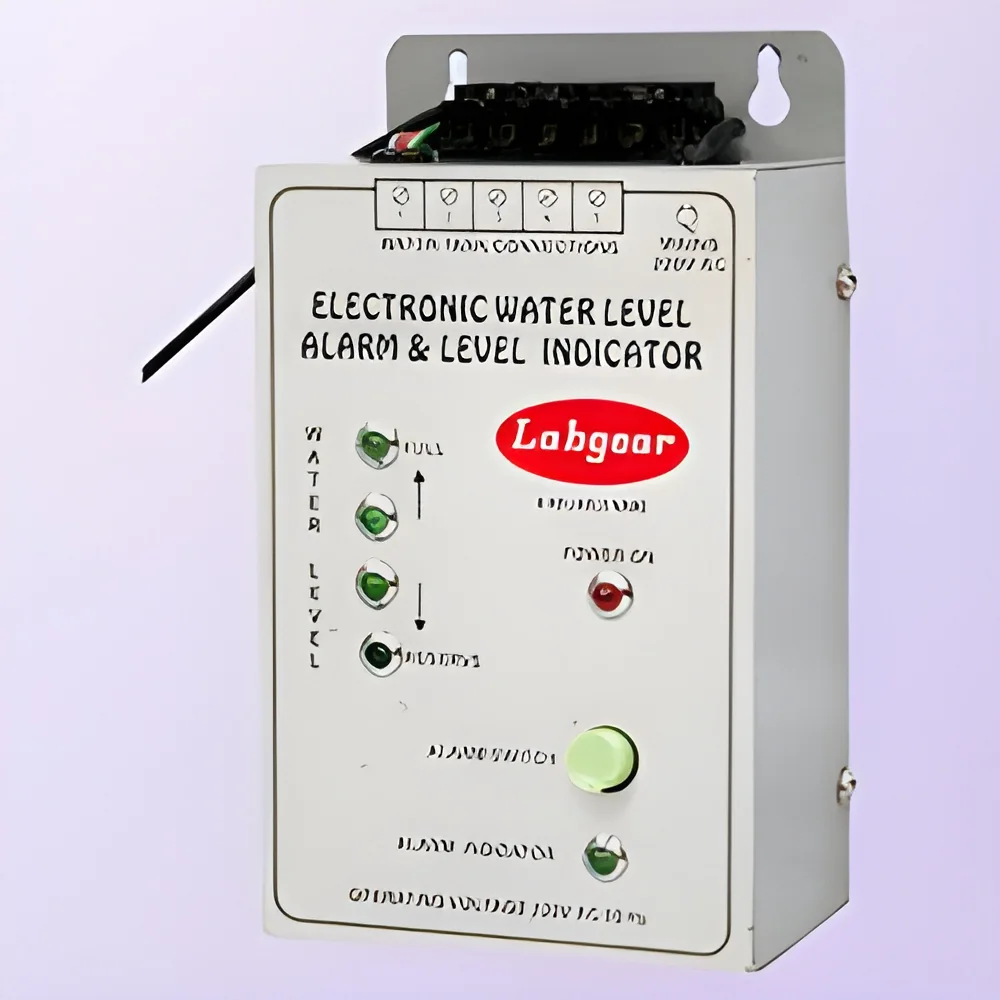
- Clear visual or audible indicators for system status, including high, low, and normal water levels.

Benefits:
- Prevents water wastage and associated costs by automatically stopping pumps when tanks are full.
- Protects expensive pump motors from damage caused by dry running, extending equipment lifespan.
- Reduces manual labor and operational costs by automating the water level monitoring process.
- Ensures a consistent and reliable water supply for critical industrial and commercial processes.
- Lowers energy consumption by optimizing pump run times and preventing continuous operation.
Specifications
| Additional Information | |
|---|---|
| Country of Origin | India |
Application
Our automatic water level controllers provide essential, hands-free management for water storage and pumping systems across industrial and commercial facilities. They continuously monitor levels in tanks, sumps, and reservoirs, automatically activating or deactivating pumps to maintain optimal water supply. This precise control prevents costly overflows and protects equipment from damage due to dry running, ensuring system integrity and operational continuity.
These robust controllers are indispensable in sectors where reliable water management is critical to daily operations and safety. From manufacturing plants managing process water to large commercial buildings ensuring consistent supply, they automate a vital utility function. Their design withstands challenging conditions, delivering dependable performance that reduces manual oversight, minimizes water waste, and safeguards expensive motorized equipment from premature failure.
- Manages water levels in industrial cooling towers and process tanks to maintain efficiency and prevent production shutdowns.
- Automates irrigation pump control in agricultural settings, optimizing water usage for fields and greenhouses.
- Prevents overflow in overhead storage tanks for hotels, hospitals, and apartment complexes, ensuring a steady water supply.
- Controls dewatering pumps on construction sites to manage sump levels and prevent worksite flooding.
- Regulates water supply and pump operation in commercial facilities like car washes, laundries, and food processing units.
Trade Details
| Available Stock | In Stock |
| Sample Availability | No |
Payment Terms
| Payment Terms |
|
Company Profile
Labgear India, New Delhi
 New Delhi, India
New Delhi, IndiaElectronics & Electrical•Manufacturer•Distributor / Wholesaler•Importer / Exporter
Factory Details
Factory SizeBelow 1000 sqm
Annual Production Capacity0
Industrial Commercial Automatic Water Level Controller For Tanks Pumps
Industrial Commercial Automatic Water Level Controller for Tanks and Pumps prevents overflow, saves water, and protects motors. This reliable, precision-engineered solution is trusted for durability in demanding environments.
Min. Order Quantity: 1 unit
Shipping
Shipping fee and delivery date to be negotiated. Contact supplier now for more details.
Labgear India
 New Delhi, India
New Delhi, IndiaElectronics & ElectricalManufacturer