IN
IN₹
Apparel & Fashion
Description
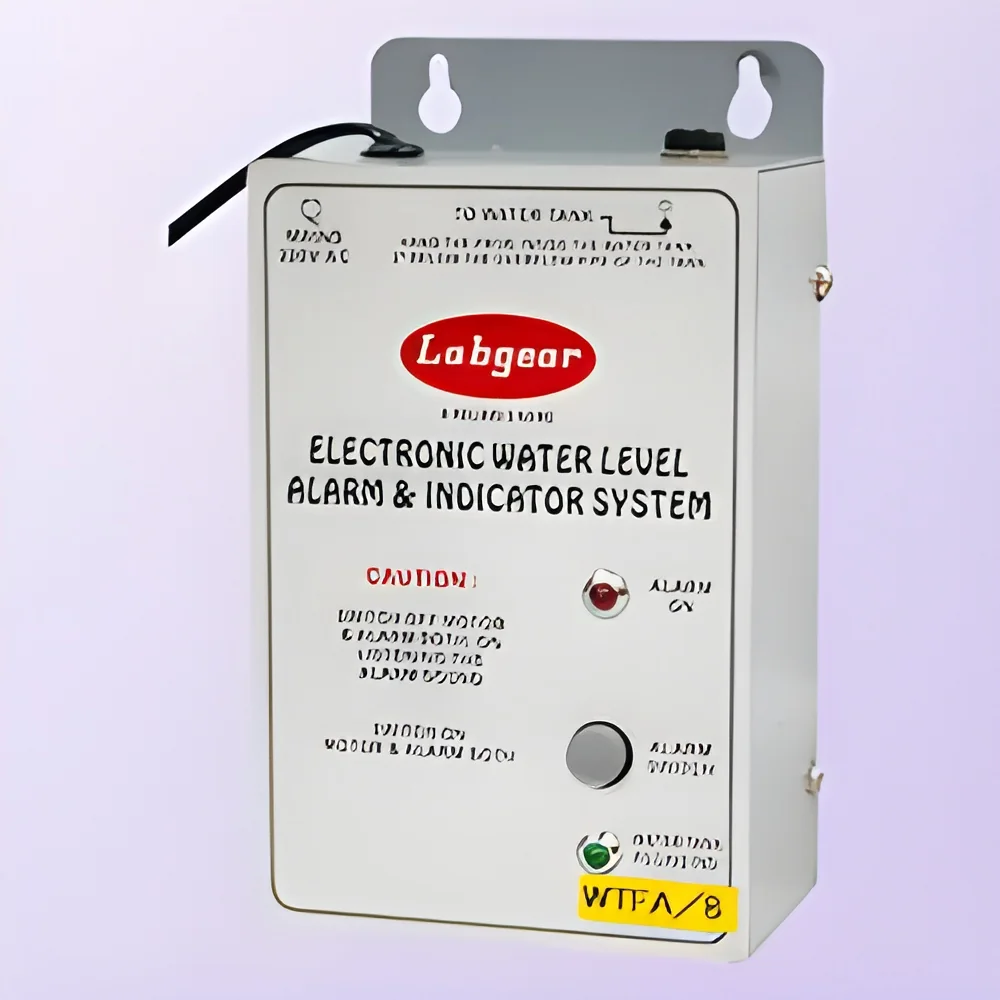
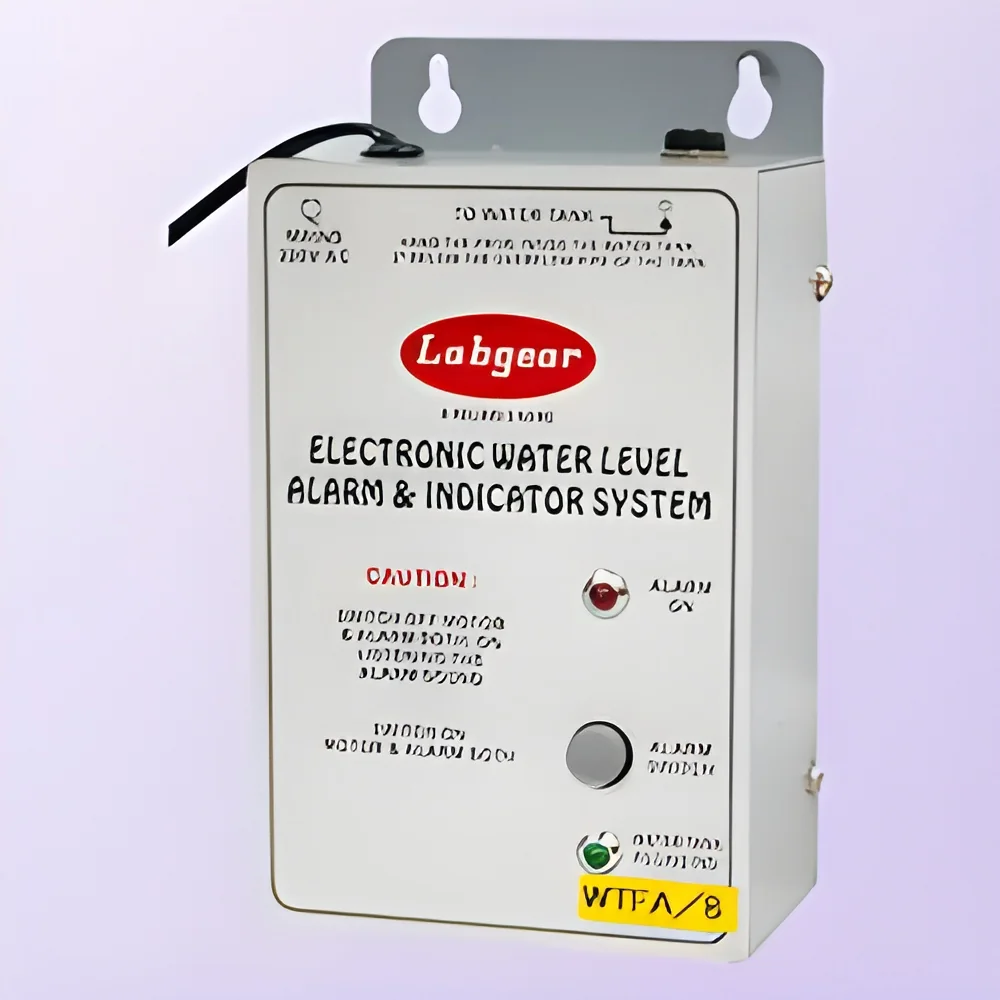
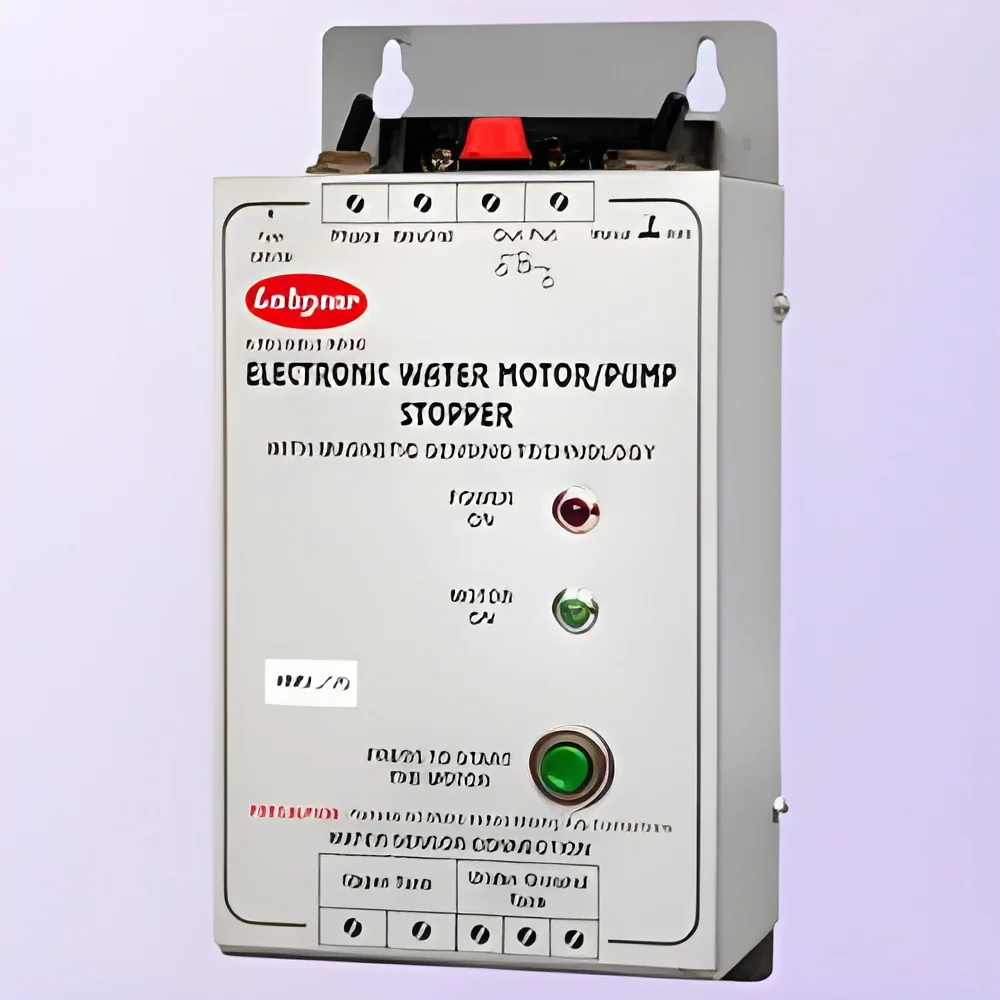
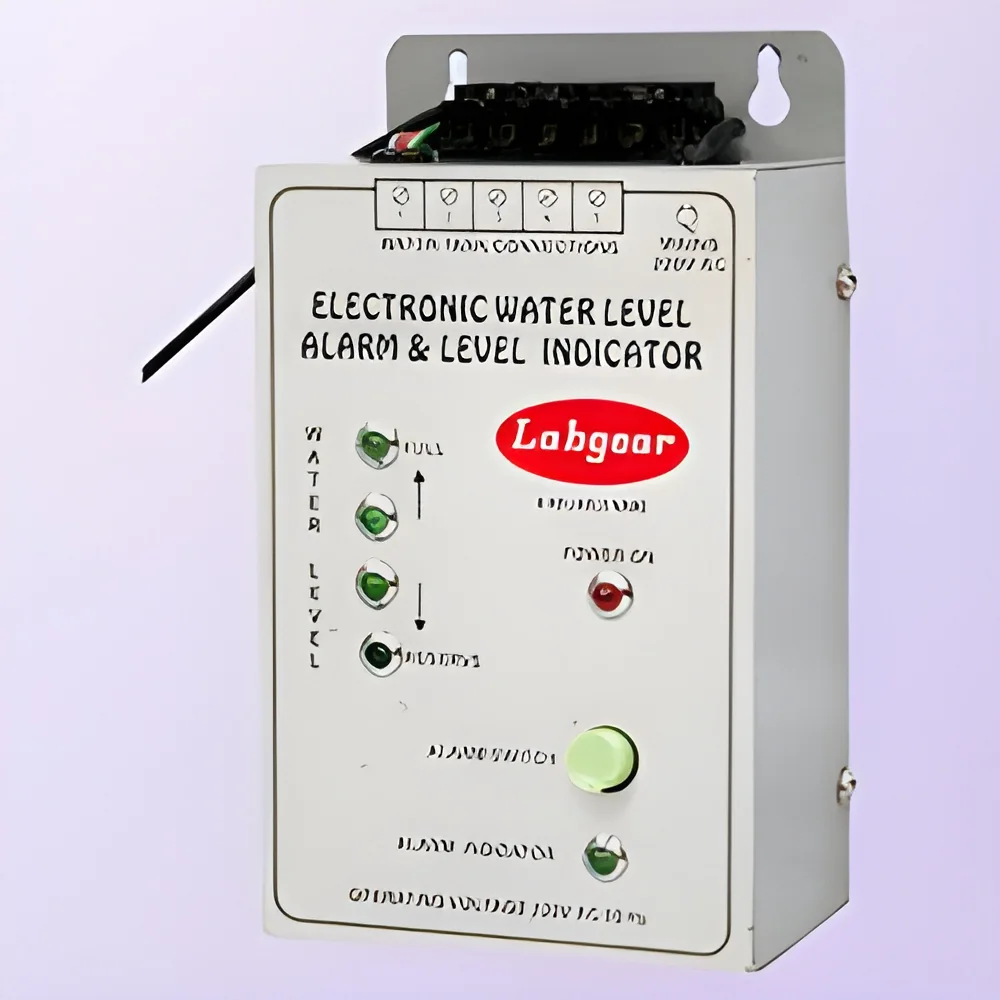
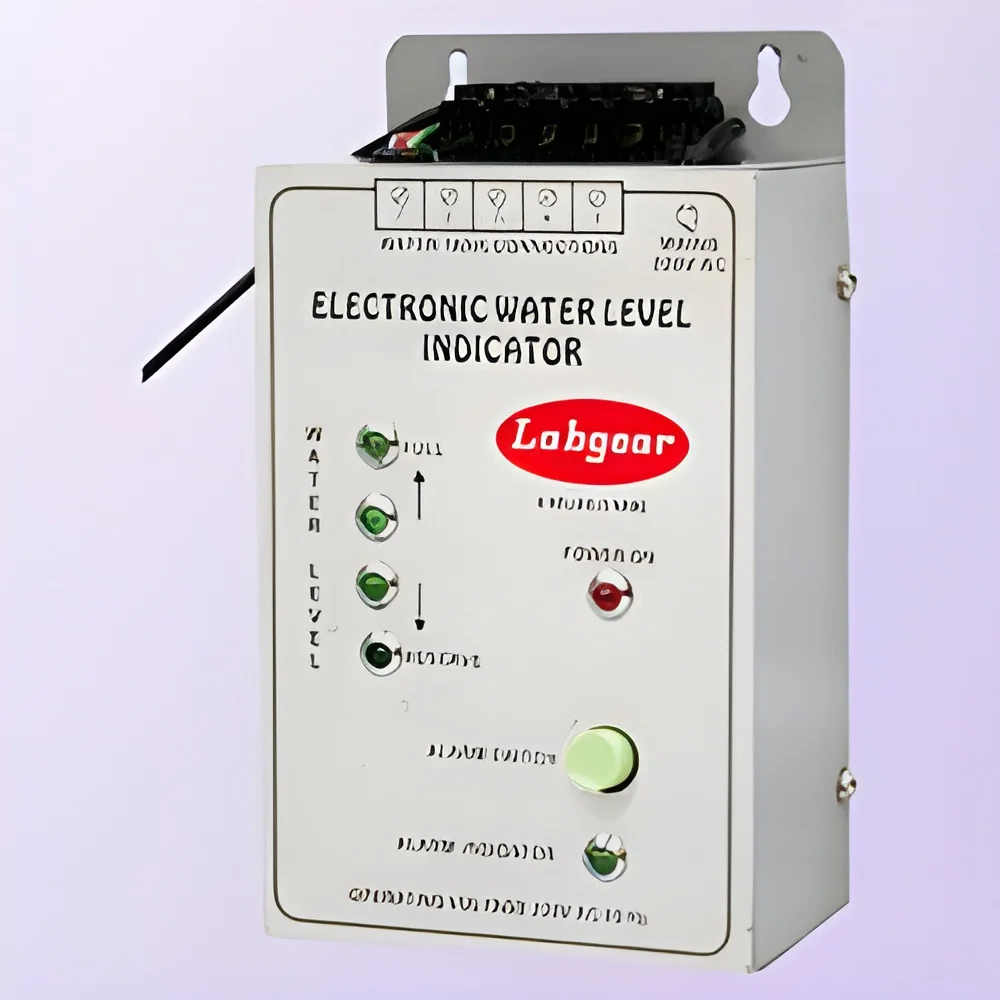
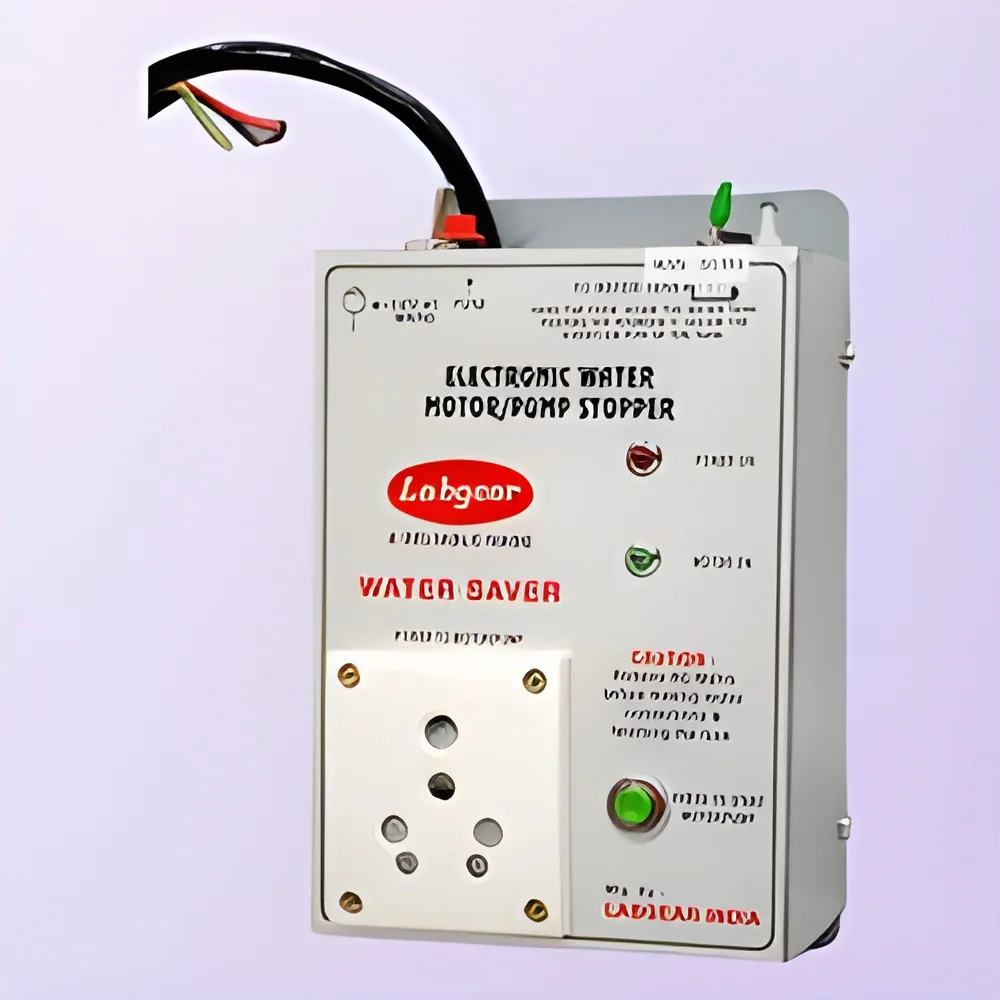
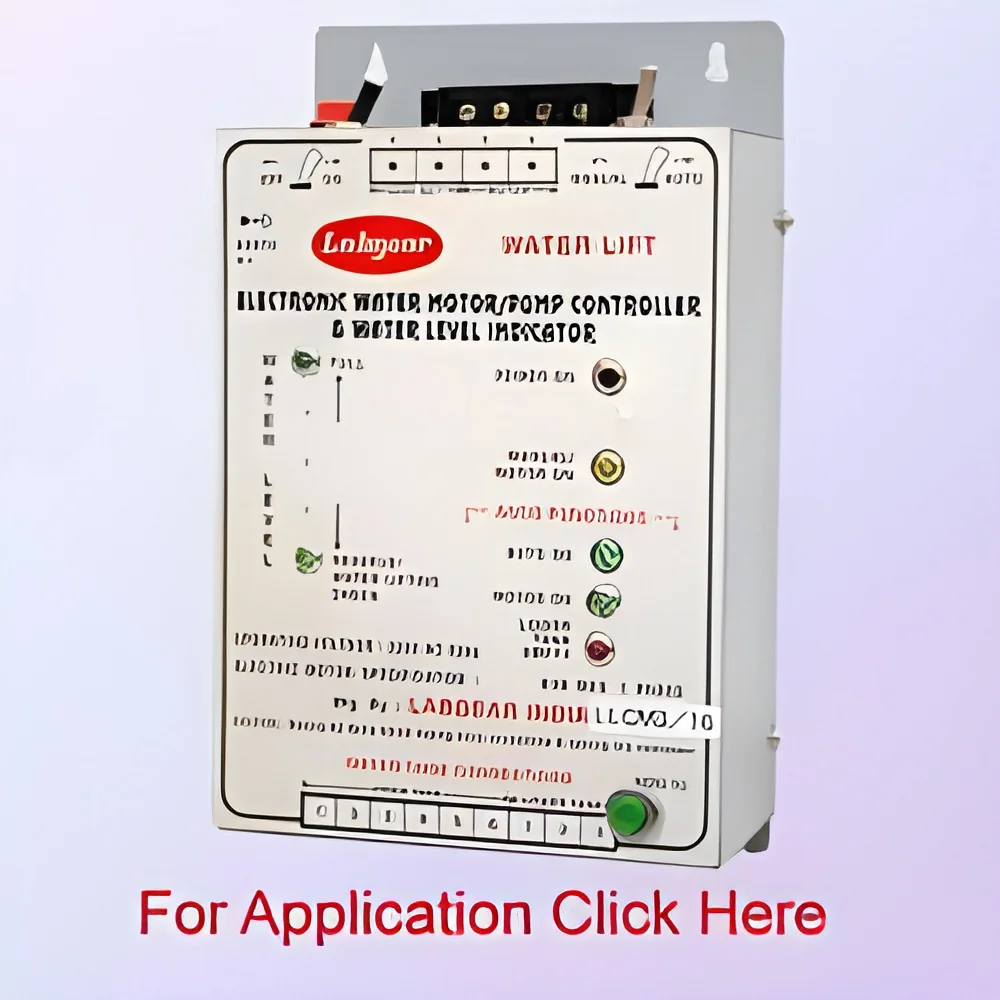
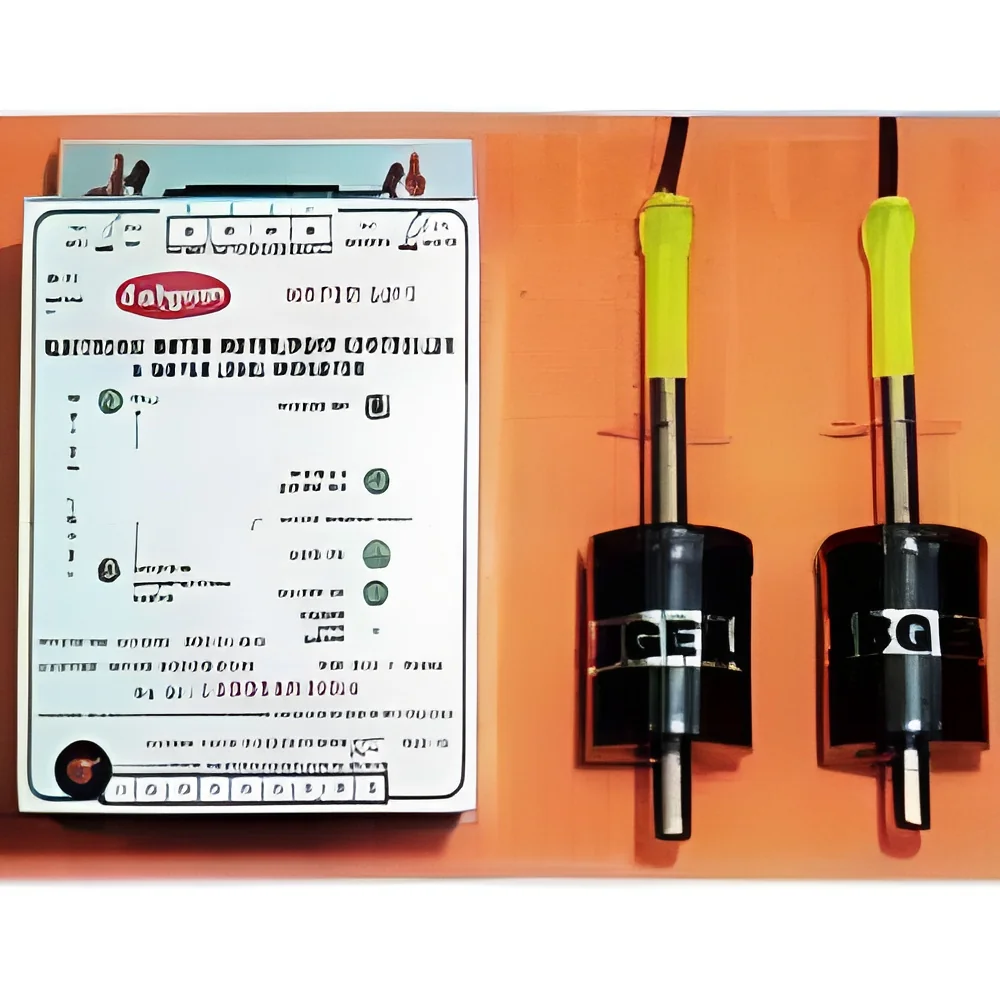
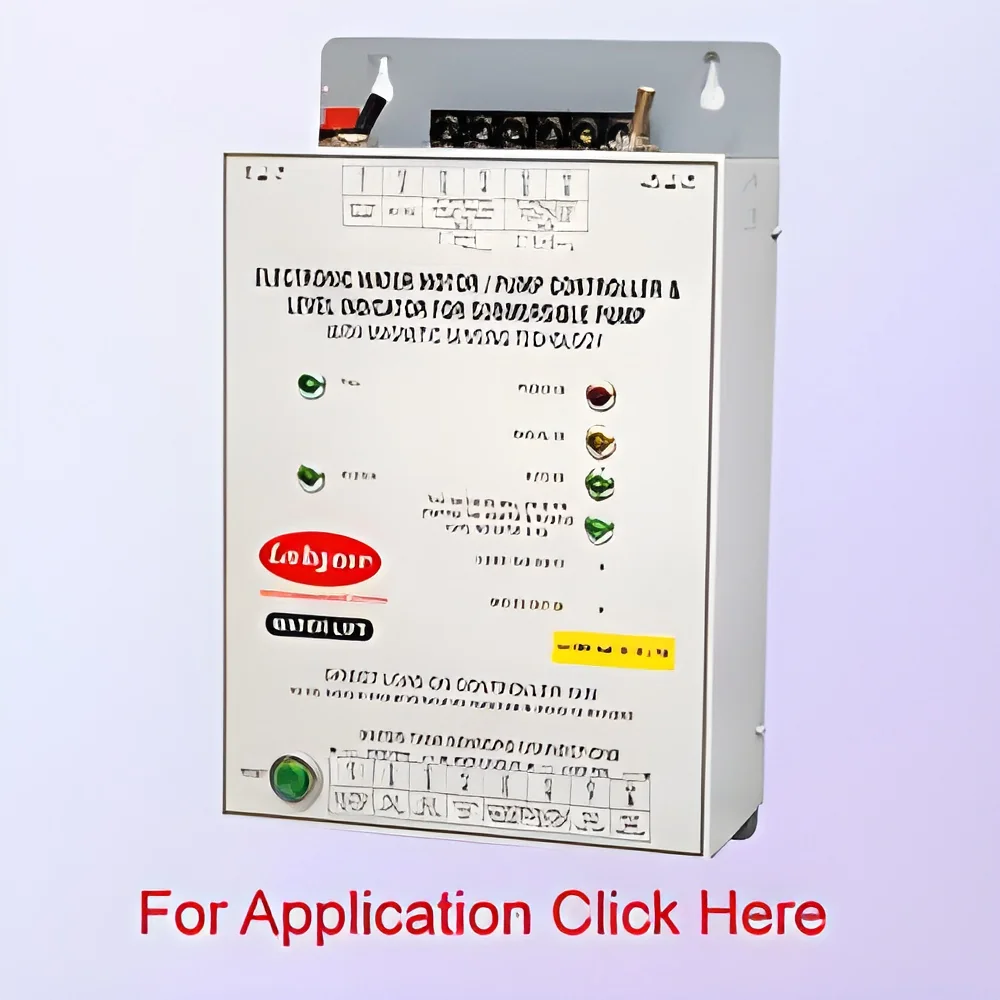
Our Industrial Commercial Automatic Water Level Controllers deliver precise, automated management for water pumping systems, designed to meet the rigorous demands of business and industrial operations. These controllers utilize reliable sensor technology to continuously monitor water levels in storage vessels. Upon detecting low or high levels, they automatically command connected pumps to start or stop, maintaining an optimal water supply. This intelligent automation eliminates the need for constant manual oversight, directly addressing the risks of pump burnout from dry running and water wastage from overflow. Built with durability in mind, these units are constructed to perform consistently in diverse environmental conditions, offering a set-and-forget solution that enhances operational reliability and reduces the potential for human error in critical water management tasks.

These controllers are indispensable across a multitude of industries where water is a key operational compon...
Our Industrial Commercial Automatic Water Level Controllers deliver precise, automated management for water pumping systems, designed to meet the rigorous demands of business and industrial operations. These controllers utilize reliable sensor technology to continuously monitor water levels in storage vessels. Upon detecting low or high levels, they automatically command connected pumps to start or stop, maintaining an optimal water supply. This intelligent automation eliminates the need for constant manual oversight, directly addressing the risks of pump burnout from dry running and water wastage from overflow. Built with durability in mind, these units are constructed to perform consistently in diverse environmental conditions, offering a set-and-forget solution that enhances operational reliability and reduces the potential for human error in critical water management tasks.

These controllers are indispensable across a multitude of industries where water is a key operational component. In the manufacturing and industrial sector, they are critical for managing process water, cooling tower make-up, and equipment cooling loops, ensuring production continuity. Agricultural operations deploy them to automate irrigation from borewells, ponds, and storage tanks, promoting efficient water use. The commercial real estate and hospitality industries integrate them into building management systems to guarantee a steady water supply for occupants and services. Furthermore, they are a staple in municipal infrastructure for managing public water distribution networks, reservoir levels, and sewage pumping stations, contributing to essential utility services and community water security.

The business value of implementing these automatic water level controllers is clear and measurable. They provide a direct defense against one of the most common causes of pump failure: dry running, thereby extending equipment lifespan and avoiding expensive repairs or replacements. By automating a routine task, they free up labor resources and reduce associated operational costs. Their reliability ensures uninterrupted water availability, which is crucial for process-dependent industries and service-oriented businesses, preventing downtime. The controllers' robust construction translates to long-term service with minimal maintenance, offering an excellent return on investment. Their straightforward installation and operation mean they can be seamlessly integrated into both new projects and existing infrastructure, providing an immediate upgrade to water management protocols.

Key Features:
- Reliable sensor-based technology for accurate and continuous water level monitoring.
- Automatic pump control functionality to prevent dry running and overflow conditions.
- Robust construction designed for durability in various industrial and commercial environments.
- Simple installation process and user-friendly operation with minimal maintenance needs.
- Compatible with a wide range of pump types and tank configurations for versatile application.

Benefits:
- Prevents costly pump damage and failure by eliminating dry running scenarios.
- Reduces water waste and operational costs by automating pump control and minimizing manual labor.
- Ensures a consistent and reliable water supply for critical business and industrial processes.
- Offers long-term reliability and durability, lowering total cost of ownership through reduced maintenance.
- Enhances operational safety and efficiency by providing automated, error-free water level management.
Specifications
| Additional Information | |
|---|---|
| Country of Origin | India |
Application
Automatic water level controllers provide essential oversight for water storage systems across demanding environments. They continuously monitor levels in tanks, reservoirs, and sumps, automatically activating or deactivating pumps to maintain the desired range. This precise control eliminates manual checking, prevents overflow, and safeguards against the critical issue of dry running, which can lead to costly pump damage and operational downtime. Their robust design ensures reliable performance in various settings, from manufacturing plants to large-scale agricultural operations.
These systems are engineered to serve a wide spectrum of sectors where water management is non-negotiable. In manufacturing, they regulate water for cooling towers and process lines. Within agriculture, they manage irrigation reservoirs and livestock water supply. Commercial buildings, hotels, and hospitals rely on them for uninterrupted domestic water supply. Municipalities use them for water distribution and treatment plant operations, ensuring public utility resilience. Their versatility makes them a foundational component for any operation dependent on consistent, automated water availability.
- Automating pump control for overhead and underground water storage tanks in commercial complexes and industrial facilities.
- Managing water levels in agricultural irrigation reservoirs and channels to optimize usage and prevent waste.
- Protecting industrial pumps in cooling systems, processing plants, and wastewater management from dry running damage.
- Ensuring continuous water supply for critical operations in hospitals, hotels, and large hospitality venues.
- Regulating water intake and distribution in municipal water treatment plants and public utility pumping stations.
Trade Details
| Available Stock | In Stock |
| Sample Availability | No |
Payment Terms
| Payment Terms |
|
Company Profile
Labgear India, New Delhi
 New Delhi, India
New Delhi, IndiaElectronics & Electrical•Manufacturer•Distributor / Wholesaler•Importer / Exporter
Factory Details
Factory SizeBelow 1000 sqm
Annual Production Capacity0
Industrial Commercial Automatic Water Level Controllers For Pump Management
Industrial Commercial Automatic Water Level Controllers for reliable pump management. Prevent dry running, optimize operations, and ensure consistent water supply for industrial and commercial applications with durable, precise control systems.
Min. Order Quantity: 1 unit
Shipping
Shipping fee and delivery date to be negotiated. Contact supplier now for more details.
Labgear India
 New Delhi, India
New Delhi, IndiaElectronics & ElectricalManufacturer