
 IN
Decentralized Water Reuse Units
23 products available
What are Decentralized Water Reuse Units?
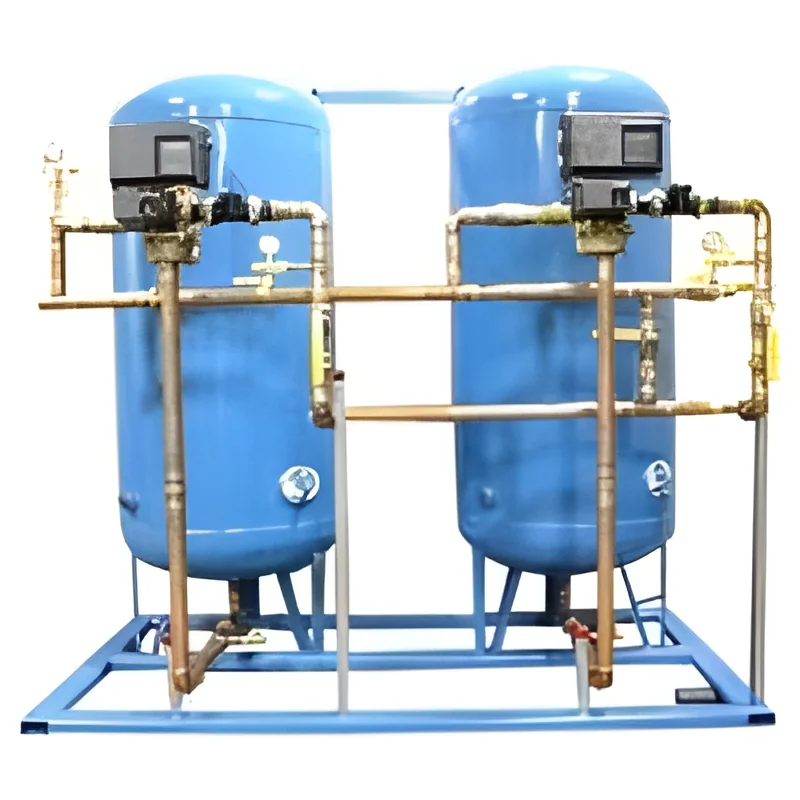
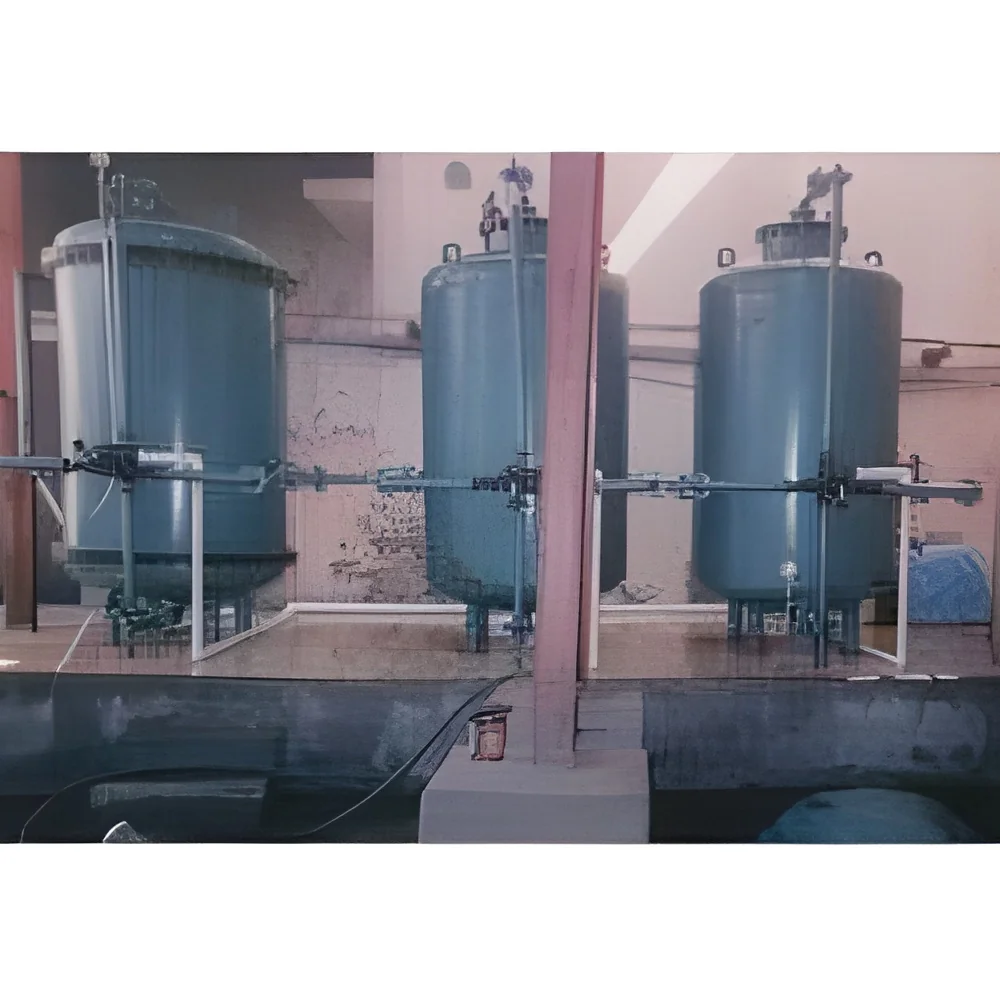
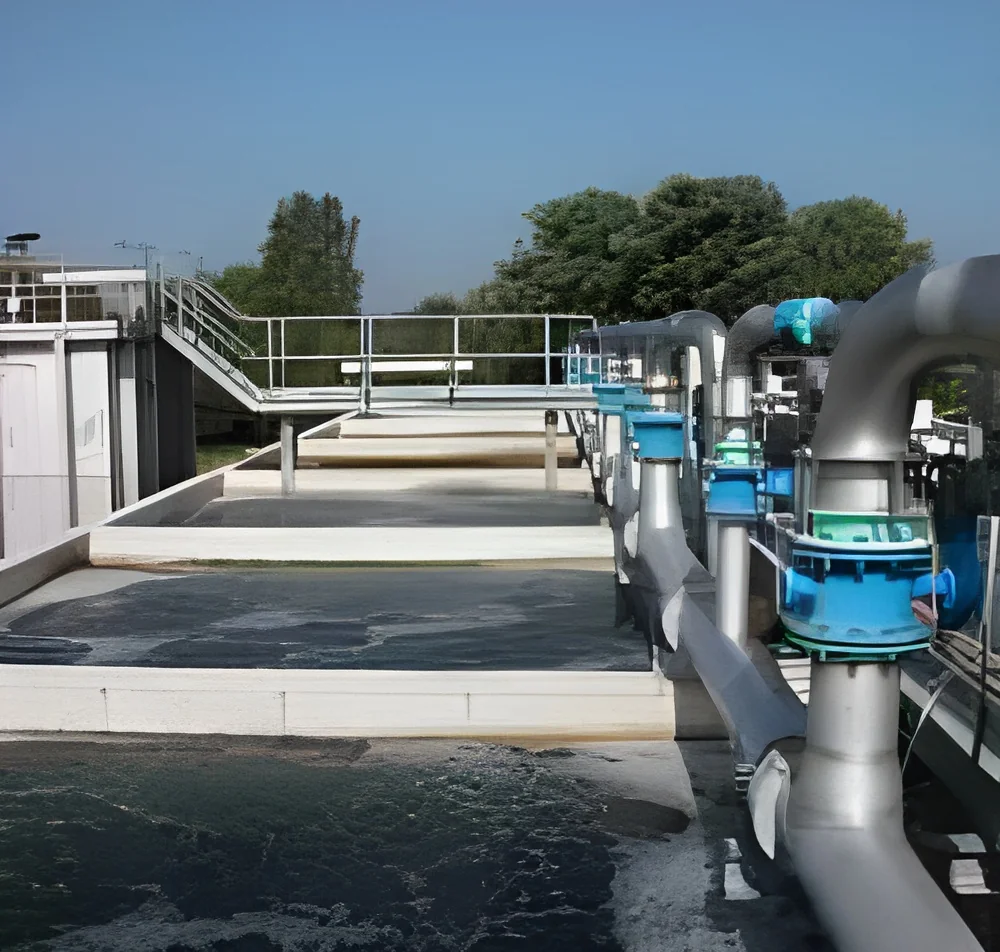
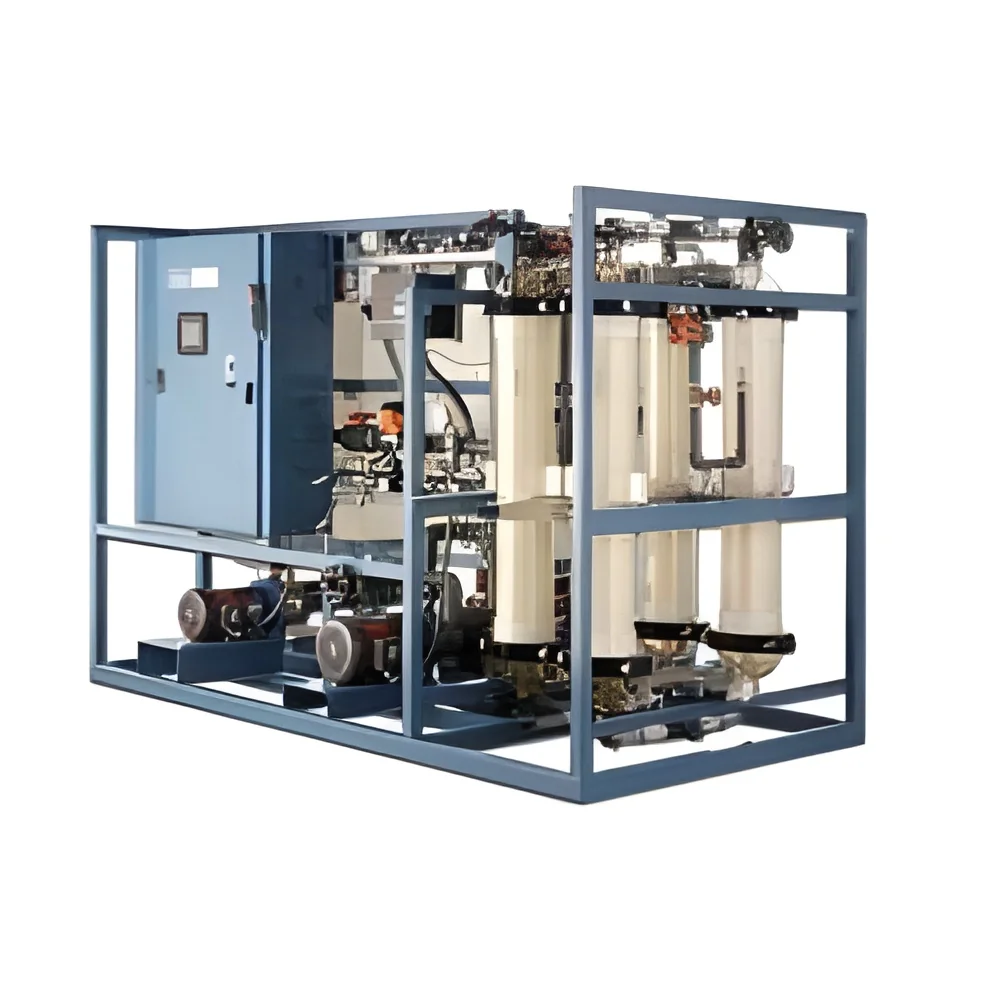
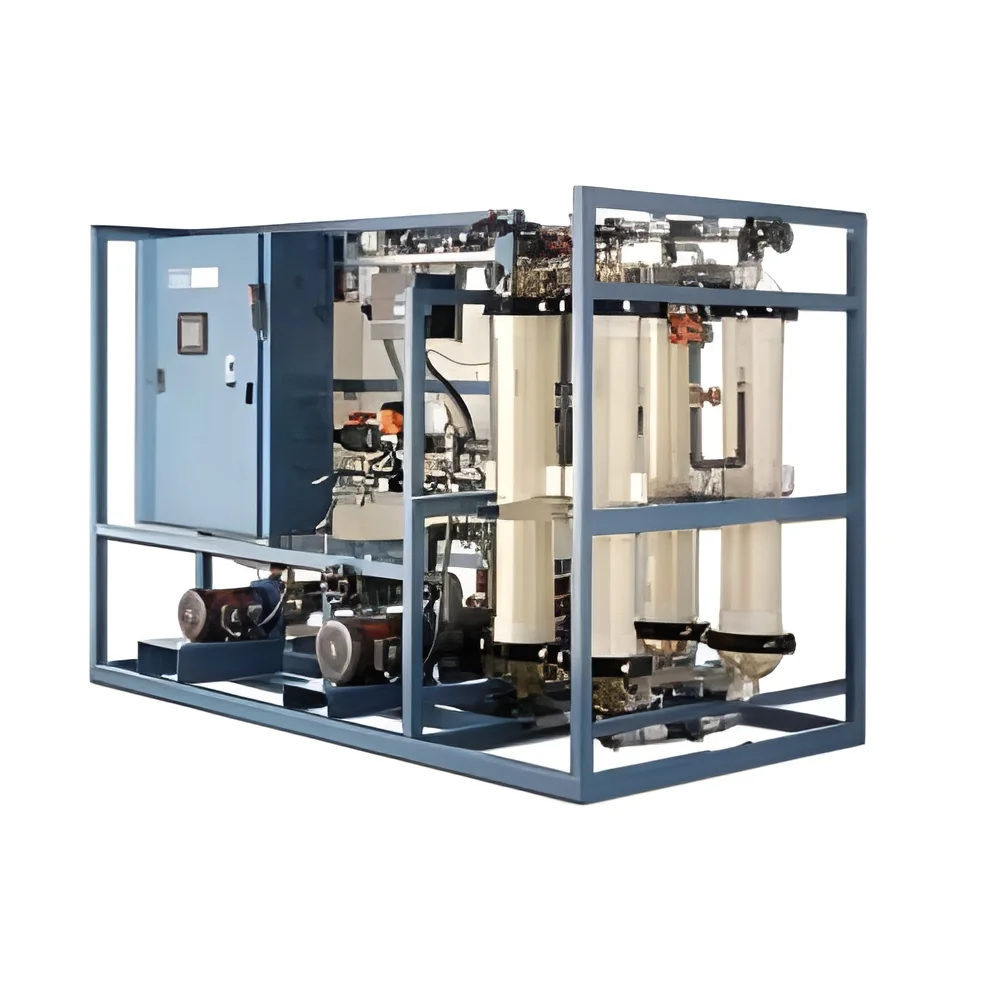
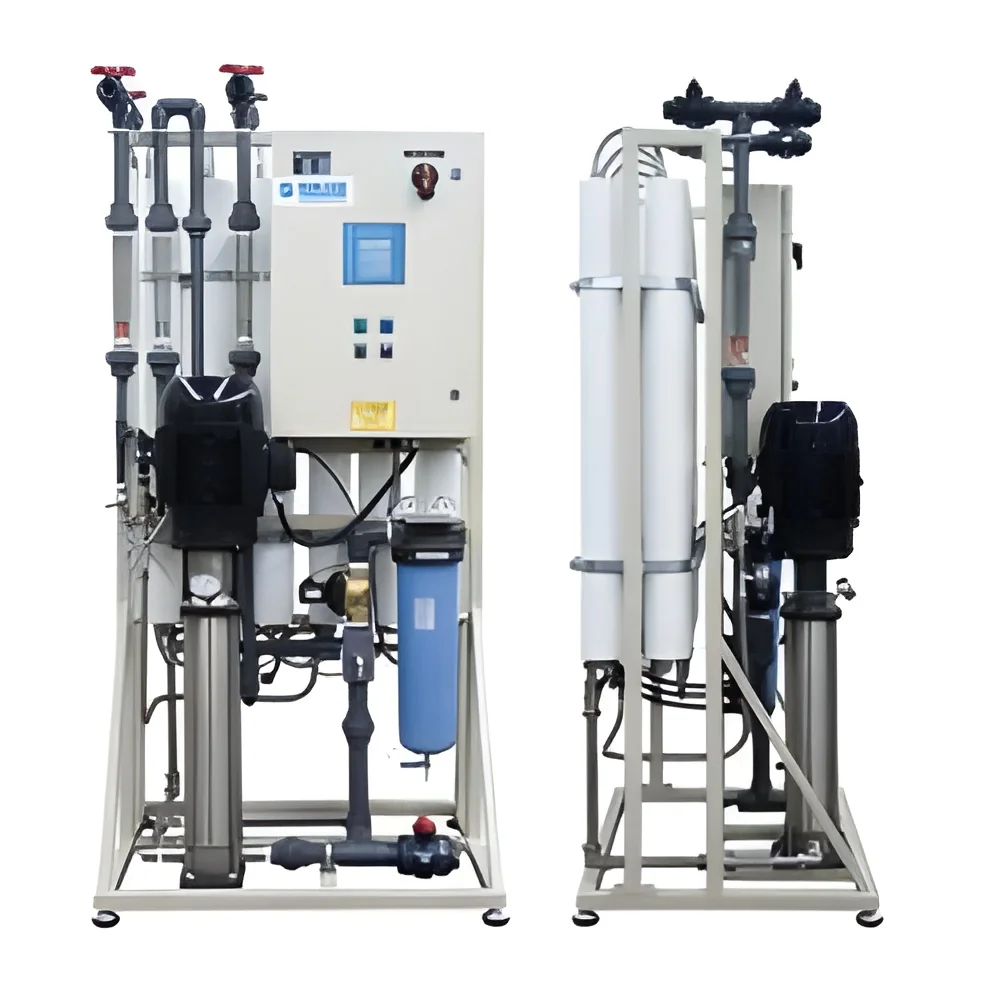
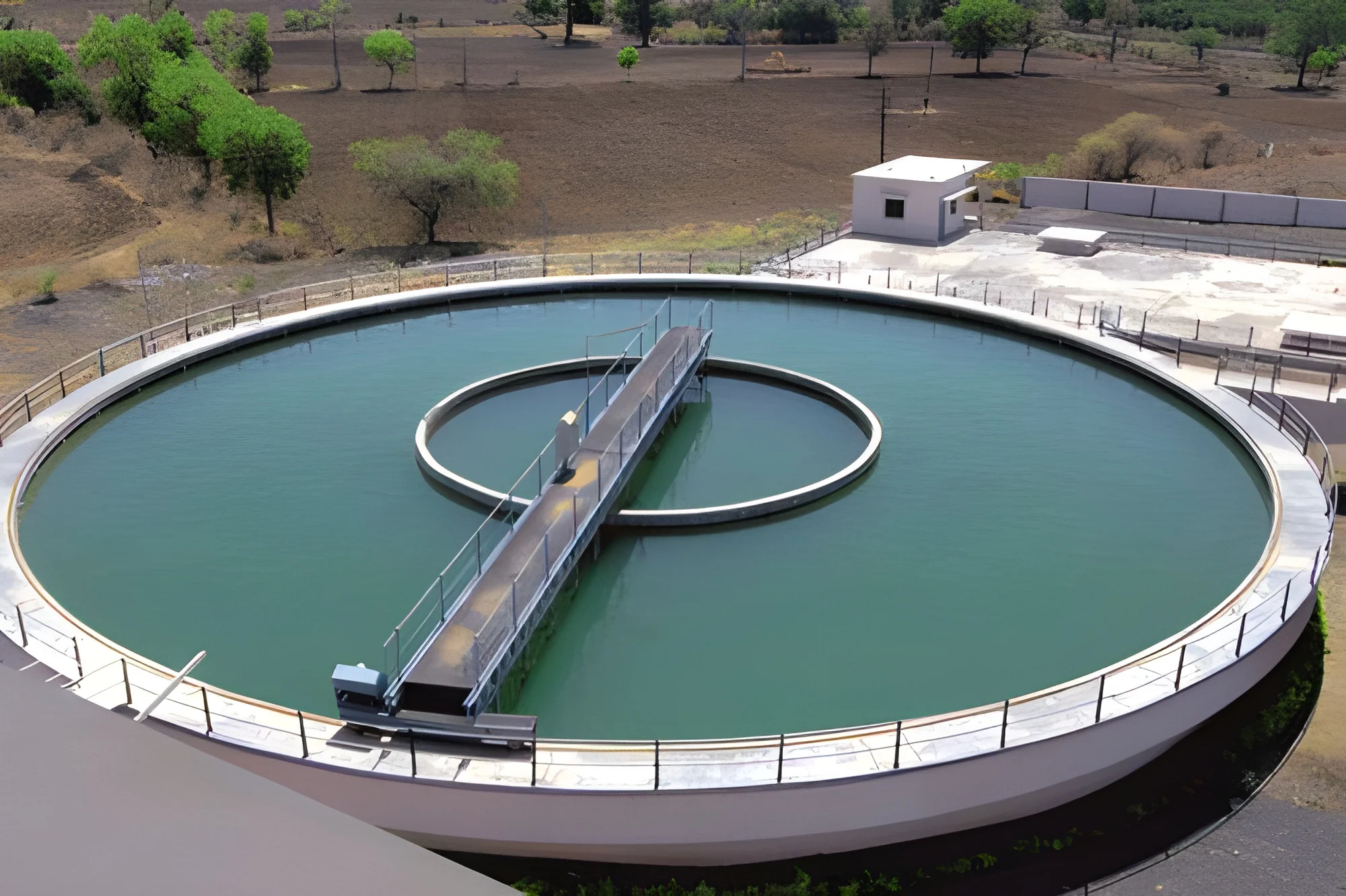
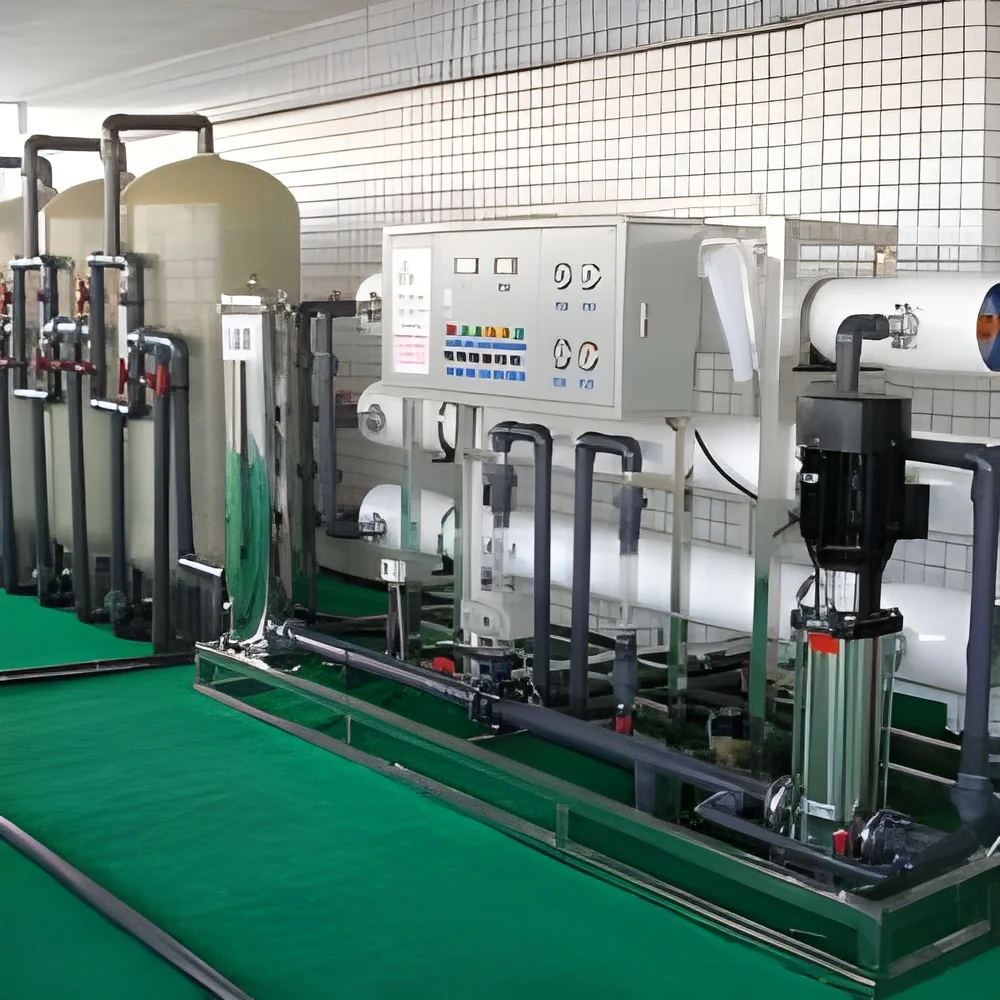
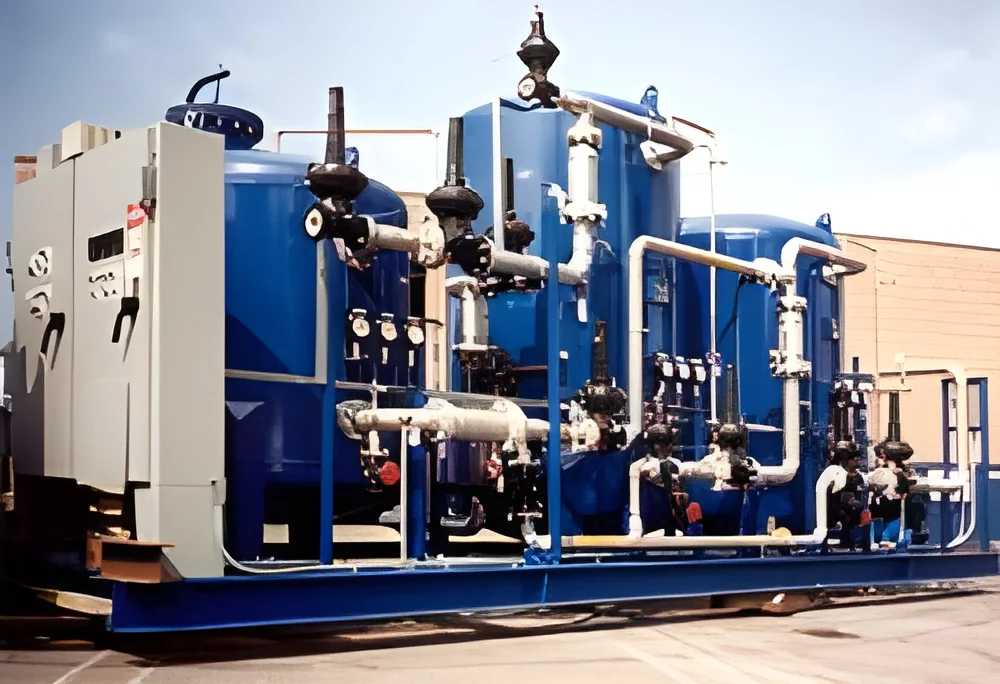
Decentralized Water Reuse Units are innovative systems designed to treat and recycle wastewater at or near the point of use. Unlike traditional centralized treatment plants, these units operate independently, allowing for localized water management solutions. They are particularly effective in urban areas, industrial sites, and agricultural settings, where water scarcity is becoming an increasingly pressing issue. These units typically utilize advanced treatment technologies to purify wastewater, making it suitable for various non-potable applications.
The primary uses of decentralized water reuse units range from irrigation and cooling water for industrial processes to toilet flushing in commercial buildings. They are ideal for businesses looking to enhance sustainability and reduce water costs. As industries face growing regulatory pressures and a shift towards sustainable practices, the demand for these units is expected to rise. Their ability to provide a reliable source of reclaimed water makes them highly relevant in today's market context.
The relevance of decentralized water reuse units is amplified by increasing water scarcity, climate change, and the need for sustainable water management practices. As industries and municipalities strive to meet environmental goals, these units offer a practical solution. The market is evolving rapidly, with new technologies and regulations driving innovation and adoption across various sectors.
Key Features and Specifications
Decentralized Water Reuse Units come equipped with various features that enhance their functionality and efficiency. These units are designed to cater to a wide range of applications, ensuring that they meet the specific needs of different industries. Below are some key specifications that define their performance and capabilities.
Key specifications include:
1. Treatment Capacity
- This specification indicates the volume of wastewater the unit can process, typically measured in cubic meters per day.
2. Energy Consumption
- This refers to the amount of energy required for operation, expressed in kilowatt-hours per cubic meter of treated water.
3. Filtration Technology
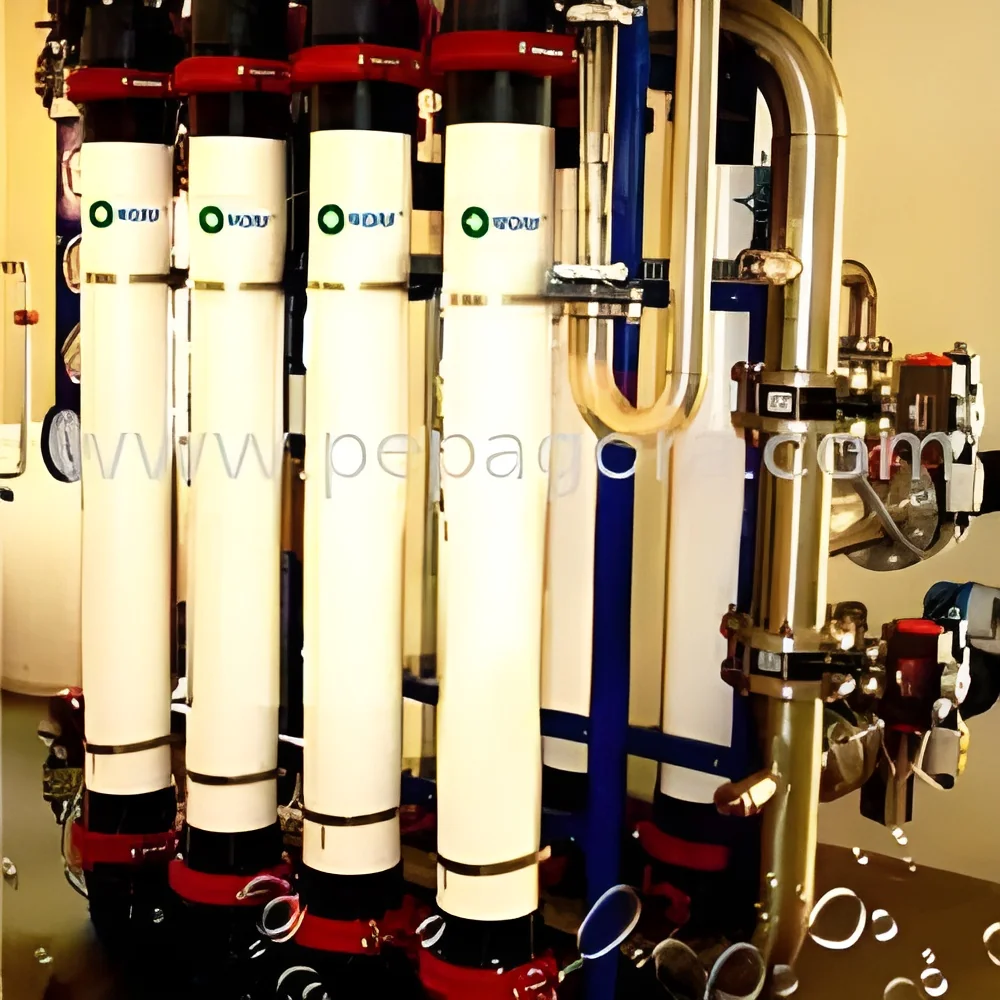
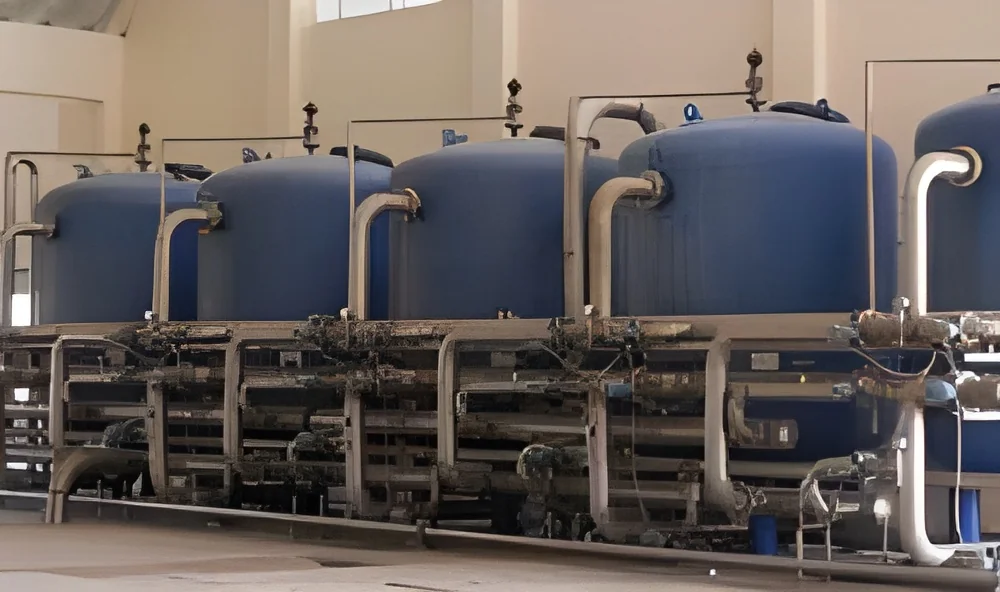
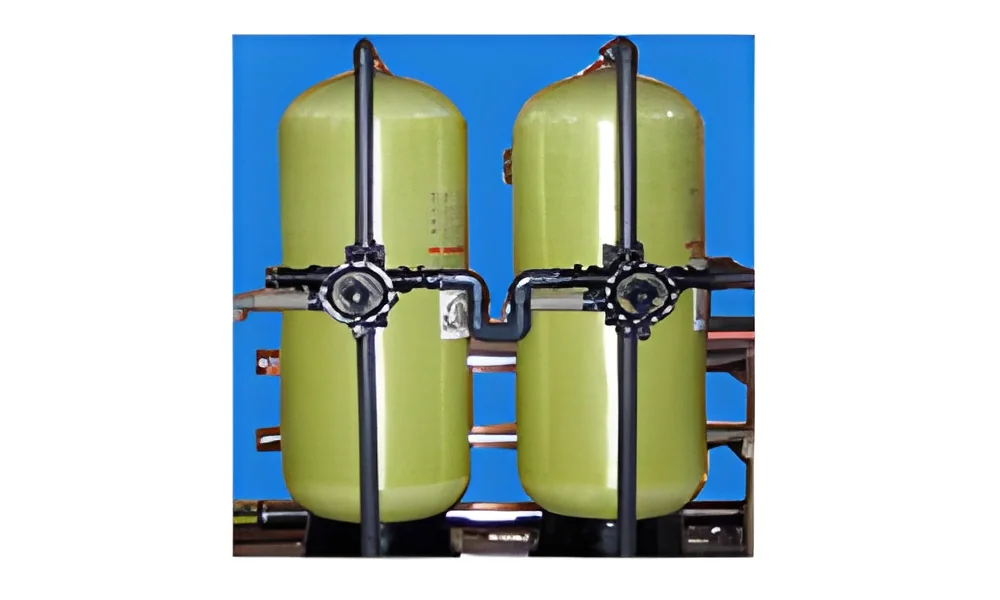
- The type of filtration used, such as membrane filtration or sand filtration, which impacts the quality of the treated water.
4. Recovery Rate
- This is the percentage of wastewater that can be effectively treated and reused, indicating the efficiency of the unit.
5. Automation Level
- This specifies the degree of automation in the system, ranging from manual control to fully automated operation.
6. Maintenance Requirements
- This detail describes the frequency and type of maintenance needed to ensure optimal performance.
7. Space Requirements
- The physical dimensions of the unit, which determine the space needed for installation.
8. Compliance Standards
- The certifications the unit adheres to, ensuring it meets local and international regulatory requirements.
In summary, these specifications are critical for B2B buyers as they help assess the suitability of decentralized water reuse units for specific applications.
Common Applications and Use Cases
Decentralized Water Reuse Units are versatile and can be employed across multiple industries to address water scarcity and sustainability challenges.
1. Agriculture: These units can treat agricultural runoff and wastewater, providing reclaimed water for irrigation, thus conserving fresh water resources.
2. Construction: They are used on construction sites to recycle water for mixing concrete and dust control, minimizing water usage.
3. Hospitality: Hotels and resorts can implement these units to recycle greywater for landscaping and toilet flushing, enhancing their sustainability efforts.
4. Manufacturing: Industrial facilities utilize these units to treat process water, reducing operational costs and environmental impact.
5. Municipalities: Local governments can deploy them in urban areas to manage stormwater and wastewater, promoting community resilience to flooding.
6. Healthcare: Hospitals can use these units to treat wastewater while ensuring compliance with health standards, thus safeguarding public health.
7. Food and Beverage: These units provide a sustainable solution for treating process water, allowing for reuse in operations while adhering to strict hygiene standards.
Product Variants and Subcategories
Decentralized Water Reuse Units come in various configurations to meet diverse customer needs. Each variant is tailored to specific applications and operational requirements.
Compact Unit
This variant is designed for small to medium-sized facilities. It features a modular design, allowing for easy installation in limited spaces. Its efficient treatment process makes it suitable for urban environments.
Industrial Unit
These units are robust and designed for high-capacity processing. They are ideal for large manufacturing plants and industrial applications where significant volumes of wastewater need treatment.
Mobile Unit
A portable option that can be deployed quickly in remote locations or during emergencies. This unit provides flexibility and can be used for temporary projects or disaster relief efforts.
Integrated System
This variant combines water treatment and reuse technologies with smart monitoring features. It is suited for facilities that prioritize automation and real-time data analysis.
Benefits and Advantages
Decentralized Water Reuse Units offer numerous benefits that can enhance operational efficiency and sustainability for businesses.
1. Cost Savings: By recycling water, businesses can significantly reduce their water bills and operational costs.
2. Sustainability: These units contribute to environmental conservation by minimizing freshwater extraction and reducing wastewater discharge.
3. Regulatory Compliance: Utilizing decentralized water reuse units helps businesses meet stringent environmental regulations and sustainability goals.
4. Resource Independence: They provide a reliable source of treated water, reducing dependence on municipal supplies and enhancing resilience.
5. Customization: Many units can be tailored to specific needs, ensuring optimal performance for various applications.
6. Improved Water Quality: Advanced treatment technologies ensure that the reclaimed water meets the necessary quality standards for its intended use.
Buying Guide for B2B Buyers
When sourcing Decentralized Water Reuse Units, it is essential for buyers to consider several critical factors to make informed decisions.
1. Quality Assessment: Evaluate the quality of materials and technologies used in the unit. Look for units that comply with relevant quality standards to ensure durability and reliability.
2. Supplier Verification: Conduct thorough research to verify suppliers' credentials. Check for certifications and customer reviews to gauge their reputation in the industry.
3. Pricing and MOQ: Consider the overall cost, including installation and maintenance. Additionally, inquire about the minimum order quantity to align with your business needs.
4. Delivery and Lead Times: Assess the supplier's ability to meet your timeline requirements. Understanding lead times helps in planning and avoids operational delays.
5. Compliance Requirements: Ensure that the units meet local and regional regulations. Familiarize yourself with the necessary compliance standards for your industry.
Compliance and Certifications
Decentralized Water Reuse Units must adhere to various quality standards and industry certifications to ensure safety and effectiveness. Key standards include ISO 9001, which focuses on quality management systems, and HACCP, which addresses food safety management. Additionally, compliance with CE certification is crucial, as it indicates that the product meets European safety, health, and environmental protection standards.
Safety and testing requirements are paramount in ensuring the units operate effectively without posing risks to users or the environment. Regular testing of water quality and system performance helps maintain compliance and ensures the reliability of the treated water.
Regional compliance considerations may vary based on local regulations. It is essential for businesses to be informed about the specific requirements in their area to avoid legal issues and ensure successful implementation.
Why Source Decentralized Water Reuse Units from Pepagora?
Pepagora provides a trusted platform for sourcing Decentralized Water Reuse Units, offering several key advantages for B2B buyers.
Verified Supplier Network: Pepagora connects buyers with a network of verified suppliers, ensuring that all listed products meet high-quality standards. This reduces the risk associated with sourcing and enhances buyer confidence.
Streamlined RFQ Process: The platform simplifies the request for quotation process, allowing buyers to receive competitive pricing and detailed proposals from multiple suppliers. This efficiency supports informed purchasing decisions.
Trade Assurance and Support: Pepagora offers trade assurance, protecting buyers throughout the purchasing journey. This support includes assistance with negotiations and logistics, ensuring a smooth experience.
Regional Coverage: With a strong presence in India, the GCC, and Southeast Asia, Pepagora facilitates access to a wide range of suppliers and products. This geographic reach allows businesses to find the right solutions tailored to their specific needs.

 India
 India
 India
 India
 India
 India
 India
 India
 India
 India
 India
 India
 India

 India

 India

 India
Frequently Asked Questions
What are Decentralized Water Reuse Units?
Decentralized Water Reuse Units are systems designed to treat and recycle wastewater on-site, reducing the need for centralized treatment facilities. These units help in conserving water by reusing treated water for various applications such as irrigation, toilet flushing, and industrial processes.
What are the different types of Decentralized Water Reuse Units?
There are several types of Decentralized Water Reuse Units, including membrane bioreactors, constructed wetlands, and activated sludge systems. Each type varies in technology and suitability for specific applications, depending on factors like water quality requirements and space availability.
How do I choose the right Decentralized Water Reuse Units?
Choosing the right Decentralized Water Reuse Unit involves assessing your water reuse needs, the quality of wastewater to be treated, and the available space for installation. It is also important to consider local regulations and the unit's operational and maintenance requirements.
What are the standard specifications for Decentralized Water Reuse Units?
Standard specifications for Decentralized Water Reuse Units typically include treatment capacity, energy consumption, effluent quality standards, and material durability. It's essential to ensure that the specifications meet local environmental regulations and usage requirements.
What is the price range for Decentralized Water Reuse Units?
The price range for Decentralized Water Reuse Units can vary significantly based on the technology, capacity, and specific features. Generally, prices can start from a few thousand to several lakhs of Indian Rupees, depending on the complexity and customization of the unit.
What quality standards apply to Decentralized Water Reuse Units?
Decentralized Water Reuse Units must adhere to quality standards set by local environmental authorities, which may include parameters for effluent quality and safety. Common standards include those established by the Bureau of Indian Standards (BIS) and the Ministry of Environment, Forest and Climate Change.
Where can I find Decentralized Water Reuse Units suppliers in India?
You can find suppliers of Decentralized Water Reuse Units in India through online marketplaces, industry trade shows, and business directories. Platforms like Pepagora.com offer a comprehensive list of manufacturers and suppliers for easy comparison and procurement.
Can Decentralized Water Reuse Units be customized?
Yes, Decentralized Water Reuse Units can often be customized to meet specific requirements such as treatment capacity, design, and additional features. Customization options may vary by manufacturer, so it is advisable to discuss your needs directly with suppliers.
What is the typical minimum order quantity for Decentralized Water Reuse Units?
The typical minimum order quantity (MOQ) for Decentralized Water Reuse Units can vary by supplier and the scale of the units. It is common for manufacturers to have a MOQ that ranges from one unit to several, particularly for customized solutions.
What is the typical lead time for Decentralized Water Reuse Units?
The typical lead time for Decentralized Water Reuse Units can range from a few weeks to several months, depending on the manufacturer, customization, and current demand. It is advisable to confirm lead times with suppliers during the ordering process.
Why Businesses Trust Pepagora
Thousands of companies trust Pepagora to source smarter and sell faster
Expand Your Sales Globally

Source Smarter,Grow Faster
