IN
IN₹
Apparel & Fashion
Loading subcategories...
View More
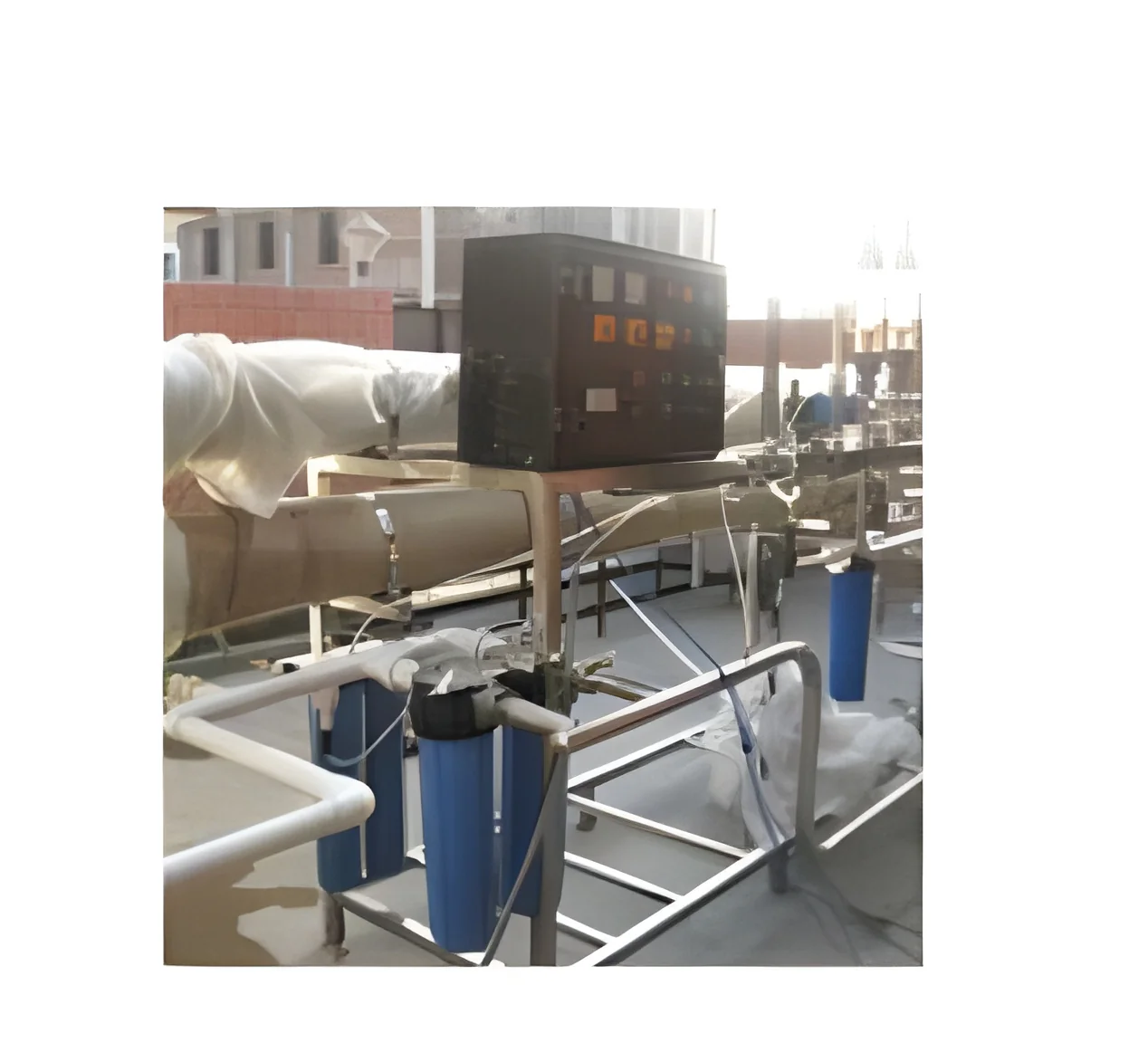
Description
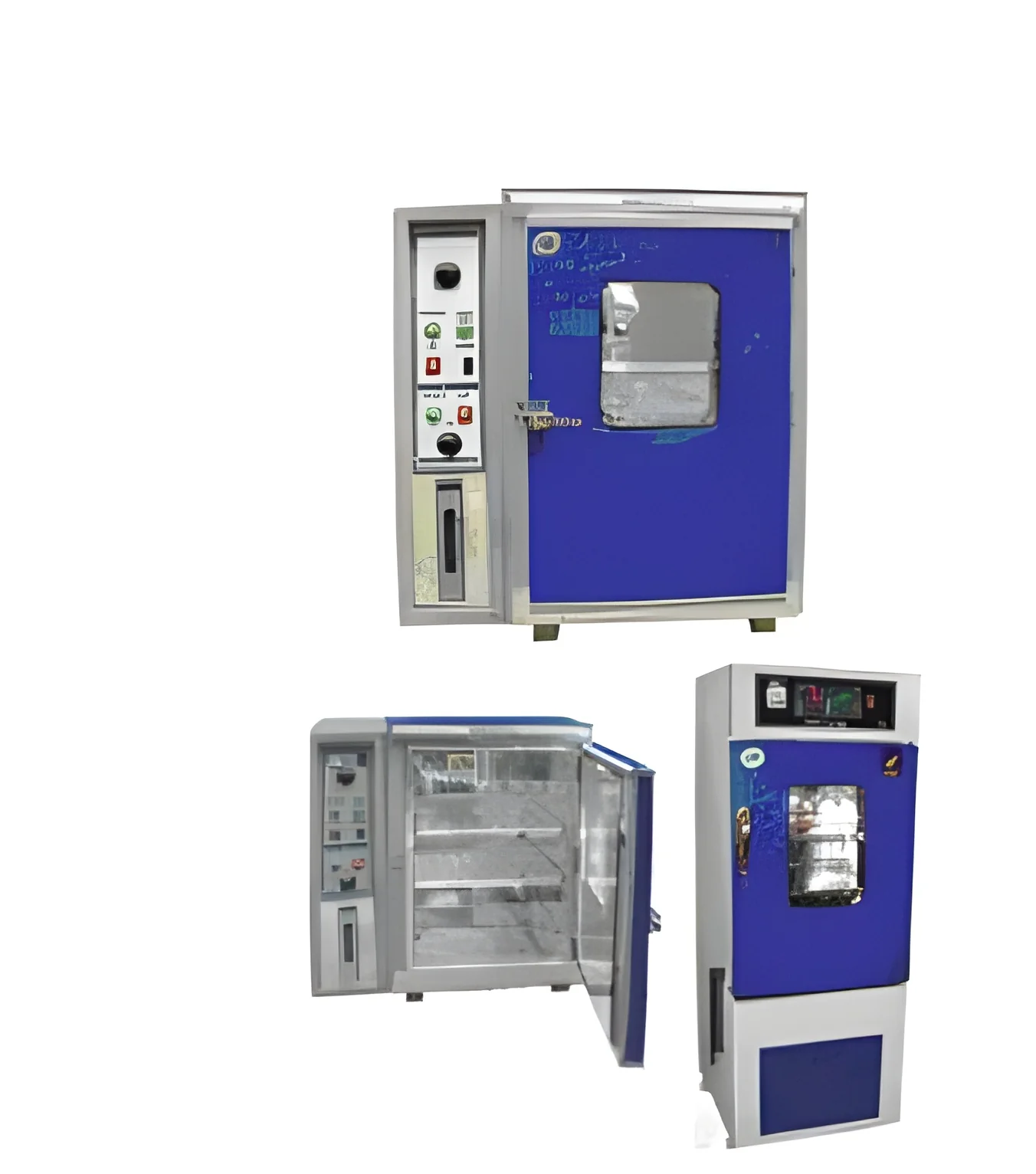
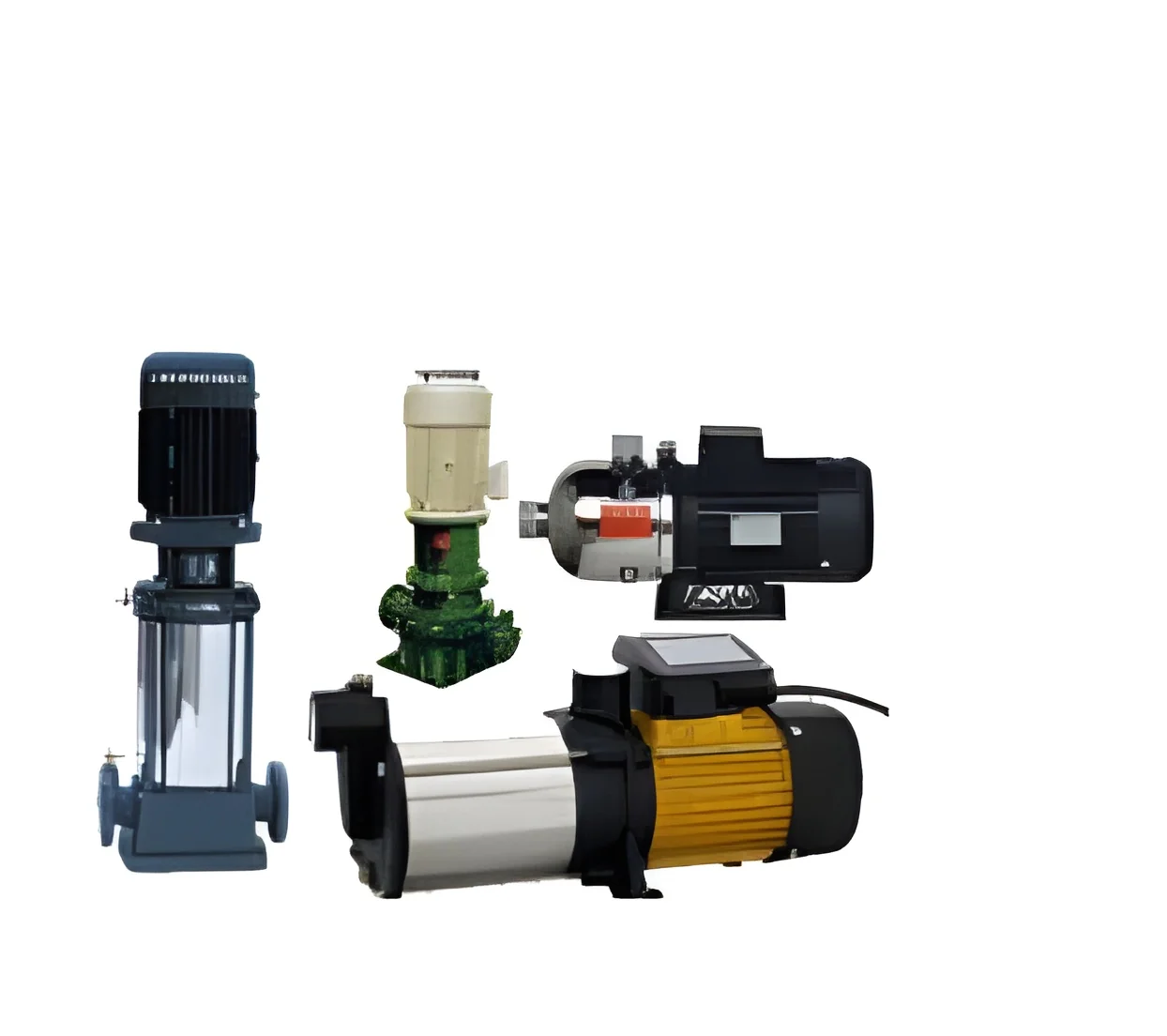
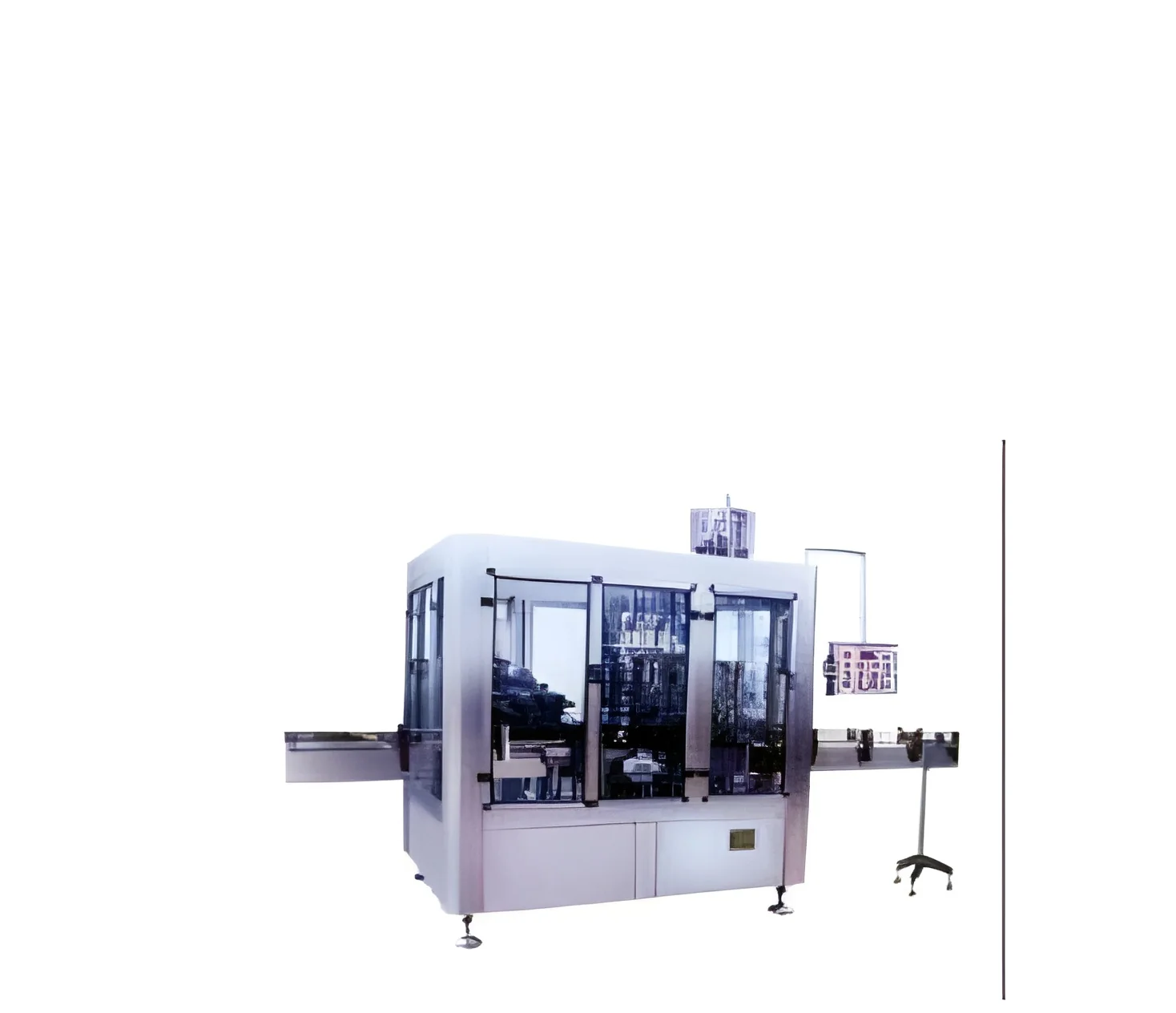
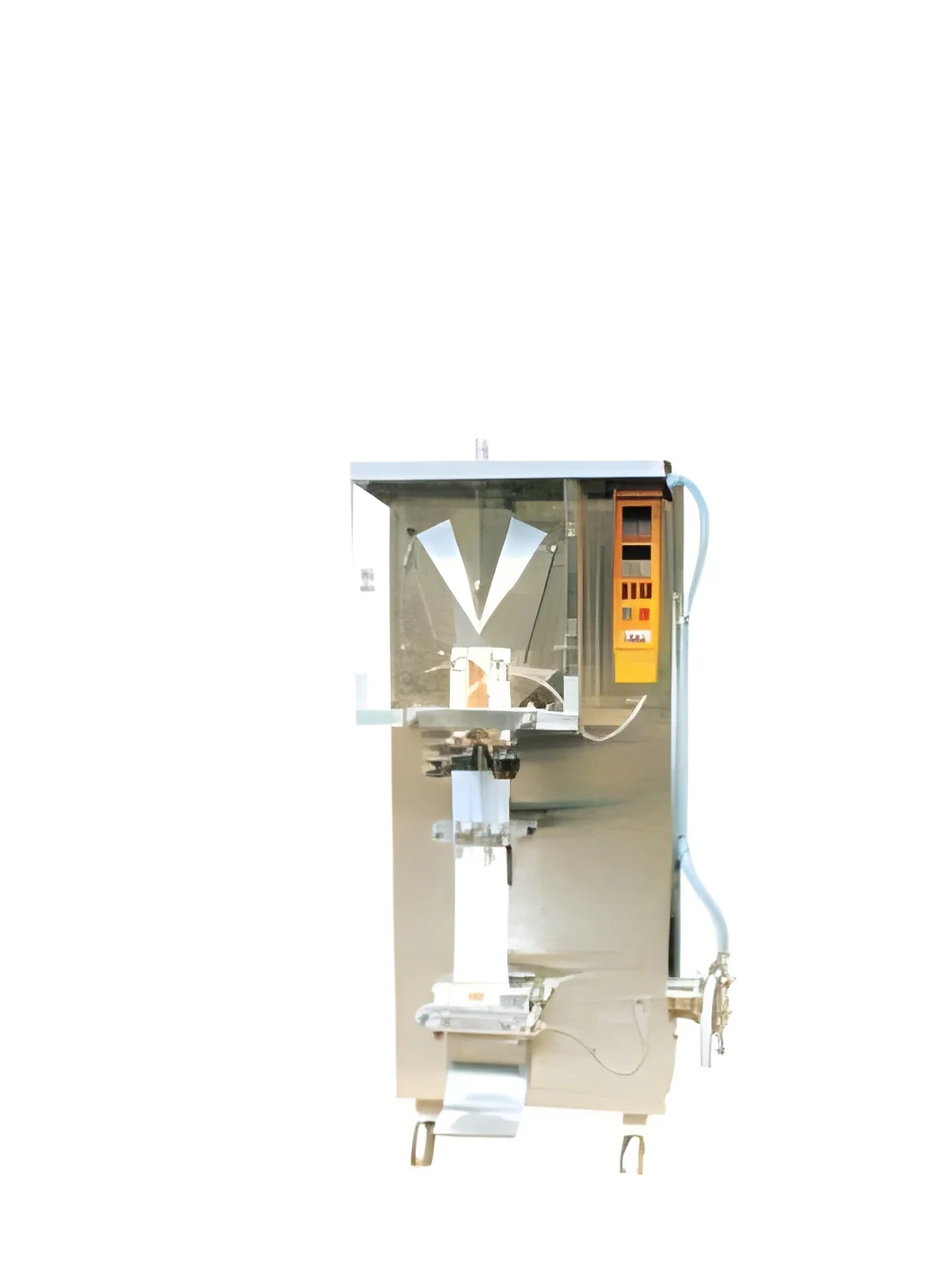
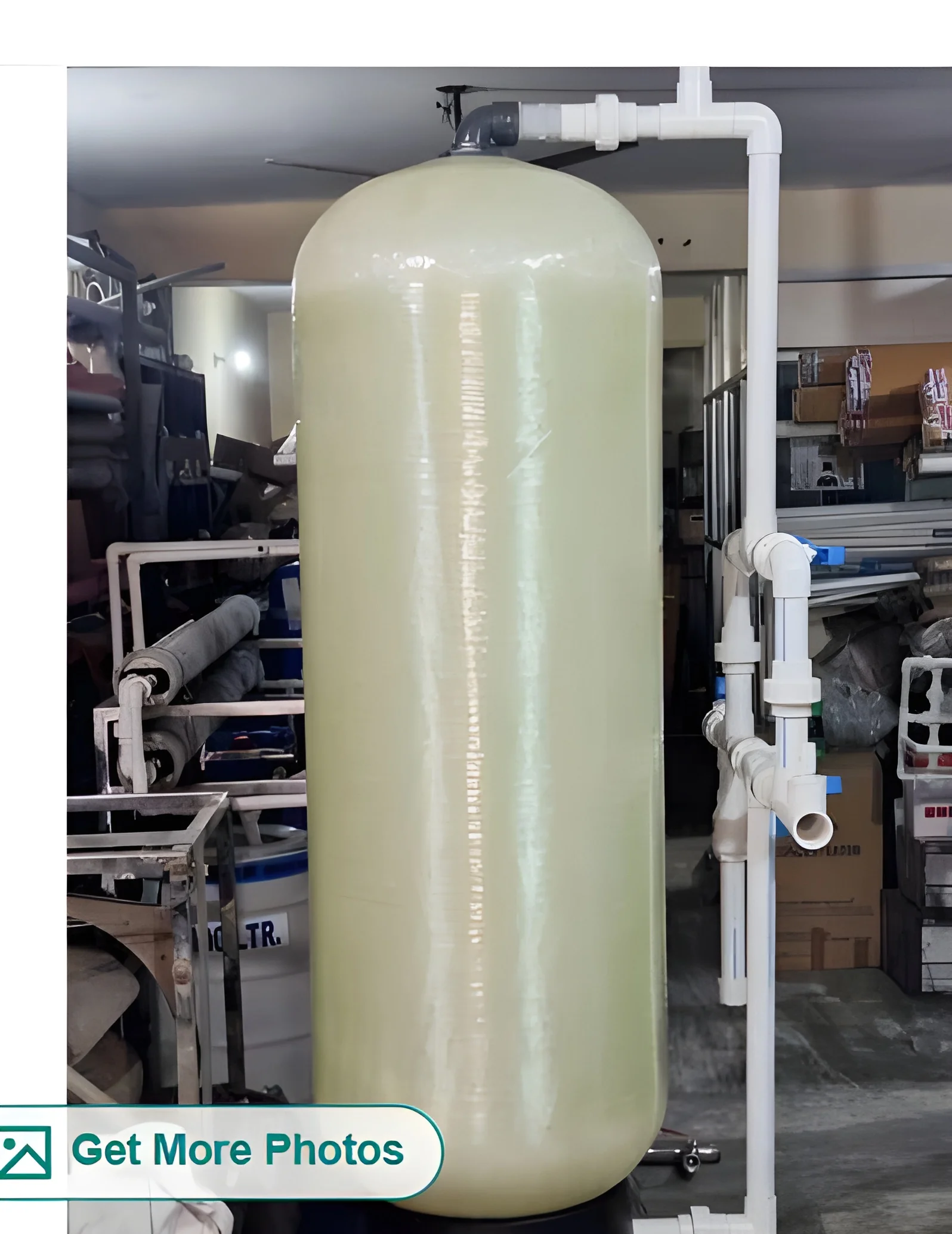
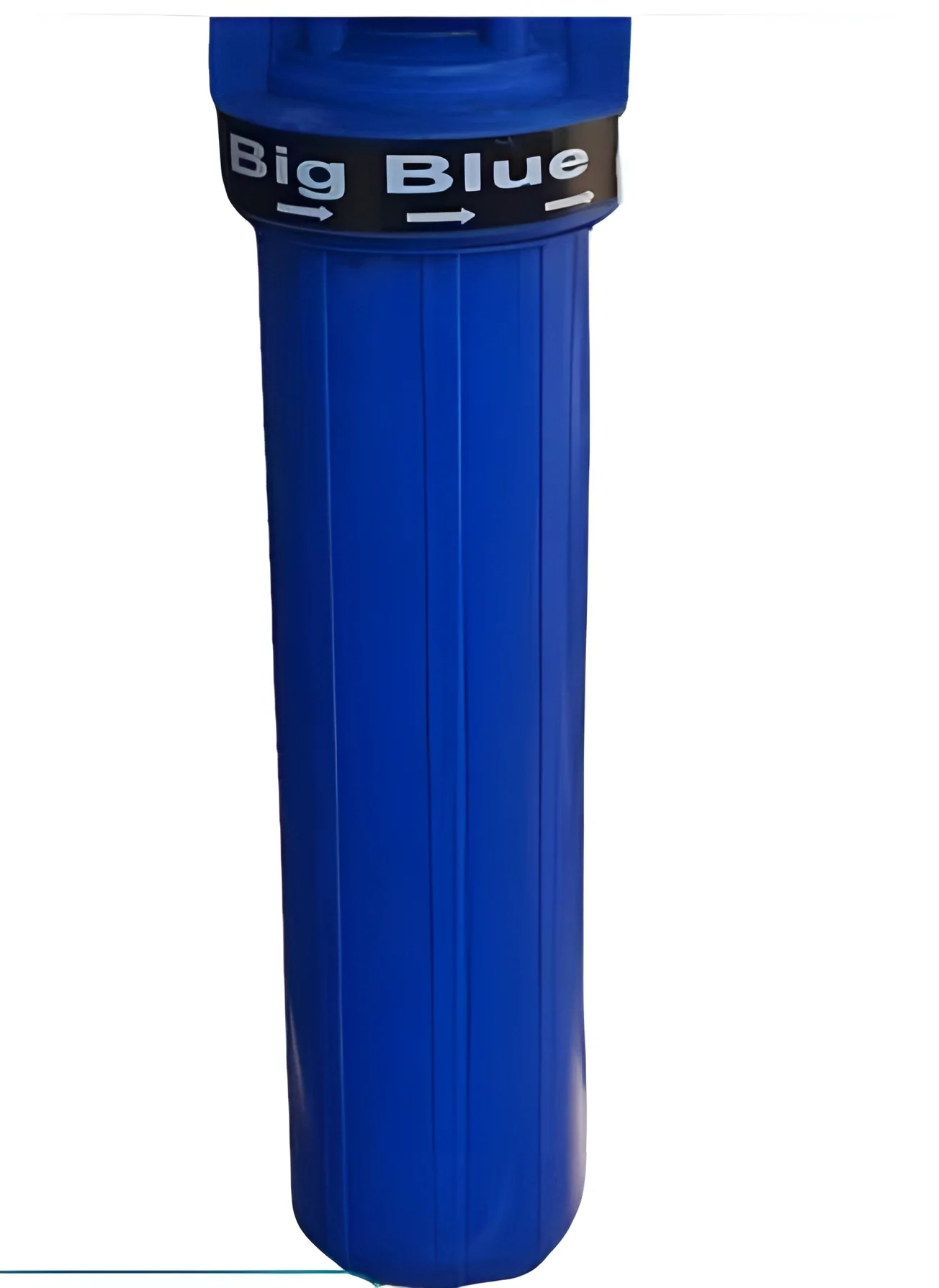
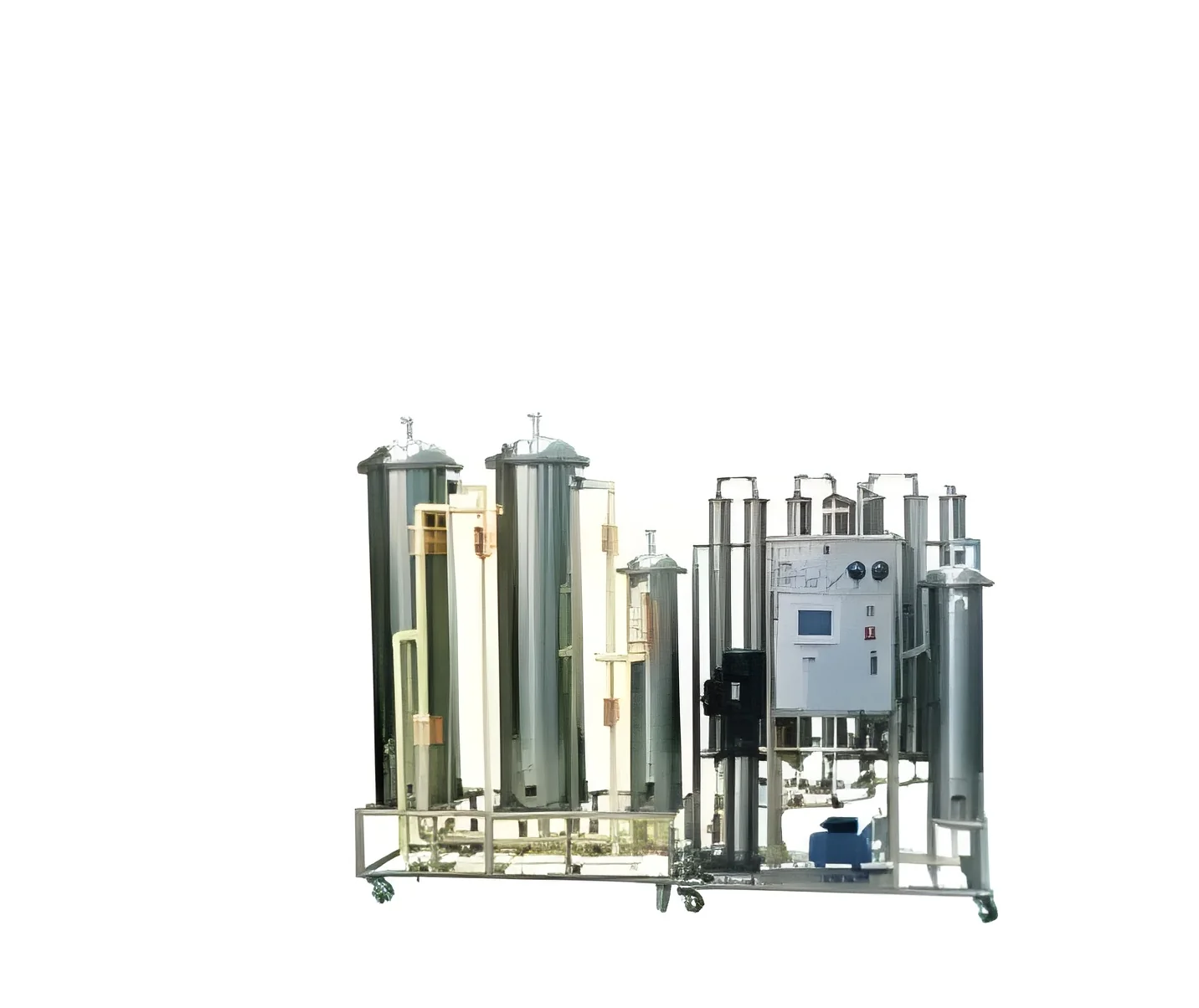
Water treatment plants represent comprehensive purification systems designed to transform raw water into safe, usable water through sophisticated multi-stage processes. These plants systematically remove physical, chemical, and biological contaminants using proven technologies including filtration, sedimentation, reverse osmosis, softening, and disinfection. Each system is engineered to handle specific water challenges, from turbidity and hardness to microbial contamination and chemical pollutants. The result is consistently high-quality water that meets or exceeds regulatory standards while protecting downstream equipment and processes from water-related damage and inefficiencies.

Across industrial sectors, water treatment plants have become indispensable assets for maintaining operational excellence and regulatory compliance. Manufacturing facilities rely on them for process water that prevents scaling and corrosion in machinery. The food and beverage industry depends on purified wa...
Water treatment plants represent comprehensive purification systems designed to transform raw water into safe, usable water through sophisticated multi-stage processes. These plants systematically remove physical, chemical, and biological contaminants using proven technologies including filtration, sedimentation, reverse osmosis, softening, and disinfection. Each system is engineered to handle specific water challenges, from turbidity and hardness to microbial contamination and chemical pollutants. The result is consistently high-quality water that meets or exceeds regulatory standards while protecting downstream equipment and processes from water-related damage and inefficiencies.

Across industrial sectors, water treatment plants have become indispensable assets for maintaining operational excellence and regulatory compliance. Manufacturing facilities rely on them for process water that prevents scaling and corrosion in machinery. The food and beverage industry depends on purified water for product quality and safety. Pharmaceutical companies require ultra-pure water for manufacturing processes, while commercial buildings need reliable water systems for occupant health and comfort. Municipalities trust these plants to deliver safe drinking water to communities, demonstrating the universal importance of water treatment technology across virtually every sector of modern society.

Investing in a quality water treatment plant delivers substantial business value through operational reliability, cost savings, and risk mitigation. These systems reduce maintenance costs by preventing scale buildup and corrosion in equipment, extend machinery lifespan, and minimize production downtime. The reliability of properly engineered water treatment ensures consistent product quality and process stability. Customization options allow businesses to select systems precisely matched to their specific water challenges and operational requirements, providing optimal performance without unnecessary complexity or overspending. This strategic approach to water management creates long-term value while ensuring environmental compliance and sustainable operations.

Key Features:
- Multi-stage purification using physical, chemical, and biological processes
- Customizable configurations for specific industry requirements
- Advanced filtration technologies including reverse osmosis and sedimentation
- Robust construction for reliable long-term operation
- Comprehensive contaminant removal capabilities

Benefits:
- Ensures consistent water quality meeting regulatory standards
- Protects equipment from scale, corrosion, and biological fouling
- Reduces operational costs through efficient water management
- Enhances product quality and process reliability
- Provides scalable solutions for growing business needs
Specifications
| Additional Information | |
|---|---|
| Country of Origin | India |
| Customisable | No |
Application
Water treatment plants serve critical roles across multiple sectors where water quality directly impacts operations and safety. These systems are engineered to handle diverse water sources and contamination levels, providing tailored solutions for specific industry requirements and regulatory standards.
From manufacturing facilities to municipal infrastructure, water treatment plants ensure consistent water quality for processes, equipment protection, and human consumption. The versatility of these systems allows for customization based on flow rates, contamination profiles, and end-use requirements across different applications and industries. Real-world applications:
Real-world applications:
- Municipal drinking water purification for cities and communities
- Industrial process water treatment for manufacturing and production
- Pharmaceutical grade water systems for healthcare facilities
- Food and beverage processing water purification
- Commercial building water systems for hotels and complexes
Trade Details
| Available Stock | In Stock |
| Sample Availability | No |
Payment Terms
| Payment Terms |
|
Company Profile
OM R-O SYSTEMS, Uttar Pradesh
 Uttar Pradesh, India
Uttar Pradesh, IndiaIndustrial Equipment & Machinery•Manufacturer•Distributor / Wholesaler•Retailer
Factory Details
Factory SizeBelow 1000 sqm
Industrial Water Treatment Plants For Safe Clean Water Systems
Industrial water treatment plants remove contaminants and impurities through advanced physical, chemical, and biological processes. These reliable systems deliver safe, clean water for industrial, commercial, and residential applications while meeting strict quality standards.
Min. Order Quantity: 1
Shipping
Shipping fee and delivery date to be negotiated. Contact supplier now for more details.
OM R-O SYSTEMS
 Uttar Pradesh, India
Uttar Pradesh, IndiaIndustrial Equipment & MachineryManufacturer