
 IN
INCentral Chillers (Air Cooled & Water Cooled)
160 products available
Key Features and Specifications
Common Applications and Use Cases
Product Variants and Subcategories
Benefits and Advantages
Buying Guide for B2B Buyers
Compliance and Certifications


 India
India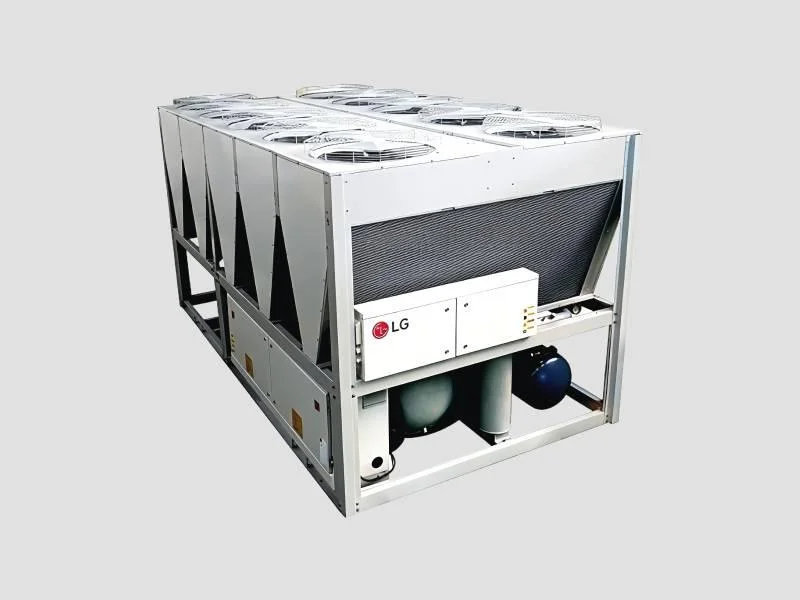
 India
India
 India
India
 India
India
 India
India
 India
India
 India
India
 India
India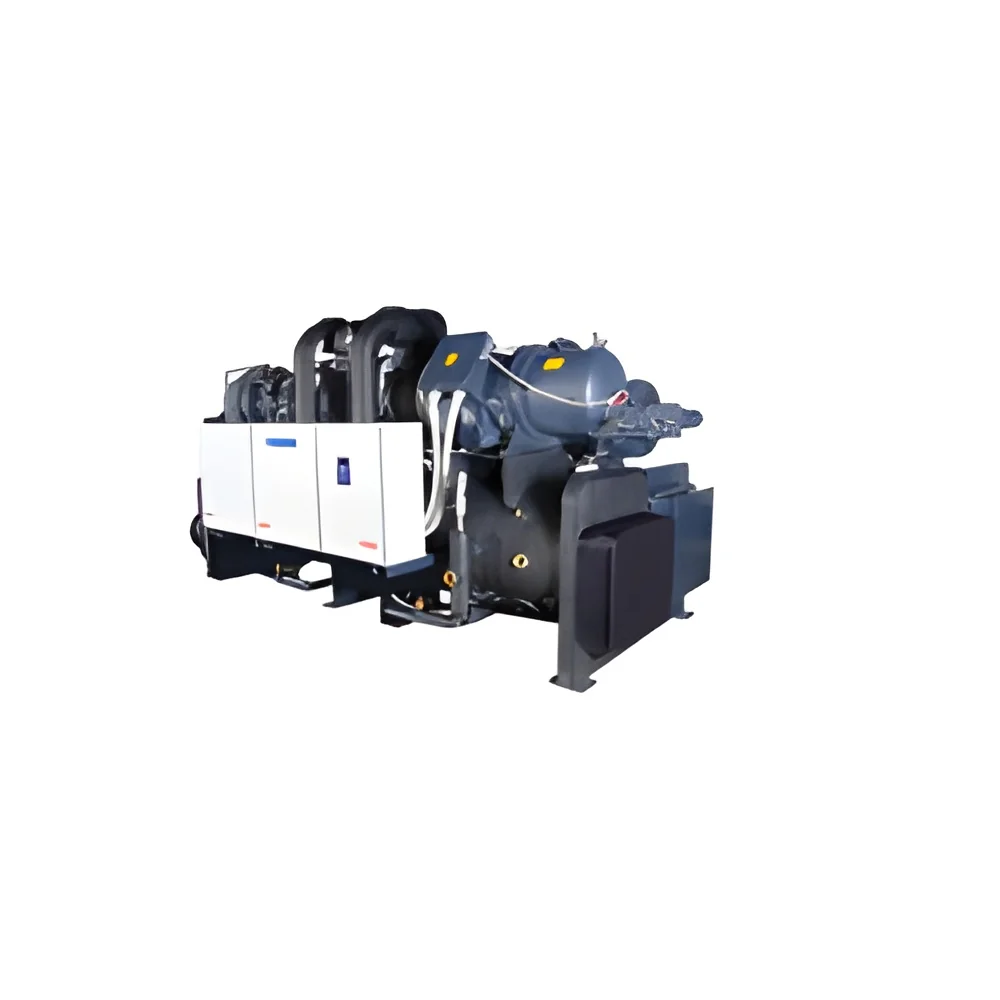
 India
India
 India
India
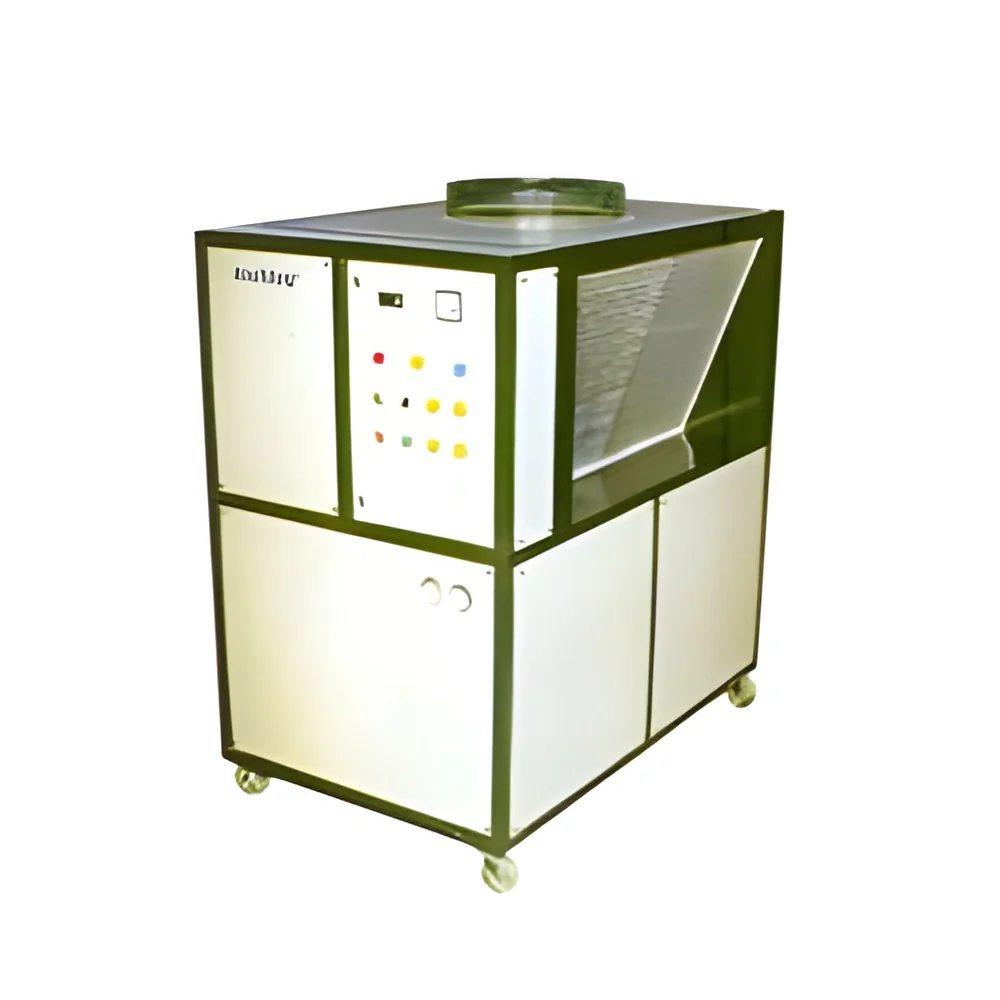
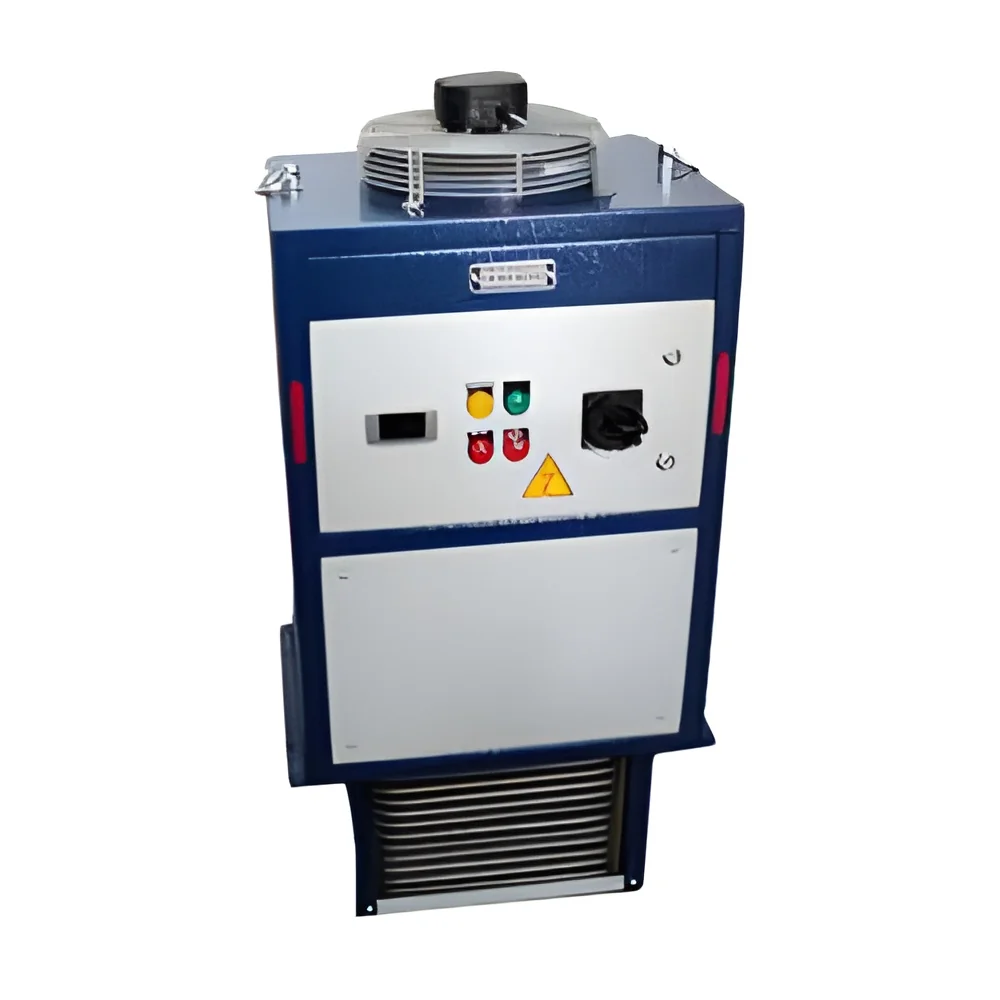
 India
India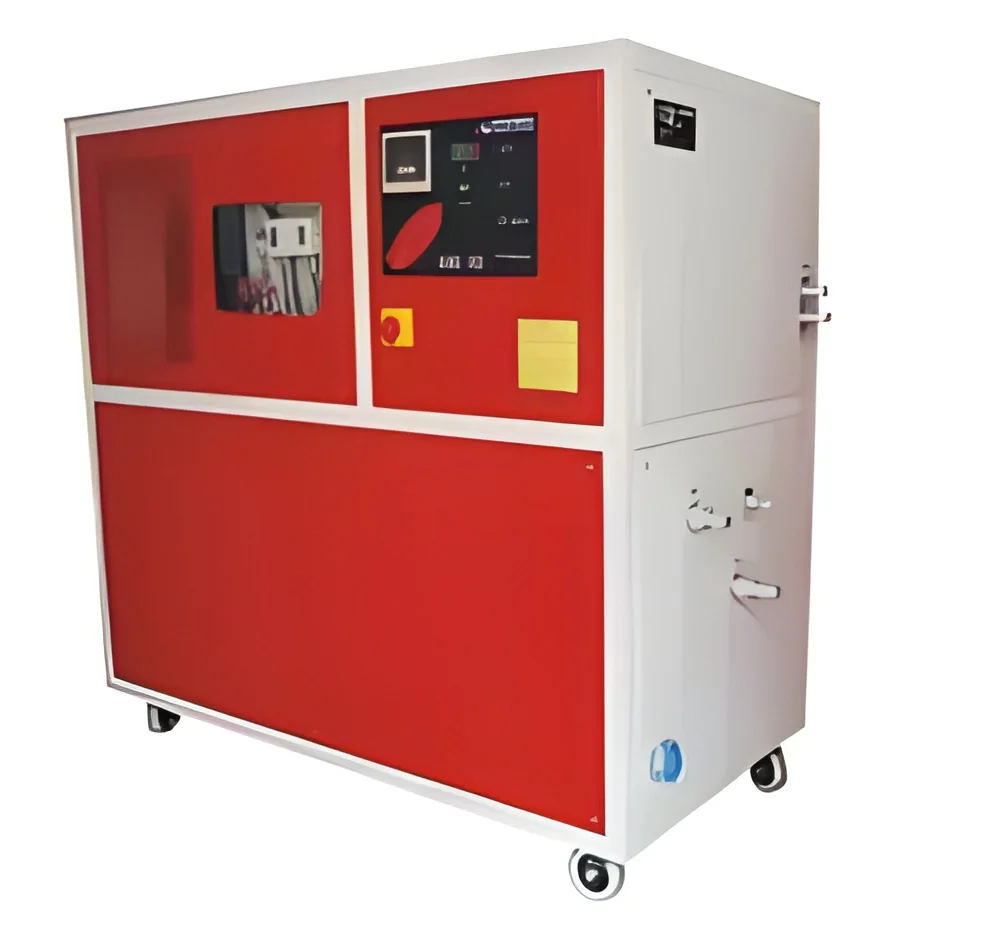
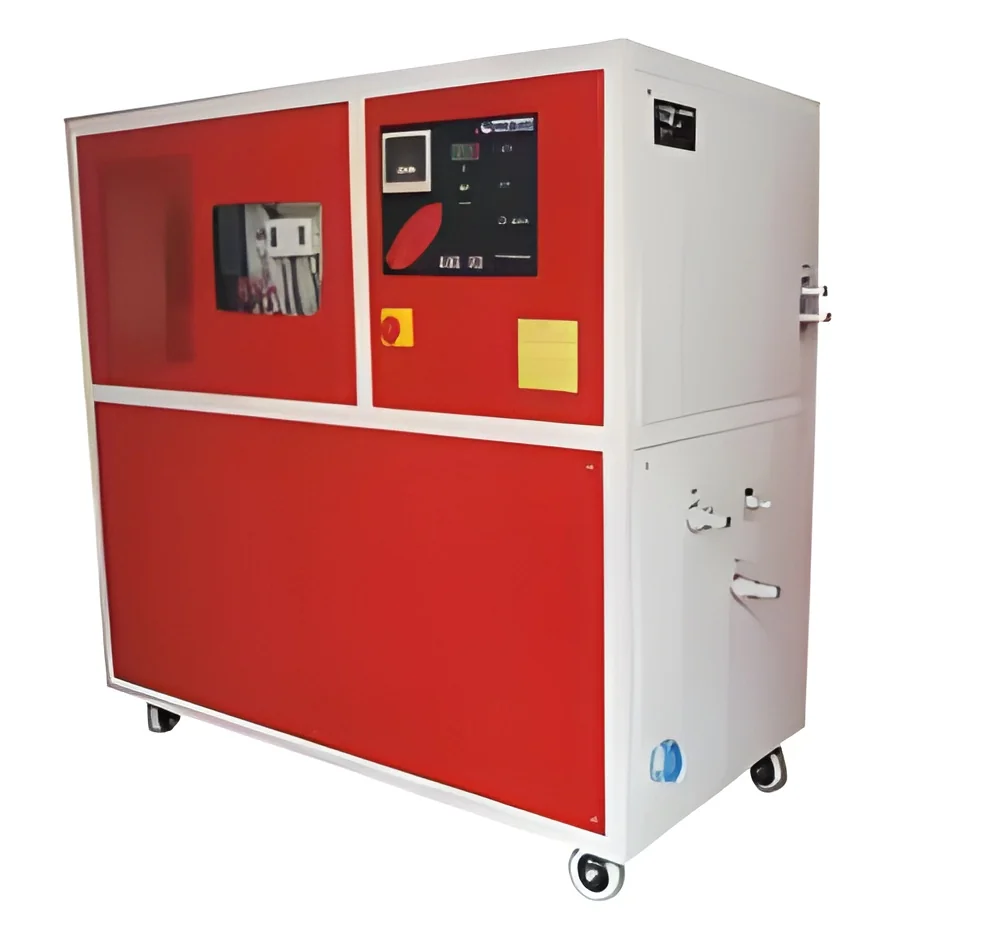
 India
India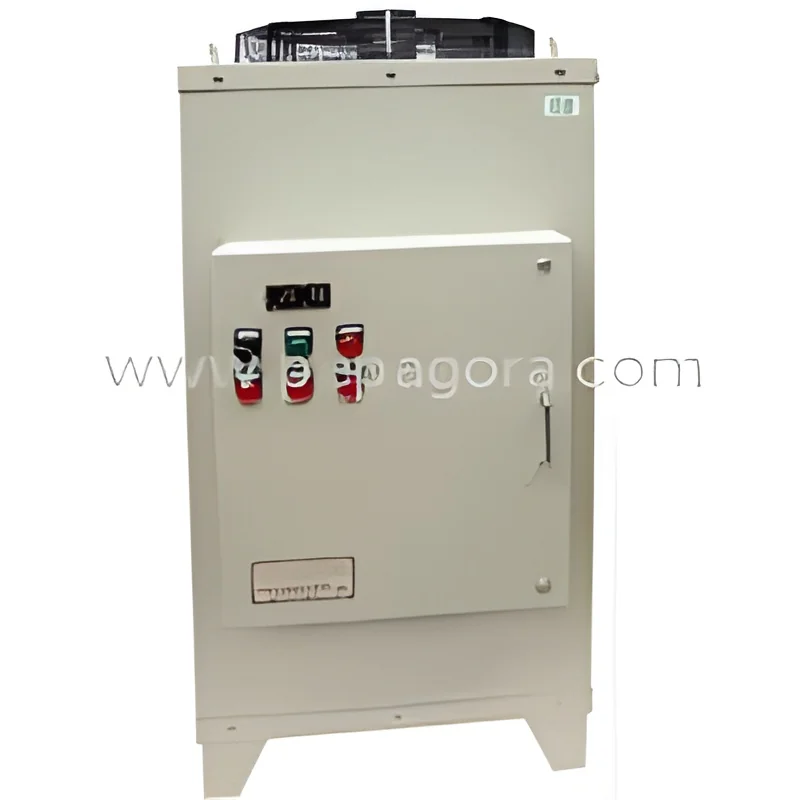
 India
India
 India
India
 India
India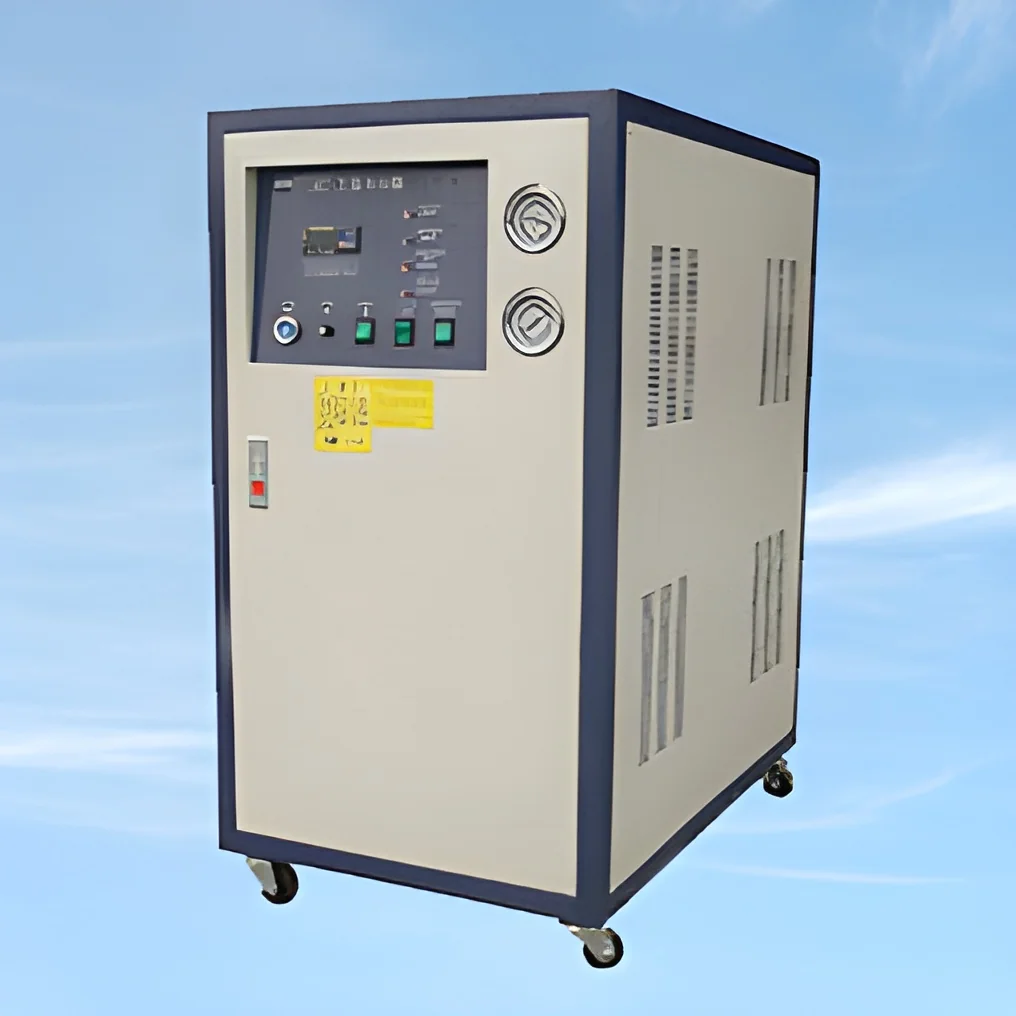
 India
India
 India
India
 India
India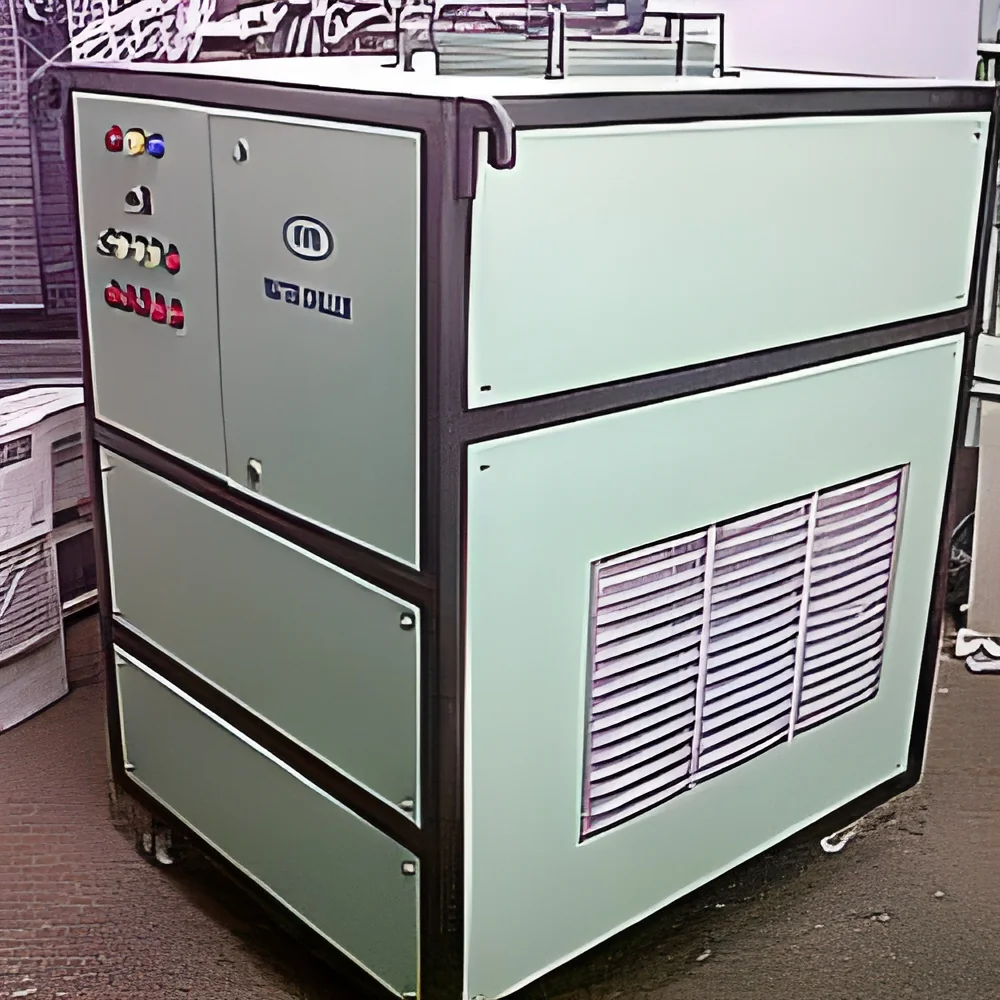

 India
India
 India
India India
India
 India
India
 India
India
 India
India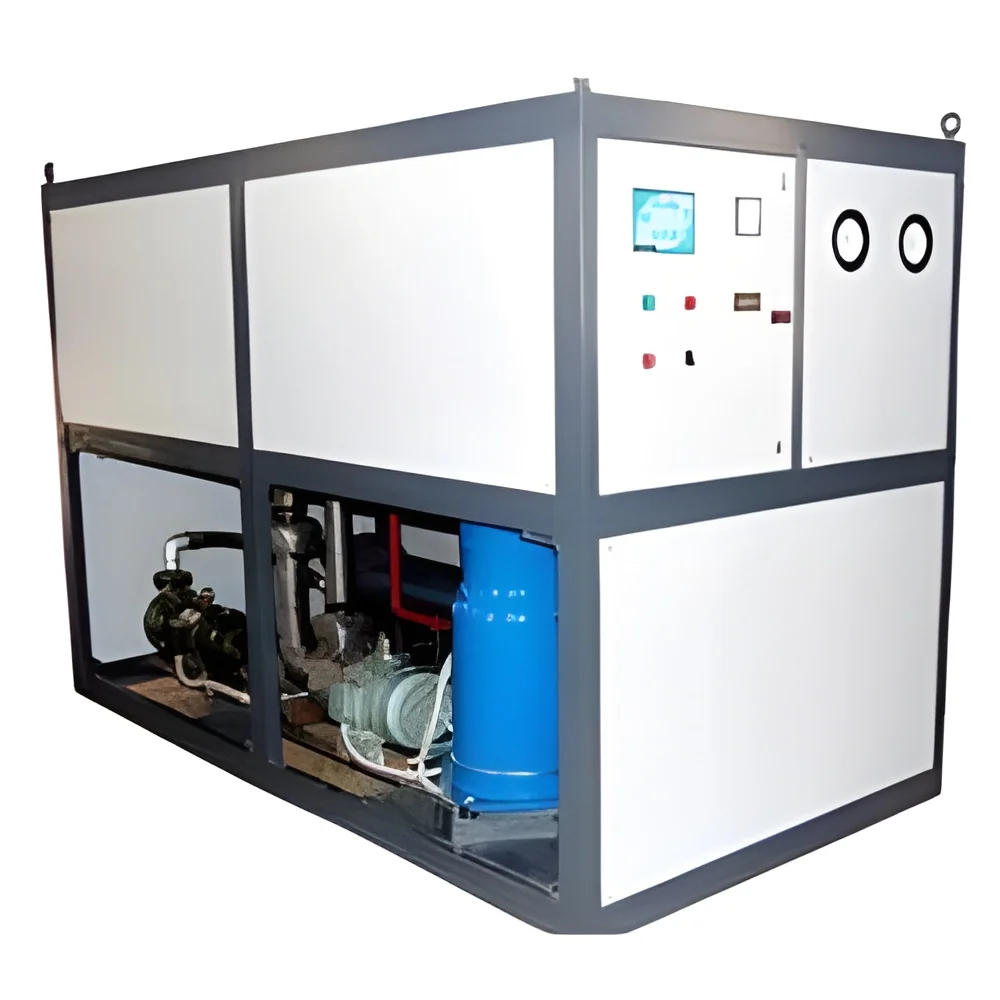
 India
India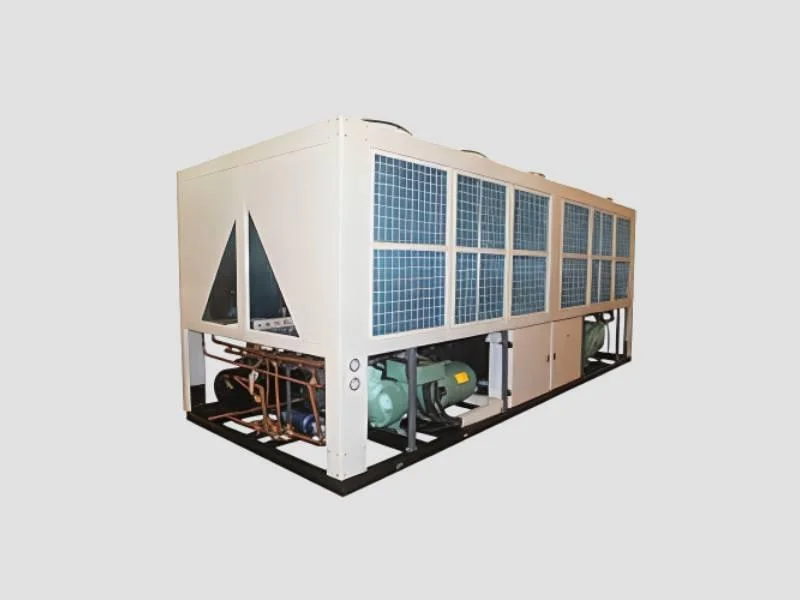
 India
India India
India
 India
India India
India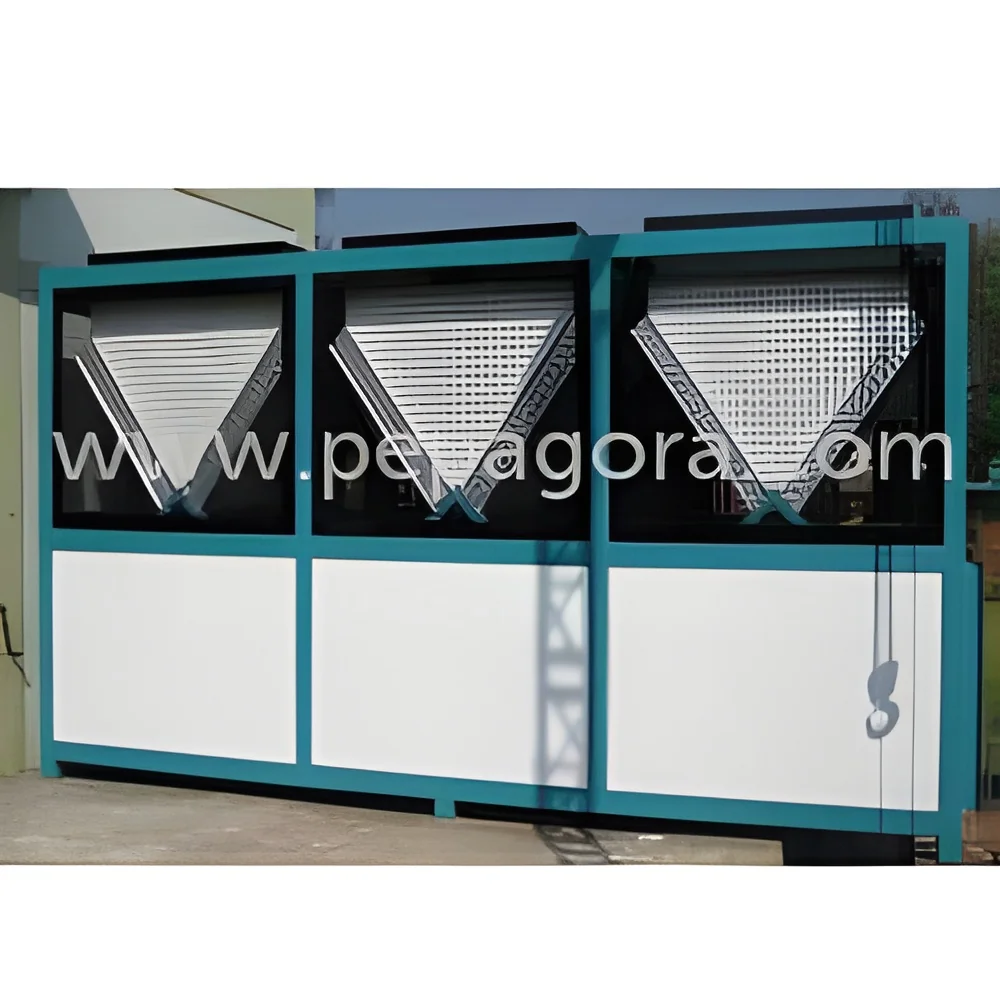 India
India
 India
India India
India India
India
 India
India India
India

 India
India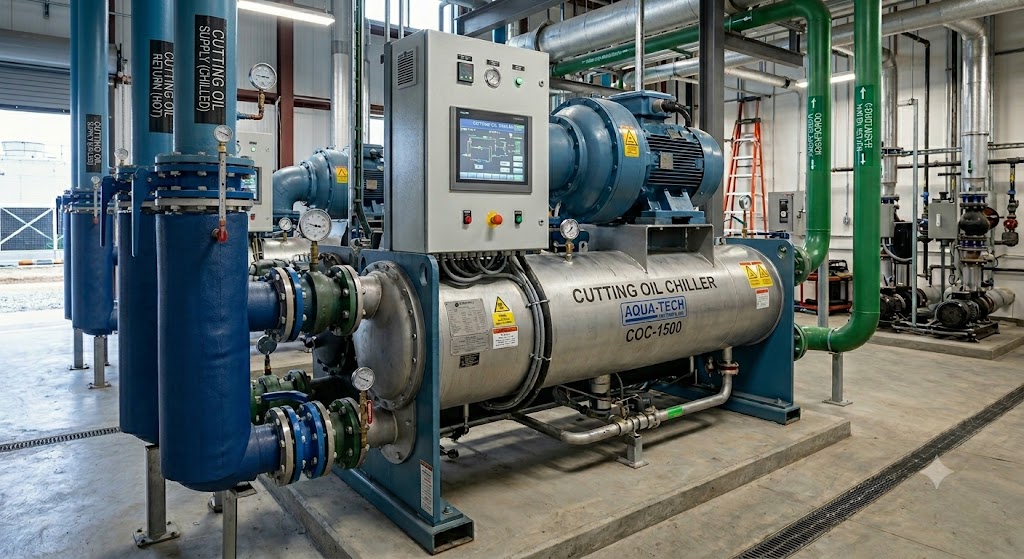


 India
India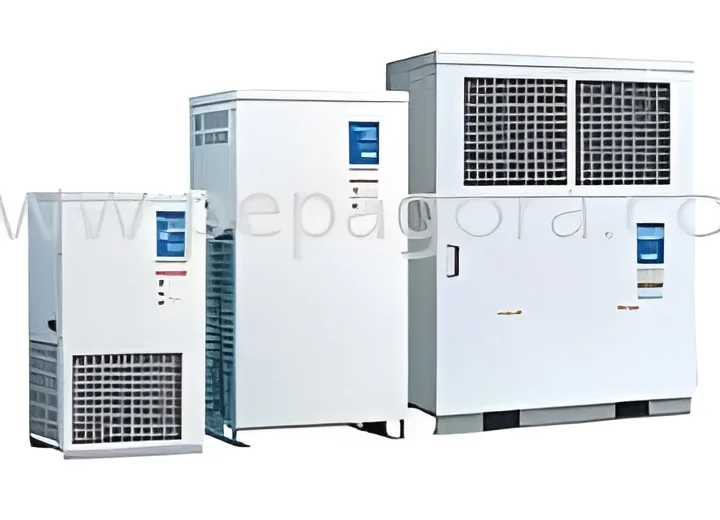 India
India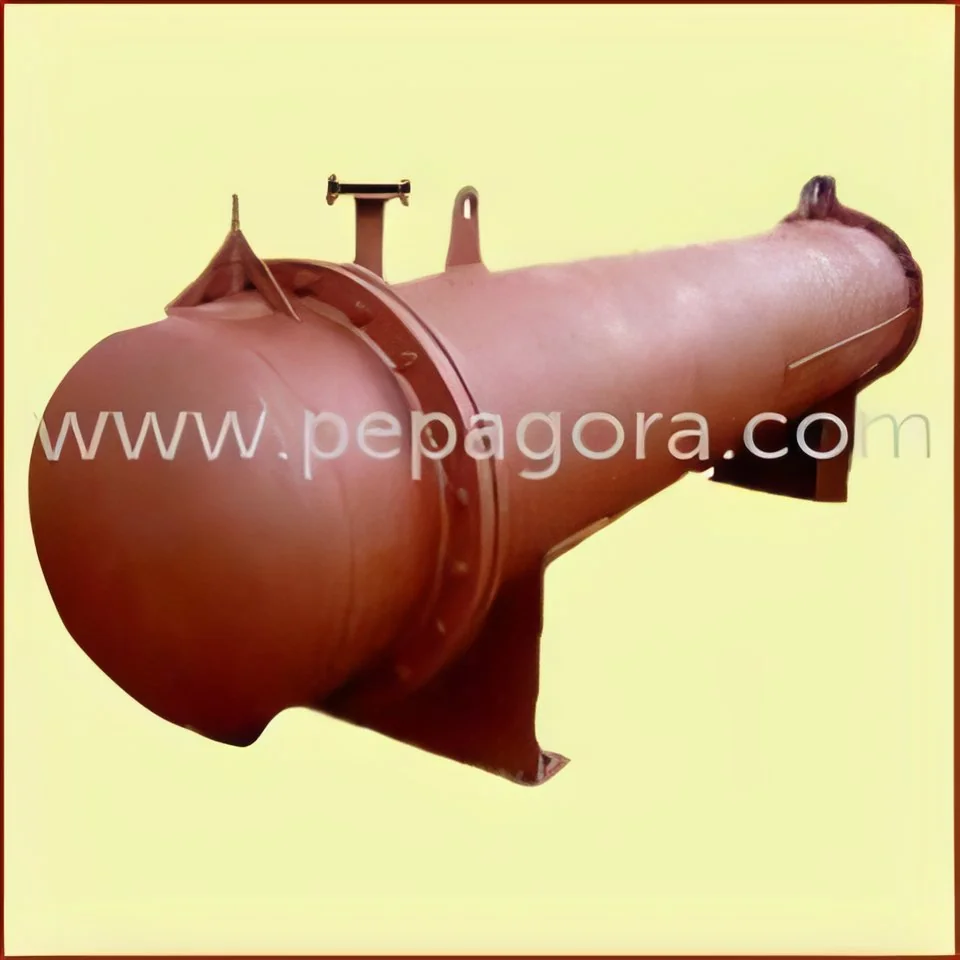 India
India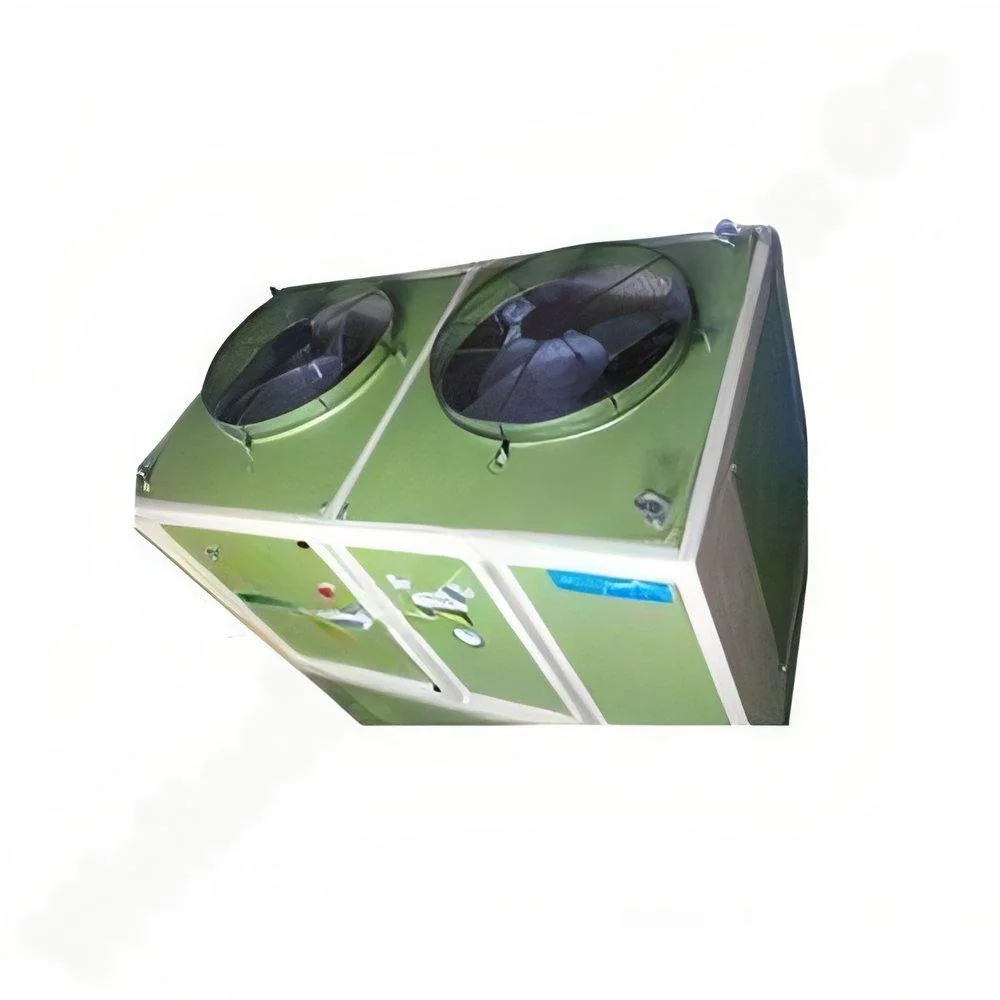 India
India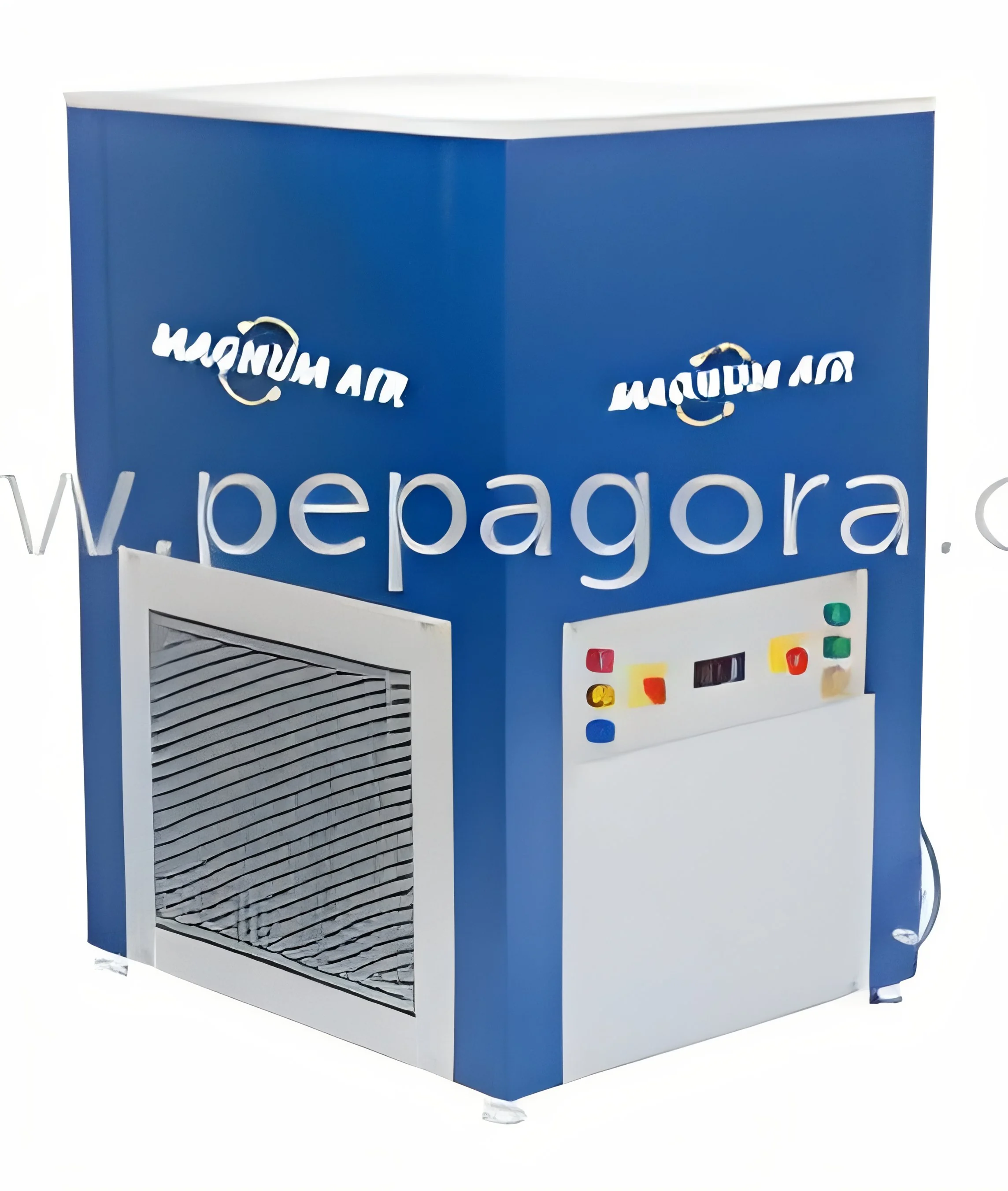 India
India India
India
 India
India India
India India
India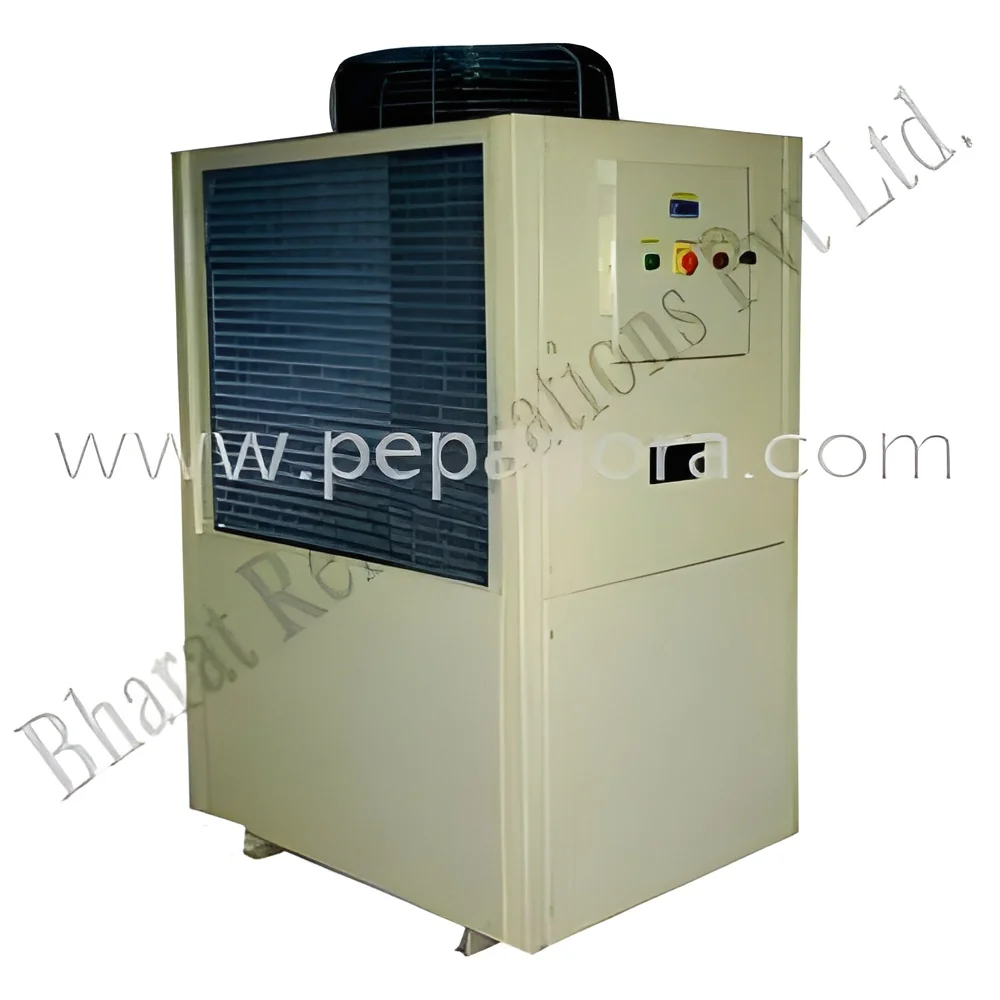 India
India
 India
India India
India India
India India
India
 India
India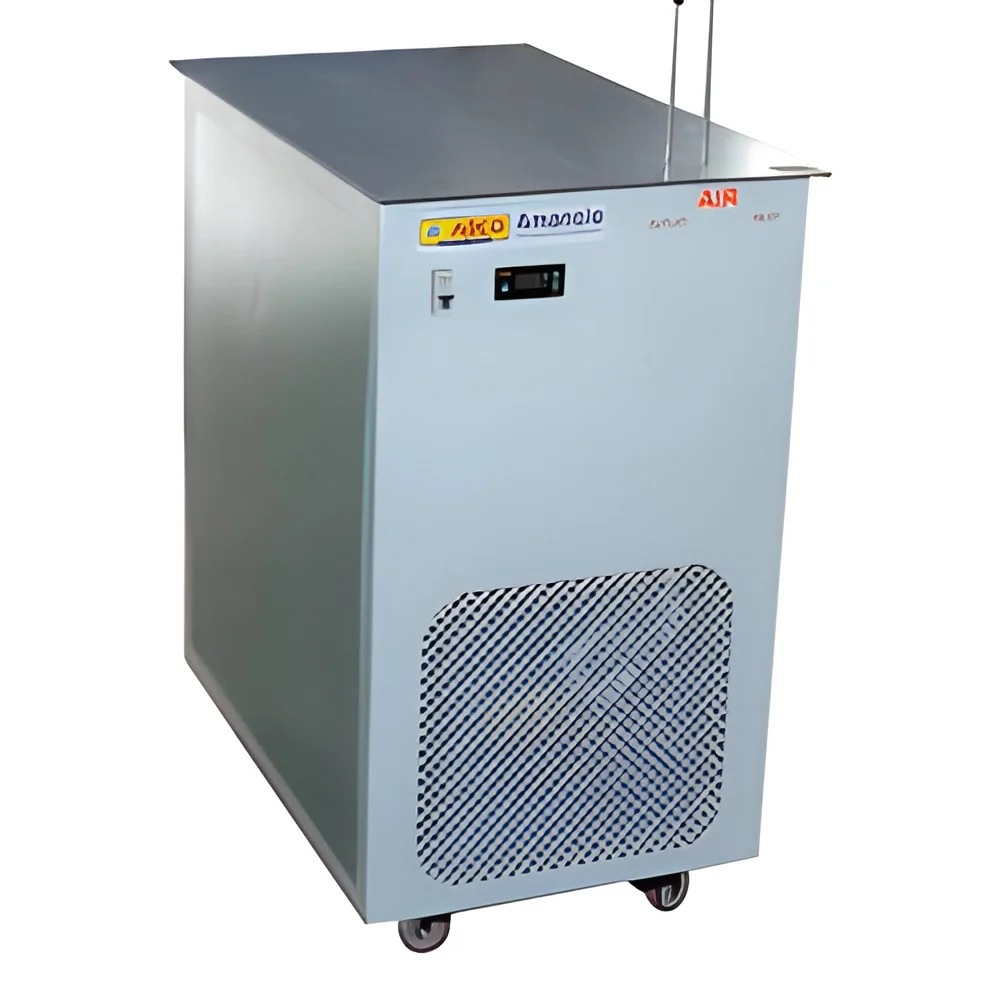
Frequently Asked Questions
What are Central Chillers (Air Cooled & Water Cooled)?
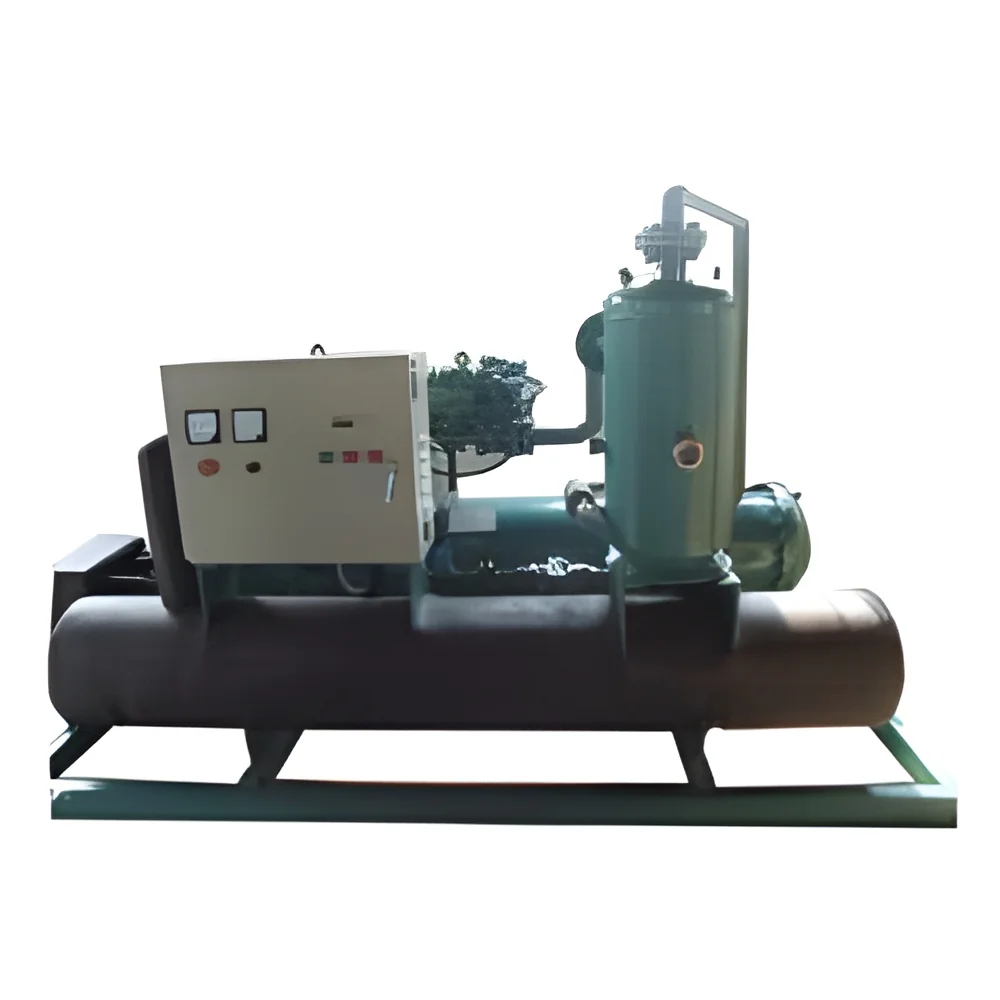
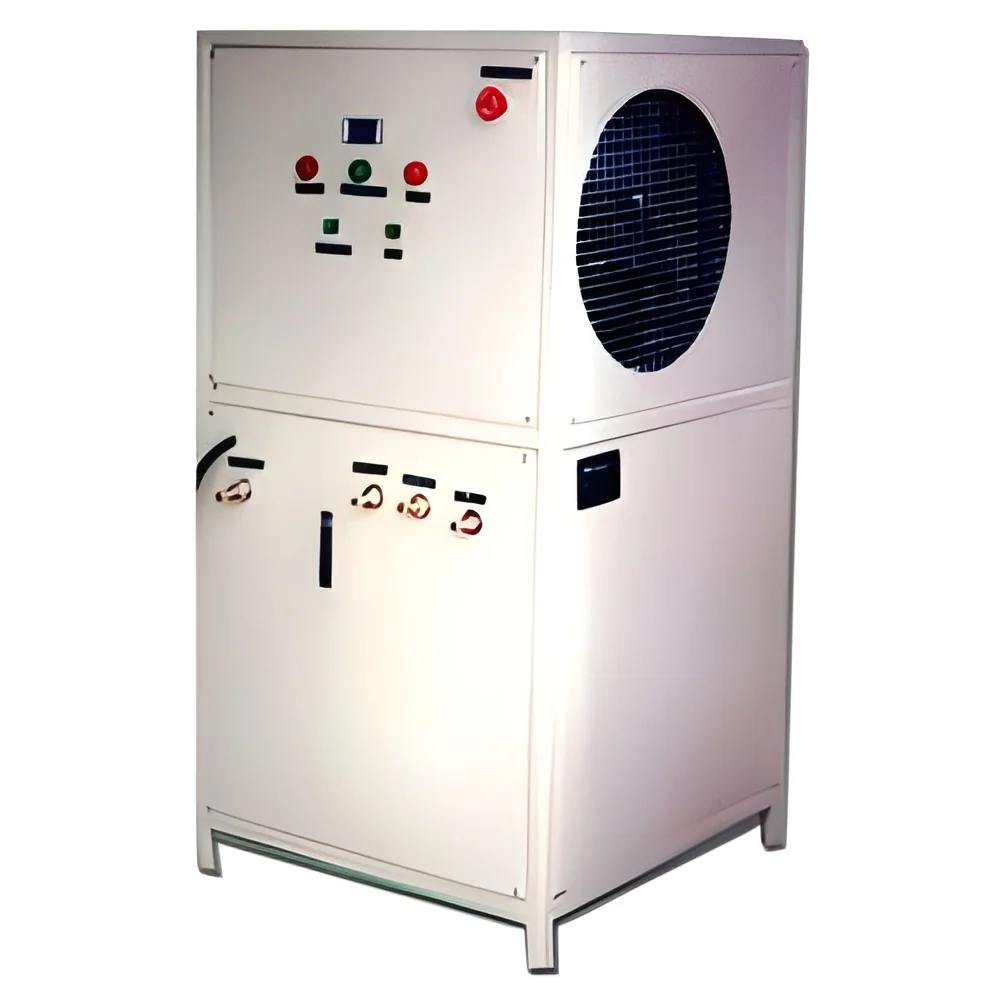
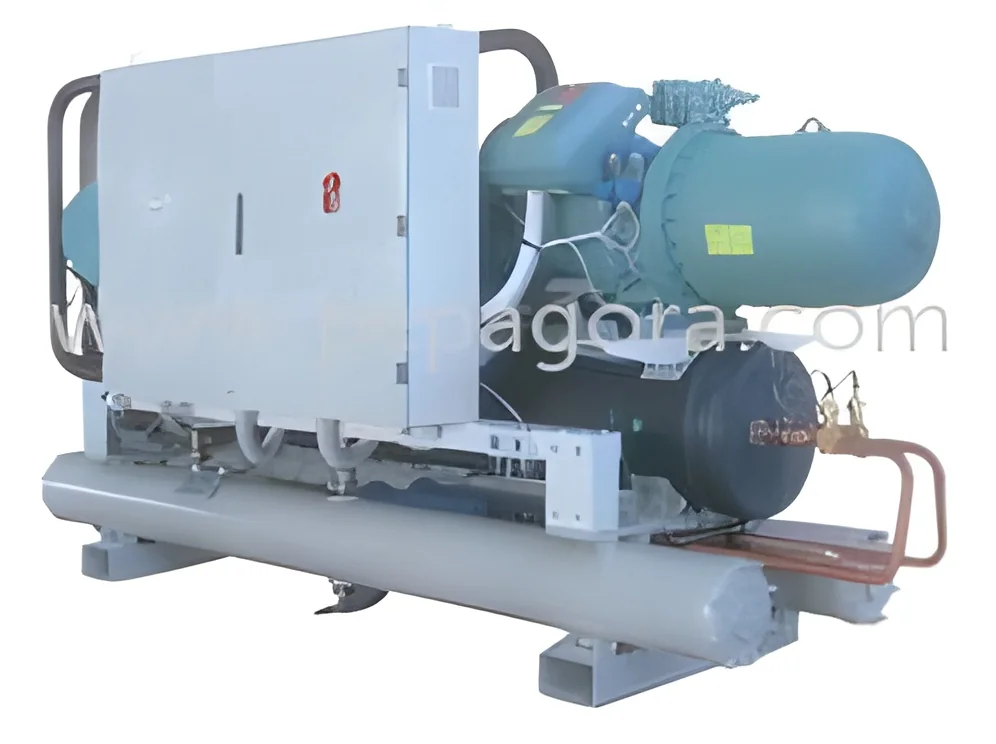
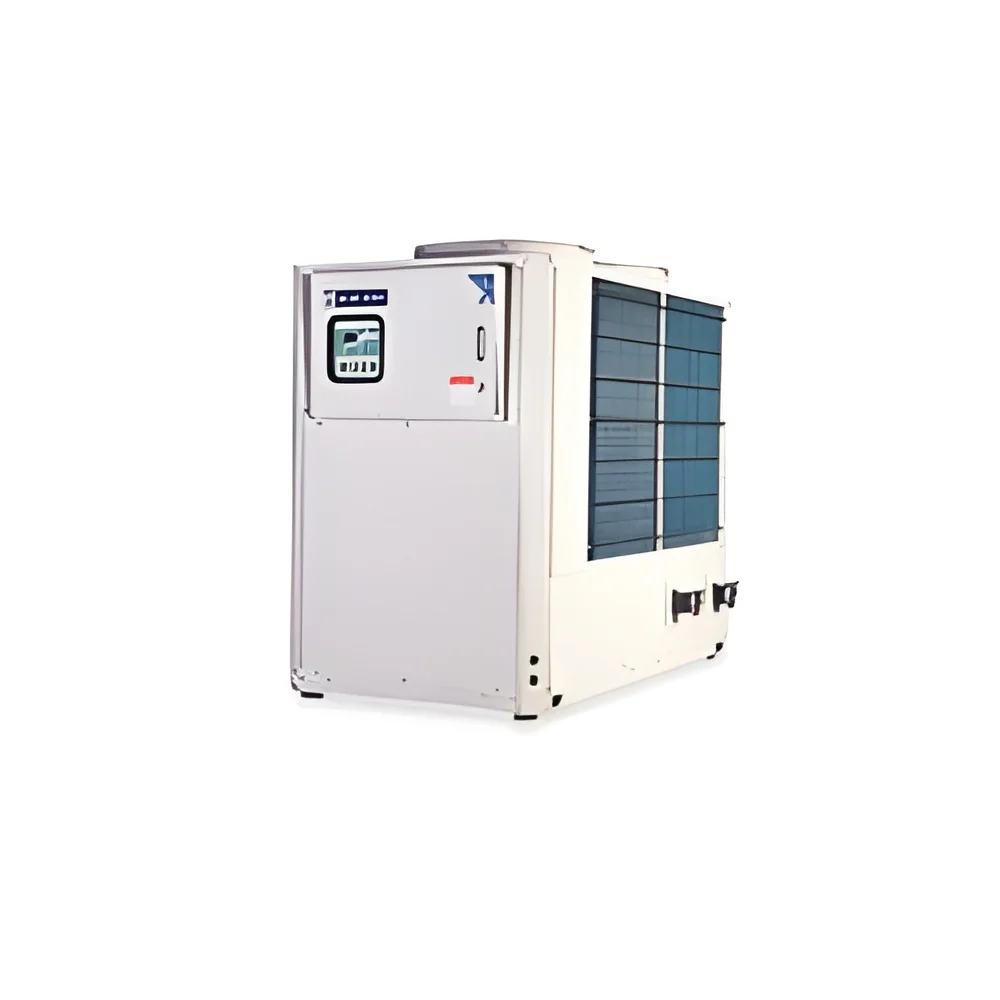
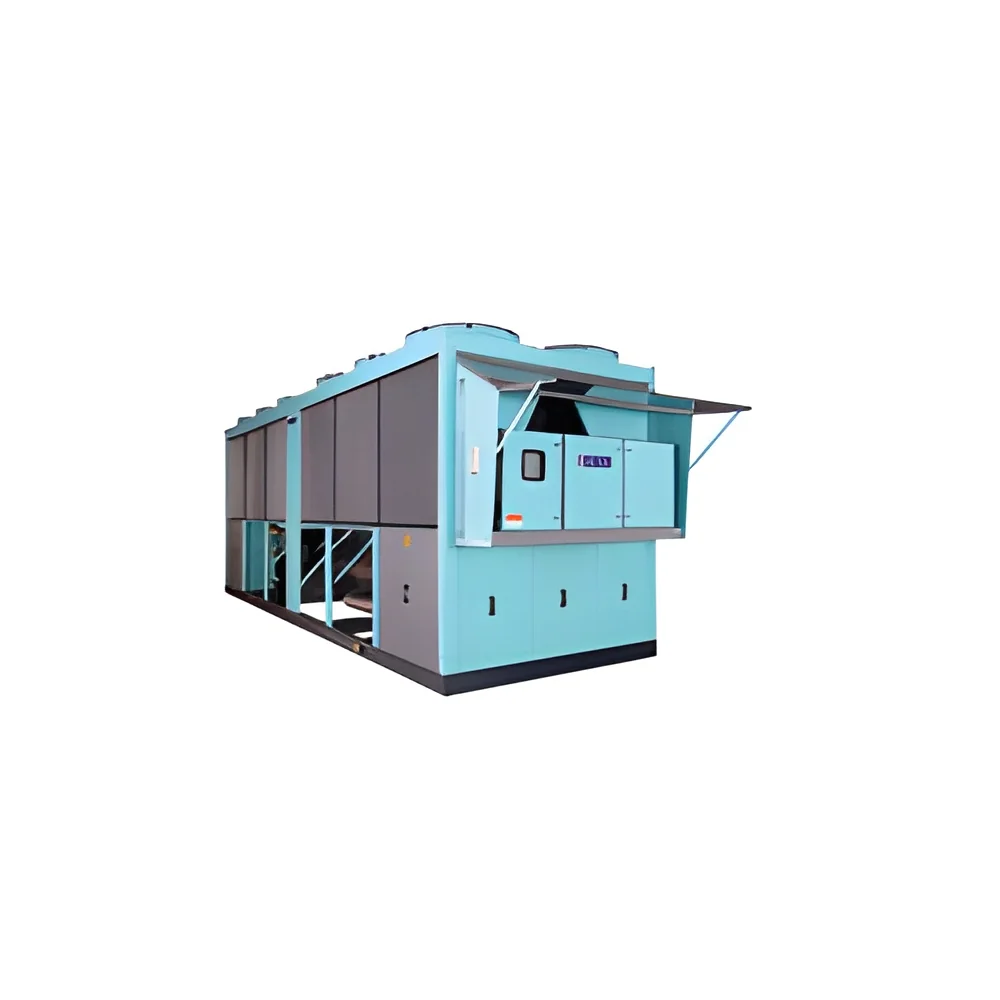
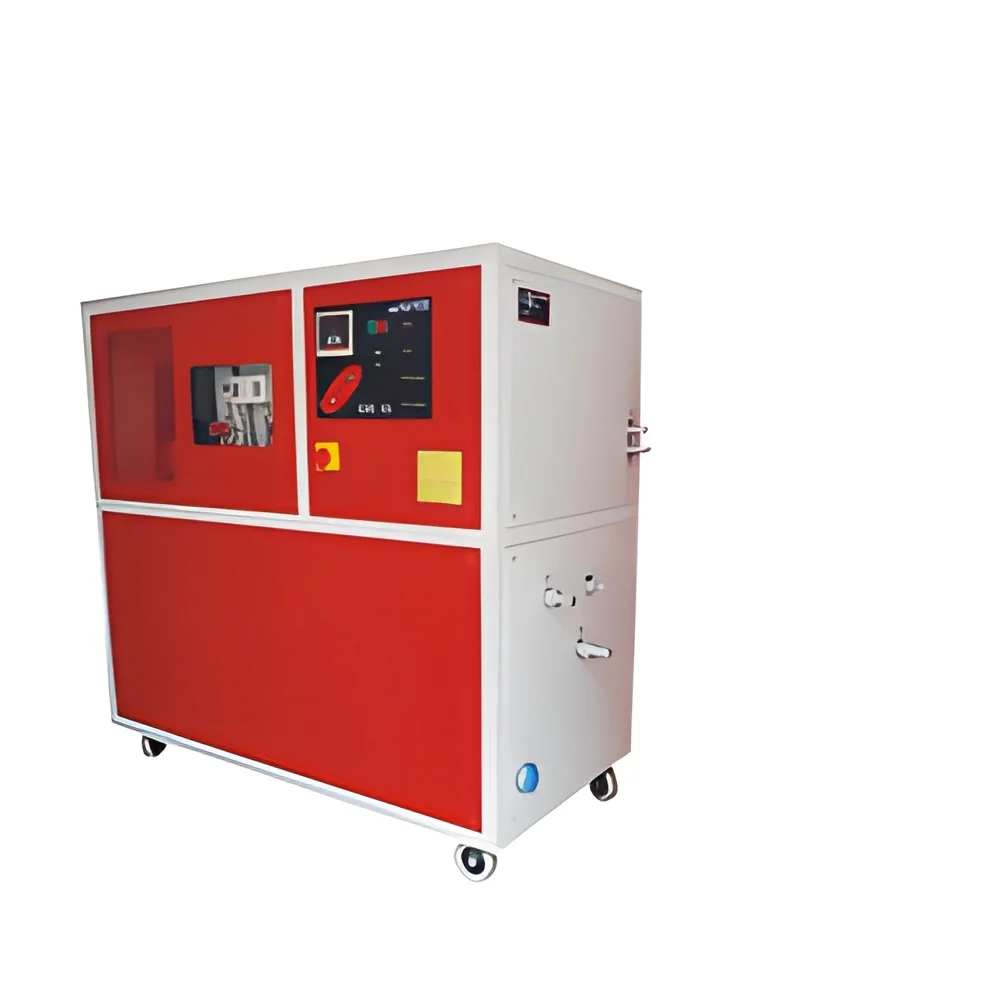
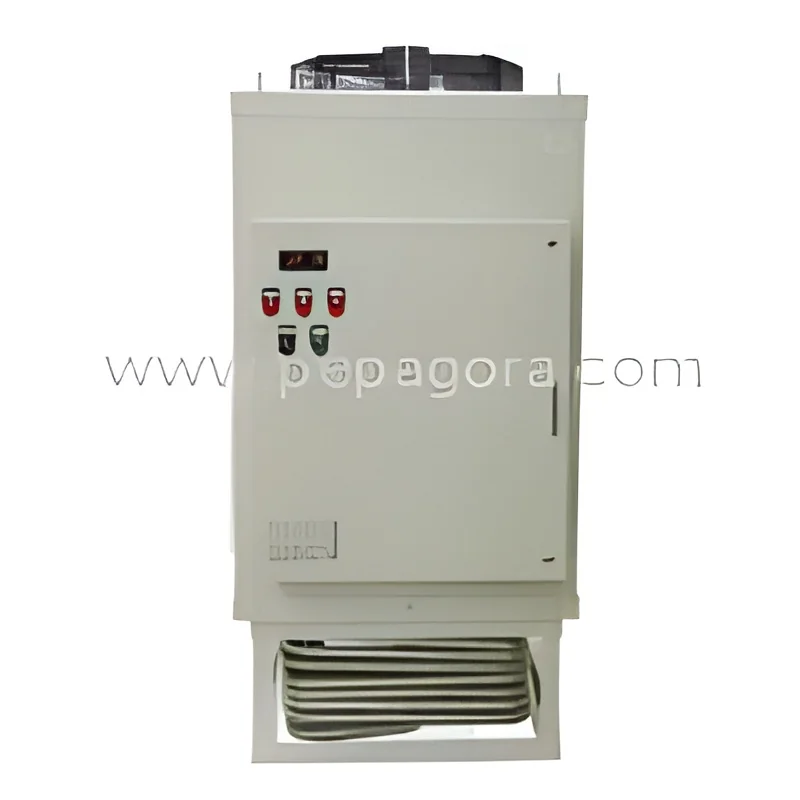
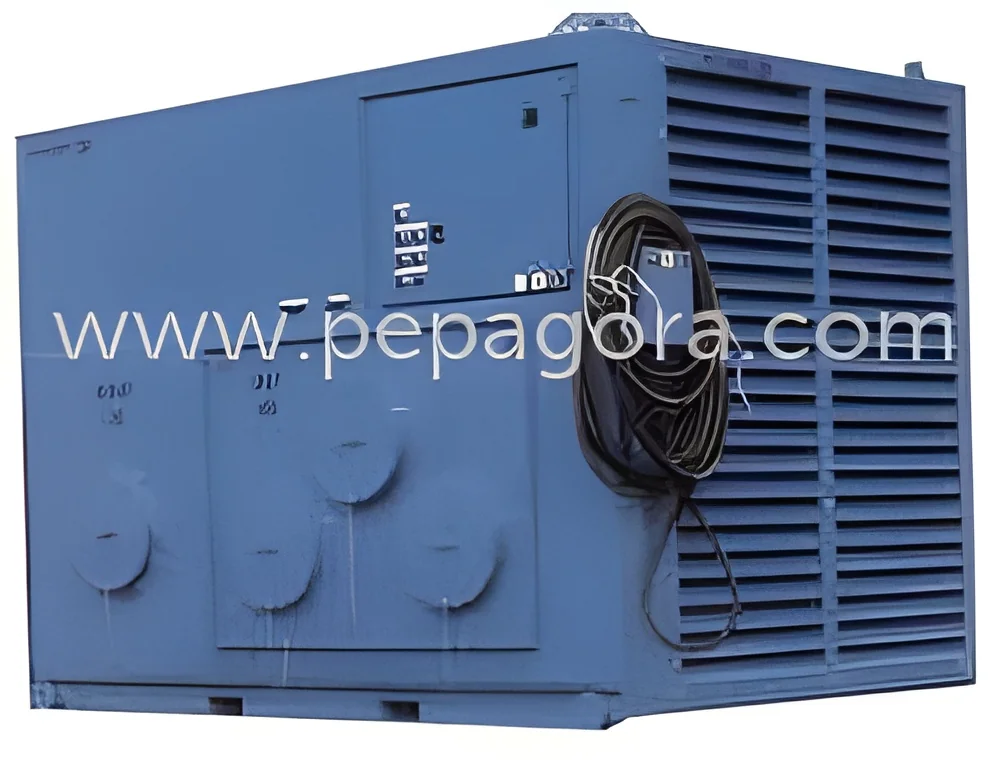
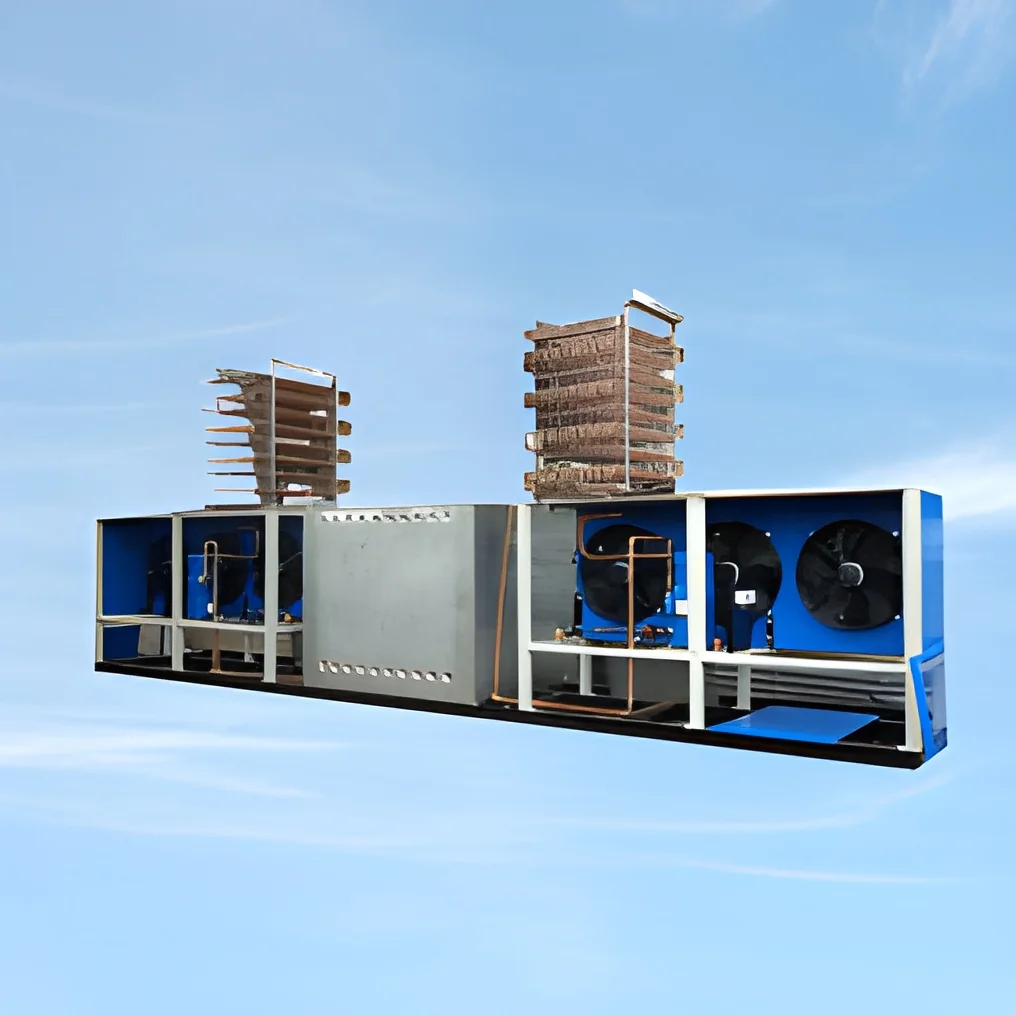
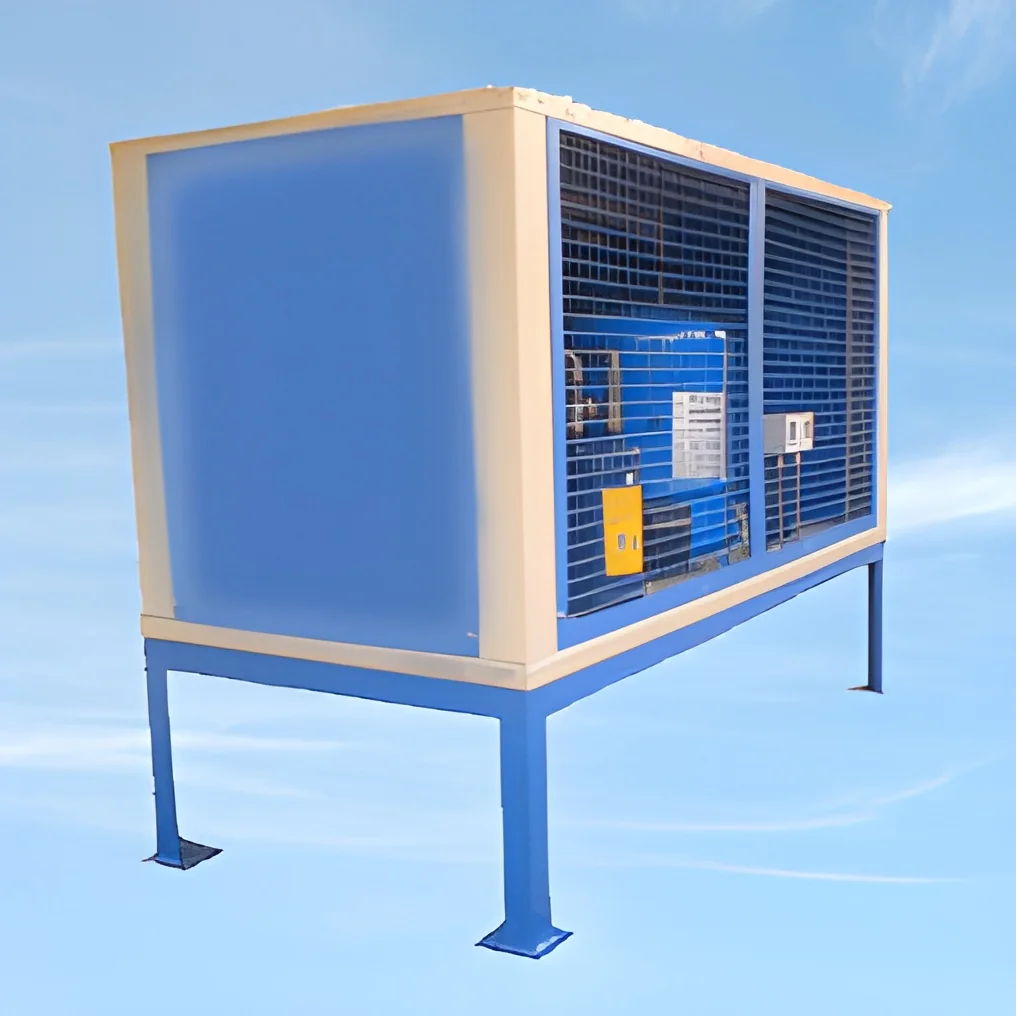
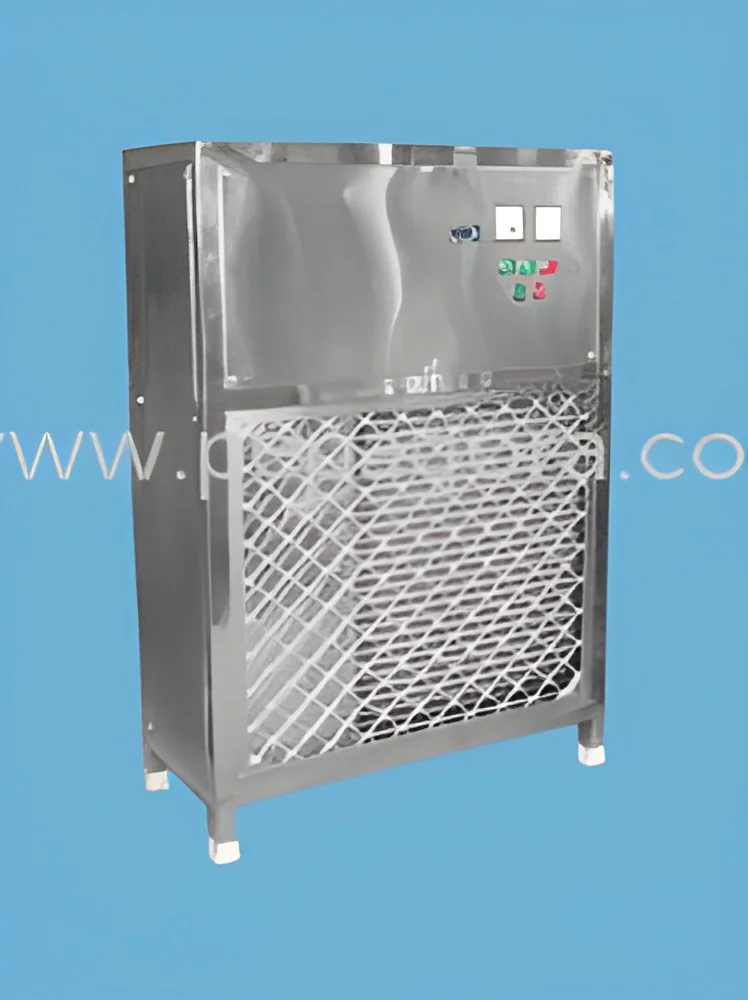
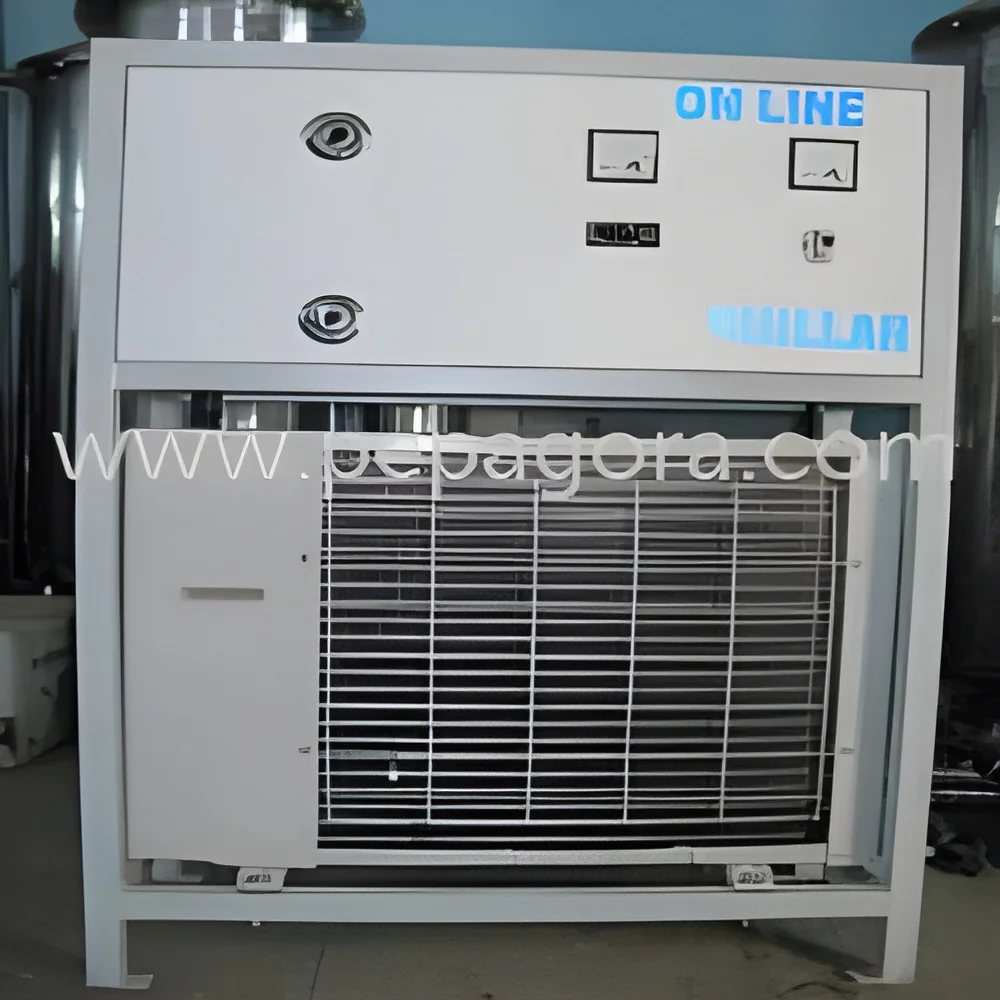
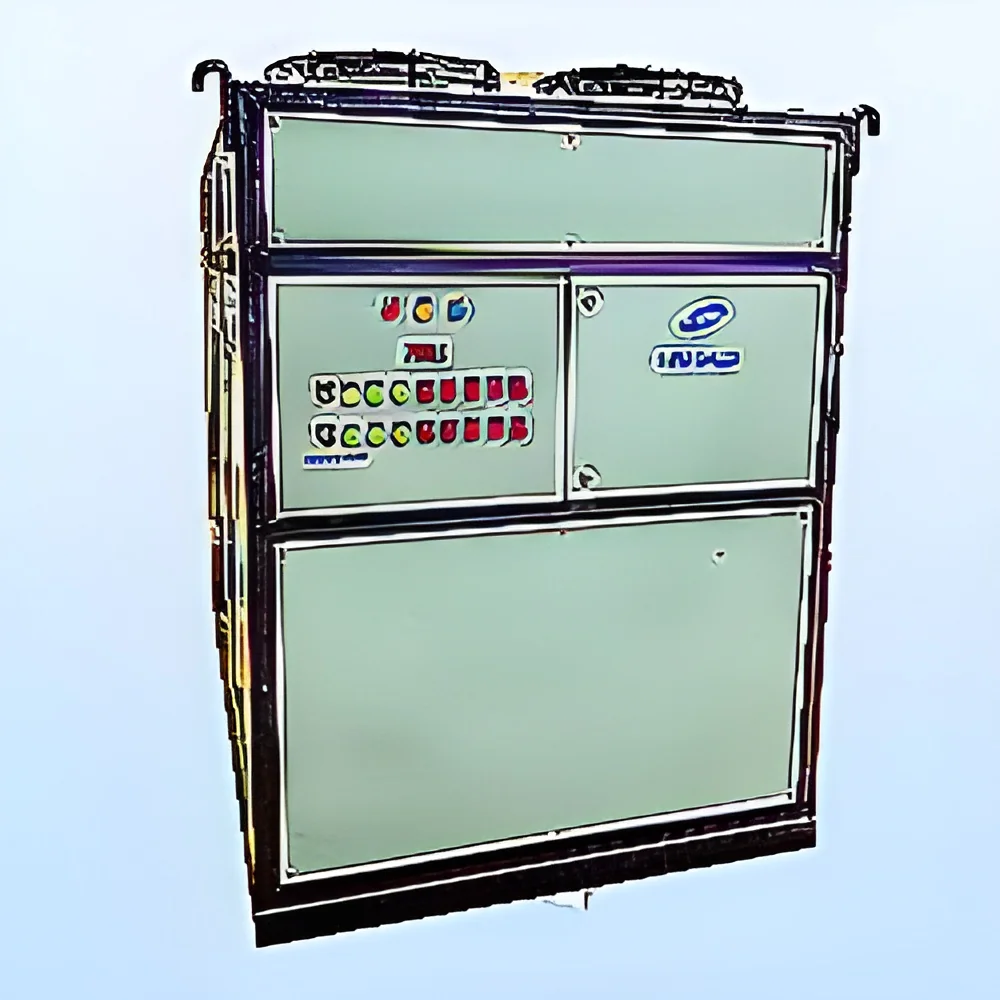
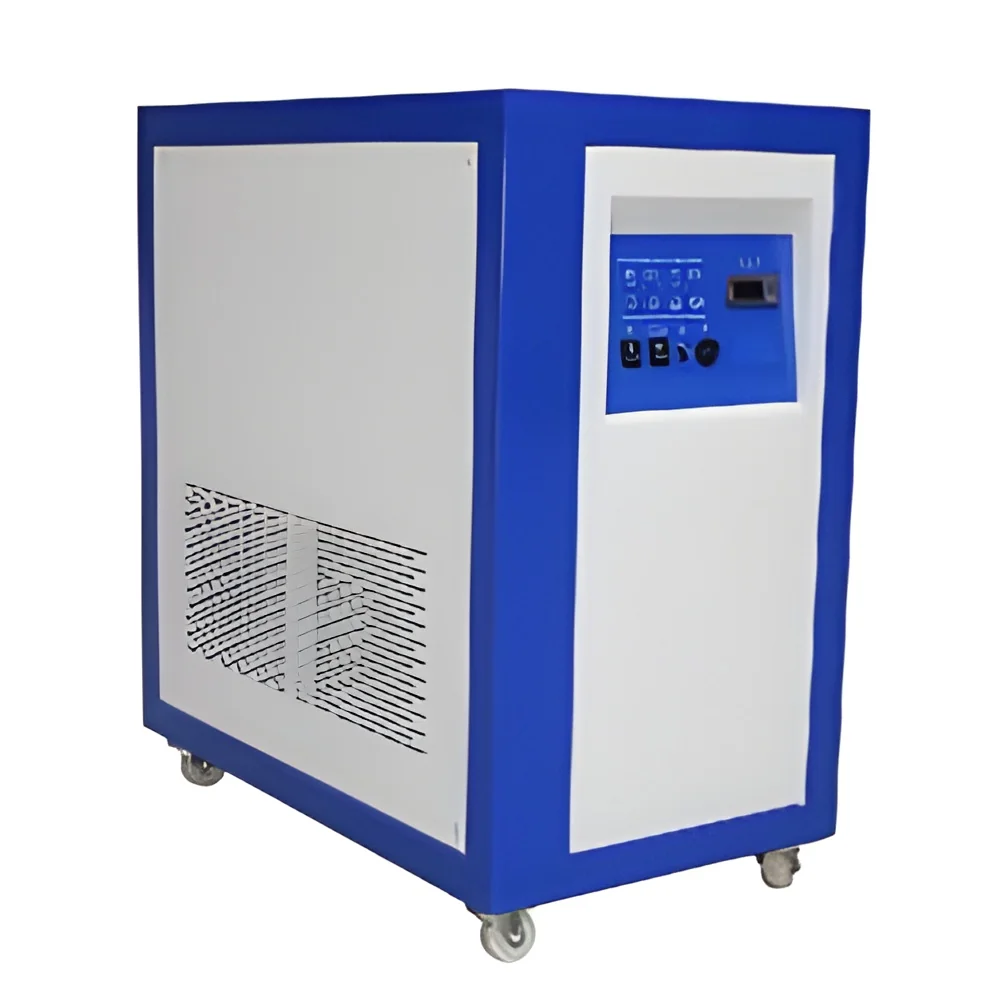
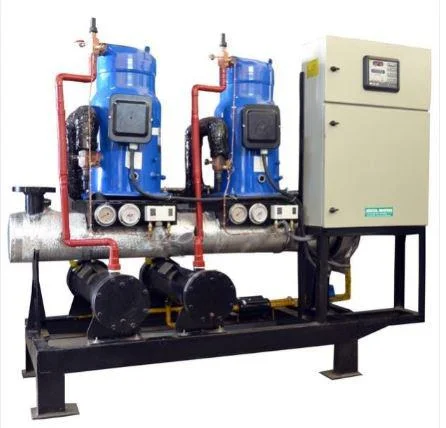
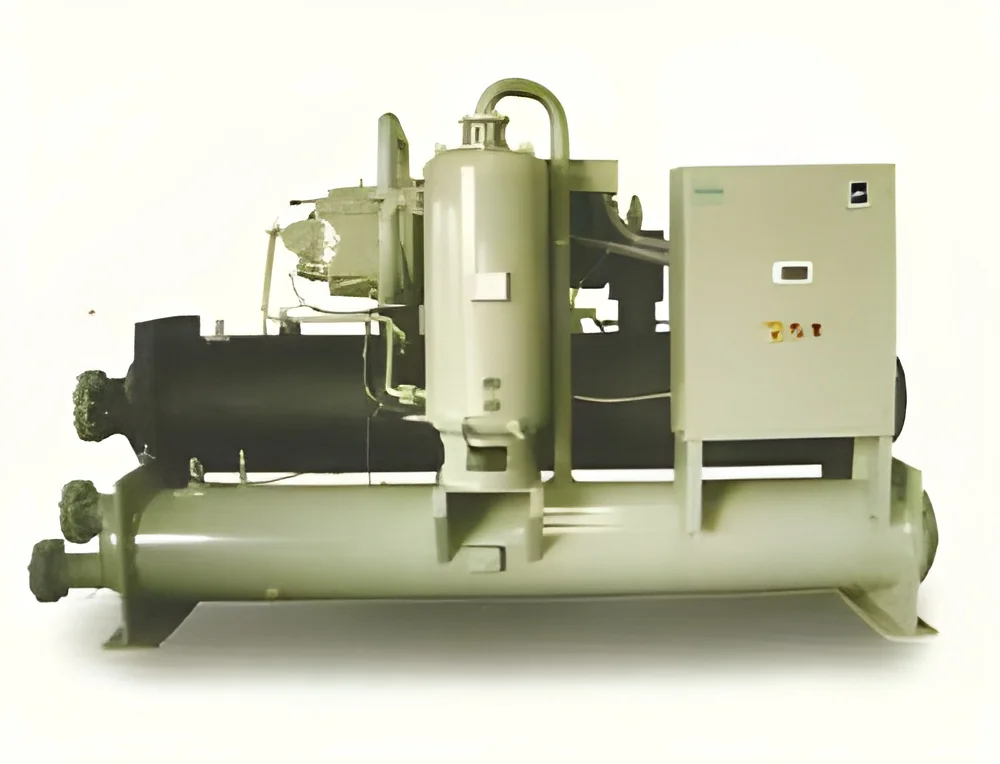
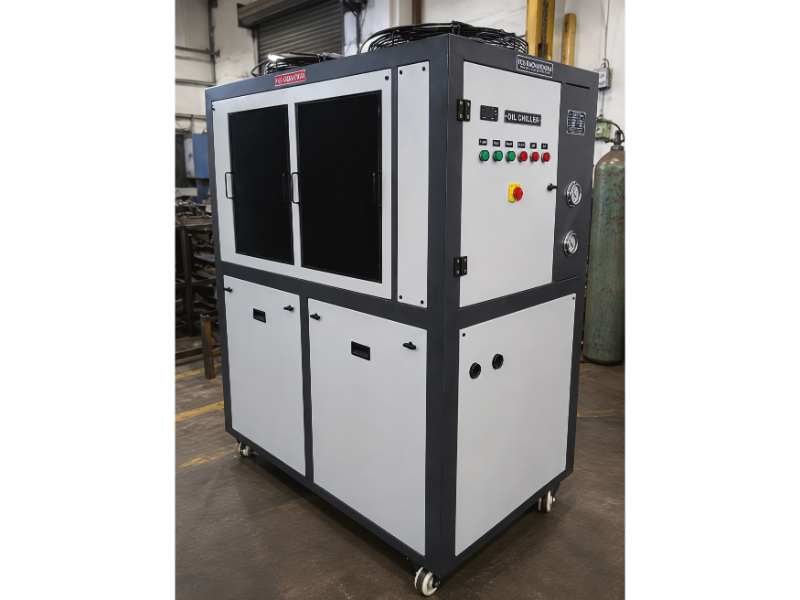
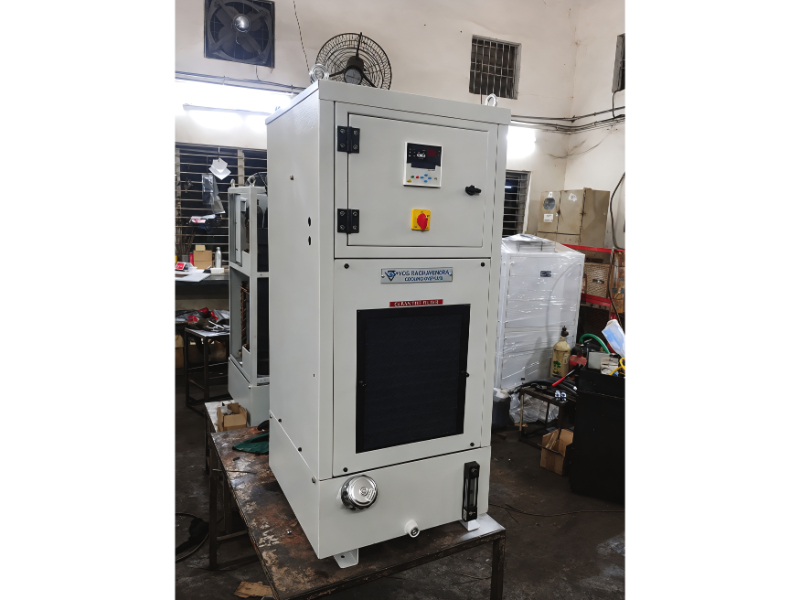
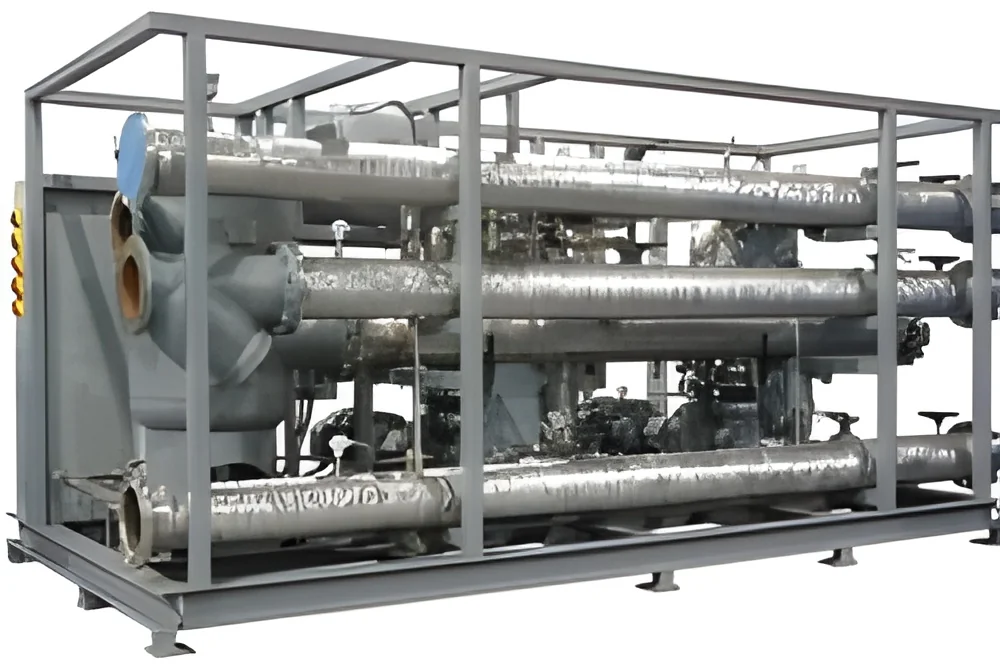
Central Chillers (Air Cooled & Water Cooled) are refrigeration systems designed to remove heat from a liquid via a vapor-compression or absorption refrigeration cycle. Air-cooled chillers dissipate heat through air, while water-cooled chillers use water as a cooling medium. These systems are commonly used in large commercial and industrial applications for cooling processes and spaces.
What are the different types of Central Chillers (Air Cooled & Water Cooled)?
The main types of Central Chillers include air-cooled and water-cooled chillers. Air-cooled chillers are suitable for outdoor installations, using ambient air to cool the refrigerant. Water-cooled chillers, on the other hand, require a cooling tower or a water source to dissipate heat and are typically more efficient for larger systems.
How do I choose the right Central Chillers (Air Cooled & Water Cooled)?
Selecting the right Central Chiller involves considering factors such as cooling capacity, energy efficiency, and installation requirements. It's important to assess the specific cooling needs of your facility and the available space for the chiller. Consulting with suppliers and reviewing technical specifications can help ensure you choose an appropriate model.
What are the standard specifications for Central Chillers (Air Cooled & Water Cooled)?
Standard specifications for Central Chillers include cooling capacity (measured in tons), energy efficiency ratio (EER), and operating temperature range. Other important specifications may involve noise levels, refrigerant type, and dimensions. Manufacturers often provide detailed technical sheets outlining these specifications.
What is the price range for Central Chillers (Air Cooled & Water Cooled)?
The price of Central Chillers can vary significantly based on type, capacity, and manufacturer. Generally, air-cooled chillers may range from INR 1 lakh to INR 20 lakhs, while water-cooled chillers can start at around INR 2 lakhs and go up to INR 30 lakhs or more. It's advisable to obtain quotes from multiple suppliers for accurate pricing.
What quality standards apply to Central Chillers (Air Cooled & Water Cooled)?
Central Chillers should comply with various quality standards such as ISO 9001 for quality management and ISO 14001 for environmental management. Additionally, energy efficiency standards like the Bureau of Energy Efficiency (BEE) ratings in India are important for assessing performance. It is essential to source chillers from reputable manufacturers that adhere to these standards.
Where can I find Central Chillers (Air Cooled & Water Cooled) suppliers in India?
You can find suppliers of Central Chillers in India through online B2B marketplaces such as Pepagora.com, trade shows, and industry directories. Additionally, contacting manufacturers directly or seeking referrals from industry contacts can help identify reliable suppliers. Always review supplier credentials and product offerings before making a purchase.
Can Central Chillers (Air Cooled & Water Cooled) be customized?
Yes, many manufacturers offer customization options for Central Chillers to meet specific client requirements. Customizations may include modifications in cooling capacity, design, and additional features such as integrated controls. Discussing your needs with the manufacturer can help ensure the chiller meets your operational demands.
What is the typical minimum order quantity for Central Chillers (Air Cooled & Water Cooled)?
The minimum order quantity (MOQ) for Central Chillers can vary by manufacturer and model. Typically, MOQs may range from one unit for standard models to several units for customized or specialized chillers. It is advisable to check with individual suppliers for their specific MOQ policies.
What is the typical lead time for Central Chillers (Air Cooled & Water Cooled)?
The lead time for Central Chillers often ranges from 4 to 12 weeks, depending on factors such as the type of chiller, customization level, and supplier's production schedule. It's important to confirm lead times with suppliers when placing an order to ensure timely delivery for your project requirements.
Why Businesses Trust Pepagora
Thousands of companies trust Pepagora to source smarter and sell faster
Expand Your Sales Globally

Source Smarter,Grow Faster
