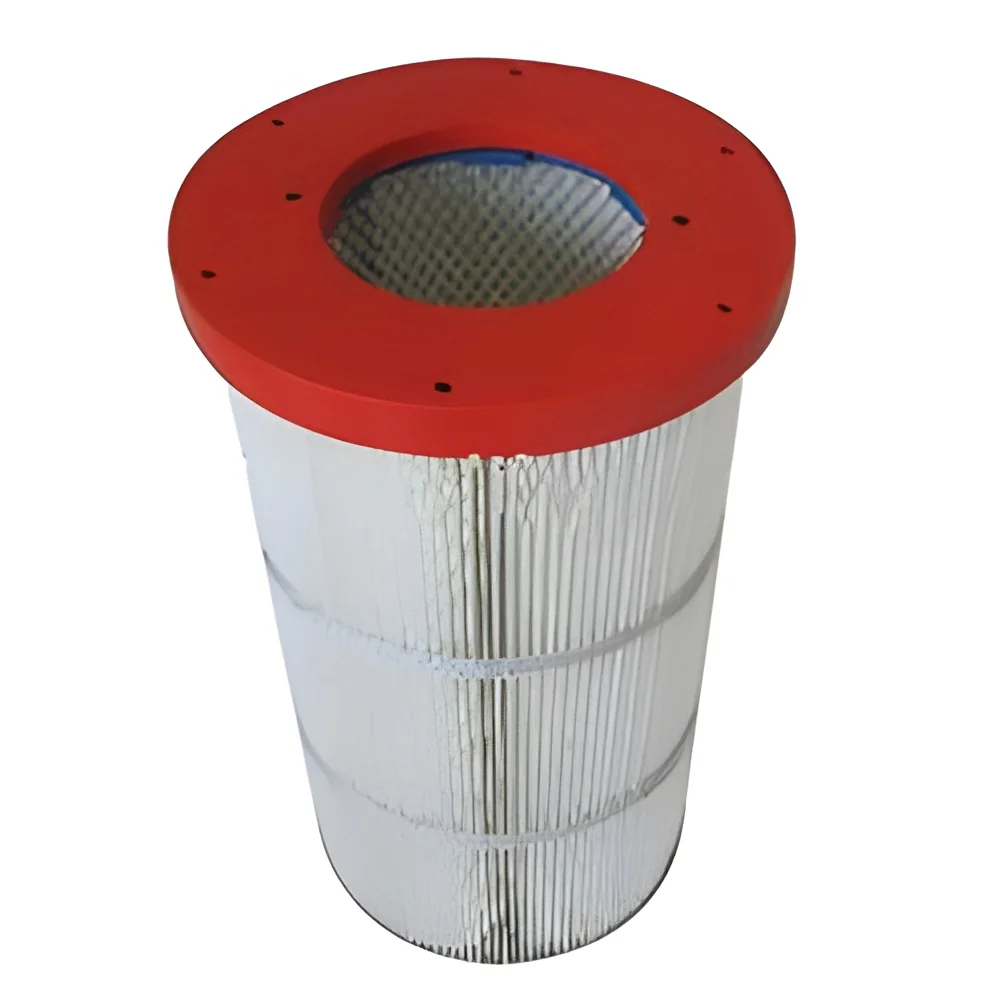
What are Pre & Fine Air Filters?
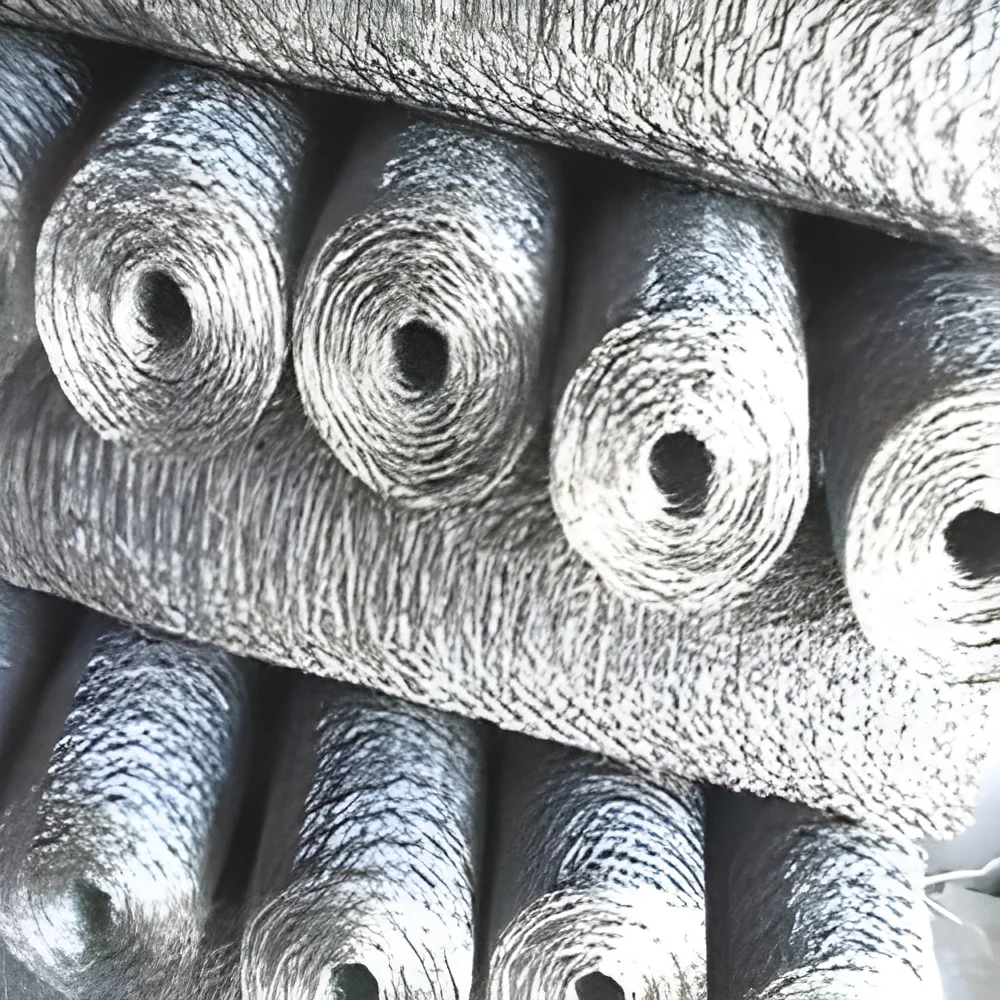
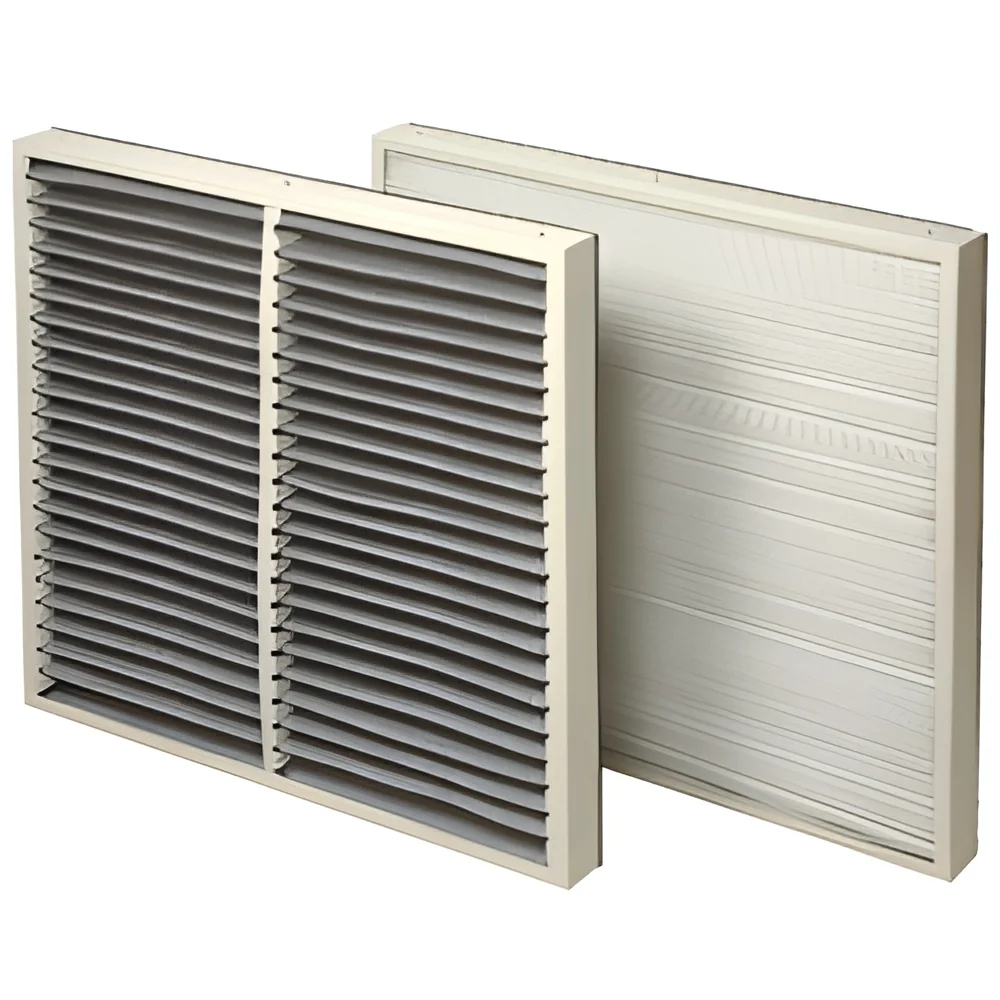
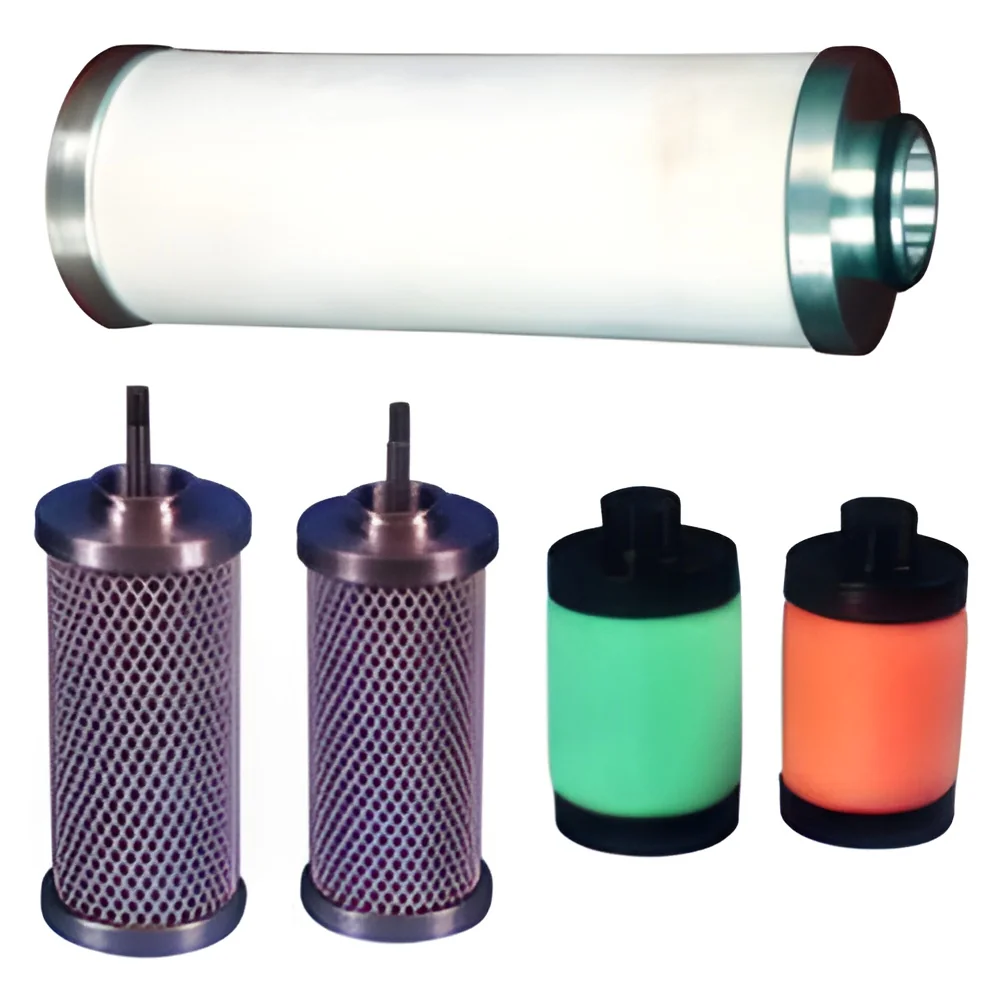
Pre and fine air filters are essential components in air filtration systems used across various industries. Pre-air filters are designed to remove larger particles and contaminants from the air, providing an initial layer of defense. They often serve as a first stage in multi-stage filtration systems, enhancing the lifespan and efficiency of subsequent filters. Fine air filters, on the other hand, target smaller particles, including dust, pollen, and smoke, ensuring that the air quality meets specific standards required for sensitive applications.
These filters are utilized in a wide range of business applications, including HVAC systems, industrial processes, and clean rooms. Industries such as pharmaceuticals, food processing, and electronics manufacturing rely heavily on high-quality air filtration to maintain product integrity and employee safety. As concerns about air quality and environmental regulations increase, the relevance of efficient air filtration solutions continues to grow in the market.
Key Features and Specifications
Pre and fine air filters offer several key features that enhance their performance and applicability. Understanding these specifications is crucial for selecting the right filter for specific needs.
Key specifications include:
1. Filtration Efficiency
- The ability of the filter to capture particles of varying sizes, often expressed as a percentage.
- Common ratings include MERV (Minimum Efficiency Reporting Value) or HEPA (High-Efficiency Particulate Air).
2. Air Flow Rate
- The volume of air that can pass through the filter, typically measured in cubic feet per minute (CFM).
- Ensures the filter does not restrict airflow excessively.
3. Dust Holding Capacity
- The amount of dust a filter can hold before it requires replacement.
- Higher capacity means longer service intervals.
4. Media Type
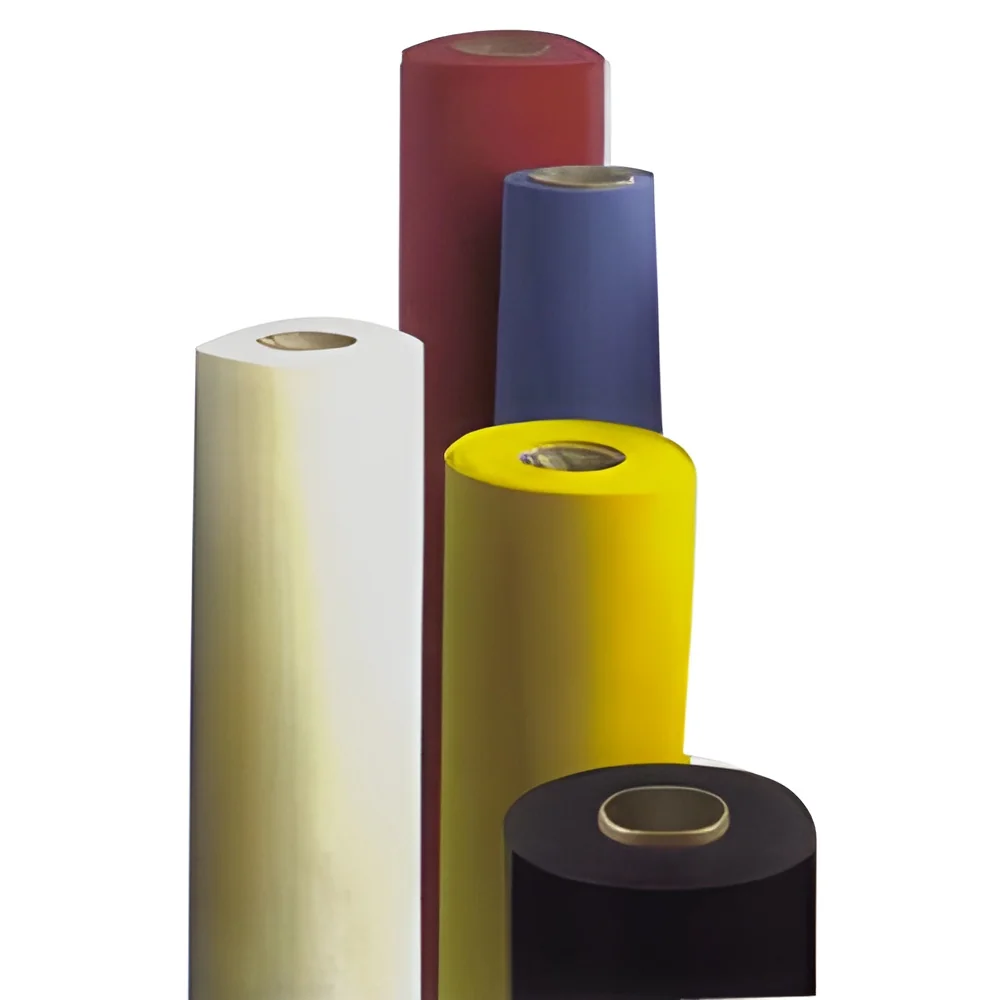
- The filtering material used, such as fiberglass, synthetic media, or pleated paper.
- Each type offers varying levels of efficiency and cost-effectiveness.
5. Dimensions
- The physical size of the filter, including thickness, height, and width.
- Must match the specifications of the filtration system for proper installation.
6. Operating Temperature Range
- The range of temperatures the filter can withstand during operation.
- Essential for applications in extreme environments.
7. Humidity Control
- The filter's ability to manage moisture levels in the air.
- Important for preventing mold growth and ensuring optimal performance.
8. Certification Standards
- Compliance with industry standards, such as CE certification.
- Indicates adherence to safety and quality benchmarks.
In summary, understanding the specifications of pre and fine air filters aids in selecting the right product for your application, ensuring optimal performance and air quality.
Common Applications and Use Cases
Pre and fine air filters serve various industries, each with unique requirements for air quality.
1. Pharmaceuticals: In pharmaceutical manufacturing, air filters maintain stringent hygiene standards by removing contaminants that could affect product quality and safety.
2. Food Processing: These filters are critical in food production environments to ensure that airborne particles do not compromise the safety and quality of food products.
3. Electronics Manufacturing: In clean room settings, pre and fine air filters help to create an environment free from dust and other particles that could damage sensitive electronic components.
4. Automotive: In the automotive industry, air filters are used in production facilities to maintain a clean atmosphere, ensuring that products meet quality standards.
5. HVAC Systems: Pre and fine air filters are essential components of HVAC systems, improving indoor air quality and protecting equipment from dust and debris.
6. Healthcare: Hospitals and clinics use these filters to provide clean air for patients, especially in operating rooms and isolation areas.
7. Agriculture: In controlled environments, such as greenhouses, air filters help maintain optimal conditions by removing pollutants that could affect plant growth.
Product Variants and Subcategories
Pre and fine air filters come in various types to accommodate different applications and industry needs. Each variant is designed with specific features that enhance performance and filtration efficiency.
Standard Filter
This basic variant is widely used in general applications. It provides reliable filtration for common airborne pollutants and is easy to install and replace.
High-Efficiency Filter
Designed for environments requiring superior air quality, this filter captures smaller particles. It is often used in healthcare and electronics facilities, where cleanliness is paramount.
Activated Carbon Filter
This variant includes activated carbon media that adsorbs odors and volatile organic compounds (VOCs). It is ideal for use in food processing and hospitality industries.
Electrostatic Filter
Using static electricity to attract particles, this filter enhances efficiency without significantly reducing airflow. It is commonly used in residential and commercial HVAC systems.
Benefits and Advantages
Choosing pre and fine air filters offers several benefits that enhance both operational efficiency and air quality.
1. Improved Air Quality: These filters effectively remove contaminants, resulting in cleaner air and healthier environments for workers and products.
2. Enhanced Equipment Longevity: By preventing dust and debris from entering machinery, air filters help extend the lifespan of HVAC systems and other equipment.
3. Cost Efficiency: Regular use of pre and fine air filters reduces maintenance costs by minimizing the need for repairs and replacements caused by dirt buildup.
4. Compliance with Regulations: Using certified filters helps businesses meet industry standards and regulations related to air quality and safety.
5. Versatility: Available in various sizes and specifications, these filters can be adapted to a wide range of applications across different industries.
6. Environmental Protection: Effective air filtration supports sustainability efforts by reducing the release of pollutants into the environment.
Buying Guide for B2B Buyers
When sourcing pre and fine air filters, buyers should consider multiple factors to ensure they select the right products for their needs.
1. Quality Assessment: Evaluate the filter's efficiency ratings, materials, and construction quality. High-quality filters will ensure better performance and durability.
2. Supplier Verification: Vet suppliers to ensure they have a reputable history and can provide certified products. Look for reviews and testimonials from previous clients.
3. Pricing and MOQ: Analyze pricing structures and minimum order quantities (MOQ) to find options that fit your budget and supply requirements.
4. Delivery and Lead Times: Consider logistics, including expected delivery times and the supplier's ability to meet your schedule.
5. Compliance Requirements: Ensure that the filters meet relevant industry standards and regulations, as non-compliance can result in costly penalties.
Compliance and Certifications
Pre and fine air filters must adhere to various compliance standards to ensure safety and quality. ISO 9001 is a widely recognized quality management standard that ensures consistent production processes and quality assurance.
Additionally, the CE certification indicates that products meet European safety, health, and environmental protection standards. This certification is crucial for companies looking to sell their products in European markets.
Filters should also undergo rigorous testing to ensure they meet safety and performance requirements. Regional compliance considerations may vary, so it is essential to stay informed about local regulations that apply to your industry.
Why Source Pre & Fine Air Filters from Pepagora?
Pepagora provides a trusted platform for sourcing pre and fine air filters, offering several key advantages to B2B buyers.
Verified Supplier Network: Pepagora connects buyers with a network of verified suppliers, ensuring that all products meet stringent quality standards. This network allows buyers to find reliable sources quickly.
Streamlined RFQ Process: The platform simplifies the request for quotation (RFQ) process, enabling buyers to obtain competitive quotes from multiple suppliers efficiently. This saves time and enhances decision-making.
Trade Assurance and Support: Pepagora offers trade assurance and buyer protection, giving buyers peace of mind throughout the purchasing process. Support is available to resolve any issues that may arise.
Regional Coverage: Pepagora's extensive reach includes key markets in India, the GCC, and Southeast Asia, making it easier for businesses to find suitable suppliers in their region. This geographic coverage helps facilitate smoother transactions and logistics.
By leveraging these advantages, buyers can confidently source high-quality pre and fine air filters tailored to their specific operational needs.

 IN
IN