
 IN
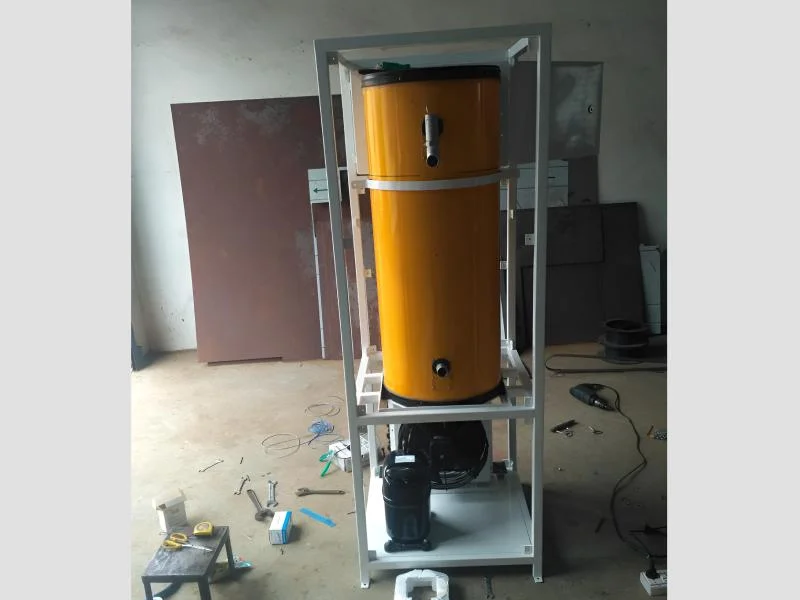
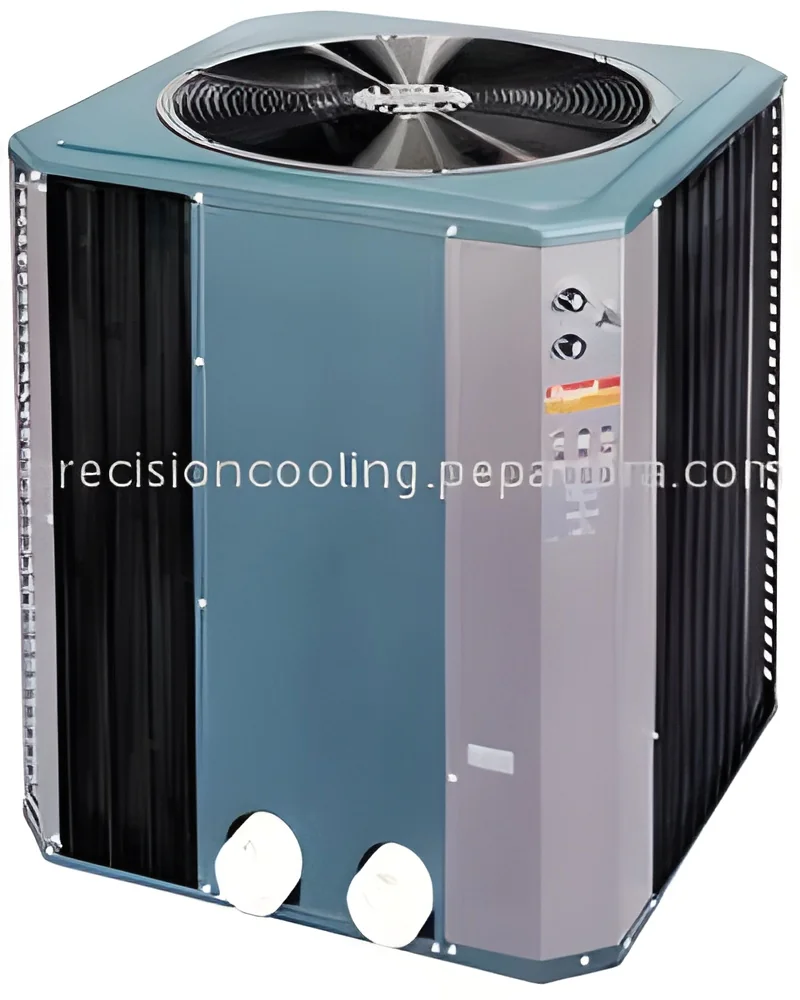
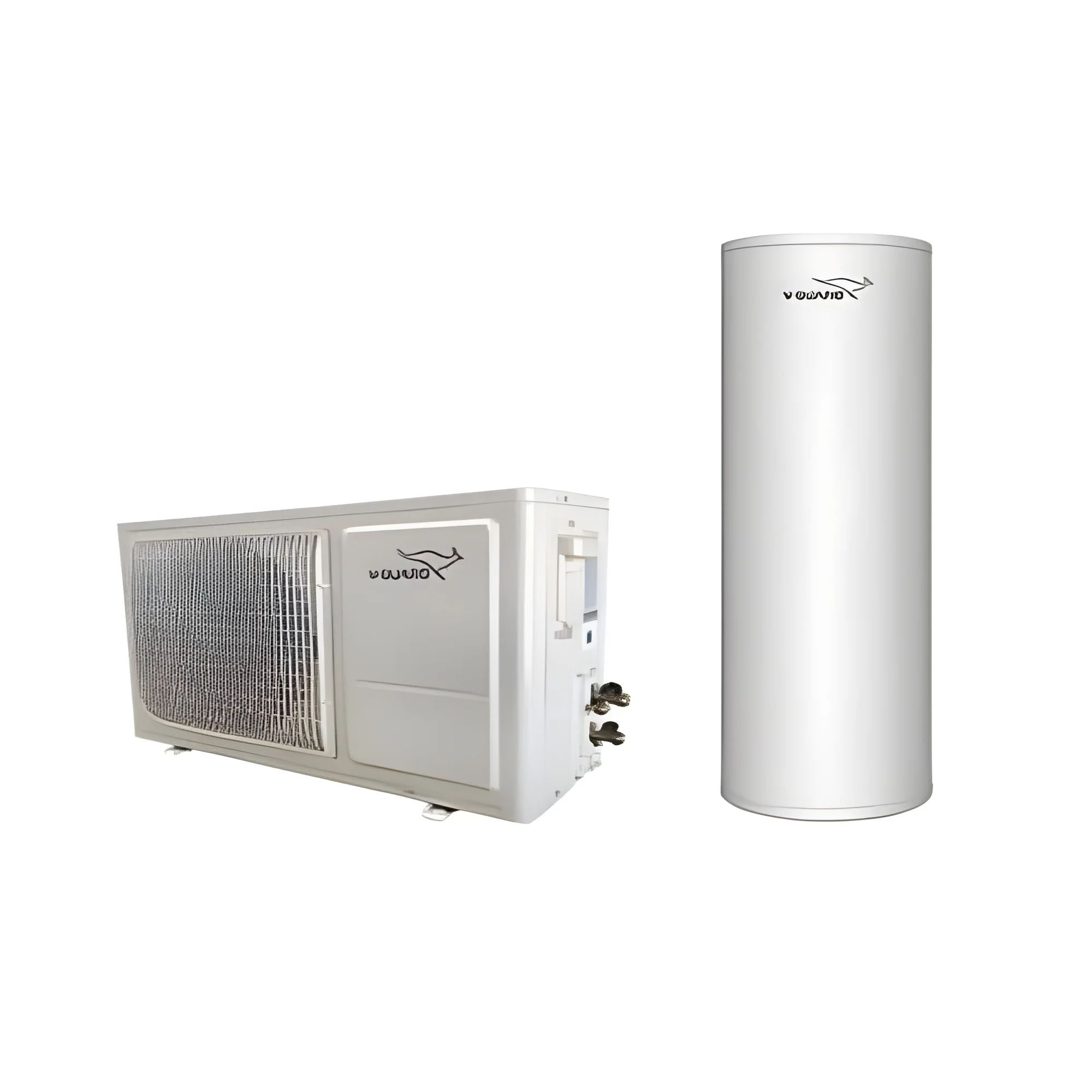
INHeat Pumps (Air Source, Ground Source)
3 products available
Key Features and Specifications
Common Applications and Use Cases
Product Variants and Subcategories
Benefits and Advantages
Buying Guide for B2B Buyers
Compliance and Certifications


Frequently Asked Questions
What are Heat Pumps (Air Source, Ground Source)?
Heat pumps are devices that transfer heat from one location to another using a refrigeration cycle. Air source heat pumps extract heat from the air, while ground source heat pumps draw heat from the ground. Both types can be used for heating and cooling applications, making them efficient solutions for temperature regulation.
What are the different types of Heat Pumps (Air Source, Ground Source)?
The main types of heat pumps include air source heat pumps and ground source heat pumps. Air source heat pumps utilize the ambient air as a heat source or sink, while ground source heat pumps, also known as geothermal heat pumps, leverage the stable temperatures of the ground. Each type has its own advantages and suitability based on the installation environment.
How do I choose the right Heat Pumps (Air Source, Ground Source)?
Choosing the right heat pump involves considering factors such as the climate, size of the space, and energy efficiency ratings. It is essential to assess the heating and cooling requirements of your property and consult with professionals to determine the most suitable type and capacity. Additionally, reviewing product specifications and supplier credentials can aid in making an informed decision.
What are the standard specifications for Heat Pumps (Air Source, Ground Source)?
Standard specifications for heat pumps include heating and cooling capacities (measured in BTUs or kW), energy efficiency ratings (such as SEER and HSPF for air source pumps), and operational temperature ranges. Other important specifications may include noise levels, dimensions, and refrigerant types used in the system. These factors can vary significantly between different manufacturers and models.
What is the price range for Heat Pumps (Air Source, Ground Source)?
The price range for heat pumps can vary widely based on type, capacity, and brand. Generally, air source heat pumps can cost between ₹50,000 to ₹2,00,000, while ground source heat pumps may range from ₹1,50,000 to ₹5,00,000. Installation costs and additional components can also influence the total price.
What quality standards apply to Heat Pumps (Air Source, Ground Source)?
Quality standards for heat pumps typically include compliance with national and international regulations such as ISO certifications. Additionally, energy efficiency standards set by organizations like the Bureau of Energy Efficiency (BEE) in India ensure that products meet minimum performance criteria. Manufacturers may also adhere to specific industry standards to guarantee safety and reliability.
Where can I find Heat Pumps (Air Source, Ground Source) suppliers in India?
To find heat pump suppliers in India, you can explore B2B marketplaces like Pepagora.com, where manufacturers and distributors list their products. Additionally, industry trade shows and exhibitions can provide opportunities to connect with suppliers directly. Researching online directories and reviews can also help identify reputable suppliers in your region.
Can Heat Pumps (Air Source, Ground Source) be customized?
Yes, many manufacturers offer customization options for heat pumps to meet specific requirements. Customization may include adjustments in size, capacity, and additional features tailored to the customer’s needs. It is advisable to discuss your specific requirements with suppliers to explore available customization options.
What is the typical minimum order quantity for Heat Pumps (Air Source, Ground Source)?
The typical minimum order quantity (MOQ) for heat pumps can vary by supplier and product type. Generally, the MOQ can range from 1 to 10 units, depending on the manufacturer’s policy and the nature of the order. For bulk purchases, buyers may be able to negotiate lower MOQs.
What is the typical lead time for Heat Pumps (Air Source, Ground Source)?
The typical lead time for heat pumps can range from 2 to 8 weeks, depending on the type of pump, customization requests, and supplier capabilities. Factors such as production schedules, shipping times, and installation requirements can also affect lead times. It is advisable to confirm lead times with the supplier at the time of order.
Why Businesses Trust Pepagora
Thousands of companies trust Pepagora to source smarter and sell faster
Expand Your Sales Globally

Source Smarter,Grow Faster
