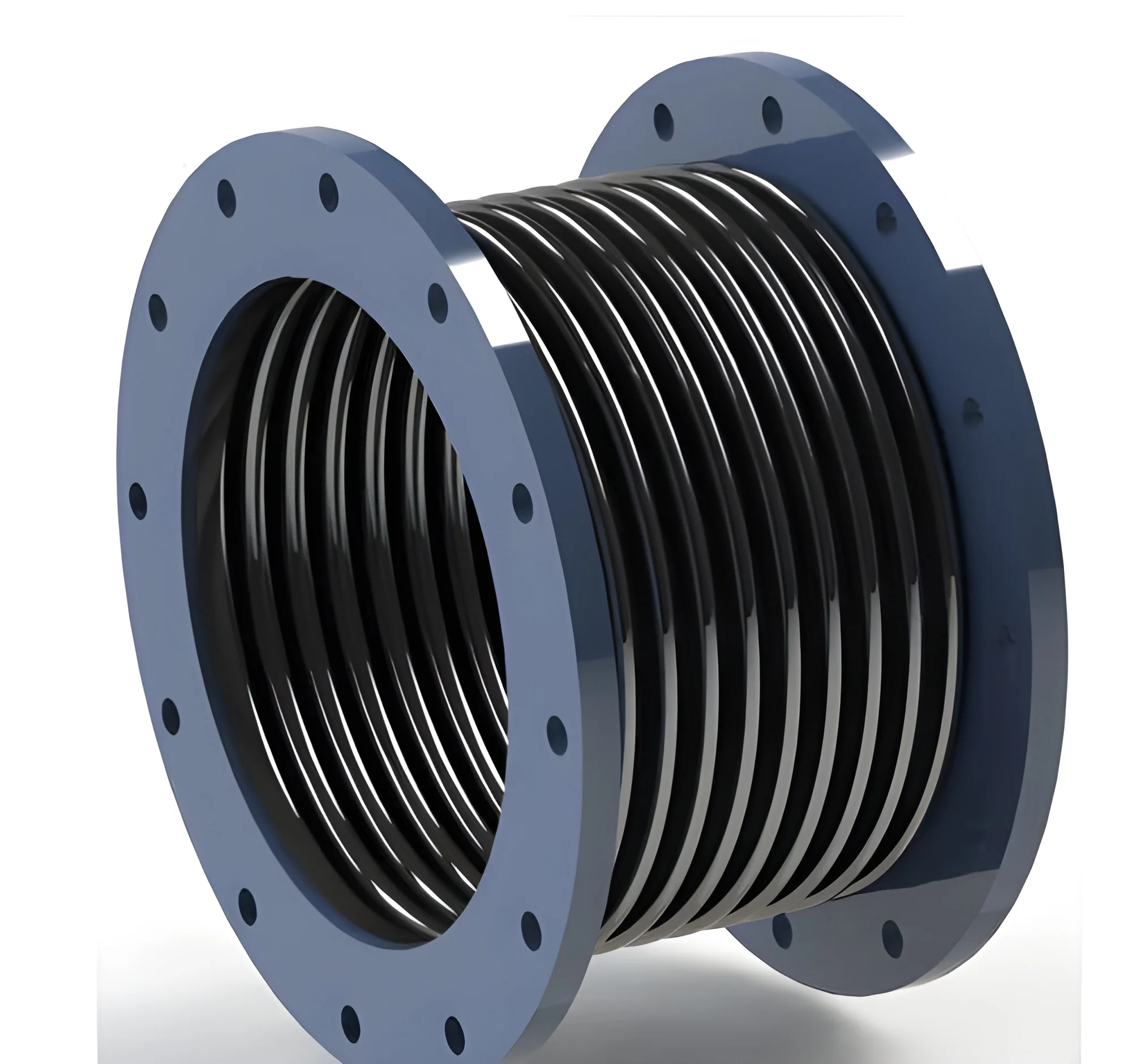
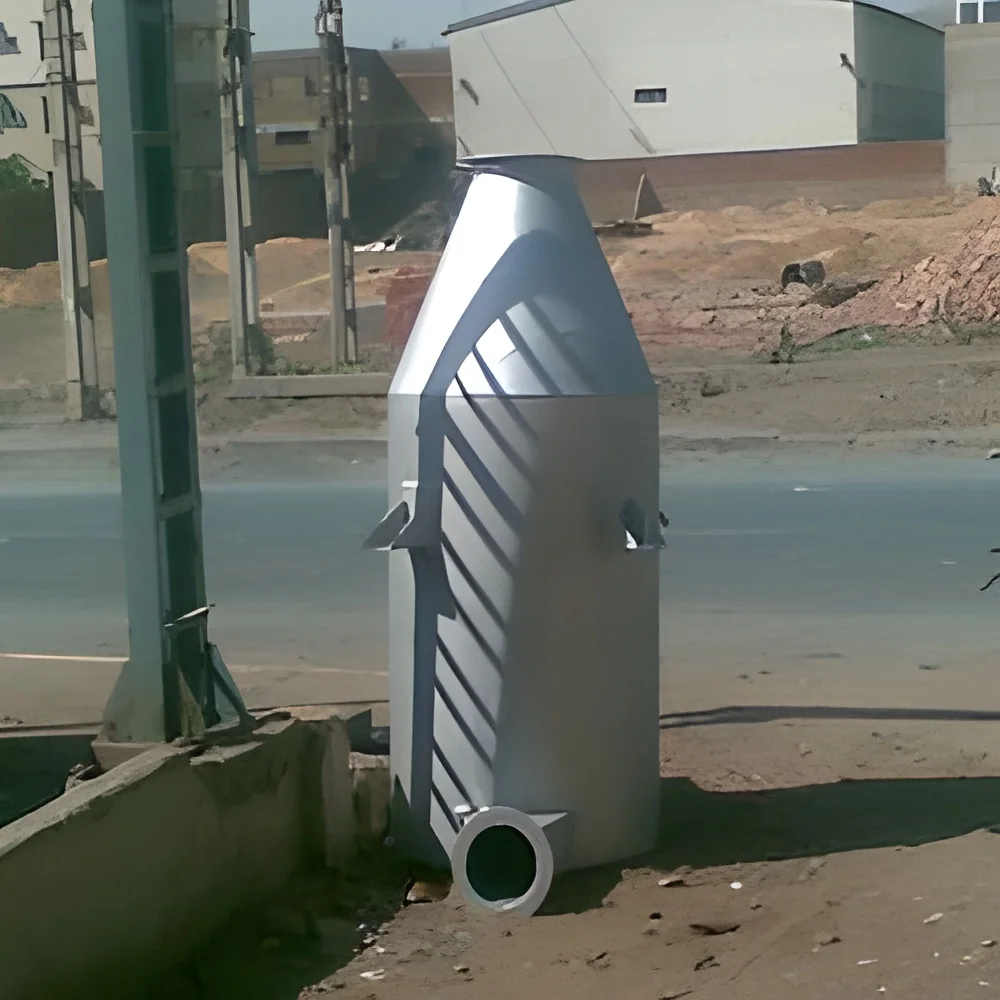
What are DX Systems (Direct Expansion)?
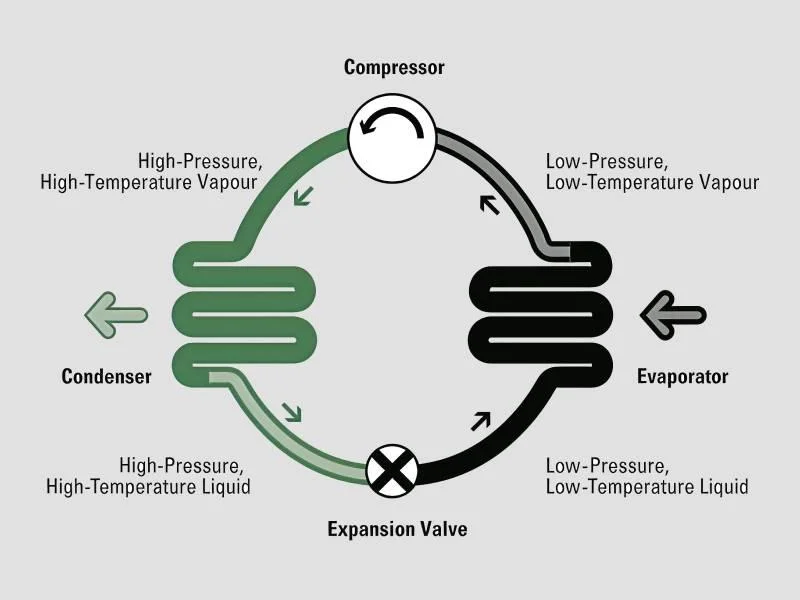
DX Systems, or Direct Expansion Systems, are a type of air conditioning and refrigeration system that operates by directly cooling or heating air or a refrigerant. These systems use a refrigerant cycle that involves evaporators and condensers to control the temperature in a designated space. The process is efficient because it eliminates the need for a secondary heat exchange medium. Instead, the refrigerant absorbs heat from the environment and releases it, directly impacting the air temperature in the space being conditioned.
These systems are commonly used in various commercial and industrial applications, including office buildings, manufacturing facilities, and retail environments. They are particularly effective in settings that require precise temperature control, such as data centers or laboratories. Their design allows for easy installation and maintenance, making them a popular choice among businesses looking for reliable climate control solutions. The relevance of DX Systems is growing in today's market, driven by increasing energy efficiency demands and the need for effective temperature management across diverse industries.
๐๐ฒ๐ ๐๐ฒ๐ฎ๐๐๐ฟ๐ฒ๐ ๐ฎ๐ป๐ฑ ๐ฆ๐ฝ๐ฒ๐ฐ๐ถ๐ณ๐ถ๐ฐ๐ฎ๐๐ถ๐ผ๐ป๐
DX Systems offer a range of features designed to enhance performance and efficiency. Understanding these specifications is crucial for selecting the right system for your business needs.
Key specifications include:
1. Cooling Capacity
- Measured in BTUs or tons.
- Typical ranges vary based on the system size and application.
2. Energy Efficiency Ratio (EER)
- Indicates the efficiency of the cooling process.
- Higher EER values denote better energy efficiency.
3. Seasonal Energy Efficiency Ratio (SEER)
- Reflects the system's efficiency over an entire cooling season.
- Important for long-term operating cost considerations.
4. Refrigerant Type
- Common refrigerants include R-410A and R-32.
- The choice of refrigerant impacts both efficiency and environmental footprint.
5. Operating Temperature Range
- Systems can operate effectively over a range of temperatures.
- Specific ranges depend on the model and manufacturer.
6. Noise Levels
- Measured in decibels (dB).
- Important for installations in noise-sensitive areas.
7. Control Features
- Programmable thermostats and smart controls available.
- Enhance user convenience and energy savings.
8. Warranty and Support
- Varies by manufacturer.
- A good warranty can indicate product reliability and manufacturer confidence.
In summary, understanding these key specifications will help businesses choose the right DX System that meets their operational requirements and efficiency goals.
๐๐ผ๐บ๐บ๐ผ๐ป ๐๐ฝ๐ฝ๐น๐ถ๐ฐ๐ฎ๐๐ถ๐ผ๐ป๐ ๐ฎ๐ป๐ฑ ๐จ๐๐ฒ ๐๐ฎ๐๐ฒ๐
DX Systems are versatile and widely used across many industries.
1. Manufacturing: These systems maintain optimal temperatures for processes and equipment, ensuring operational efficiency and product quality.
2. Retail: In retail environments, DX Systems are crucial for preserving perishable goods and enhancing customer comfort.
3. Data Centers: They provide reliable cooling to prevent overheating of servers and sensitive electronic equipment.
4. Healthcare: In hospitals and laboratories, precise temperature control is essential for patient comfort and the integrity of medical supplies.
5. Hospitality: Hotels and restaurants utilize DX Systems to create a pleasant atmosphere for guests while managing energy costs.
6. Education: Schools and universities benefit from these systems to create conducive learning environments.
7. Warehousing: They help maintain controlled environments for inventory storage, especially for temperature-sensitive products.
๐ฃ๐ฟ๐ผ๐ฑ๐๐ฐ๐ ๐ฉ๐ฎ๐ฟ๐ถ๐ฎ๐ป๐๐ ๐ฎ๐ป๐ฑ ๐ฆ๐๐ฏ๐ฐ๐ฎ๐๐ฒ๐ด๐ผ๐ฟ๐ถ๐ฒ๐
DX Systems come in various configurations to meet diverse needs. While specific subcategories are not available, the systems can be tailored to specific applications.
Packaged DX Systems: These units combine all components into one package, making installation straightforward. They are suitable for commercial buildings and small industrial applications.
Split DX Systems: These systems have separate indoor and outdoor units, which allows for flexible installation. They are ideal for residential and light commercial use.
Multi-Split Systems: Designed for larger spaces, these systems can connect multiple indoor units to one outdoor unit. They are perfect for buildings with varying cooling requirements.
๐๐ฒ๐ป๐ฒ๐ณ๐ถ๐๐ ๐ฎ๐ป๐ฑ ๐๐ฑ๐๐ฎ๐ป๐๐ฎ๐ด๐ฒ๐
Choosing DX Systems offers several distinct advantages.
1. Energy Efficiency: These systems typically provide better energy performance, resulting in lower utility bills.
2. Cost-Effectiveness: With fewer components and simpler installation, DX Systems can be more affordable than traditional HVAC systems.
3. Space-Saving Design: They require less physical space, making them ideal for buildings with limited installation options.
4. Ease of Maintenance: Direct Expansion Systems are generally easier to service, reducing downtime and maintenance costs.
5. Versatile Applications: Their adaptability allows them to serve various industries effectively.
6. Enhanced Comfort: They provide consistent temperature control, improving comfort for occupants in various settings.
๐๐๐๐ถ๐ป๐ด ๐๐๐ถ๐ฑ๐ฒ ๐ณ๐ผ๐ฟ ๐๐ฎ๐ ๐๐๐๐ฒ๐ฟ๐
When sourcing DX Systems, businesses should consider several critical factors.
1. Quality Assessment: Evaluate the quality of the systems by checking for industry certifications, performance ratings, and user reviews. High-quality systems tend to have better longevity and efficiency.
2. Supplier Verification: It is crucial to vet suppliers thoroughly. Look for established companies with a good reputation for reliability and customer service.
3. Pricing and MOQ: Understand the pricing structures and minimum order quantities (MOQ) set by suppliers. This will help in budgeting and managing inventory effectively.
4. Delivery and Lead Times: Assess the logistics involved in delivering the systems. Ensure that suppliers can meet your project's timeline and provide timely updates.
5. Compliance Requirements: Check for any regulatory compliance needed in your region. This may include environmental standards and safety regulations that the systems must meet.
๐๐ผ๐บ๐ฝ๐น๐ถ๐ฎ๐ป๐ฐ๐ฒ ๐ฎ๐ป๐ฑ ๐๐ฒ๐ฟ๐๐ถ๐ณ๐ถ๐ฐ๐ฎ๐๐ถ๐ผ๐ป๐
Compliance and certifications are vital in ensuring the reliability and safety of DX Systems. Key quality standards include ISO 9001, which demonstrates a commitment to quality management systems. Additionally, certifications such as CE indicate compliance with European safety and environmental regulations.
Safety and testing requirements are also crucial. These systems must undergo rigorous testing to ensure they operate safely under various conditions. Regional compliance considerations can vary, so it is essential for buyers to be aware of local regulations that may impact the purchase and installation of DX Systems.
Why Source DX Systems (Direct Expansion) from Pepagora?
Pepagora offers a reliable platform for sourcing DX Systems with several advantages for B2B buyers.
Verified Supplier Network: Pepagora connects buyers with a network of verified suppliers. This helps ensure that businesses can trust the quality and reliability of the products they purchase.
Streamlined RFQ Process: The platform simplifies the request for quotation (RFQ) process, allowing buyers to receive competitive quotes efficiently. This saves time and helps in making informed purchasing decisions.
Trade Assurance and Support: Pepagora provides trade assurance, protecting buyers throughout the purchasing process. In case of issues, dedicated support is available to assist with any concerns.
Regional Coverage: With a strong presence in India, GCC, and Southeast Asia, Pepagora provides geographic coverage that meets the diverse needs of businesses in these regions. Buyers can easily access suppliers that cater to their specific market requirements.