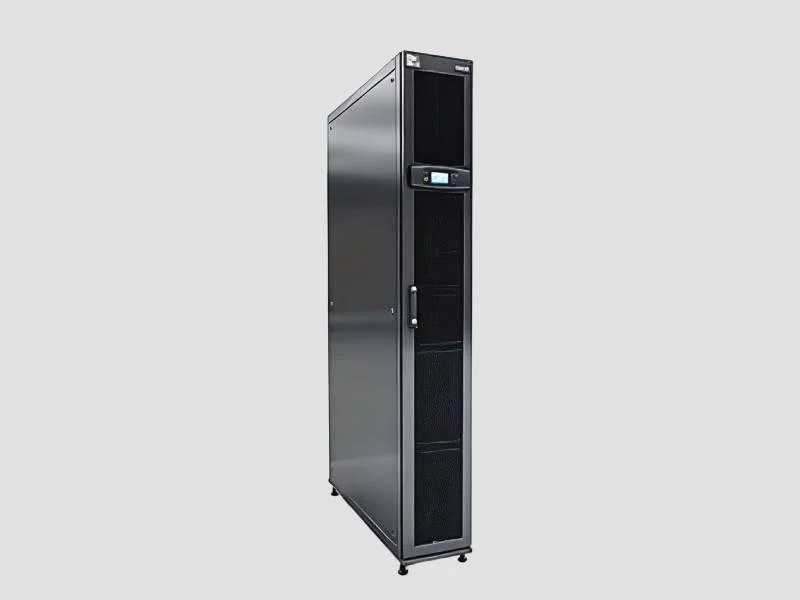
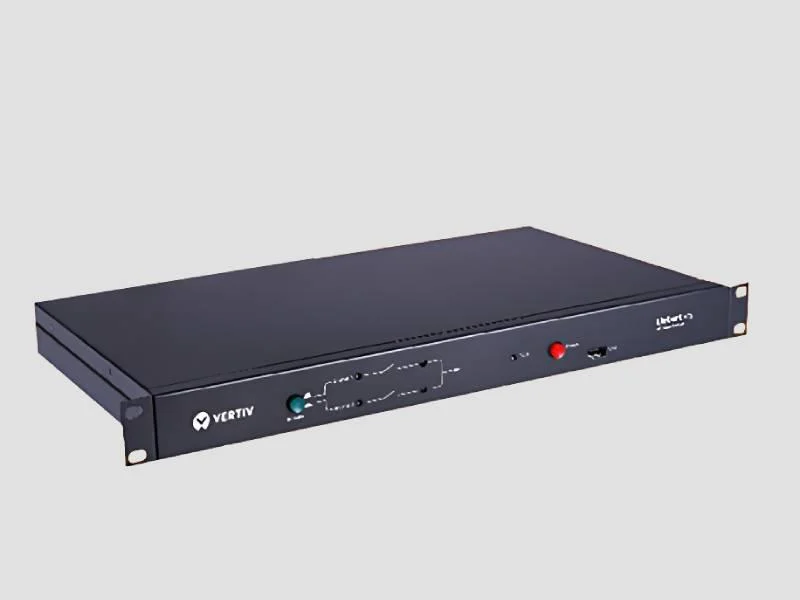
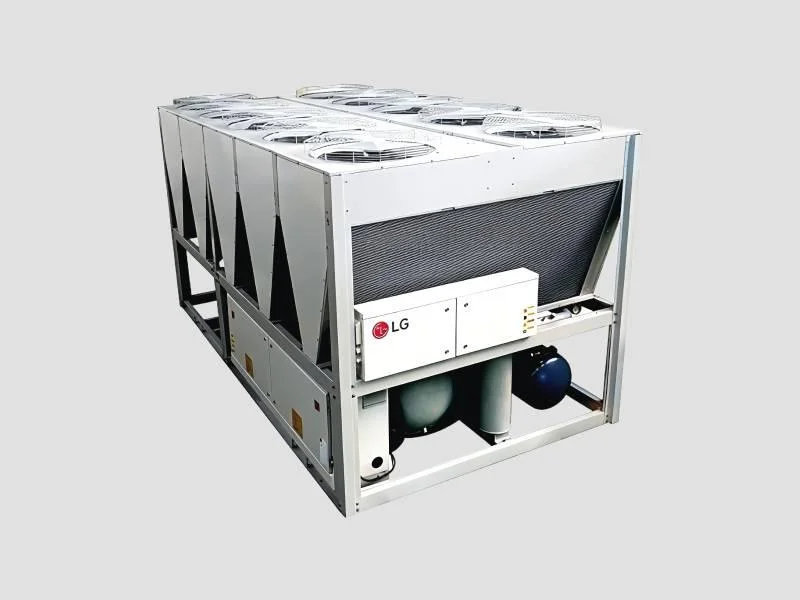
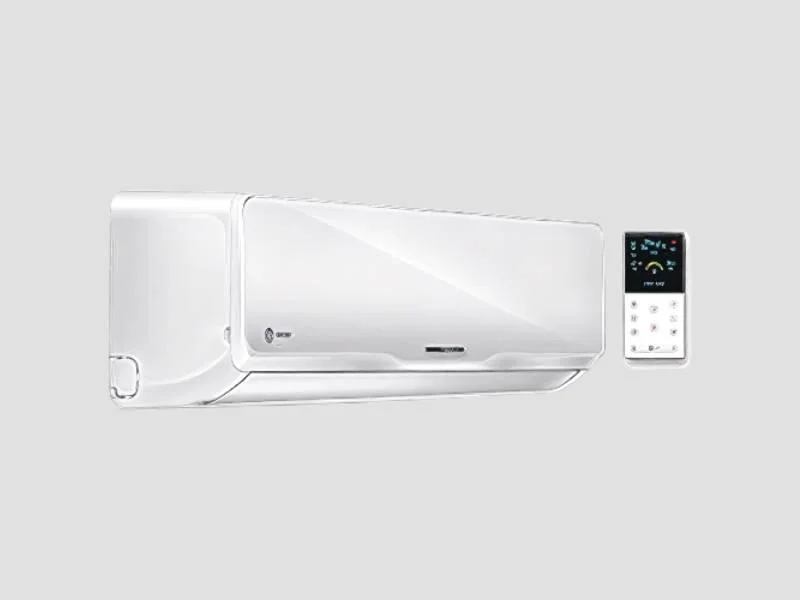
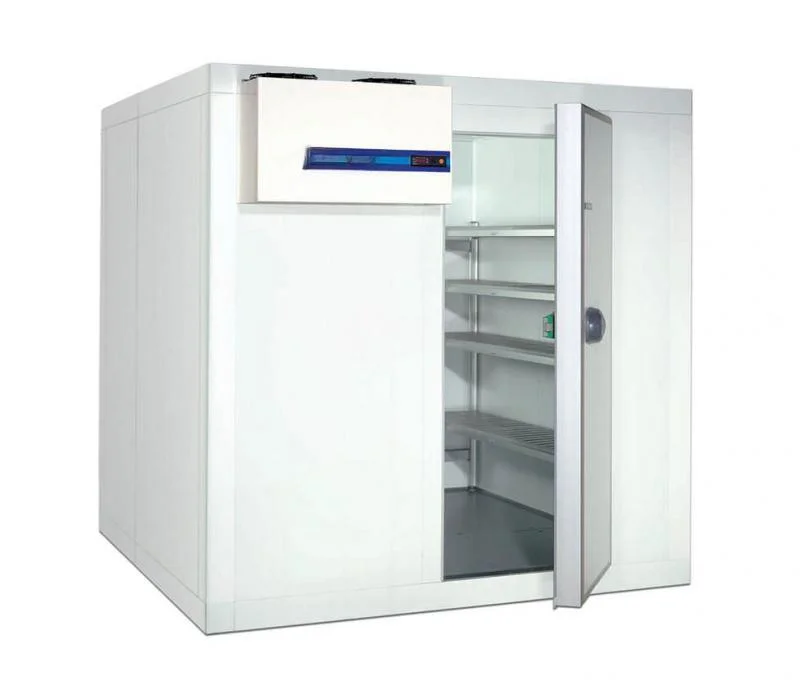
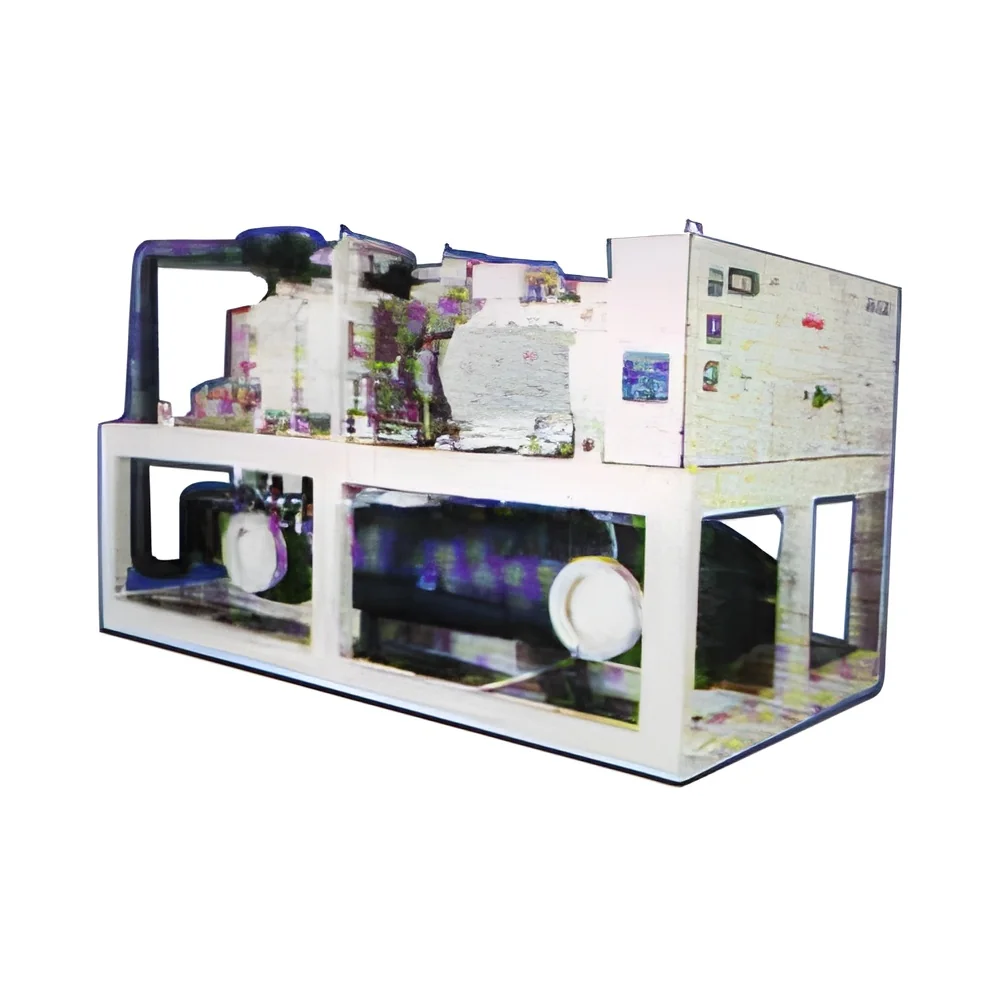
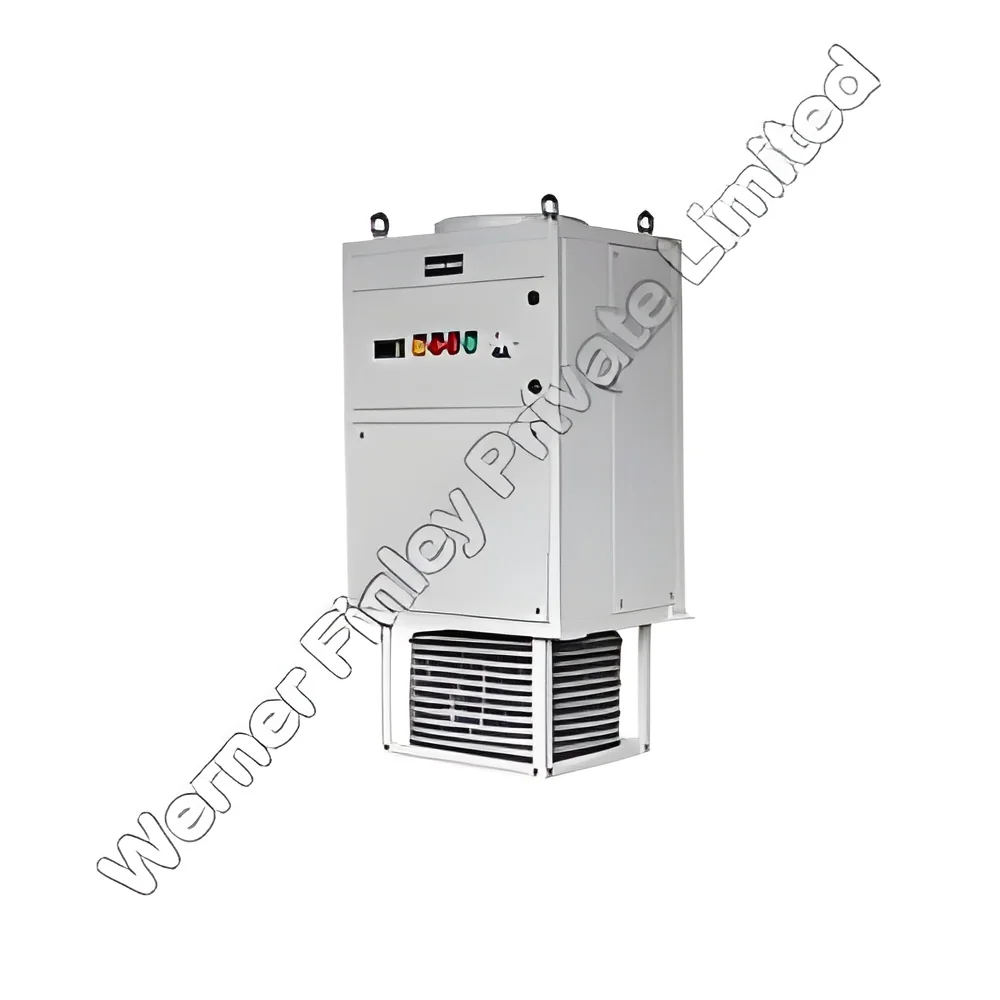
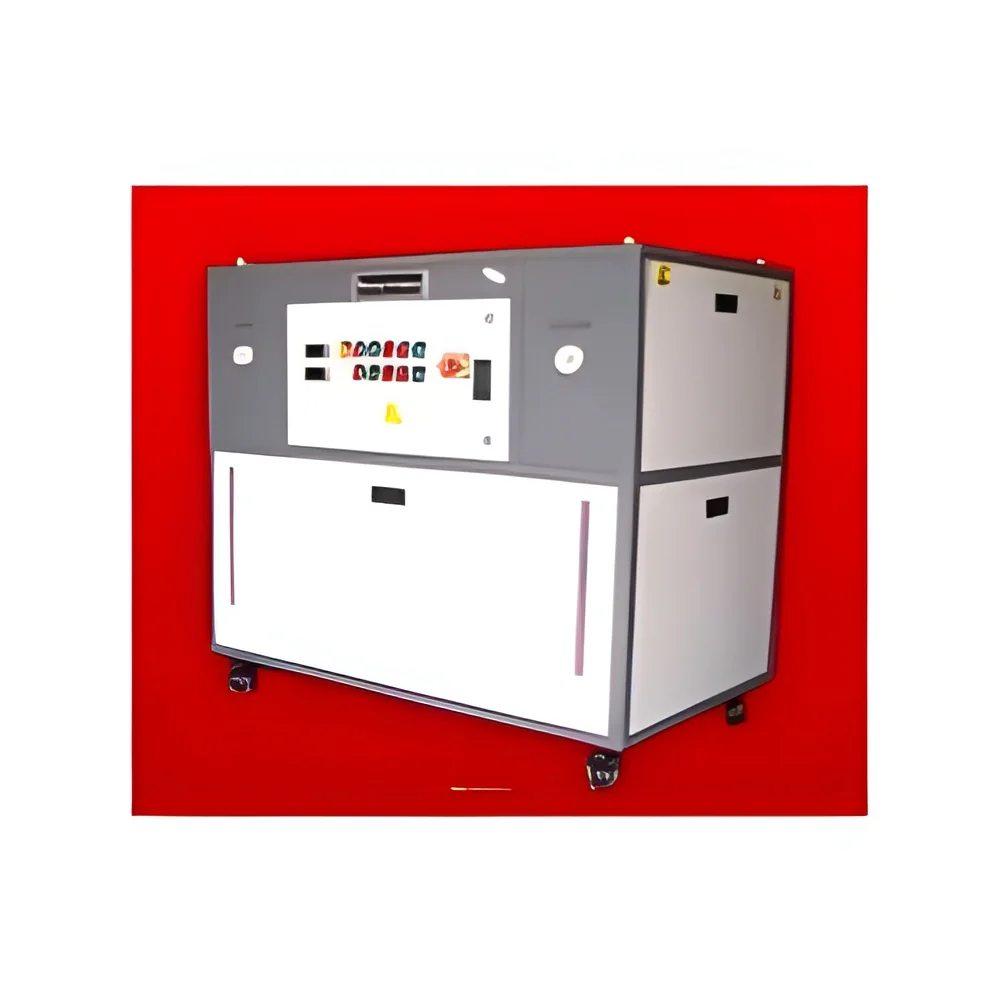
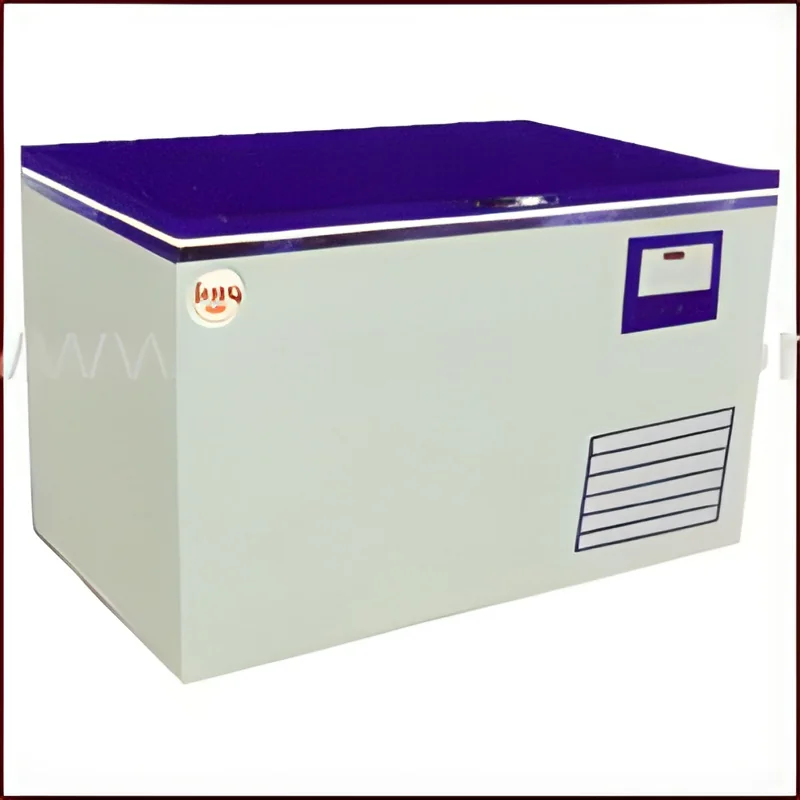
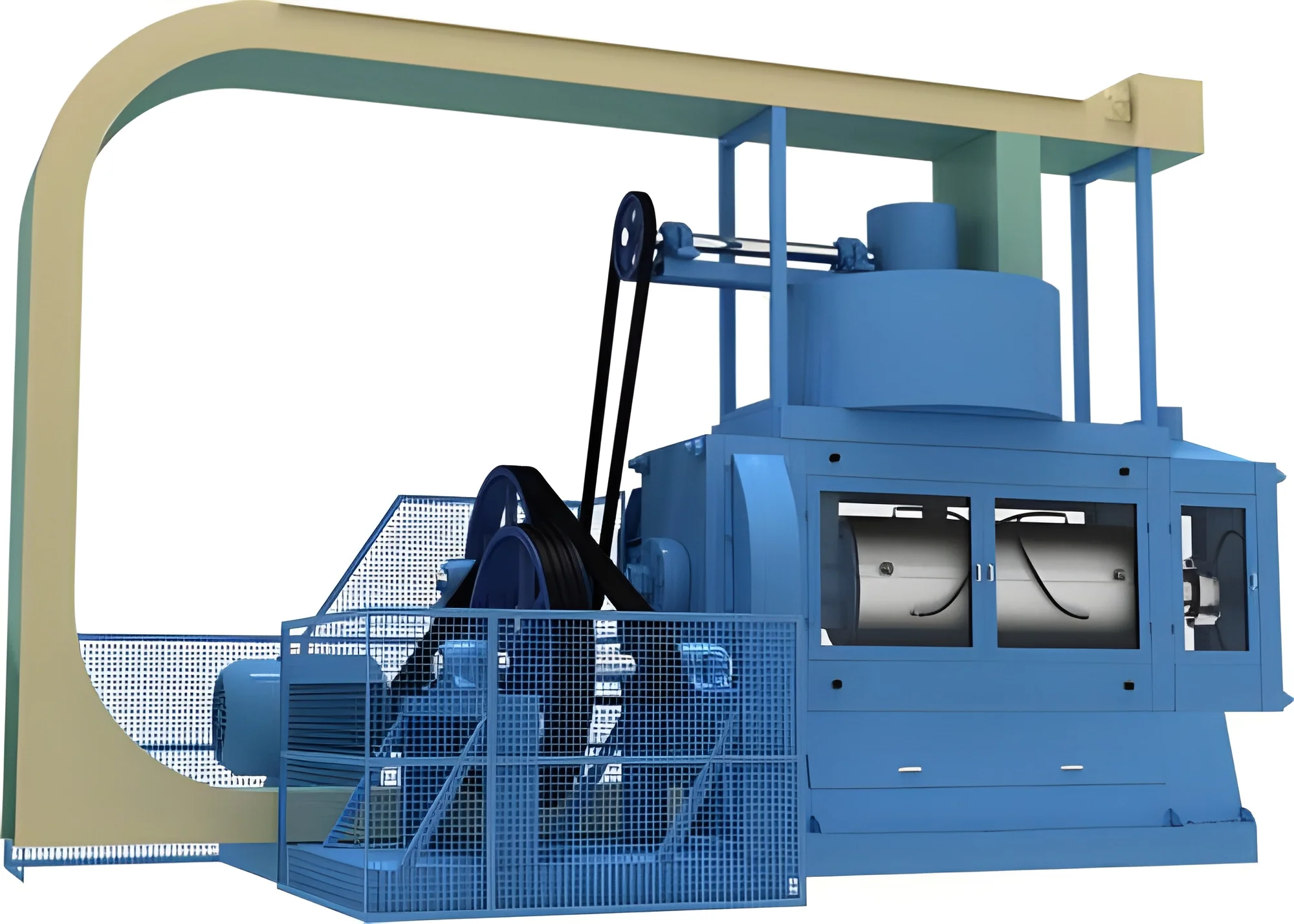
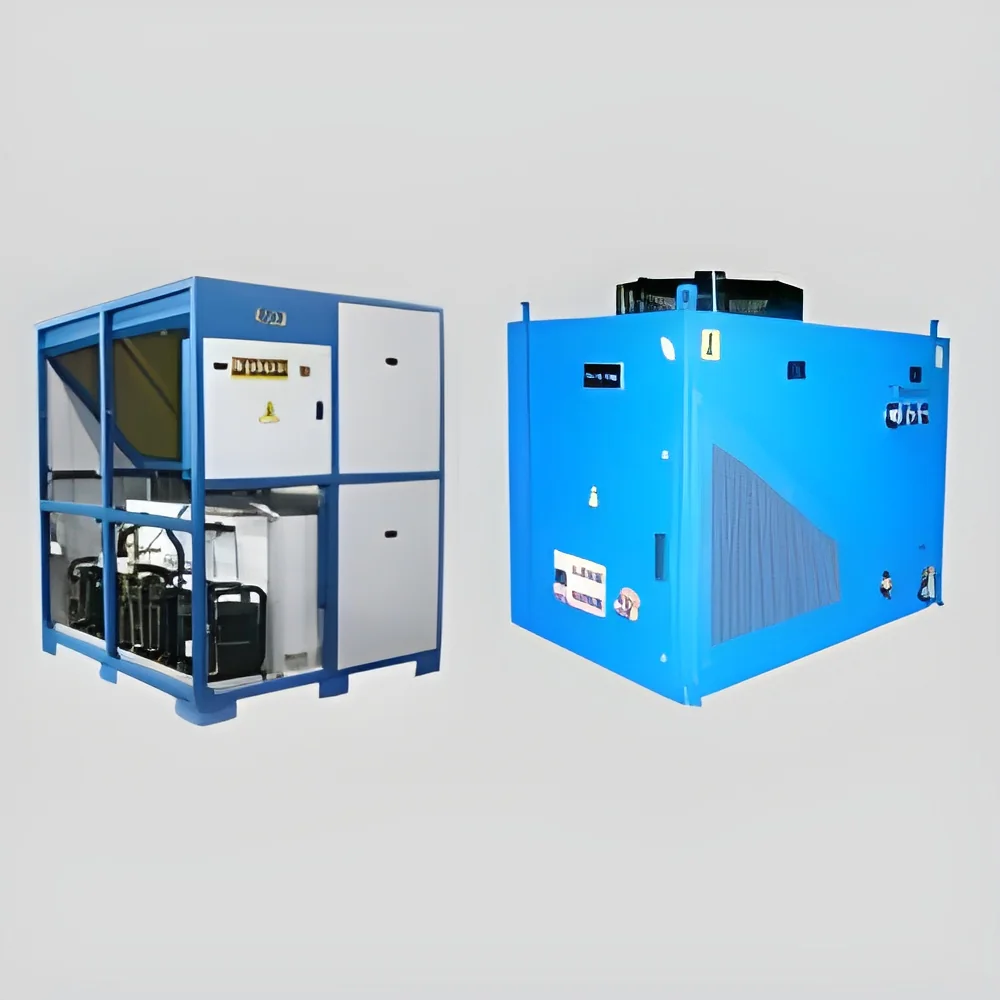
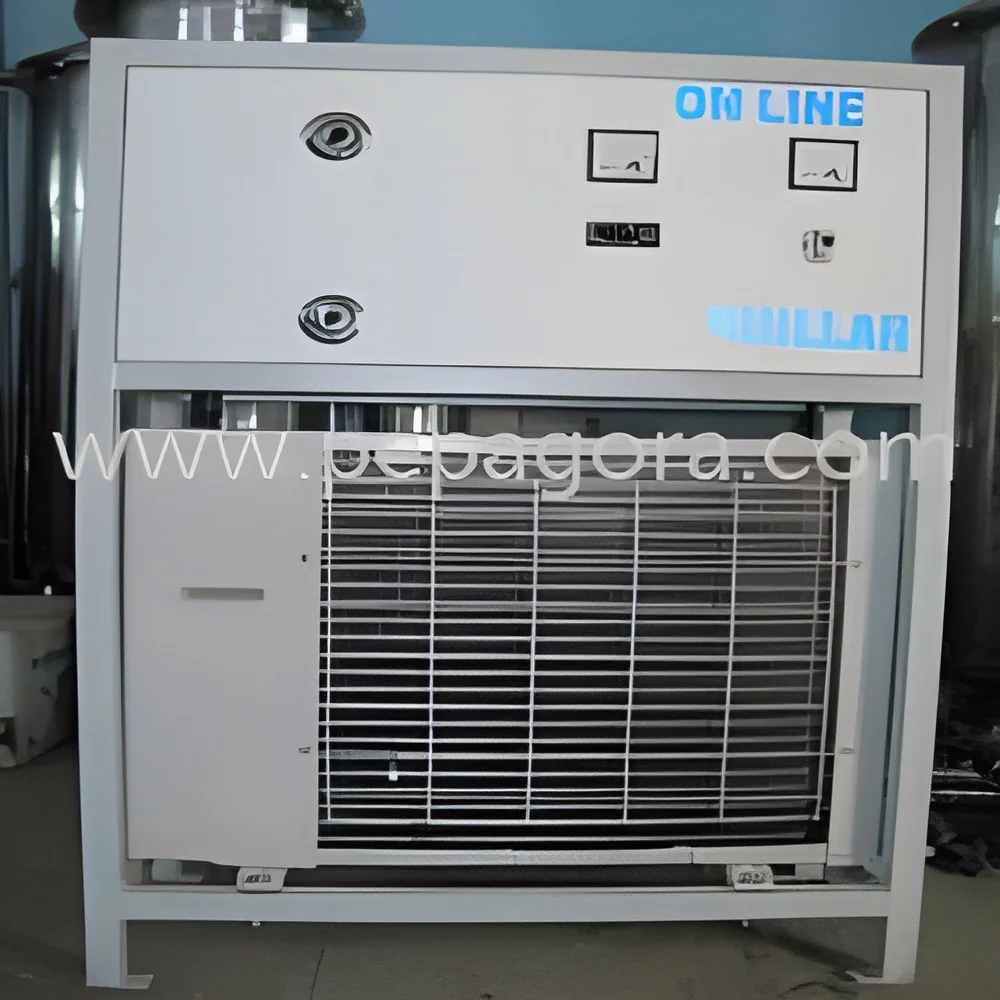
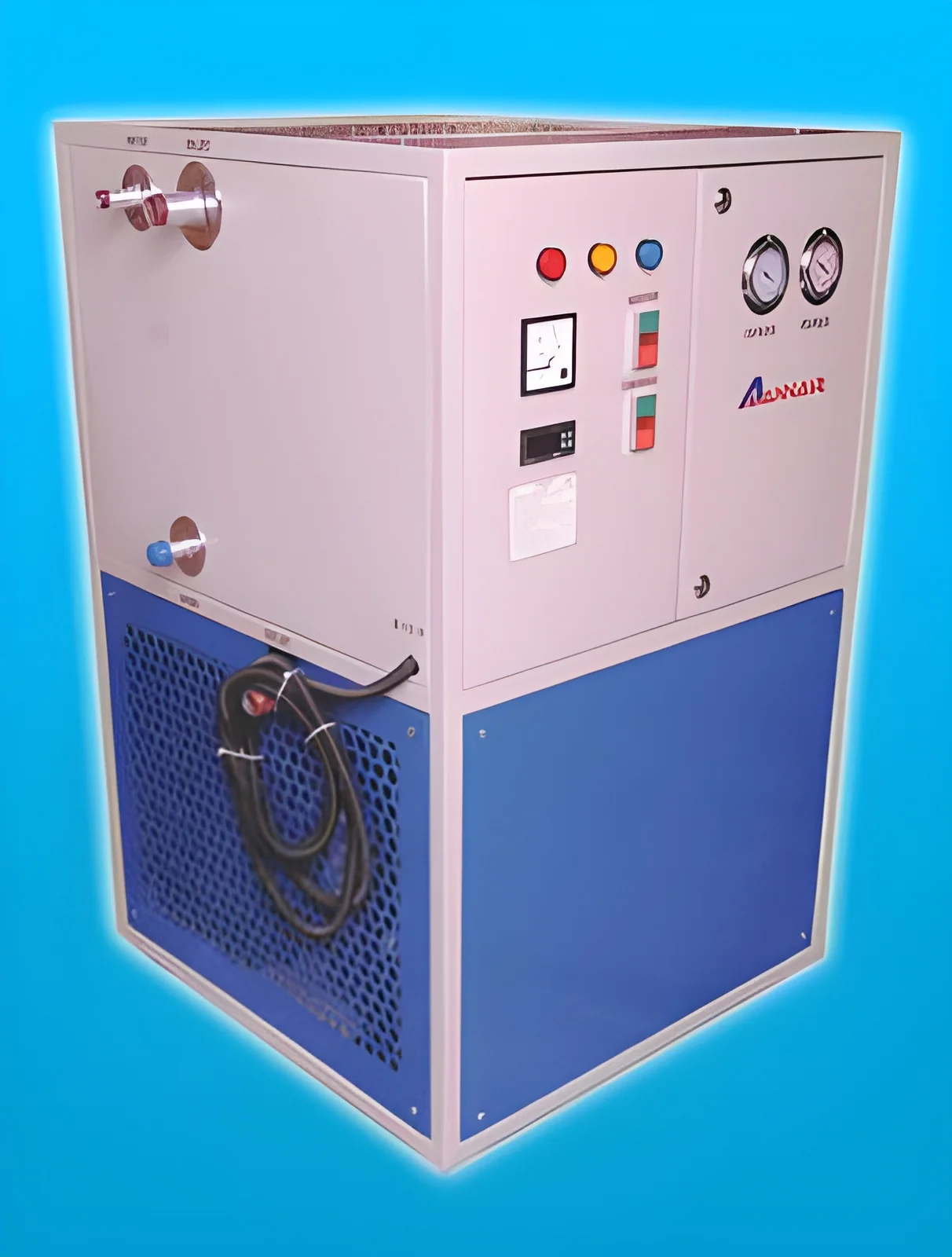
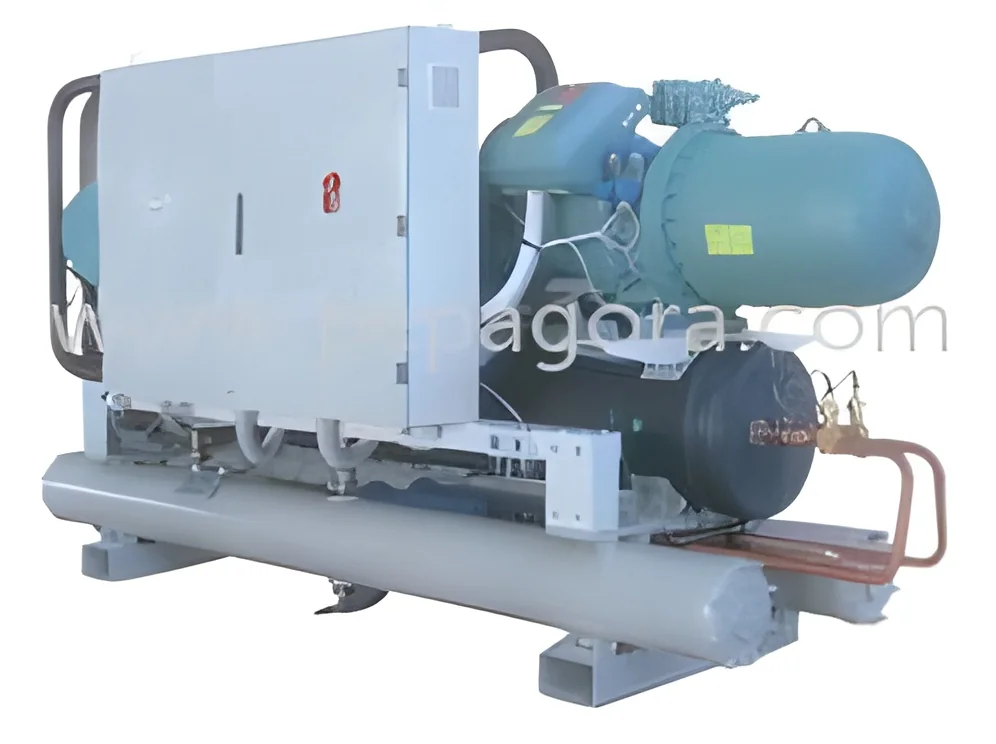
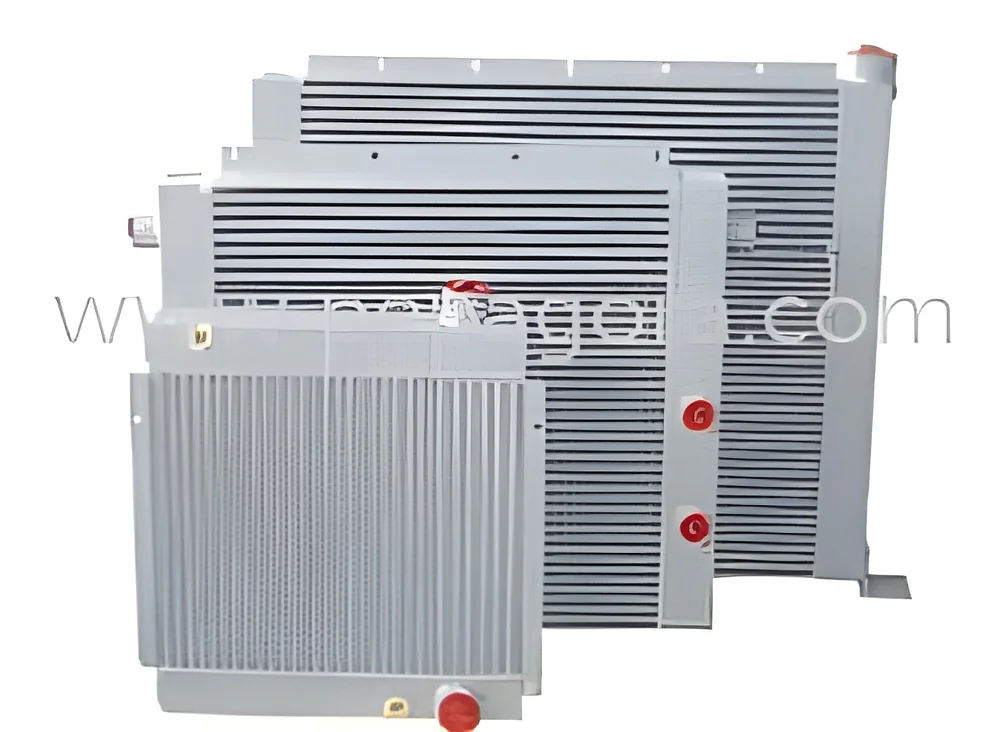
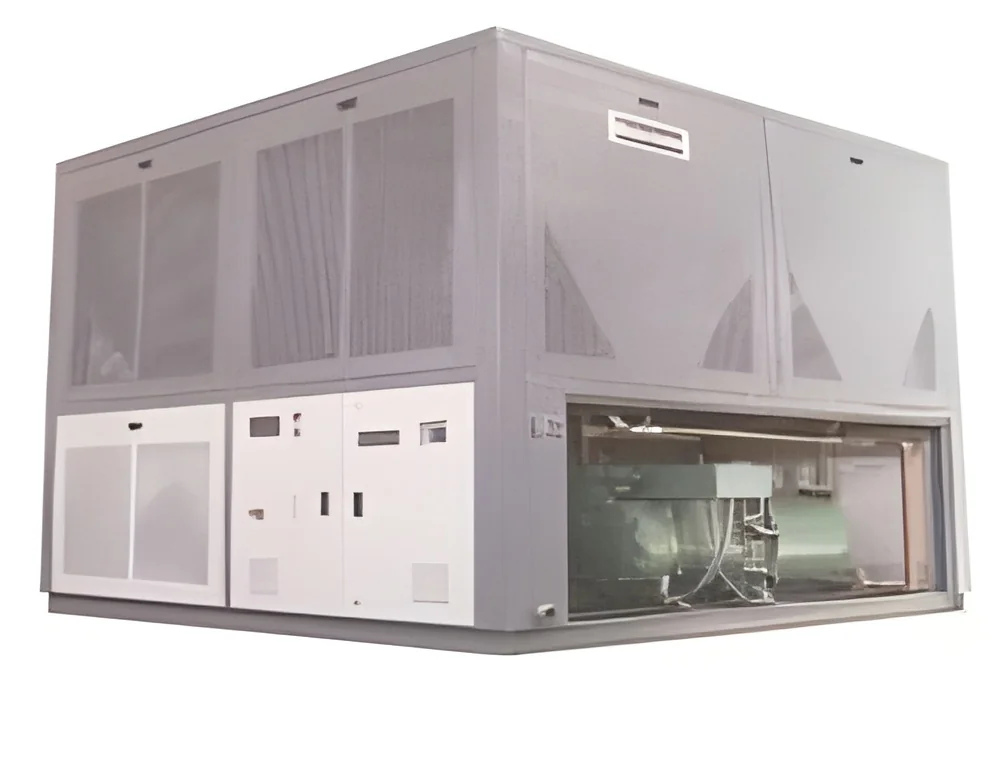
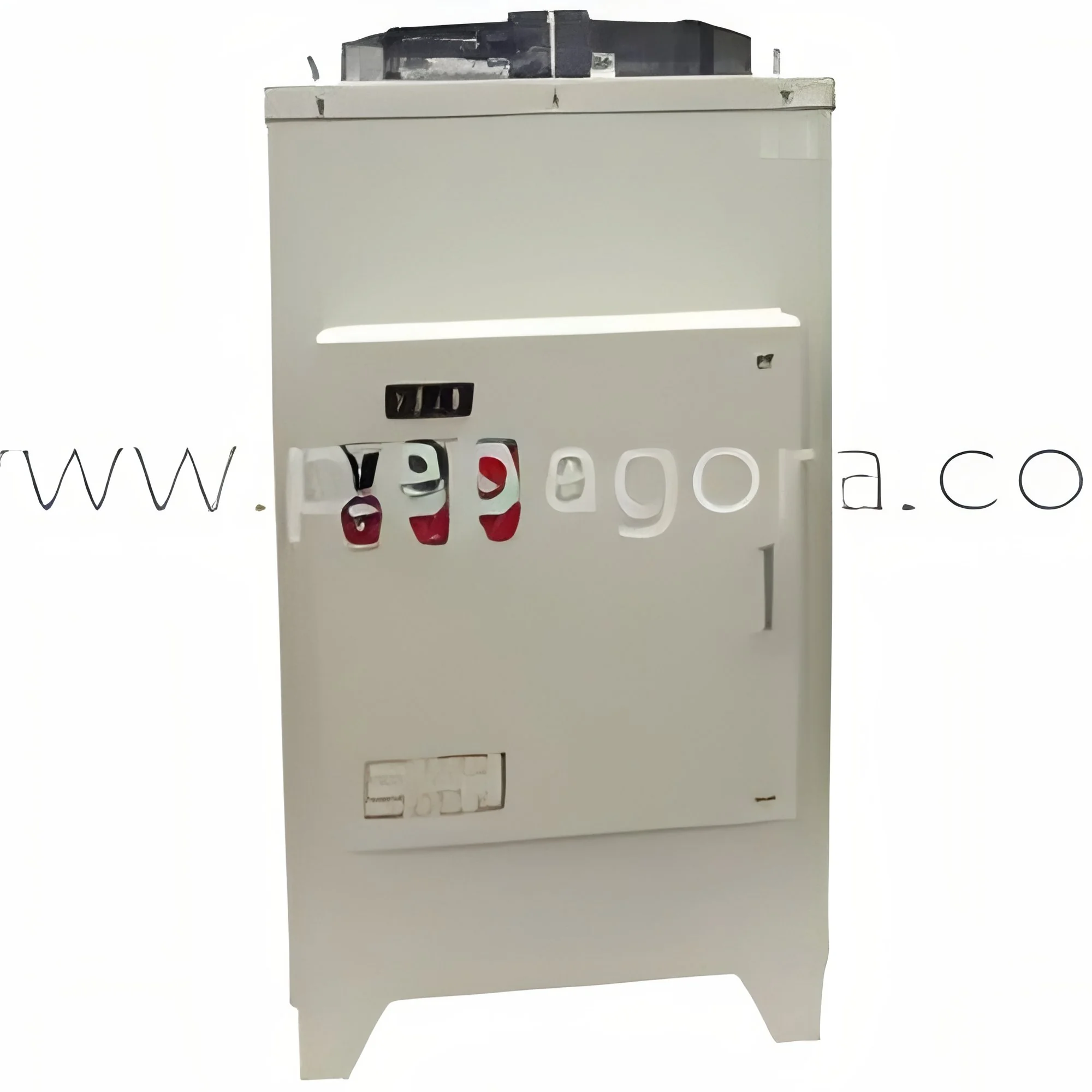
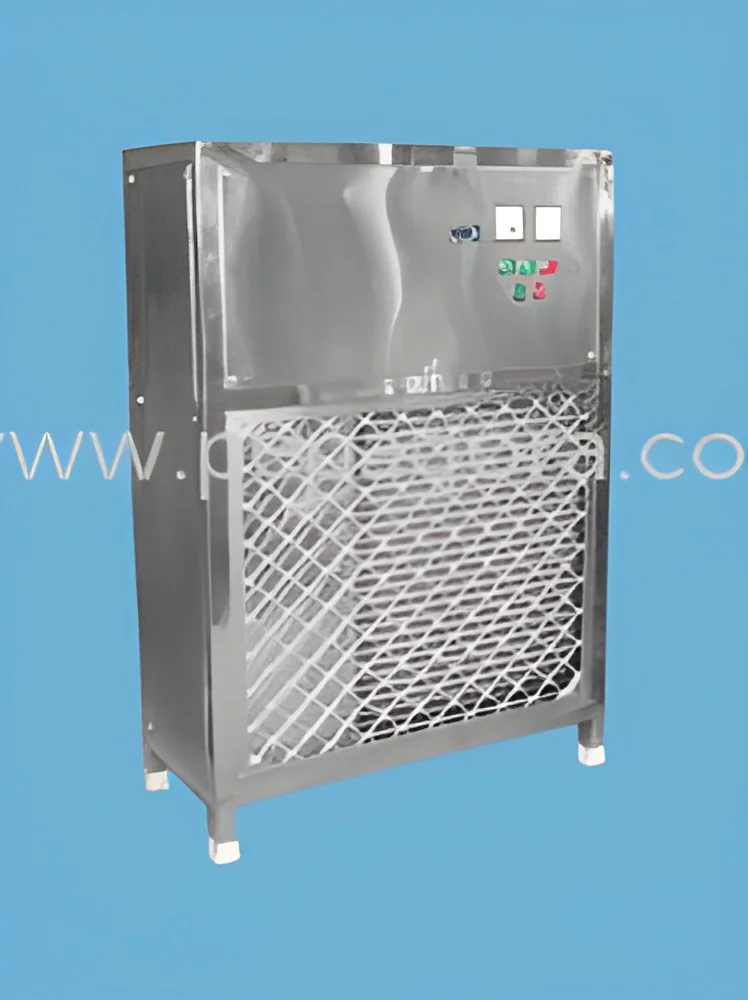
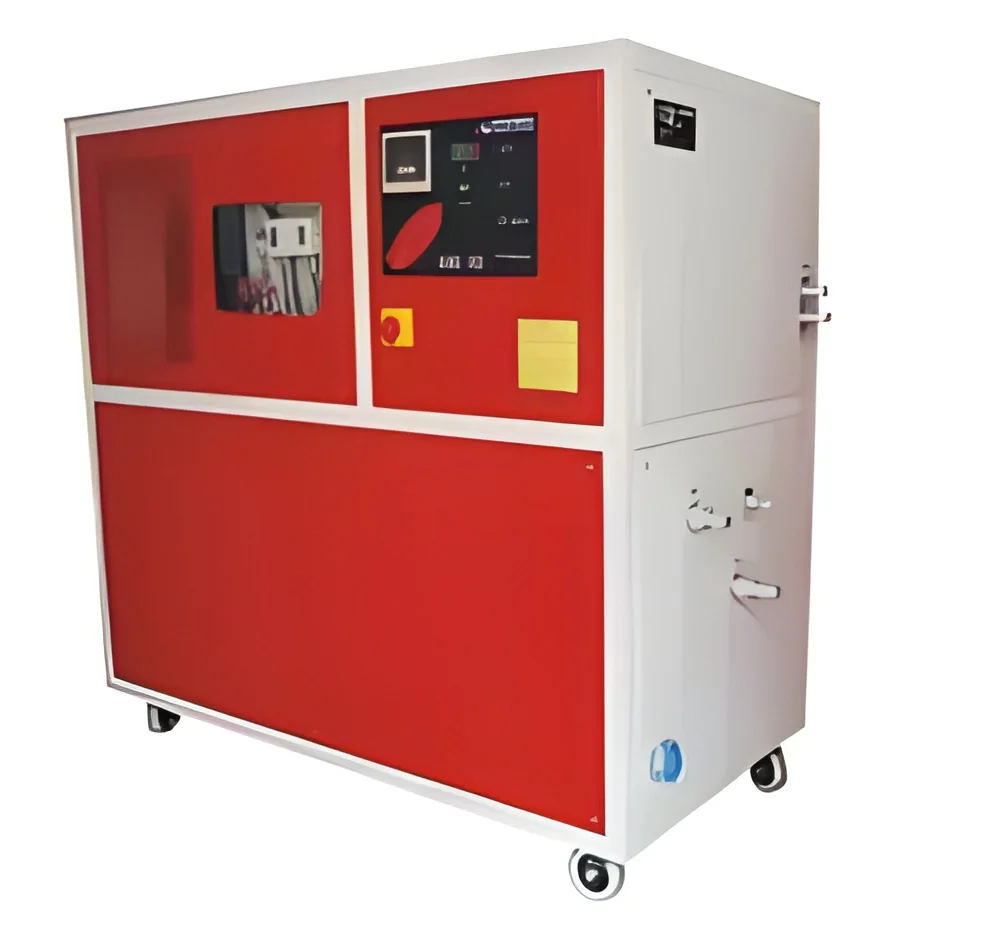
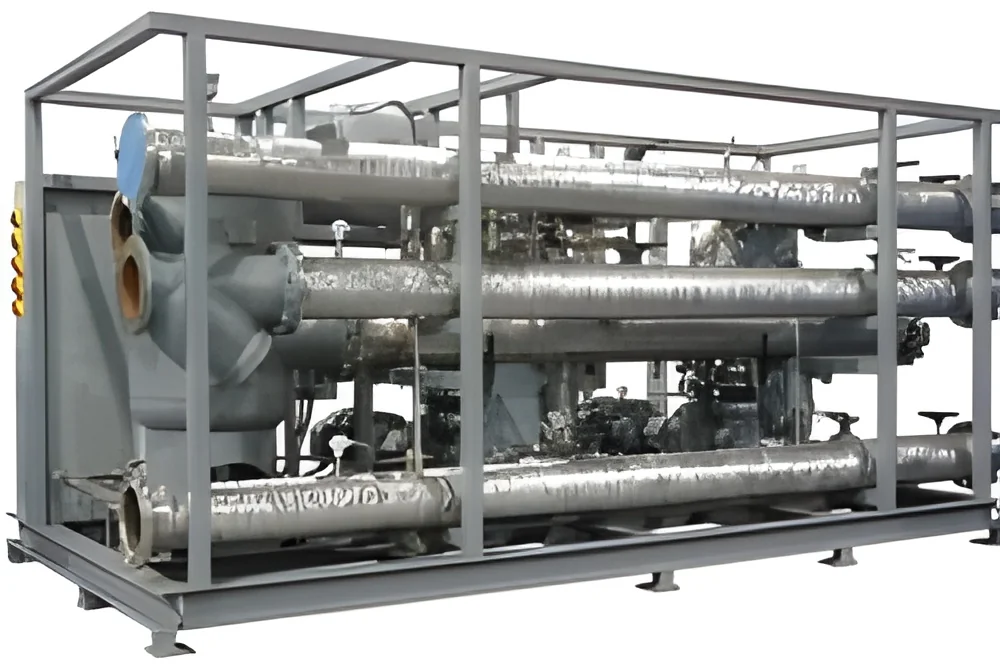
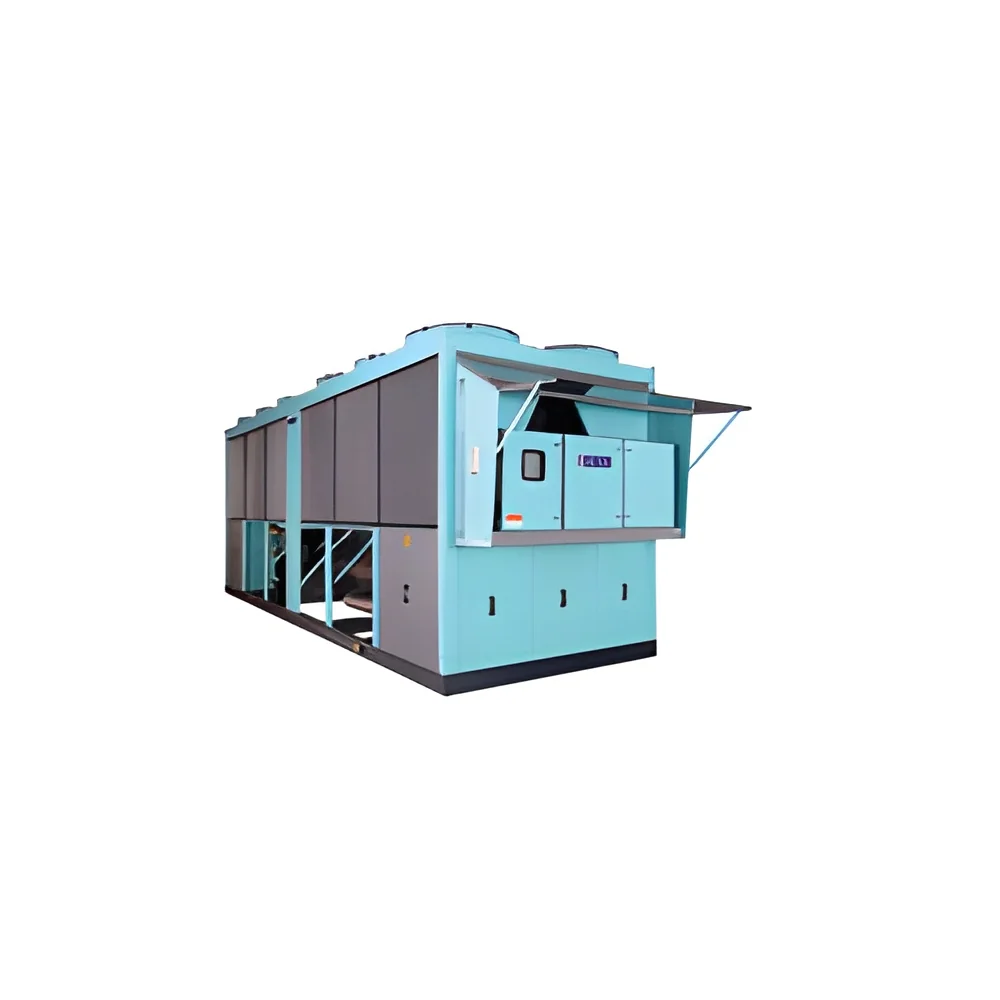
What are Central Chillers (Air Cooled & Water Cooled)?
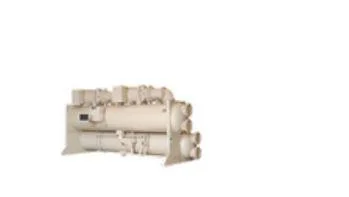
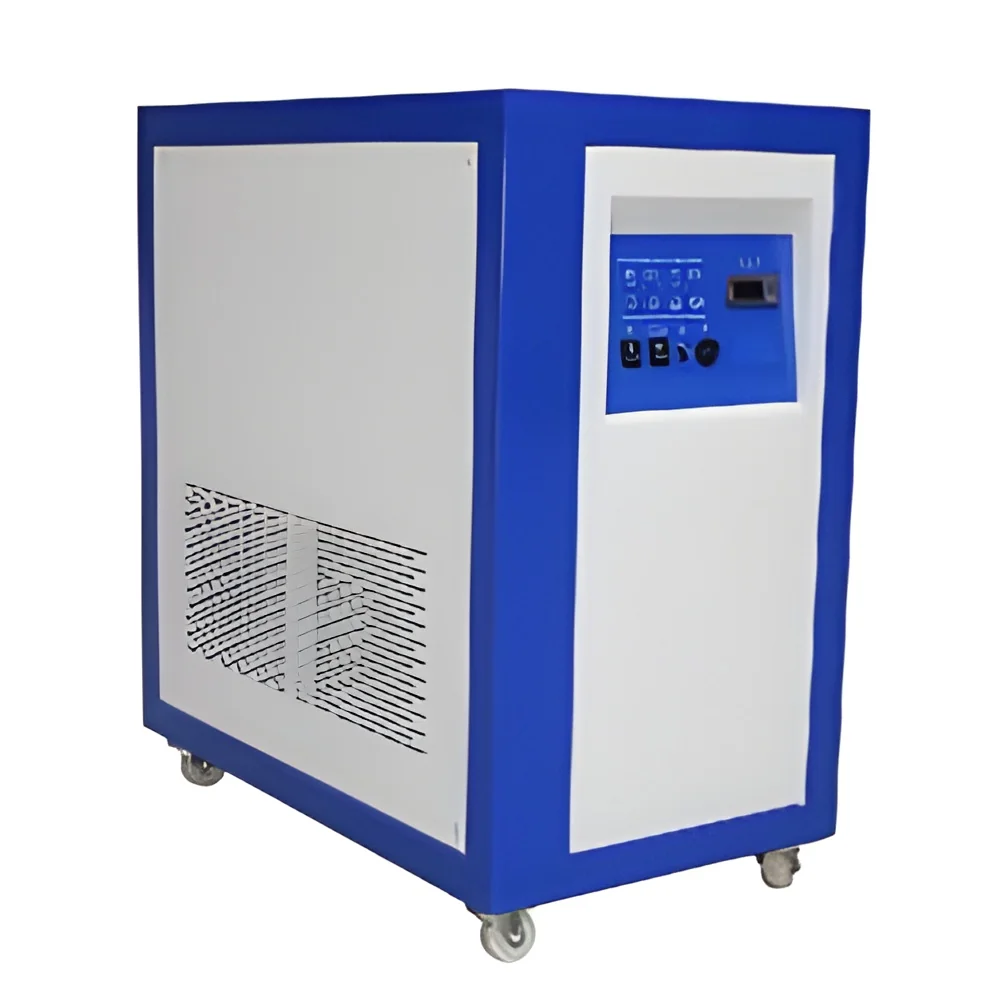
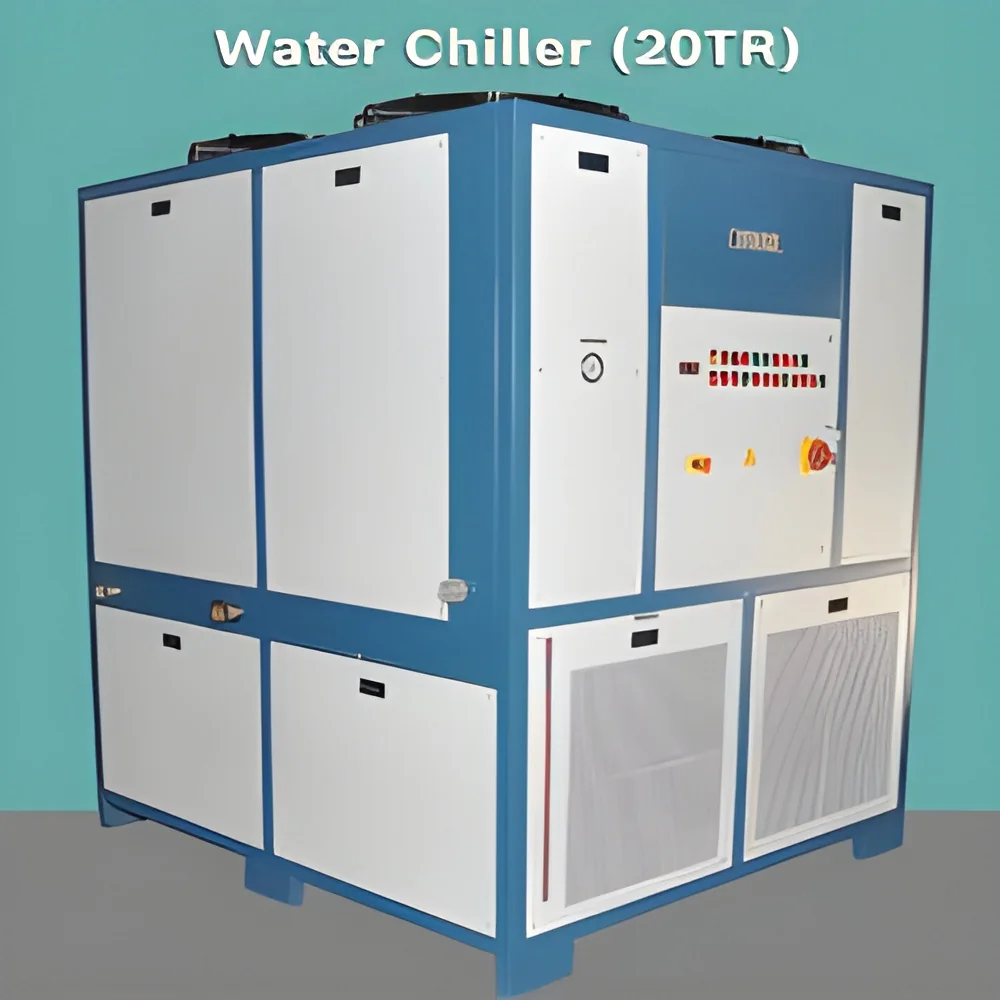
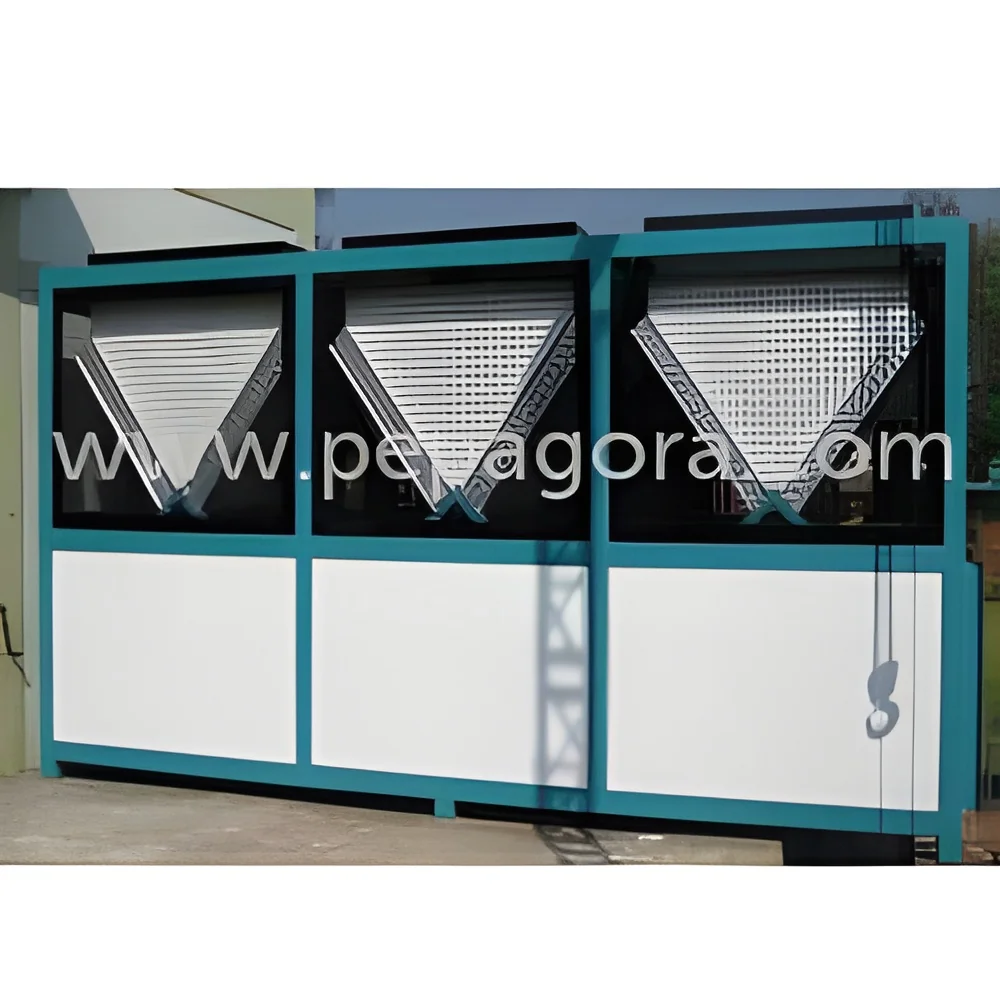
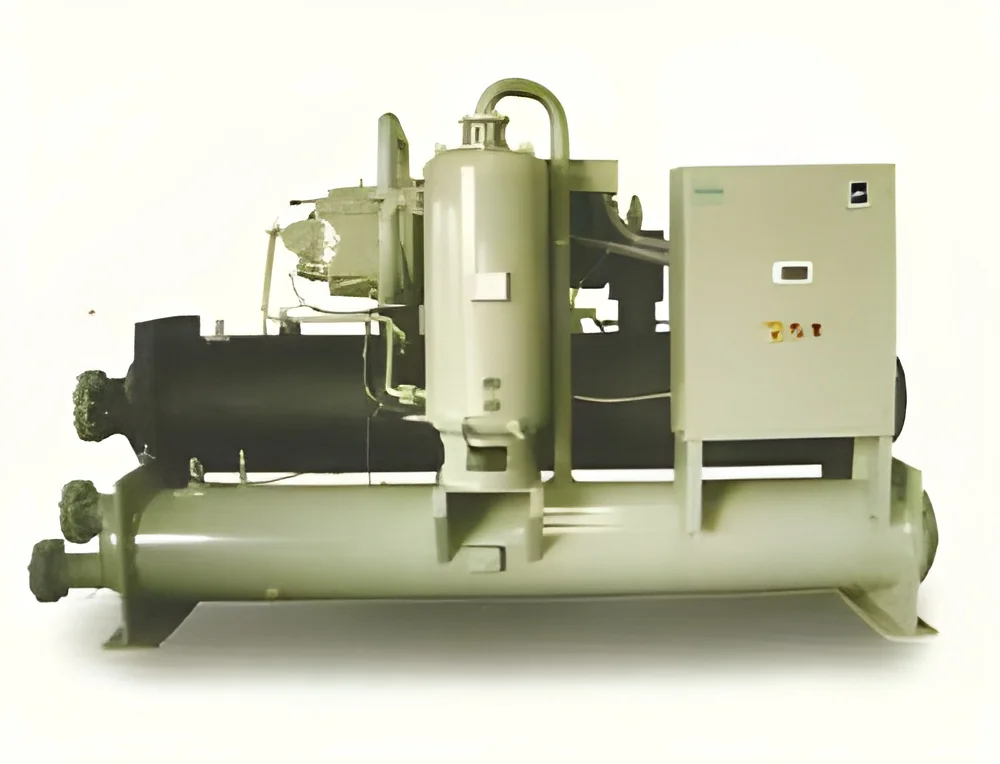
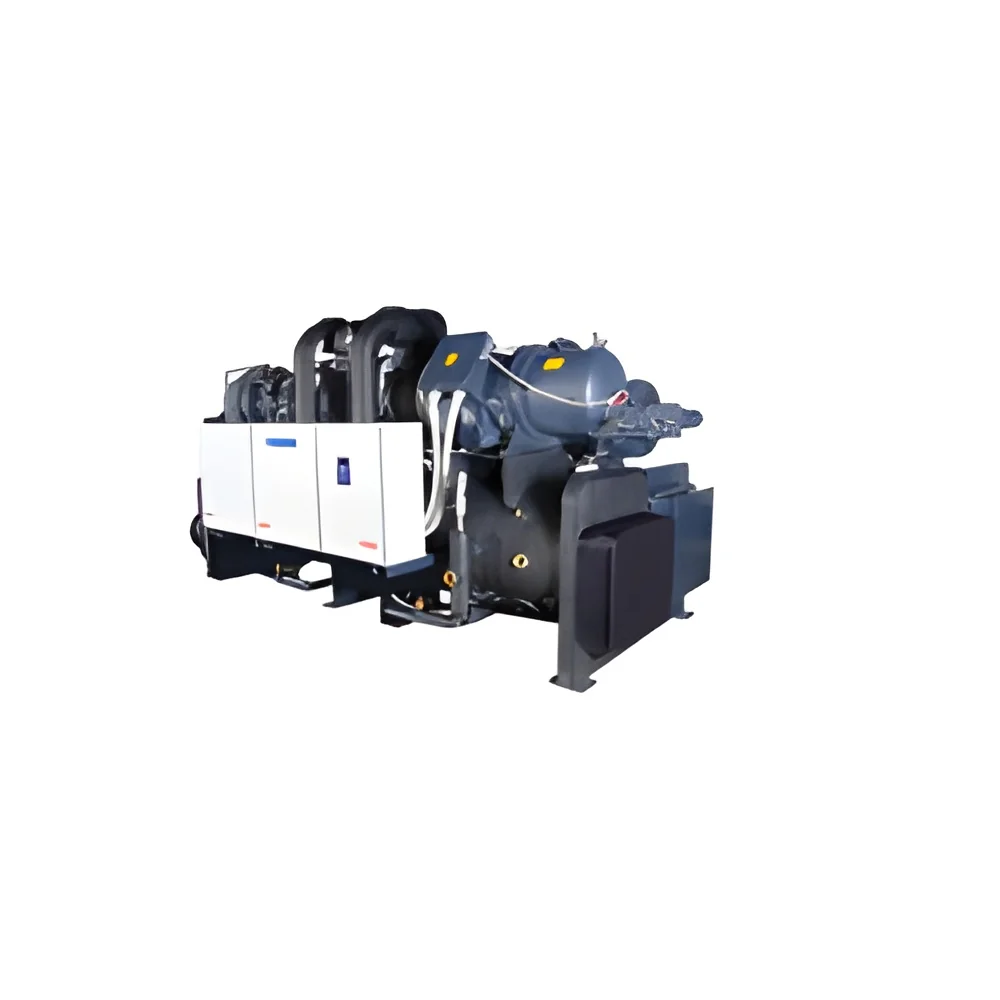
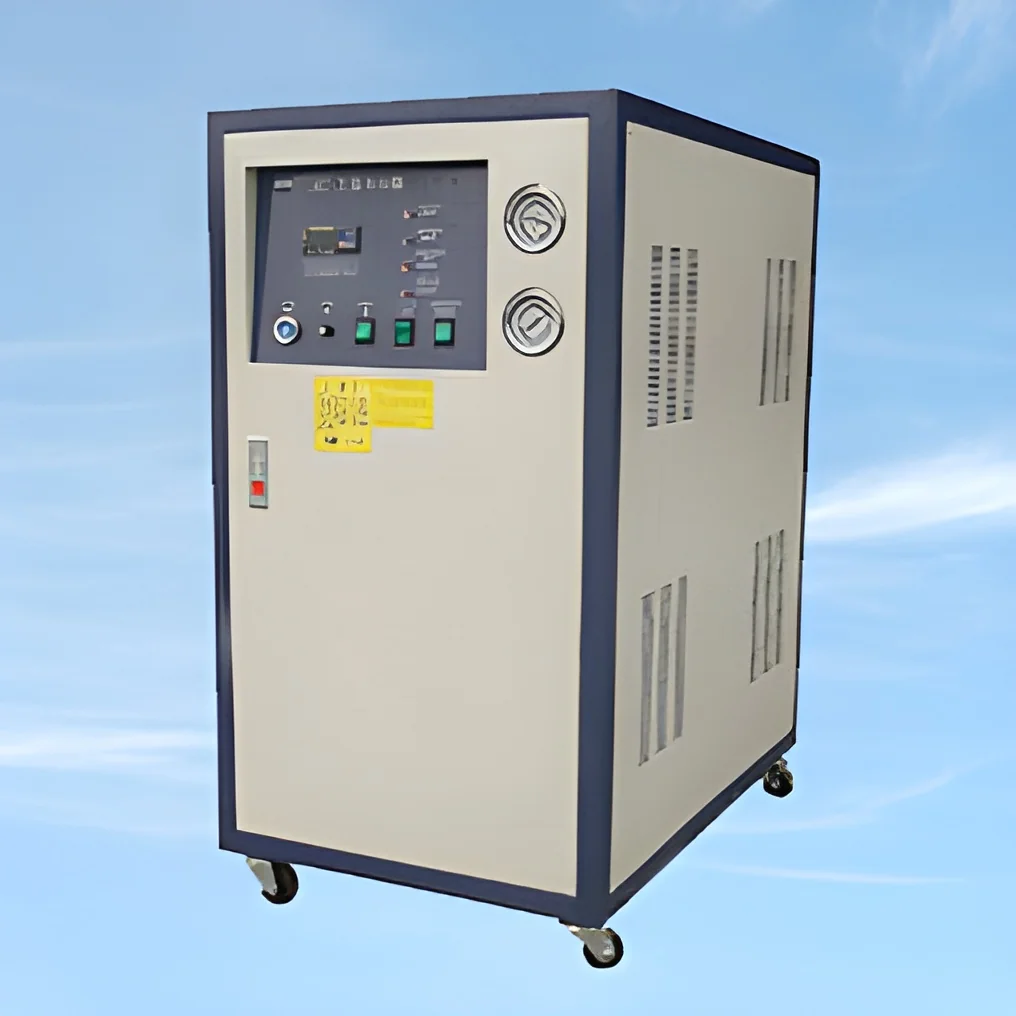
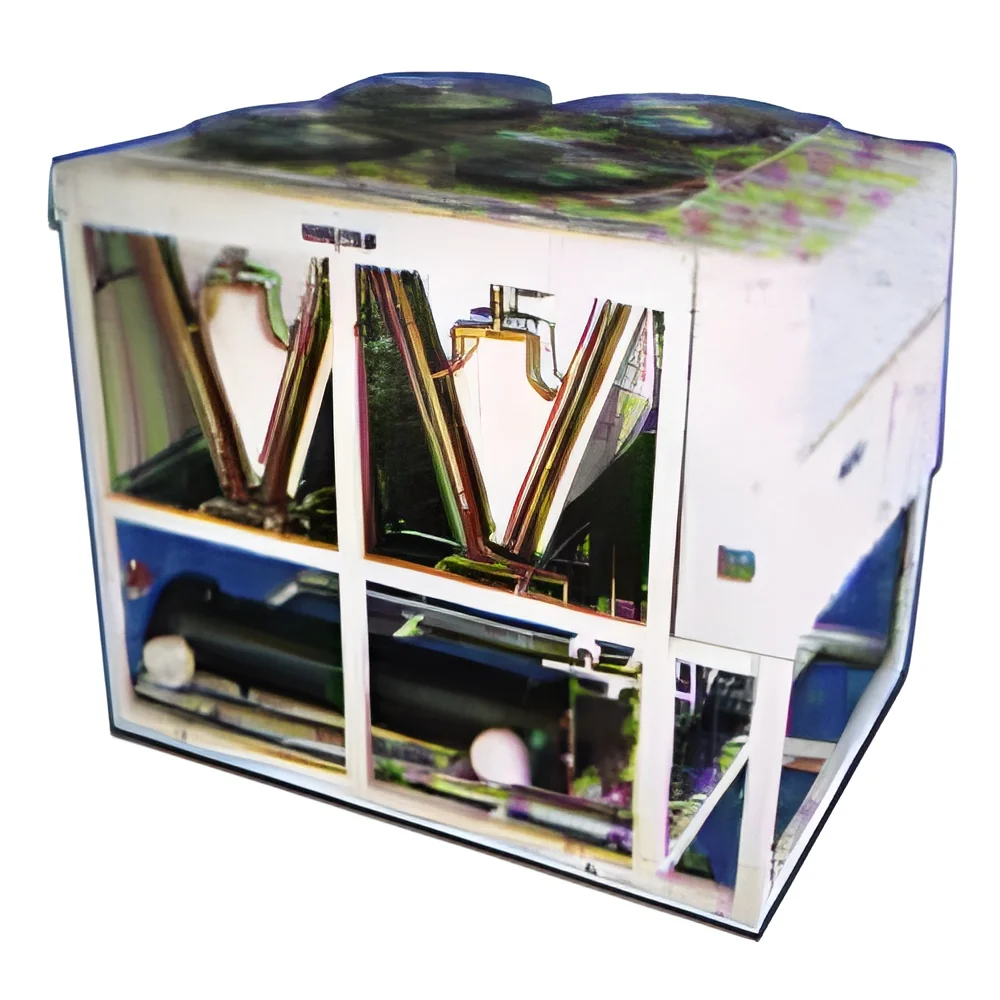
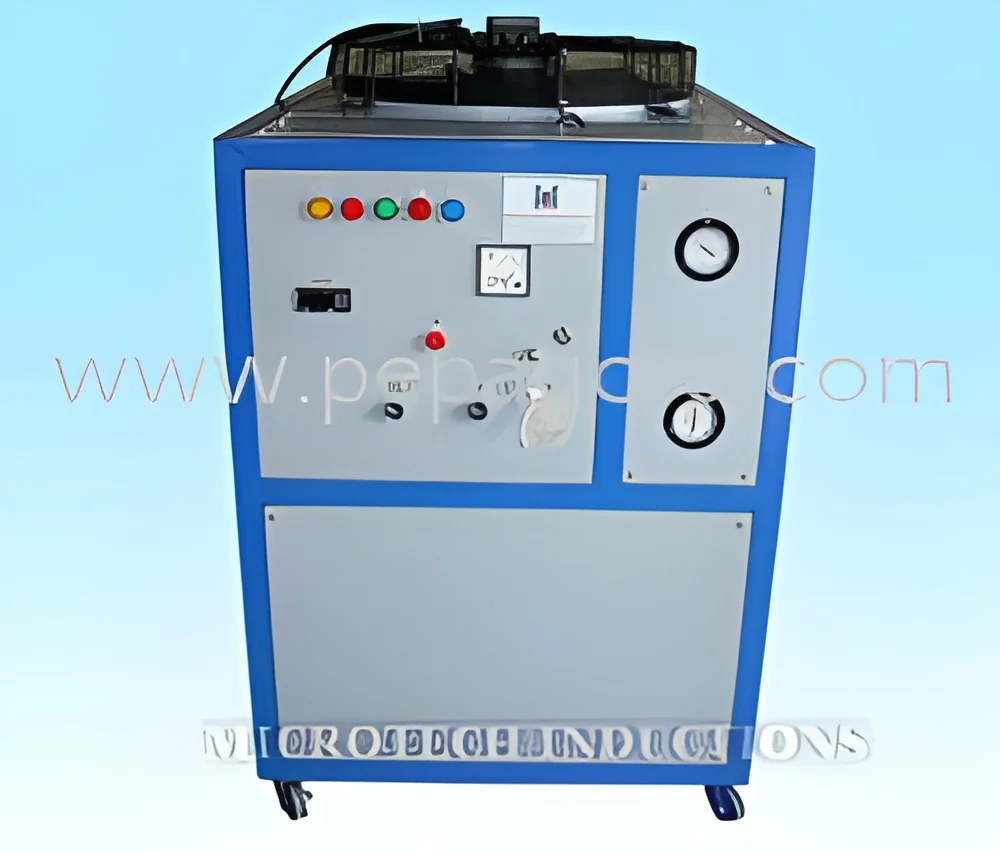
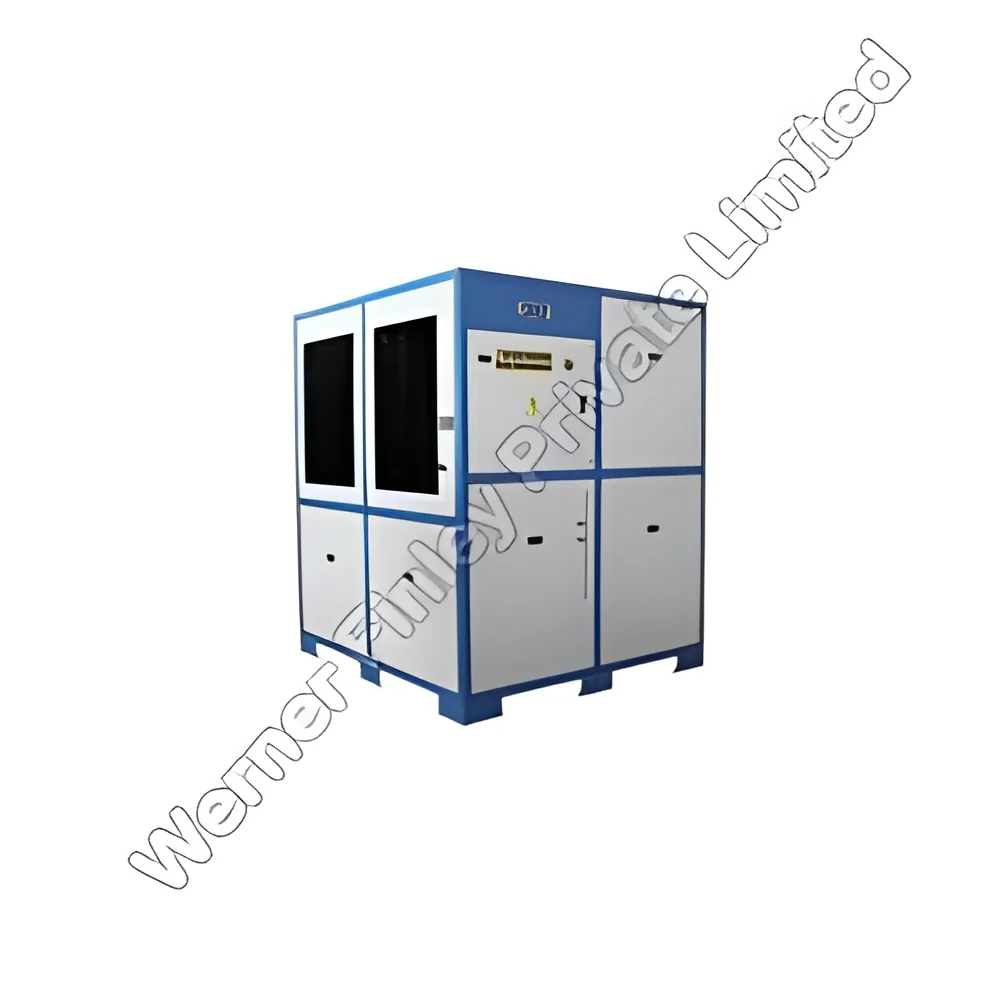
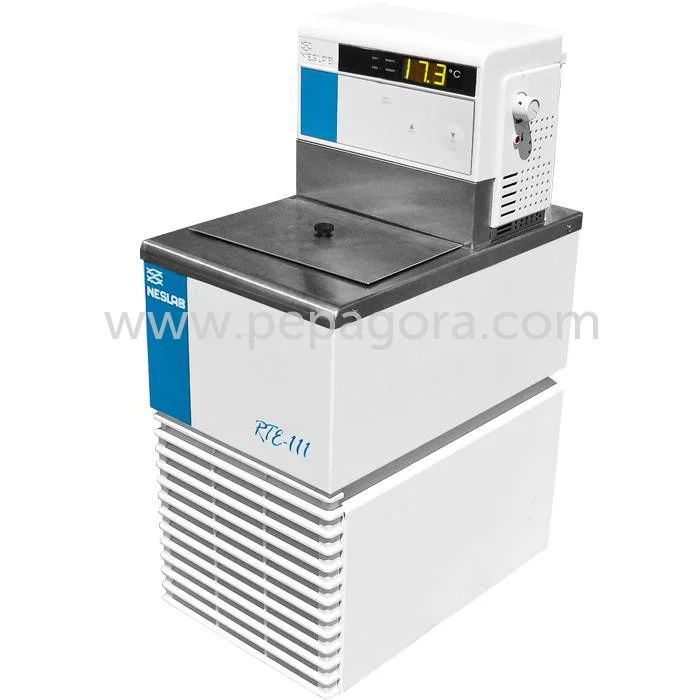
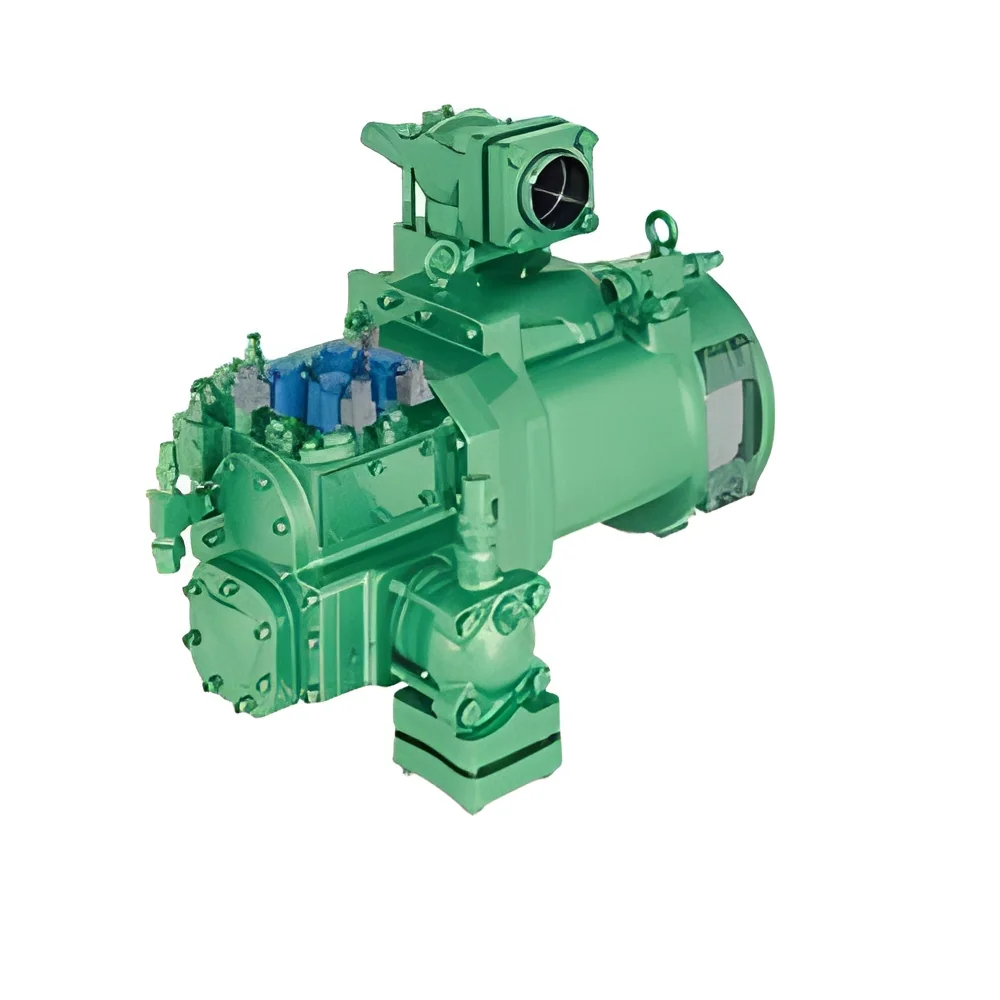
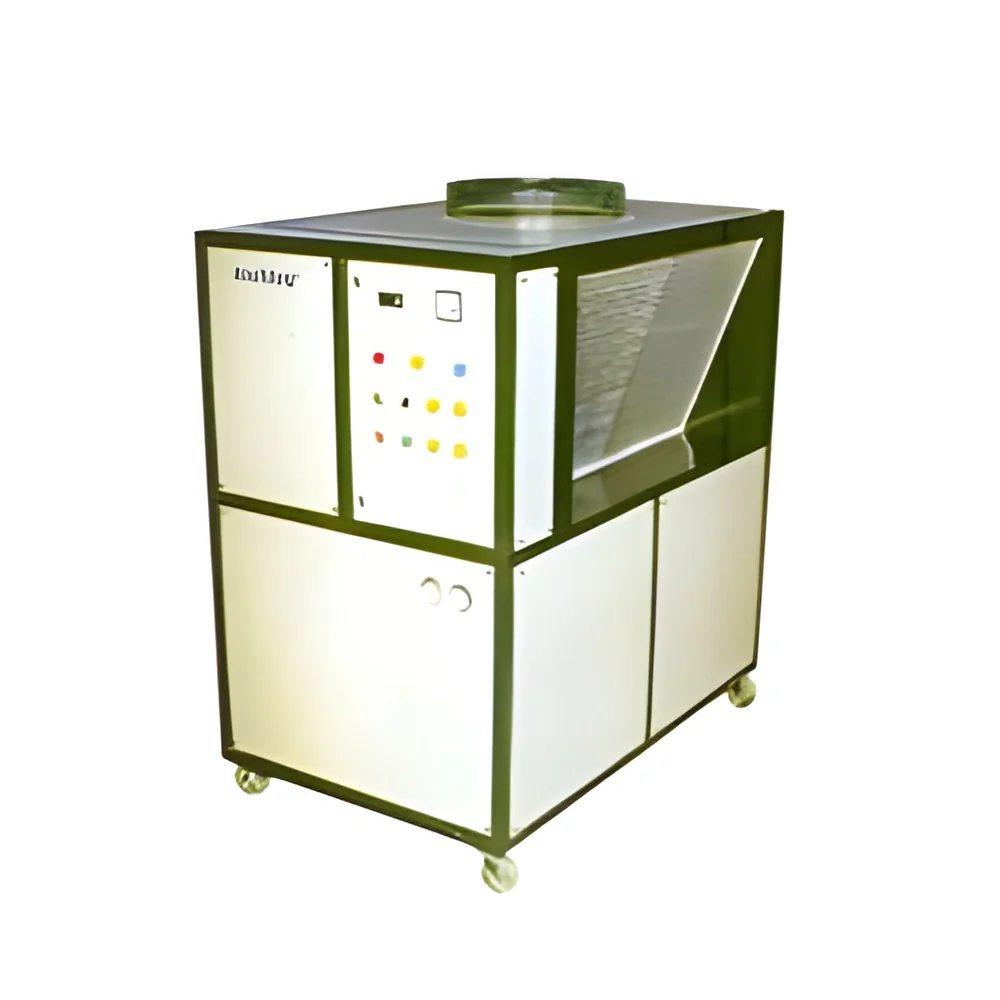
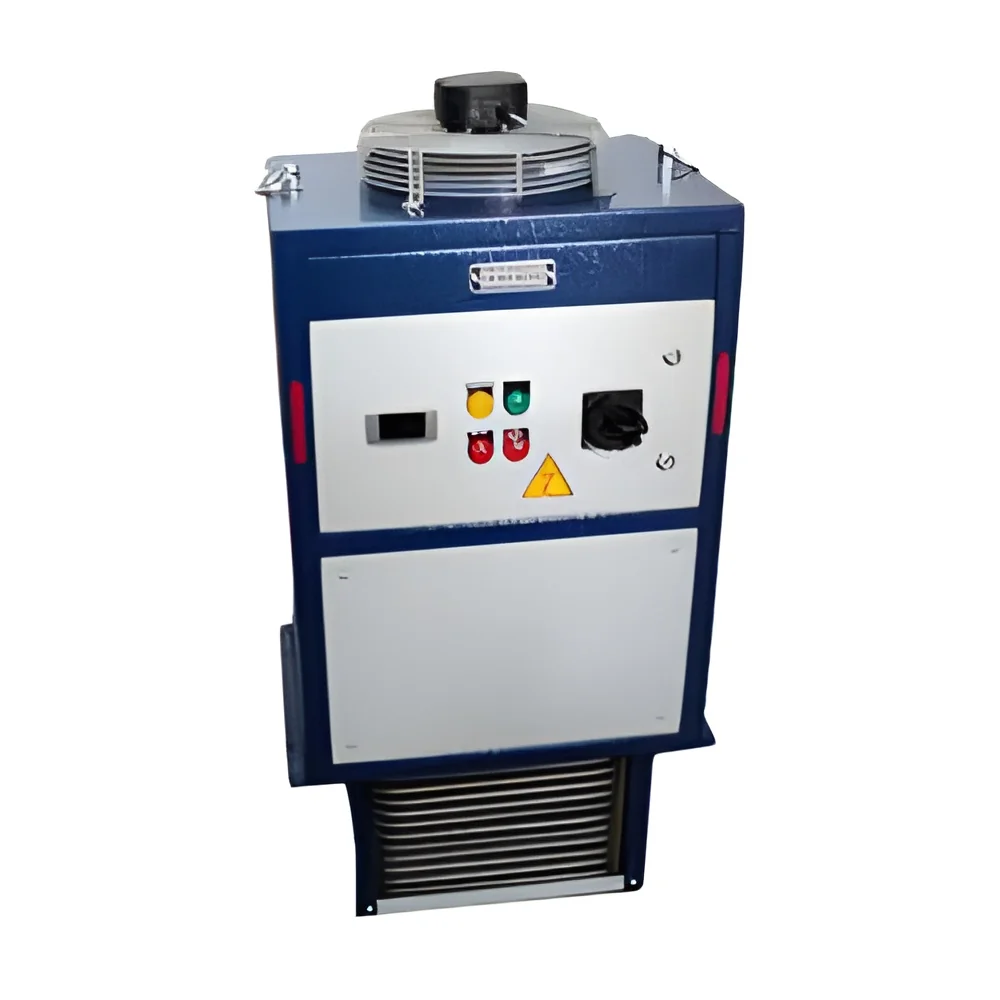
Central chillers are essential cooling systems utilized in a variety of industrial and commercial applications. They work by removing heat from a liquid via a vapor-compression or absorption refrigeration cycle. Central chillers can be categorized into two main types: air-cooled and water-cooled. Air-cooled chillers dissipate heat into the atmosphere using fans, while water-cooled chillers use water to absorb and transfer heat away from the system.
These chillers are primarily used for climate control in large facilities, including manufacturing plants, data centers, and commercial buildings. They provide reliable cooling for processes that require temperature regulation, such as chemical production, food processing, and HVAC systems. The importance of central chillers is underscored by their ability to enhance energy efficiency and reduce operational costs across various industries.
As industries increasingly focus on sustainability, the market for central chillers continues to evolve. Companies are seeking advanced solutions that offer energy savings and improved operational performance. The growth in sectors such as pharmaceuticals and data management further drives demand for efficient cooling systems, making central chillers a vital component in modern industrial infrastructure.
𝗞𝗲𝘆 𝗙𝗲𝗮𝘁𝘂𝗿𝗲𝘀 𝗮𝗻𝗱 𝗦𝗽𝗲𝗰𝗶𝗳𝗶𝗰𝗮𝘁𝗶𝗼𝗻𝘀
Central chillers come equipped with a range of features tailored to meet diverse cooling needs. Understanding these features is crucial for businesses seeking efficient and reliable cooling solutions. Key specifications often include the following categories:
1. Cooling Capacity
- The cooling capacity measures the amount of heat energy a chiller can remove in a given time.
- Typical ranges vary from several tons to thousands of tons, depending on system size.
2. Energy Efficiency Ratio (EER)
- The EER indicates the efficiency of the chiller based on its cooling output relative to the energy input.
- Higher EER values represent more energy-efficient models.
3. Refrigerant Type
- Different refrigerants are used in chillers, affecting environmental impact and efficiency.
- Common types include R-410A and R-134A, with many systems moving toward low-GWP refrigerants.
4. Operating Temperature Range
- The operating temperature range defines the limits within which the chiller can function effectively.
- Specific ranges are typically dependent on the model and application.
5. Control Systems
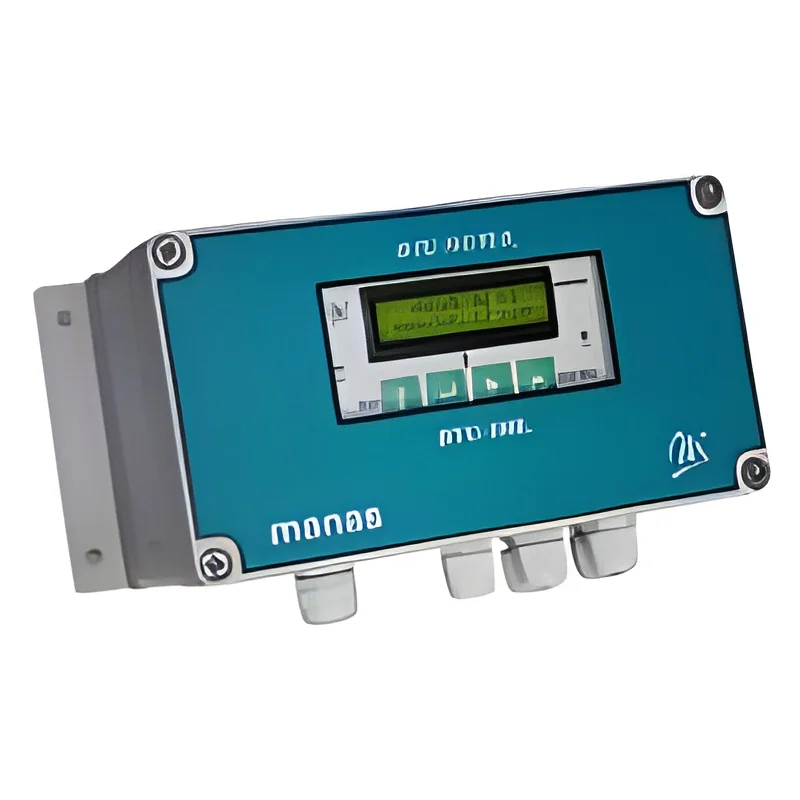
- Advanced control systems enable precise temperature regulation and operational monitoring.
- Features may include digital controls, remote monitoring, and integration with building management systems.
6. Noise Level
- Noise levels are an important consideration, especially in commercial applications.
- Many modern chillers are designed for low noise operation.
7. Footprint and Installation Requirements
- The physical footprint and installation needs can vary significantly.
- Space-saving designs are available for installations with limited space.
8. Maintenance and Serviceability
- Features that simplify maintenance and improve serviceability can enhance operational uptime.
- Look for models with accessible components and user-friendly service protocols.
In summary, understanding the key features and specifications of central chillers is crucial for selecting the right system for your application. These specifications can significantly influence both performance and operating costs.
𝗖𝗼𝗺𝗺𝗼𝗻 𝗔𝗽𝗽𝗹𝗶𝗰𝗮𝘁𝗶𝗼𝗻𝘀 𝗮𝗻𝗱 𝗨𝘀𝗲 𝗖𝗮𝘀𝗲𝘀
Central chillers play a vital role in various industries by providing effective cooling solutions. Their adaptability allows them to serve multiple applications efficiently.
1. Manufacturing: In manufacturing facilities, central chillers are used to cool machinery and processes, ensuring optimal operating temperatures and preventing equipment overheating.
2. Data Centers: Central chillers are critical in data centers, where maintaining specific temperature and humidity levels is essential for optimal server performance and reliability.
3. Food and Beverage: In the food and beverage industry, chillers are employed for refrigeration processes, preserving product quality and extending shelf life.
4. Pharmaceuticals: Central chillers help maintain controlled environments in pharmaceutical manufacturing, ensuring compliance with strict temperature regulations.
5. Automotive: In automotive plants, chillers are used in paint booths and other processes that require precise temperature control to ensure product quality.
6. Commercial Buildings: HVAC systems in commercial buildings frequently rely on central chillers for efficient climate control, enhancing occupant comfort.
7. Chemical Processing: In chemical facilities, chillers provide critical cooling for exothermic reactions, ensuring safe and efficient production processes.
𝗣𝗿𝗼𝗱𝘂𝗰𝘁 𝗩𝗮𝗿𝗶𝗮𝗻𝘁𝘀 𝗮𝗻𝗱 𝗦𝘂𝗯𝗰𝗮𝘁𝗲𝗴𝗼𝗿𝗶𝗲𝘀
Central chillers are available in various configurations, catering to specific industry needs. This diversity allows businesses to select a solution that best fits their operational requirements.
Air-Cooled Chillers
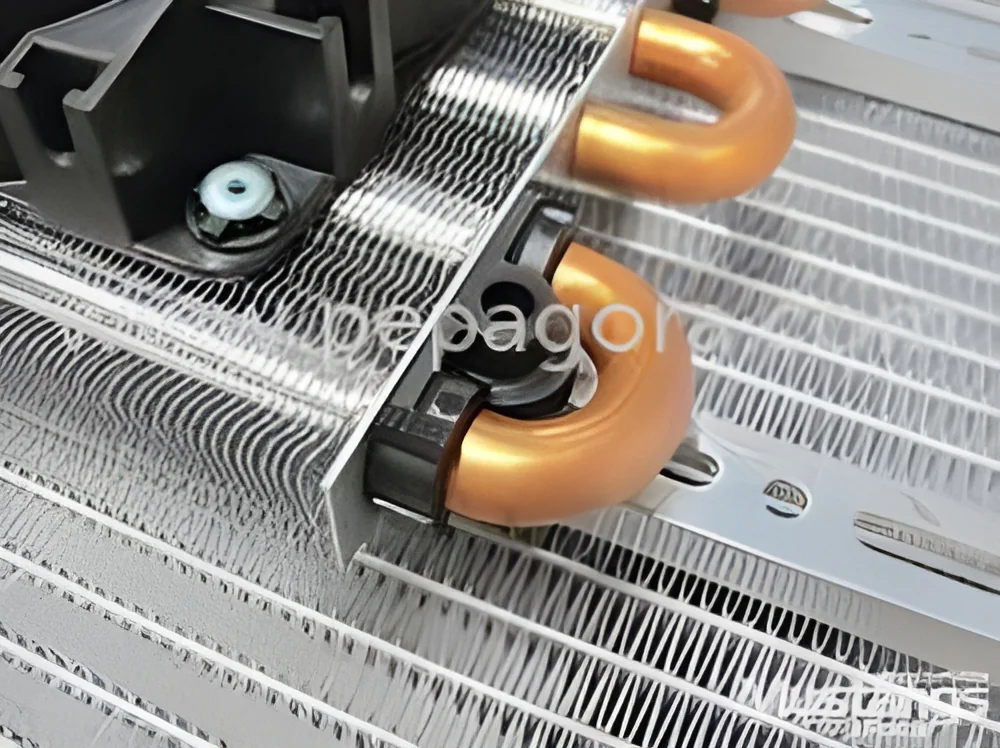
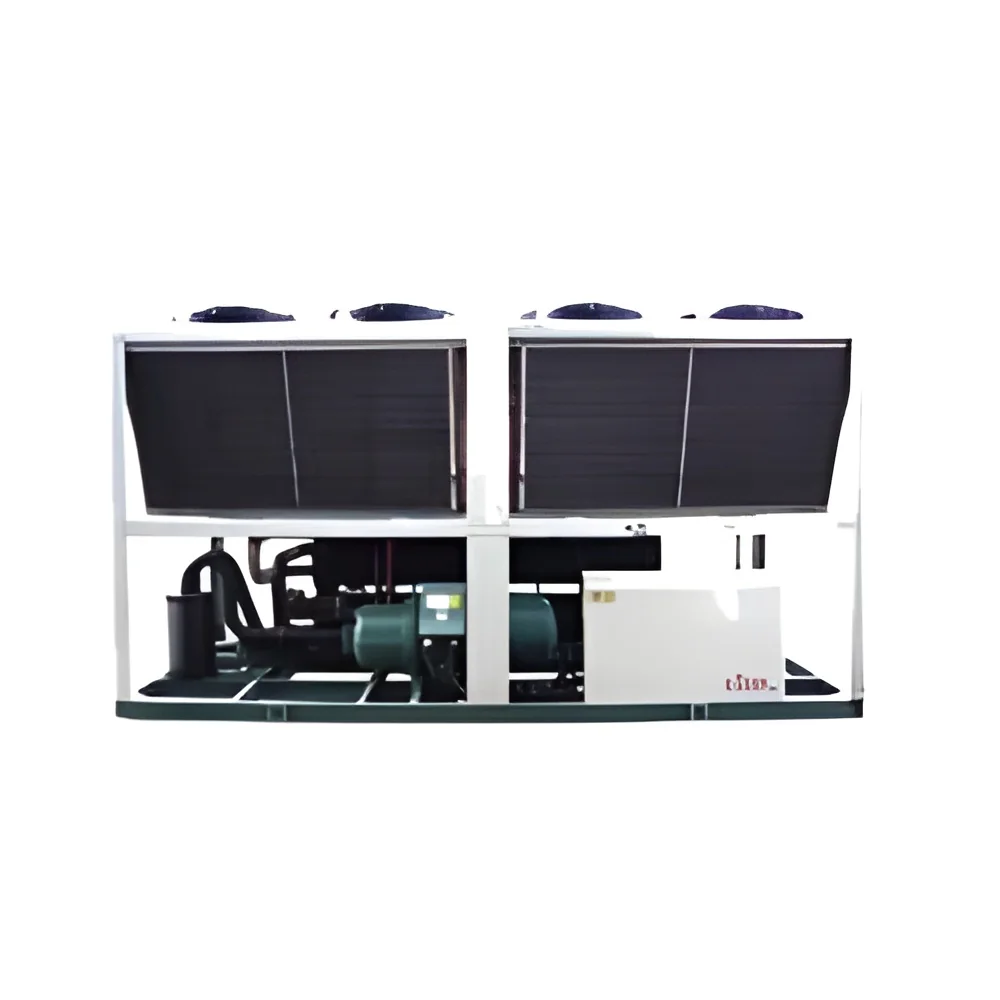
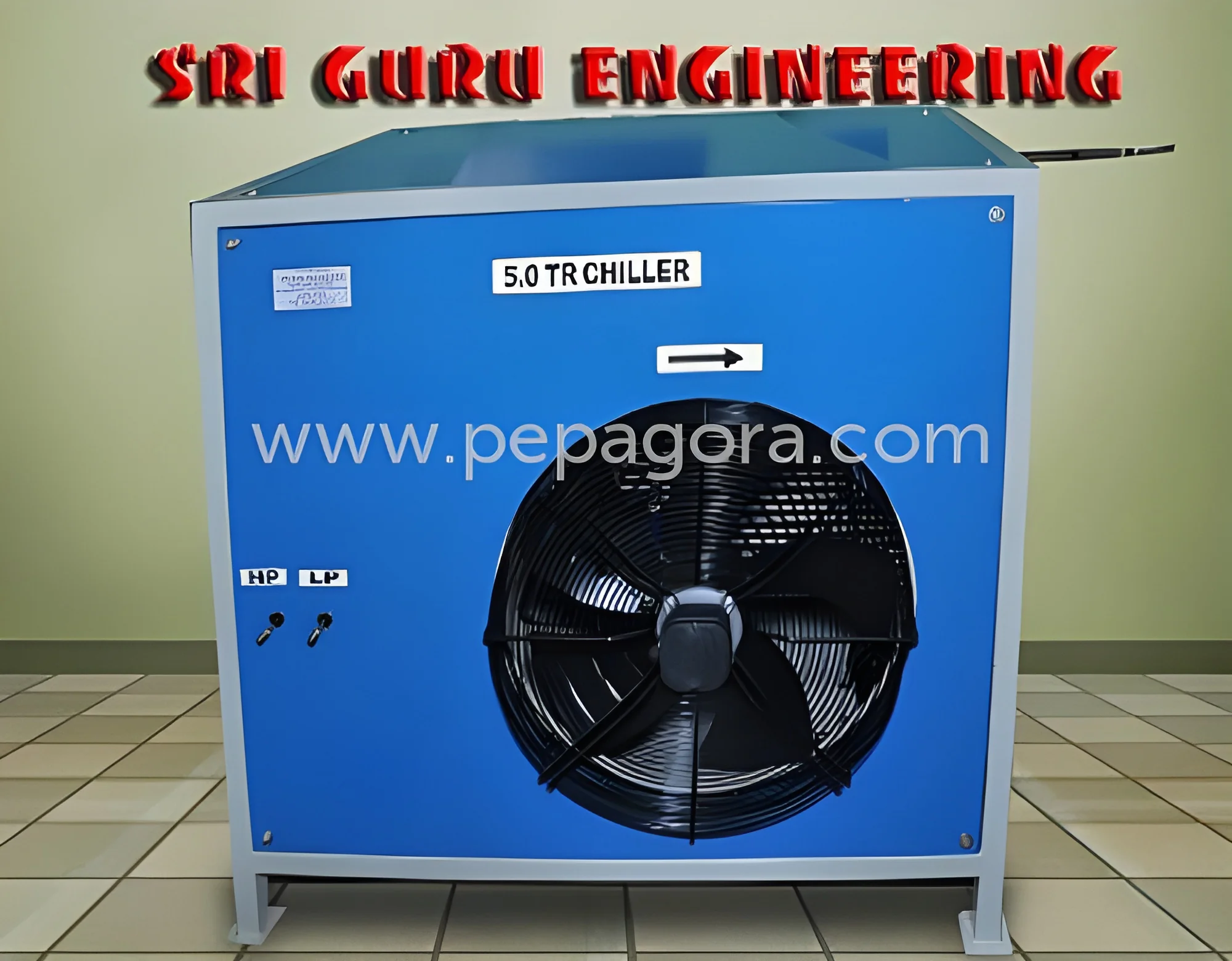
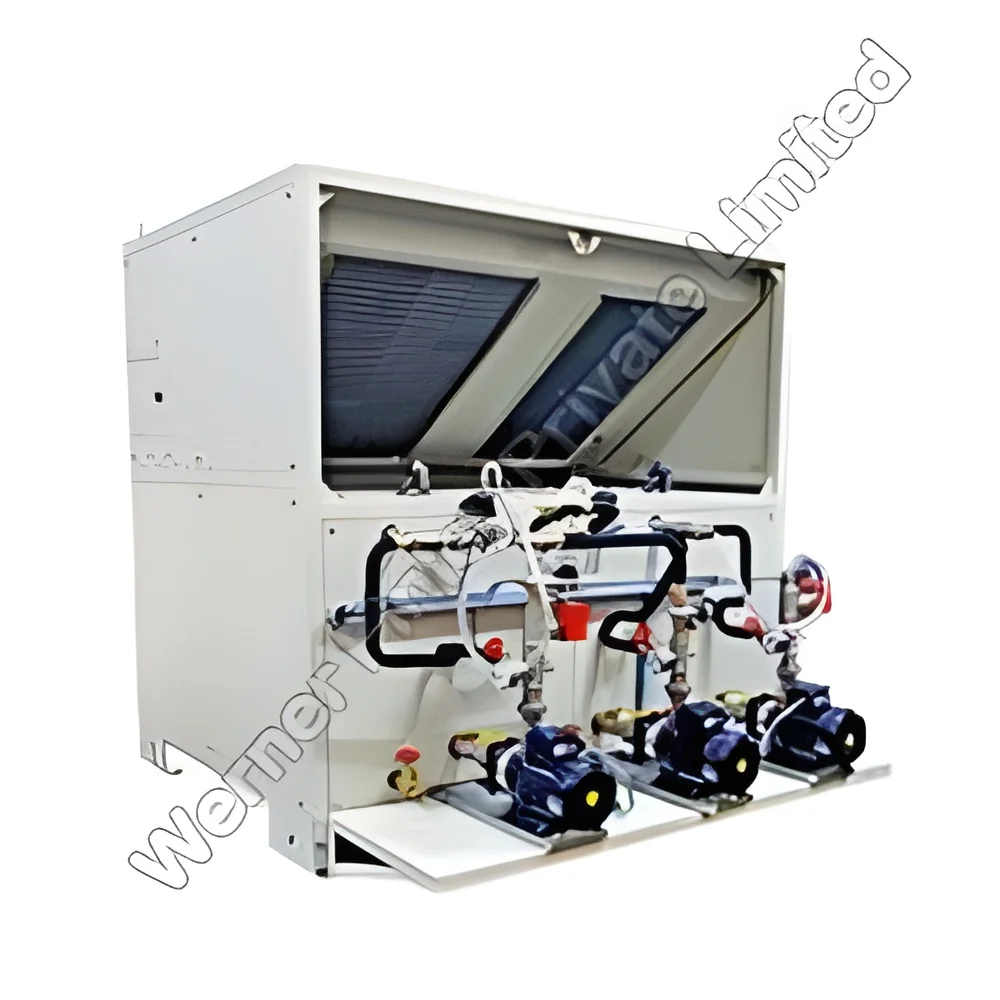
Air-cooled chillers are designed to dissipate heat using ambient air. These systems are often easier to install and require less maintenance. They are ideal for applications where water resources are limited or where installation of a cooling tower is impractical.
Water-Cooled Chillers
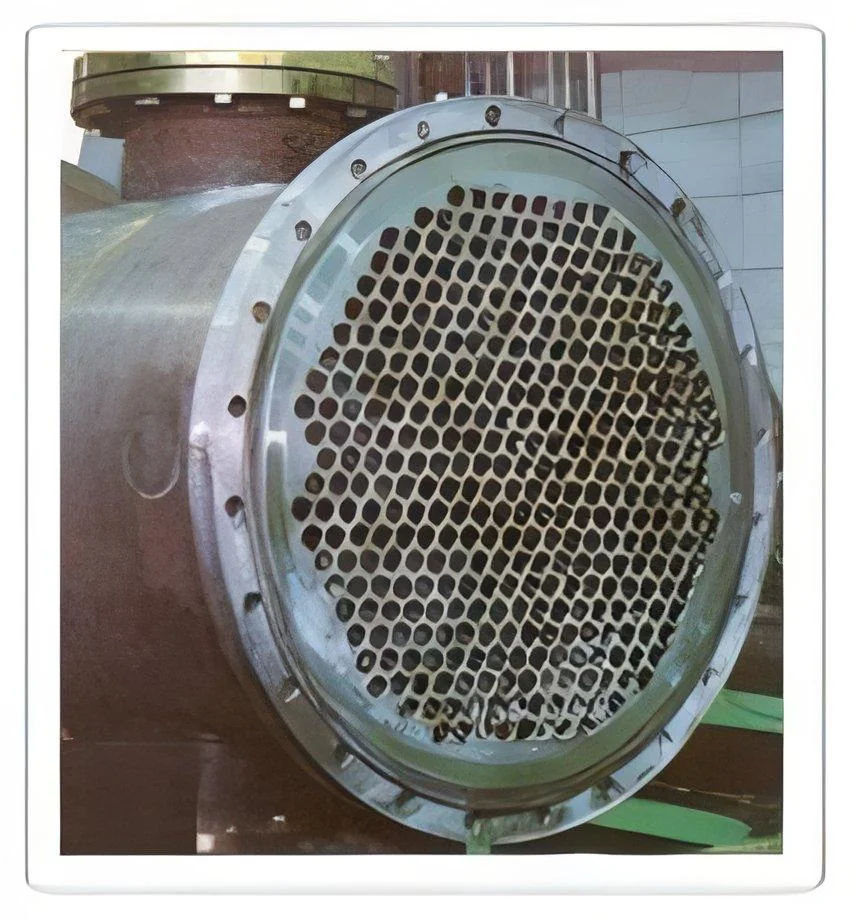
Water-cooled chillers utilize water to transfer heat away from the system. They are typically more energy-efficient than air-cooled models and are often used in larger applications requiring significant cooling capacities. Water-cooled chillers may require more complex installations, including cooling towers.
𝗕𝗲𝗻𝗲𝗳𝗶𝘁𝘀 𝗮𝗻𝗱 𝗔𝗱𝘃𝗮𝗻𝘁𝗮𝗴𝗲𝘀
Investing in central chillers offers numerous advantages for businesses seeking efficient cooling solutions.
1. Energy Efficiency: Modern central chillers are designed to operate efficiently, reducing energy consumption and lowering operational costs.
2. Reliability: Central chillers provide consistent cooling performance, which is critical for processes that require precise temperature control.
3. Scalability: These systems can be scaled to meet the changing needs of a business, accommodating growth or fluctuating cooling demands.
4. Reduced Footprint: Many new designs focus on space-saving technologies, allowing for installation in limited spaces without sacrificing performance.
5. Enhanced Comfort: In commercial settings, central chillers contribute to improved indoor air quality and comfort for occupants.
6. Low Maintenance: Advanced designs often include features that simplify maintenance, reducing downtime and service costs.
𝗕𝘂𝘆𝗶𝗻𝗴 𝗚𝘂𝗶𝗱𝗲 𝗳𝗼𝗿 𝗕𝟮𝗕 𝗕𝘂𝘆𝗲𝗿𝘀
When sourcing central chillers, B2B buyers should consider several important factors to ensure they select the right system for their needs.
1. Quality Assessment: Evaluate the quality of the chiller based on manufacturer reputation, customer reviews, and performance data. A reliable system will have a proven track record of performance and durability.
2. Supplier Verification: It's important to vet suppliers thoroughly. Look for manufacturers with proper certifications and a history of delivering high-quality products.
3. Pricing and MOQ: Understand pricing structures and minimum order quantities (MOQ) before making a commitment. This ensures that the chosen supplier meets both budgetary and operational needs.
4. Delivery and Lead Times: Consider logistics when planning your purchase. Ensure the supplier can meet your delivery timelines to avoid disruptions in operations.
5. Compliance Requirements: Be aware of regulatory compliance needs specific to your industry and region. This may include environmental regulations and safety standards.
𝗖𝗼𝗺𝗽𝗹𝗶𝗮𝗻𝗰𝗲 𝗮𝗻𝗱 𝗖𝗲𝗿𝘁𝗶𝗳𝗶𝗰𝗮𝘁𝗶𝗼𝗻𝘀
Central chillers must meet various compliance and certification standards to ensure quality and safety. Key standards include ISO 9001, which ensures quality management practices. Compliance with HACCP is critical in food processing applications, guaranteeing food safety.
Additionally, central chillers may carry CE certification, indicating conformity with European health, safety, and environmental protection standards. Safety and testing requirements are paramount, particularly in industries with stringent regulations, such as pharmaceuticals and food production.
Regional compliance considerations are also important, as different regions may have specific requirements for the installation and operation of cooling systems. Buyers must ensure that their chosen chillers comply with local regulations to avoid potential fines and operational issues.
Why Source Central Chillers (Air Cooled & Water Cooled) from Pepagora?
Pepagora offers a trusted platform for sourcing central chillers, providing several key advantages for buyers in the B2B space.
Verified Supplier Network: We maintain a comprehensive network of verified suppliers, ensuring that businesses can find reputable manufacturers with proven track records in delivering quality products.
Streamlined RFQ Process: Our streamlined Request for Quotation (RFQ) process simplifies the procurement journey for buyers, making it easier to compare options and select the best fit for their cooling needs.
Trade Assurance and Support: Pepagora prioritizes buyer protection through trade assurance programs, offering peace of mind during the purchasing process. This support helps mitigate risks associated with sourcing industrial equipment.
Regional Coverage: With a strong presence in key markets such as India, the GCC, and Southeast Asia, Pepagora connects buyers with suppliers that can meet regional demands effectively. Our platform supports businesses looking to expand their operations with reliable cooling solutions.