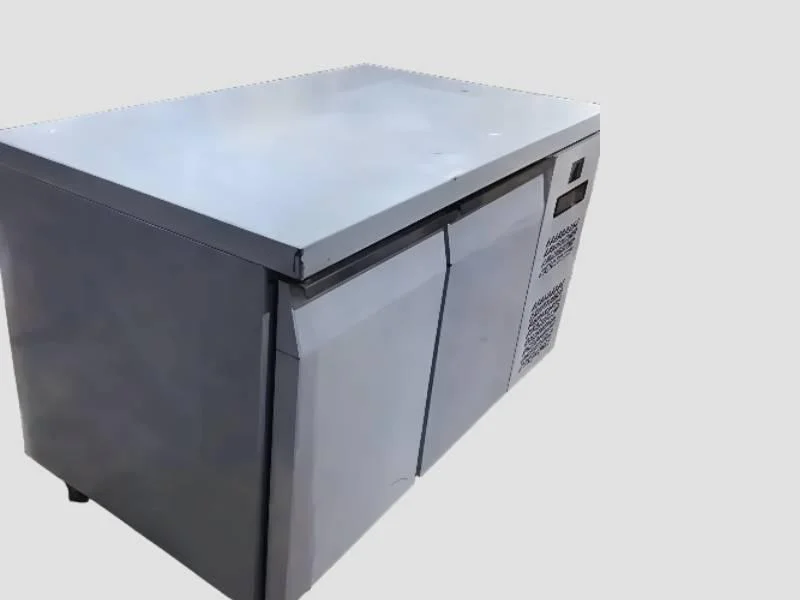
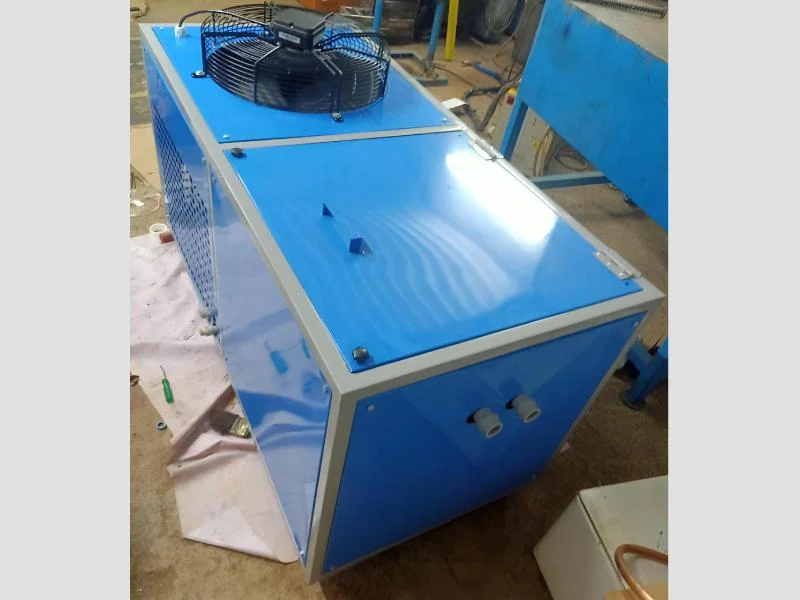
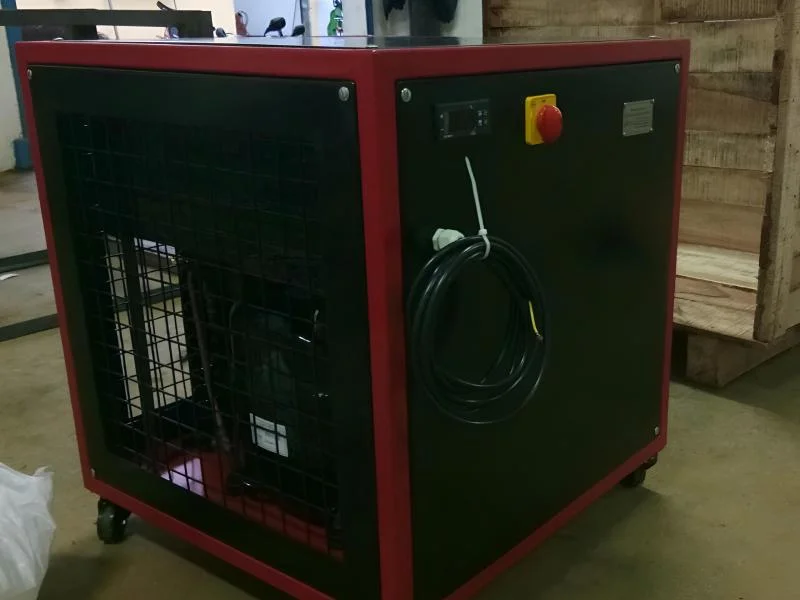
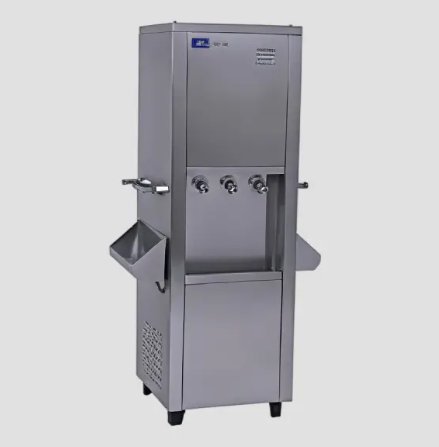
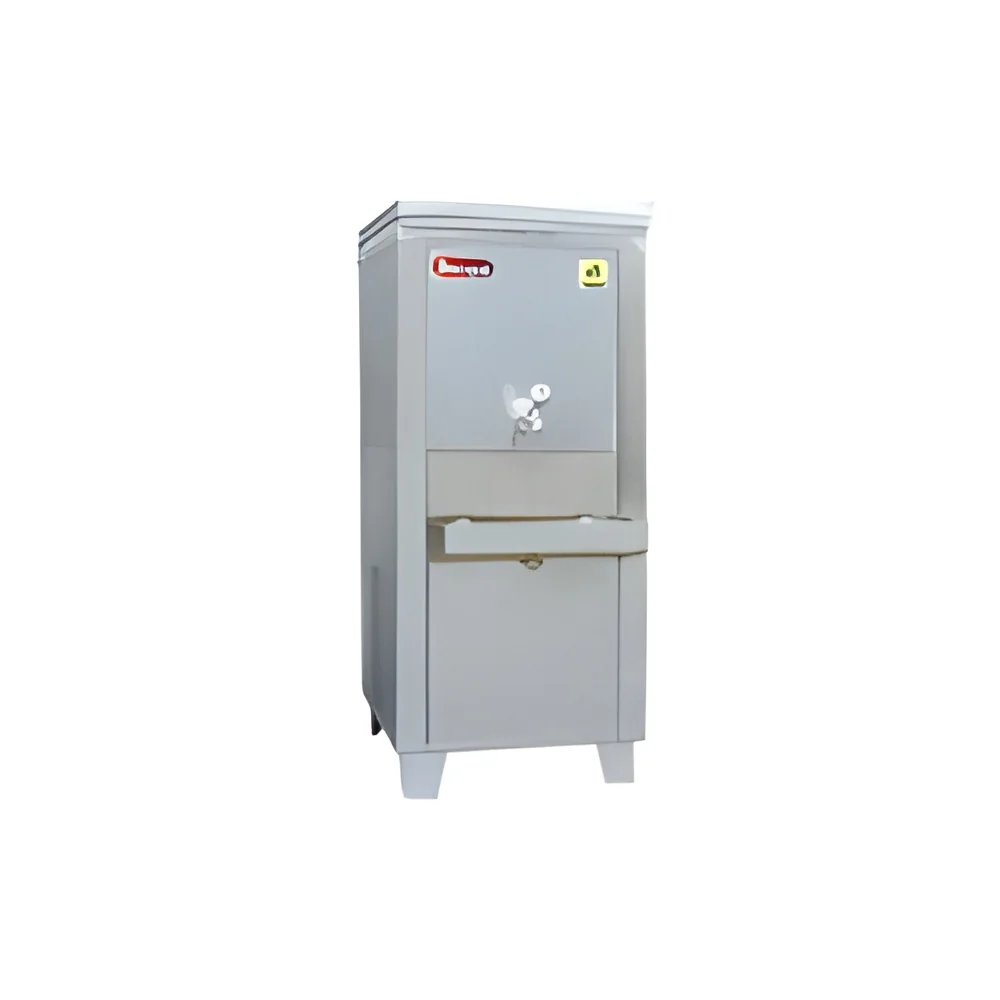
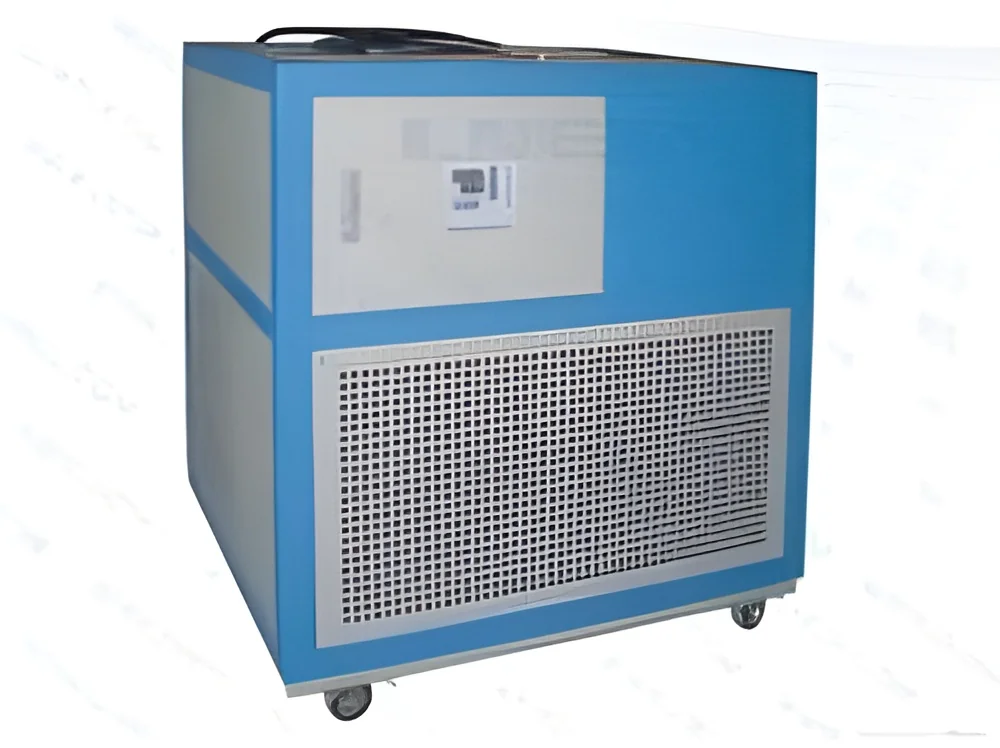
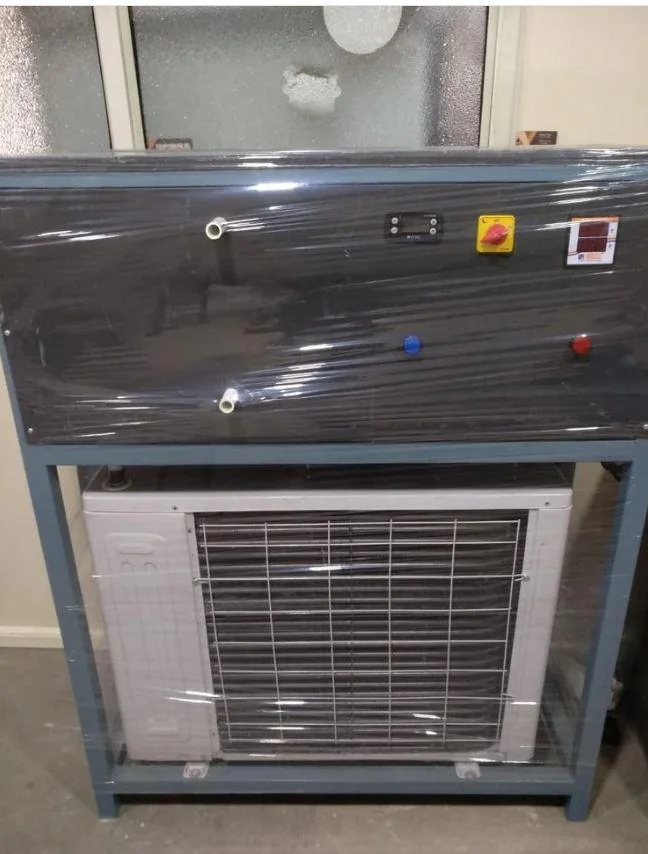
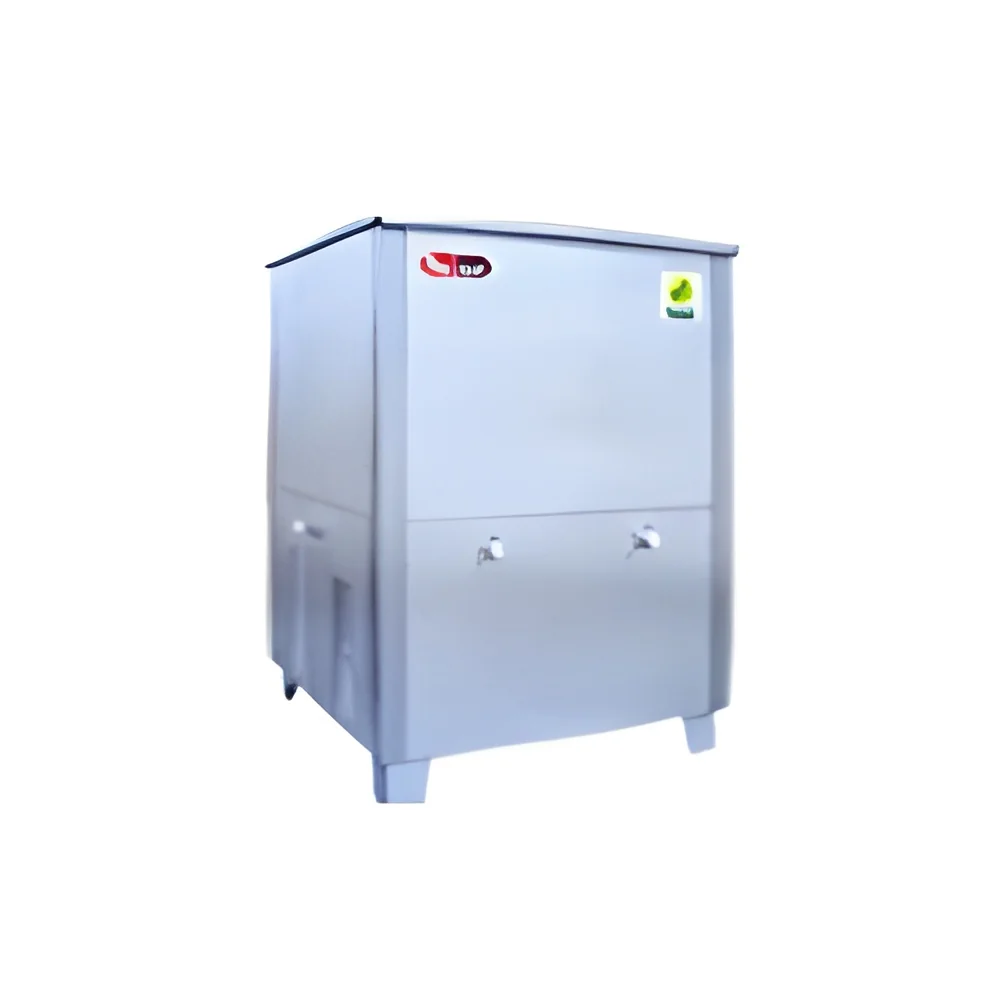
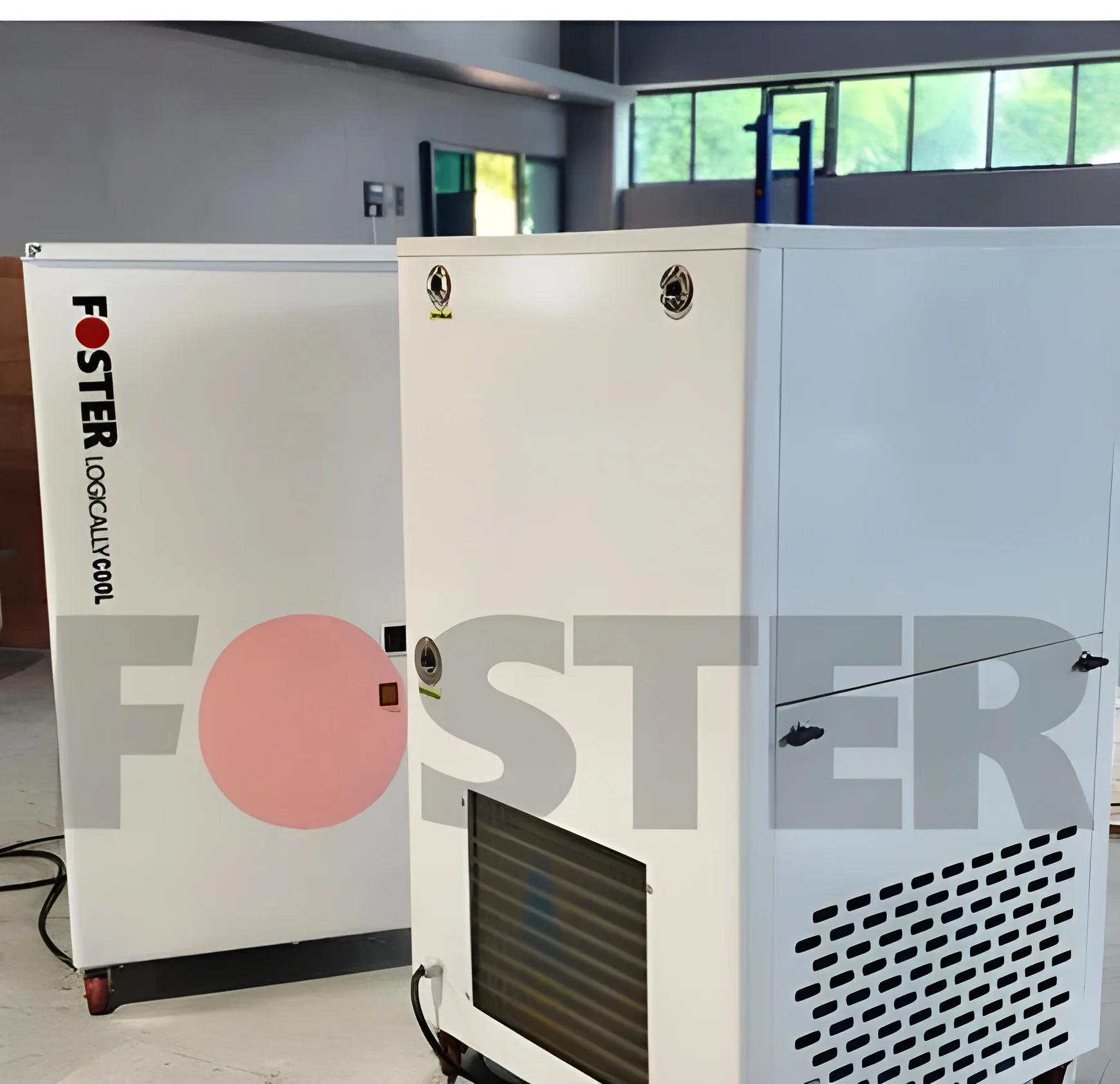
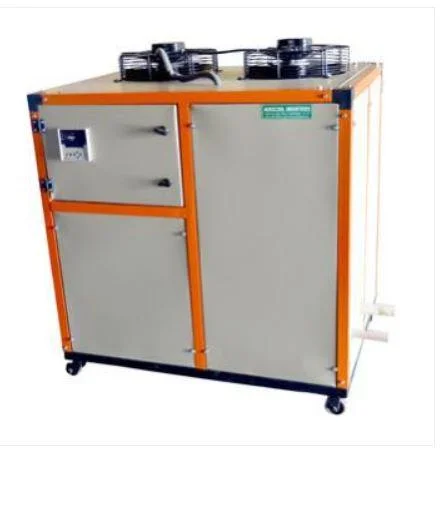
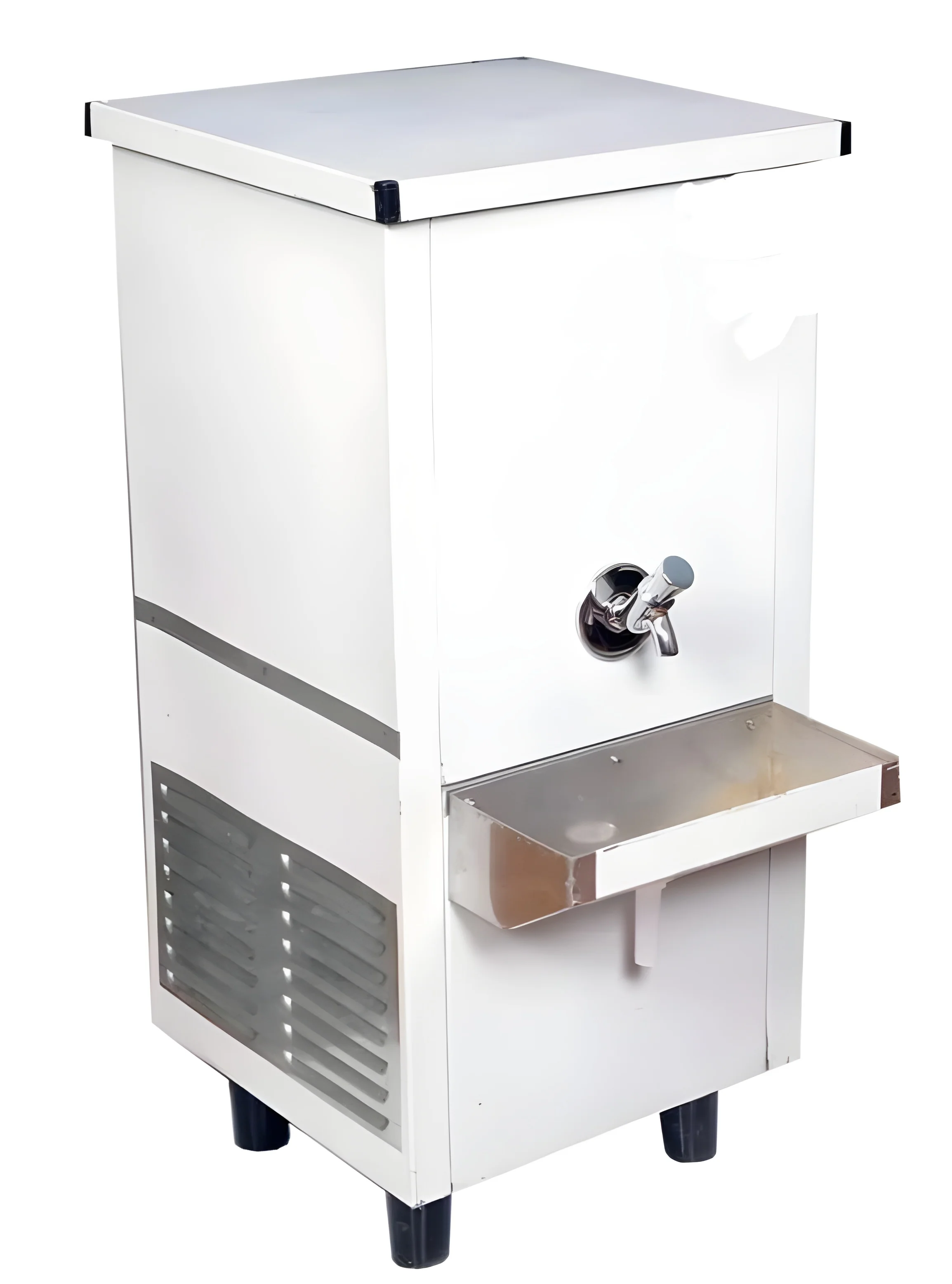
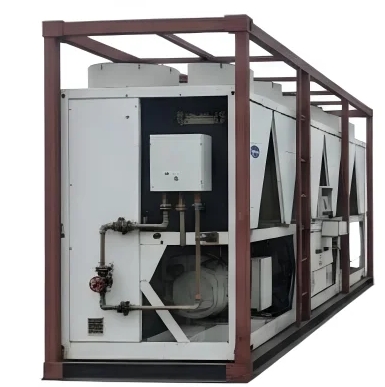
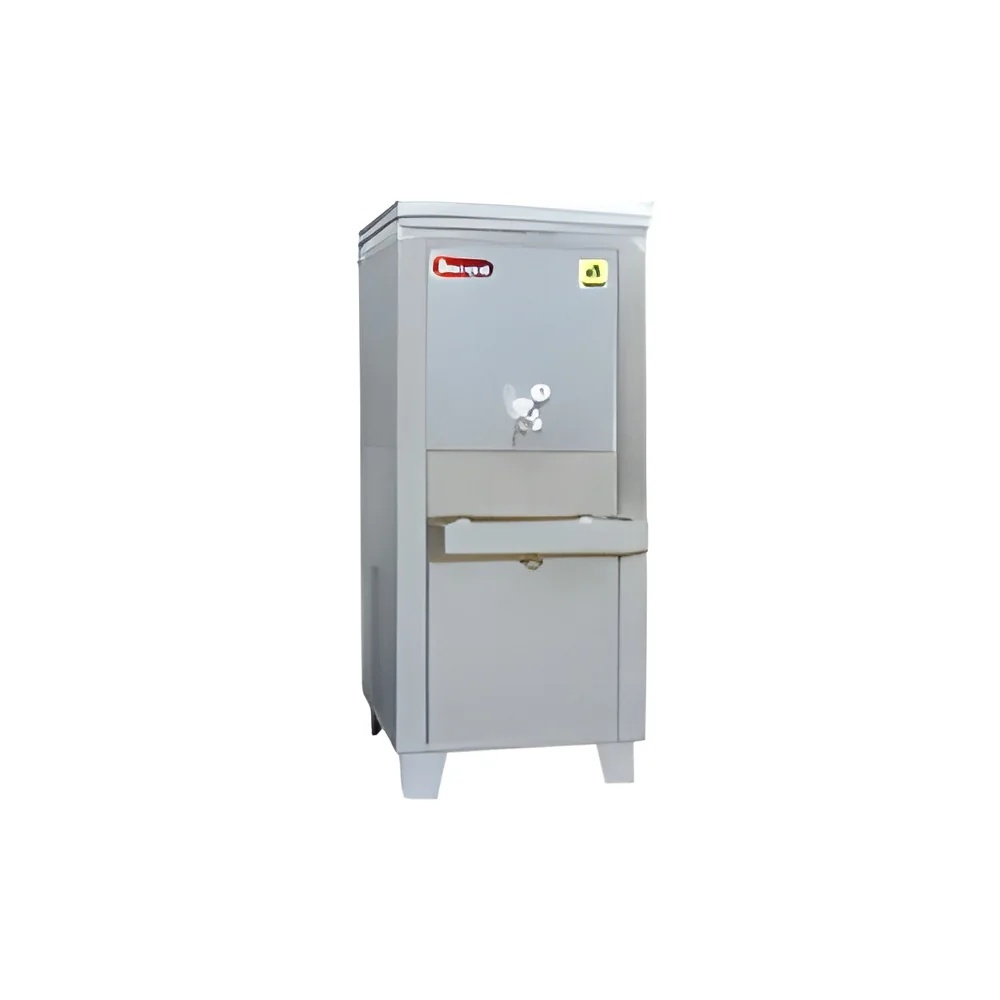
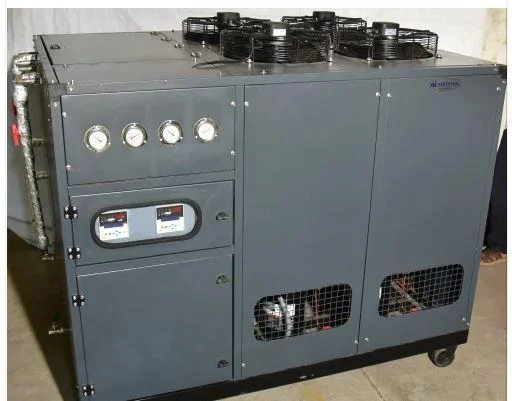
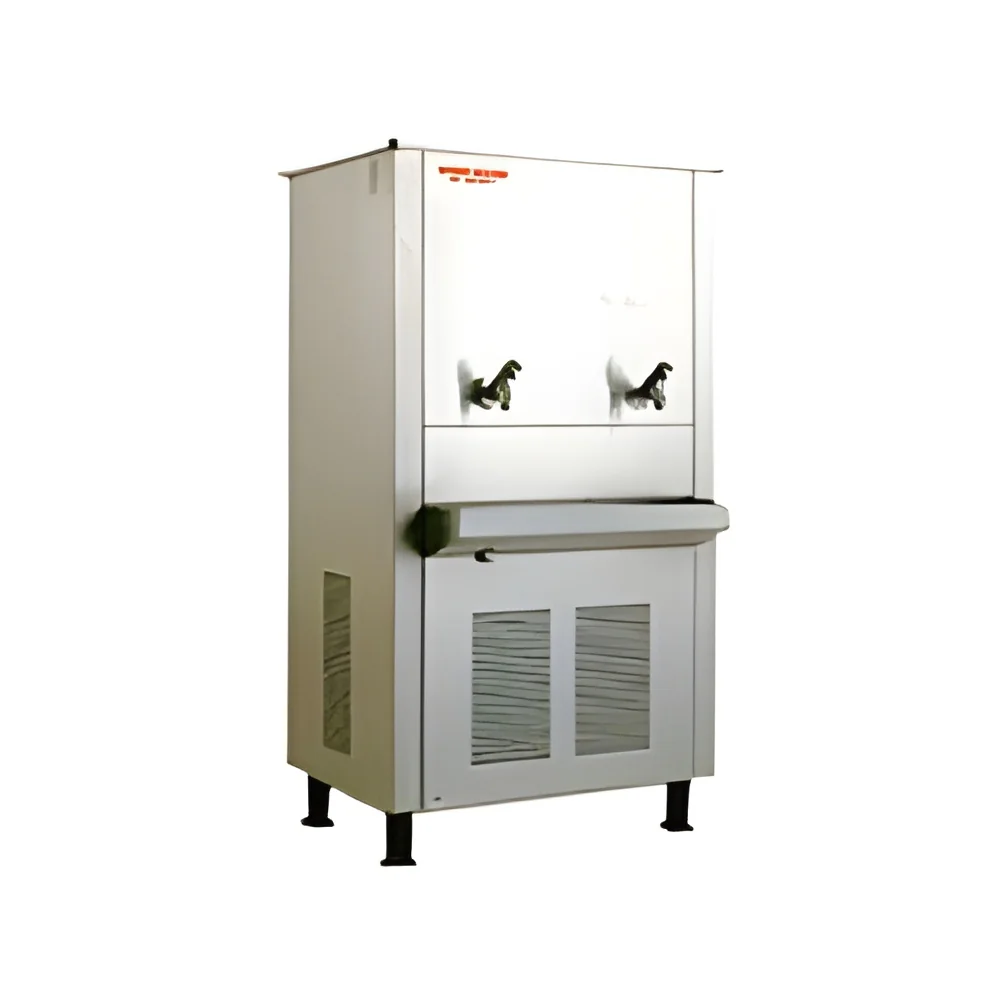
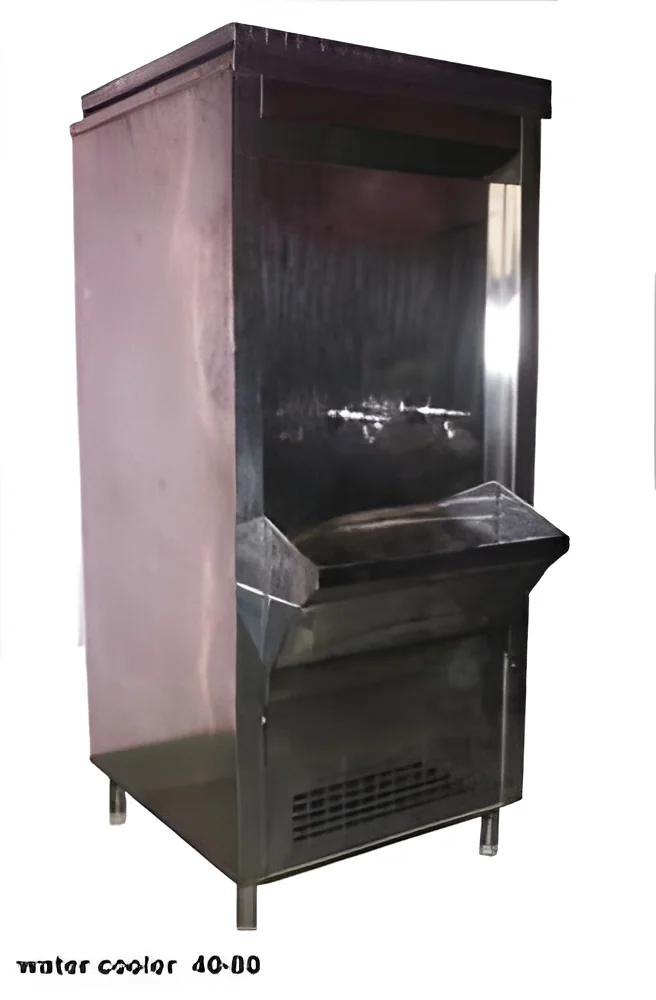
What are Industrial Water Chillers?
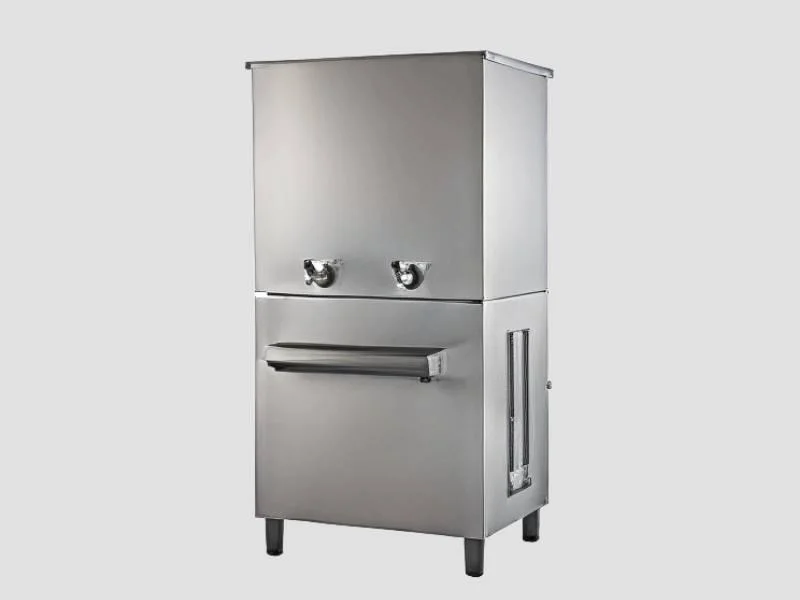
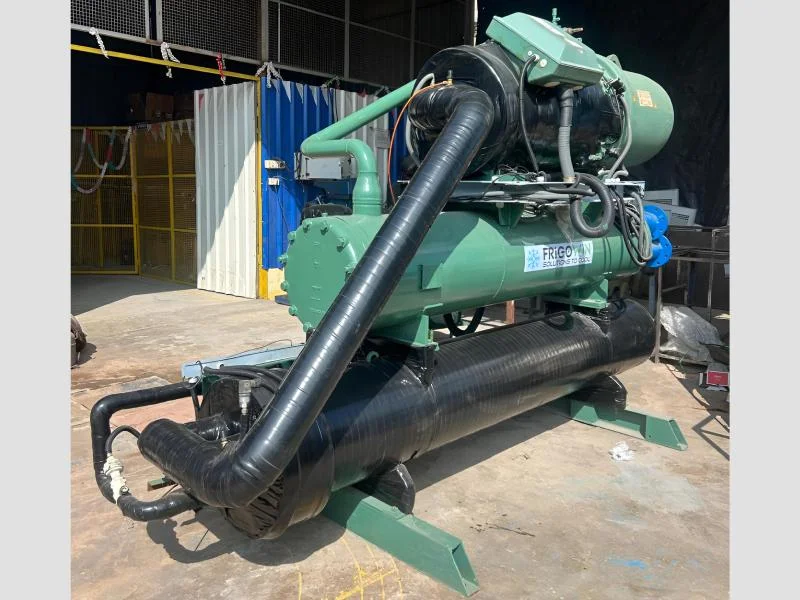
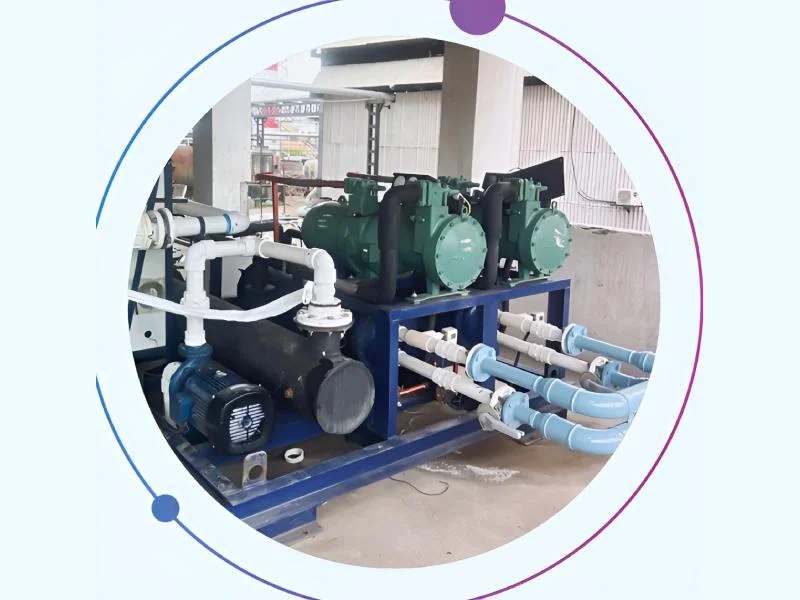
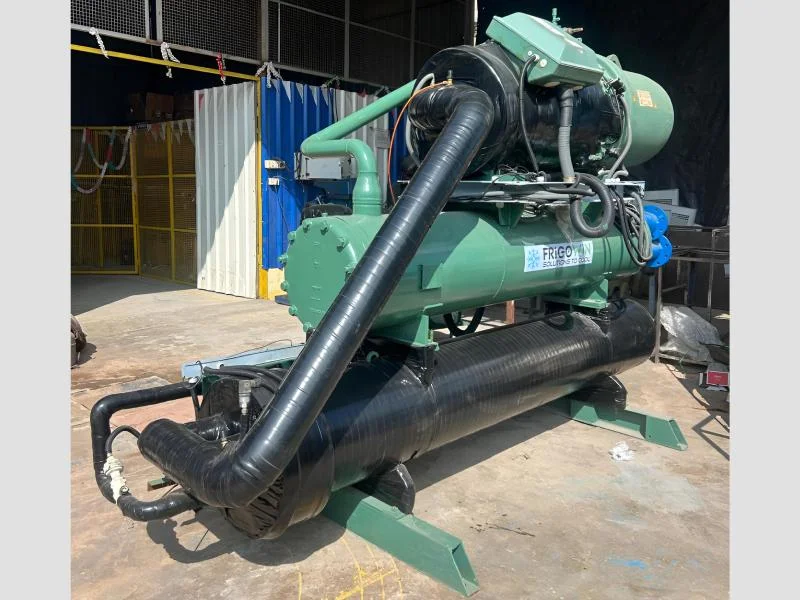
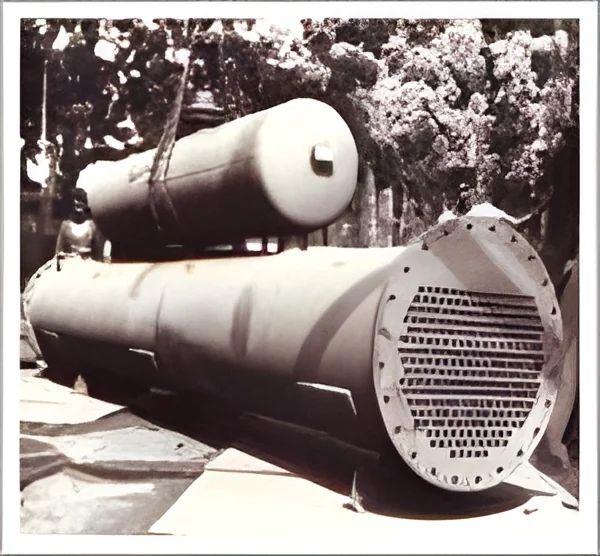
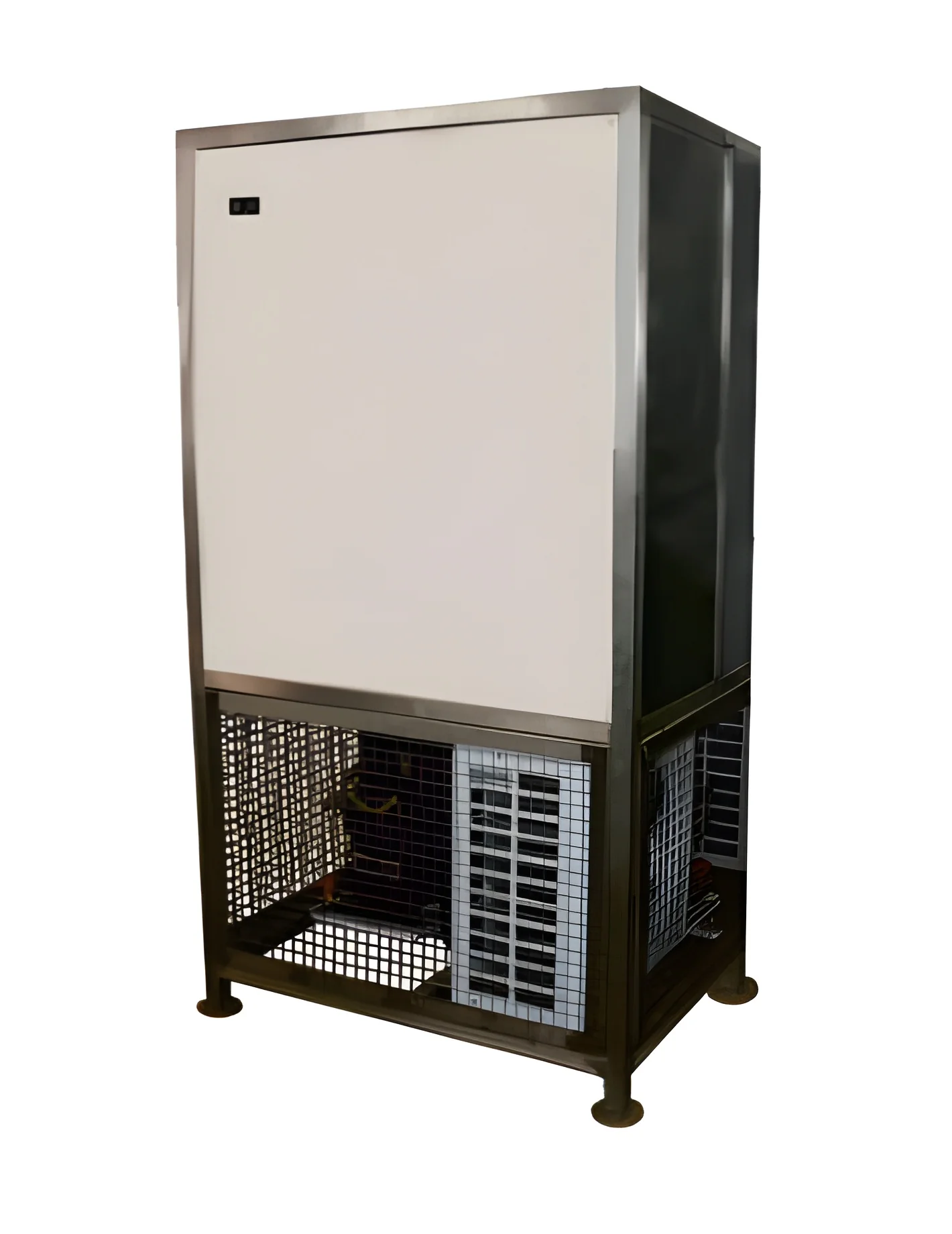
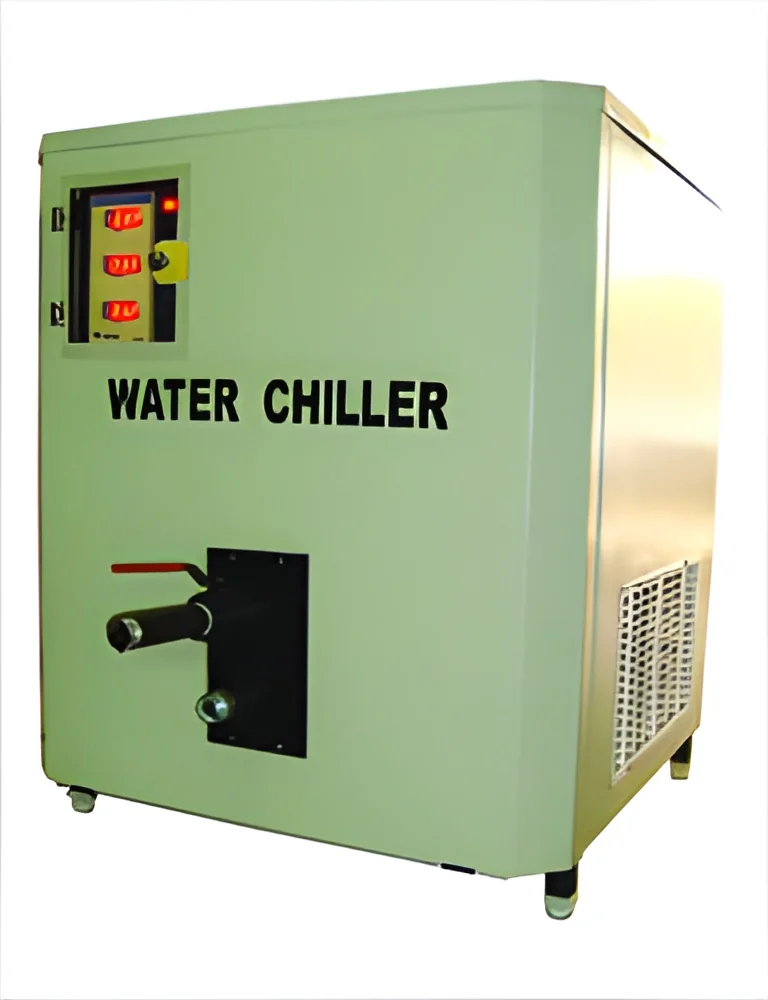
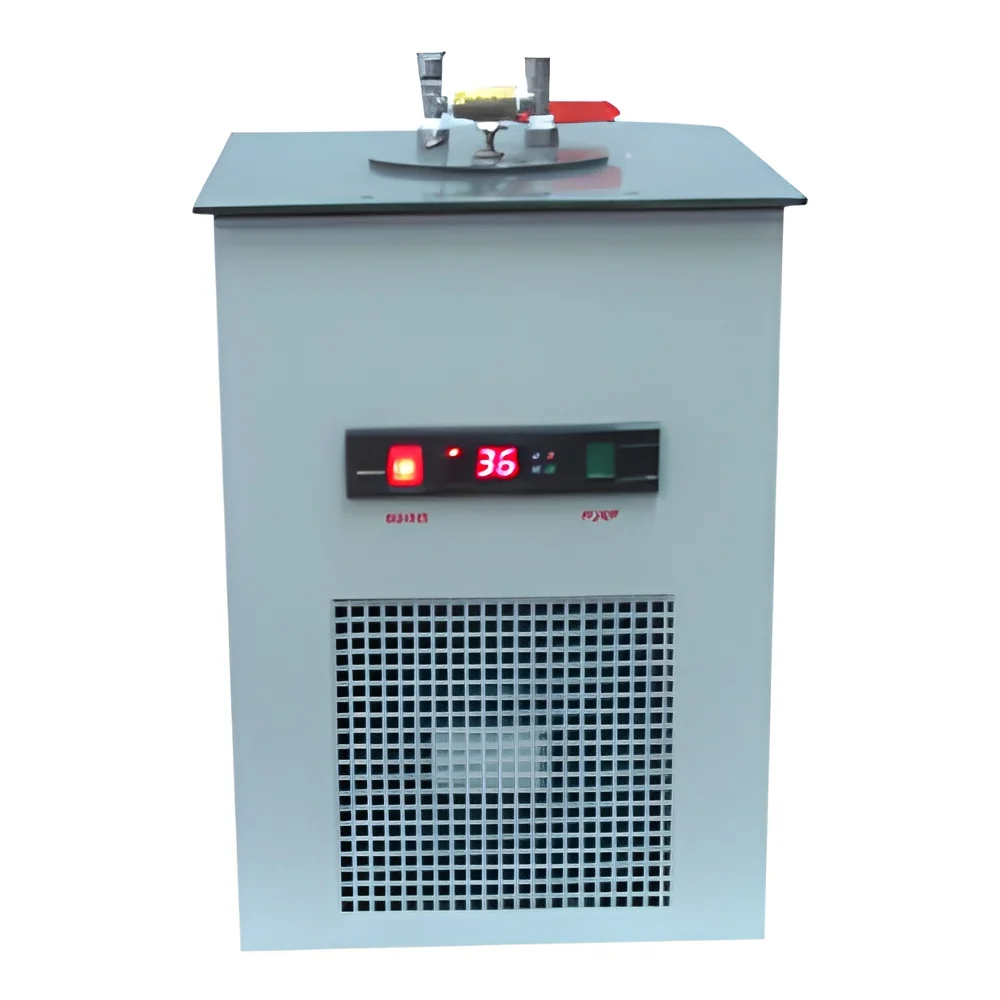
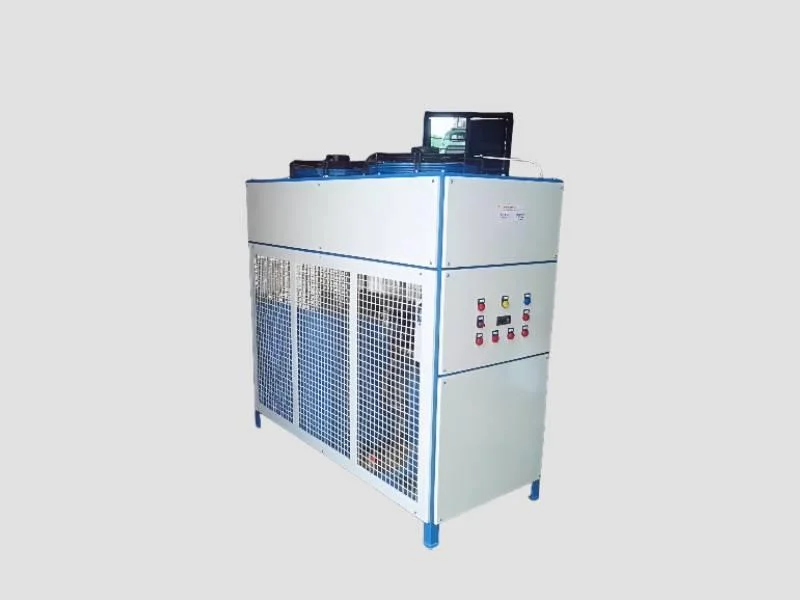
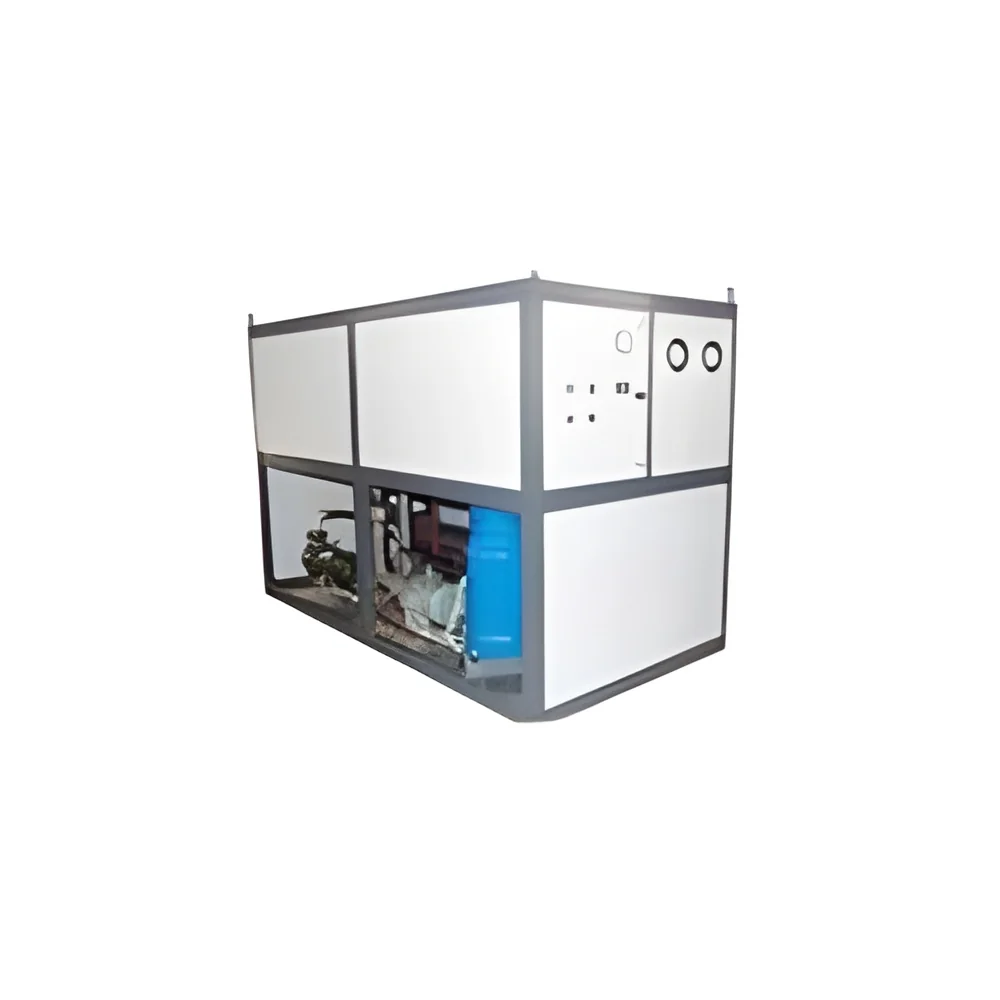
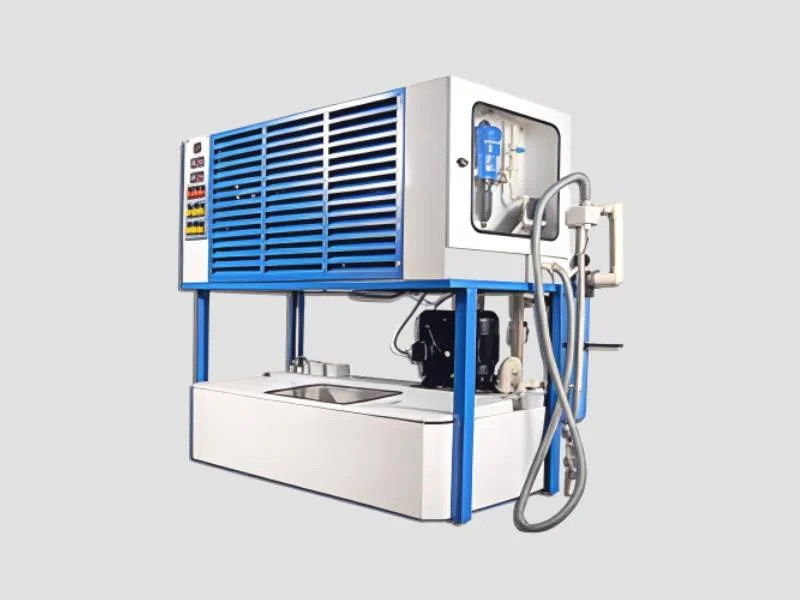
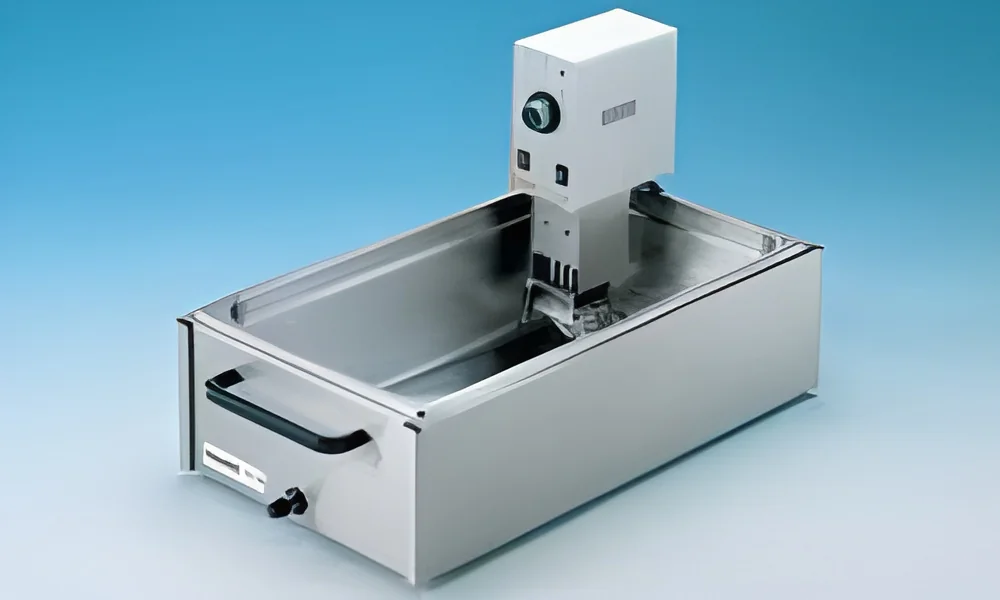
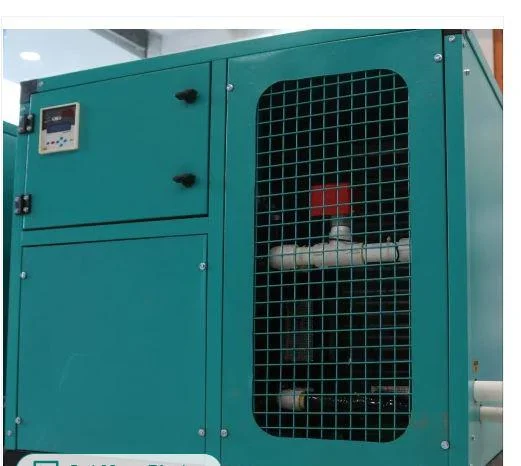
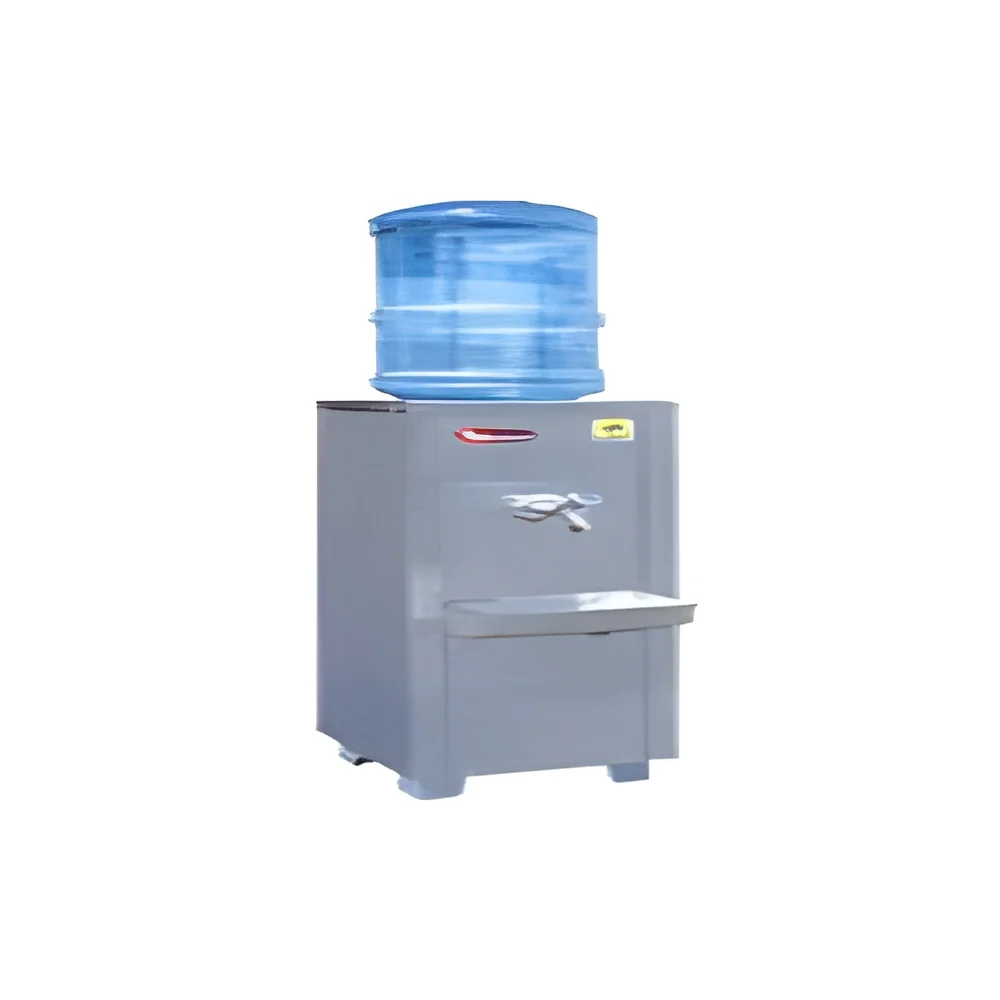
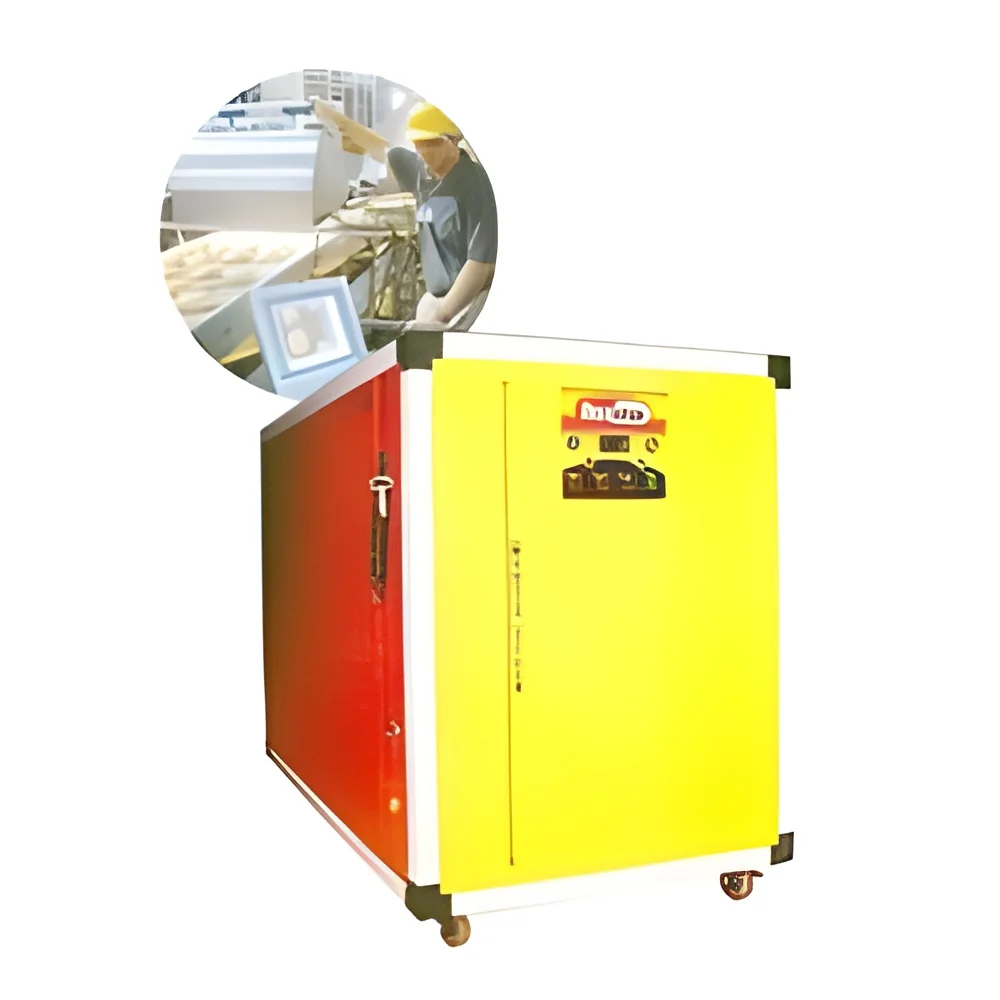
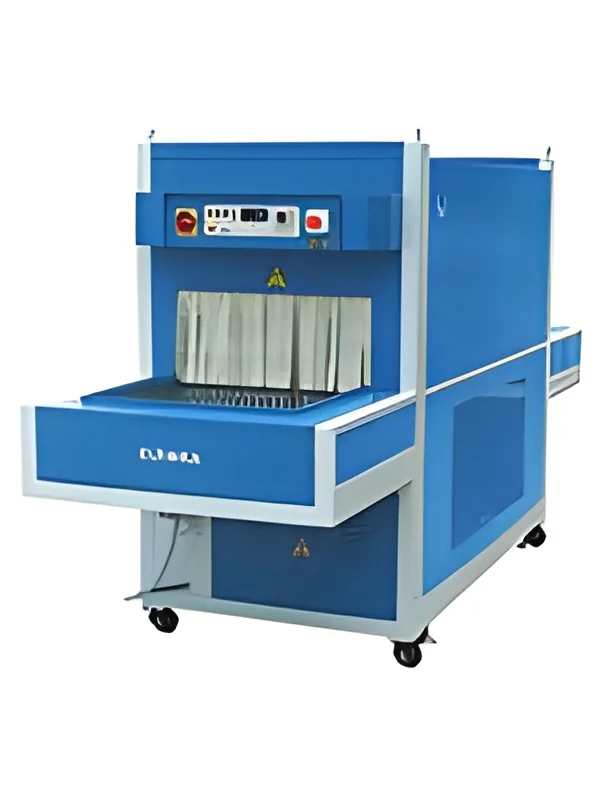
Industrial water chillers are specialized cooling systems designed to remove heat from liquids through a vapor-compression or absorption refrigeration cycle. These chillers circulate chilled water to various processes or equipment that require temperature control, ensuring optimal operational efficiency. They play a crucial role in maintaining consistent temperatures in industrial environments where heat generation is prevalent.
These systems are commonly utilized in a range of applications, including manufacturing, chemical processing, and food and beverage production. By efficiently cooling machinery and products, industrial water chillers help prevent overheating and ensure product quality. Their significance in industries that depend on precise temperature management cannot be overstated, as they contribute to increased productivity and reduced energy costs.
The industrial water chiller market has seen steady growth due to rising demand for energy-efficient cooling solutions. As industries seek to optimize their operations and reduce environmental impact, the relevance of water chillers continues to expand. With advancements in technology, modern chillers offer enhanced performance and sustainability, positioning them as essential components in various industrial processes.
Key Features and Specifications
Industrial water chillers come equipped with a variety of features designed to enhance performance, efficiency, and reliability. Understanding these specifications is critical for making an informed purchasing decision.
Key specifications include:
1. Cooling Capacity
- Indicates the amount of heat a chiller can remove from the liquid per hour.
- Typically measured in tons or kilowatts.
2. Temperature Control Range
- Defines the minimum and maximum temperatures the chiller can achieve.
- Commonly operates within a range from 5°C to 15°C.
3. Energy Efficiency Ratio (EER)
- Measures the efficiency of the chiller in converting electrical energy into cooling capacity.
- A higher EER indicates better energy efficiency.
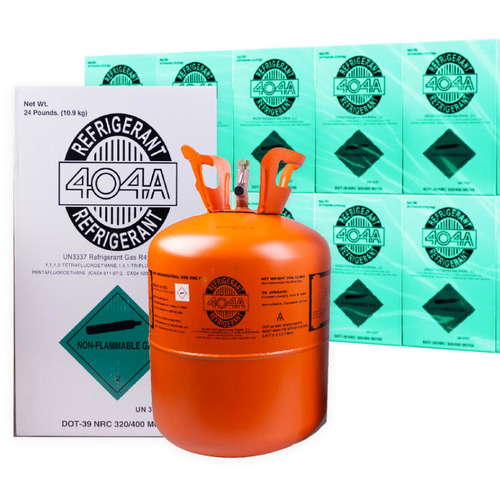
4. Refrigerant Type
- Specifies the type of refrigerant used in the system.
- Common refrigerants include R-134a and R-410A.
5. Operating Voltage
- Indicates the electrical requirements for the chiller to function properly.
- Standard voltages include 230V and 460V.
6. Noise Level
- Measures the sound produced by the chiller during operation.
- Typically expressed in decibels (dB).
7. Dimensions and Weight
- Provides the physical size and weight of the unit.
- Important for space considerations in installation.
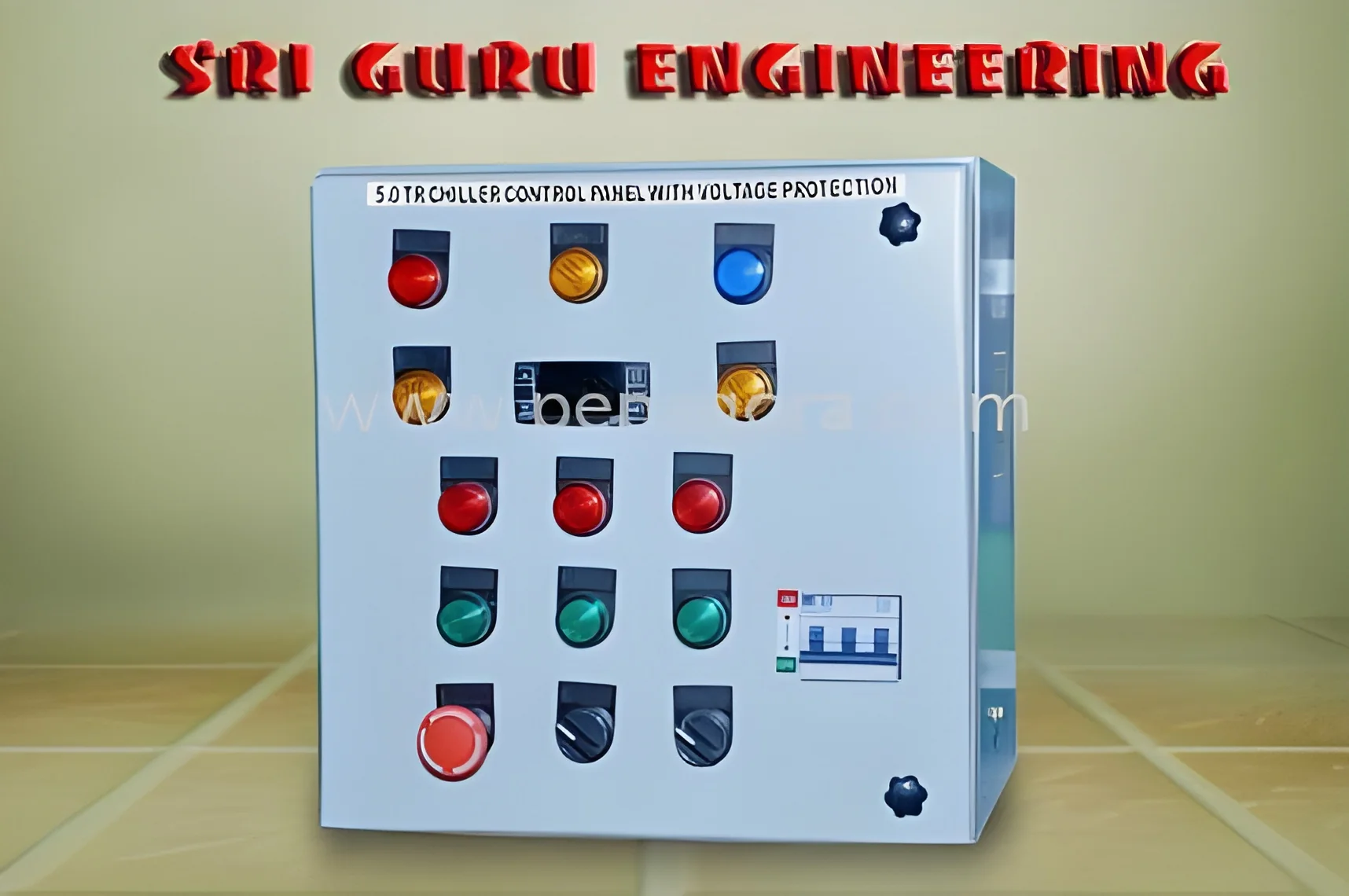
8. Control System
- Refers to the technology used for monitoring and adjusting the chiller's operation.
- Includes digital displays and smart controls for enhanced usability.
In summary, understanding these features and specifications helps businesses select the right industrial water chiller that meets their operational needs.
Common Applications and Use Cases
Industrial water chillers are versatile systems used across many industries to ensure optimal temperature control and operational efficiency.
1. Manufacturing: Chillers are essential in manufacturing processes for cooling machinery, molds, and tools, enhancing productivity and product quality.
2. Chemical Processing: In the chemical industry, chillers maintain precise temperatures for reactions and distillation processes, ensuring safety and product consistency.
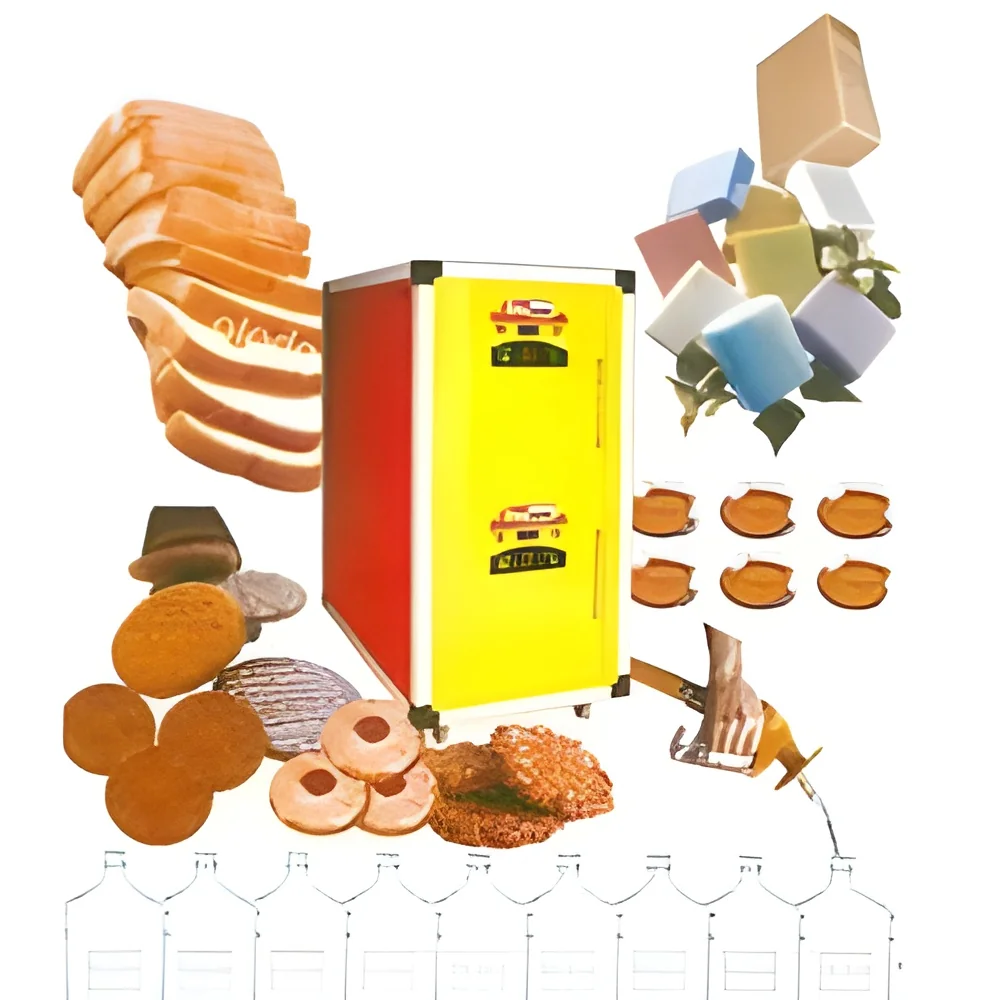
3. Food and Beverage: These chillers are vital for cooling products during processing and storage, helping to preserve freshness and comply with safety regulations.
4. Pharmaceuticals: In pharmaceutical manufacturing, maintaining strict temperature controls is crucial for the integrity of products and compliance with regulatory standards.
5. Plastics Industry: Chillers cool molds and extruders in plastics manufacturing, ensuring quality and preventing defects in finished products.
6. Data Centers: Chillers help regulate temperatures in data centers, preventing overheating of servers and ensuring optimal performance.
7. HVAC Systems: In large commercial buildings, chillers are used in HVAC systems to provide cooling for air conditioning needs.
Product Variants and Subcategories
Industrial water chillers come in various types to cater to different cooling needs and applications. Each variant offers specific features and benefits.
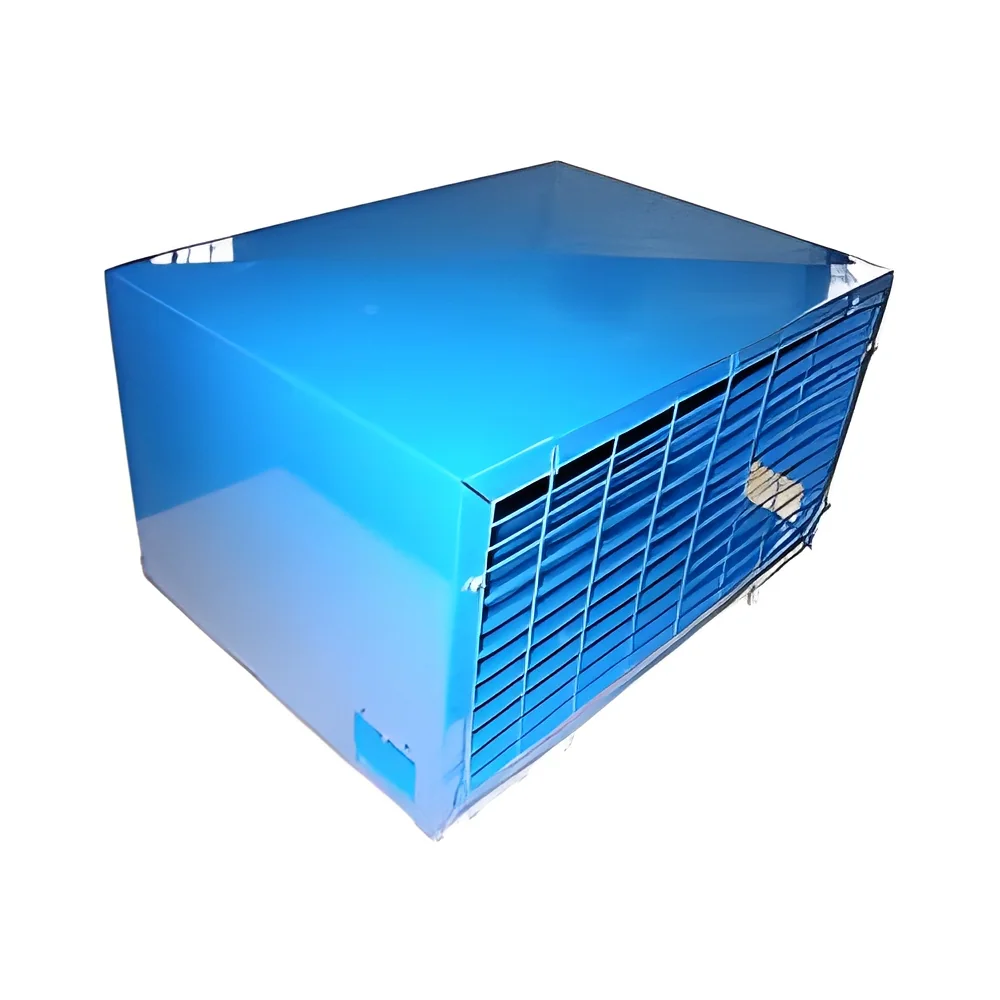
Air-Cooled Water Chillers
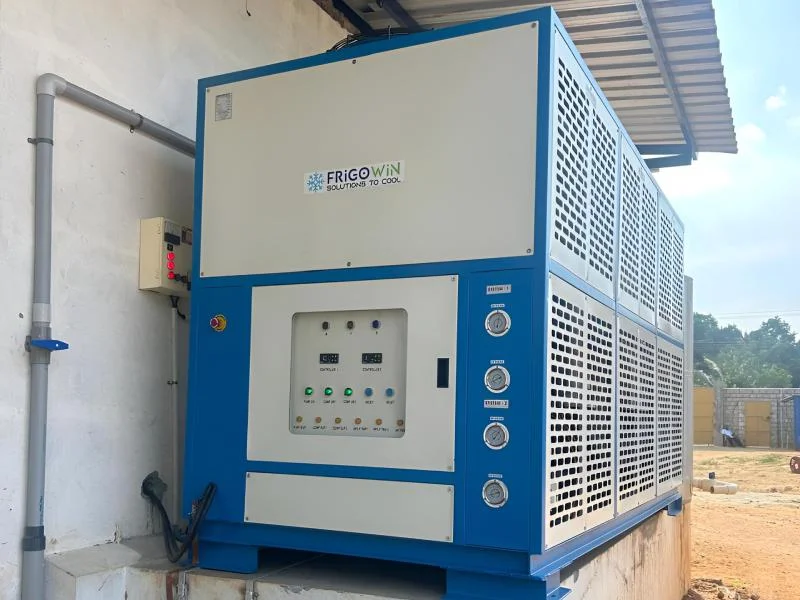
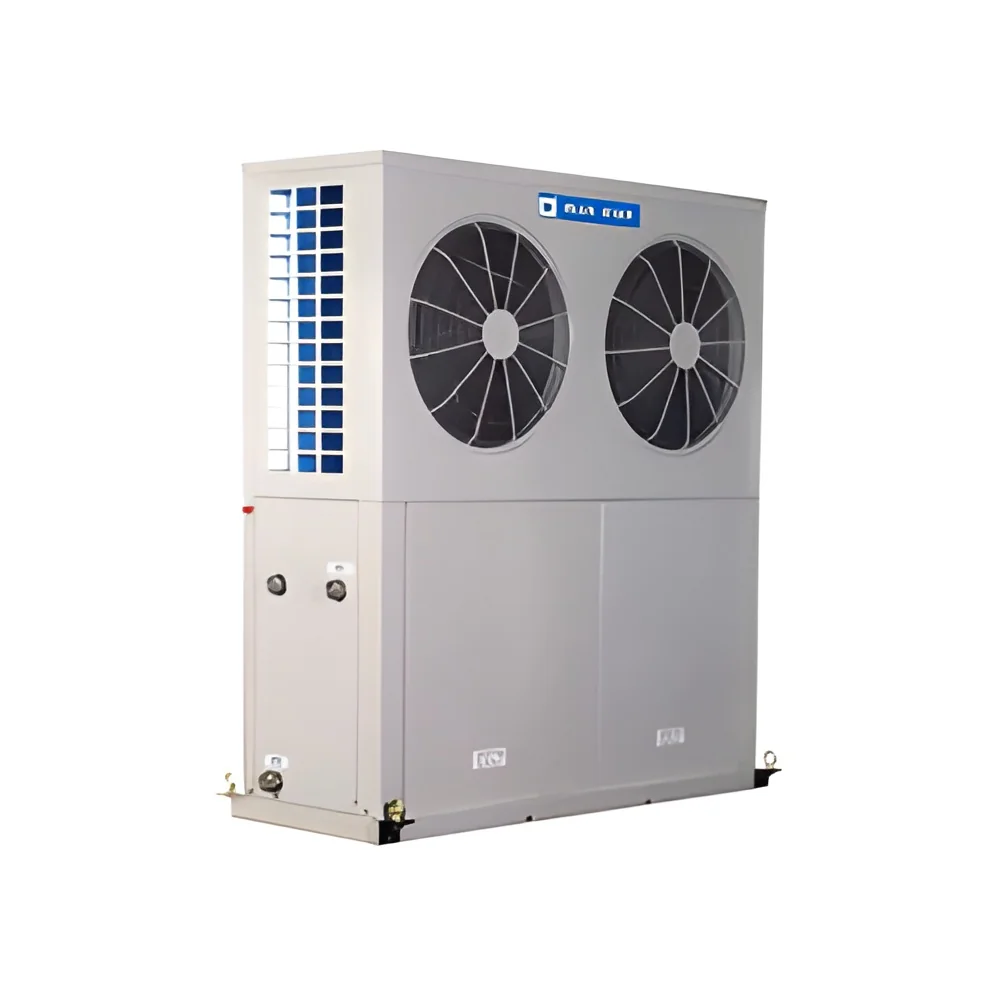
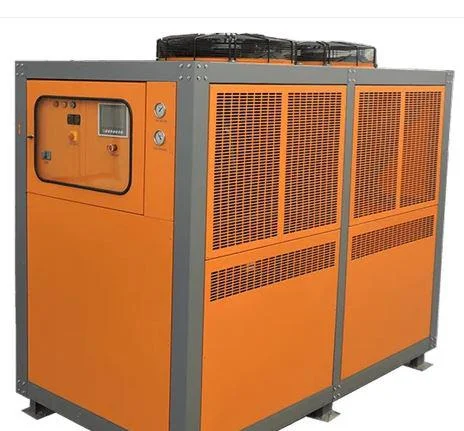
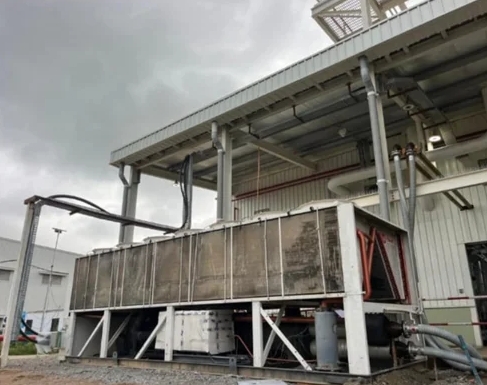
These chillers use ambient air to dissipate heat. They are ideal for applications with limited water availability and are popular in small to medium-sized facilities.
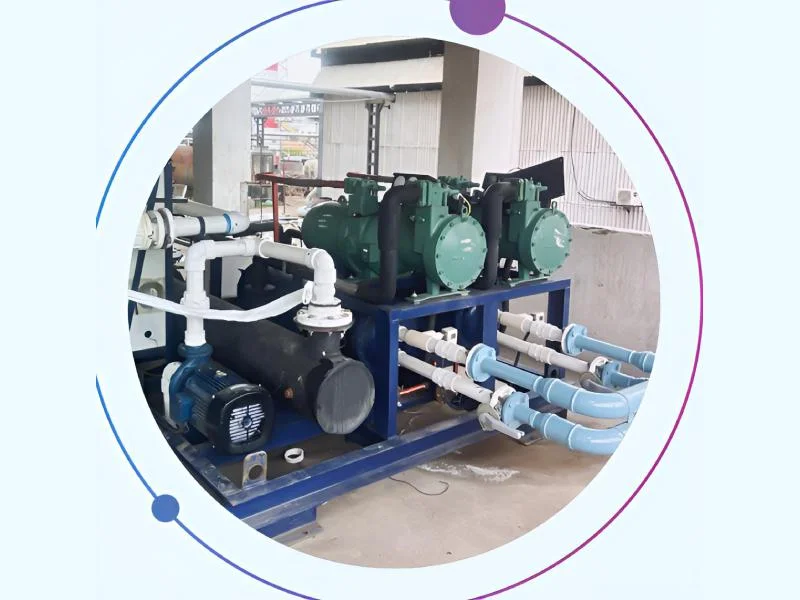
Water-Cooled Water Chillers
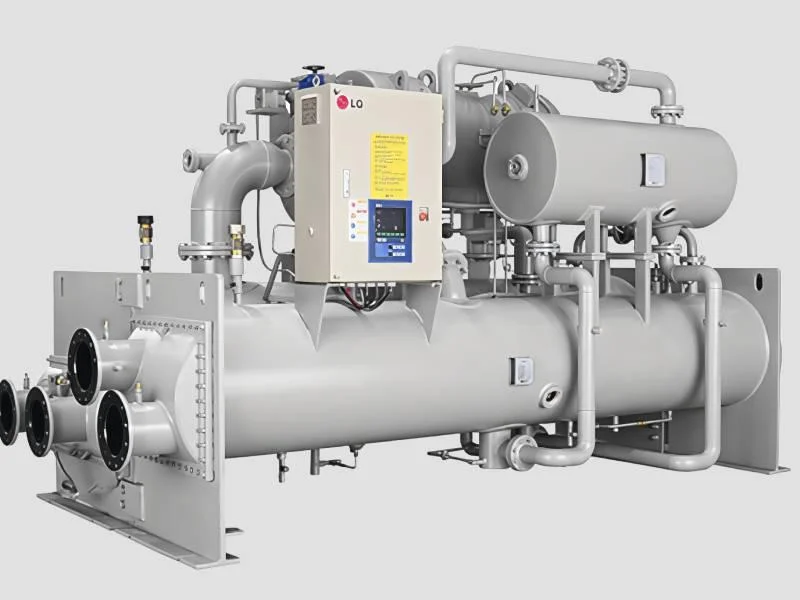
Utilizing water as a cooling medium, these chillers are more efficient for larger applications, where water is abundant. They often offer higher cooling capacities and can be more energy-efficient.
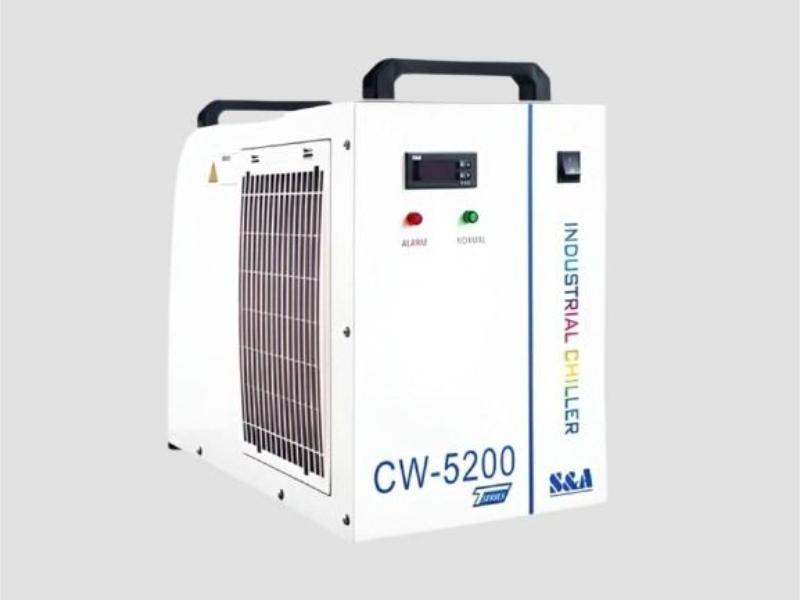
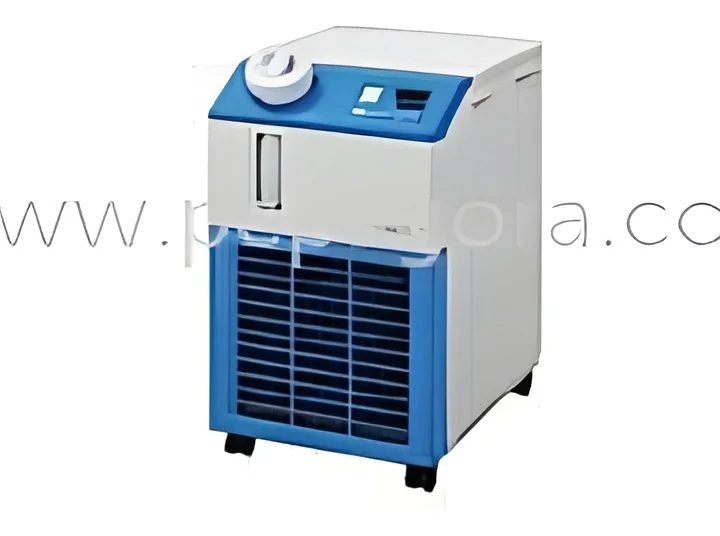
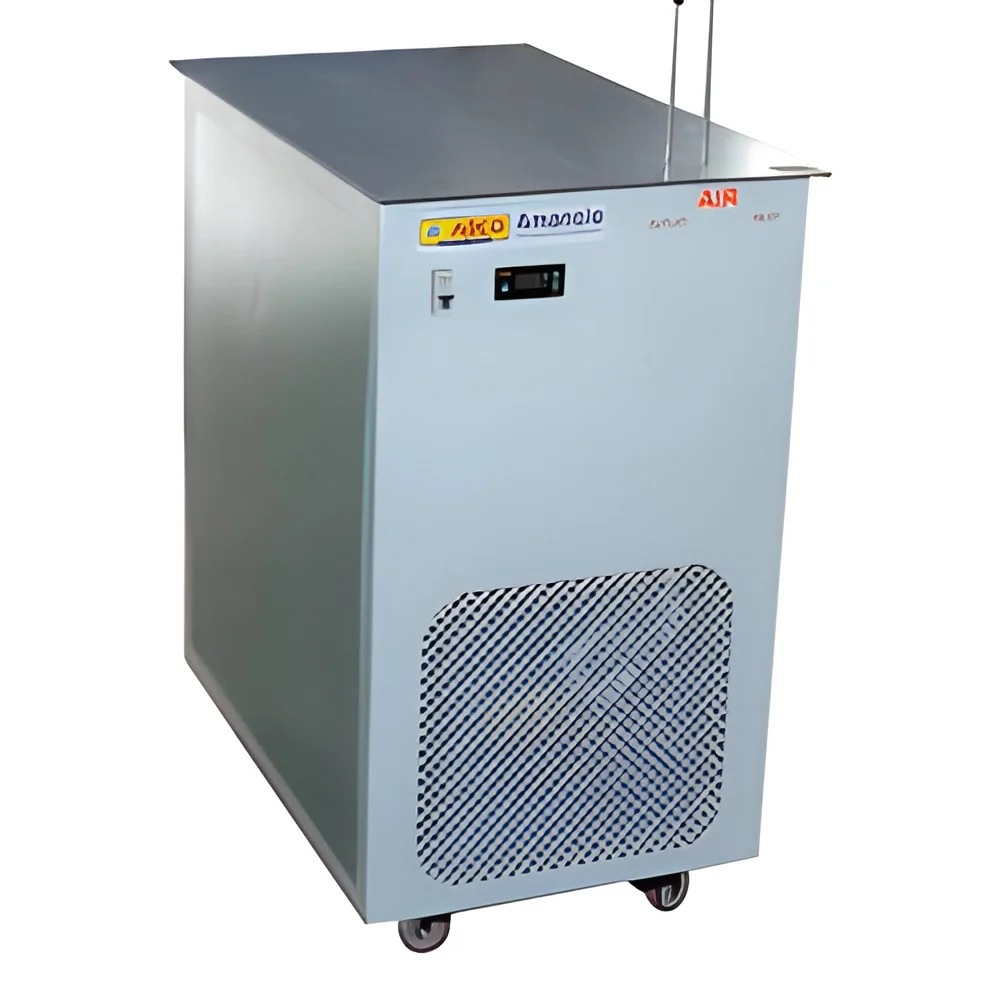
Portable Water Chillers
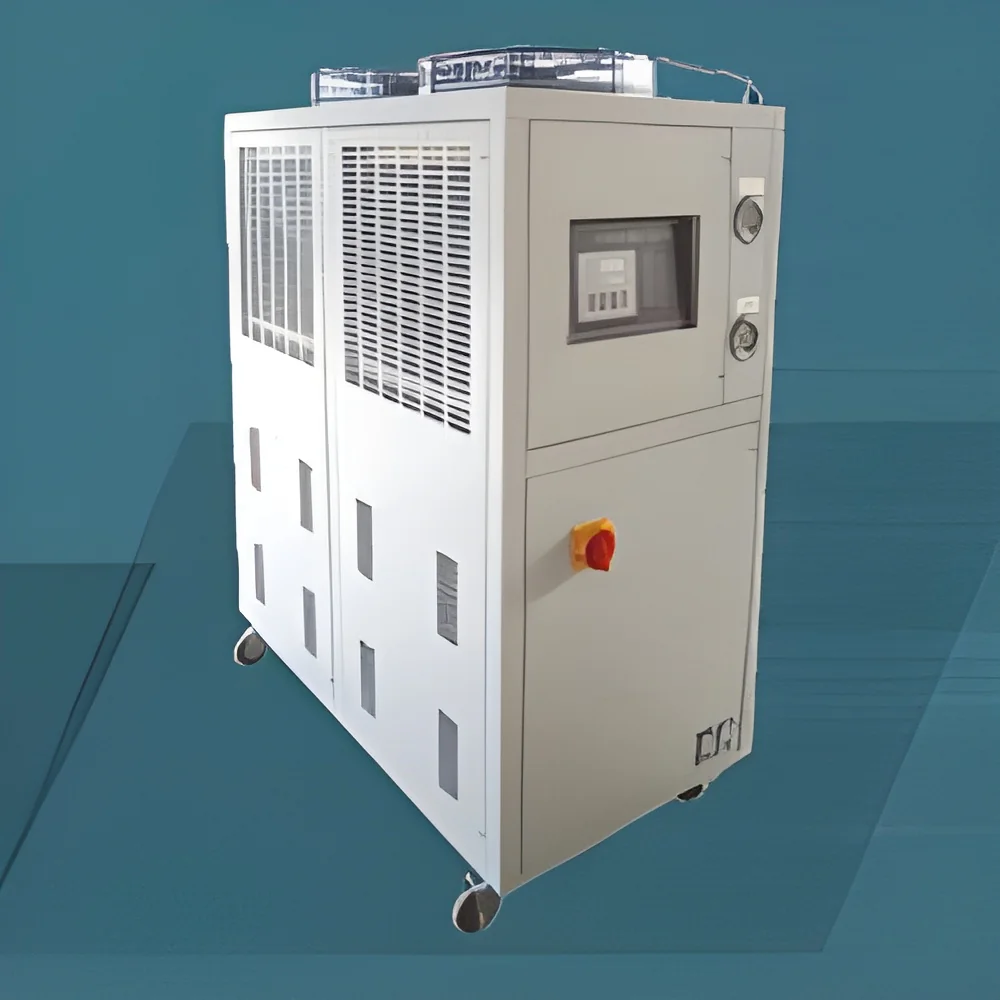
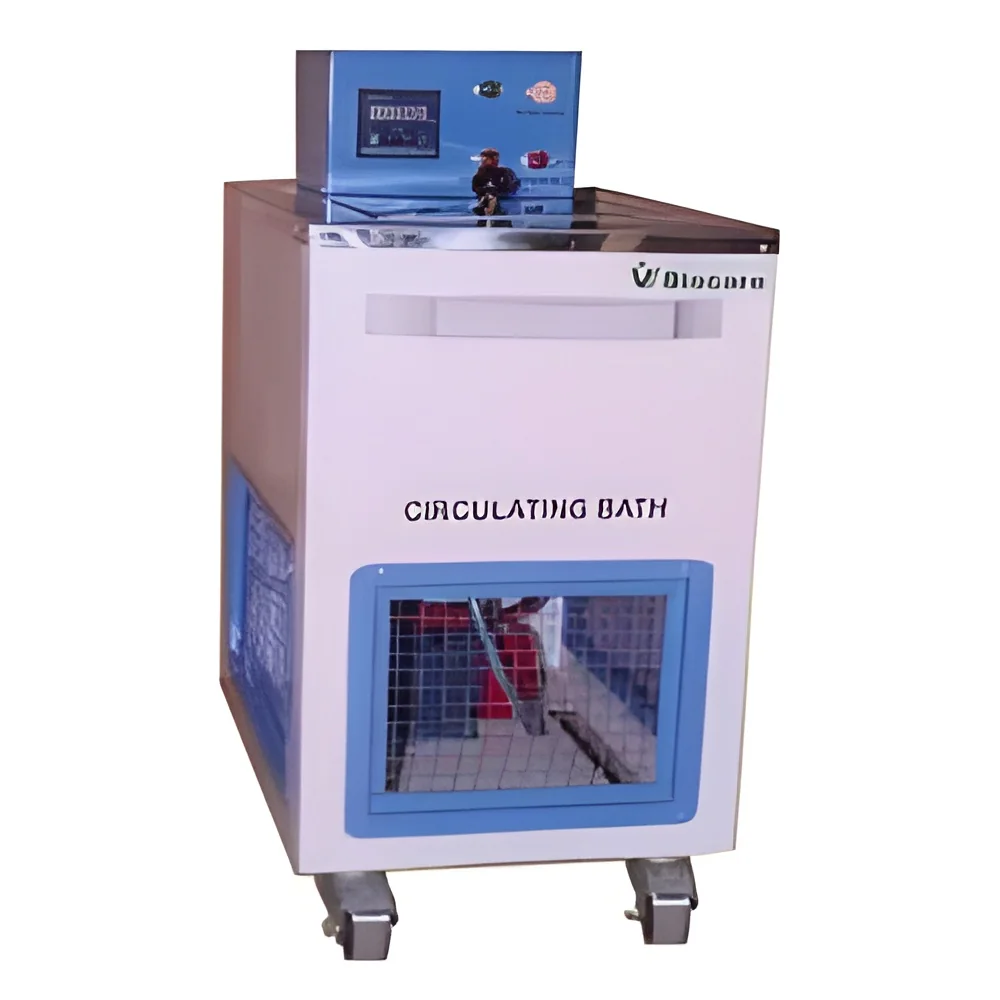
Designed for flexibility, portable chillers can be moved easily and are suitable for temporary cooling needs or smaller operations that require a mobile solution.
Benefits and Advantages
Investing in industrial water chillers offers numerous benefits that can enhance operational efficiency and reduce costs.
1. Improved Energy Efficiency: Modern chillers are designed to consume less energy, leading to lower operational costs and reduced environmental impact.
2. Enhanced Product Quality: By maintaining optimal temperatures, chillers help preserve the quality of products, especially in sensitive industries like food and pharmaceuticals.
3. Increased Equipment Lifespan: Proper cooling prevents overheating of machinery, extending the lifespan of equipment and reducing maintenance costs.
4. Versatile Applications: Industrial water chillers can be used across various industries, making them a valuable asset for diverse operations.
5. Advanced Control Systems: Many chillers come equipped with smart technology for precise monitoring and control, improving operational management.
6. Customization Options: Manufacturers often offer customizable solutions to meet specific cooling requirements, ensuring the chiller fits the unique needs of each business.
Buying Guide for B2B Buyers
When sourcing industrial water chillers, several key factors should be considered to ensure an informed purchase.
1. Quality Assessment: Evaluate the quality of chillers by looking for certifications and industry standards. High-quality chillers typically offer better performance and reliability.
2. Supplier Verification: It's essential to vet suppliers to ensure they have a good reputation and provide reliable products. Look for reviews and testimonials from past customers.
3. Pricing and MOQ: Understand the pricing structures and minimum order quantities (MOQ) to ensure they align with your budget and operational needs.
4. Delivery and Lead Times: Inquire about delivery schedules and lead times to ensure that the chillers can be supplied when needed, avoiding delays in operations.
5. Compliance Requirements: Ensure that the chillers comply with relevant regulations and safety standards in your region to avoid legal issues and ensure safety.
Compliance and Certifications
Compliance and certifications are critical aspects of industrial water chillers that ensure quality, safety, and reliability.
Many manufacturers adhere to quality standards such as ISO 9001, which ensures that products meet consistent quality management principles. Compliance with HACCP (Hazard Analysis and Critical Control Points) is essential in industries like food and beverage, where safety is paramount.
Industry certifications, such as CE marking, indicate that the chillers meet European safety and environmental requirements. This is particularly important for companies operating in or exporting to the European market.
Additionally, safety and testing requirements typically include assessments for electrical safety, pressure testing, and performance evaluations. Regional compliance considerations may vary, so businesses must ensure that their chosen chillers meet local regulatory standards.
Why Source Industrial Water Chillers from Pepagora?
Pepagora provides a trusted platform for sourcing industrial water chillers, offering several key advantages for B2B buyers.
Verified Supplier Network: Pepagora has established a network of verified suppliers who meet stringent quality and reliability standards. This ensures that buyers can source high-quality chillers with confidence.
Streamlined RFQ Process: The Request for Quotation (RFQ) process is designed to be user-friendly, allowing buyers to compare prices and features efficiently. This helps businesses make informed decisions quickly.
Trade Assurance and Support: Pepagora offers trade assurance to protect buyers, ensuring that they receive the products as described and on time. This support provides peace of mind throughout the purchasing process.
Regional Coverage: With a strong presence in India, the Gulf Cooperation Council (GCC) countries, and Southeast Asia, Pepagora facilitates access to a broad market for industrial water chillers, helping businesses connect with suppliers in their region.

 IN
IN