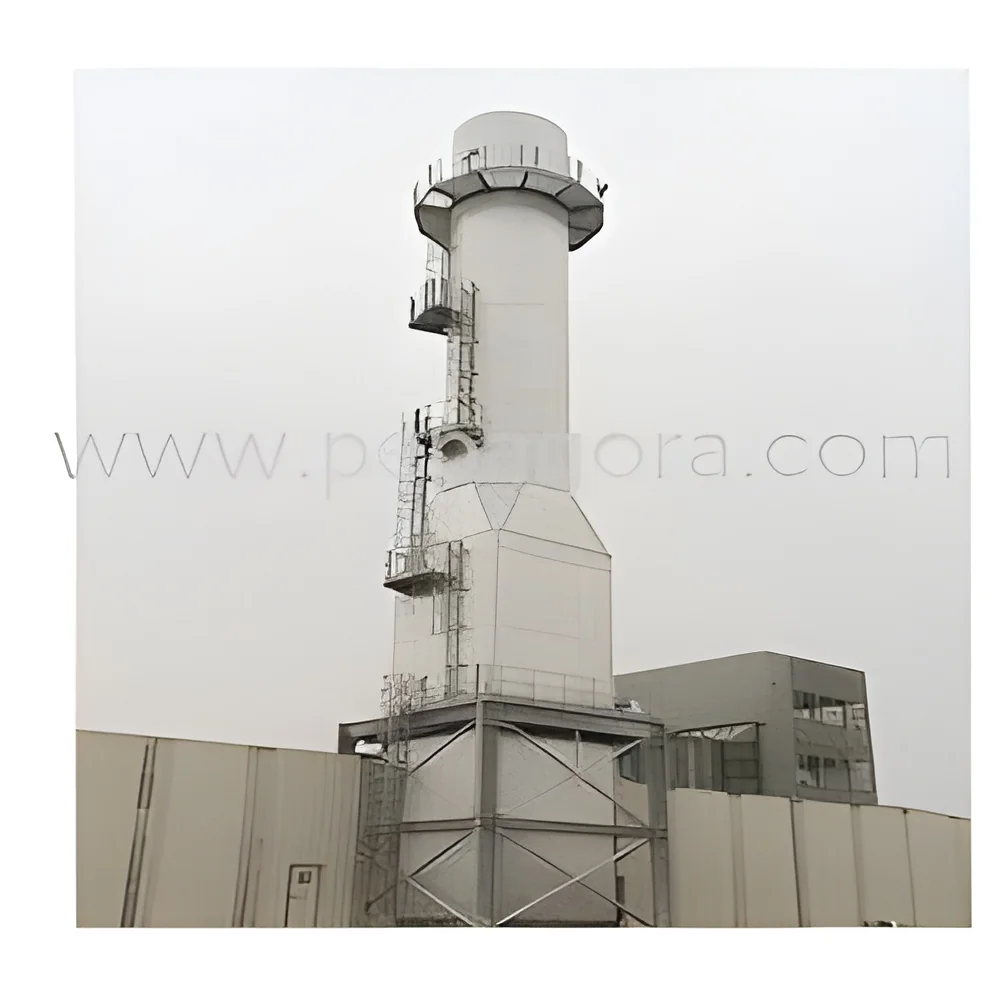
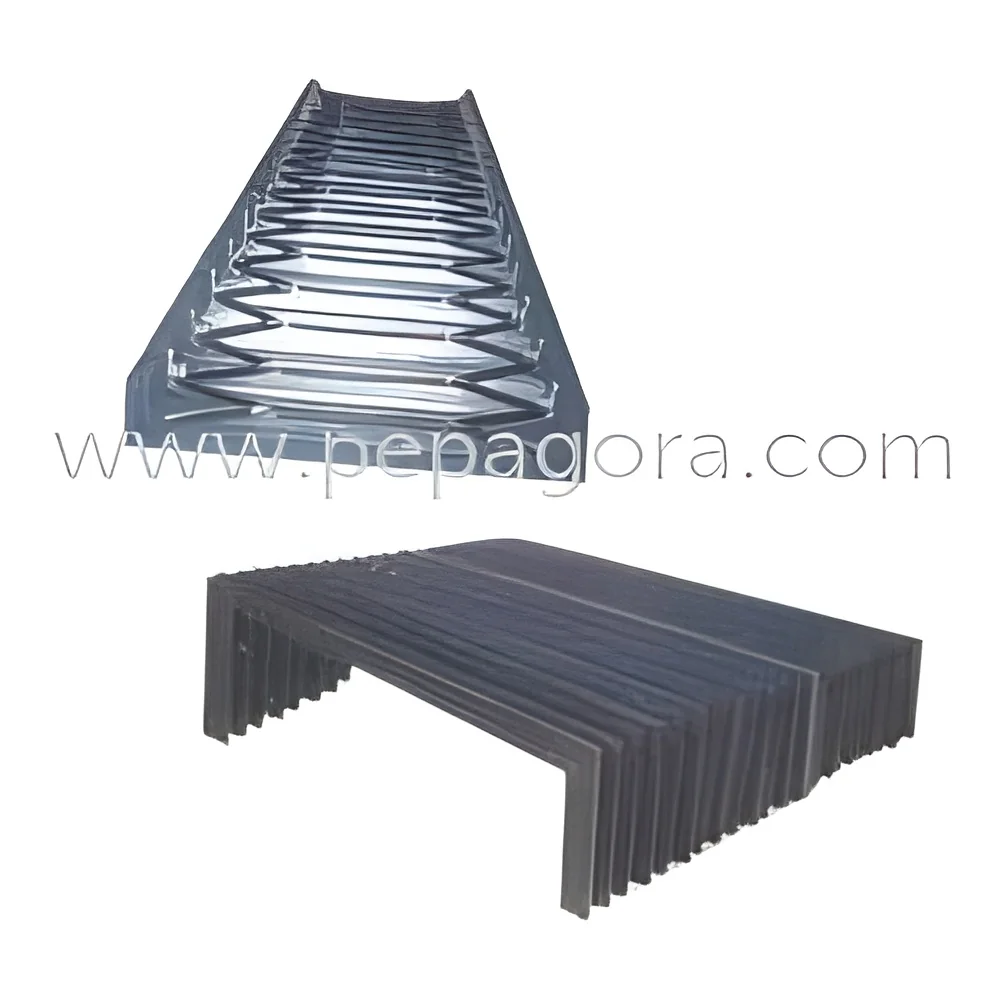
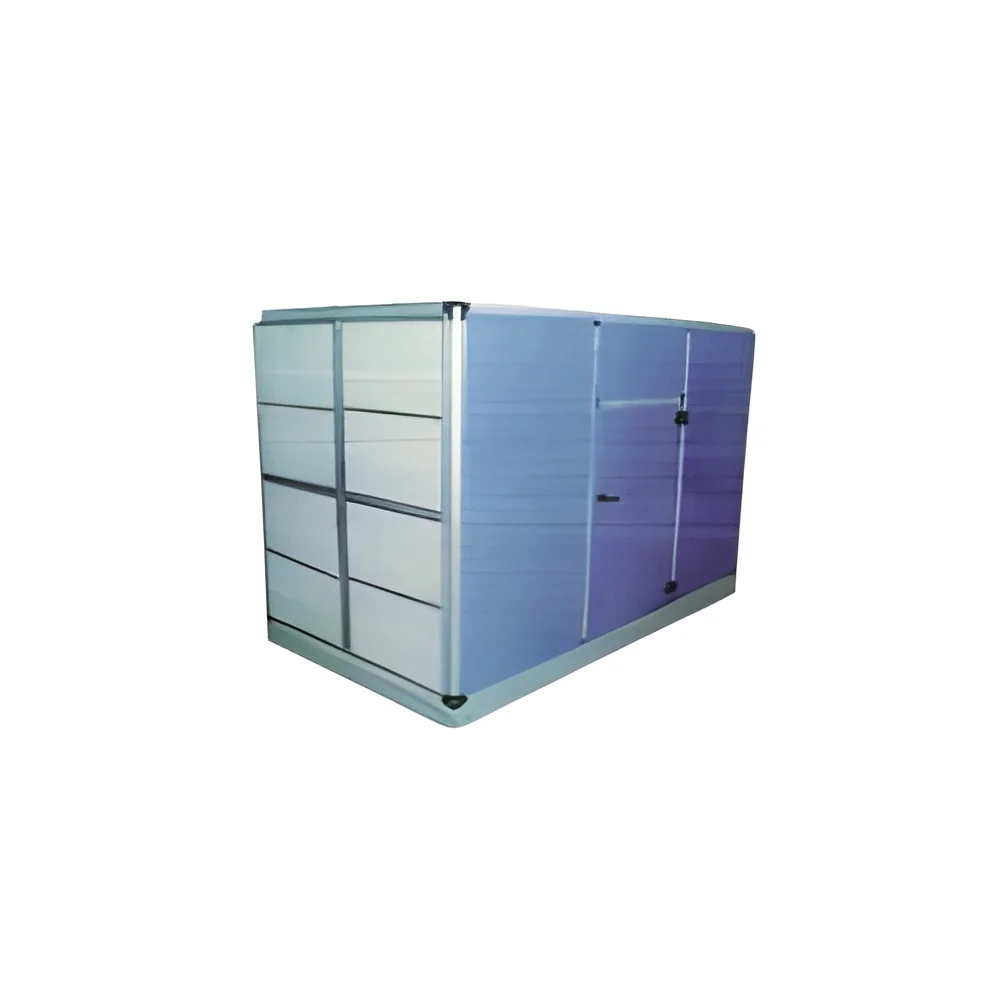
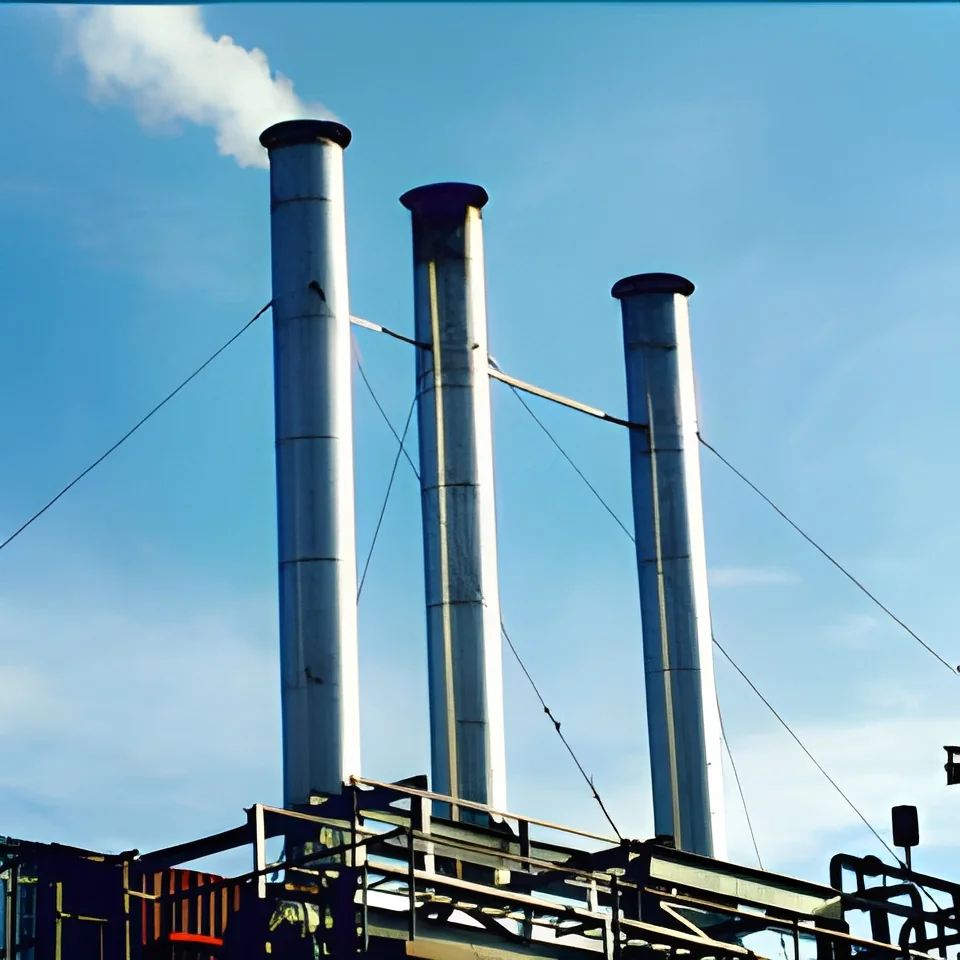
What are Exhaust Systems for Factories?
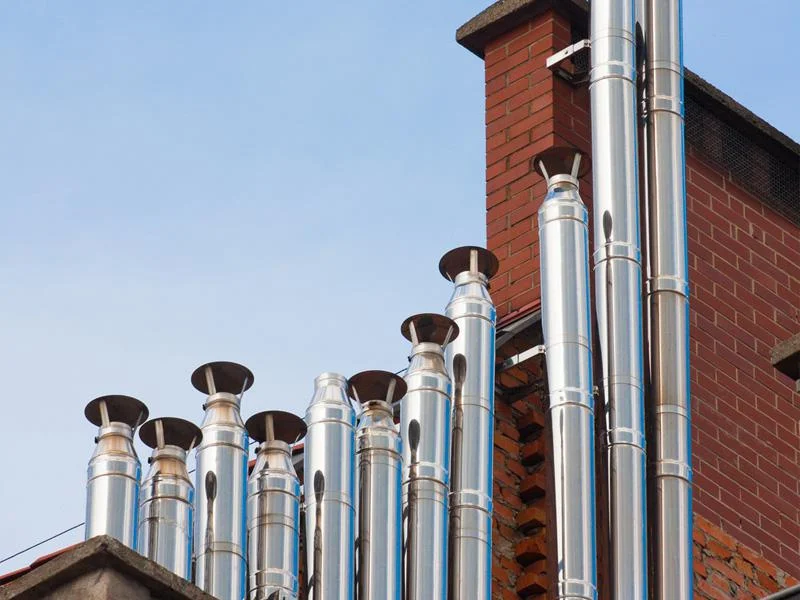
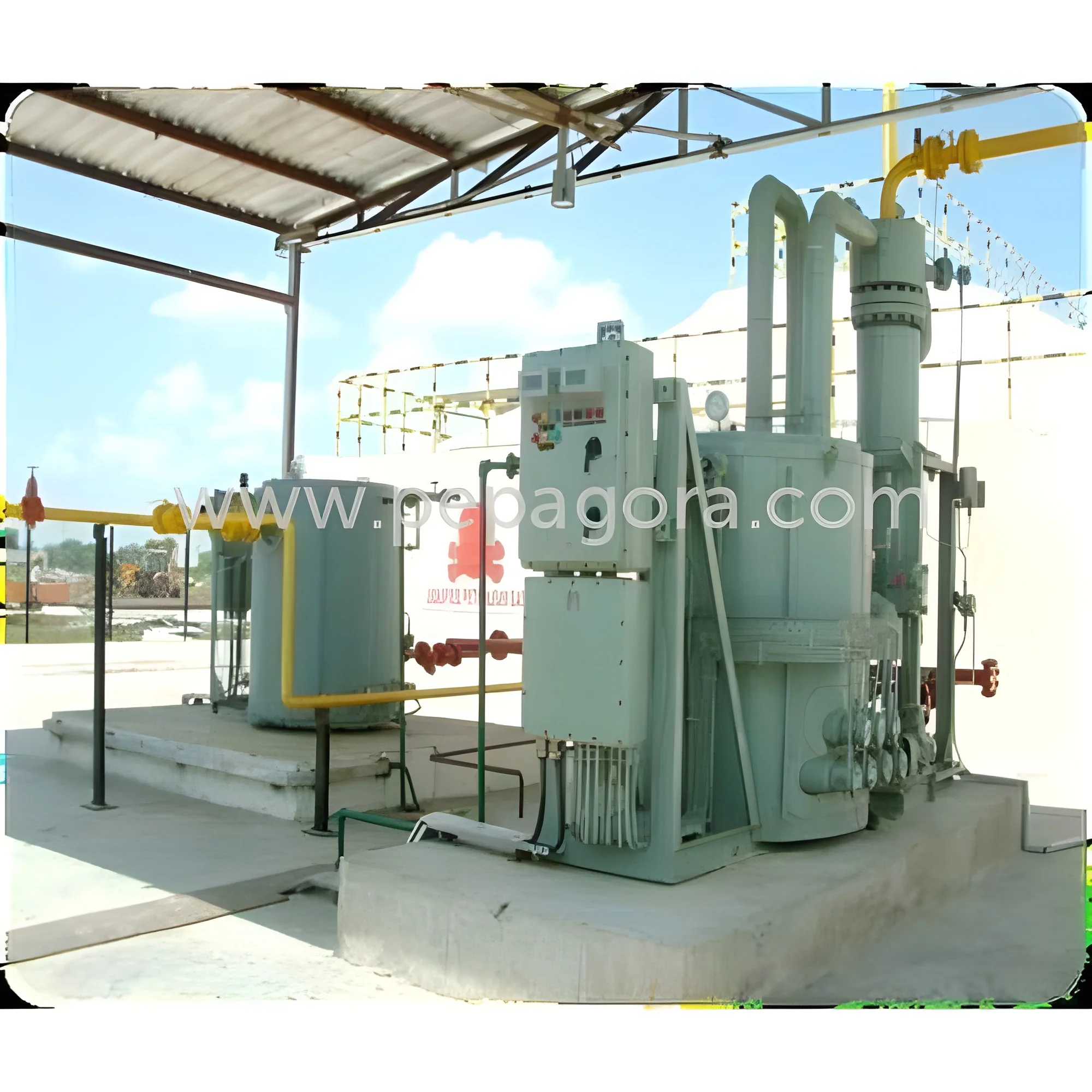
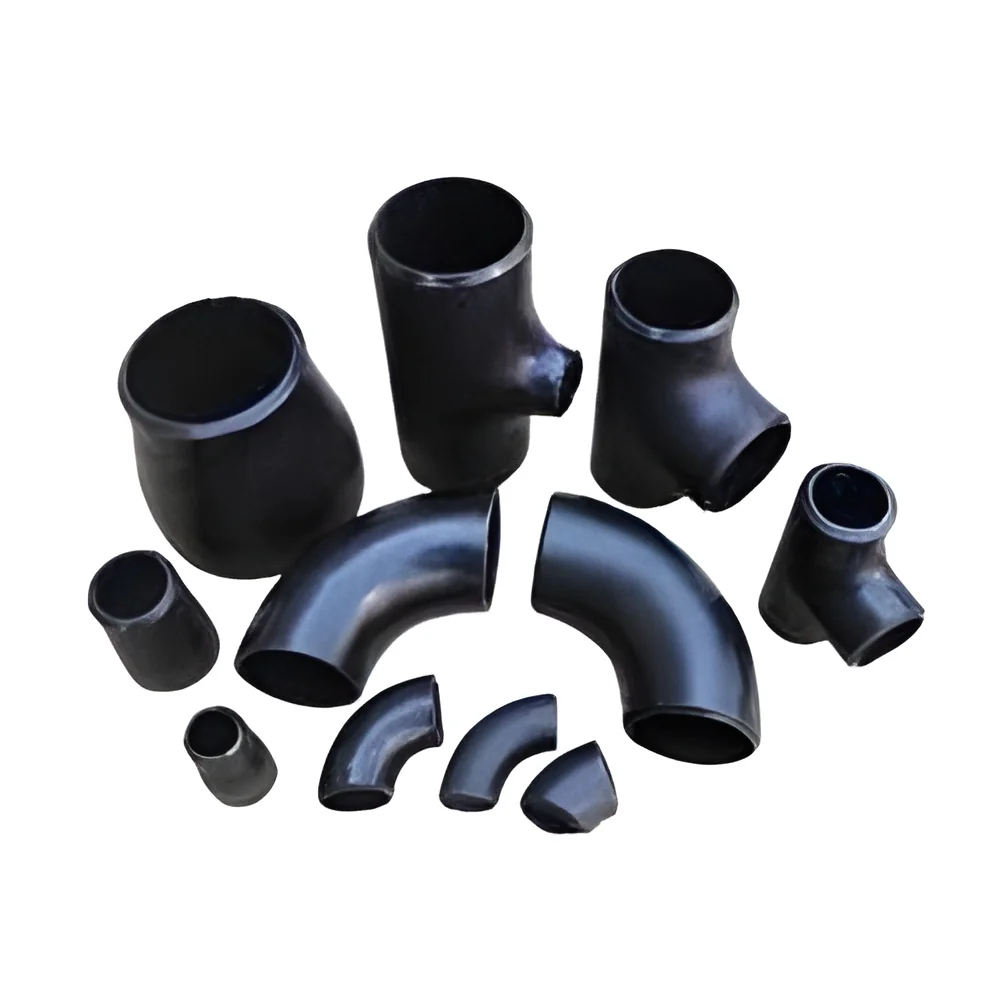
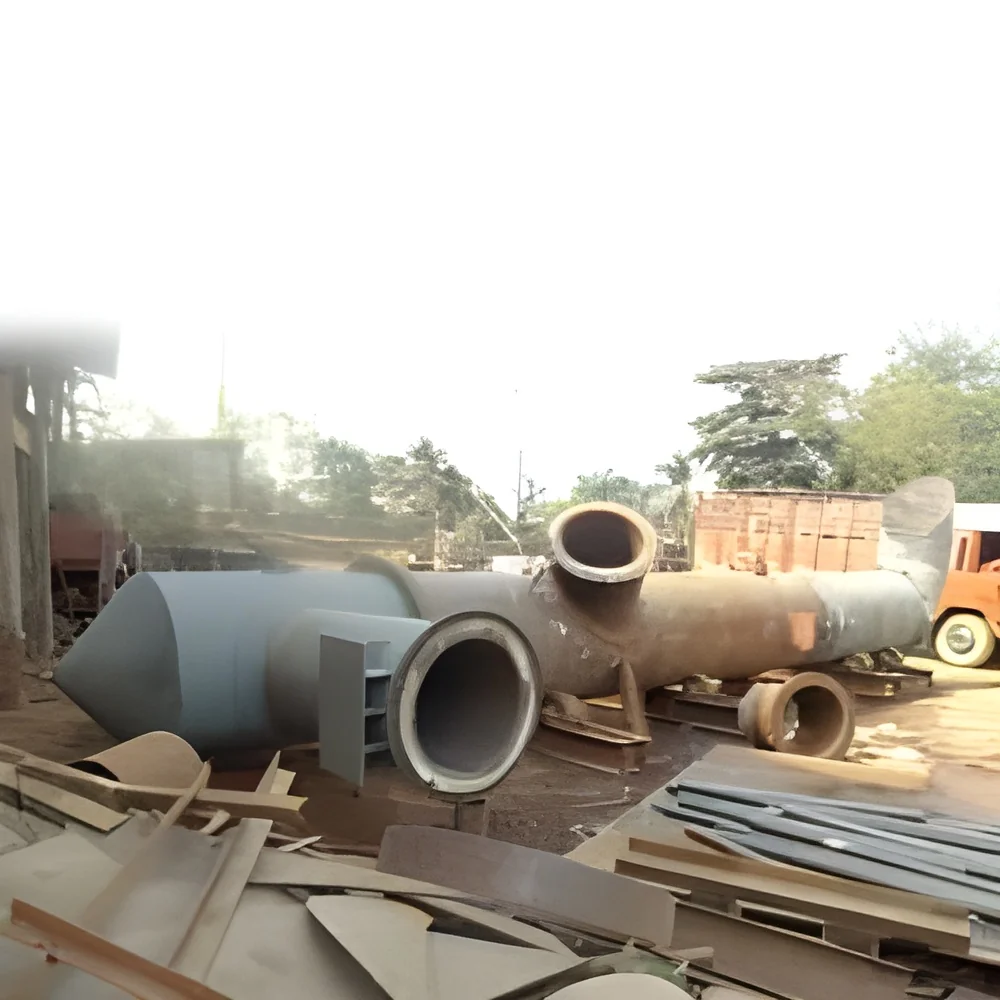
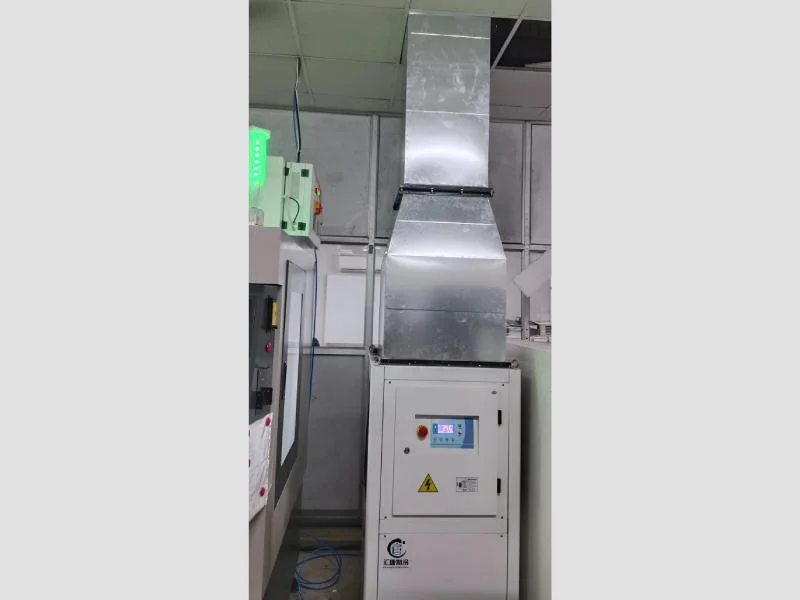
Exhaust systems for factories are engineered solutions designed to remove harmful gases, smoke, heat, and other pollutants generated during industrial processes. These systems are crucial for maintaining a safe working environment by ensuring that airborne contaminants are effectively captured and expelled outside of the facility. They often consist of a network of ducts, fans, filters, and exhaust stacks that work together to manage air quality.
In factories, the primary use of exhaust systems is to protect workers and equipment by minimizing exposure to hazardous emissions. These systems are commonly utilized in manufacturing plants, chemical facilities, and any industrial setting where combustion or chemical reactions take place. As environmental regulations become increasingly stringent, the demand for efficient exhaust systems has risen, making them an essential component in modern industrial operations.
The relevance of exhaust systems in various industries cannot be understated. They play a critical role in compliance with health and safety regulations, as well as environmental standards. The market for exhaust systems is expanding as factories seek to upgrade their systems for better efficiency and sustainability, driving innovations in design and technology.
Key Features and Specifications
Exhaust systems for factories come with various features that enhance their performance and reliability. Each system is designed to meet specific operational needs based on the type of pollutants handled and the scale of the industrial operation.
Key specifications include:
1. Airflow Capacity
- Measurement of the volume of air that the system can handle, often expressed in cubic feet per minute (CFM).
- Essential for determining the system's efficiency based on factory size and emission levels.
2. Filtration Efficiency
- The capability of the system to capture particulate matter, measured as a percentage.
- High-efficiency filters can remove up to 99.9% of pollutants.
3. Noise Level
- The sound produced by the exhaust system, usually measured in decibels (dB).
- Important for compliance with workplace noise regulations.
4. Material Composition
- The materials used for construction, such as stainless steel or galvanized steel, which determine durability and resistance to corrosion.
- Selection impacts lifespan and maintenance requirements.
5. Operating Temperature Range
- The range of temperatures the system can handle safely, which is critical for systems dealing with high heat emissions.
- Typically specified in degrees Fahrenheit or Celsius.
6. Compliance Standards
- Adherence to industry regulations such as CE certification, ensuring that the system meets safety and performance standards.
- Essential for legal operation in many regions.
7. Modular Design
- Ability to expand or modify the system based on changing industrial requirements.
- Facilitates upgrades without complete system replacement.
8. Maintenance Requirements
- Frequency and type of maintenance needed to keep the system functioning efficiently.
- Lower maintenance needs can lead to reduced operational costs.
In summary, understanding these specifications helps businesses select the right exhaust system tailored to their operational needs while ensuring compliance with industry standards.
Common Applications and Use Cases
Exhaust systems for factories find applications across a range of industries, each with unique requirements.
1. Manufacturing: These systems are critical in metalworking and machining operations to remove fumes and particles generated during cutting and grinding processes.
2. Chemical Processing: In chemical plants, exhaust systems safely manage harmful vapors and gases produced during reactions, preventing workplace hazards.
3. Food Processing: These systems help eliminate steam, odors, and particulate matter from cooking processes, ensuring a clean and safe environment.
4. Automotive: In automotive manufacturing, exhaust systems are used to manage solvents and emissions from painting and assembly lines.
5. Pharmaceuticals: These systems are essential in drug manufacturing facilities to control airborne contaminants and maintain sterile environments.
6. Textile Production: In textile mills, exhaust systems remove dust and chemical vapors from dyeing and finishing processes.
7. Waste Management: Exhaust systems are utilized in waste incineration facilities to manage emissions and ensure compliance with environmental regulations.
Product Variants and Subcategories
Exhaust systems for factories come in diverse designs to cater to specific needs and applications.
Ducted Exhaust Systems
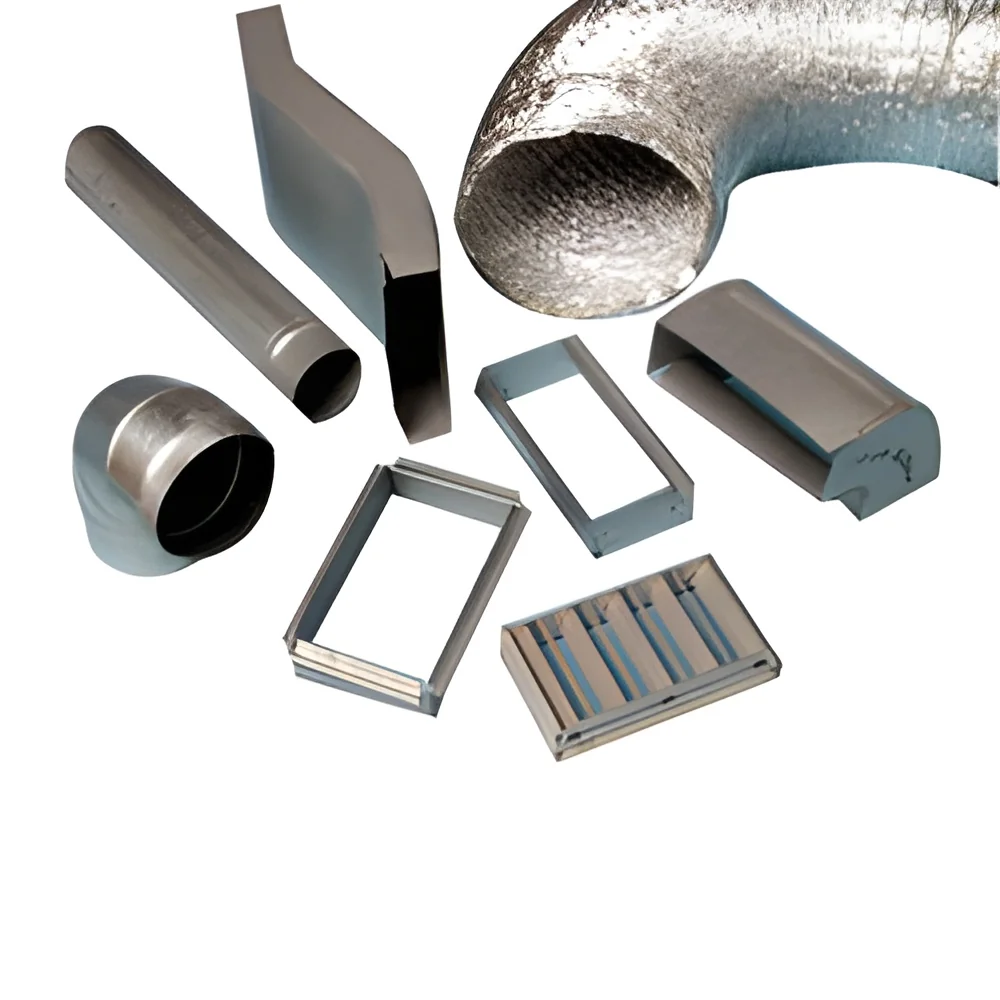
These systems utilize a network of ducts to transport air and contaminants away from the source. They are ideal for factories with multiple emission points and require efficient airflow management.
Localized Exhaust Systems
Designed for specific machines or processes, these systems capture emissions at the source, minimizing the spread of pollutants. They are particularly effective in machining and welding applications.
Centralized Exhaust Systems
These systems serve multiple areas within a facility, collecting and filtering air before releasing it outside. They are suitable for larger factories looking for a comprehensive solution.
Portable Exhaust Systems
These are movable units that can be relocated as needed. They are useful for temporary setups or smaller operations where fixed systems may not be feasible.
Benefits and Advantages
Investing in exhaust systems for factories provides several advantages that enhance operational efficiency and workplace safety.
1. Improved Air Quality: Effective exhaust systems significantly reduce airborne contaminants, creating a healthier work environment for employees.
2. Regulatory Compliance: These systems help factories meet environmental and health regulations, avoiding potential fines and legal issues.
3. Equipment Protection: By removing harmful pollutants, exhaust systems help extend the lifespan of machinery and equipment.
4. Enhanced Productivity: Cleaner air can lead to better worker concentration and higher productivity levels.
5. Cost Savings: Efficient systems can reduce energy consumption and maintenance costs over time, contributing to overall savings.
6. Customizable Solutions: Exhaust systems can be tailored to meet specific operational needs, providing flexibility for various industrial applications.
Buying Guide for B2B Buyers
When sourcing exhaust systems for factories, several key factors need consideration to ensure the right fit for your operational requirements.
1. Quality Assessment: Evaluate the materials and construction of the exhaust systems. Look for systems that meet industry standards for durability and performance.
2. Supplier Verification: Research potential suppliers to ensure they have a good reputation and are experienced in providing exhaust systems tailored to your industry.
3. Pricing and MOQ: Understand the pricing structure and minimum order quantities (MOQ) required by suppliers to optimize your purchasing strategy.
4. Delivery and Lead Times: Confirm the estimated delivery times and ensure the supplier can meet your project deadlines.
5. Compliance Requirements: Make sure the systems meet all necessary regulatory and safety standards relevant to your industry and region.
Compliance and Certifications
Exhaust systems for factories must adhere to various quality standards and regulations to ensure safety and performance.
Common quality standards include ISO 9001, which focuses on quality management systems, and HACCP, which is vital in food processing applications. These standards help ensure that exhaust systems are manufactured consistently and meet safety requirements.
CE certification indicates that the exhaust systems comply with European safety and environmental regulations. This certification is particularly important for companies operating in or exporting to Europe.
Safety and testing requirements are critical, as they guarantee that exhaust systems function correctly and do not pose risks to workers. Regular testing may be required to ensure ongoing compliance.
Lastly, regional compliance considerations should be taken into account, as regulations may differ significantly from one area to another. It is essential to understand local laws regarding emissions and workplace safety when selecting exhaust systems.
Why Source Exhaust Systems for Factories from Pepagora?
Pepagora offers a reliable platform for sourcing exhaust systems for factories, with multiple advantages for B2B buyers.
Verified Supplier Network: Pepagora ensures that all suppliers are thoroughly vetted, providing buyers with confidence in the quality and reliability of the products offered.
Streamlined RFQ Process: The request for quotation (RFQ) system simplifies the procurement process, allowing buyers to easily compare options and make informed decisions.
Trade Assurance and Support: Buyers benefit from trade assurance programs that protect their purchases, ensuring that transactions are secure and that support is available if any issues arise.
Regional Coverage: With a strong presence in India, the GCC, and Southeast Asia, Pepagora connects buyers with suppliers across these regions, making it easier to find suitable exhaust systems tailored to specific industrial needs.

 IN
IN