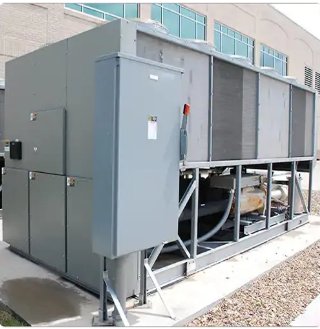
Key Features and Specifications
Air Handling Units come with a variety of features designed to enhance performance and efficiency. Understanding these specifications helps buyers make informed decisions.
Key specifications include:
1. Airflow Capacity
- The amount of air that can be moved by the unit, usually measured in cubic feet per minute (CFM).
- Typical ranges can vary from small units moving about 500 CFM to large units exceeding 50,000 CFM.
2. Energy Efficiency Ratings
- Measurement of the energy performance of the unit, often indicated by EER (Energy Efficiency Ratio) or SEER (Seasonal Energy Efficiency Ratio).
- Higher ratings signify more efficient units that can lower operational costs.
3. Filtration Options
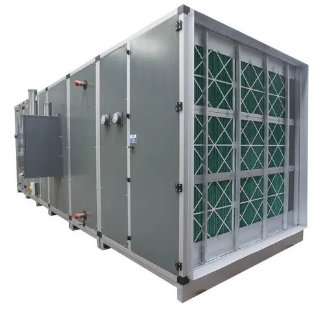
- Types of filters used to enhance indoor air quality, including HEPA filters and carbon filters.
- Options may vary based on the specific needs of the application.
4. Heating and Cooling Capabilities
- Options for integrated heating coils or cooling coils for temperature control.
- Units may support various refrigerants or heating methods.
5. Humidity Control Features
- Mechanisms for adding or removing moisture from the air.
- Can include humidifiers or dehumidifiers integrated into the unit.
6. Material Construction
- Common materials include galvanized steel, aluminum, and thermoplastic.
- Durability and insulation properties are key considerations.
7. Customization Options
- Availability of tailored solutions to meet specific building requirements.
- Options for size, control systems, and additional features.
8. Noise Levels
- Sound ratings measured in decibels (dB) to ensure quiet operation.
- Important for applications in sensitive environments like offices or hospitals.
In summary, understanding these key features and specifications allows businesses to select the most suitable AHU for their needs, ensuring efficiency, reliability, and effectiveness in air management.
Common Applications and Use Cases
Air Handling Units are versatile and find applications across various industries.
1. Commercial Buildings: AHUs are widely used in office spaces, retail stores, and shopping malls to maintain comfort and air quality for employees and customers.
2. Industrial Facilities: In manufacturing plants, AHUs help regulate temperature and humidity, ensuring optimal conditions for both machinery and personnel.
3. Hospitals: AHUs play a critical role in healthcare settings, where maintaining sterile environments and controlling airborne pathogens is essential.
4. Educational Institutions: Schools and universities utilize AHUs to provide a comfortable learning environment while managing ventilation for large groups of students.
5. Hospitality Sector: Hotels and restaurants rely on AHUs to create inviting atmospheres for guests while ensuring efficient energy use.
6. Data Centers: These facilities depend on AHUs to maintain precise temperature and humidity levels, protecting sensitive equipment from overheating.
7. Laboratories: Research facilities require specialized AHUs to ensure controlled air quality and safety for experiments and sensitive projects.
8. Residential Buildings: In larger residential complexes, AHUs can support centralized air conditioning and heating systems for better energy management.
Product Variants and Subcategories
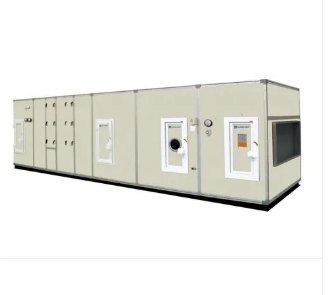
Air Handling Units come in various designs and configurations to meet diverse needs.
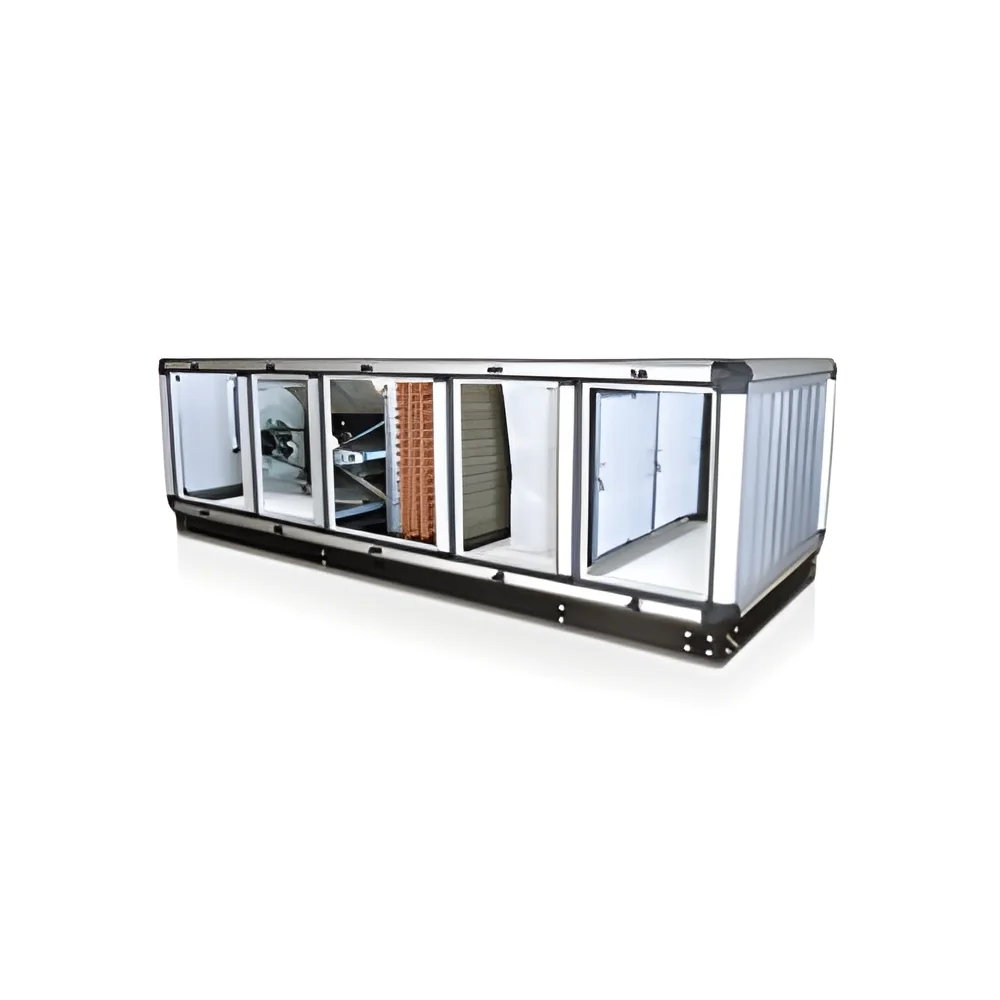
Standard AHUs: These are the most common type, designed for general-purpose use in commercial and industrial settings. They typically include a combination of heating, cooling, and filtration systems.
Packaged AHUs: These units combine all necessary components into a single, compact package. They are ideal for smaller spaces or applications with limited installation options.
Modular AHUs: Designed for flexible configurations, modular units can be expanded or modified to suit changing demands. They are suitable for growing facilities.
Rooftop AHUs: These units are installed on building rooftops, saving valuable interior space. They are often used in commercial buildings and offer an all-in-one solution for air management.
Benefits and Advantages
Investing in Air Handling Units comes with several notable benefits.
1. Improved Indoor Air Quality: AHUs filter and condition air, removing pollutants and allergens to create a healthier environment.
2. Enhanced Comfort: By regulating temperature and humidity, AHUs ensure a comfortable indoor climate for occupants.
3. Energy Efficiency: Modern AHUs are designed to consume less energy, leading to reduced operational costs over time.
4. Customization: Many AHUs can be tailored to fit specific requirements, providing flexibility for various applications.
5. Noise Reduction: Advanced designs often include noise-reducing features, making them suitable for quiet environments.
6. Compliance with Standards: AHUs can be designed to meet industry regulations and standards, ensuring safety and reliability.
Buying Guide for B2B Buyers
When sourcing Air Handling Units (AHUs), it is essential to consider several factors to ensure the best choice for your business needs.
1. Quality Assessment: Evaluate the quality of materials and construction methods used in the AHU. Look for reputable manufacturers who adhere to industry standards.
2. Supplier Verification: Vet suppliers by checking their certifications, customer reviews, and track record. A reliable supplier should have a proven history of delivering quality products.
3. Pricing and MOQ: Compare pricing from different suppliers and understand the minimum order quantities. Ensure that the pricing aligns with your budget and requirements.
4. Delivery and Lead Times: Consider the logistics involved in the procurement process. Ensure that the supplier can meet your delivery timelines to avoid project delays.
5. Compliance Requirements: Verify that the AHUs meet necessary regulatory standards and certifications for your industry to ensure safe and effective operation.
Compliance and Certifications
Air Handling Units must adhere to various quality standards and certifications to ensure safety and performance. Relevant quality standards may include ISO 9001, which emphasizes quality management systems, and HACCP for food safety applications. Compliance with CE regulations is also crucial, particularly for units used in the European market.
In addition to these standards, AHUs must meet safety and testing requirements to ensure they operate efficiently and safely. This includes assessment of energy efficiency and performance metrics.
Regional compliance considerations may vary depending on local laws and regulations governing HVAC systems. It is essential to understand these requirements to ensure that the AHUs you choose are compliant and suitable for your location.
Why Source Air Handling Units (AHUs) from Pepagora?
Pepagora provides a trusted platform for sourcing Air Handling Units with several key advantages.
The verified supplier network ensures that businesses can connect with reputable manufacturers and suppliers who have a proven track record in the industry. This reduces the risk associated with sourcing and allows for more informed purchasing decisions.
The streamlined RFQ process simplifies the quotation system. Buyers can easily request quotes from multiple suppliers, facilitating comparison and ensuring competitive pricing.
Trade assurance and support are central to Pepagora's offerings, providing buyers with protection during the transaction process. This encourages confidence when sourcing critical equipment.
Finally, Pepagora's regional coverage extends across India, the Gulf Cooperation Council (GCC) countries, and Southeast Asia, ensuring that businesses in these areas have access to high-quality Air Handling Units tailored to their specific needs.

 IN
IN