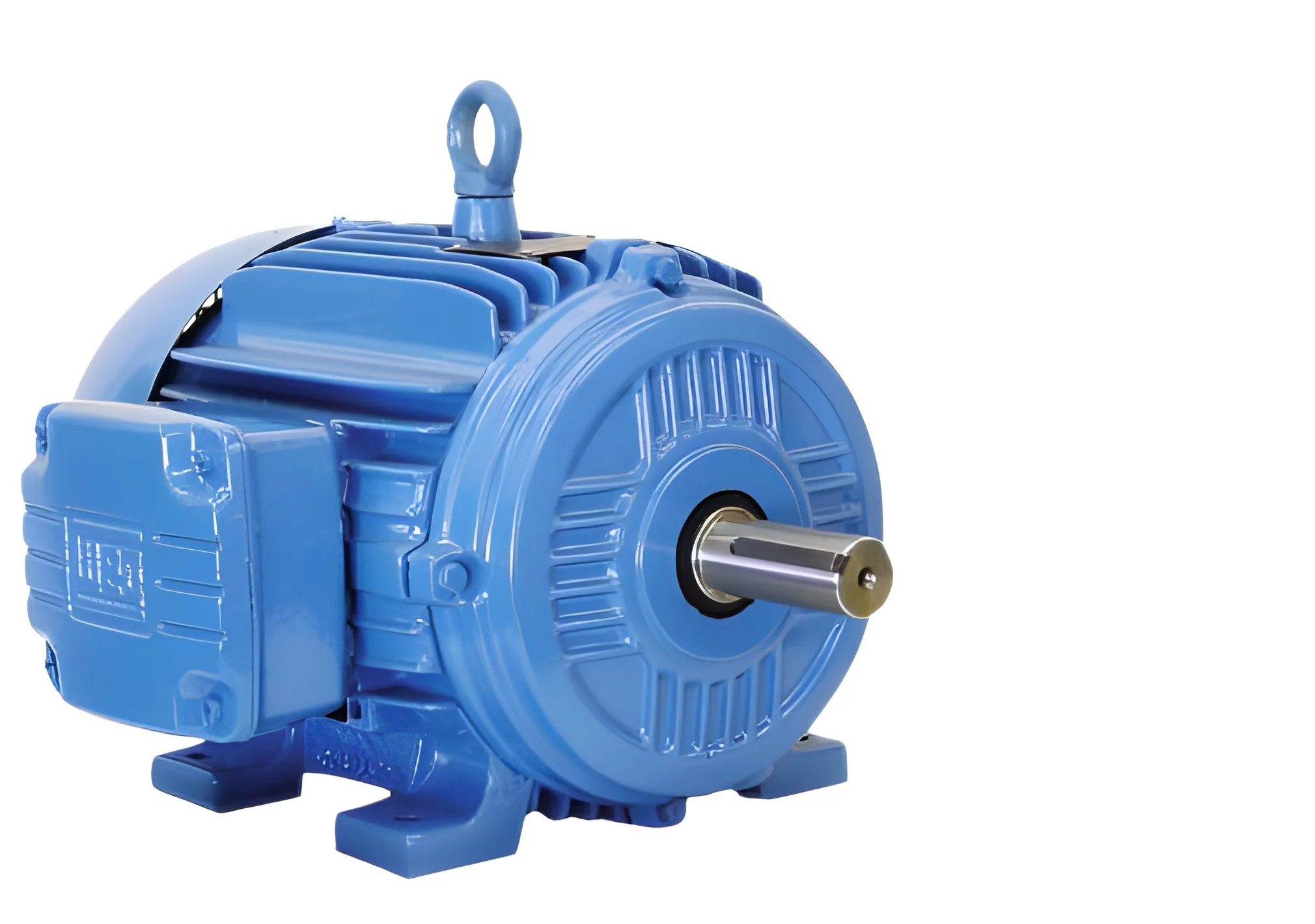
What are Precision Air Conditioning Systems?
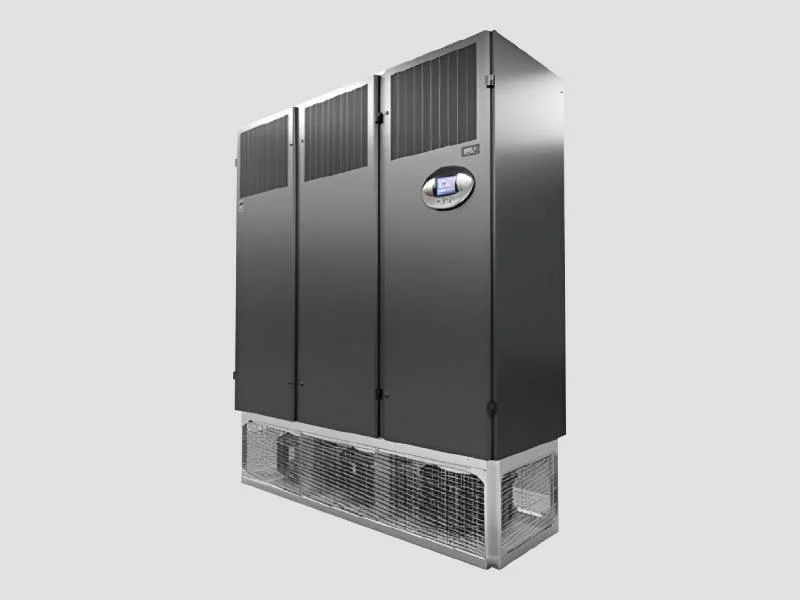
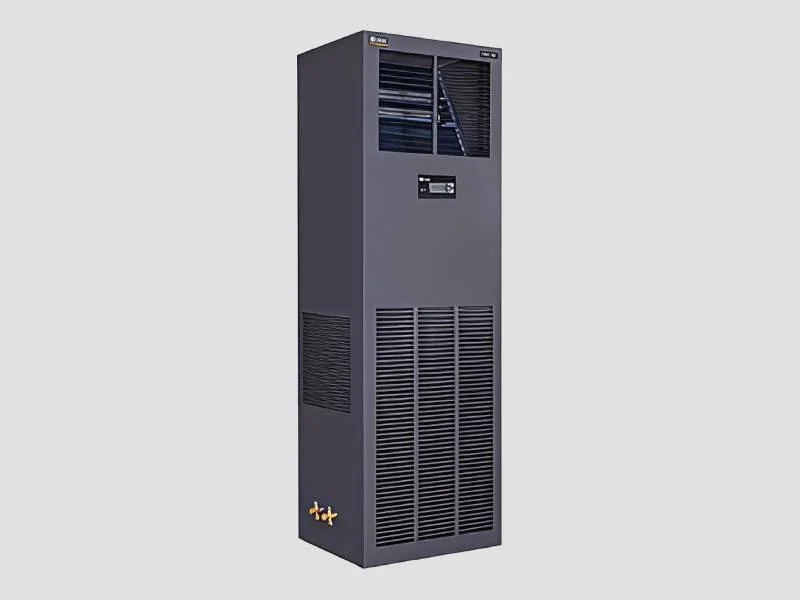
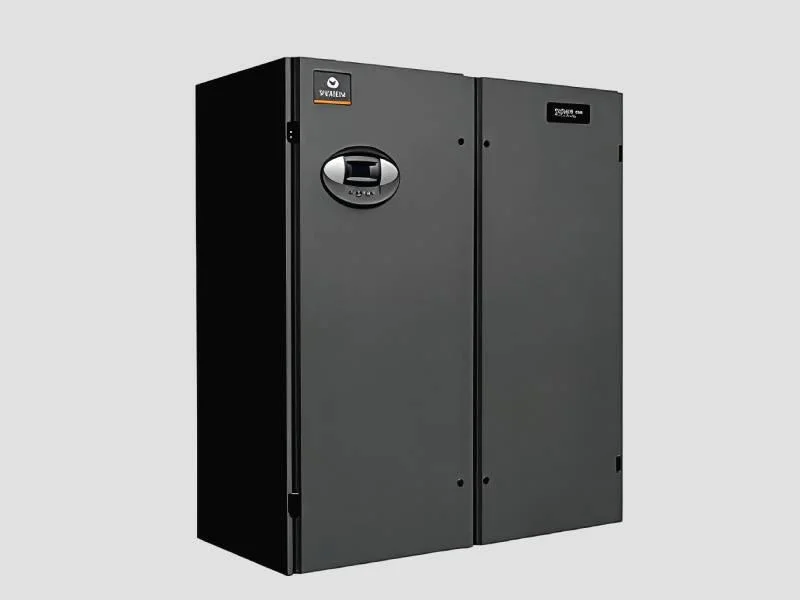
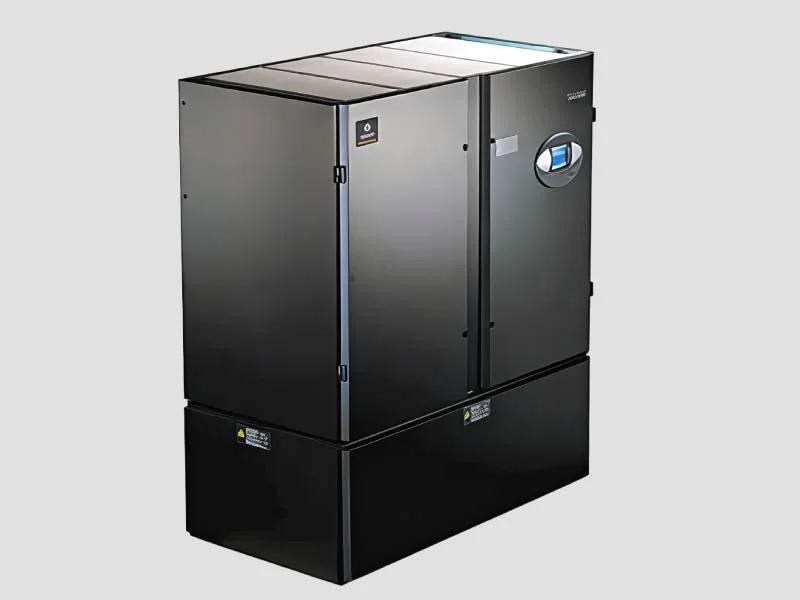
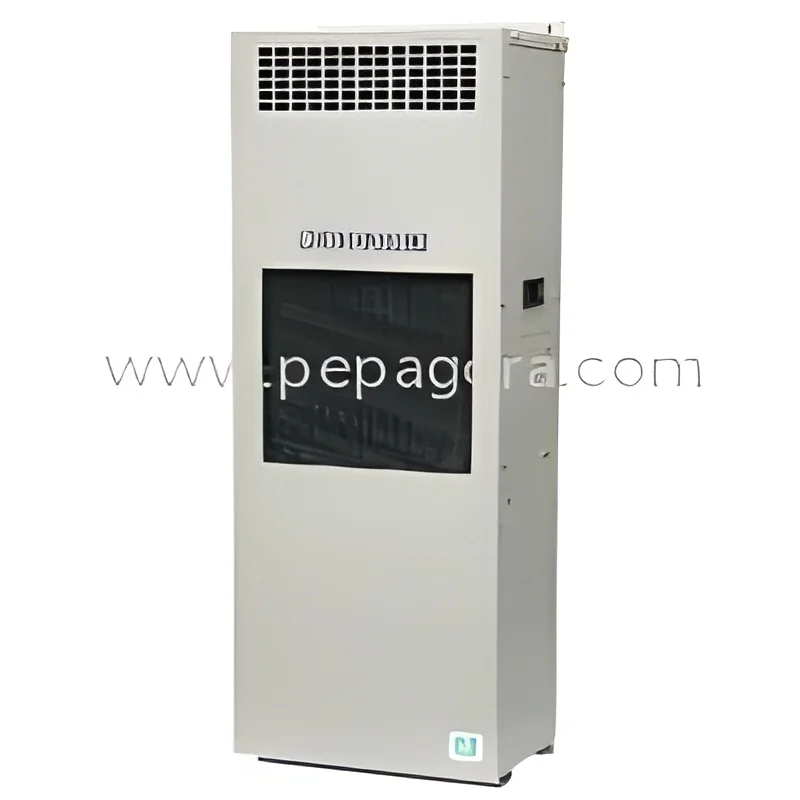
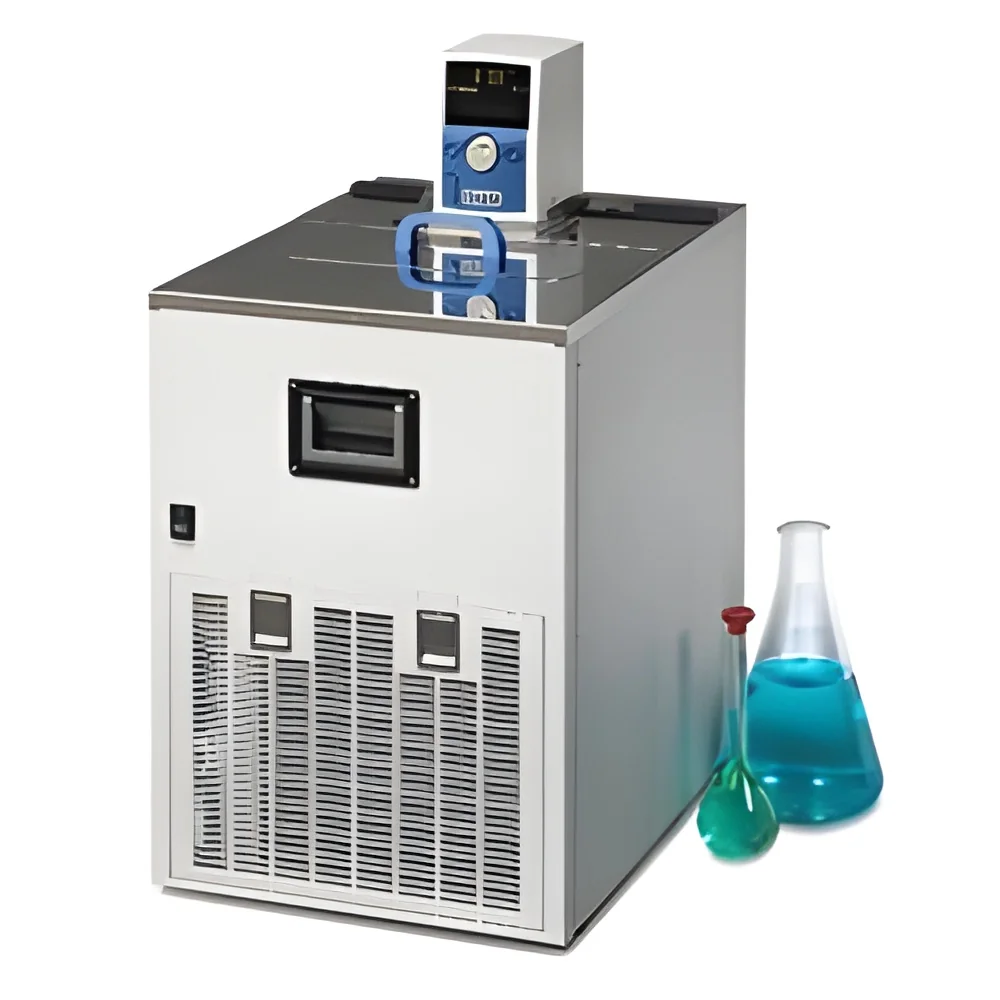
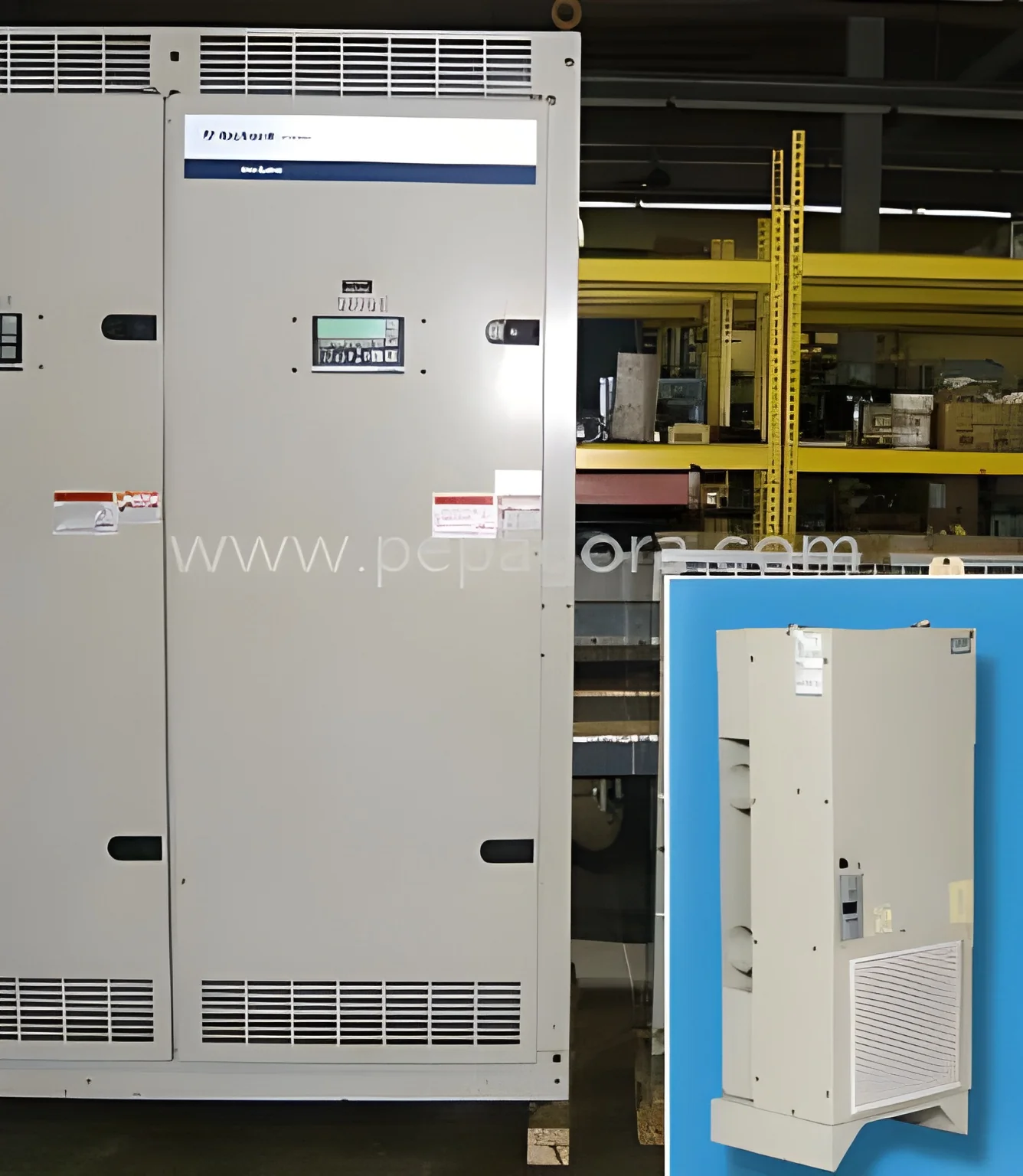
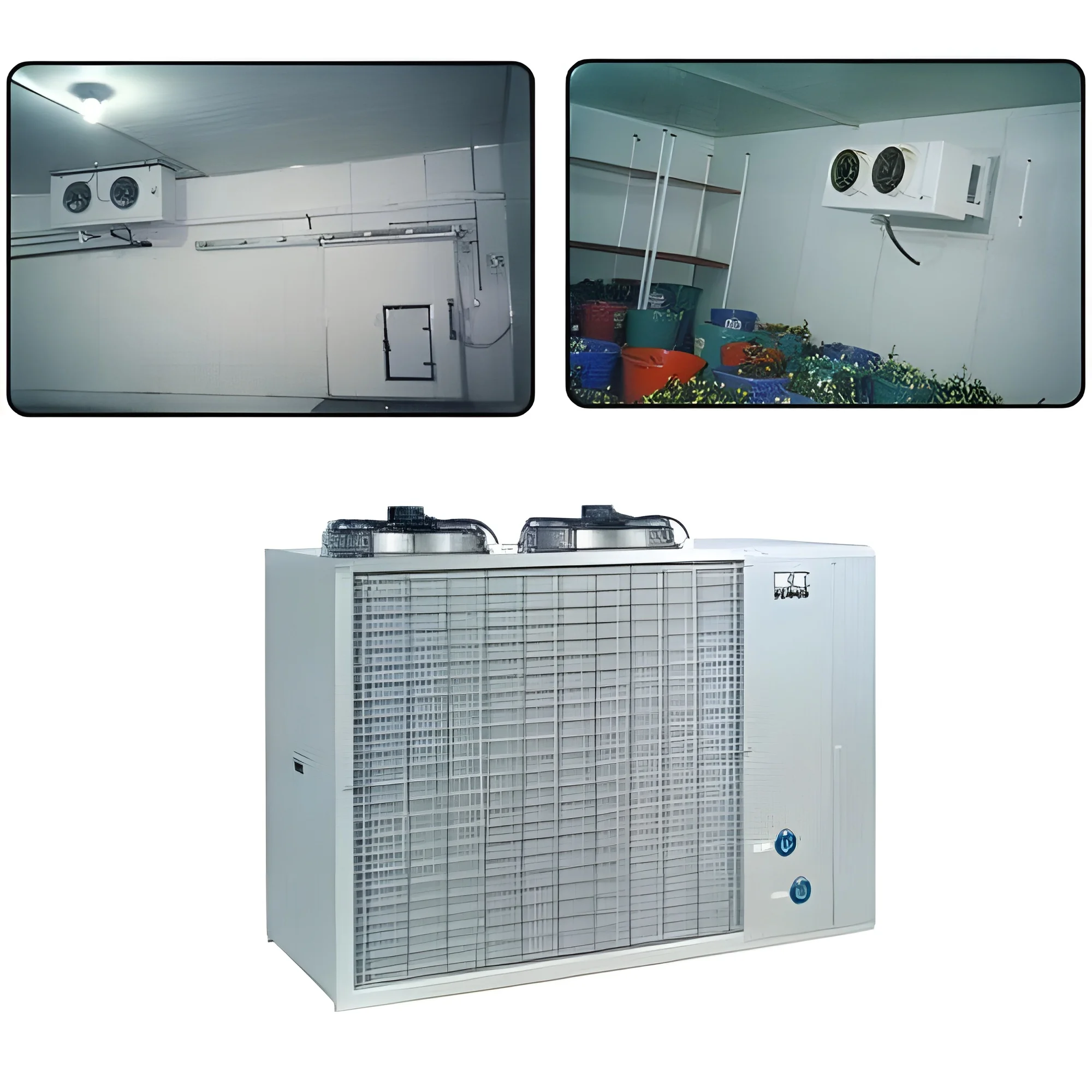
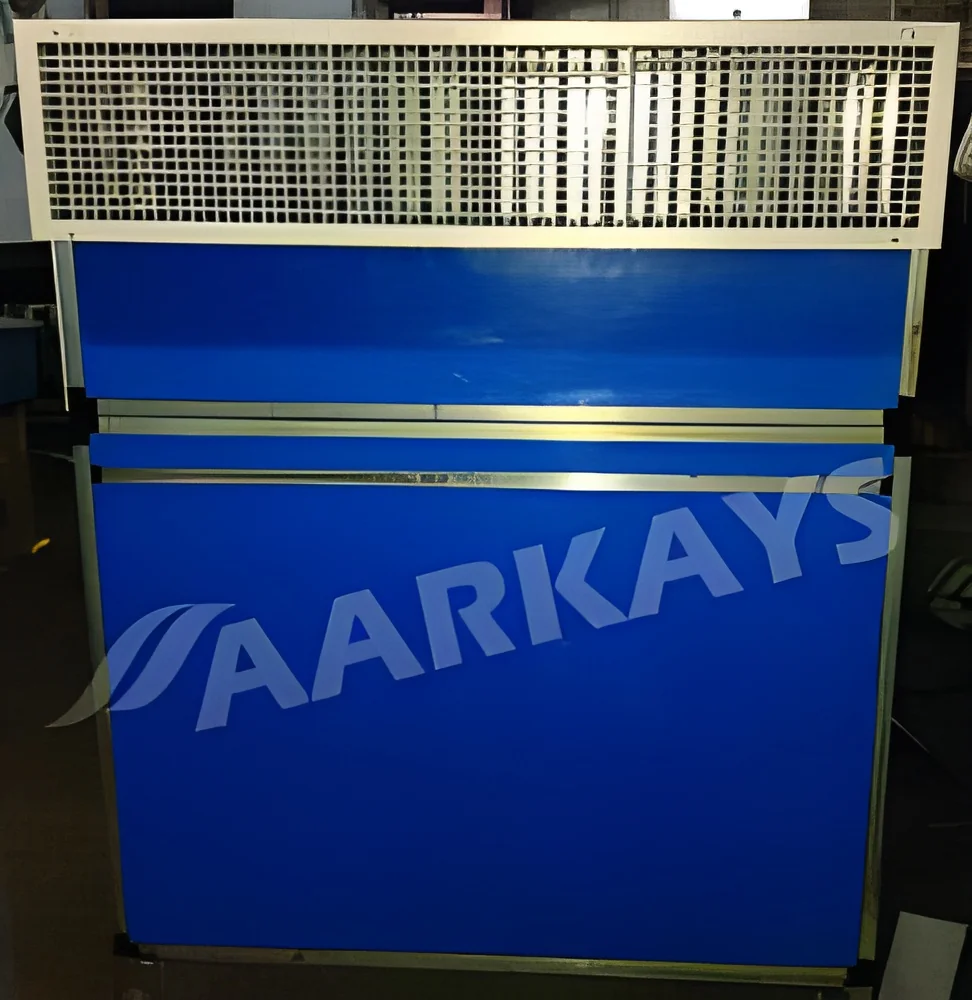
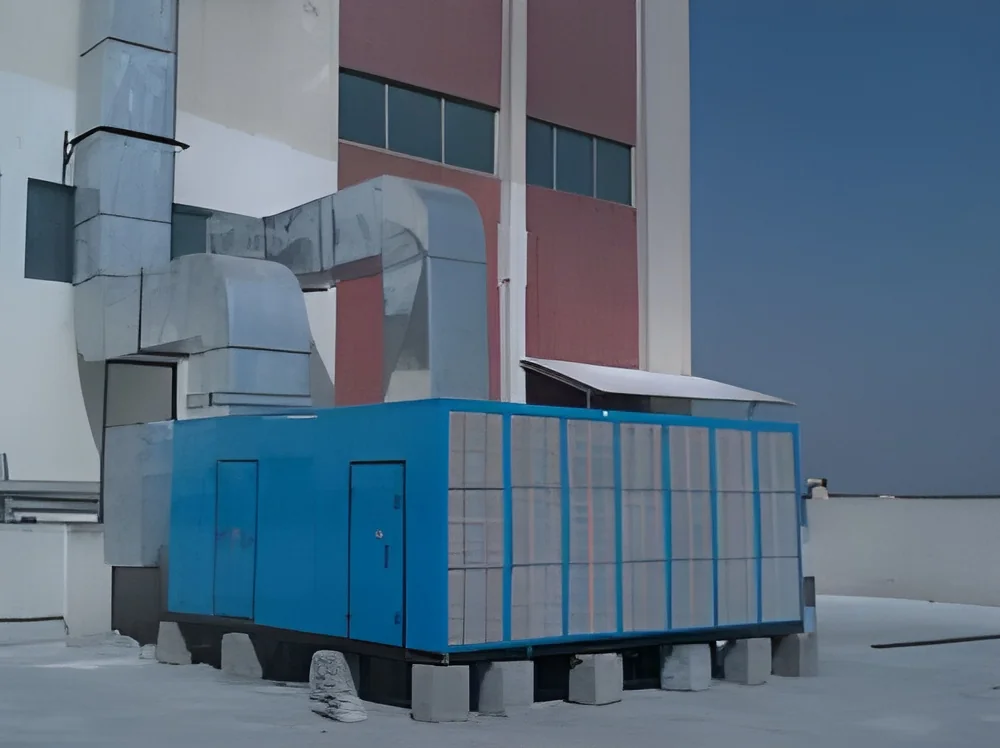
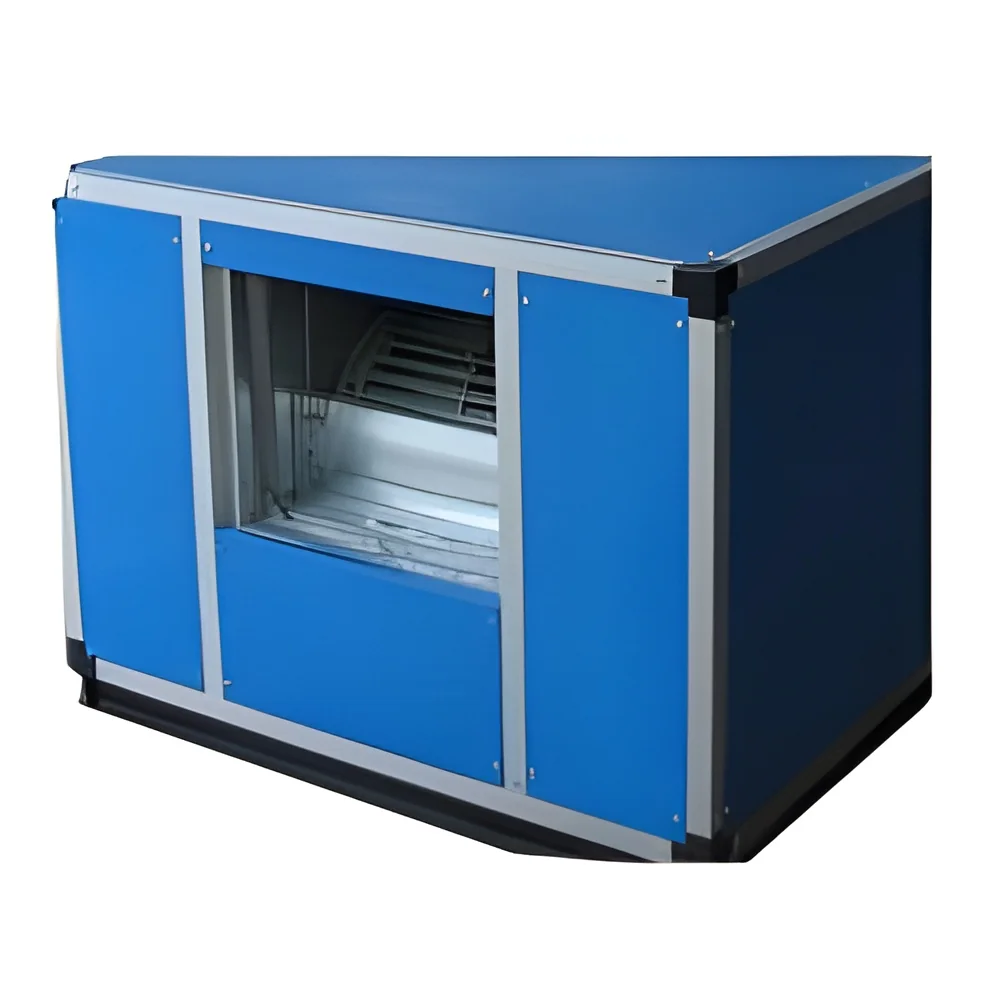
Precision Air Conditioning Systems are specialized cooling units designed to maintain strict temperature and humidity levels in critical environments. Unlike standard air conditioning systems, these units are engineered to provide consistent climate control, catering specifically to situations where fluctuations can lead to equipment failure or product degradation. They often incorporate advanced technologies for monitoring and controlling conditions, ensuring optimal performance in sensitive settings.
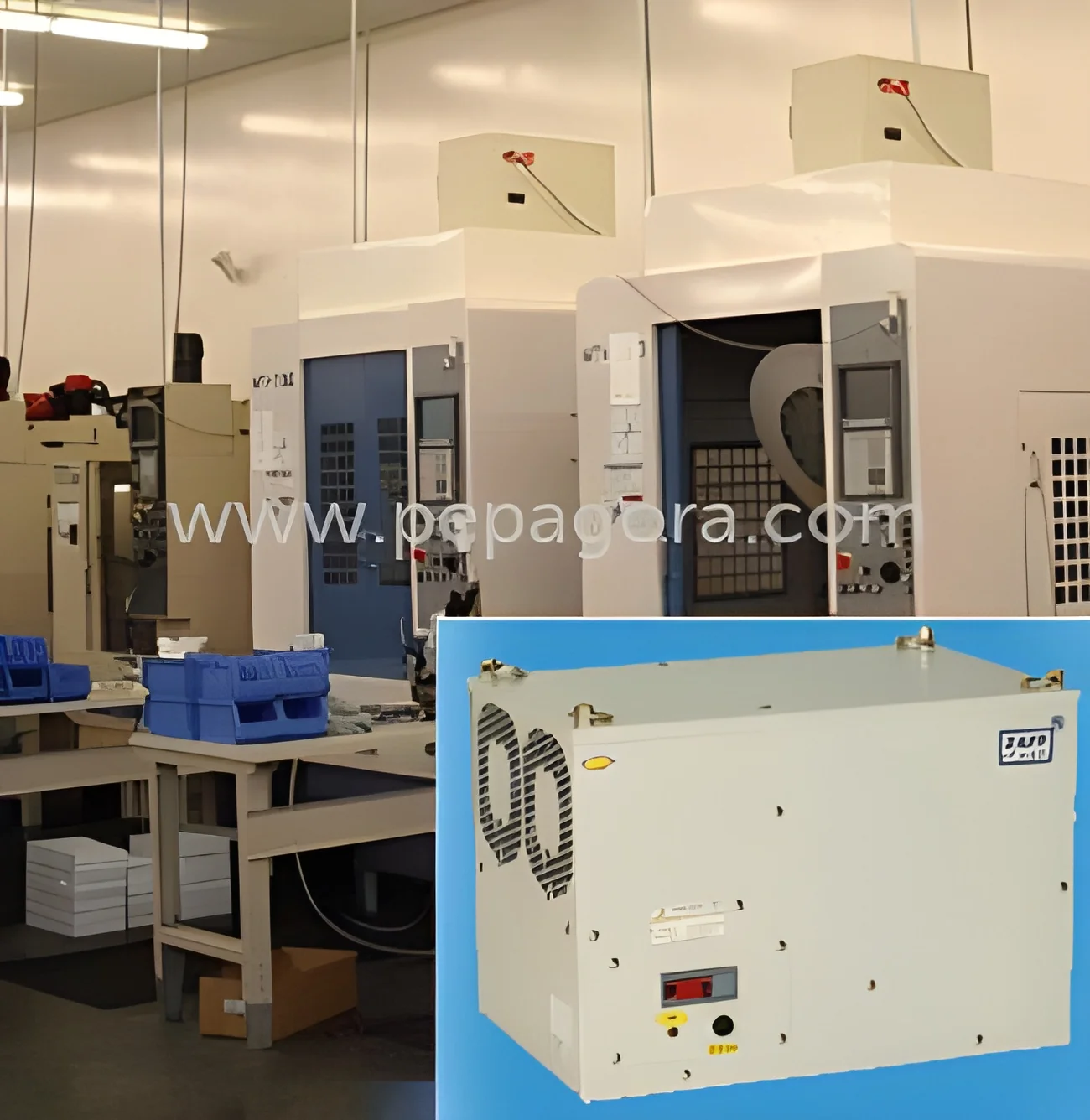
These systems find primary use in industries such as data centers, telecommunications, laboratories, and manufacturing facilities. In data centers, for instance, maintaining a stable temperature is crucial for protecting servers and data integrity. Similarly, laboratories require precise climate conditions to ensure accurate experimental results and compliance with regulations. The growing need for reliable cooling solutions in these sectors underscores the importance of Precision Air Conditioning Systems in today's marketplace.
As industries increasingly rely on technology and sensitive equipment, the demand for effective cooling solutions continues to rise. The market for Precision Air Conditioning Systems reflects this trend, with innovations and enhancements constantly being developed to meet evolving needs. Companies that prioritize climate control in their operations recognize the value of investing in these specialized systems to safeguard their assets.
Key Features and Specifications
Precision Air Conditioning Systems come equipped with a variety of features designed to enhance performance and reliability. Understanding these specifications is essential for businesses looking to invest in the right cooling solutions.
Key specifications include:
1. Temperature Control
- Maintains precise temperature settings typically within a range of 18-27 degrees Celsius.
- Features advanced thermostats for accurate readings.
2. Humidity Control
- Capable of regulating humidity levels between 30-70 percent relative humidity.
- Integrated humidistats for real-time monitoring.
3. Energy Efficiency
- Designed to operate with high energy efficiency ratings, reducing operational costs.
- Utilizes variable speed technology to adapt to cooling demands.
4. Noise Level
- Operates at low decibel levels to ensure a quiet environment.
- Sound-dampening materials used in construction.
5. Monitoring Features
- Equipped with remote monitoring capabilities for real-time data access.
- Alerts and notifications for maintenance needs or temperature fluctuations.
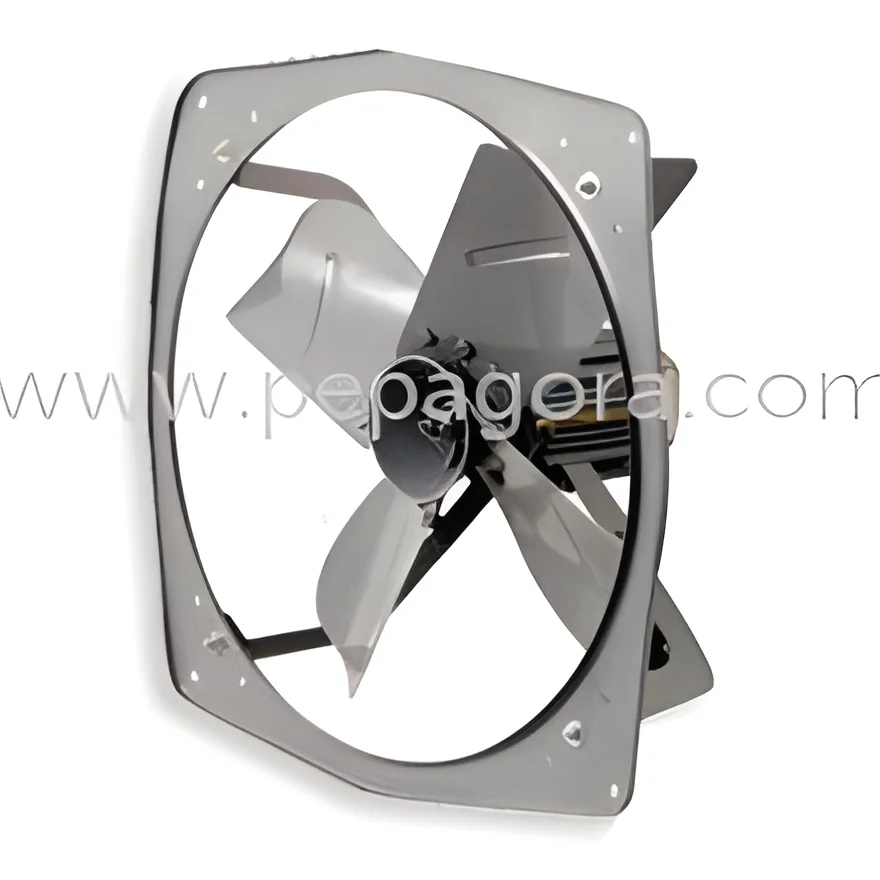
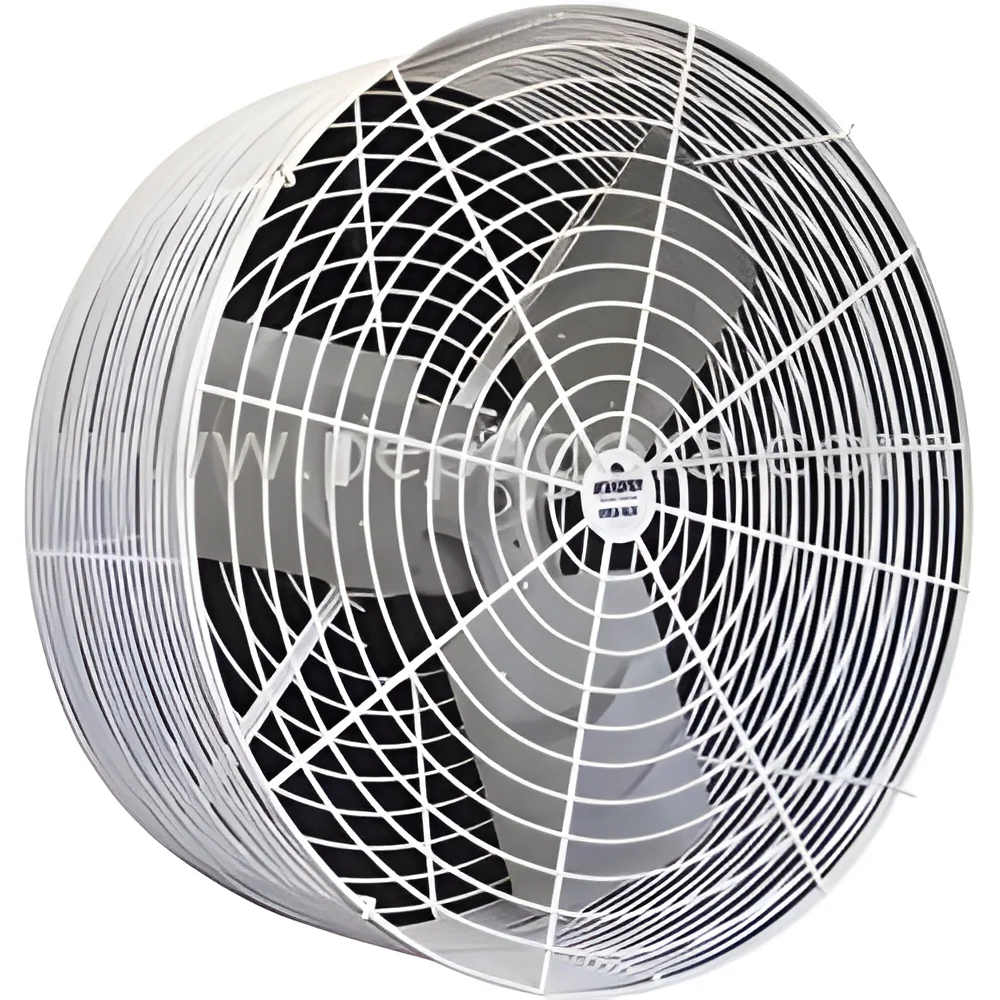
6. Airflow Management
- Features adjustable airflow settings to optimize cooling performance.
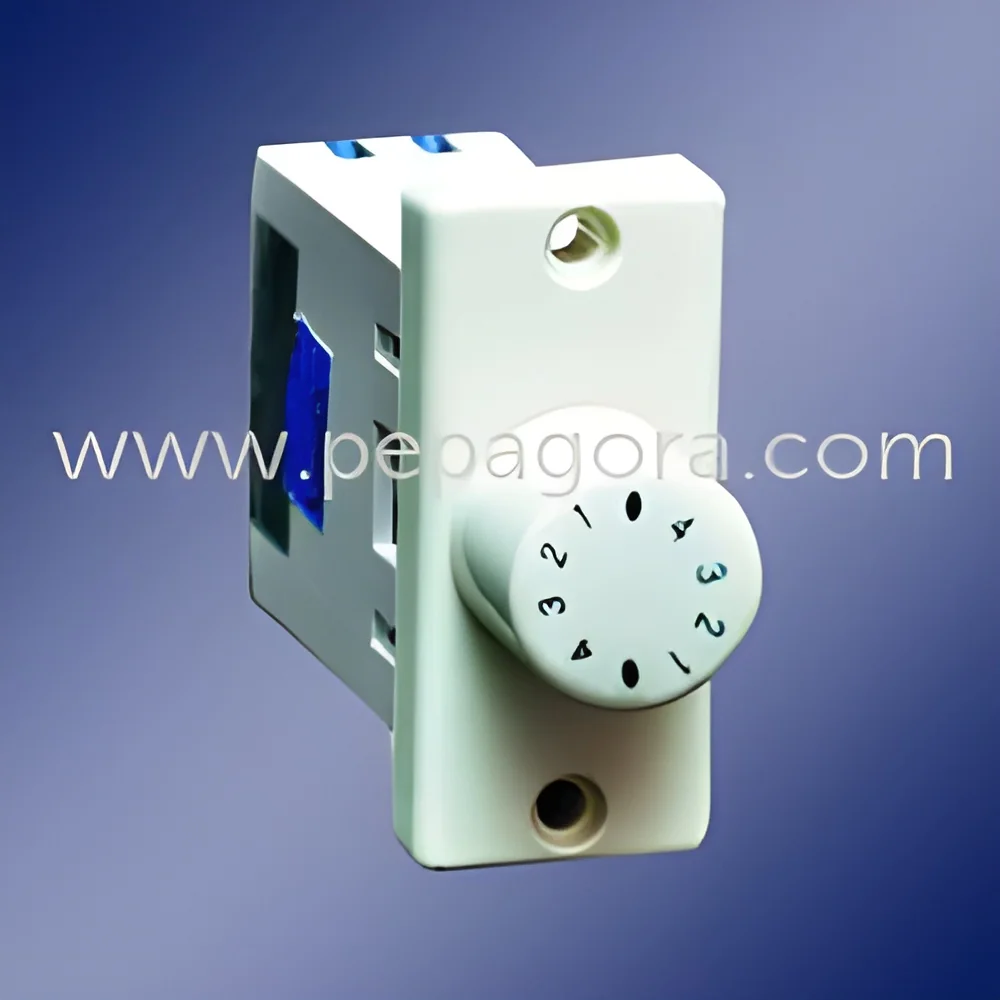
- Designed with multiple fan speeds for flexibility.
7. Safety Features
- Includes fail-safe mechanisms to prevent overheating or system failures.
- Built-in alarms for detecting system malfunctions.
8. Compact Design
- Space-saving units designed for installation in limited spaces.
- Modular components for easy upgrades and maintenance.
In summary, Precision Air Conditioning Systems are characterized by their robust specifications and features that cater to the unique requirements of critical environments.
Common Applications and Use Cases
Precision Air Conditioning Systems are utilized across a wide range of industries, each benefiting from tailored climate control solutions.
1. Data Centers: These facilities require constant temperature regulation to protect sensitive electronic equipment and maintain server performance.
2. Telecommunications: Precision air conditioning ensures optimal operating conditions for telecommunications equipment, preventing downtime due to overheating.
3. Laboratories: Controlled environments are crucial for experiments and research, making these systems essential in laboratories for maintaining specific temperature and humidity levels.
4. Pharmaceuticals: In the pharmaceutical industry, precise climate control is necessary for storing sensitive medications and vaccines, ensuring their efficacy.
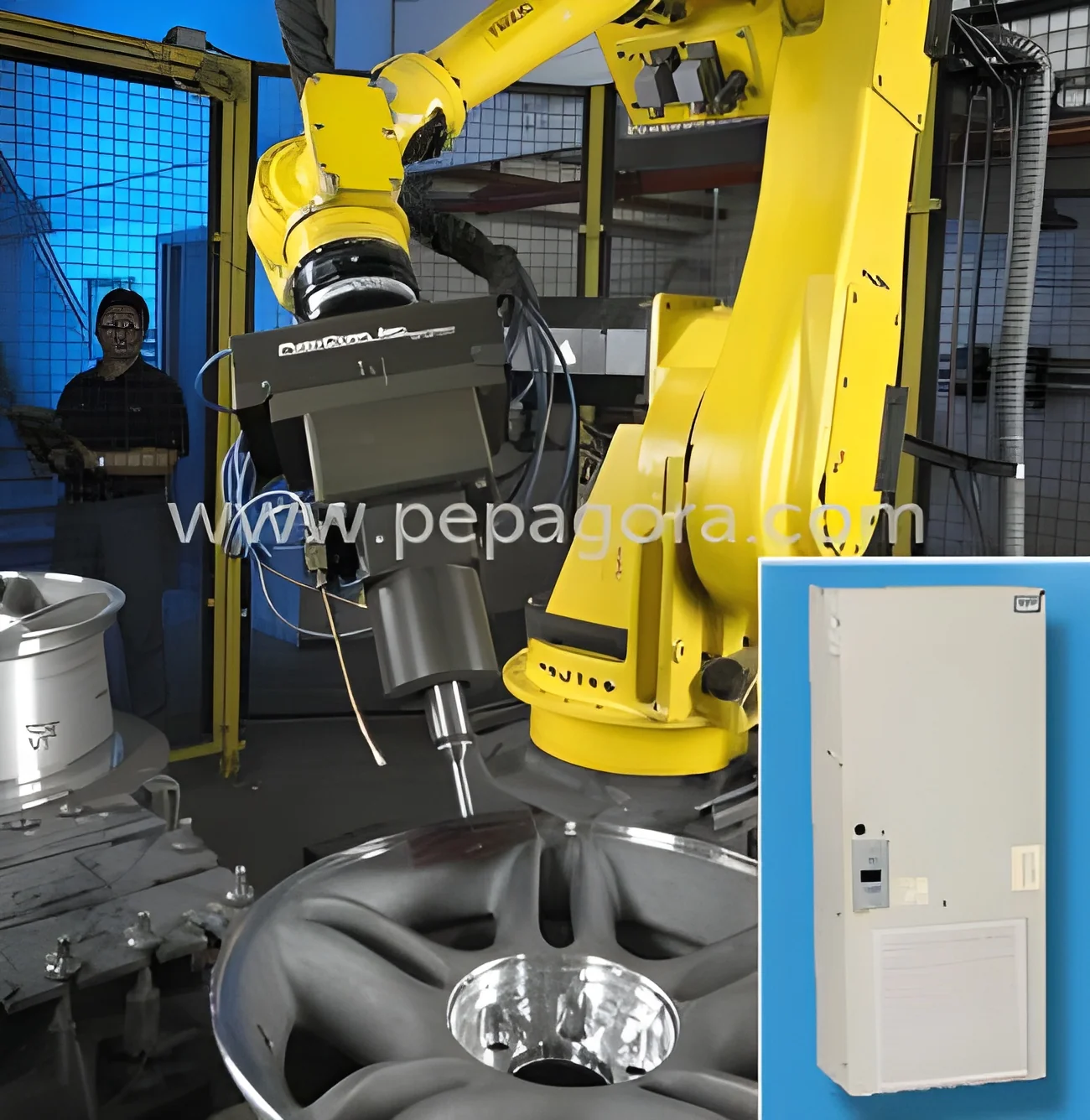
5. Manufacturing: Certain manufacturing processes require stringent climate conditions to maintain quality and consistency in product output.
6. Museums: Artifacts and exhibits are preserved in stable environments, safeguarding them from damage caused by temperature and humidity fluctuations.
7. Clean Rooms: Precision air conditioning is critical in clean room environments to meet strict cleanliness and climate control standards.
Product Variants and Subcategories
Precision Air Conditioning Systems offer various configurations to meet diverse cooling requirements.
Small Footprint Units
These compact systems are ideal for environments with limited space. They are designed to deliver efficient cooling without compromising performance.
High Capacity Units
Engineered for larger facilities, these units can handle higher cooling loads while maintaining precise environmental conditions.
Modular Systems
These systems allow for scalability, making them suitable for growing operations that may need to expand their cooling capabilities over time.
Cooling Towers
Used in conjunction with other systems, cooling towers enhance overall efficiency and can support larger installations.
Benefits and Advantages
Investing in Precision Air Conditioning Systems brings numerous advantages to businesses.
Key benefits include:
1. Enhanced Equipment Longevity: Consistent temperature and humidity control protect sensitive equipment, extending its lifespan.
2. Improved Operational Efficiency: These systems operate efficiently, which can lead to significant cost savings on energy bills.
3. Increased Productivity: A stable environment helps employees work effectively, minimizing disruptions caused by climate-related issues.
4. Compliance Assurance: Precision air conditioning assists businesses in meeting industry standards and regulatory requirements.
5. Reduced Risk of Product Loss: Maintaining optimal conditions helps prevent spoilage or damage to sensitive products.
6. Customization Opportunities: Many systems offer customizable features to suit specific business needs and operational requirements.
Buying Guide for B2B Buyers
When considering the purchase of Precision Air Conditioning Systems, several factors should be evaluated to ensure a suitable choice.
1. Quality Assessment: Look for systems that meet recognized quality standards. Reliable performance and durability are crucial for critical applications.
2. Supplier Verification: Vet potential suppliers thoroughly to ensure they have a good reputation and proven track record in the industry.
3. Pricing and MOQ: Understand the pricing structure and minimum order quantities to align with your budget and volume needs.
4. Delivery and Lead Times: Confirm delivery schedules and lead times to avoid disruptions in your operations.
5. Compliance Requirements: Ensure that the systems meet any relevant regulatory compliance needs specific to your industry.
Compliance and Certifications
Precision Air Conditioning Systems must adhere to various quality standards and certifications to ensure reliability and safety. ISO 9001 is a relevant standard that emphasizes a quality management system, ensuring that products consistently meet customer and regulatory requirements.
CE certification is also important, indicating that the systems comply with European health, safety, and environmental protection standards.
Safety and testing requirements are critical to ensuring that these systems operate effectively without posing risks to users or equipment.
Regional compliance considerations may vary depending on the geographic area in which the systems are used, so it is essential to understand local regulations when sourcing equipment.
Why Source Precision Air Conditioning Systems from Pepagora?
Pepagora provides a trusted platform for sourcing Precision Air Conditioning Systems, offering several key advantages to businesses.
Verified Supplier Network: Pepagora ensures that all suppliers are thoroughly vetted, providing buyers with confidence in their procurement decisions. This network includes experienced manufacturers known for their quality and reliability.
Streamlined RFQ Process: The quotation system simplifies the process of obtaining competitive prices from various suppliers, allowing businesses to compare options efficiently.
Trade Assurance and Support: Pepagora offers buyer protection through its trade assurance program, ensuring that transactions are secure and that buyers receive the support they need throughout the purchasing process.
Regional Coverage: With a strong presence in India, the GCC, and Southeast Asia, Pepagora facilitates access to a wide range of suppliers, making it easier for businesses to find the right Precision Air Conditioning Systems for their needs.

 IN
IN