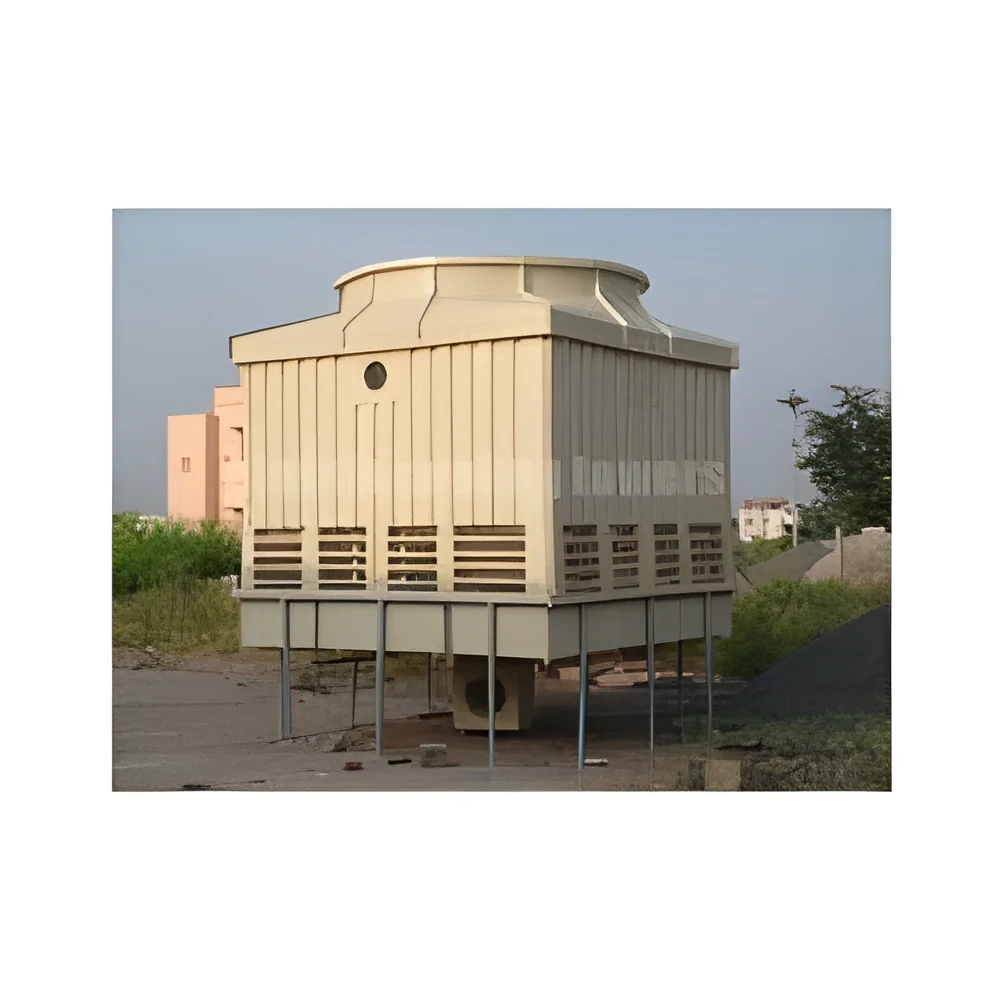
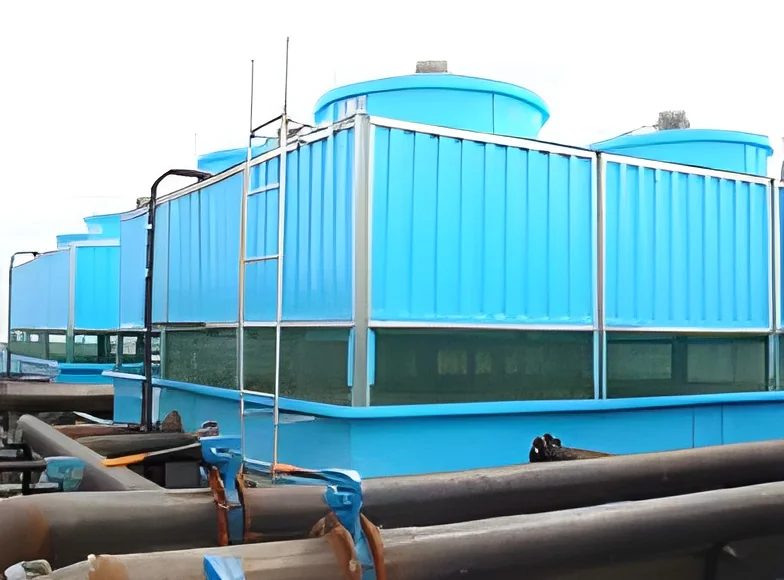
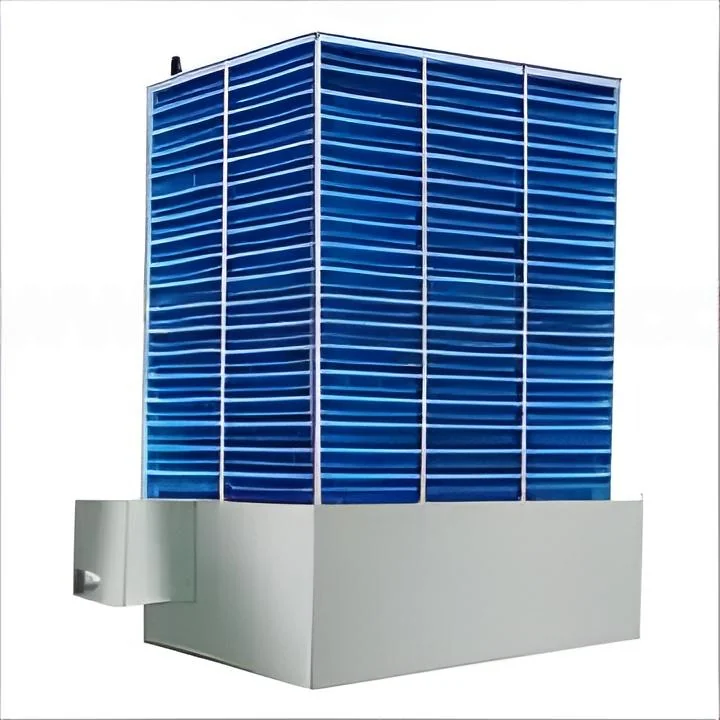
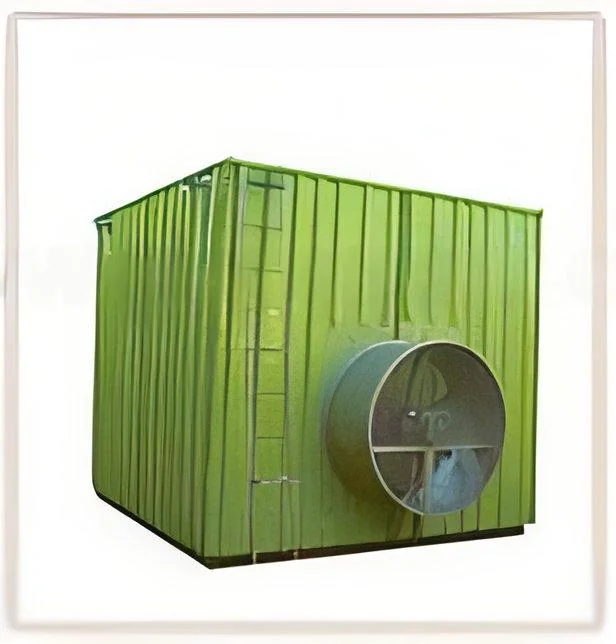
What are Cooling Towers (FRP, Wooden)?
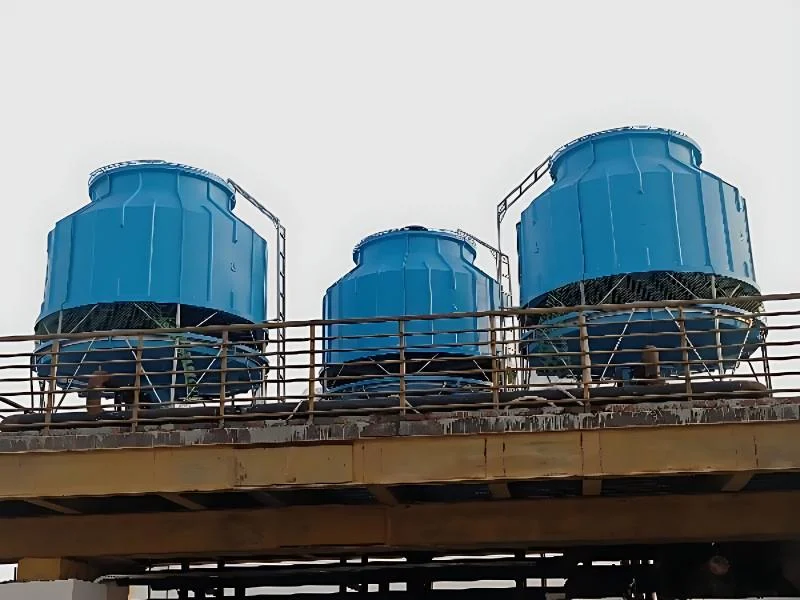
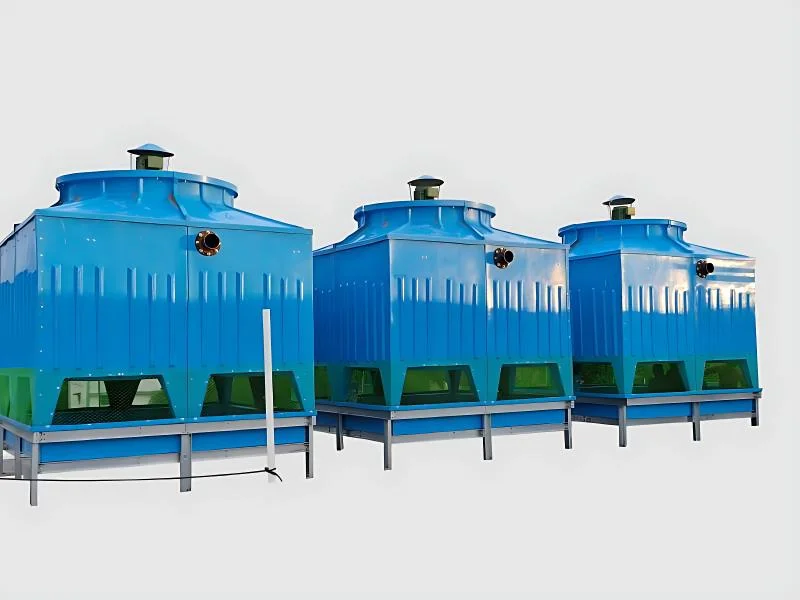
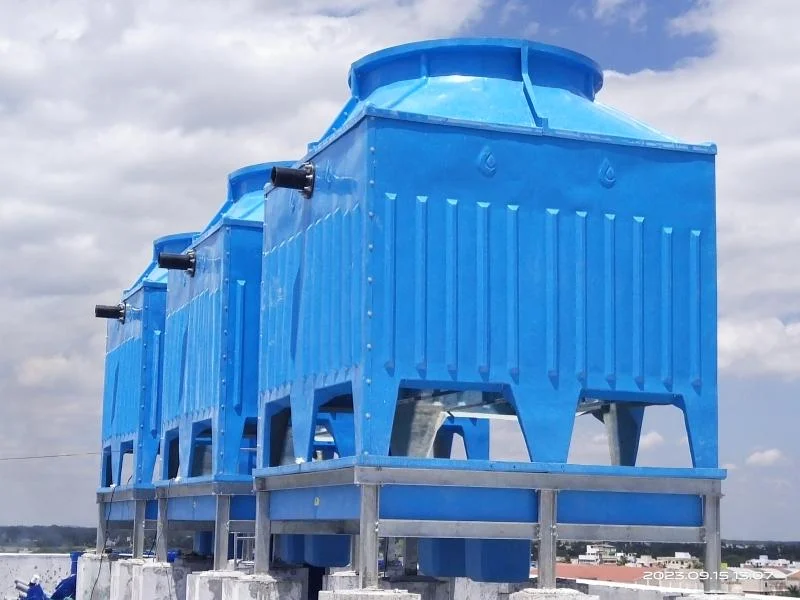
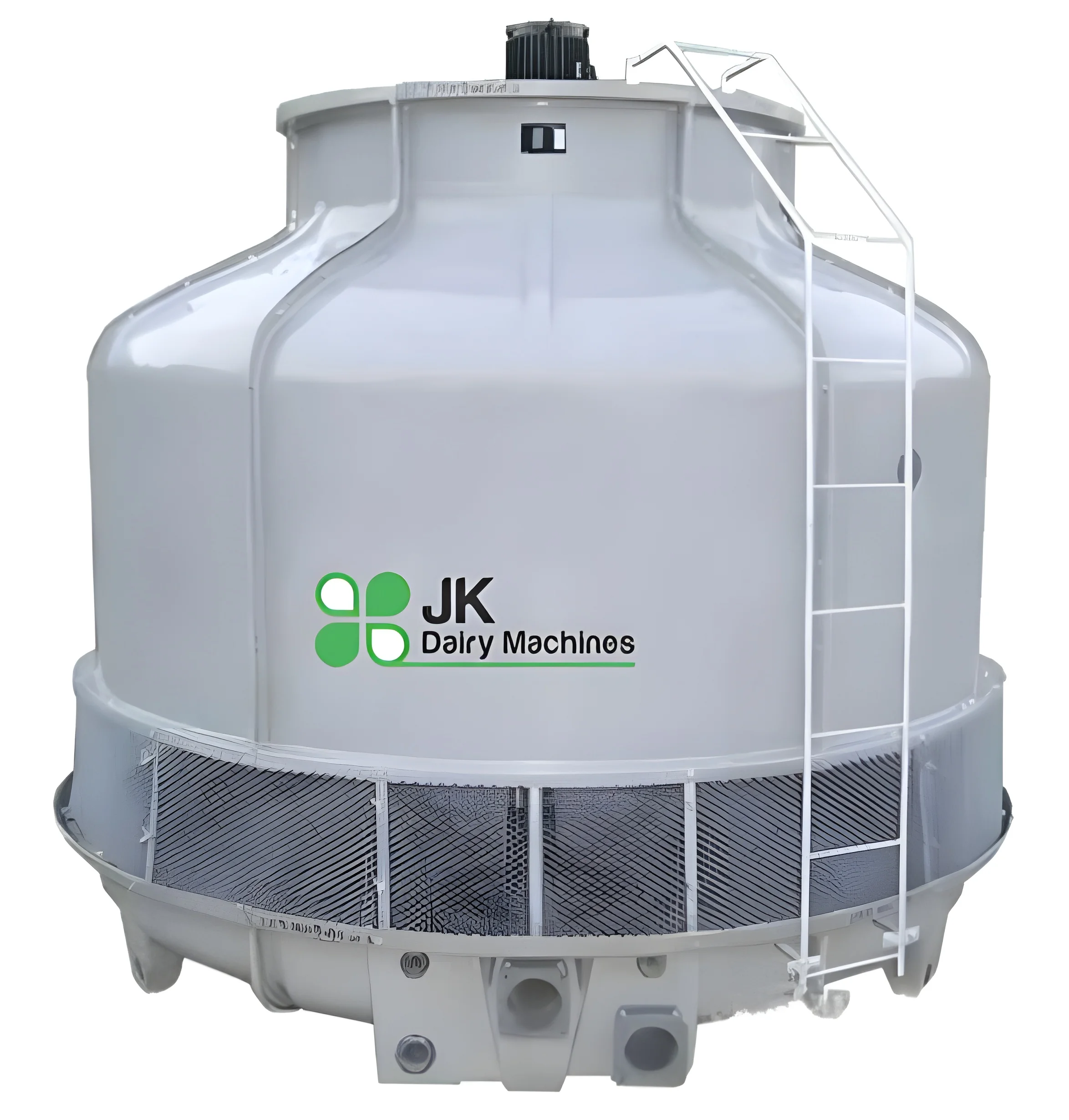
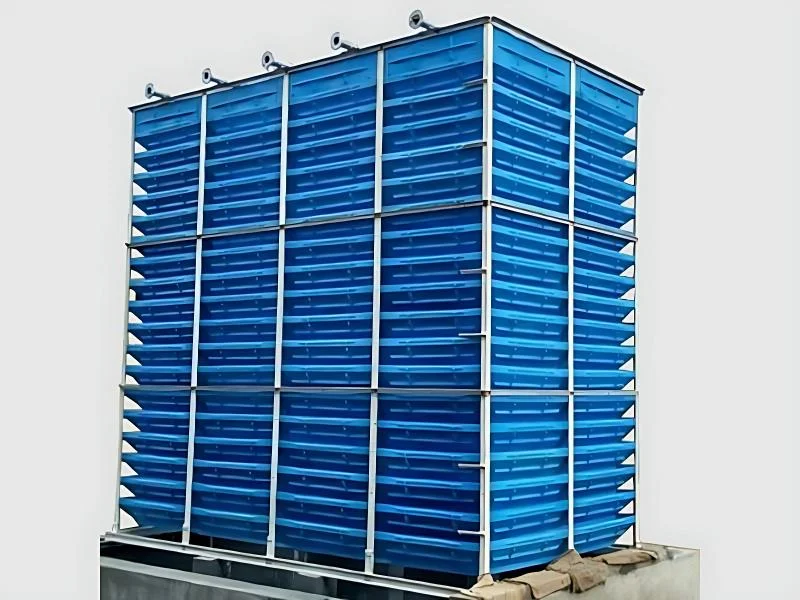
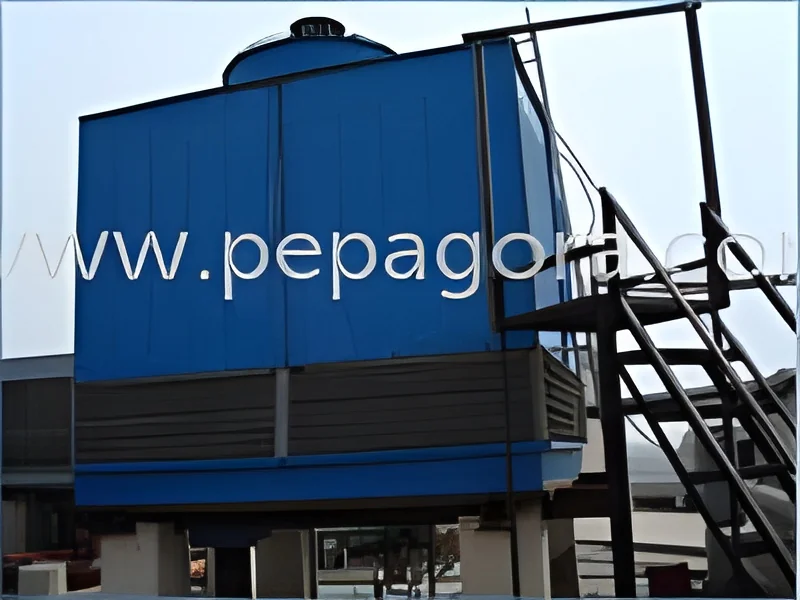
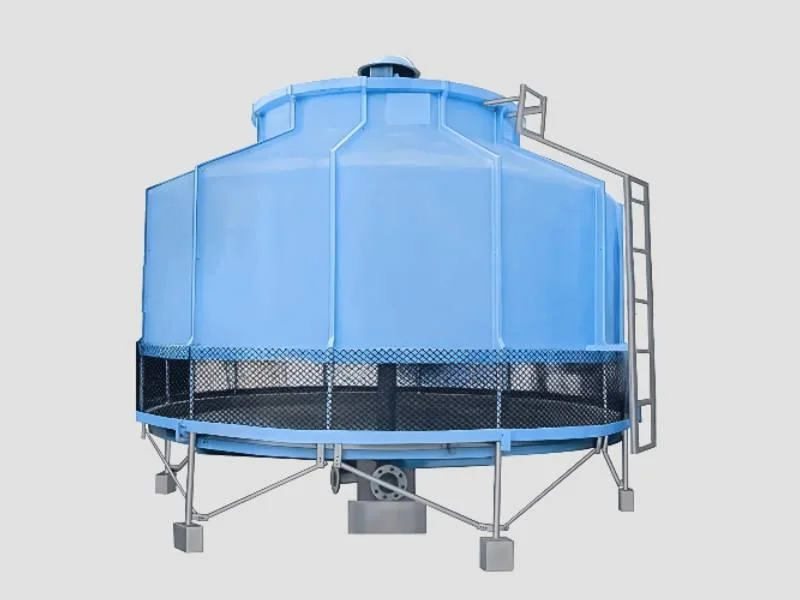
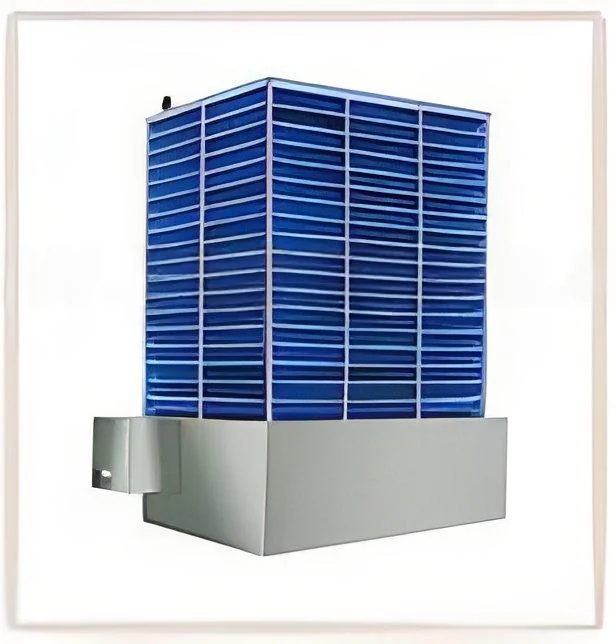
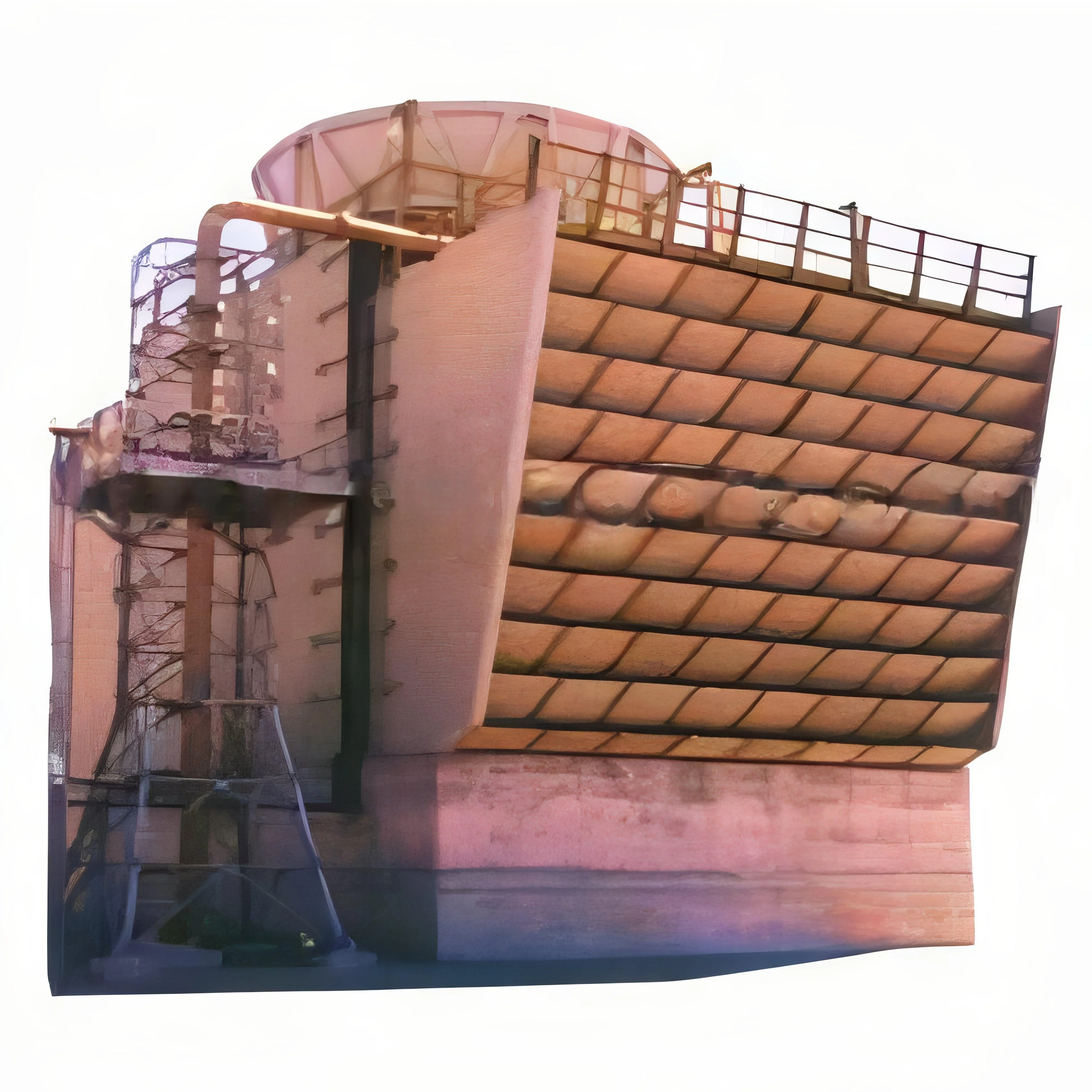
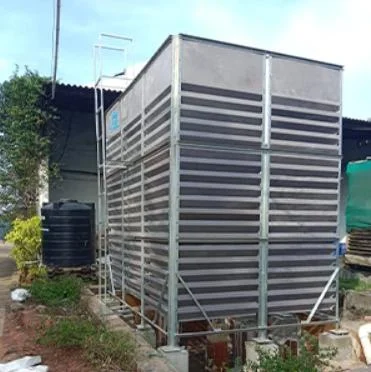
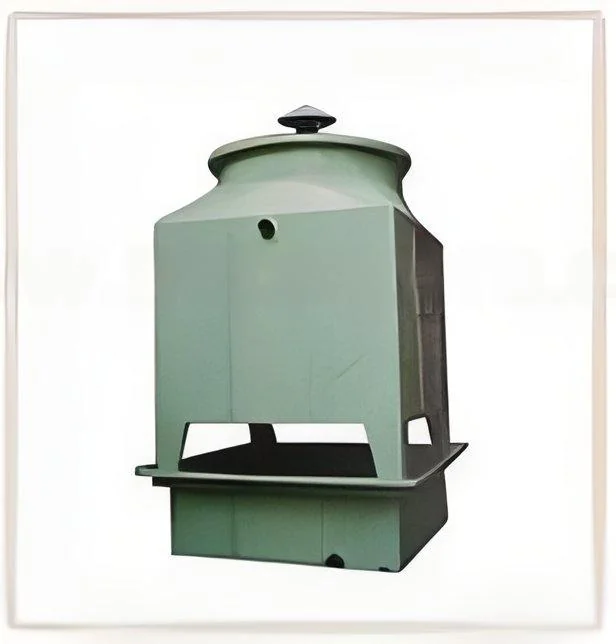
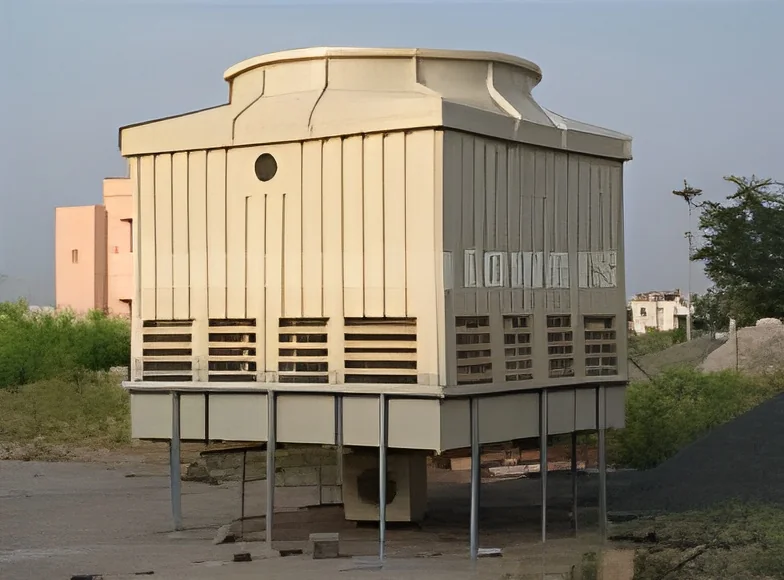
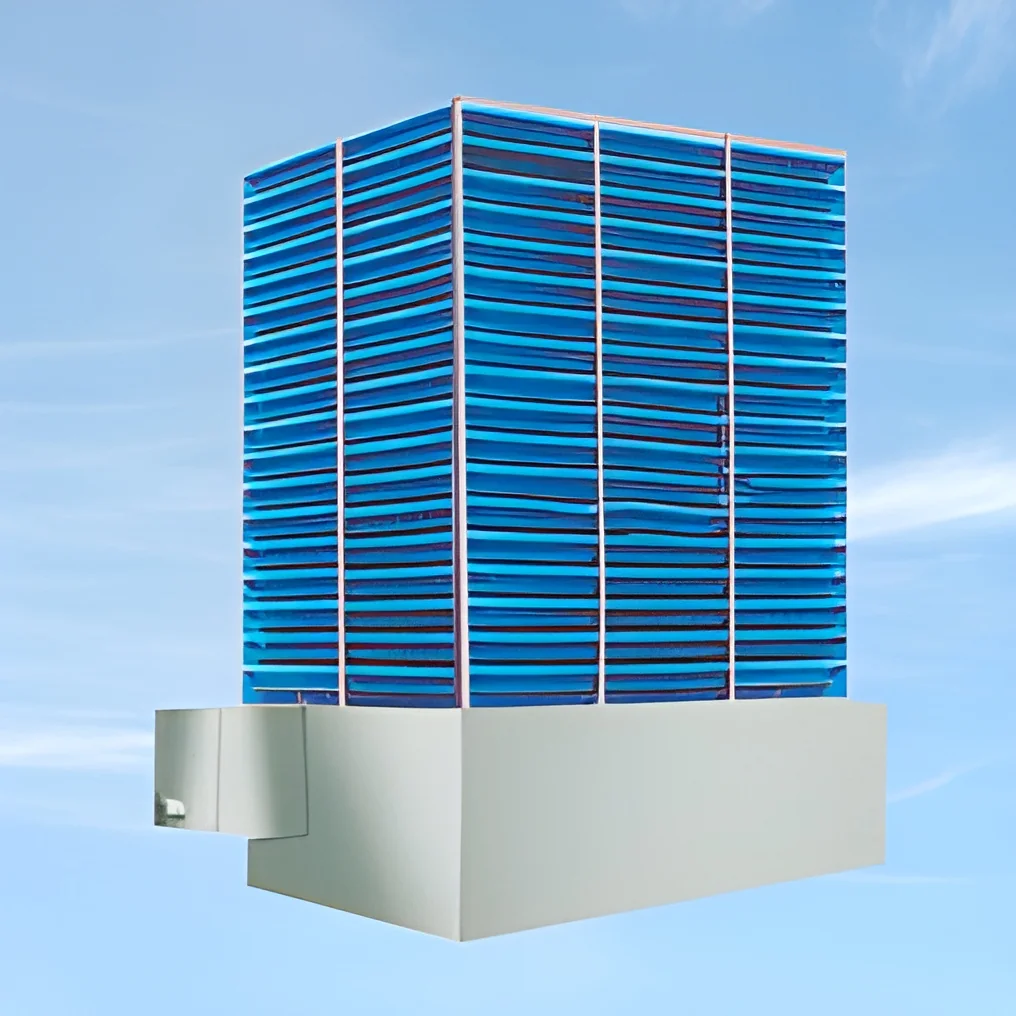
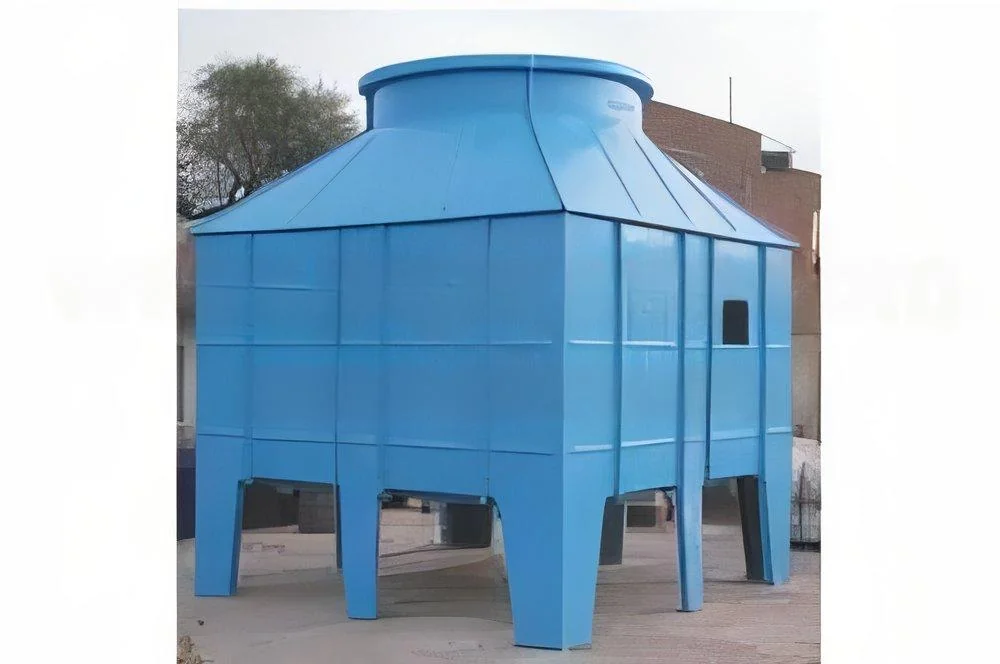
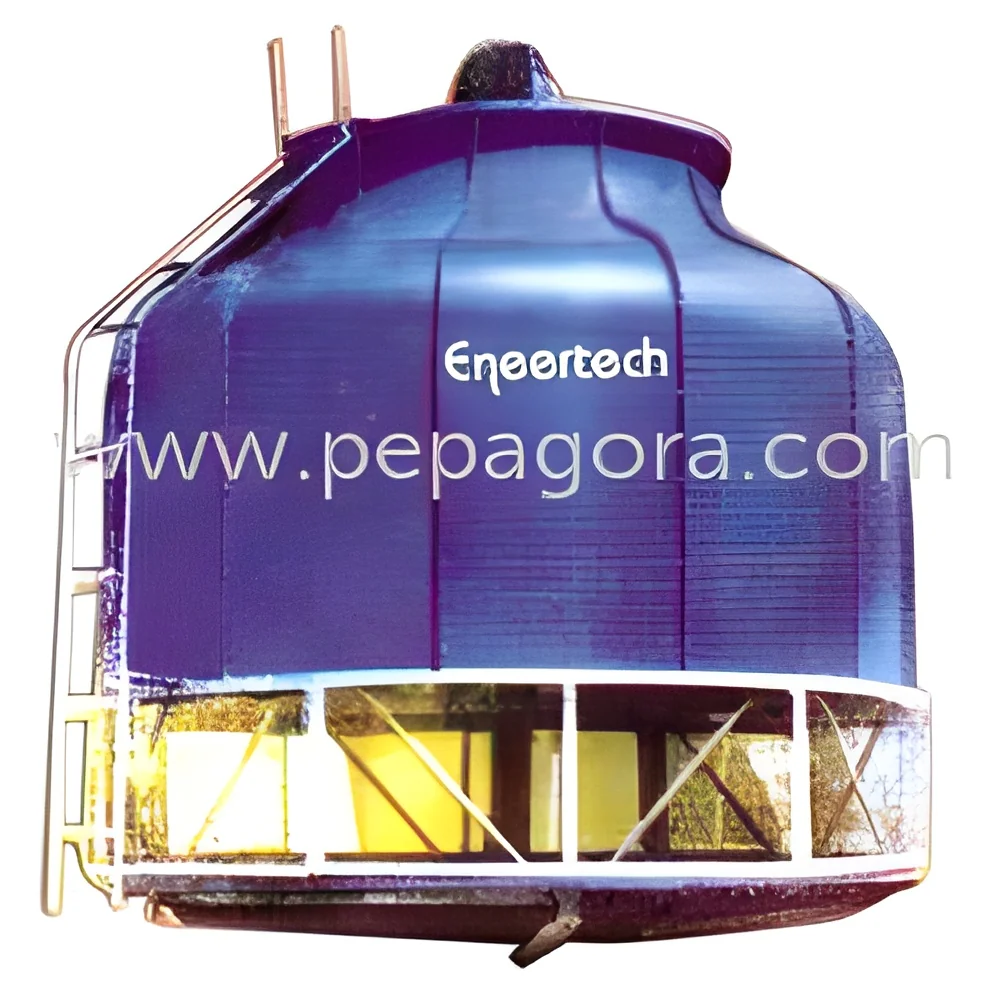
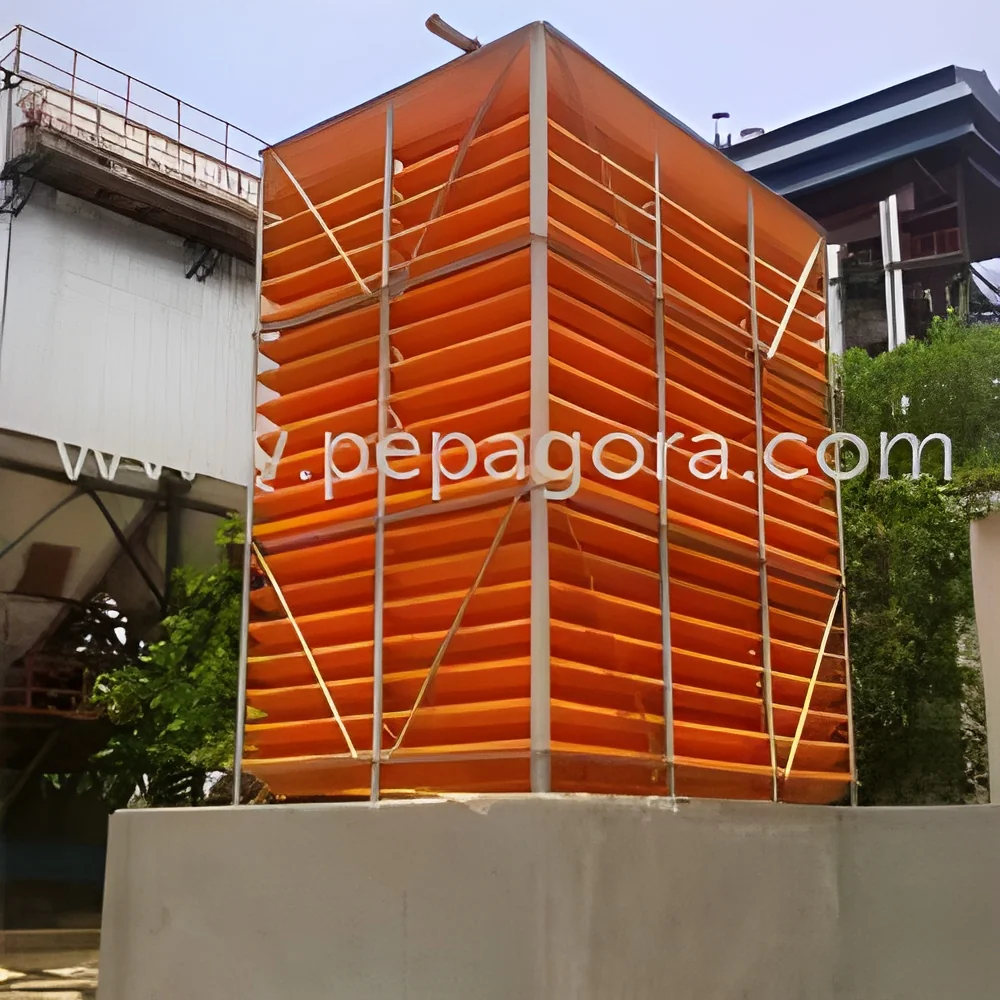
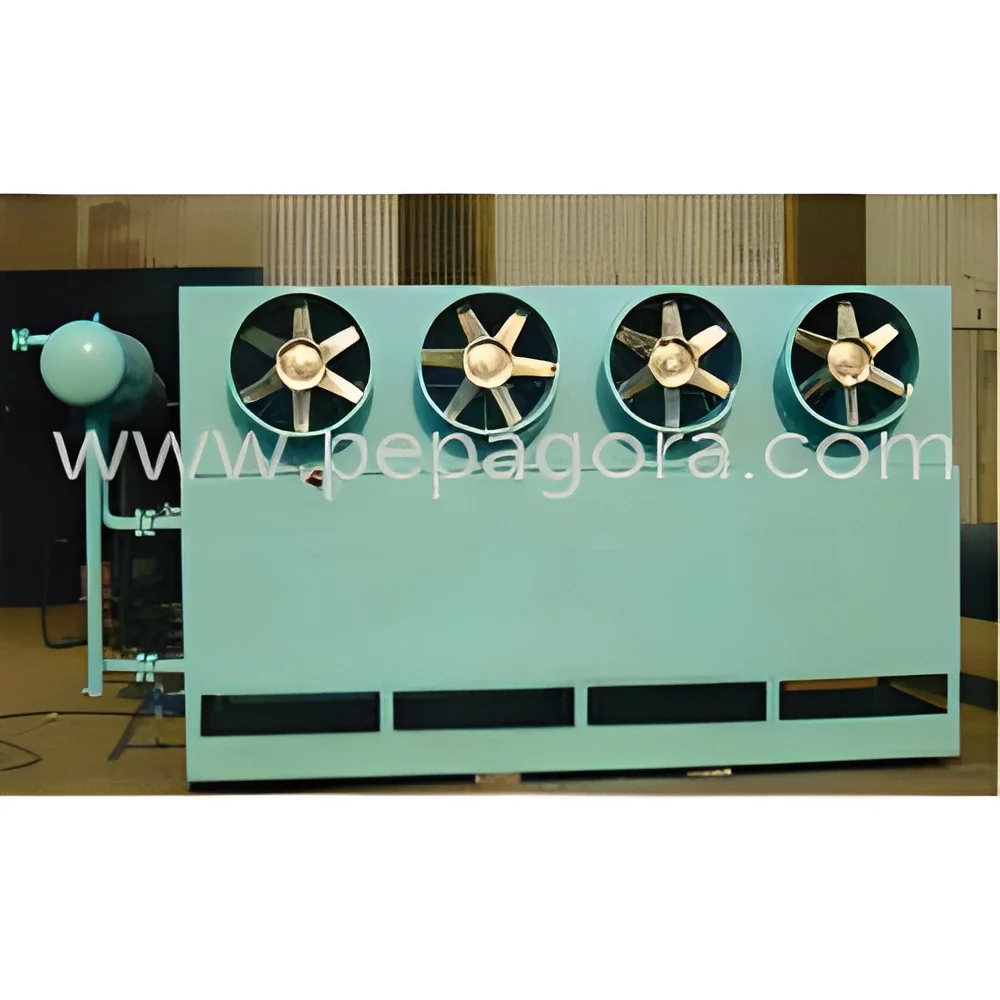
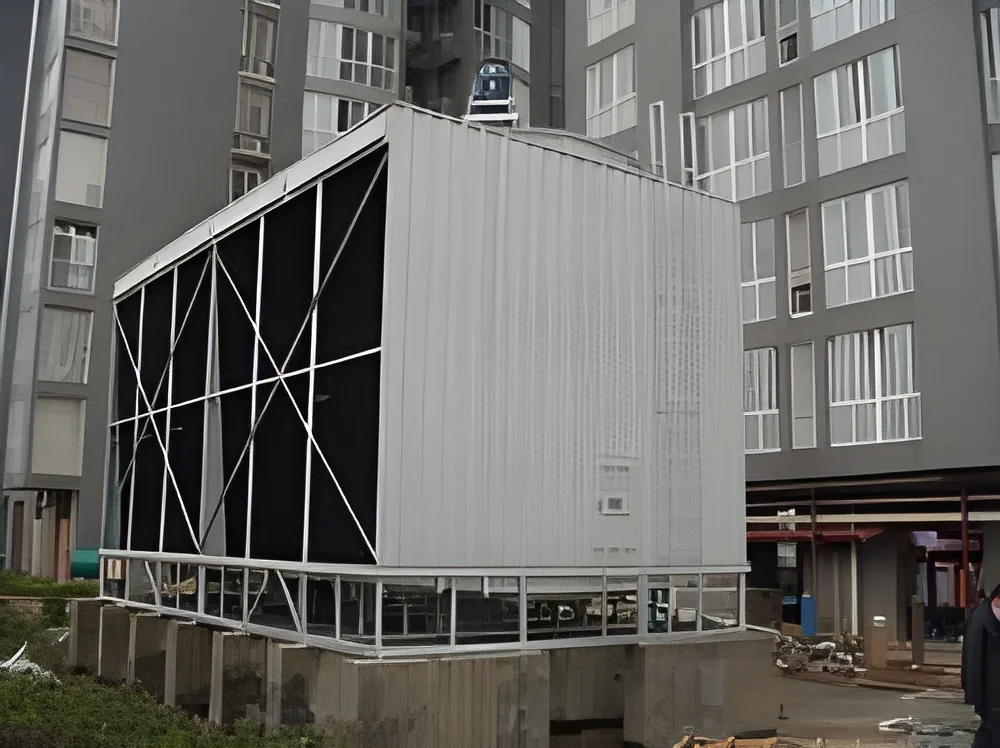
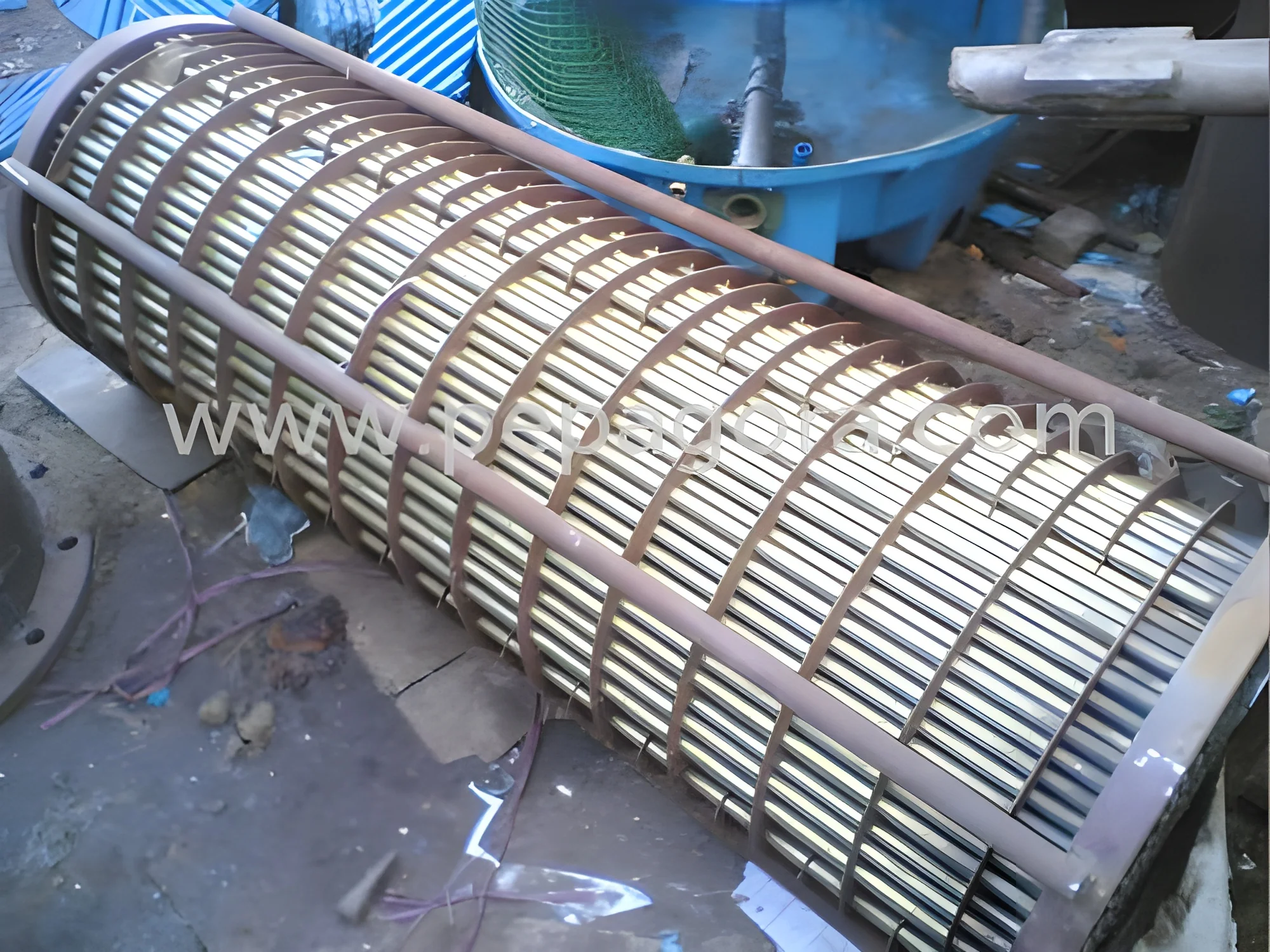
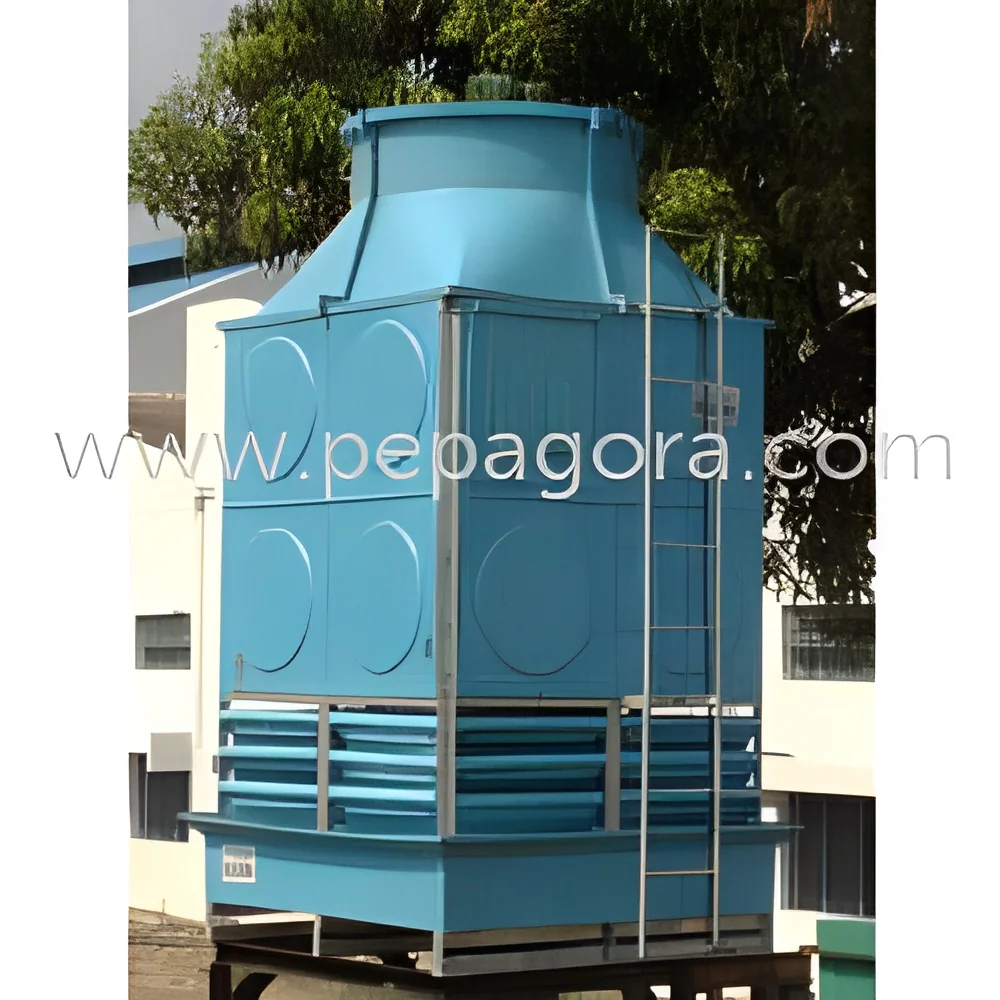
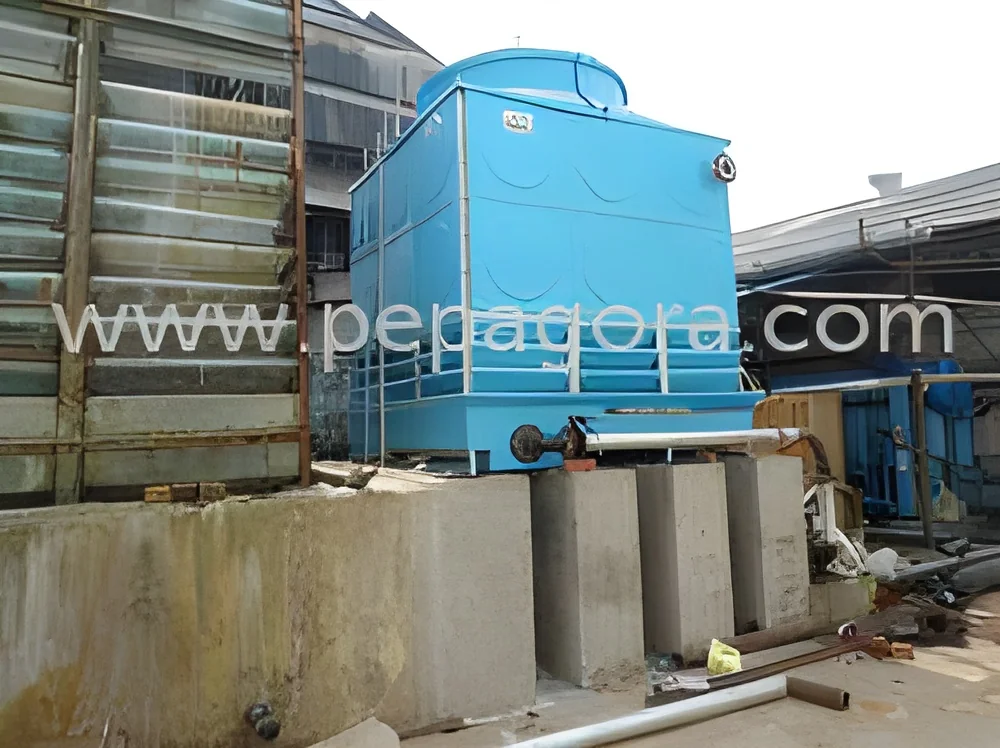
Cooling towers are heat exchangers that remove heat from water by evaporating a small portion of the water. They are essential components in various industrial processes, especially in power plants, manufacturing facilities, and HVAC systems. Cooling towers come in two primary materials: fiberglass-reinforced plastic (FRP) and wood. FRP cooling towers are known for their corrosion resistance and longevity, while wooden cooling towers offer a traditional approach with a natural aesthetic and good thermal performance.
These cooling systems are primarily used to cool water that has been heated during industrial processes. The cooled water is then recirculated back into the system, ensuring optimal operating temperatures. Cooling towers play a crucial role in enhancing the efficiency of thermal management systems in diverse applications. As industries seek to improve energy efficiency and reduce water consumption, the demand for effective cooling solutions continues to grow.
The relevance of cooling towers in the industrial landscape is significant. With advancements in technology and increasing regulations on energy use, businesses are adopting cooling towers as a means to meet compliance standards while maintaining operational efficiency. The global market for cooling towers is expanding, driven by the ongoing growth in sectors such as power generation, manufacturing, and HVAC.
𝗞𝗲𝘆 𝗙𝗲𝗮𝘁𝘂𝗿𝗲𝘀 𝗮𝗻𝗱 𝗦𝗽𝗲𝗰𝗶𝗳𝗶𝗰𝗮𝘁𝗶𝗼𝗻𝘀
Cooling towers are designed with several key features that enhance their performance and efficiency. Understanding these specifications is crucial for selecting the right cooling tower for specific applications.
Key specifications include:
1. Material Composition
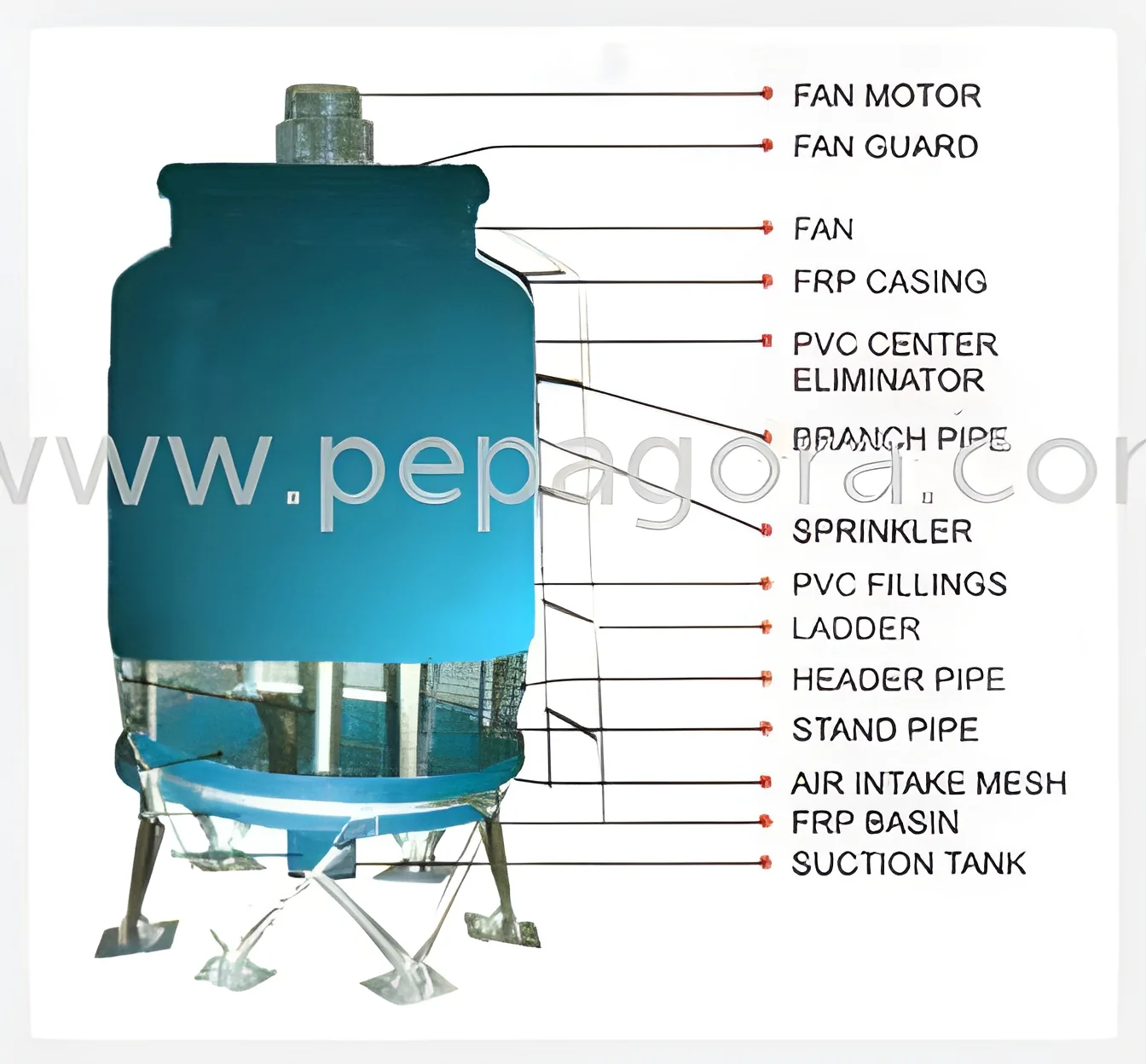
- FRP cooling towers are lightweight, corrosion-resistant, and require minimal maintenance.
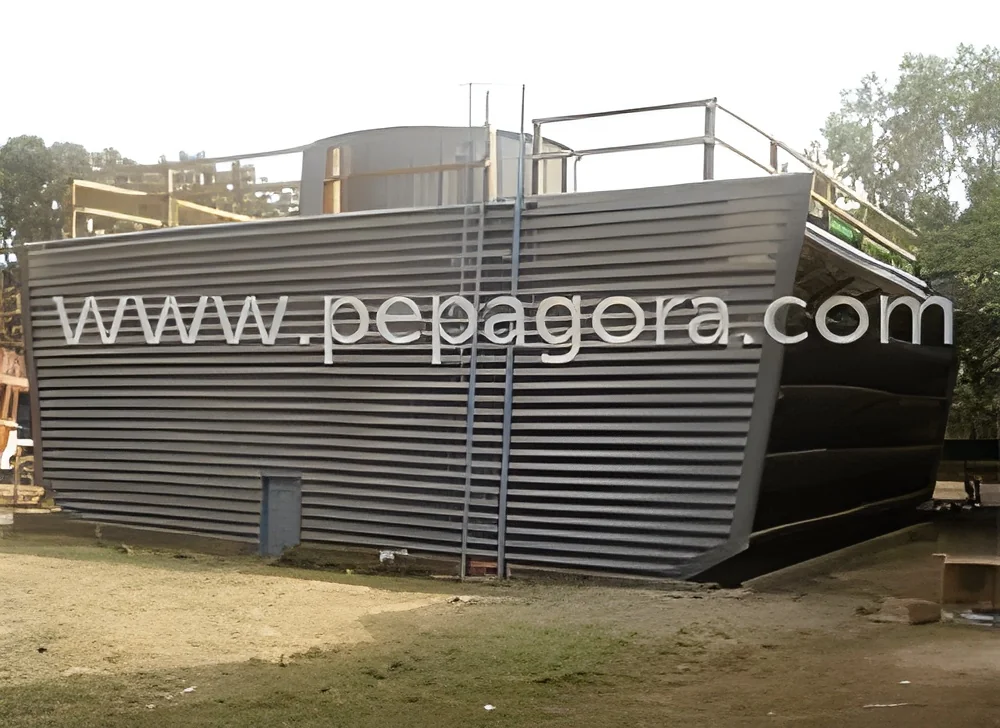
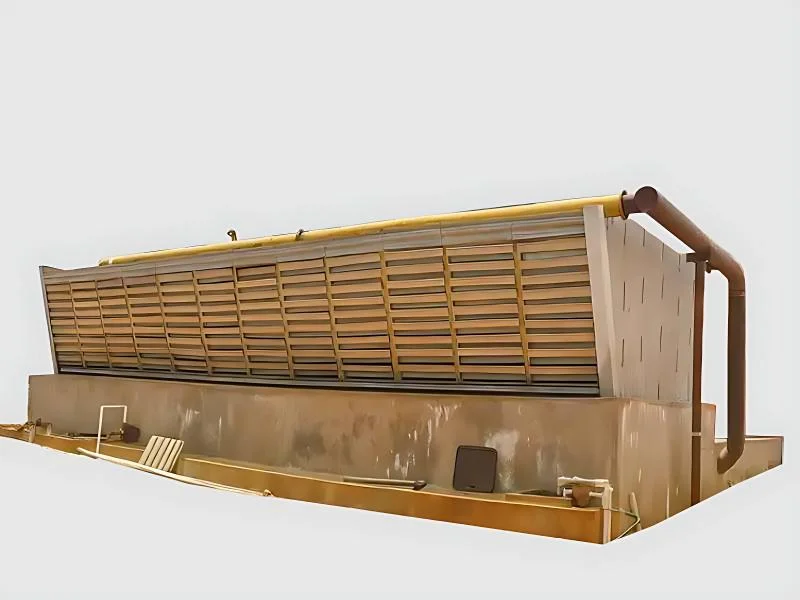
- Wooden cooling towers offer high thermal efficiency and are constructed from durable timber.
2. Cooling Capacity
- Cooling towers can be designed to handle varying heat loads, typically ranging from 100 tons to several thousand tons.
3. Airflow Design
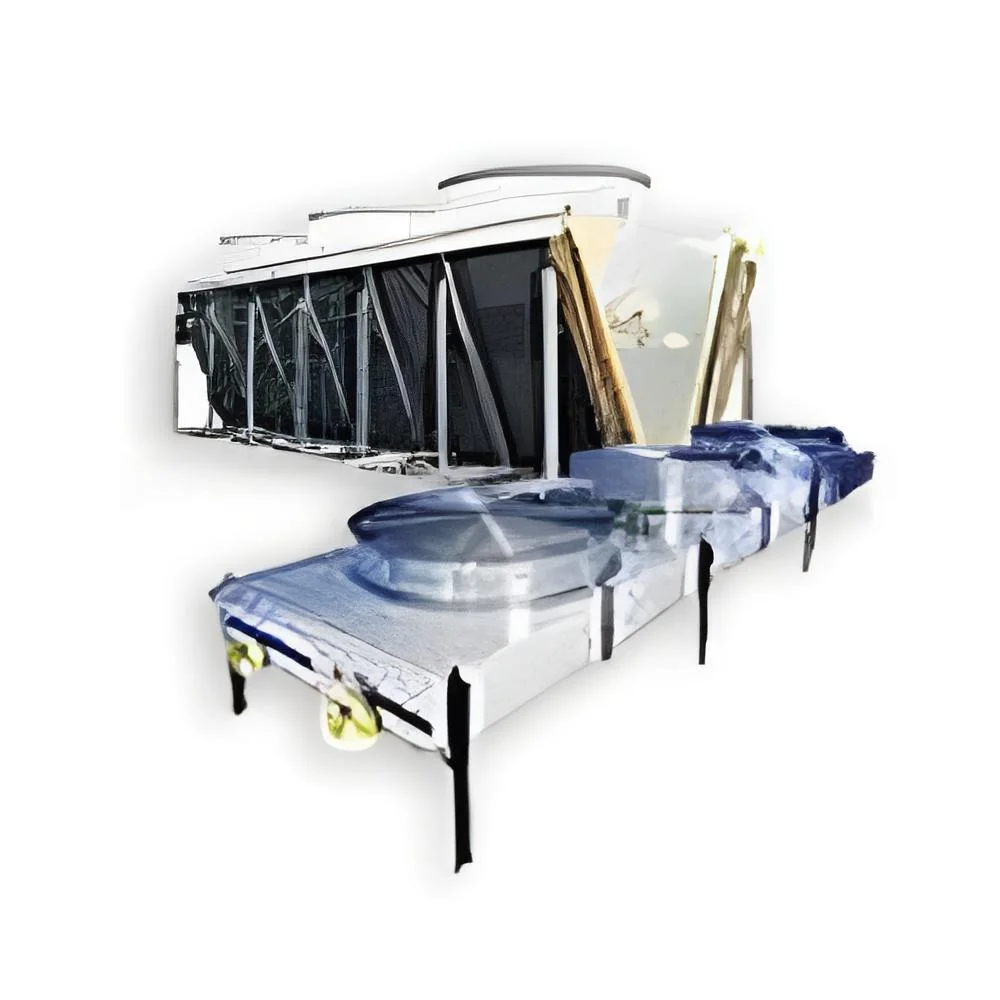
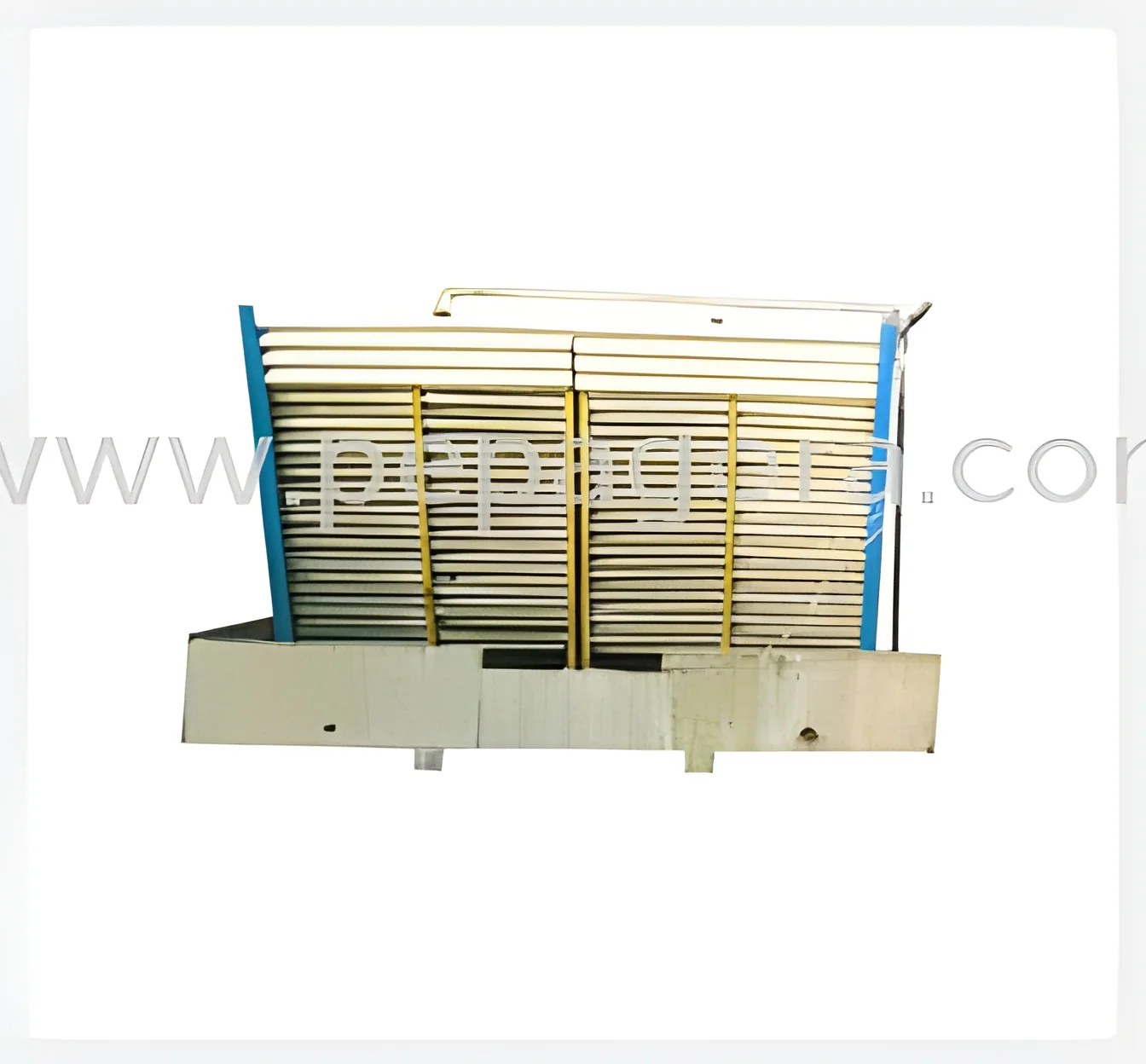
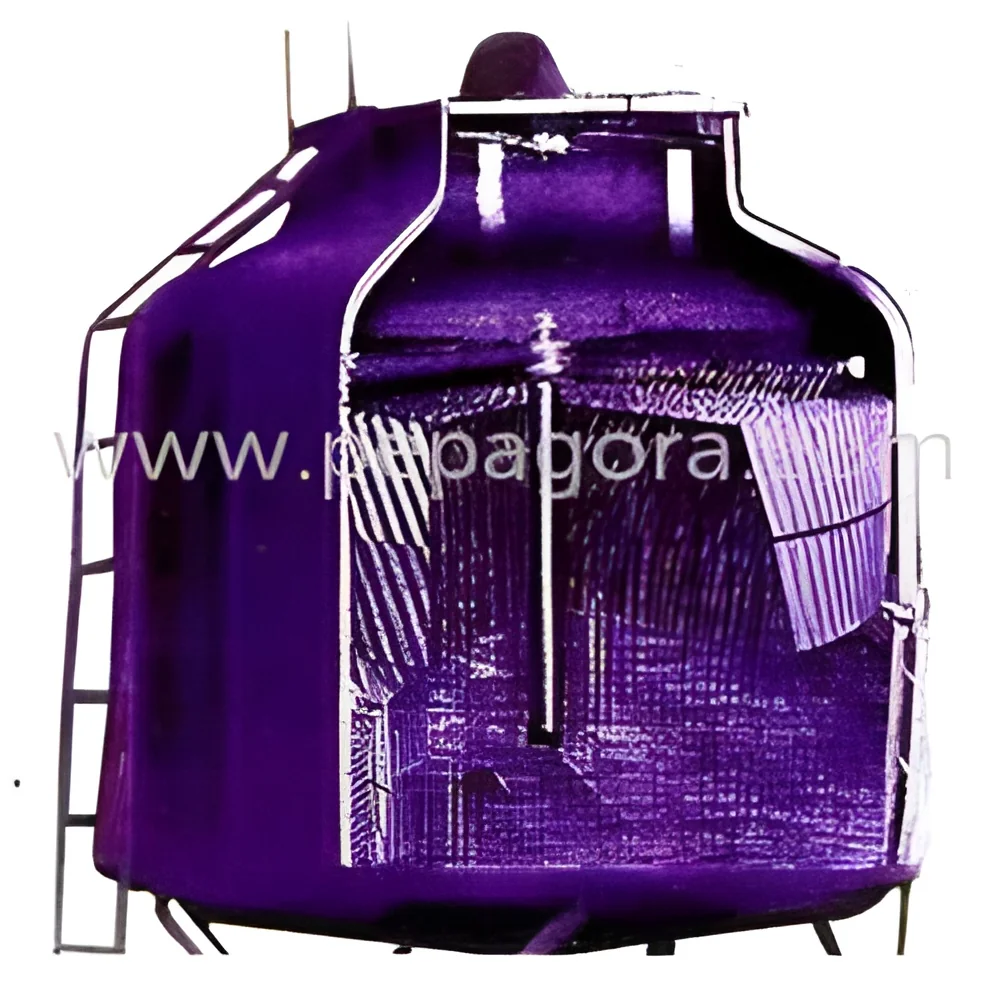
- Counterflow and crossflow designs are common, impacting the tower's efficiency and placement in the system.
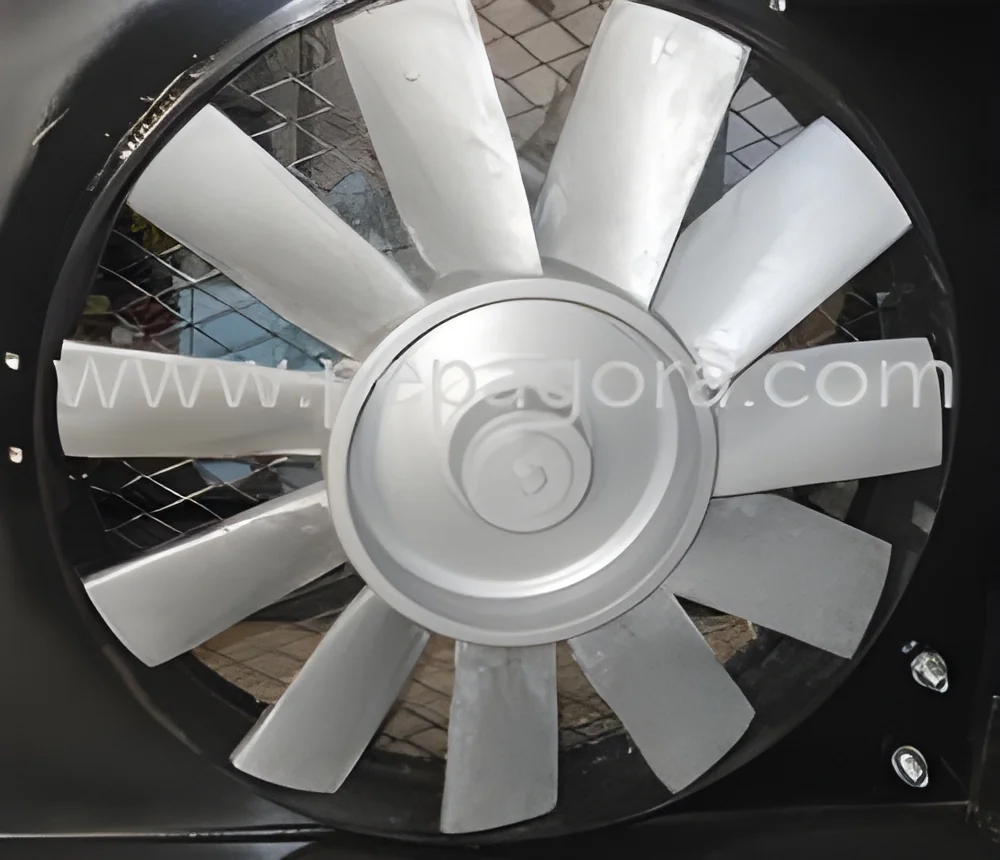
4. Fan Type
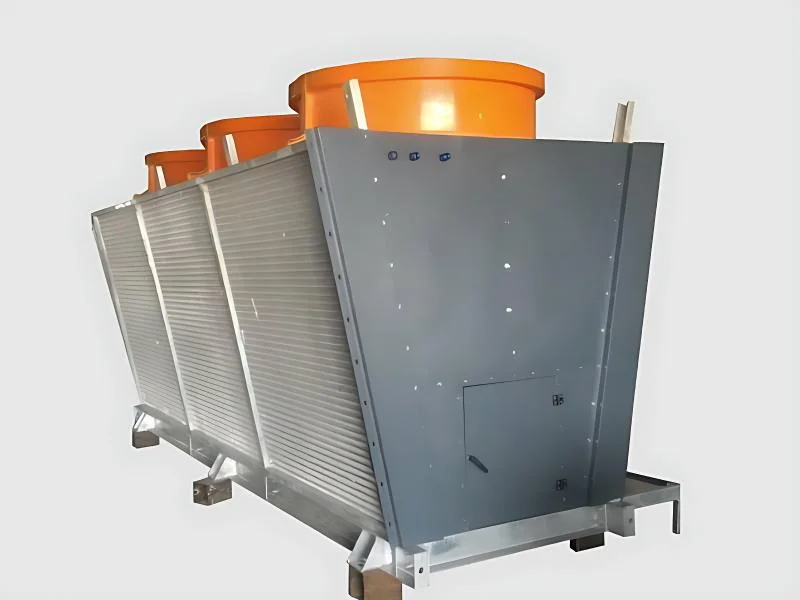
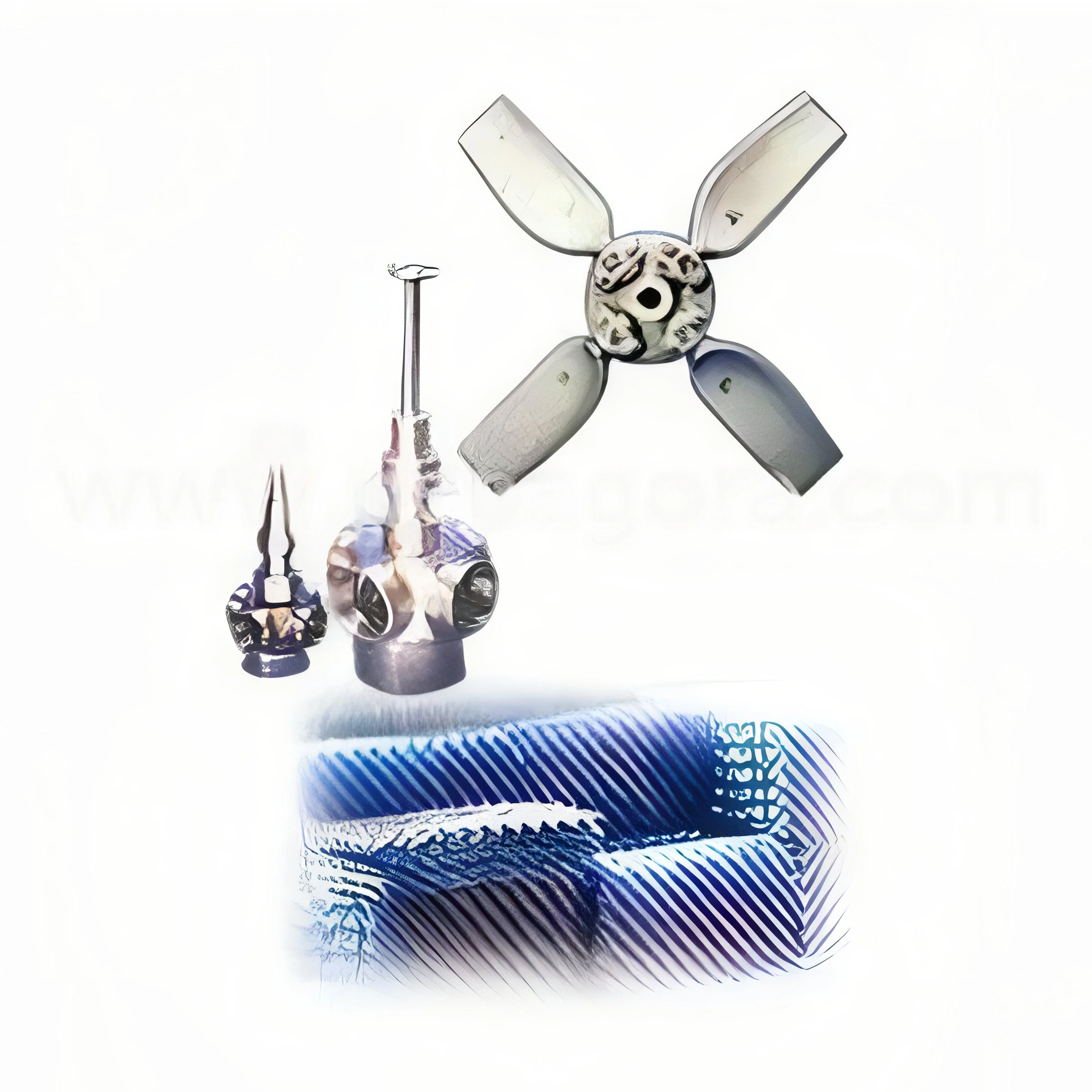
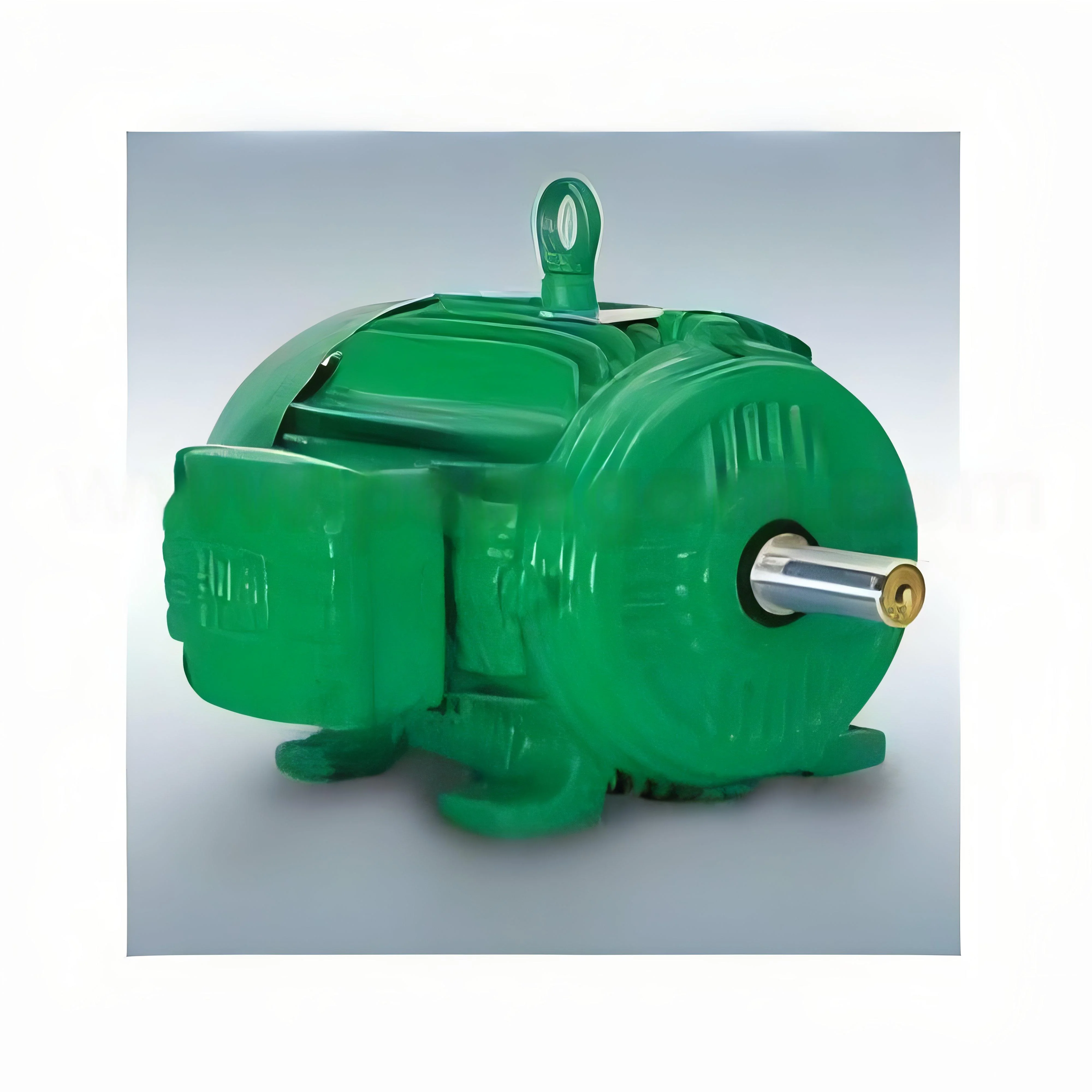
- Options include axial and centrifugal fans, influencing the operational noise and energy consumption.
5. Fill Design
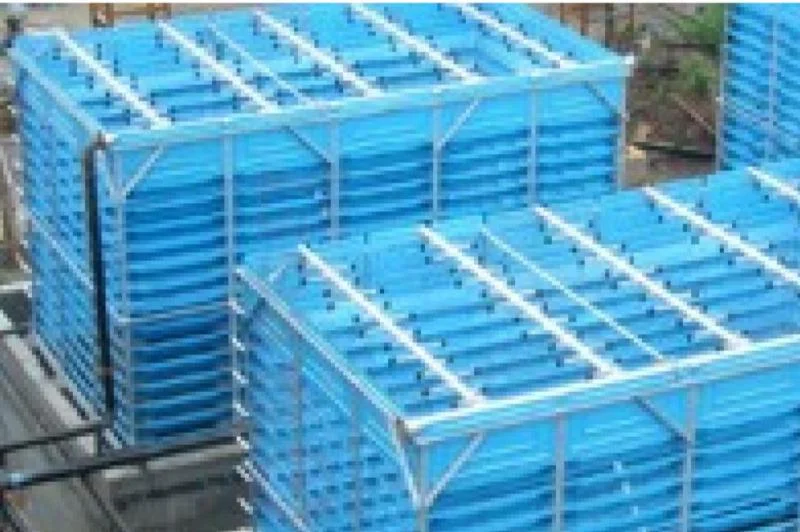
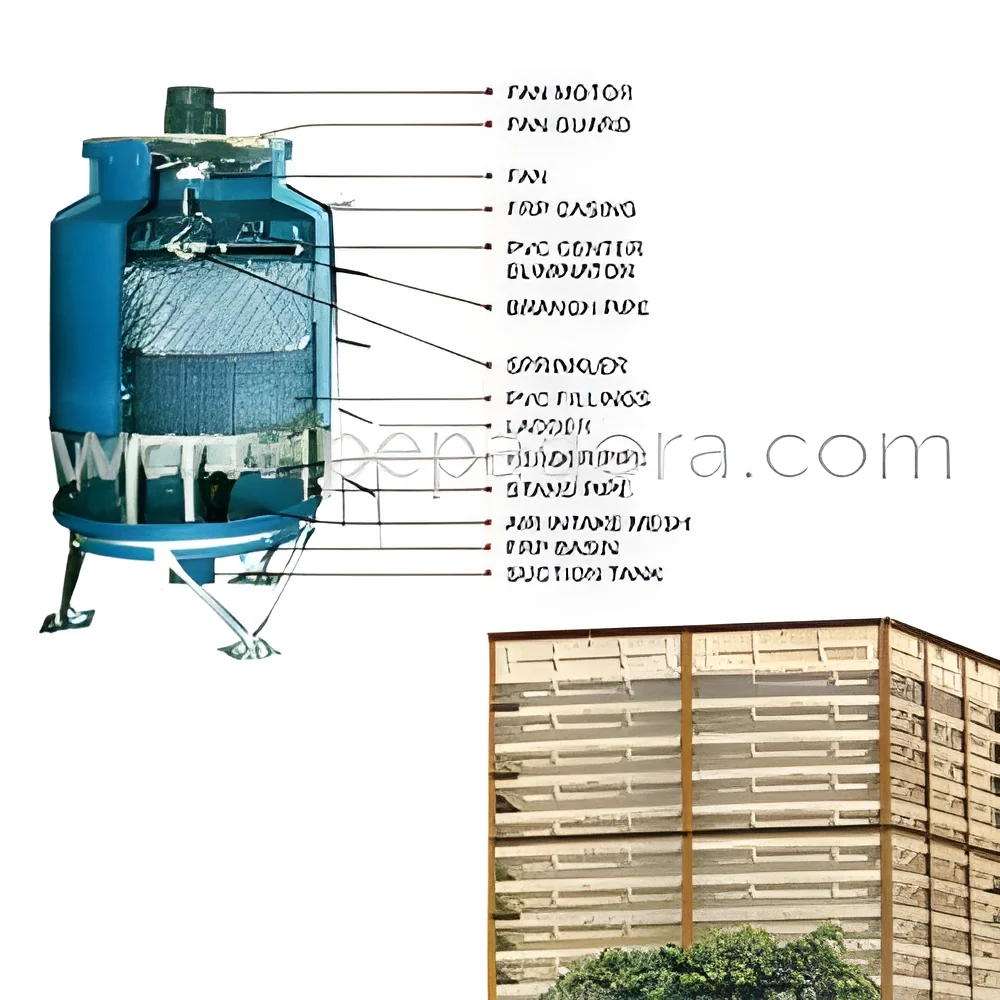
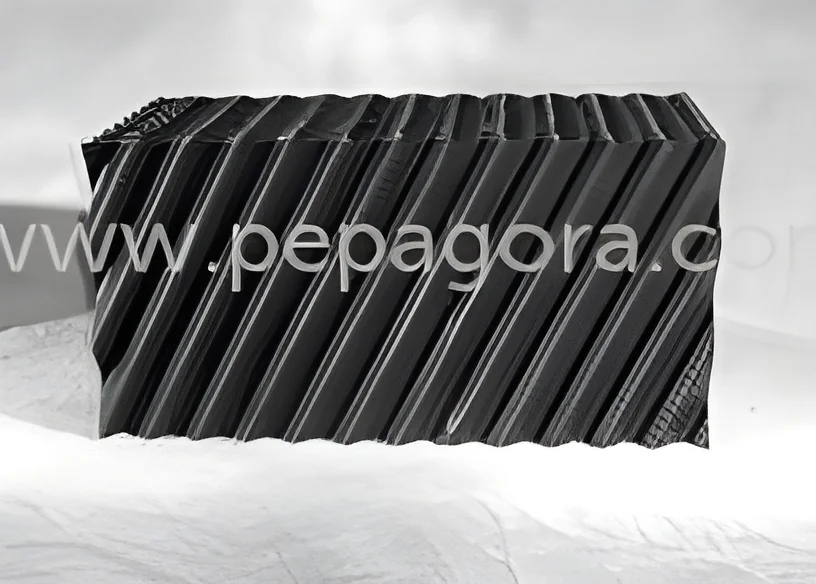
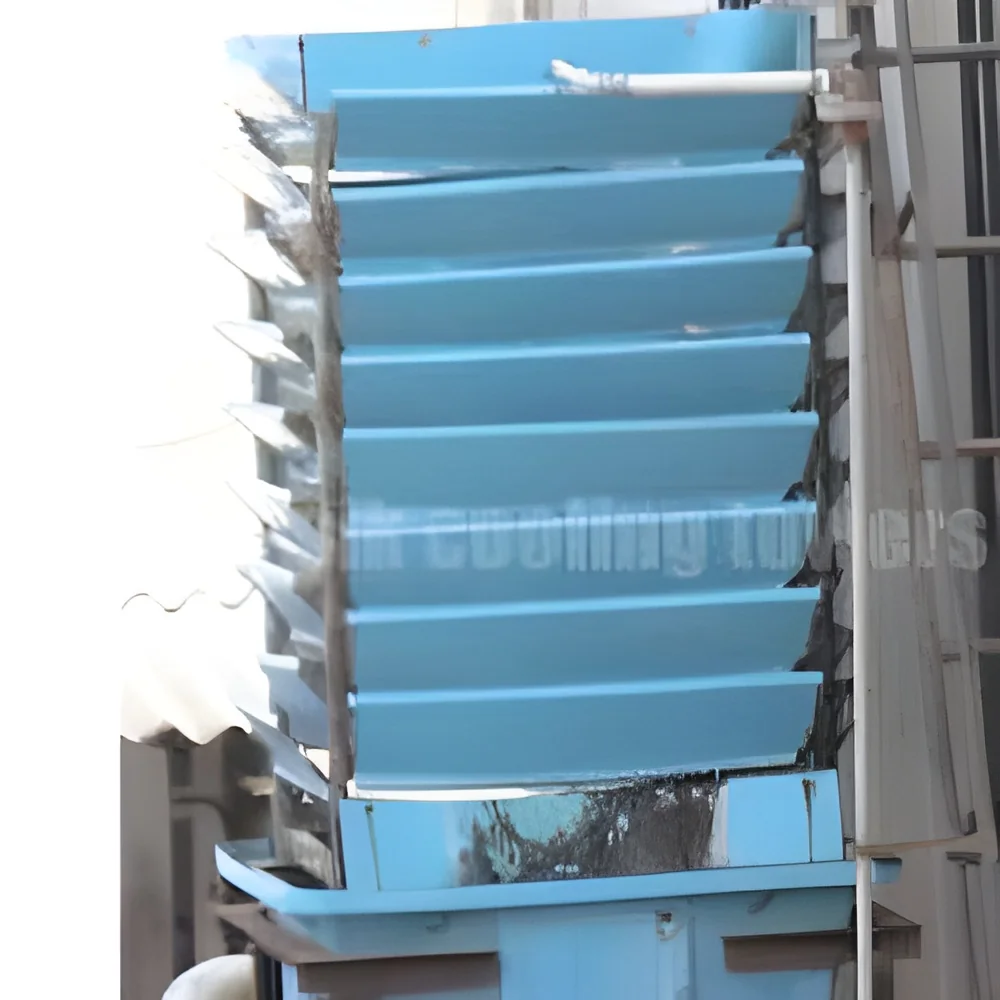
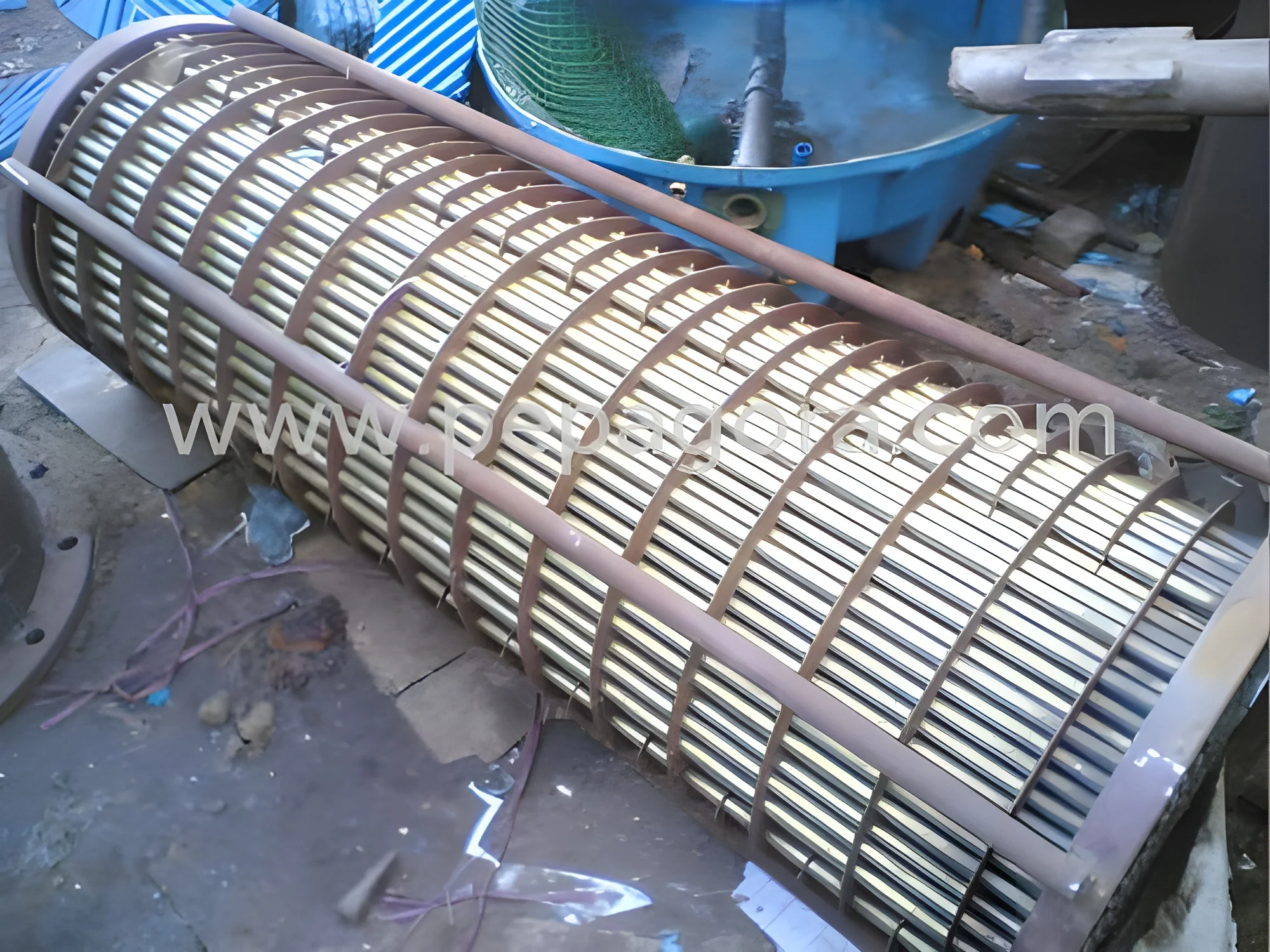
- The fill material enhances water-to-air contact, maximizing heat exchange efficiency.
6. Drift Eliminators
- These components minimize water loss and improve operational efficiency by capturing water droplets in the airstream.
7. Access and Maintenance Features
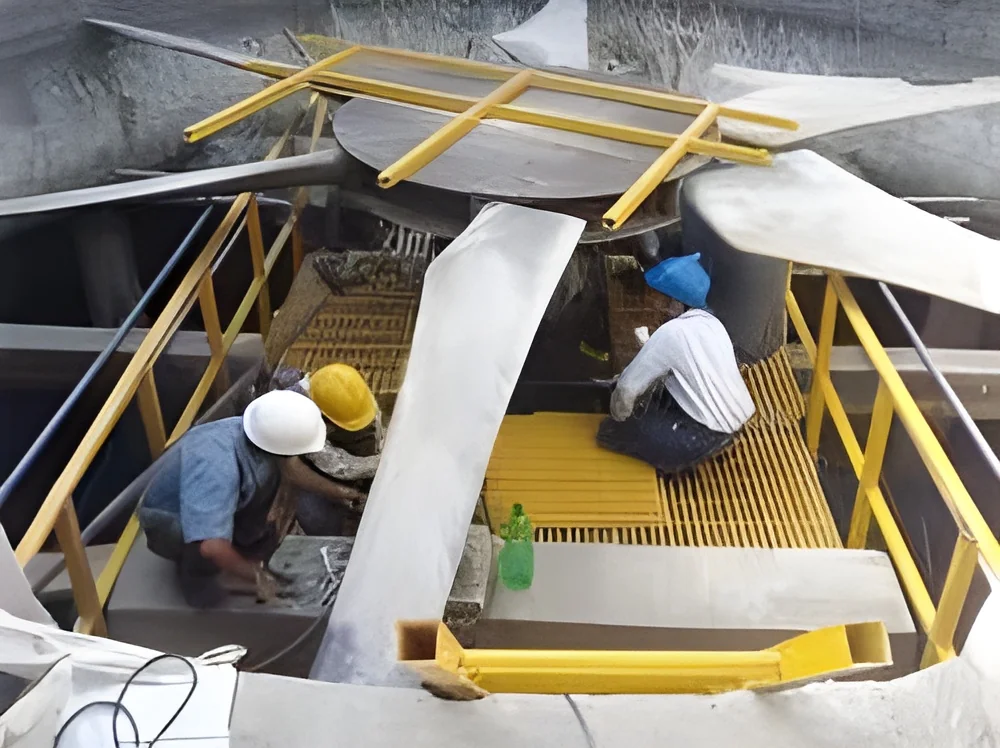
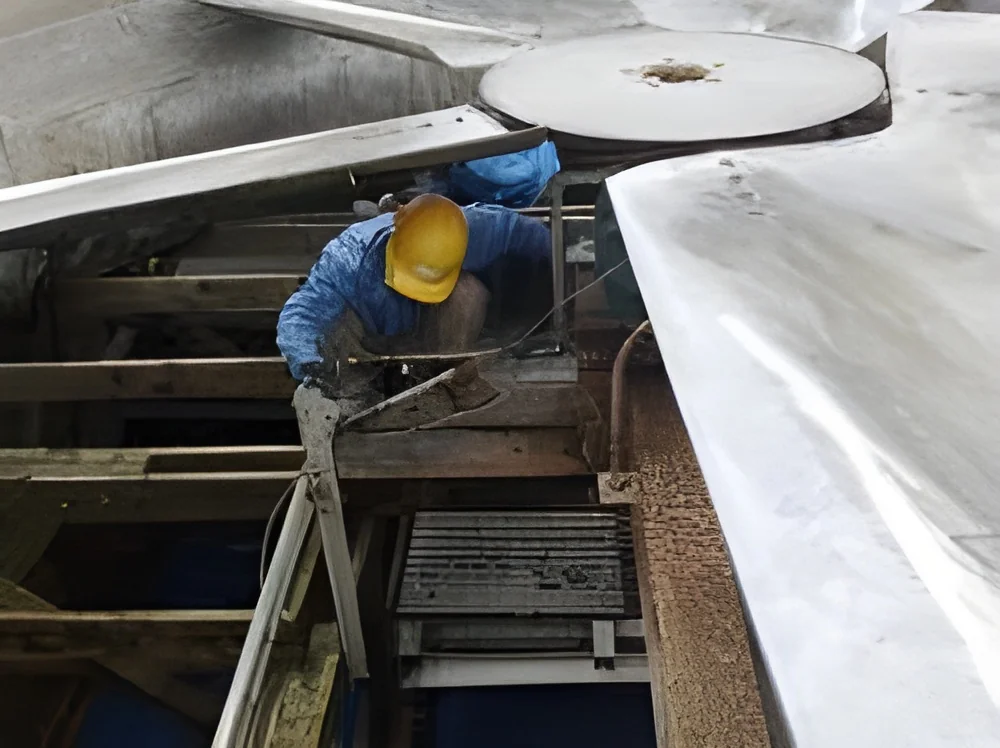
- Easy access points are essential for maintenance, reducing downtime and operational costs.
8. Environmental Considerations
- Cooling towers can be equipped with features to reduce environmental impact, such as noise reduction technologies.
In summary, understanding these specifications helps businesses make informed decisions when selecting cooling towers that meet their operational needs.
𝗖𝗼𝗺𝗺𝗼𝗻 𝗔𝗽𝗽𝗹𝗶𝗰𝗮𝘁𝗶𝗼𝗻𝘀 𝗮𝗻𝗱 𝗨𝘀𝗲 𝗖𝗮𝘀𝗲𝘀
Cooling towers find applications across a wide range of industries, each benefiting from effective heat management.
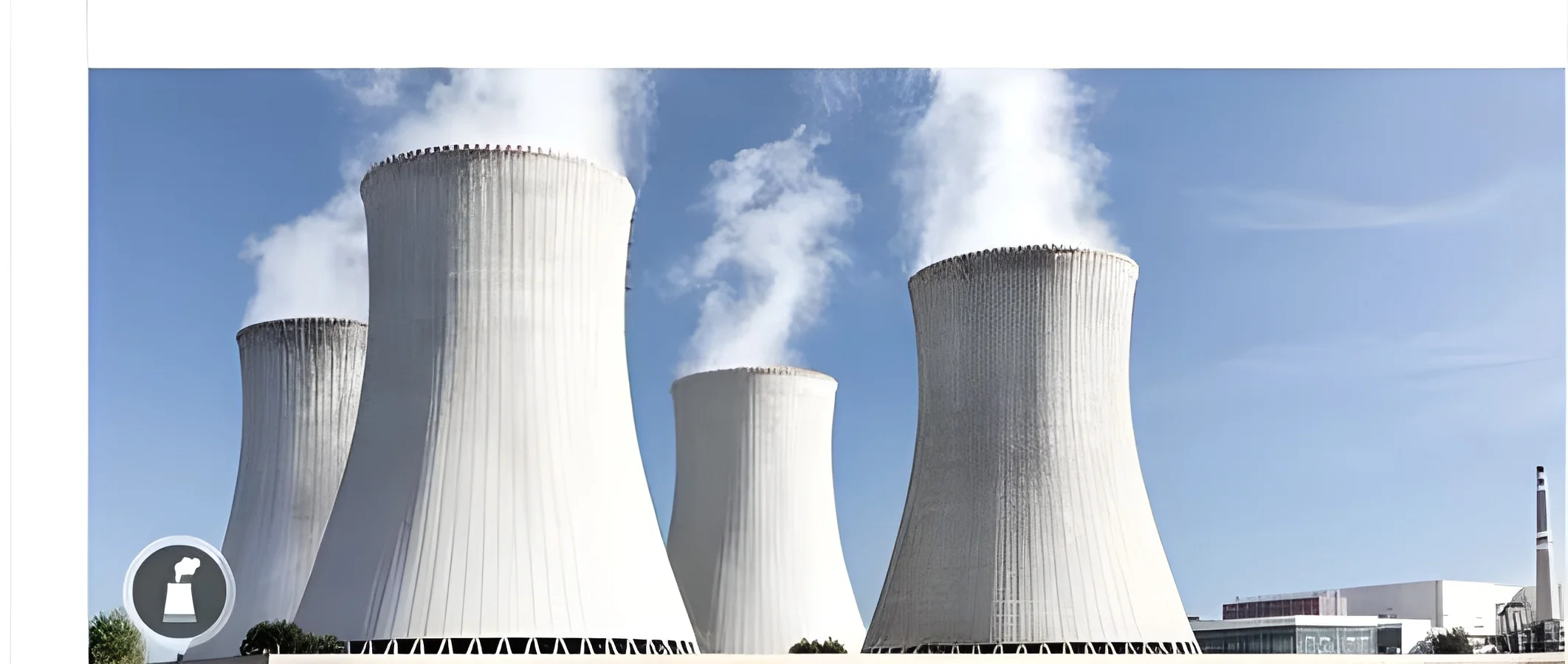
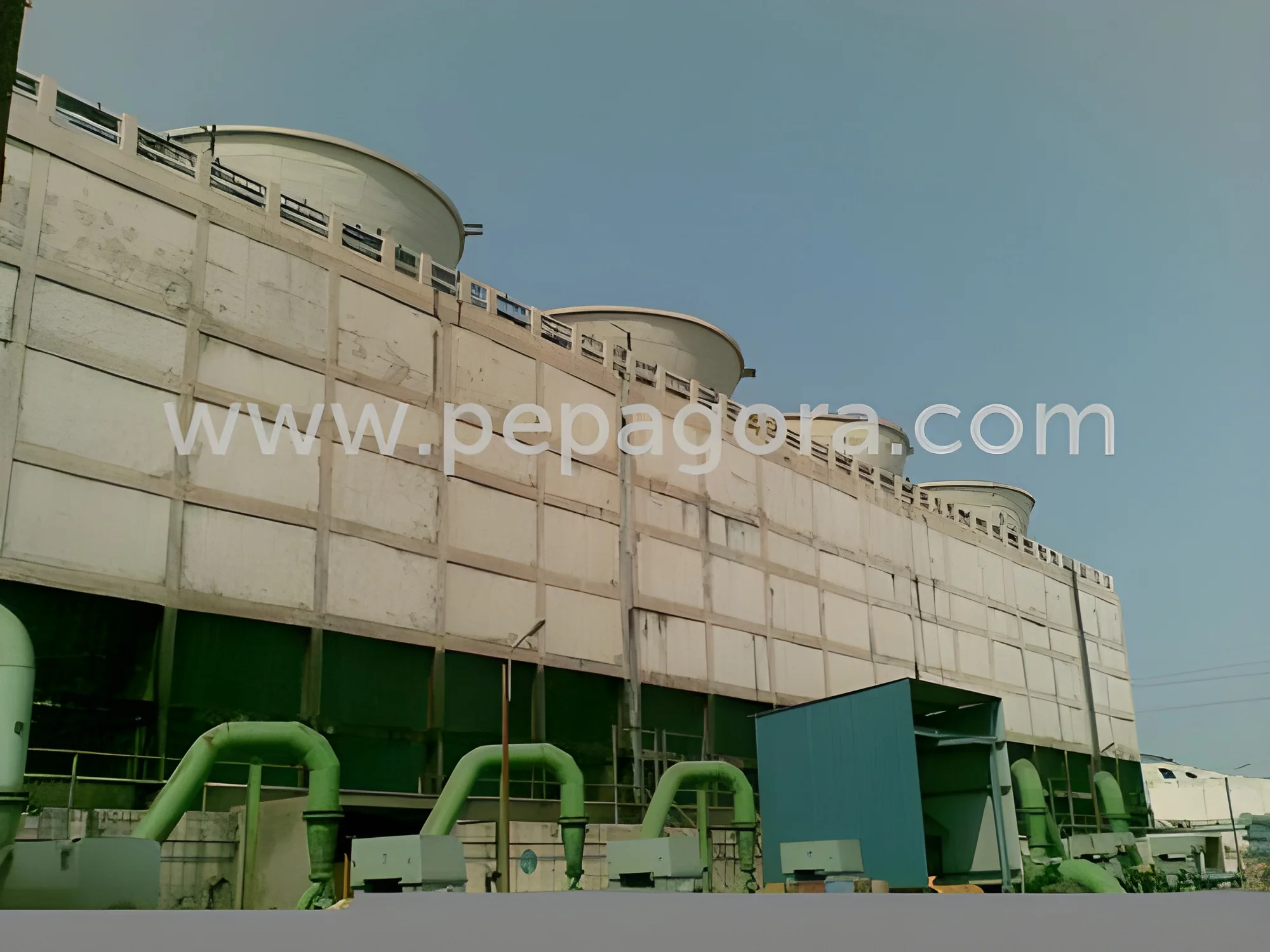
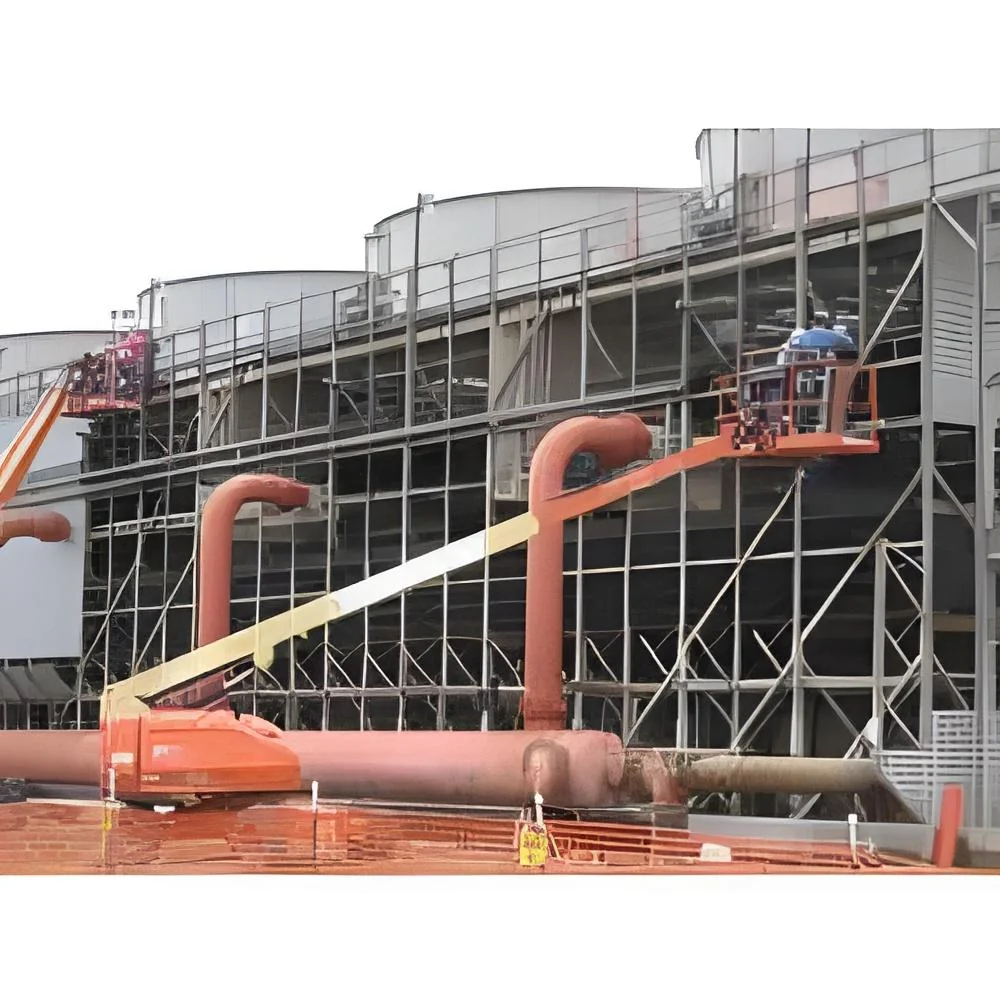
1. Power Generation: In thermal power plants, cooling towers dissipate excess heat from the cooling water used in electricity generation, ensuring efficient operation.
2. Manufacturing: Industries such as chemical processing and food production utilize cooling towers to maintain optimal temperatures in various production processes.
3. HVAC Systems: Commercial buildings use cooling towers to regulate temperatures in large HVAC systems, enhancing energy efficiency and comfort.
4. Petrochemical: Cooling towers play a crucial role in refining processes, cooling water used in heat exchangers and reactors.
5. Data Centers: In the tech industry, cooling towers help manage the heat generated by servers, ensuring reliability and performance.
6. Mining: Cooling towers are used in mineral processing to control temperatures during extraction and refining processes.
7. Pharmaceutical: In the pharmaceutical industry, cooling towers maintain temperature control in various production and storage applications.
𝗣𝗿𝗼𝗱𝘂𝗰𝘁 𝗩𝗮𝗿𝗶𝗮𝗻𝘁𝘀 𝗮𝗻𝗱 𝗦𝘂𝗯𝗰𝗮𝘁𝗲𝗴𝗼𝗿𝗶𝗲𝘀
Cooling towers come in various designs and configurations to meet different operational requirements.
FRP Cooling Towers
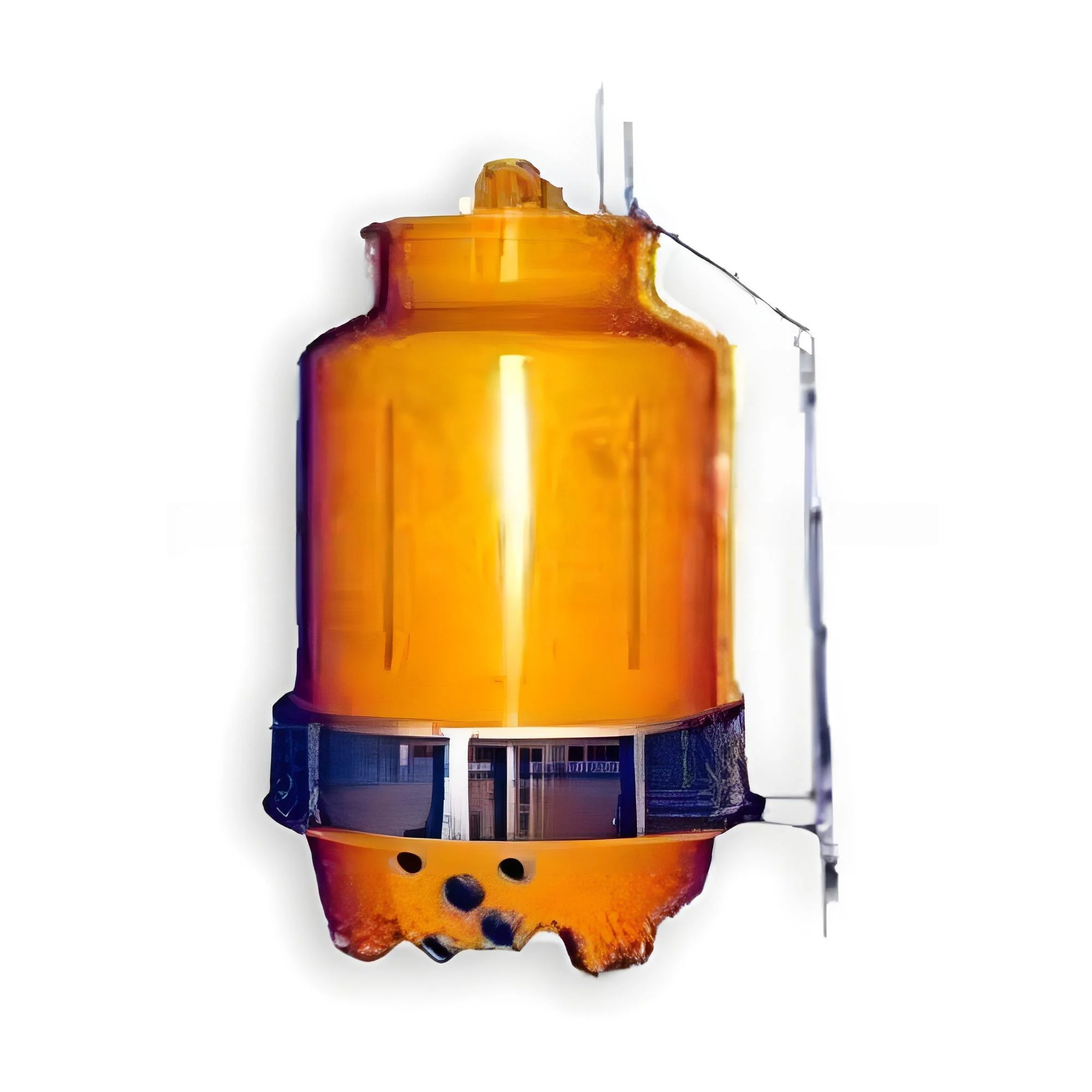
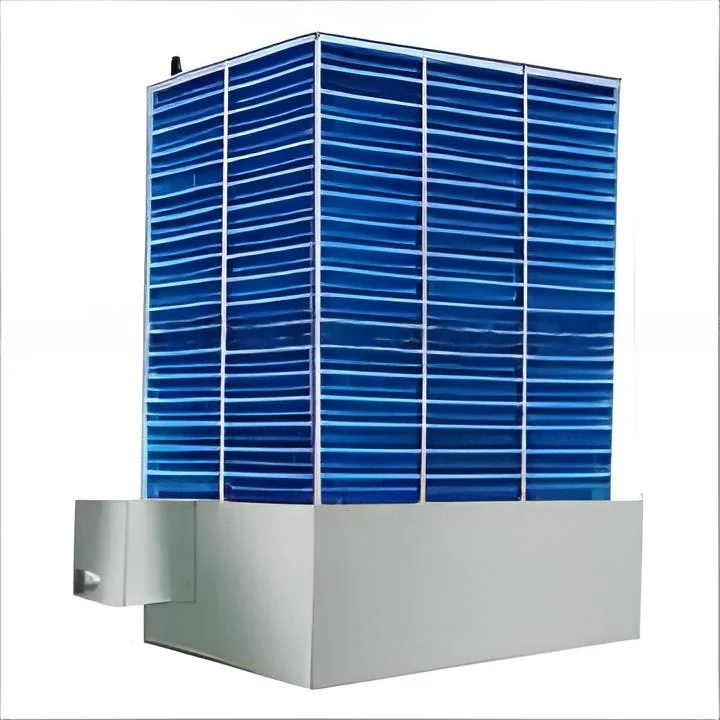
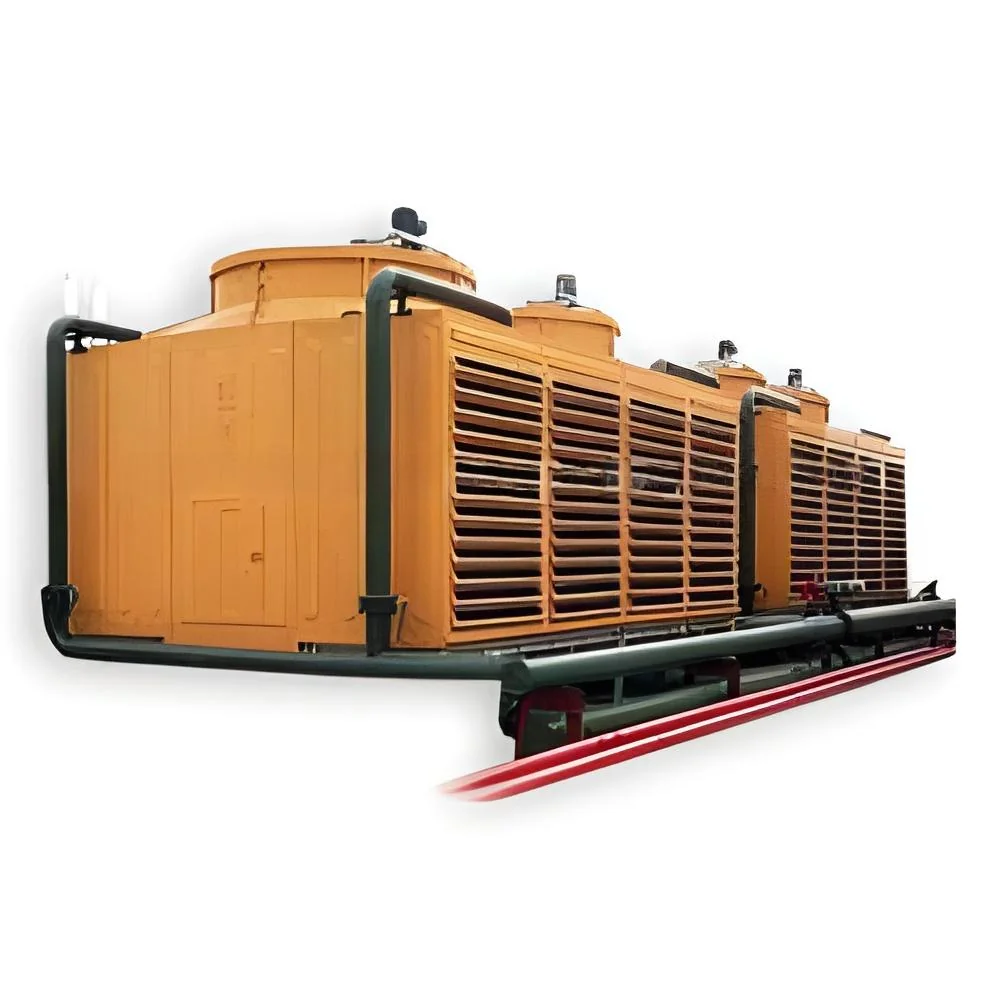
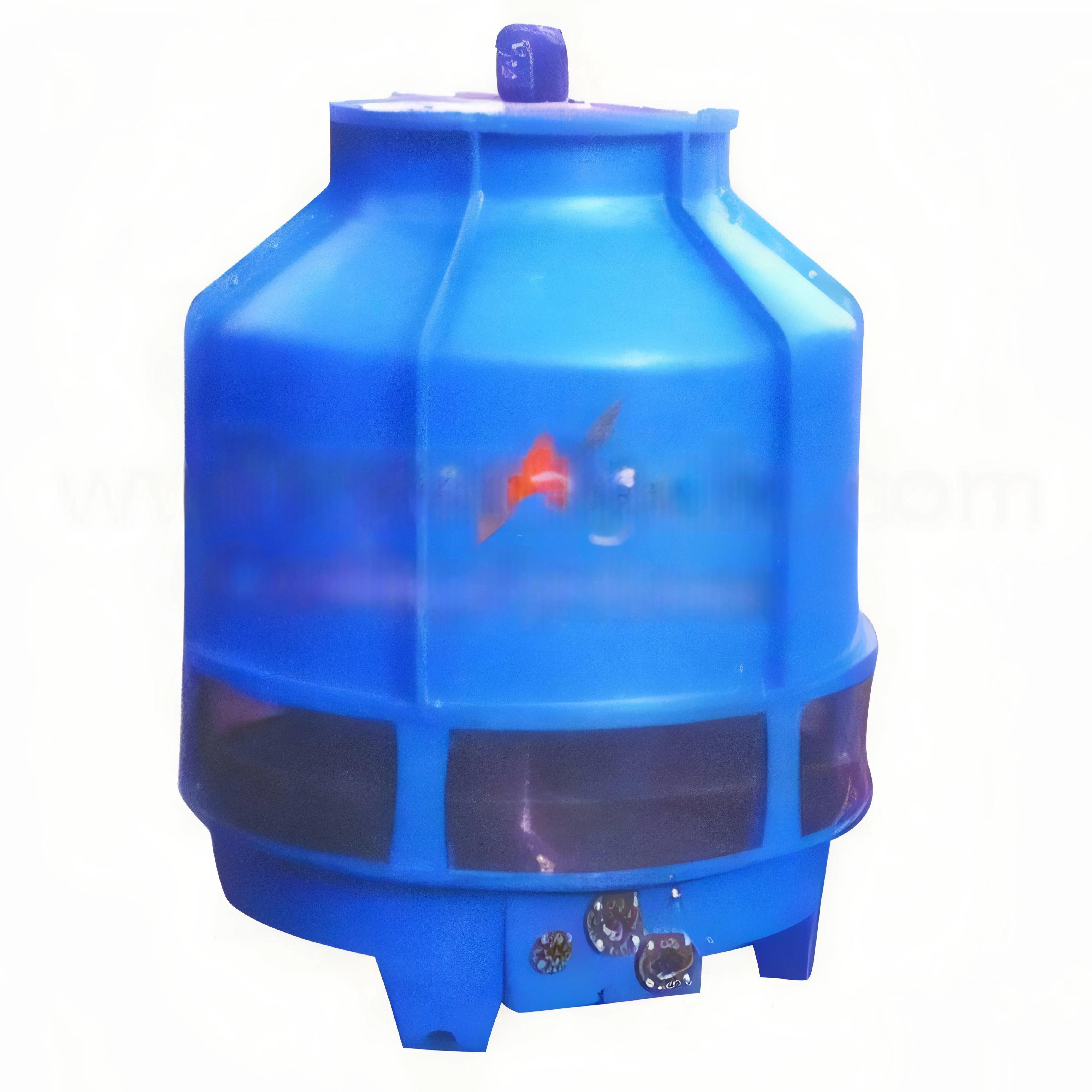
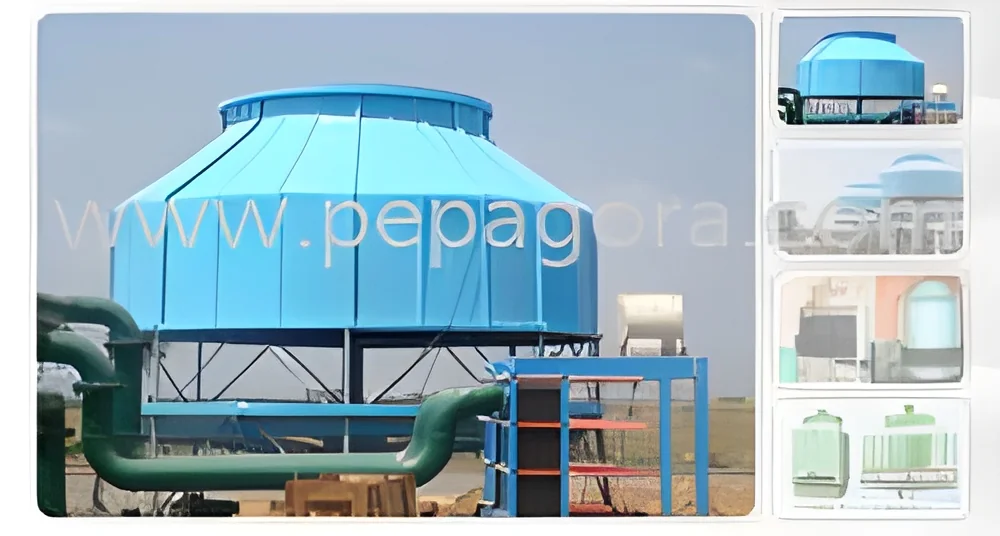
These towers are constructed from fiberglass-reinforced plastic, providing exceptional corrosion resistance and durability. They are ideal for applications where environmental conditions may lead to degradation of traditional materials.
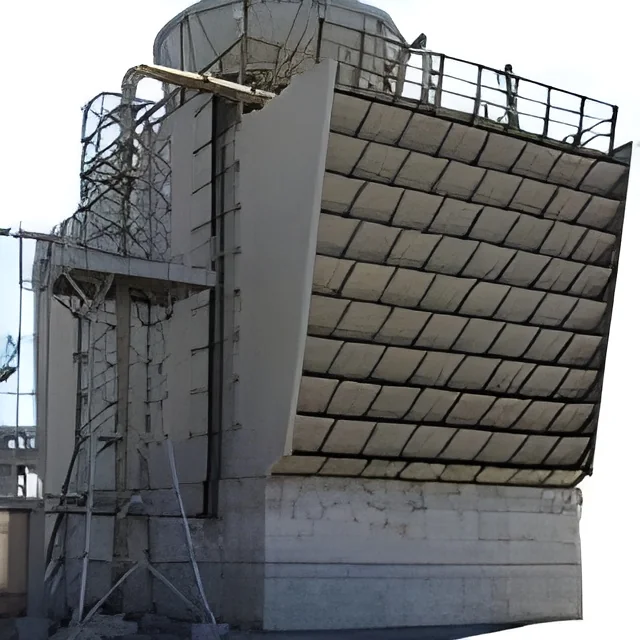
Wooden Cooling Towers
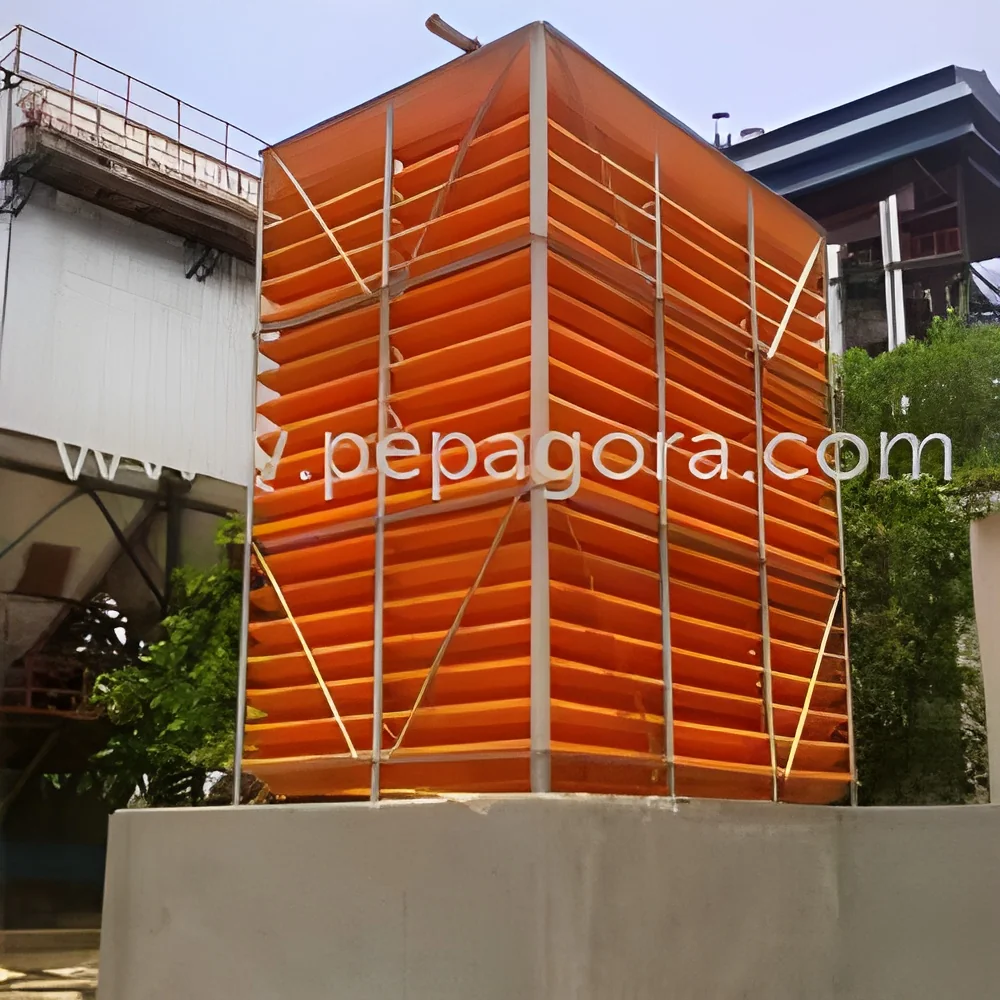
Utilizing treated timber, wooden cooling towers offer a natural look while providing effective cooling performance. They are commonly used in industries that prefer traditional designs or where aesthetic considerations are important.
𝗕𝗲𝗻𝗲𝗳𝗶𝘁𝘀 𝗮𝗻𝗱 𝗔𝗱𝘃𝗮𝗻𝘁𝗮𝗴𝗲𝘀
Cooling towers offer several advantages that contribute to their popularity in industrial applications.
1. Energy Efficiency: Cooling towers help reduce energy consumption by efficiently managing heat in various processes.
2. Cost-Effective Operation: The recirculation of cooled water minimizes water usage and costs associated with sourcing fresh water.
3. Environmental Compliance: Cooling towers can be designed to meet strict environmental regulations, helping companies avoid penalties.
4. Long Lifespan: Both FRP and wooden cooling towers are built to last, reducing the need for frequent replacements.
5. Customization Options: Many manufacturers offer tailored solutions to meet specific operational needs and space constraints.
6. Enhanced System Performance: By maintaining optimal temperatures, cooling towers help improve the overall performance of industrial systems.
𝗕𝘂𝘆𝗶𝗻𝗴 𝗚𝘂𝗶𝗱𝗲 𝗳𝗼𝗿 𝗕𝟮𝗕 𝗕𝘂𝘆𝗲𝗿𝘀
When sourcing Cooling Towers (FRP, Wooden), it's essential to consider several factors to ensure the right fit for your operations.
1. Quality Assessment: Evaluate the materials and construction quality of the cooling towers. Look for certifications that indicate compliance with industry standards.
2. Supplier Verification: Vet suppliers to ensure they have a reliable track record and experience in providing cooling solutions.
3. Pricing and MOQ: Understand the pricing structure and minimum order quantities to align with your budget and operational needs.
4. Delivery and Lead Times: Discuss logistics with suppliers to ensure timely delivery and installation, as downtime can impact production.
5. Compliance Requirements: Ensure that the cooling towers meet relevant industry regulations and standards for safety and performance.
𝗖𝗼𝗺𝗽𝗹𝗶𝗮𝗻𝗰𝗲 𝗮𝗻𝗱 𝗖𝗲𝗿𝘁𝗶𝗳𝗶𝗰𝗮𝘁𝗶𝗼𝗻𝘀
Cooling towers are subject to various quality standards and certifications that ensure their performance and safety.
Relevant quality standards include ISO 9001, which outlines requirements for a quality management system. This certification indicates that manufacturers consistently provide products that meet customer and regulatory requirements.
Industry certifications such as CE mark demonstrate compliance with European health, safety, and environmental protection standards.
Safety and testing requirements are critical, particularly in high-risk industries. Cooling towers must undergo rigorous testing to ensure they can safely handle the operational demands of their intended applications.
Regional compliance considerations may also apply. Depending on the geographic location of the facility, local regulations may dictate specific design features or operational protocols.
Why Source Cooling Towers (FRP, Wooden) from Pepagora?
Pepagora offers a comprehensive platform for sourcing Cooling Towers (FRP, Wooden) with several key advantages.
Verified Supplier Network: Pepagora connects buyers with a network of verified suppliers, ensuring that products meet quality and performance standards.
Streamlined RFQ Process: The platform simplifies the quotation process, allowing buyers to receive competitive offers from multiple suppliers efficiently.
Trade Assurance and Support: Buyers benefit from trade assurance, which protects their orders and provides support throughout the purchasing process.
Regional Coverage: Pepagora has a strong presence in India, the GCC, and Southeast Asia, offering diverse options and accessibility for businesses in these regions.
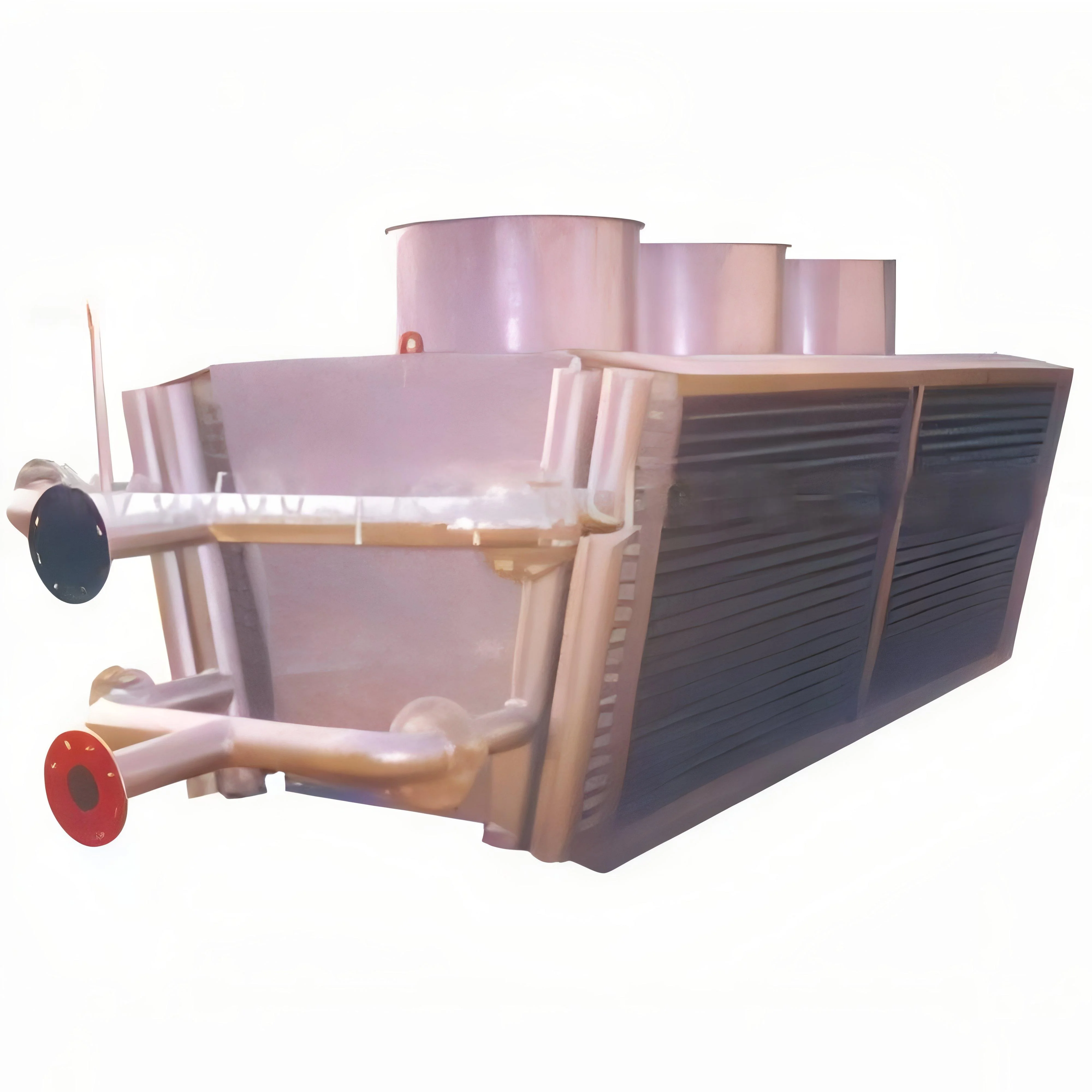
By choosing Pepagora, businesses can source reliable cooling tower solutions that align with their operational needs while enjoying support and assurance throughout their purchasing journey.