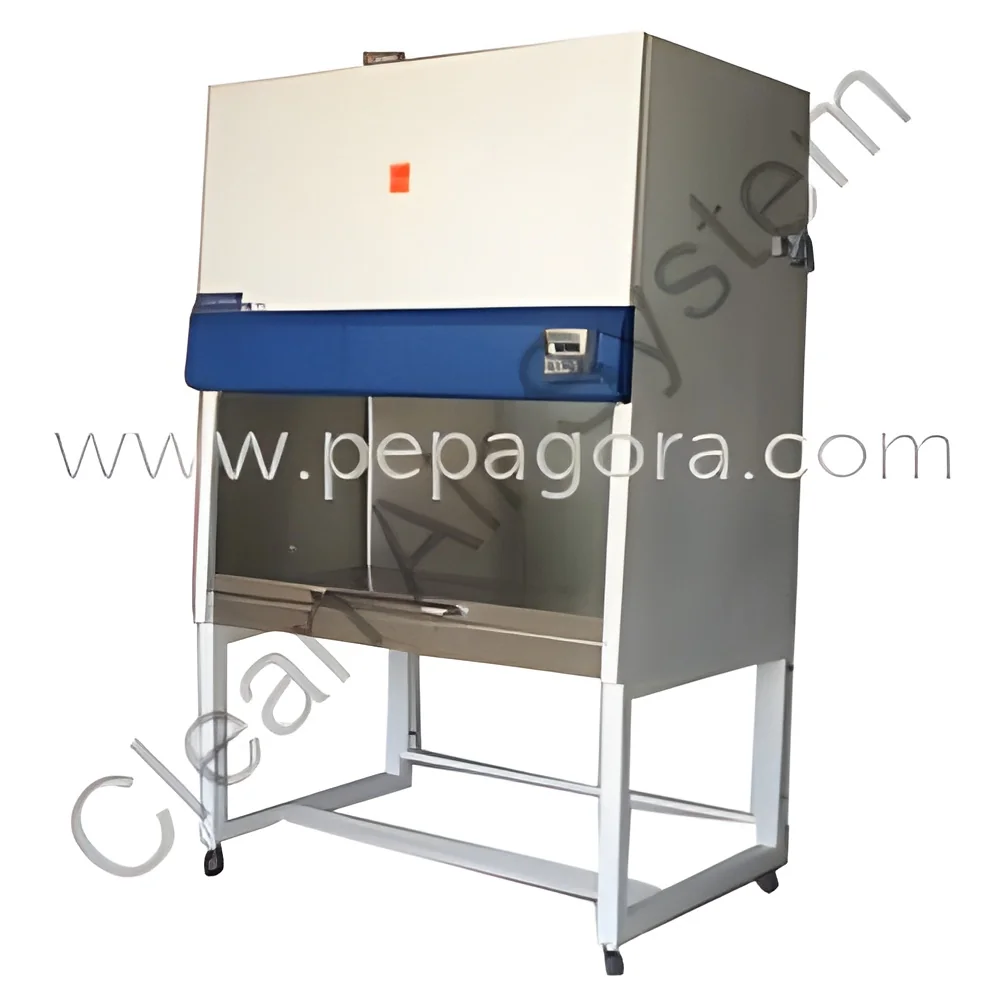
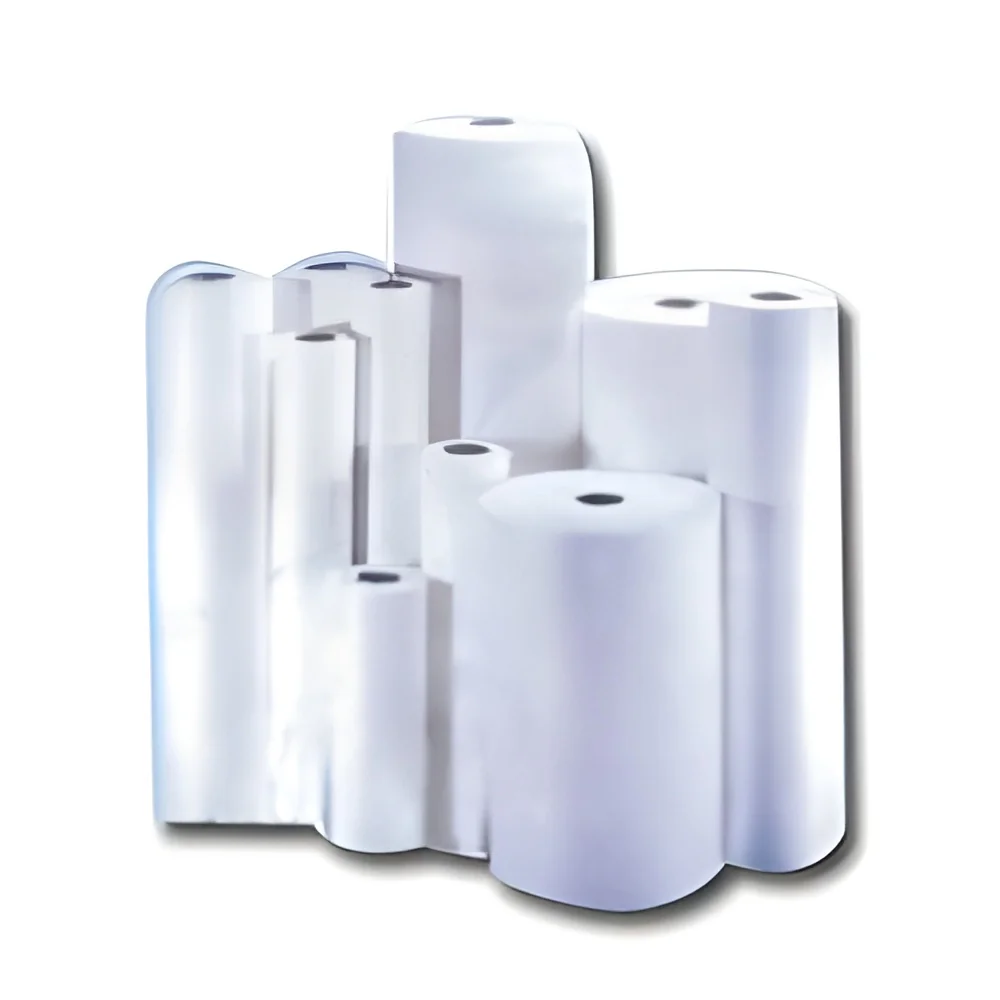
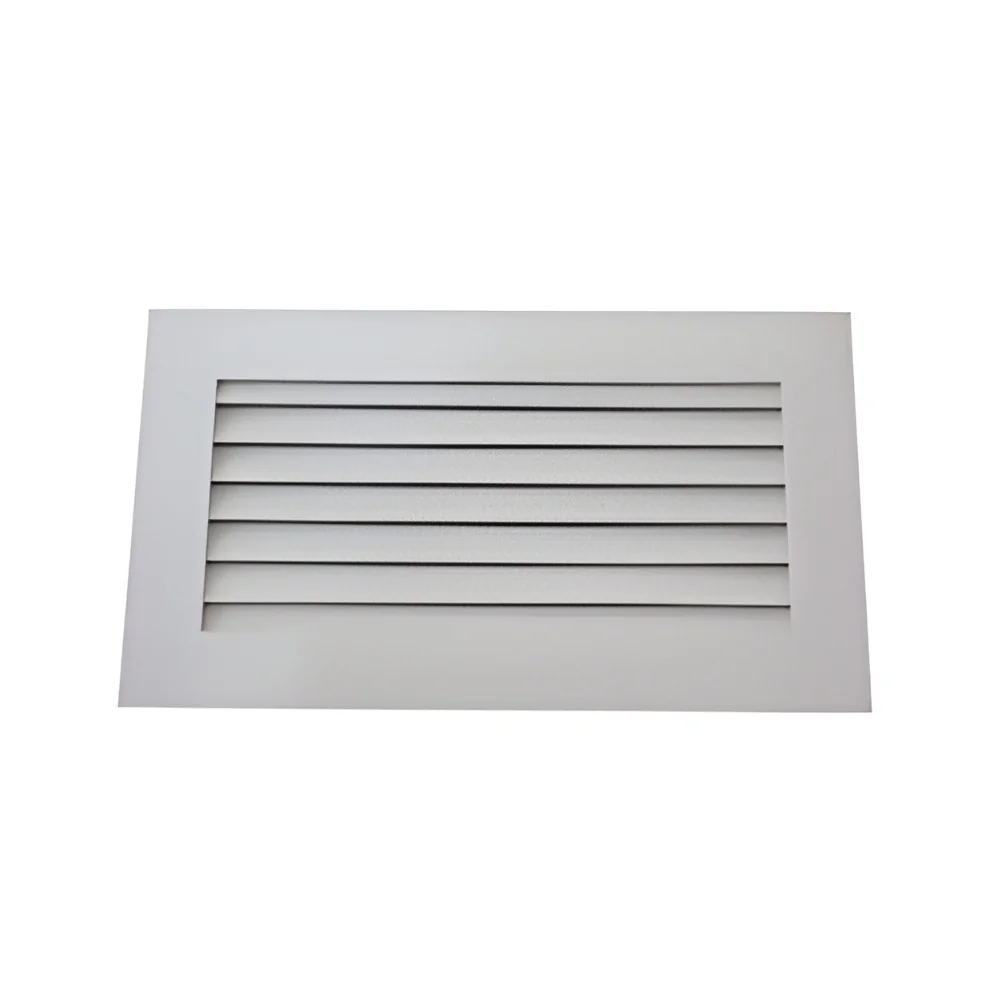
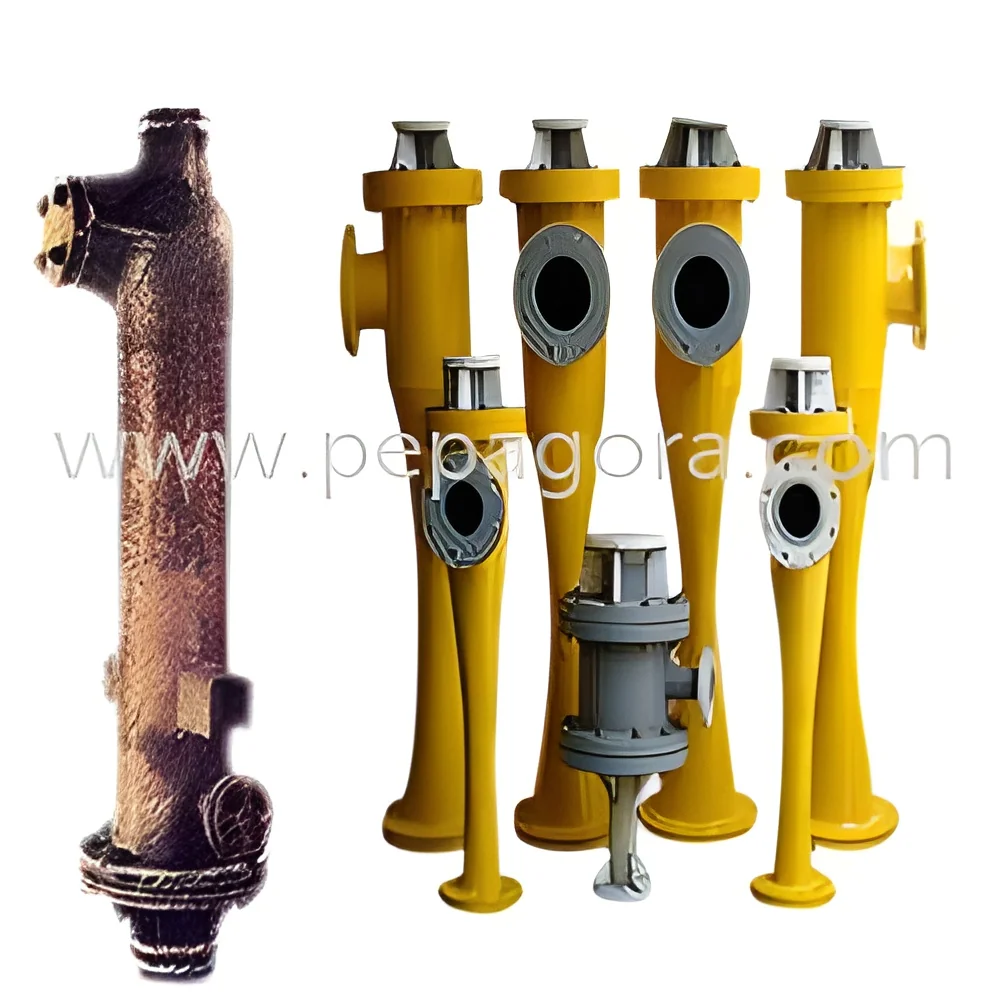
Key Features and Specifications
Other HVAC equipment offers a variety of features that enhance functionality and efficiency. Understanding these specifications is crucial for selecting the right systems for specific applications.
Key specifications include:
1. Airflow Capacity
- Measured in cubic feet per minute (CFM)
- Determines the volume of air the system can move, affecting overall comfort and efficiency.
2. Energy Efficiency Ratio (EER)
- A measure of cooling output divided by energy consumption
- Higher EER values indicate more efficient systems, which can reduce operational costs.
3. Humidity Control
- Systems can include built-in humidifiers or dehumidifiers
- Essential for maintaining optimal humidity levels to prevent mold growth and improve air quality.
4. Temperature Range
- Indicates the operational temperature limits for heating and cooling
- Important for applications in extreme climates.
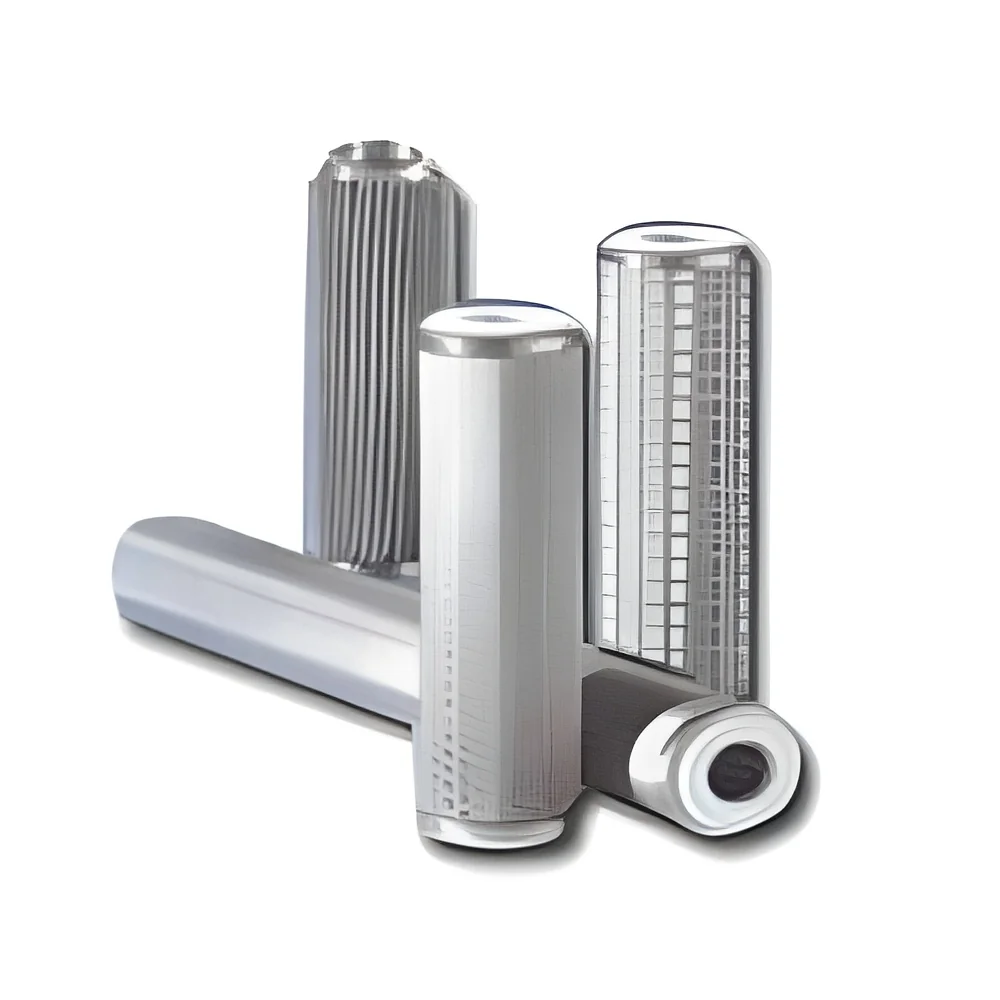
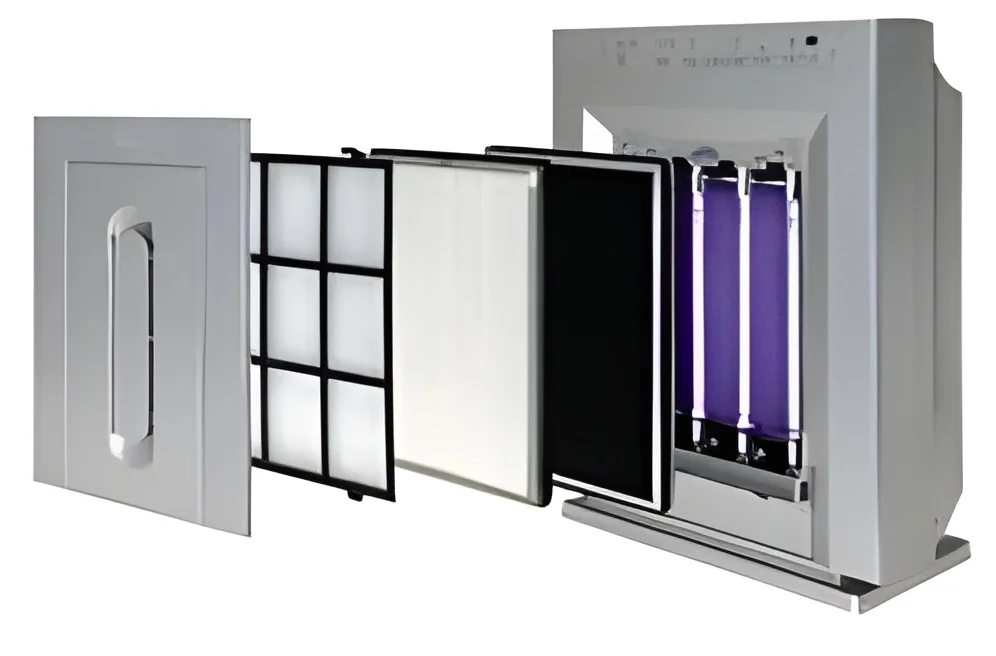
5. Filtration System
- Type and efficiency of filters used
- Higher efficiency ratings improve air quality by capturing dust, allergens, and other particulates.
6. Noise Level
- Measured in decibels (dB)
- Important for applications in noise-sensitive environments such as offices and hospitals.
7. Control Systems
- Integration with smart technology for remote monitoring and management
- Enhances user convenience and energy management.
8. Compliance Standards
- Adherence to local and international HVAC standards
- Ensures safety and reliability in operation.
These specifications help buyers assess the capabilities of Other HVAC equipment and make informed decisions suited to their specific needs.
Common Applications and Use Cases
Other HVAC equipment is utilized across various industries to ensure comfort and efficiency.
1. Manufacturing: In manufacturing facilities, HVAC systems regulate temperature and humidity, ensuring optimal conditions for equipment operation and product quality.
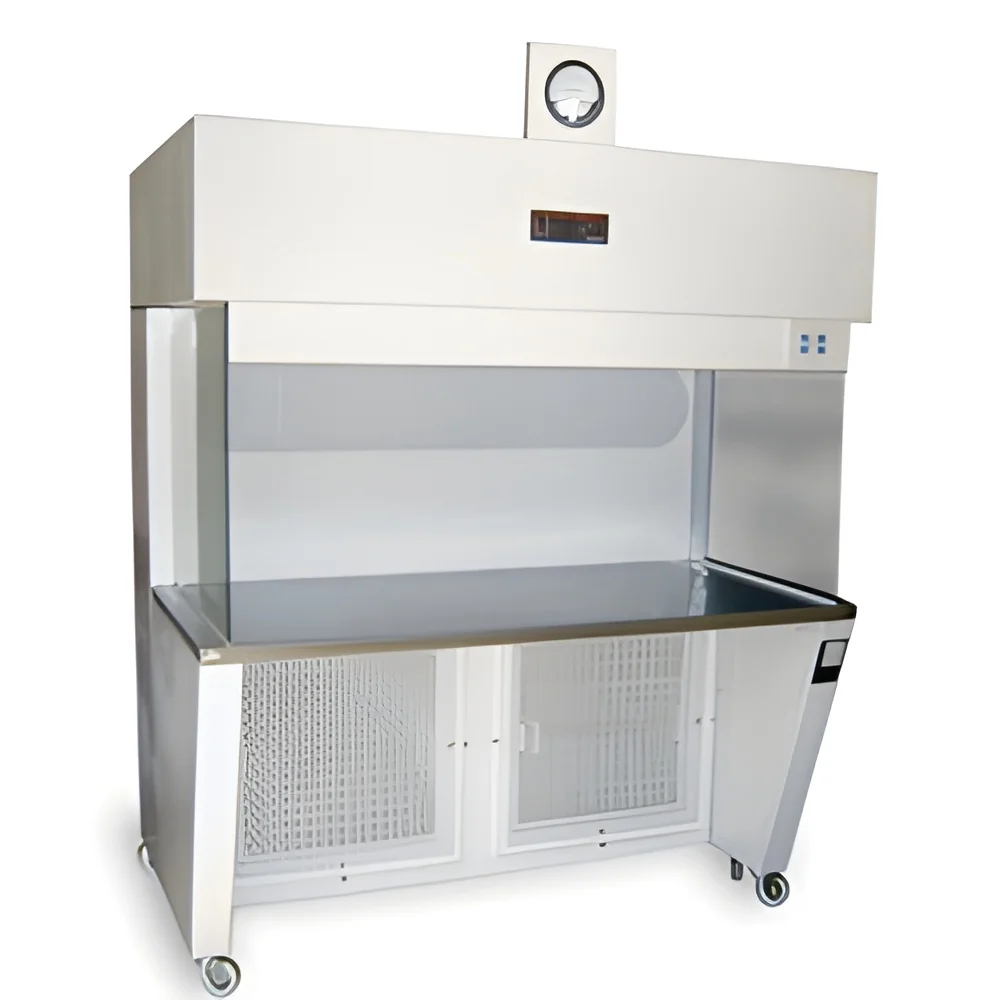
2. Healthcare: Hospitals and clinics use HVAC systems to maintain sterile environments and control air quality, which is critical for patient safety and comfort.
3. Data Centers: These facilities require precise temperature control to protect sensitive equipment, with HVAC systems designed to manage high heat loads and maintain optimal performance.
4. Hospitality: Hotels and restaurants implement HVAC solutions to enhance guest comfort, providing a pleasant environment for dining and lodging experiences.
5. Retail: Retail spaces use HVAC systems to create a comfortable shopping atmosphere, which can influence customer satisfaction and sales.
6. Educational Institutions: Schools and universities deploy HVAC systems to ensure a conducive learning environment, maintaining comfortable temperatures in classrooms and common areas.
7. Residential: Homeowners utilize HVAC systems for year-round comfort, with solutions tailored to meet specific heating and cooling needs.
Product Variants and Subcategories
The diversity of Other HVAC equipment allows for tailored solutions to meet specific requirements.
Air Handlers
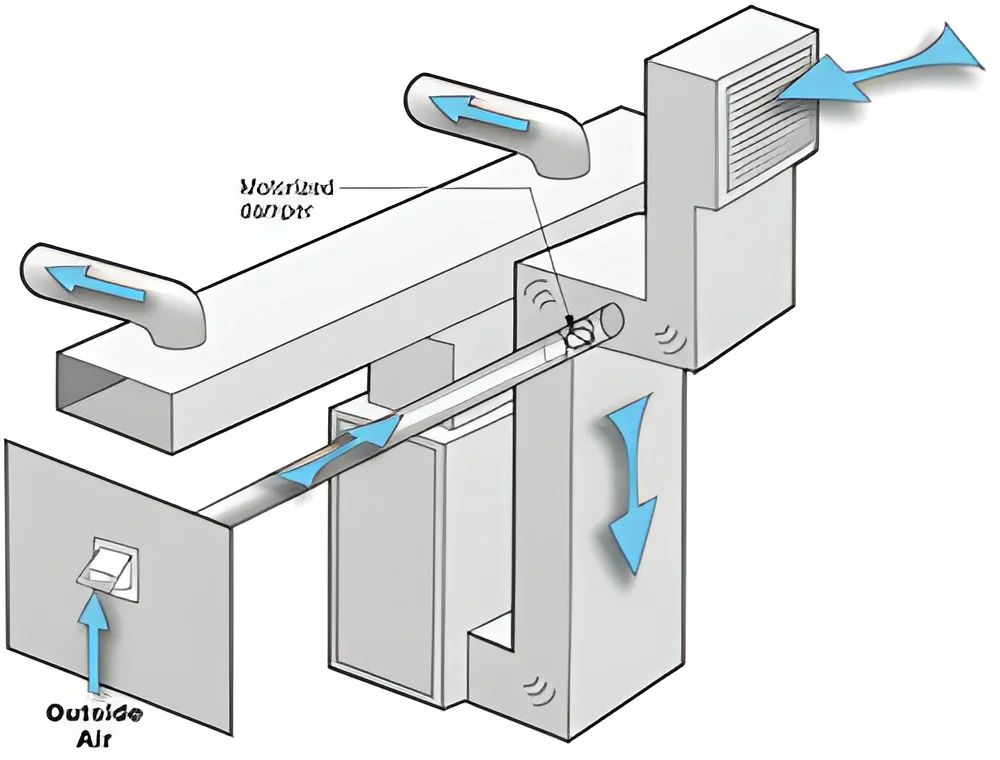
Air handlers are essential components that circulate and regulate air within HVAC systems. They can be configured with various filters and coils to meet specific heating and cooling demands.
Heat Recovery Ventilators
These systems are designed to improve energy efficiency by transferring heat between incoming and outgoing air streams, ensuring optimal air quality while reducing energy costs.
Humidifiers
Humidifiers add moisture to the air, which is particularly beneficial in dry climates or during winter months. They help maintain comfortable humidity levels and improve indoor air quality.
Dehumidifiers
Dehumidifiers are crucial for controlling excess moisture in environments prone to humidity issues. They help prevent mold growth and protect sensitive equipment.
Benefits and Advantages
Other HVAC equipment provides numerous benefits that enhance operational efficiency and comfort.
1. Improved Air Quality: These systems filter and circulate air, reducing pollutants and allergens, which promotes a healthier indoor environment.
2. Energy Efficiency: Advanced technologies in HVAC systems lead to reduced energy consumption, resulting in lower utility bills and a smaller carbon footprint.
3. Enhanced Comfort: By maintaining optimal temperature and humidity levels, HVAC systems ensure a comfortable environment for occupants.
4. Operational Reliability: High-quality HVAC equipment is designed for durability and consistent performance, minimizing downtime and maintenance costs.
5. Customization: Many systems can be tailored to specific user needs, allowing for greater flexibility in design and functionality.
6. Regulatory Compliance: Proper HVAC systems help businesses meet local and international standards, ensuring safety and operational efficiency.
Buying Guide for B2B Buyers
When sourcing Other HVAC Equipment, several factors must be considered to ensure the best choices are made.
1. Quality Assessment: Evaluate the quality of the equipment by reviewing product specifications and manufacturer reputation. Look for systems that meet recognized standards for performance and reliability.
2. Supplier Verification: Vet potential suppliers by checking their credentials, customer reviews, and past performance. A reliable supplier can provide support and service throughout the purchasing process.
3. Pricing and MOQ: Understand the pricing structure and minimum order quantities (MOQ) to budget effectively. Compare quotes from different suppliers to ensure competitive pricing.
4. Delivery and Lead Times: Consider the logistics of delivery, including lead times. Ensure that the supplier can meet your timeline to avoid operational delays.
5. Compliance Requirements: Be aware of local and international compliance standards that the equipment must meet. This includes safety regulations and environmental considerations.
Compliance and Certifications
Compliance and certifications are critical components of Other HVAC equipment and ensure that products meet industry standards for safety and performance.
Relevant quality standards include ISO 9001, which defines criteria for quality management systems, ensuring consistent product quality. Additionally, HACCP and GDP standards may apply in specific contexts such as food safety and pharmaceuticals, where temperature and air quality are paramount.
Industry certifications such as CE mark indicate that products comply with European safety standards, ensuring reliability and safety in operation.
Safety and testing requirements are essential for HVAC systems, including rigorous evaluations to confirm performance under various conditions. Manufacturers must adhere to these standards to guarantee that equipment operates safely and effectively.
Regional compliance considerations can vary based on geographic location, necessitating awareness of local regulations that affect HVAC installation and operation.
Why Source Other HVAC Equipment (Heating, Ventilation, Air Conditioning) from Pepagora?
Pepagora offers a trusted platform for sourcing Other HVAC Equipment, providing several key advantages for B2B buyers.
Verified Supplier Network: Pepagora maintains a rigorous vetting process for suppliers, ensuring that buyers connect with reliable manufacturers who offer quality products and services.
Streamlined RFQ Process: The platform simplifies the request for quotation (RFQ) process, allowing buyers to easily compare options and receive tailored quotes that meet their specific needs.
Trade Assurance and Support: Pepagora provides trade assurance, protecting buyers against potential risks associated with procurement. This support fosters confidence in the purchasing process.
Regional Coverage: With a broad geographic reach across India, the GCC, and Southeast Asia, Pepagora enables buyers to access a diverse range of products and suppliers, ensuring they find the right HVAC solutions for their requirements.

 IN
IN