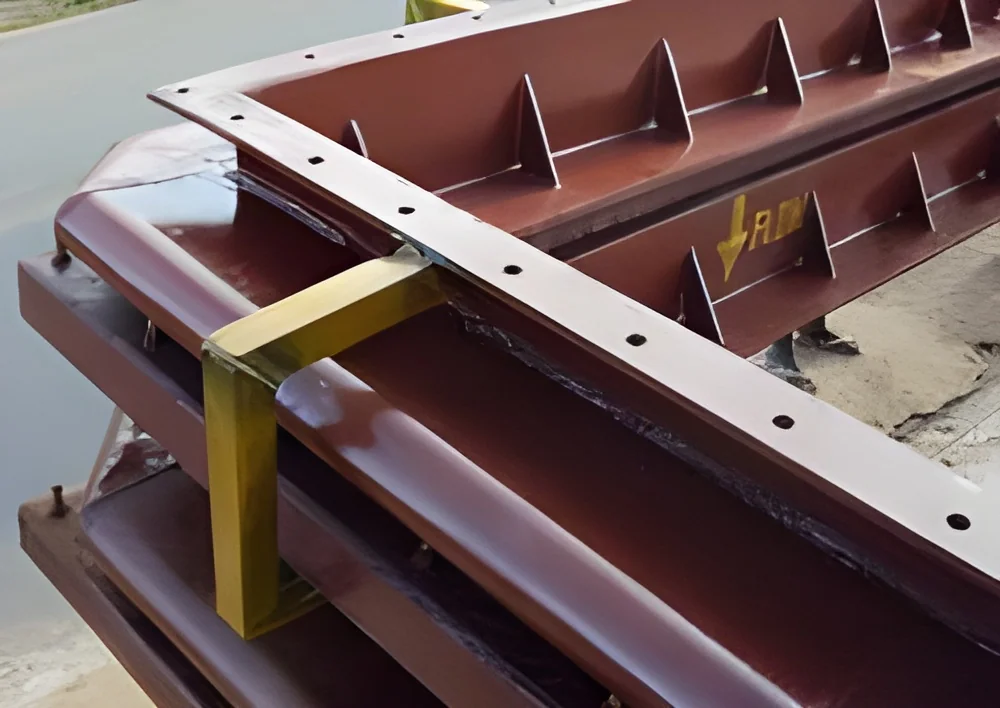
What are Copper Piping, Valves & Fittings?
Copper piping, valves, and fittings are essential components used in various piping systems across several industries. Copper piping is a type of tubing made from copper, known for its durability, flexibility, and resistance to corrosion. Valves and fittings are components that control the flow of fluids within these piping systems. Valves regulate the flow and pressure of liquids or gases, while fittings connect different segments of piping, allowing for changes in direction or size.
These products find primary applications in sectors such as plumbing, HVAC systems, refrigeration, and industrial processes. In plumbing, copper piping is favored for its long lifespan and reliability. HVAC systems utilize copper piping for efficient heat exchange, while refrigeration systems benefit from the material's thermal conductivity. The relevance of copper piping, valves, and fittings in today's market is underscored by the growing demand for energy-efficient solutions, as industries seek to improve operational efficiency and reduce costs.
Key Features and Specifications
Copper piping, valves, and fittings come with various features and specifications that enhance their utility and performance. Understanding these specifications helps buyers make informed decisions.
Key specifications include:
1. Material Grade
- Copper piping is typically made from Type K, L, or M copper, with Type K being the thickest and most durable.
- Each type serves specific applications based on pressure and thermal requirements.
2. Diameter Sizes
- Available in a range of diameters, commonly from 1/4 inch to 8 inches.
- Specific sizes are chosen based on flow requirements and installation constraints.
3. Pressure Ratings
- Rated for different pressure levels, generally between 100 to 300 psi.
- Higher ratings indicate suitability for more demanding applications.
4. Temperature Resistance
- Copper components can withstand temperatures up to 400 degrees Fahrenheit.
- This makes them suitable for hot water and steam applications.
5. Connection Types
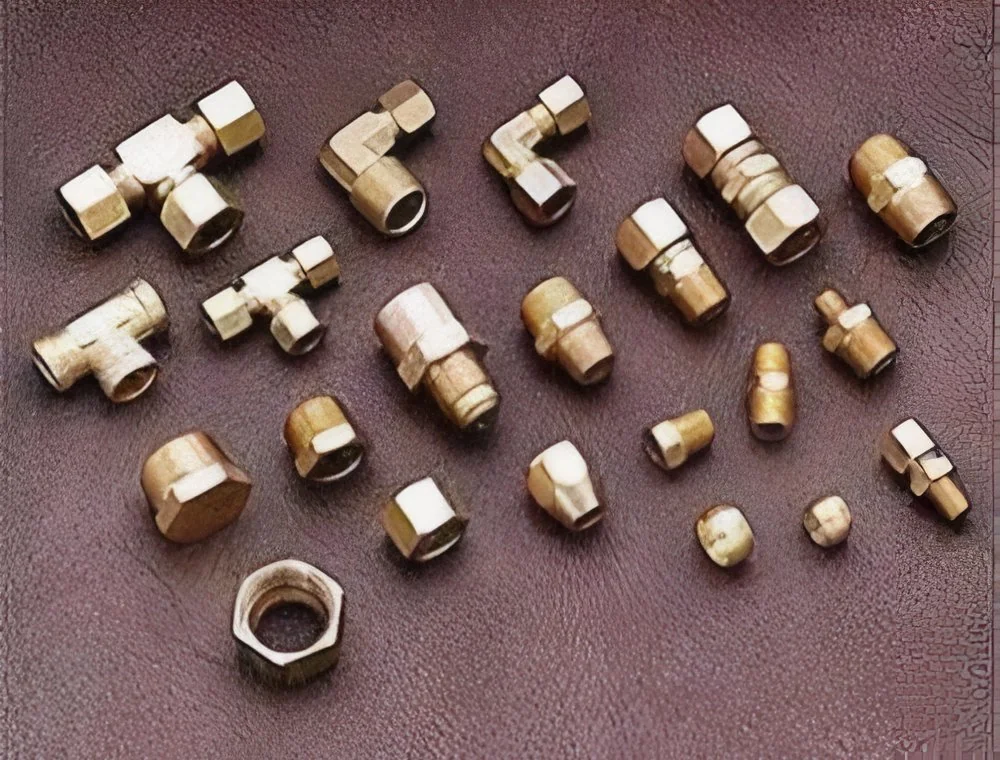
- Available with various connection types, including solder, flare, and compression fittings.
- The choice depends on the specific installation and maintenance requirements.
6. Corrosion Resistance
- Copper's natural corrosion resistance is a key feature, ensuring longevity.
- Coatings or treatments may enhance this property for specific environments.
7. Compliance Standards
- Must meet industry standards such as ASTM and CE certification.
- Ensures reliability and safety in applications.
8. Customization Options
- Availability of custom lengths and configurations to meet unique project needs.
- This flexibility allows for tailored solutions across various industries.
Overall, these specifications ensure that copper piping, valves, and fittings meet the diverse needs of various applications.
Common Applications and Use Cases
Copper piping, valves, and fittings serve a wide range of industries, each with specific applications.
1. Plumbing: Copper piping is widely used for water supply lines due to its durability and resistance to corrosion. It is often used in residential and commercial buildings for both hot and cold water systems.
2. HVAC: In heating, ventilation, and air conditioning systems, copper piping is essential for refrigerant lines and condensate drains. Its thermal conductivity makes it ideal for efficient heat transfer.
3. Refrigeration: Copper fittings and valves are crucial in refrigeration systems, allowing for precise control of refrigerant flow. This contributes to the efficiency and effectiveness of cooling systems in commercial and industrial settings.
4. Industrial Processes: Various manufacturing processes utilize copper piping for fluid transport due to its strength and reliability. It is commonly found in chemical processing and food production facilities.
5. Marine Applications: Copper piping is also used in marine environments where corrosion resistance is critical. It is used in shipbuilding and maintenance for plumbing and cooling systems.
6. Solar Heating: In solar thermal systems, copper piping is employed to transport heat transfer fluids. Its high thermal conductivity enhances system efficiency.
7. Fire Protection Systems: Copper piping is utilized in fire suppression systems, where its durability and resistance to high temperatures are vital for safety.
Product Variants and Subcategories
Copper piping, valves, and fittings come in various forms, each designed for specific applications and requirements.
Copper Pipe
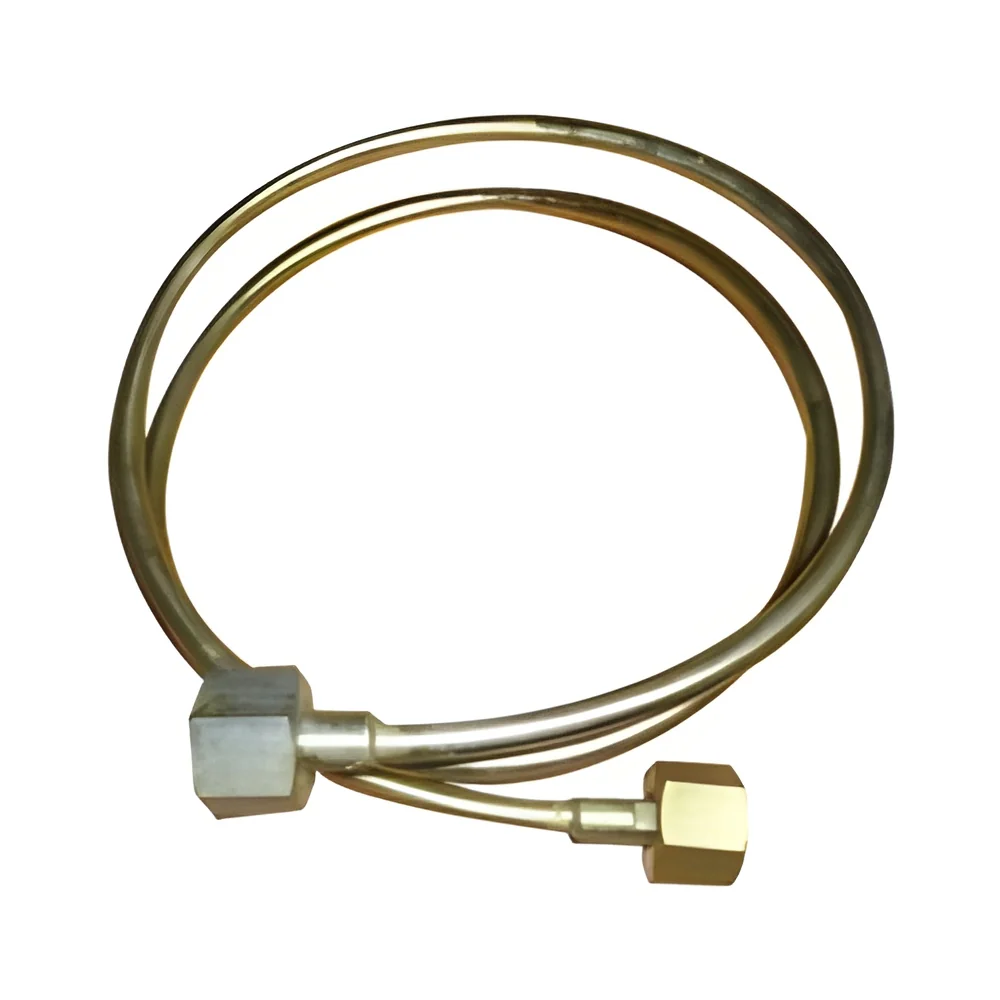
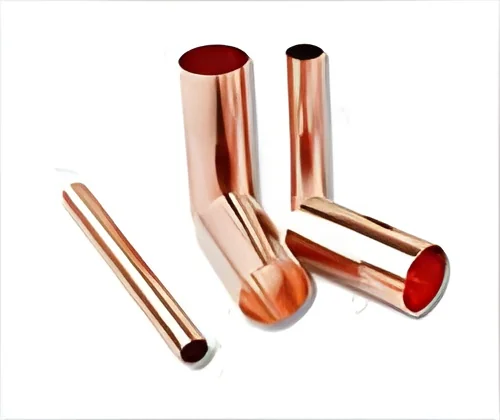
This variant is available in different types, including Type K, L, and M, each with unique wall thicknesses. Type K is the thickest, ideal for underground installations, while Type L is suitable for indoors, and Type M is typically used in residential applications.
Copper Fittings
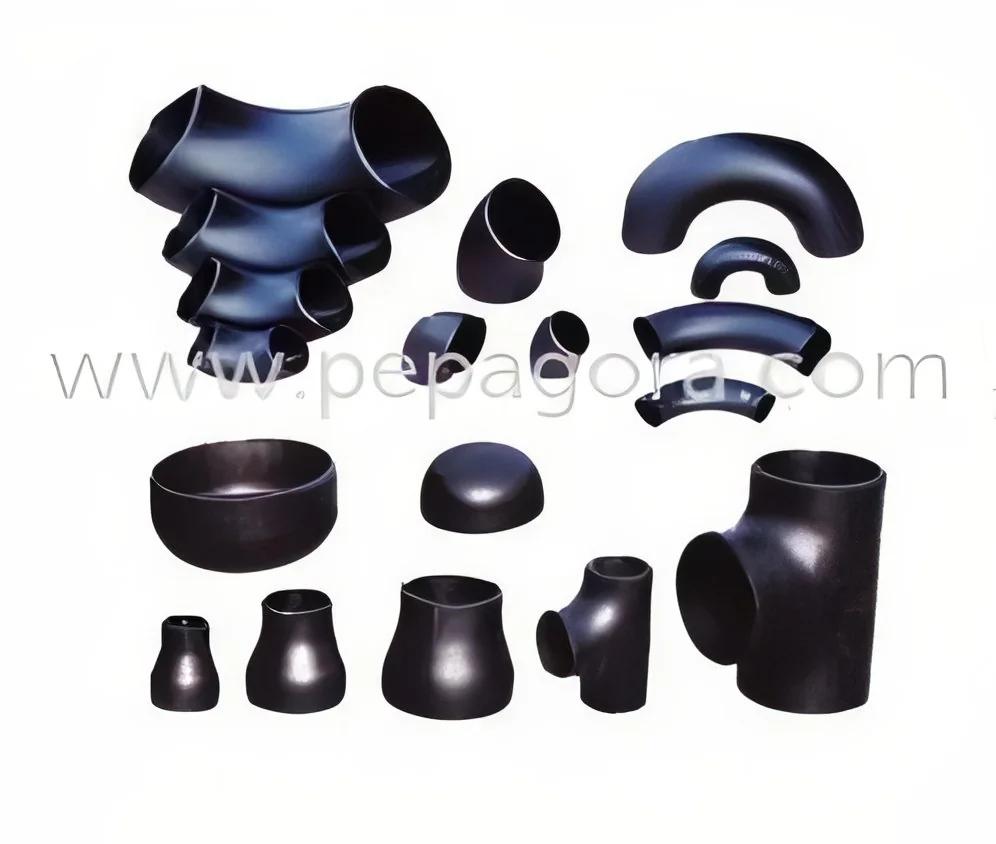
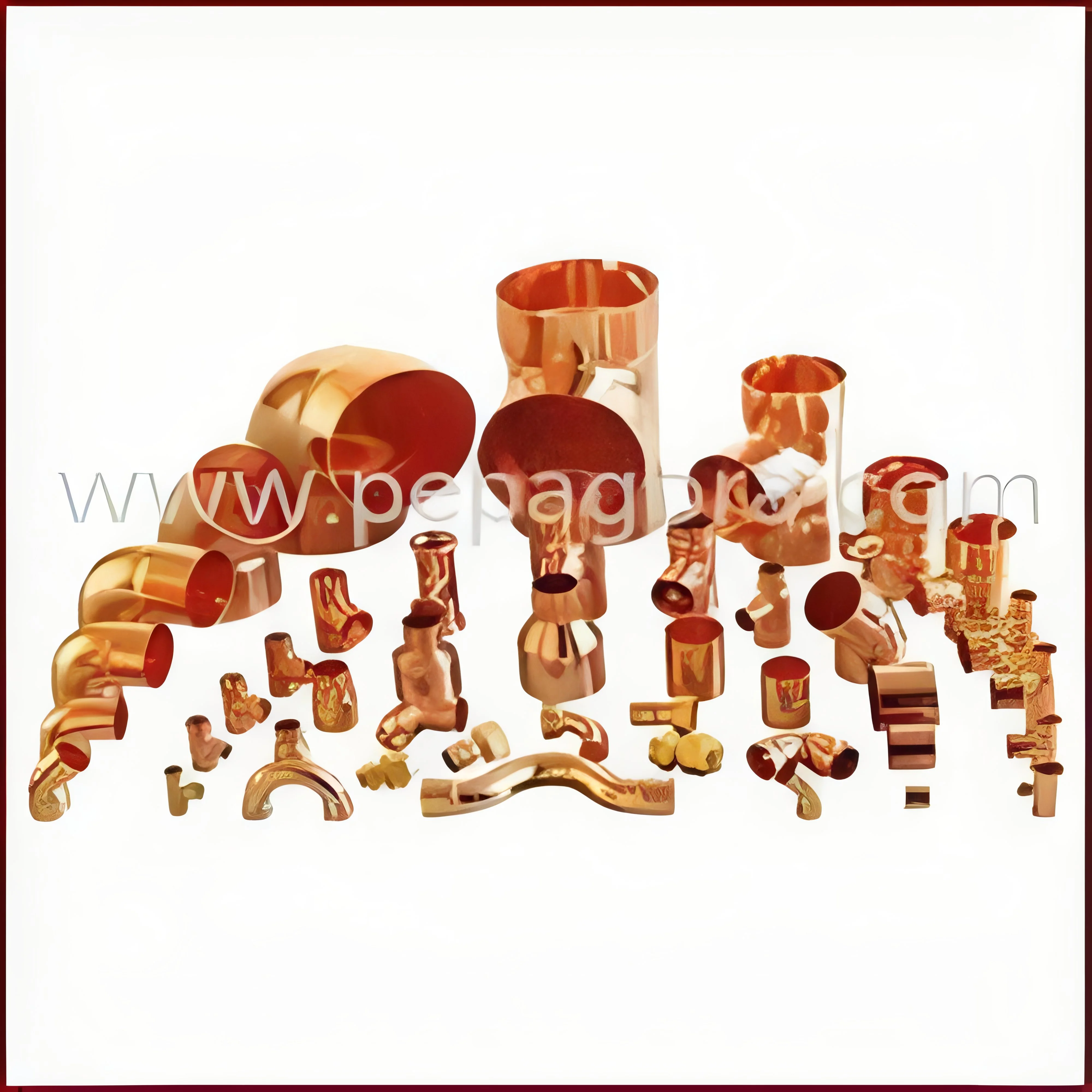
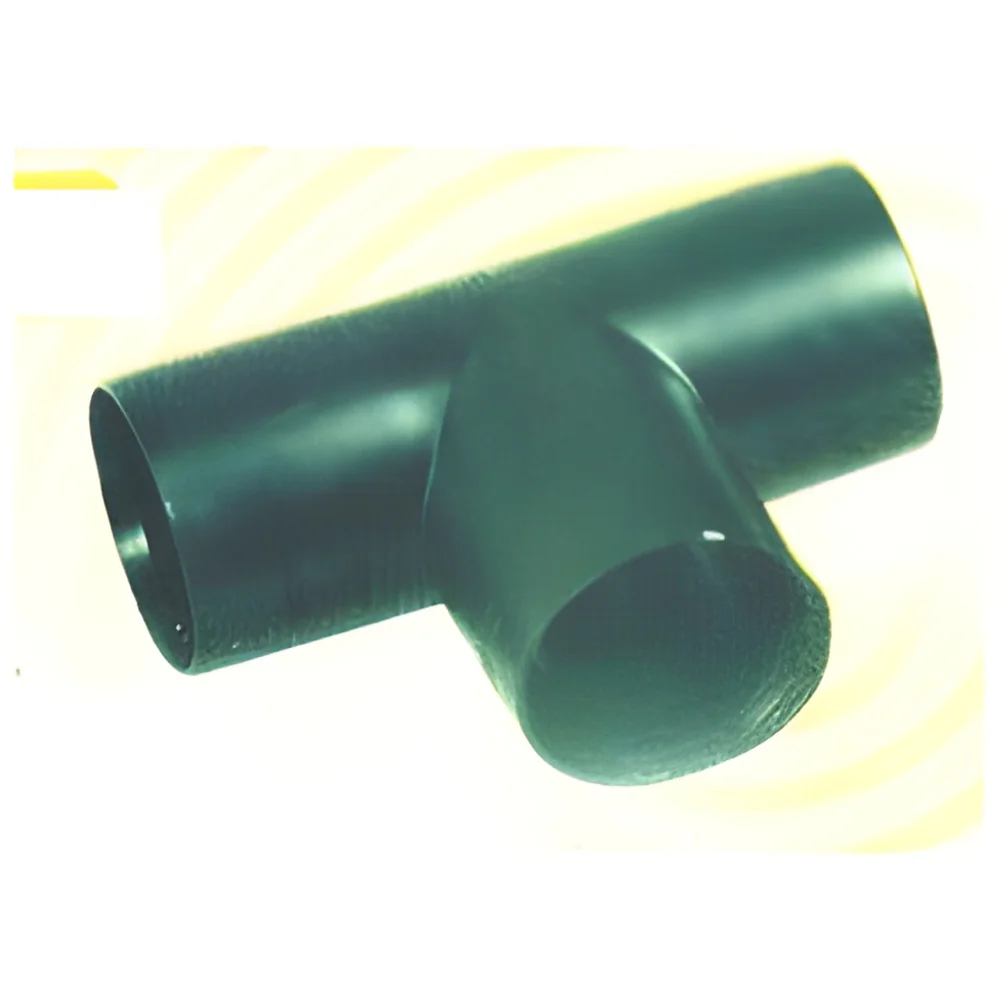
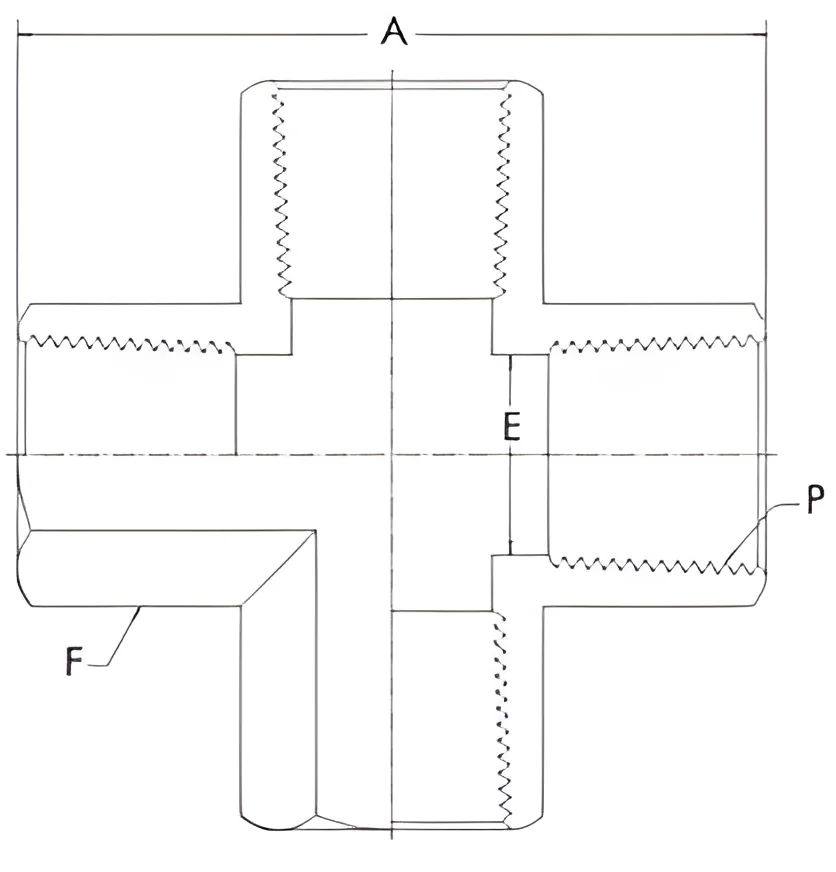
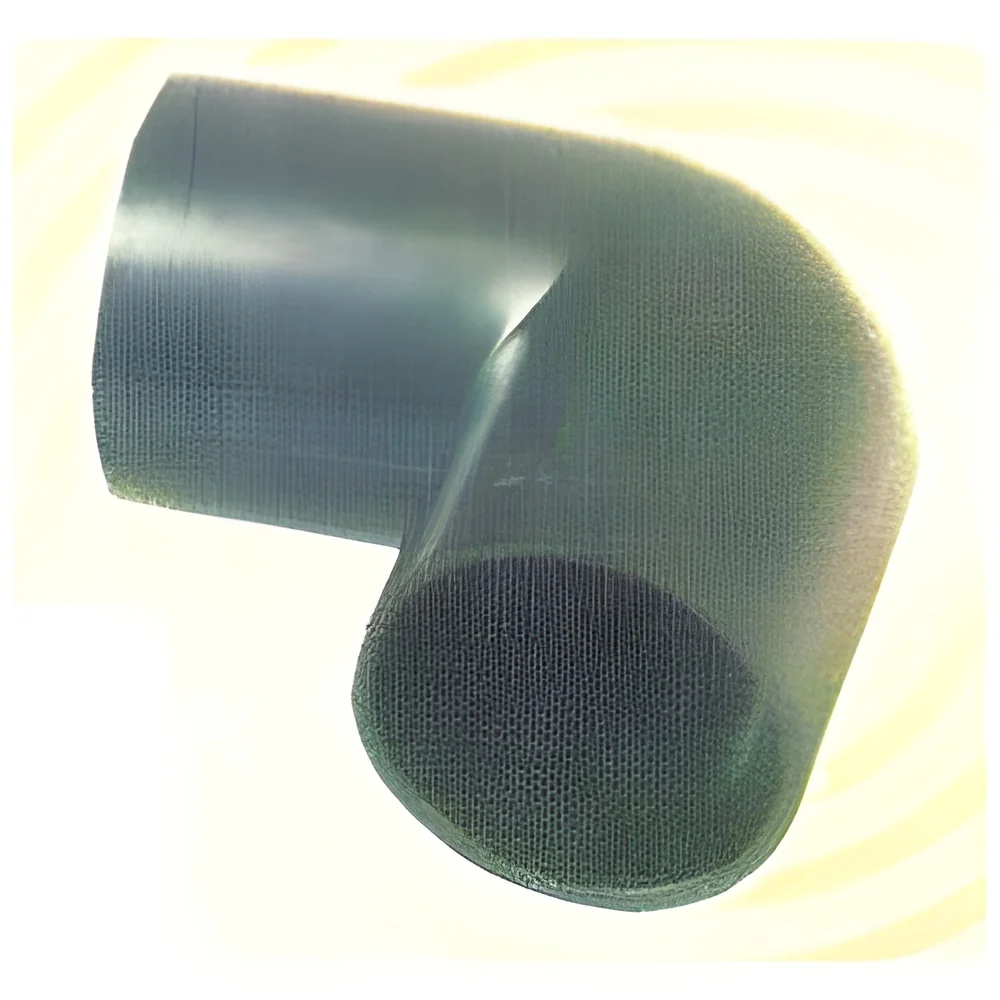
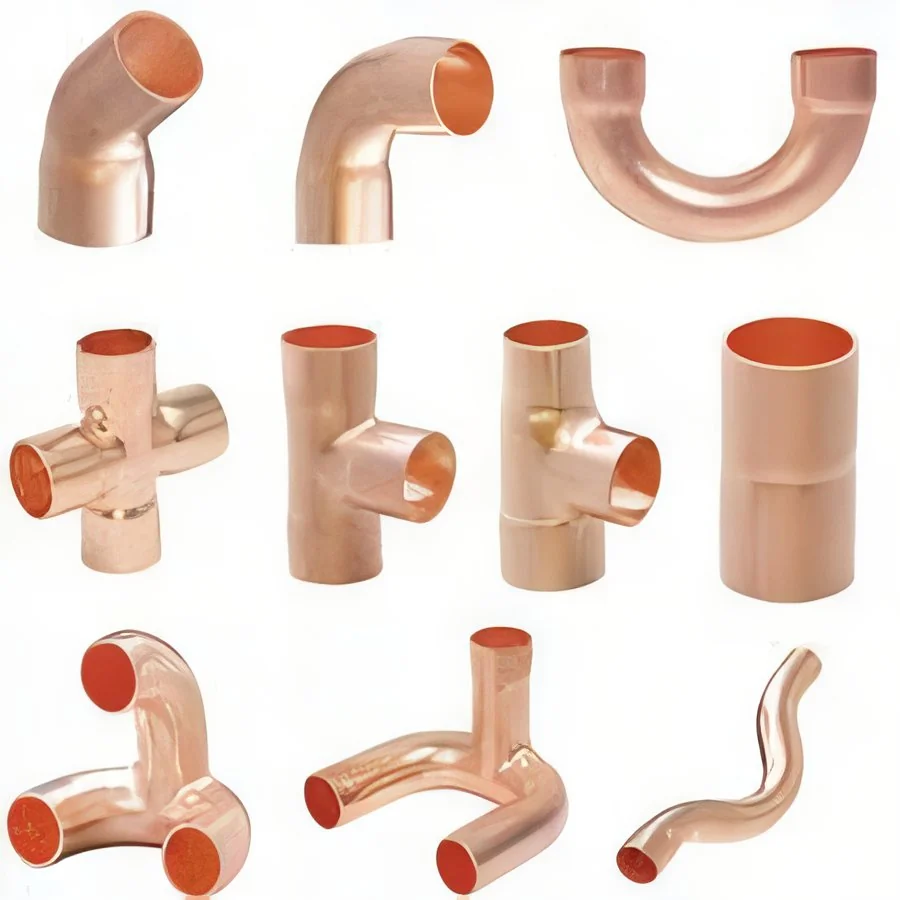
These include a wide range of shapes and sizes, such as elbows, tees, and couplings. They allow for easy connections and transitions in piping systems, making installation efficient.
Copper Valves
Available in various types such as ball valves, gate valves, and check valves, copper valves control the flow and pressure of fluids. Each type serves specific functions based on system needs.
Benefits and Advantages
Copper piping, valves, and fittings offer numerous benefits that contribute to their widespread use across various industries.
1. Durability: Copper is known for its long lifespan and ability to withstand extreme temperatures and pressures, making it a reliable choice.
2. Corrosion Resistance: Copper's natural resistance to corrosion minimizes maintenance requirements and extends the life of the piping system.
3. Thermal Conductivity: The high thermal conductivity of copper enhances energy efficiency in heating and cooling systems.
4. Antimicrobial Properties: Copper has natural antimicrobial properties that reduce the risk of bacterial growth in plumbing systems.
5. Recyclability: Copper is highly recyclable, contributing to sustainability efforts and reducing environmental impact.
6. Easy Installation: The lightweight nature of copper piping and fittings allows for easier handling and installation compared to other materials.
Buying Guide for B2B Buyers
When sourcing copper piping, valves, and fittings, it is crucial for buyers to consider several key factors.
1. Quality Assessment: Evaluate the quality of copper products by checking compliance with industry standards such as ASTM and CE certifications. Look for suppliers that provide detailed specifications and test reports.
2. Supplier Verification: Vet suppliers to ensure they have a solid reputation and a history of delivering high-quality products. Request references and check customer reviews.
3. Pricing and MOQ: Understand the pricing structure and minimum order quantities (MOQ) from different suppliers. Compare costs while considering the quality of materials.
4. Delivery and Lead Times: Confirm the delivery schedules and lead times for orders. Efficient logistics are essential for minimizing project delays.
5. Compliance Requirements: Be aware of any regional compliance and regulatory requirements that affect the use of copper piping and fittings in your specific industry.
Compliance and Certifications
Compliance and certifications are critical aspects of sourcing copper piping, valves, and fittings. Ensuring that products meet relevant quality standards is essential for safety and reliability.
ISO 9001 is a key standard that outlines quality management principles, ensuring consistent quality in products and services. Compliance with this standard guarantees that suppliers adhere to stringent quality control measures.
CE certification indicates that the products meet European safety, health, and environmental protection standards. This certification is particularly important for businesses operating within or exporting to the European market.
Safety and testing requirements must also be met, including pressure testing, leak testing, and material inspections. These tests ensure the integrity and performance of copper products in various applications.
Additionally, regional compliance considerations may vary, requiring knowledge of specific regulations that govern the use of copper piping, valves, and fittings in different countries or regions.
Why Source Copper Piping, Valves & Fittings from Pepagora?
Pepagora offers a trusted platform for sourcing copper piping, valves, and fittings, providing several key advantages that benefit B2B buyers.
Verified Supplier Network: Pepagora connects buyers with a network of verified suppliers, ensuring that only reputable manufacturers are included. This mitigates risks associated with sourcing low-quality products.
Streamlined RFQ Process: The platform features a streamlined request for quotation (RFQ) process, allowing buyers to easily request quotes from multiple suppliers. This simplifies the comparison process and helps in making informed purchasing decisions.
Trade Assurance and Support: Pepagora provides trade assurance to protect buyers, ensuring that transactions are secure. The platform also offers support throughout the purchasing process, addressing any concerns that may arise.
Regional Coverage: With a strong presence in India, the GCC, and Southeast Asia, Pepagora facilitates sourcing across these regions. This geographic reach ensures that buyers have access to a diverse range of products and suppliers tailored to their specific needs.

 IN
IN