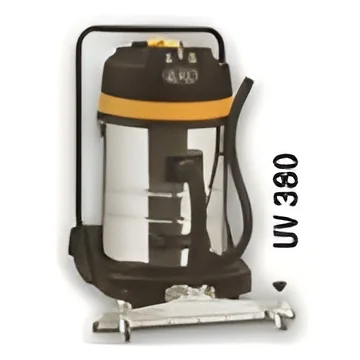
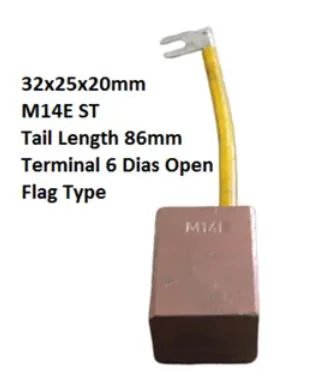
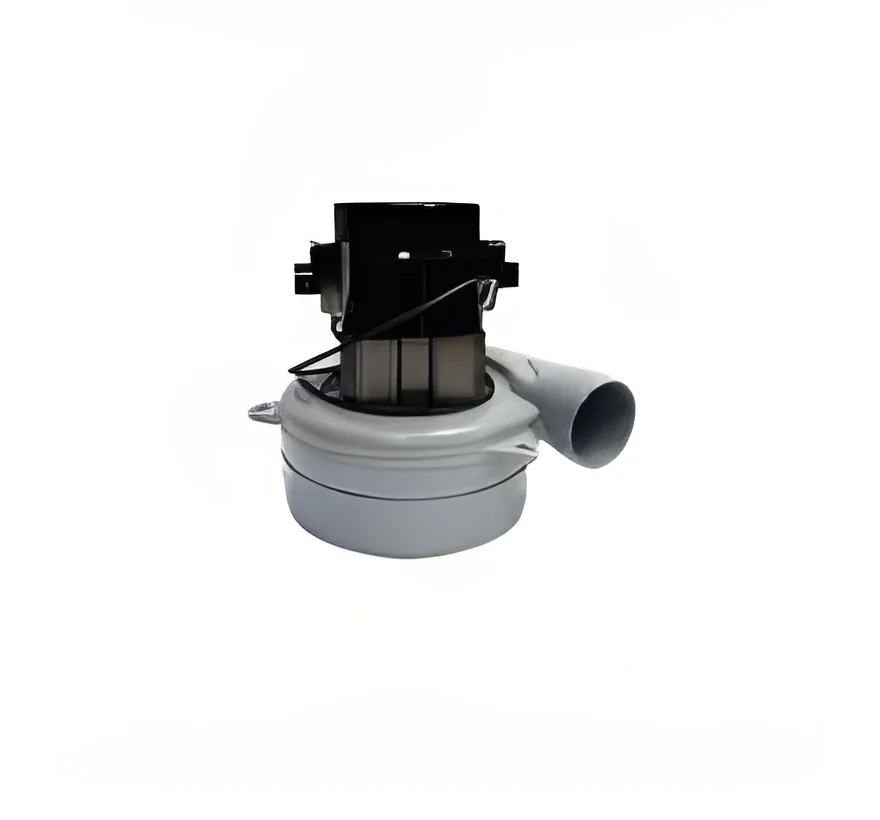
What are Duct Cleaning Equipment?
Duct cleaning equipment refers to specialized tools and machines designed to clean and maintain HVAC ductwork systems. These systems are essential for circulating air in commercial and industrial buildings, and over time, they can accumulate dust, debris, and contaminants. Duct cleaning equipment is engineered to remove these substances, ensuring optimal airflow, improved air quality, and enhanced energy efficiency.
The primary uses of duct cleaning equipment include the removal of allergens, mold, and other pollutants from air ducts. This process is crucial for maintaining health standards in businesses, particularly in sectors like healthcare, food service, and manufacturing. Regular cleaning is vital to comply with safety regulations and enhance overall indoor air quality. The industry relevance of duct cleaning equipment has grown as businesses increasingly prioritize maintaining clean environments to protect employees and customers.
Key Features and Specifications
Duct cleaning equipment is equipped with features that enhance effectiveness and efficiency in cleaning operations. Buyers should consider these specifications to choose suitable equipment for their needs.
Key specifications include:
1. Suction Power
- Equipment typically offers varying levels of suction power measured in inches of water lift.
- Ranges can vary from 100 to over 300 inches, depending on the model.
2. Hose Length
- Duct cleaning hoses are available in various lengths, facilitating access to hard-to-reach areas.
- Common lengths range from 25 to 50 feet.
3. Filtration System
- Many models feature advanced filtration systems to trap dust and allergens.
- HEPA filters are common, often with a filtration efficiency of 99.97% for particles as small as 0.3 microns.
4. Mobility
- Equipment is designed for portability, with some models being wheeled for ease of transport.
- Weight can vary, with portable units typically weighing between 50 to 150 pounds.
5. Noise Level
- Noise levels are important for workplace comfort.
- Many duct cleaning machines operate at sound levels between 70 and 90 decibels.
6. Power Source
- Equipment can be electric or gas-powered, with electric models being more common in indoor settings.
- Power requirements may range from 110V to 240V.
7. Accessories
- Many units come with various accessories, including brushes and extensions for improved cleaning.
- Some models offer specialized attachments for different duct sizes and types.
8. Compliance Standards
- Equipment should meet applicable safety and performance standards, such as CE certification.
These specifications are crucial for ensuring that the selected duct cleaning equipment meets operational needs and compliance requirements.
Common Applications and Use Cases
Duct cleaning equipment serves various industries, addressing specific cleaning needs.
1. Healthcare: In hospitals and clinics, duct cleaning is vital to maintain sterile environments and reduce airborne contaminants, helping to prevent infections.
2. Food Service: Restaurants and food processing facilities require regular duct cleaning to comply with health regulations and ensure food safety by preventing contamination from grease buildup.
3. Manufacturing: Factories benefit from clean ducts by improving air quality and reducing respiratory hazards for workers exposed to dust and other pollutants.
4. Commercial Offices: Regular duct cleaning in office buildings enhances indoor air quality, promoting employee health and productivity.
5. Educational Institutions: Schools and universities utilize duct cleaning to create a safe learning environment by removing allergens and other airborne irritants.
6. Retail Spaces: In retail environments, clean ducts help maintain a pleasant shopping atmosphere and can improve HVAC system efficiency.
7. Residential Services: Many duct cleaning companies also serve residential clients, ensuring homes have clean air circulation and reduced allergens.
Product Variants and Subcategories
Duct cleaning equipment comes in various forms to cater to different cleaning requirements and preferences.
Portable Duct Cleaning Machines: These compact units are ideal for smaller spaces and residential applications. They are lightweight and easy to maneuver, making them suitable for quick cleanups.
Truck-Mounted Systems: Designed for larger commercial applications, these systems are powerful and can handle extensive ductwork cleaning. They often provide greater suction power and can service larger buildings efficiently.
Robotic Duct Cleaners: This advanced technology uses robotics to navigate duct systems for automated cleaning. They are particularly useful in hard-to-reach areas and can operate with minimal human intervention.
Integrated HVAC Systems: Some modern HVAC systems come with built-in duct cleaning features, allowing for routine maintenance without the need for separate equipment.
Benefits and Advantages
Choosing the right duct cleaning equipment offers several benefits to businesses.
1. Improved Air Quality: Regular duct cleaning removes dust and allergens, leading to healthier indoor environments.
2. Energy Efficiency: Clean ducts enhance HVAC efficiency, potentially reducing energy costs and extending the lifespan of heating and cooling systems.
3. Compliance Assurance: Using effective duct cleaning equipment helps businesses meet health and safety regulations.
4. Enhanced System Performance: Regular maintenance ensures that HVAC systems operate at optimal levels, reducing the risk of breakdowns.
5. Cost-Effectiveness: Investing in quality duct cleaning equipment can lower long-term operational costs by preventing excessive wear on HVAC systems.
6. Increased Comfort: Improved air quality and effective temperature control contribute to a more comfortable environment for employees and customers.
Buying Guide for B2B Buyers
When sourcing duct cleaning equipment, it is essential to consider various factors to ensure the right choice.
1. Quality Assessment: Evaluate the materials and construction of the equipment. Look for durable components and reliable performance to maximize the lifespan of the investment.
2. Supplier Verification: Choose suppliers with a proven track record in the industry. Confirm their reputation through reviews and testimonials from other businesses.
3. Pricing and MOQ: Understand the price range for different models. Check minimum order quantities to ensure they align with your purchasing needs.
4. Delivery and Lead Times: Assess suppliers' logistics capabilities. Timely delivery is crucial for maintaining operational schedules.
5. Compliance Requirements: Ensure that the equipment meets relevant safety and performance standards. Check for certifications that may be necessary based on regional regulations.
Compliance and Certifications
Compliance and certifications are critical aspects of duct cleaning equipment. Many manufacturers adhere to relevant quality standards, such as ISO 9001, which ensures consistent quality management processes. Additionally, adherence to HACCP guidelines is important, especially in industries where hygiene is paramount, such as food service.
Industry certifications like CE signify that products comply with European health, safety, and environmental protection standards. Safety testing is also essential, as equipment must undergo rigorous evaluations to ensure it operates safely and effectively. Regional compliance considerations may vary, so it is vital for buyers to understand local regulations that affect the use of duct cleaning equipment.
Why Source Duct Cleaning Equipment from Pepagora?
Pepagora provides a trusted platform for sourcing duct cleaning equipment, offering several key advantages for B2B buyers.
First, Pepagora features a verified supplier network, ensuring that businesses can connect with reputable manufacturers and distributors. This verification process helps in mitigating risks associated with purchasing from unknown sources.
The platform also streamlines the RFQ process, allowing buyers to submit requests for quotations easily. This efficiency saves time and helps businesses compare prices and features from multiple suppliers quickly.
Trade assurance and support are other significant benefits. Pepagora offers buyer protection measures, ensuring that transactions are secure and that buyers receive the products as promised.
Lastly, Pepagora has a wide regional coverage, including India, the GCC, and Southeast Asia. This geographic reach enables businesses to access a diverse range of duct cleaning equipment tailored to their specific market needs.

 IN
IN