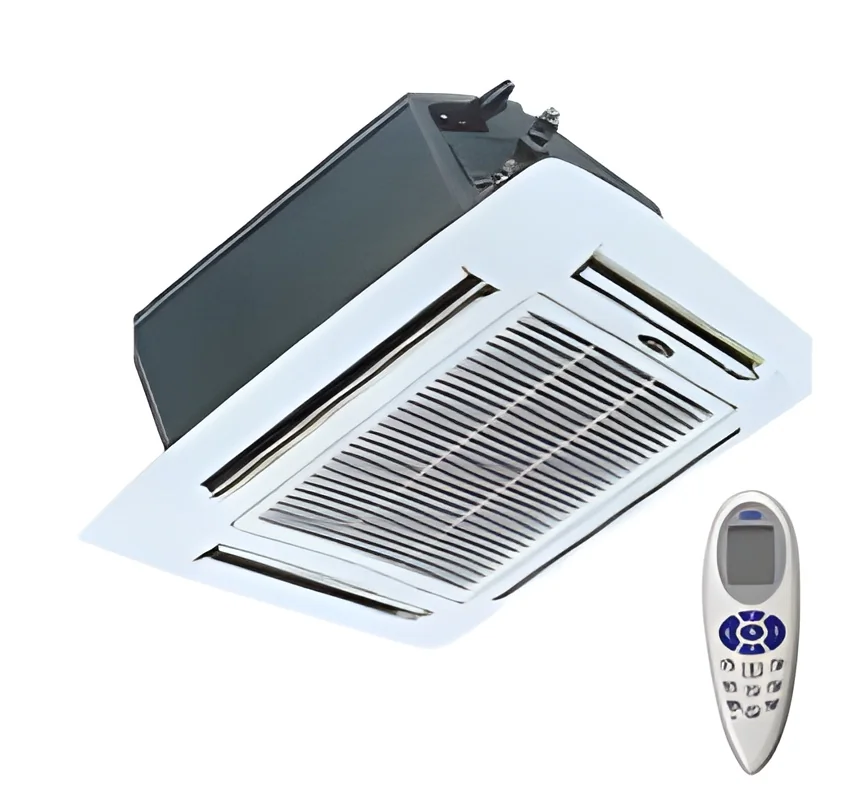
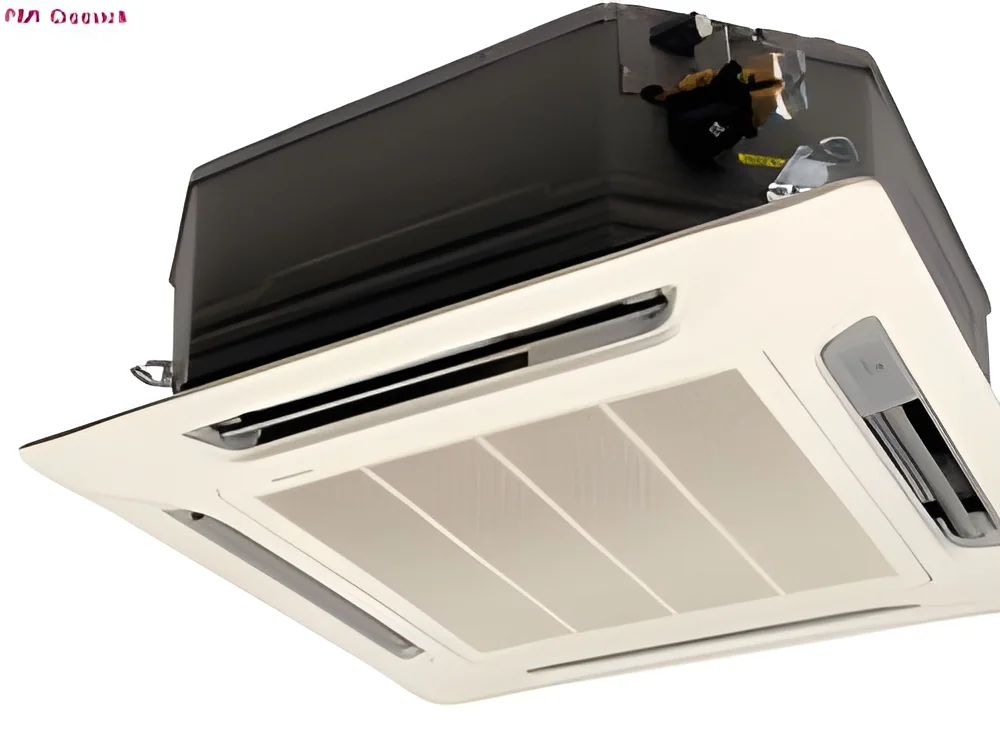
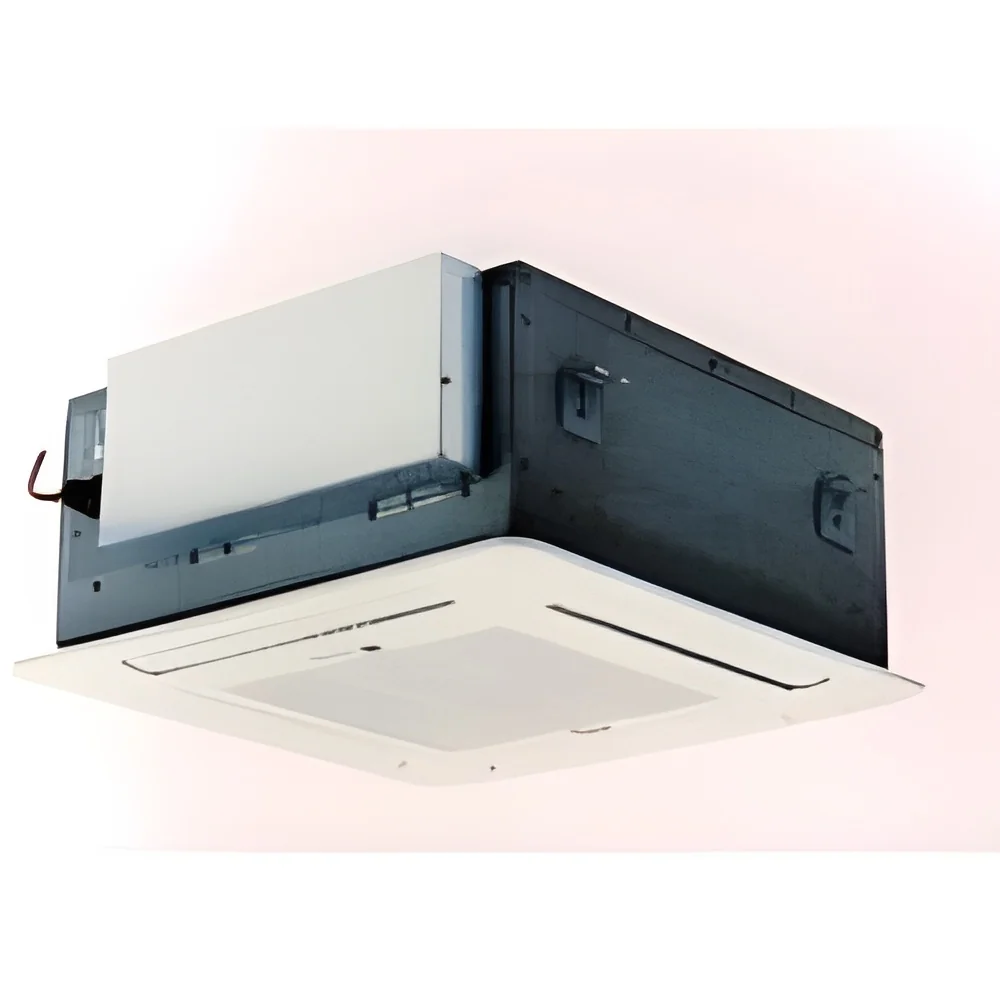
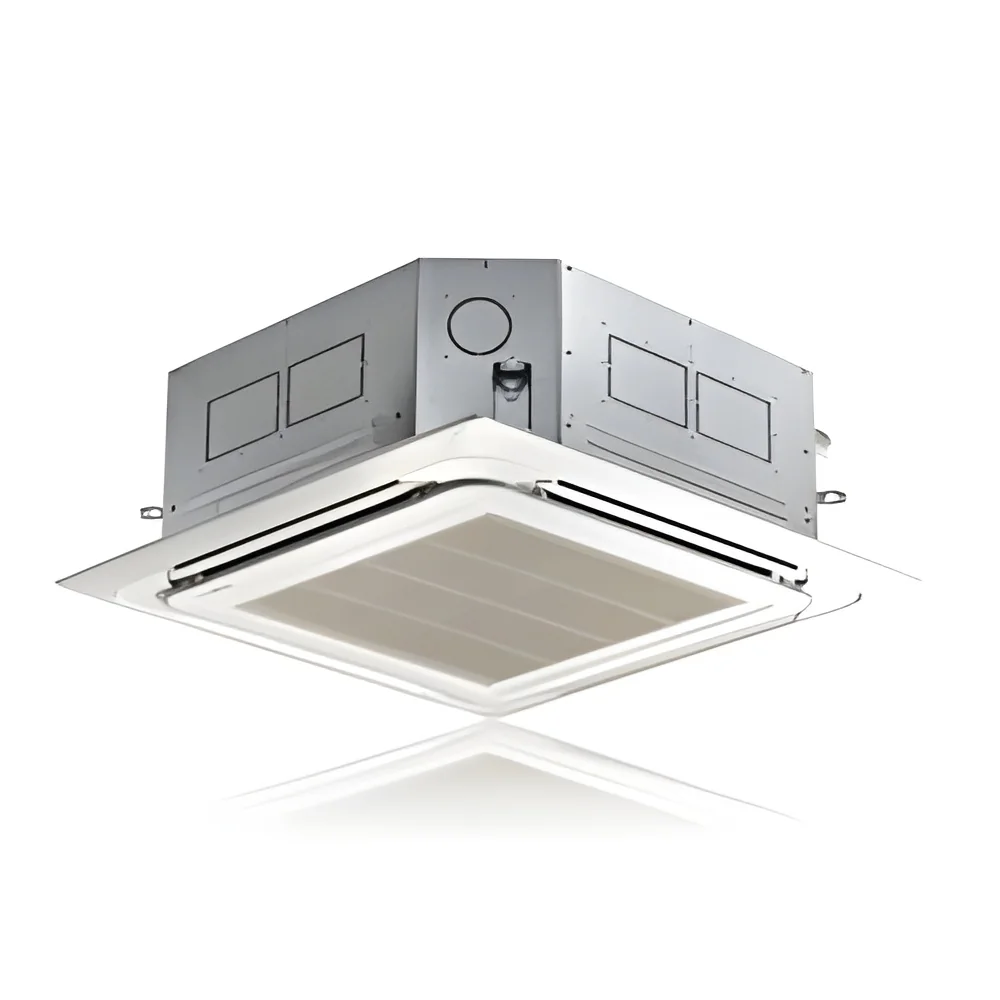
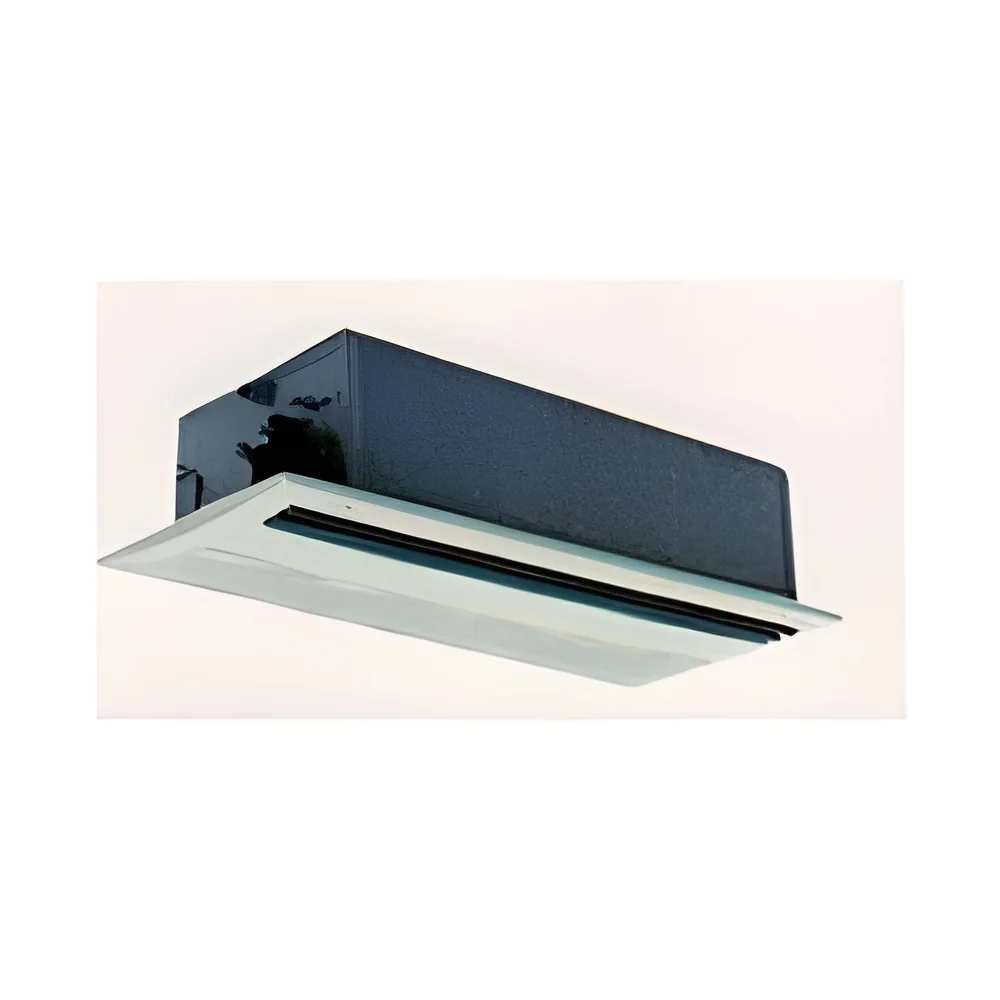
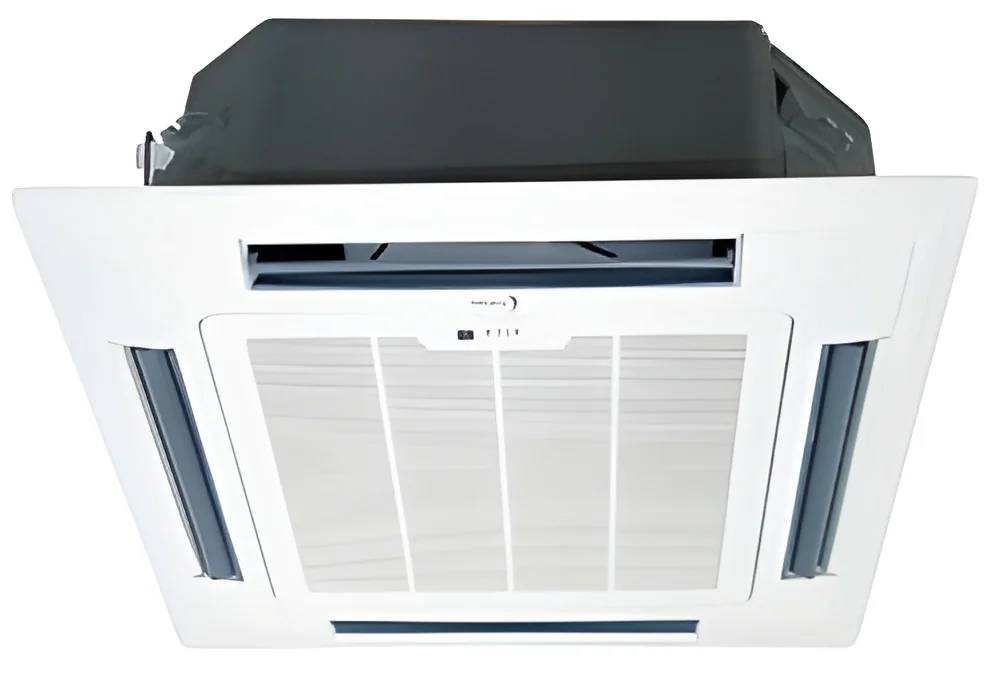
What are Cassette Air Conditioners?
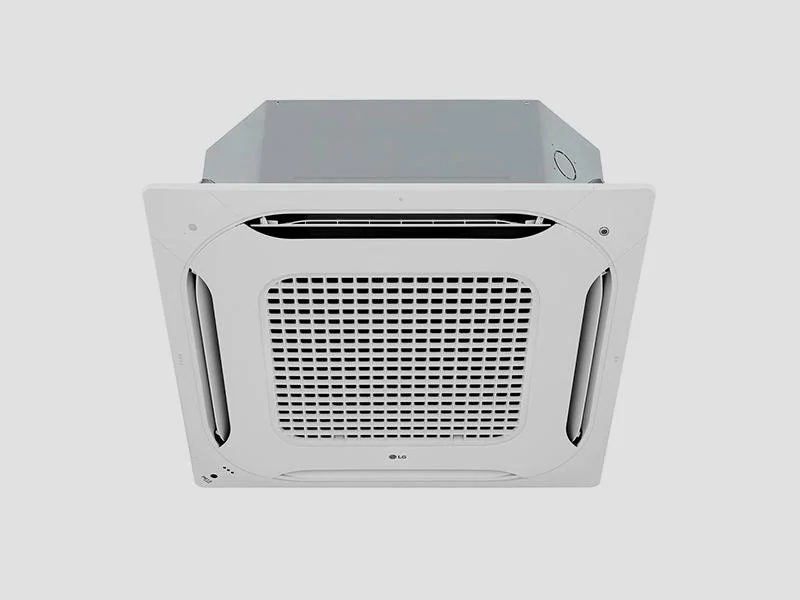
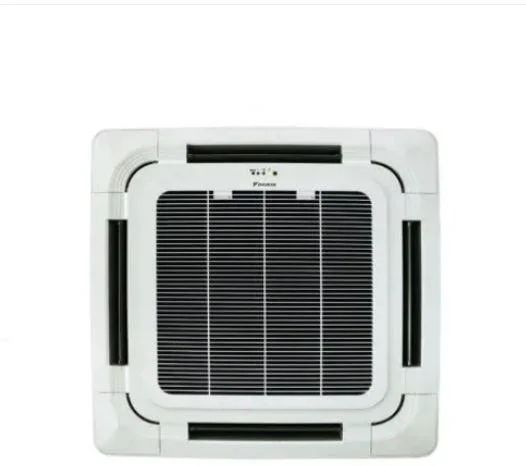
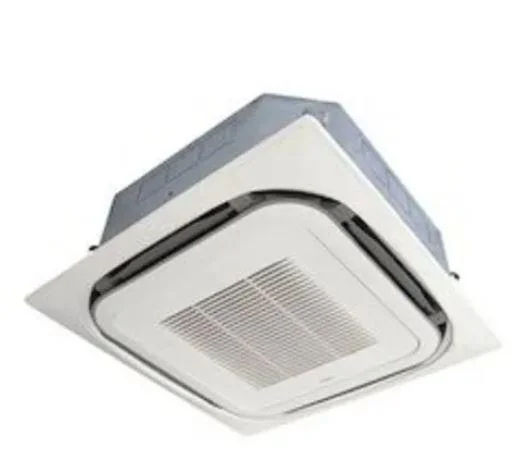
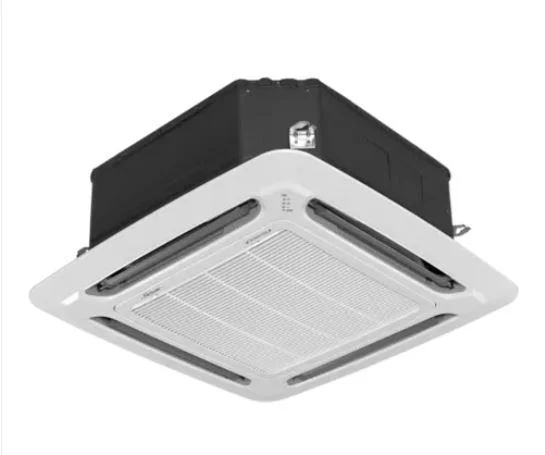
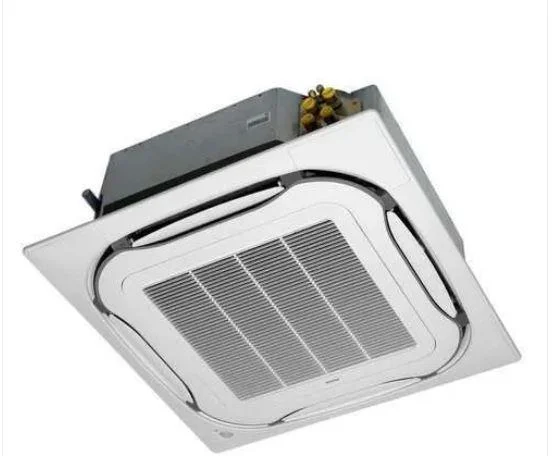
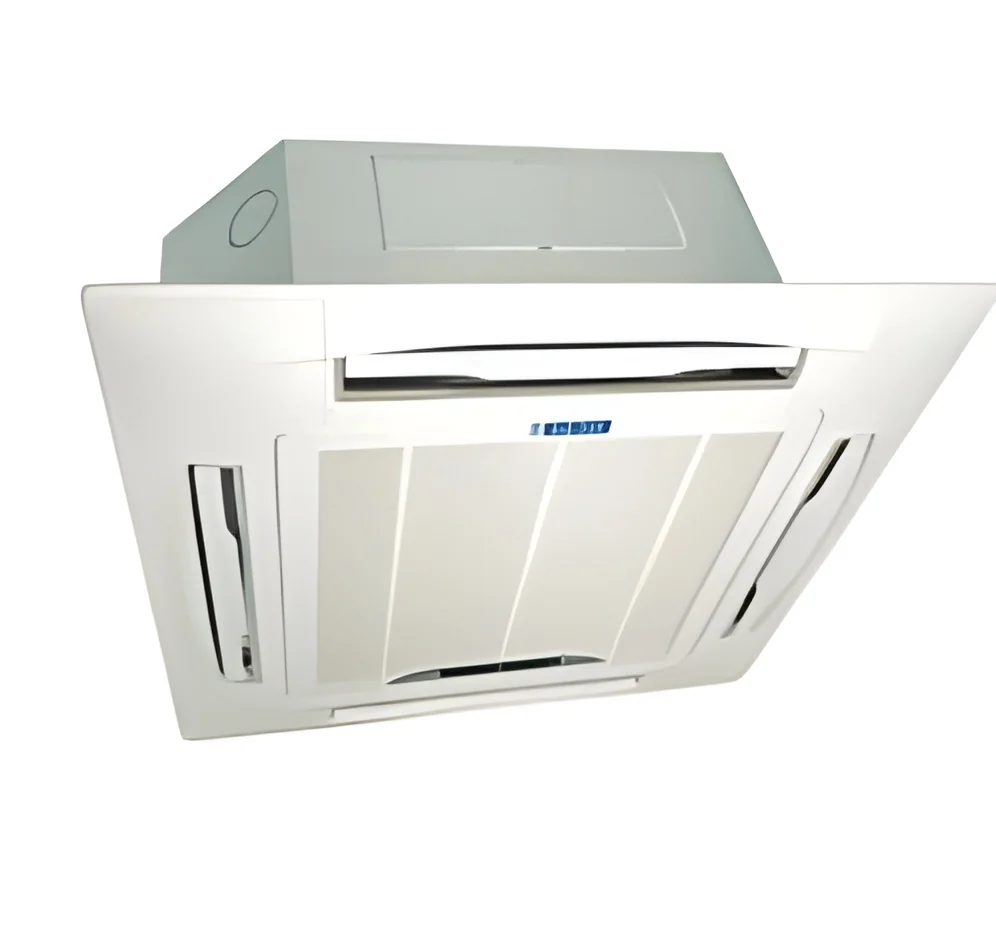
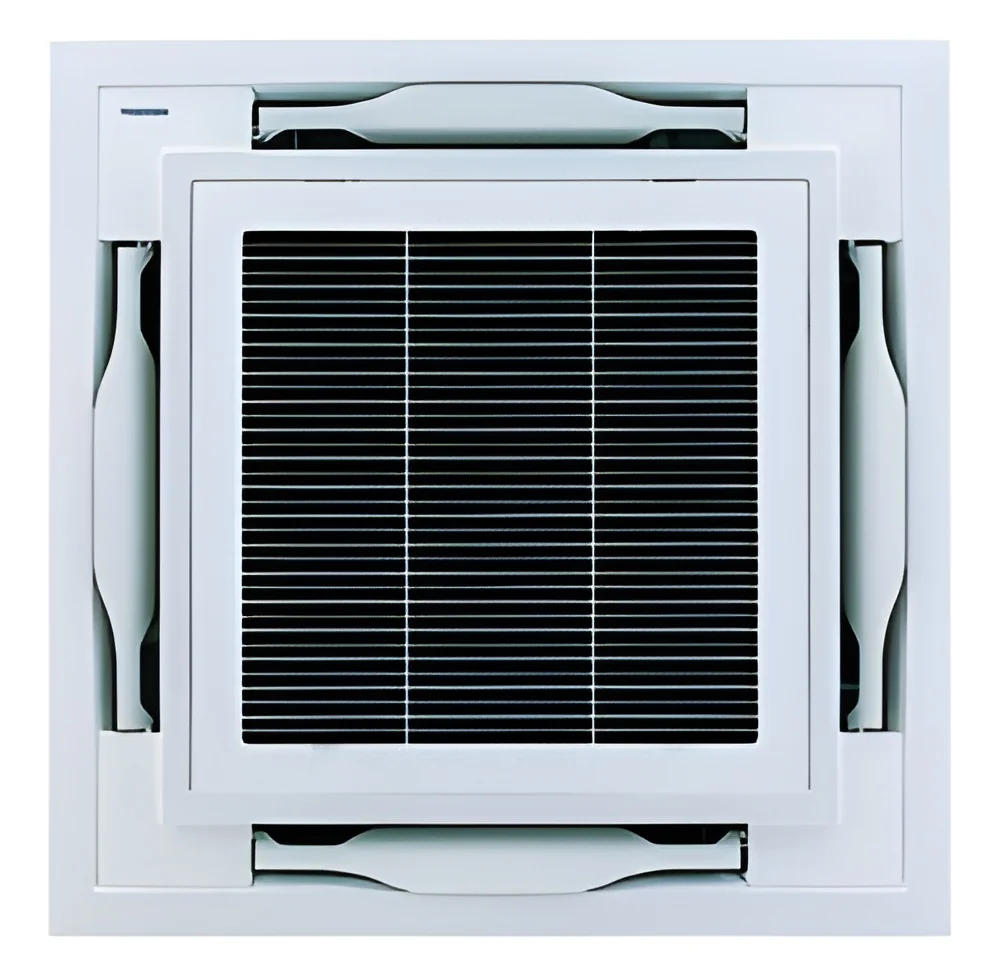
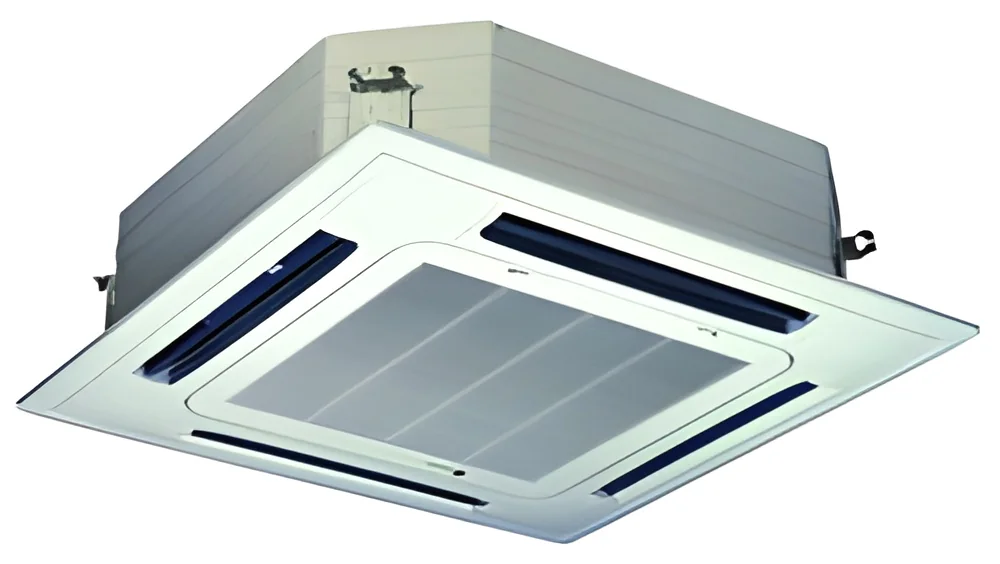
Cassette air conditioners are a type of HVAC system designed for ceiling installation. These units are known for their space-saving design, which allows them to blend seamlessly into commercial environments. Unlike traditional wall-mounted units, cassette air conditioners distribute cool air through multiple vents, providing efficient air circulation throughout a room. This results in improved comfort and energy efficiency.
Primarily, cassette air conditioners are used in commercial and industrial settings such as offices, retail spaces, hotels, and restaurants. They are particularly effective in areas where wall space is limited or where aesthetics are a concern. The unobtrusive installation and ability to cool larger areas make them a popular choice for businesses seeking reliable climate control solutions. The growing demand for energy-efficient systems has further propelled their relevance in the market.
As industries increasingly focus on optimizing energy consumption and maintaining comfortable environments for employees and customers, cassette air conditioners have become a vital component of modern HVAC systems. Their adaptability and efficiency align well with current trends in energy management and sustainability across various sectors.
Key Features and Specifications
Cassette air conditioners come equipped with several key features and specifications that enhance their performance and usability. These units are designed for efficiency and convenience, making them suitable for diverse commercial environments.
Key specifications include:
1. Energy Efficiency Ratio (EER)
- Indicates the unit's cooling efficiency.
- Higher EER values signify better energy performance.
2. Cooling Capacity
- Measured in British Thermal Units (BTUs).
- Ranges typically from 18,000 to 60,000 BTUs to cater to different room sizes.
3. Noise Levels
- Measured in decibels (dB).
- Quiet operation is often a key selling point, with many units operating below 30 dB.
4. Airflow Rate
- Measured in cubic feet per minute (CFM).
- Determines the volume of air the unit can move, impacting cooling effectiveness.
5. Refrigerant Type
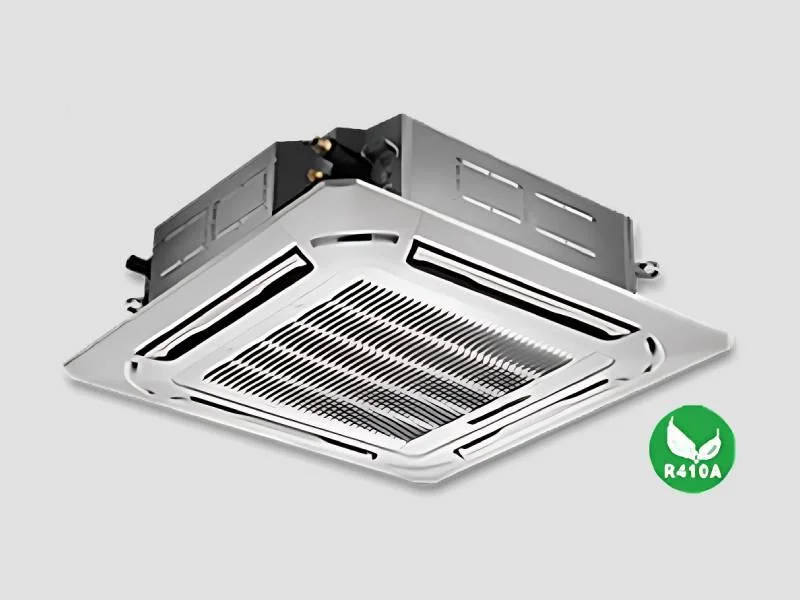
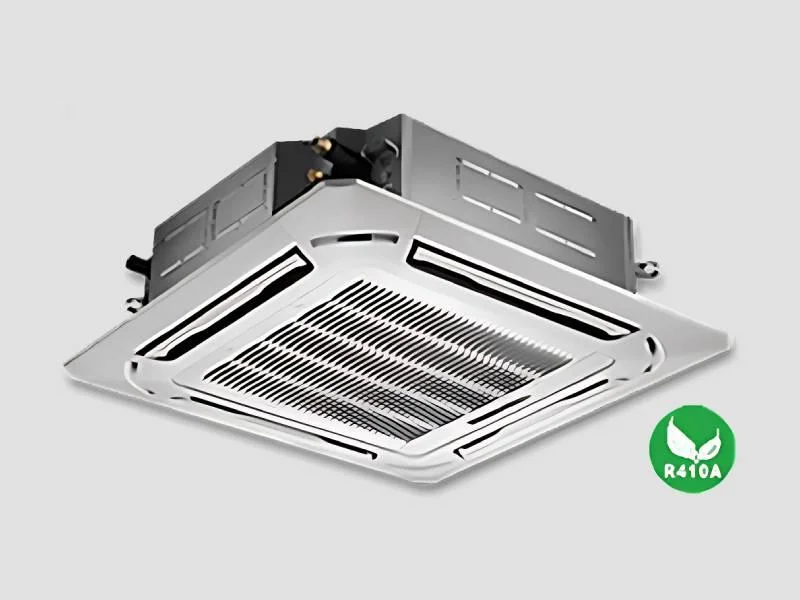
- Most units use R410A refrigerant.
- This refrigerant is known for its environmentally friendly properties.
6. Installation Type
- Ceiling-mounted for a sleek appearance.
- Requires professional installation for optimal performance.
7. Control Options
- Available with remote control and smart thermostat compatibility.
- Some models offer IoT integration for enhanced monitoring.
8. Filter Type
- Equipped with washable and replaceable filters.
- Ensures cleaner air and easier maintenance.
Overall, these specifications contribute to the units' ability to deliver efficient cooling while maintaining a low profile in commercial settings.
Common Applications and Use Cases
Cassette air conditioners serve a wide range of industries, providing effective climate control solutions.
1. Office Spaces: These units maintain comfortable temperatures in large open areas, improving employee productivity and comfort.
2. Retail Stores: Retail environments benefit from the aesthetic design and efficient cooling, enhancing customer experience while showcasing merchandise.
3. Restaurants: Cassette air conditioners provide discreet cooling, ensuring a pleasant atmosphere for diners without obstructing the decor.
4. Hotels: In guest rooms and lobbies, these units offer quiet operation and efficient climate control, contributing to guest satisfaction.
5. Hospitals: Maintaining precise temperature control is crucial in medical settings, where cassette units can operate quietly and efficiently.
6. Educational Institutions: Classrooms and auditoriums benefit from the effective airflow and low noise levels, creating conducive learning environments.
7. Warehouses: These units help regulate temperatures in large spaces, protecting goods and ensuring employee comfort.
Product Variants and Subcategories
Cassette air conditioners are available in various configurations to meet specific needs.
Standard Cassette Units
These are the most common type, designed for general use in commercial settings. They feature a compact design and are easy to install, making them suitable for a wide range of applications.
Low-Profile Cassette Units
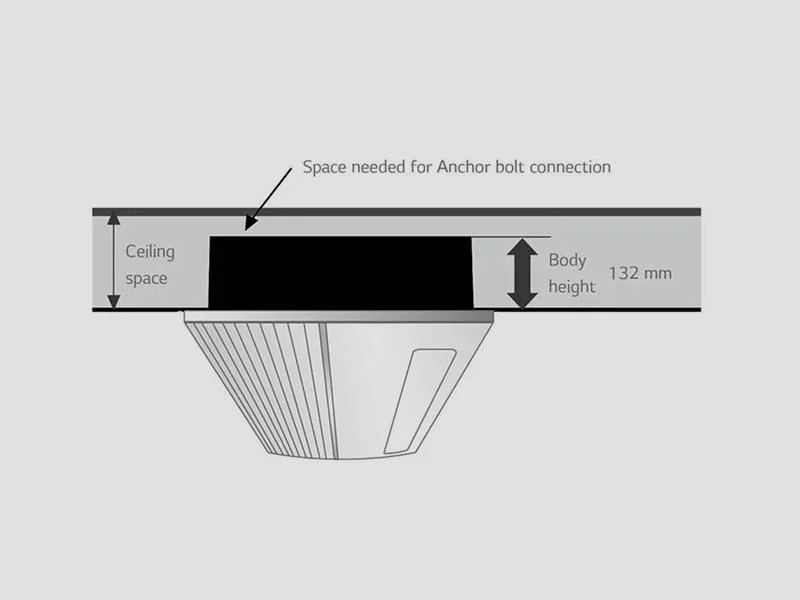
These variants are designed to be even more unobtrusive, with a slim profile that allows for easy integration into low-ceiling spaces. They are ideal for environments where aesthetics are a priority.
Multi-Zone Cassette Systems
These systems allow for multiple indoor units to be connected to a single outdoor compressor. This flexibility makes them perfect for larger buildings with varying cooling needs.
Benefits and Advantages
Cassette air conditioners offer numerous benefits that cater to the needs of businesses.
1. Space Efficiency: The ceiling-mounted design saves wall space and provides a clean aesthetic, making them ideal for commercial environments.
2. Enhanced Air Distribution: With multiple air outlets, these units ensure even cooling throughout the space, improving comfort for occupants.
3. Quiet Operation: Many cassette units operate at low noise levels, creating a comfortable atmosphere without disruptive sounds.
4. Energy Savings: High energy efficiency ratings contribute to reduced operational costs, making them a cost-effective choice in the long run.
5. Easy Maintenance: Washable filters and simple access to components make regular maintenance straightforward, ensuring optimal performance.
6. Versatile Applications: Suitable for various industries, cassette air conditioners can adapt to the specific needs of different environments.
Buying Guide for B2B Buyers
When sourcing cassette air conditioners, several factors should guide the purchasing process.
1. Quality Assessment: Evaluate the brand's reputation and product reviews to ensure reliability and performance. Look for units that meet industry standards for efficiency and operation.
2. Supplier Verification: Vet potential suppliers for credibility and experience in the HVAC market. Request certifications and references to ensure they meet your standards.
3. Pricing and MOQ: Investigate pricing structures and minimum order quantities to find a balance between cost and quality. Be aware of bulk purchasing discounts that may be available.
4. Delivery and Lead Times: Understand the logistics involved in the delivery process. Ensure that lead times align with your project's schedule to avoid delays.
5. Compliance Requirements: Familiarize yourself with relevant regulations and standards that apply to HVAC systems in your region. This ensures that your chosen units meet legal and safety obligations.
Compliance and Certifications
Cassette air conditioners must adhere to various compliance standards and certifications to ensure quality and safety in operation.
Relevant quality standards include ISO 9001, which focuses on quality management systems. This ensures that manufacturers maintain high levels of quality control throughout the production process.
Industry certifications such as CE mark confirm that products meet EU safety, health, and environmental protection standards. These certifications are crucial for compliance in many markets.
Safety and testing requirements are also essential, as they ensure that the units are safe for use and operate efficiently without posing risks to users.
Regional compliance considerations may vary, so it's vital to check local regulations regarding HVAC systems. This may include energy efficiency standards and environmental regulations that apply to refrigerants used in the units.
Why Source Cassette Air Conditioners from Pepagora?
Pepagora provides a trusted platform for sourcing cassette air conditioners, offering a range of advantages for B2B buyers.
Verified Supplier Network: Pepagora has established a robust network of verified suppliers, ensuring that businesses can access high-quality products from reputable manufacturers. This network simplifies the sourcing process and builds trust between buyers and suppliers.
Streamlined RFQ Process: The request for quotation (RFQ) system allows buyers to easily request quotes from multiple suppliers. This ensures competitive pricing and helps buyers make informed decisions based on their specific needs.
Trade Assurance and Support: Pepagora offers trade assurance and support, providing buyers with protection against potential issues during the procurement process. This includes assistance with disputes and ensuring timely delivery of products.
Regional Coverage: With a focus on markets in India, the Gulf Cooperation Council (GCC), and Southeast Asia, Pepagora offers extensive geographic reach. This enables businesses to source cassette air conditioners that meet their local needs while benefiting from a diverse supplier base.

 IN
IN