What are Humidity Controllers?
Humidity controllers are specialized devices designed to monitor and regulate humidity levels within a specific environment. These devices function by measuring the moisture content in the air and adjusting it to maintain desired levels. This regulation is crucial in various settings to ensure optimal conditions for both products and processes. Humidity controllers can be standalone units or integrated into larger environmental control systems.
The primary applications of humidity controllers span multiple industries, including pharmaceuticals, food processing, and manufacturing. In pharmaceuticals, they help maintain precise humidity levels to ensure the stability of sensitive products. In the food industry, they prevent spoilage and maintain quality by controlling moisture. Similarly, in manufacturing, humidity control protects sensitive materials from degradation. The relevance of humidity controllers in these industries highlights the growing demand for reliable solutions as businesses prioritize environmental control to enhance product quality and operational efficiency.
Key Features and Specifications
Humidity controllers come equipped with several key features that enhance their functionality and usability. These specifications are essential for ensuring that the device meets the specific needs of various applications.
Key specifications include:
1. Humidity Control Range
- Typically between 30% to 80% relative humidity
- Allows for precise adjustments based on application requirements
2. Control Method
- Can be analog or digital control mechanisms
- Digital controls often feature programmable settings for better customization
3. Sensor Type
- Capacitive or resistive sensors are commonly used
- Each type offers varying levels of accuracy and response time
4. Output Options
- Includes relay outputs, analog outputs, or communication protocols such as Modbus
- Various outputs allow for integration with existing systems
5. Power Supply
- Generally operates on 110-240V AC or 24V DC
- Flexibility in power supply options ensures compatibility with different setups
6. User Interface
- Digital displays and programmable interfaces enhance user experience
- Some models offer smartphone connectivity for remote monitoring
7. Temperature Range
- Although specific temperature ranges are not provided, many models function effectively within standard operational temperatures
- This ensures that humidity control remains effective across varying conditions
In summary, these features and specifications make humidity controllers versatile tools for maintaining optimal humidity levels across various industries.
Common Applications and Use Cases
Humidity controllers are essential in diverse sectors, each with unique requirements for humidity management.
1. Pharmaceuticals: In the pharmaceutical industry, humidity controllers are vital for maintaining the stability of drugs and other sensitive products. They help ensure that conditions remain within specified limits to prevent degradation.
2. Food Processing: In food processing, these controllers play a critical role in preventing spoilage by regulating moisture levels. This application helps maintain product quality and extends shelf life.
3. Manufacturing: Manufacturers often use humidity controllers to protect sensitive materials from moisture-related damage. Proper humidity levels are necessary for many production processes, ensuring quality and consistency.
4. Greenhouses: In agricultural settings, humidity controllers help optimize growing conditions for plants, promoting healthy growth and maximizing yield.
5. Data Centers: Maintaining the right humidity levels in data centers is crucial to protect electronic equipment from damage. Humidity controllers ensure that humidity does not exceed safe thresholds.
6. Museums: In museum environments, humidity controllers help preserve artifacts and artworks by maintaining stable humidity levels, preventing deterioration over time.
Product Variants and Subcategories
Humidity controllers are available in a variety of designs to suit specific industrial needs. Each variant offers unique features that cater to different applications.
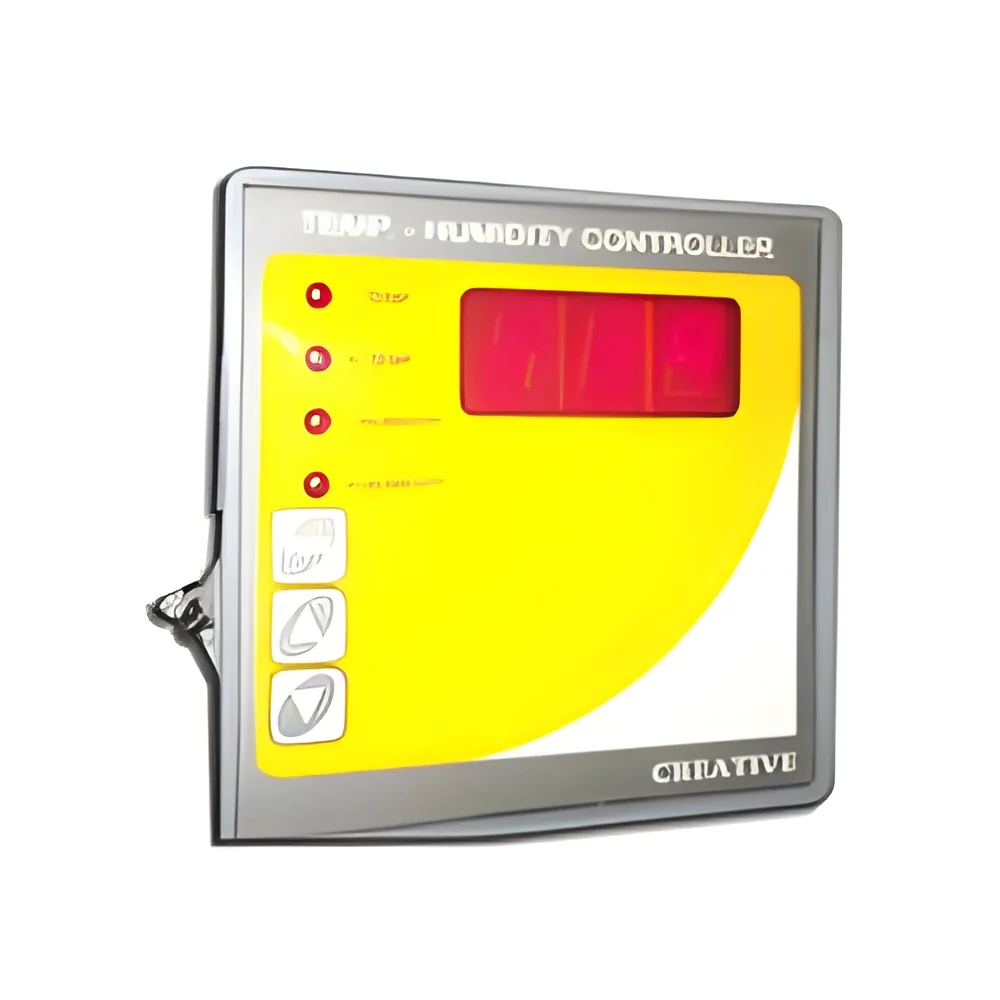
Wall-Mounted Humidity Controllers: These units are designed for easy installation on walls, making them suitable for permanent setups in industrial settings. They often feature digital displays for easy monitoring and adjustment.
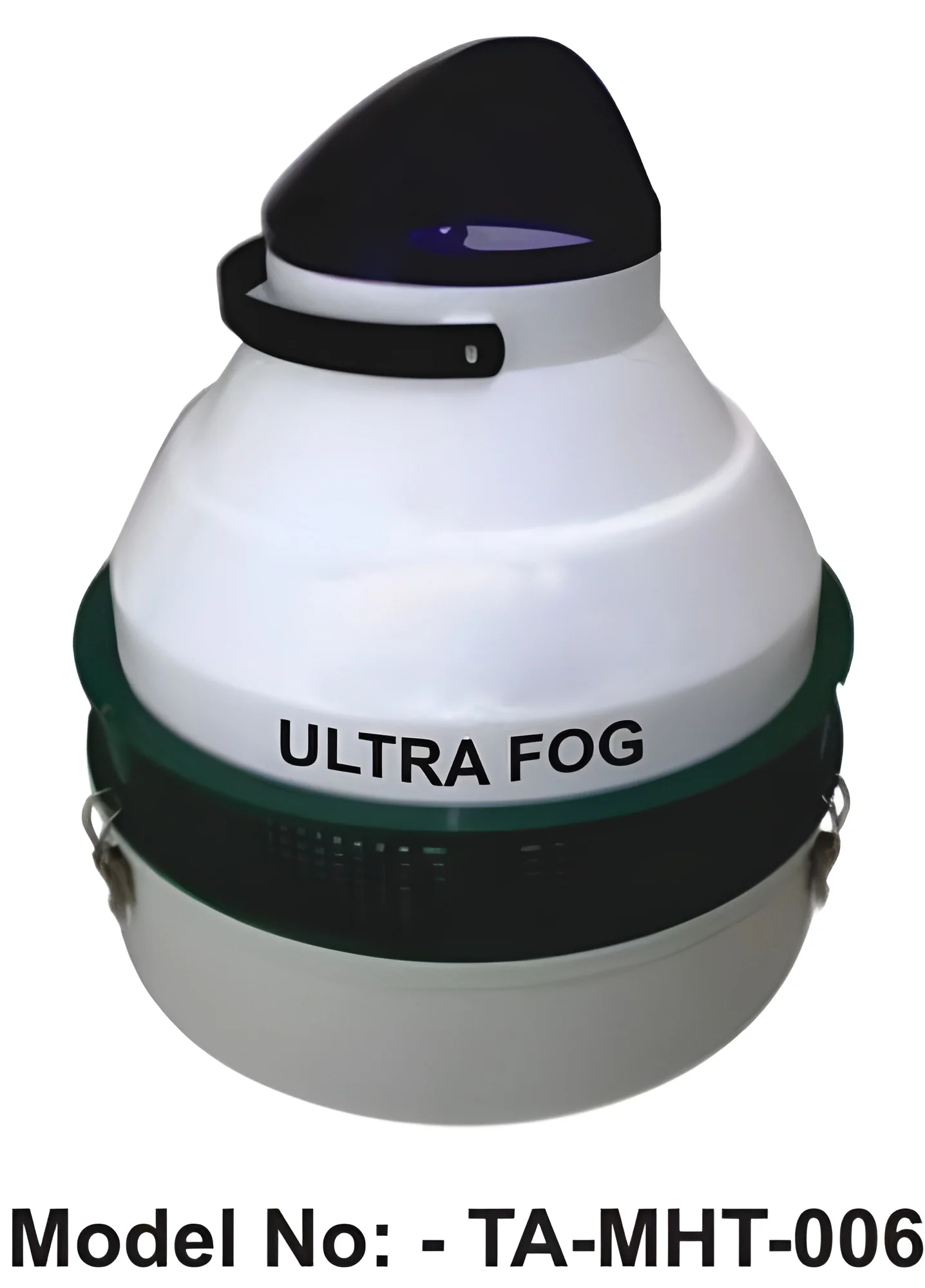
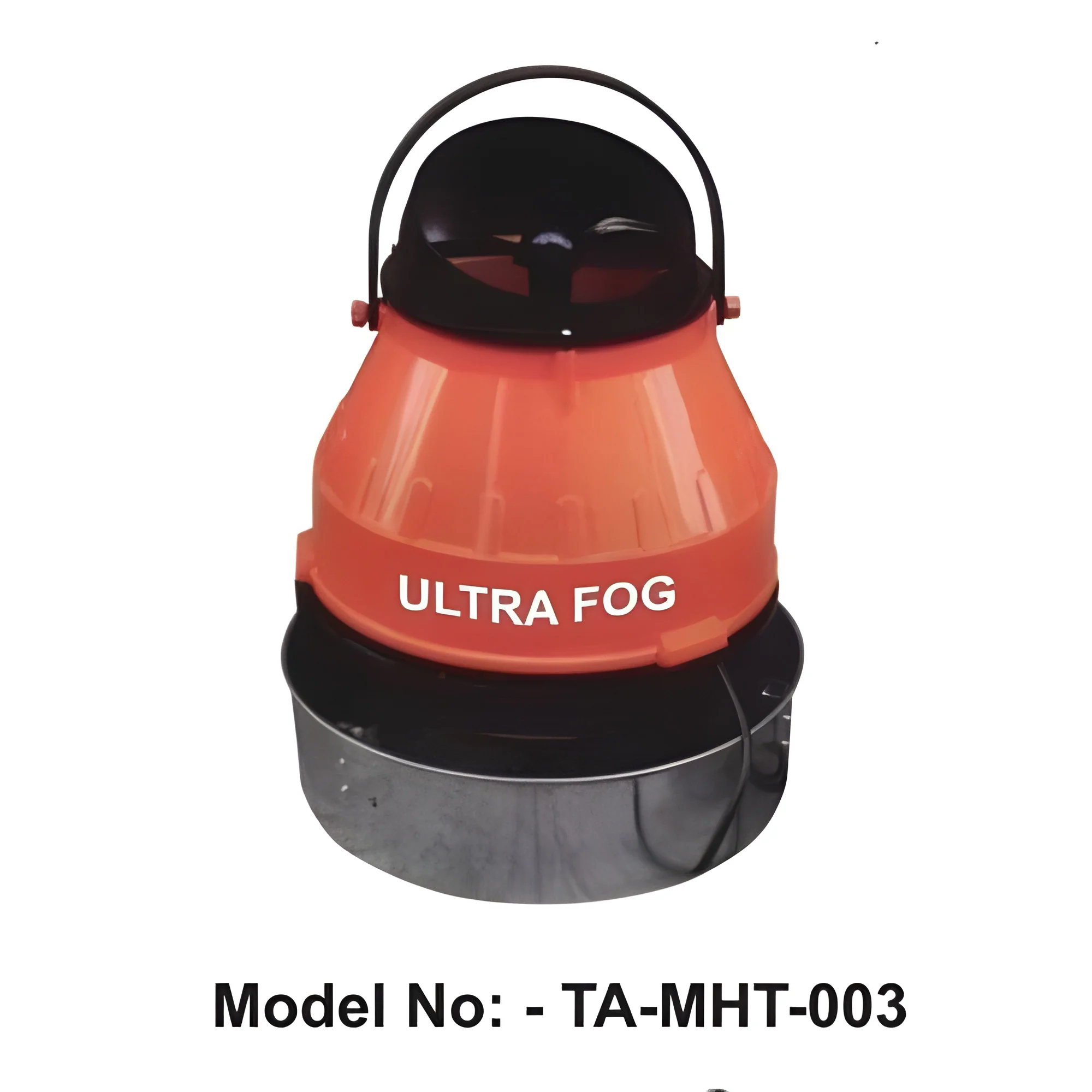
Portable Humidity Controllers: Ideal for temporary applications, portable models provide flexibility and ease of use. These units can be moved between different locations as needed, making them perfect for varied humidity management tasks.
Duct-Mounted Humidity Controllers: These controllers are specifically designed to be installed within duct systems. They help regulate humidity levels in HVAC systems, ensuring that air quality remains optimal throughout a building.
Benefits and Advantages
Humidity controllers provide numerous advantages that contribute to operational efficiency and product quality.
1. Enhanced Product Quality: By maintaining optimal humidity levels, these controllers ensure that products remain in peak condition, reducing waste and spoilage.
2. Improved Process Efficiency: Controlling humidity can streamline processes, particularly in manufacturing and food production, leading to better productivity.
3. Cost Savings: Effective humidity management can reduce energy costs associated with heating and cooling systems, leading to significant savings over time.
4. Increased Equipment Longevity: Protecting sensitive equipment from high humidity levels can extend its lifespan, reducing the need for repairs and replacements.
5. Regulatory Compliance: Many industries have strict humidity control regulations. Using humidity controllers helps businesses comply with these standards, avoiding potential fines and disruptions.
6. Versatility: Humidity controllers can be used across various industries, making them a flexible solution for businesses with diverse needs.
Buying Guide for B2B Buyers
When sourcing humidity controllers, it is important to consider several key factors to ensure you select the right product for your needs.
1. Quality Assessment: Evaluate the build quality and reliability of the humidity controllers. Look for products that meet industry standards and have positive reviews from other users.
2. Supplier Verification: Conduct thorough research on potential suppliers. Check their reputation, customer service, and ability to provide support after the sale.
3. Pricing and MOQ: Compare prices across different suppliers while considering the minimum order quantity. This can help in negotiating better deals and understanding total costs.
4. Delivery and Lead Times: Assess the logistics involved in acquiring humidity controllers. Verify lead times to ensure that products are received when needed for operations.
5. Compliance Requirements: Understand any regulatory requirements that apply to your industry. Ensure that the humidity controllers you choose meet these compliance needs.
Compliance and Certifications
Humidity controllers must adhere to various quality standards and certifications to ensure they are safe and effective for use in industry.
Relevant quality standards such as ISO 9001 ensure that manufacturers maintain a quality management system that consistently produces reliable products. Compliance with HACCP and GDP guidelines is also crucial in sectors like food processing and pharmaceuticals where product safety is paramount.
Industry certifications, such as CE marking, indicate that the products meet European safety, health, and environmental protection standards. Additionally, manufacturers may need to comply with specific safety and testing requirements based on the regions in which their products are sold.
Regional compliance considerations can vary significantly. It is essential for businesses to be aware of local regulations and standards to ensure that their humidity controllers are compliant and suitable for their specific markets.
Why Source Humidity Controllers from Pepagora?
Pepagora offers a trusted platform for sourcing humidity controllers, providing several key advantages to buyers.
Verified Supplier Network: The platform connects businesses with verified suppliers, ensuring that buyers can trust the quality and reliability of the products they purchase. This network includes suppliers with proven track records in the industry.
Streamlined RFQ Process: Pepagora features an efficient request for quotation (RFQ) system, allowing buyers to quickly obtain quotes from multiple suppliers. This process simplifies procurement and fosters competitive pricing.
Trade Assurance and Support: Buyers benefit from trade assurance that protects their transactions, providing peace of mind. Pepagora also offers dedicated support to assist buyers throughout the sourcing process.
Regional Coverage: With extensive reach across India, the GCC, and Southeast Asia, Pepagora enables businesses to access a wide range of suppliers and products. This geographic coverage ensures that buyers can find the right humidity controllers tailored to their specific needs.

 IN
IN