HVAC Equipment (Heating, Ventilation, Air Conditioning)
0 products available
Market Size
$206.3B
Annual Growth (YoY)
6.10%
Average Margin
10-20%
What are HVAC Equipment (Heating, Ventilation, Air Conditioning)?
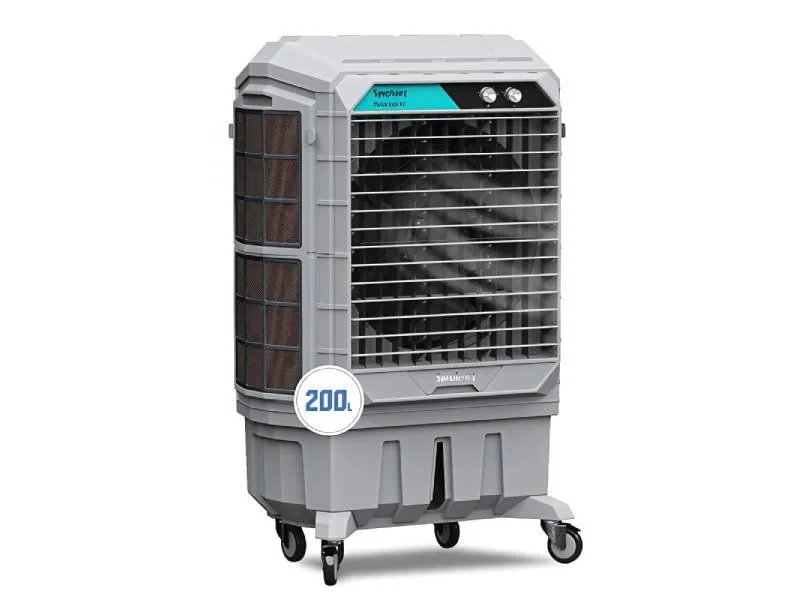
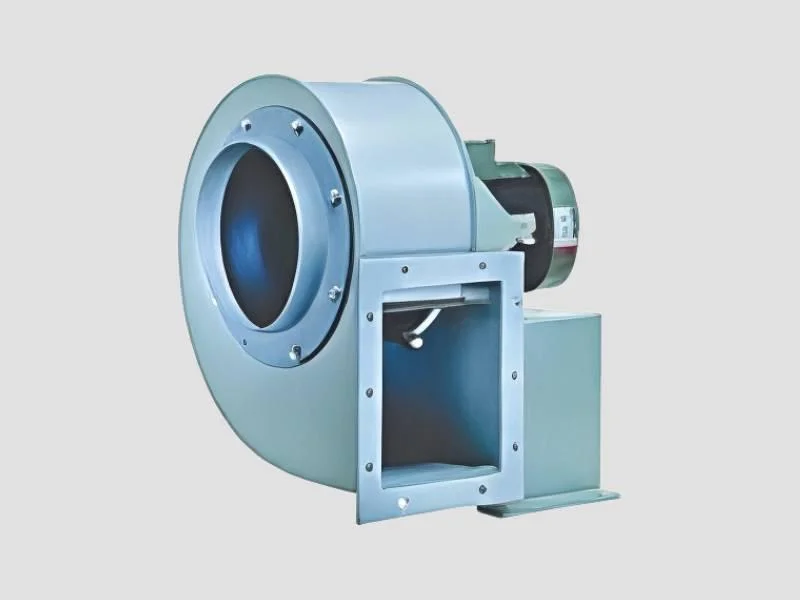
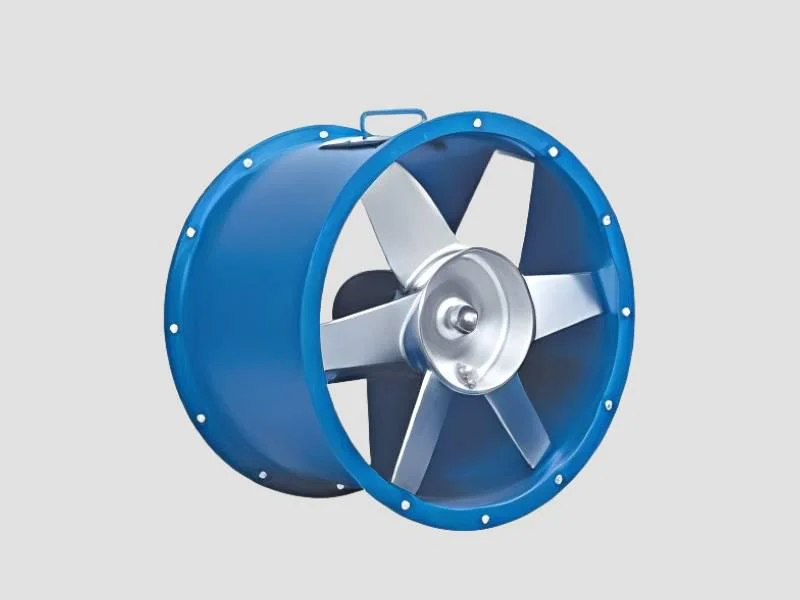
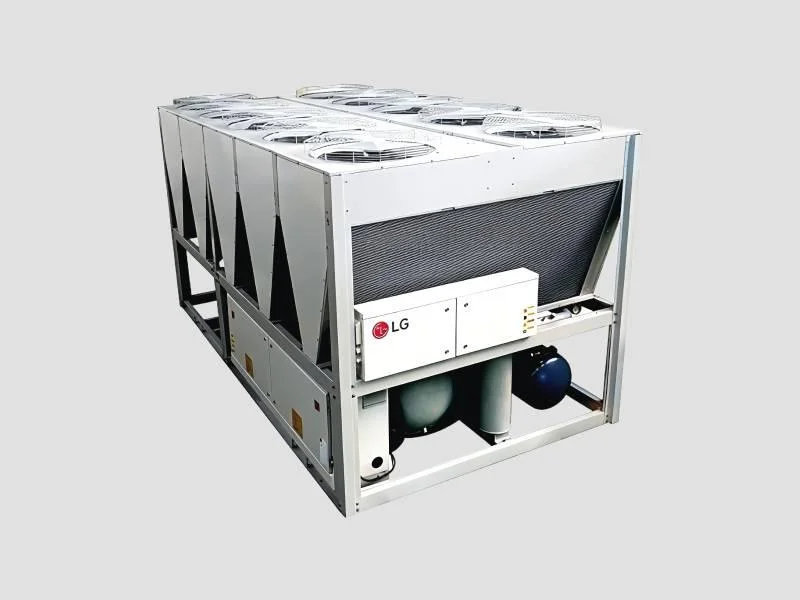
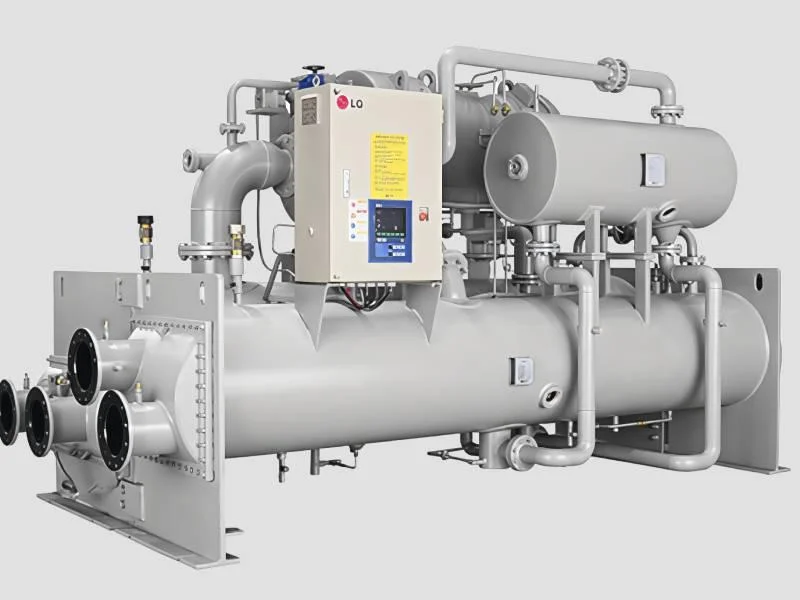
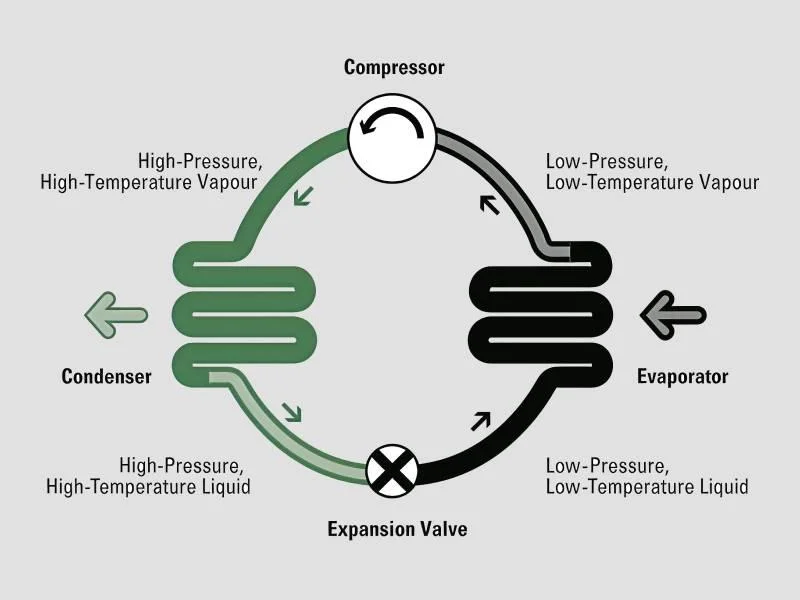
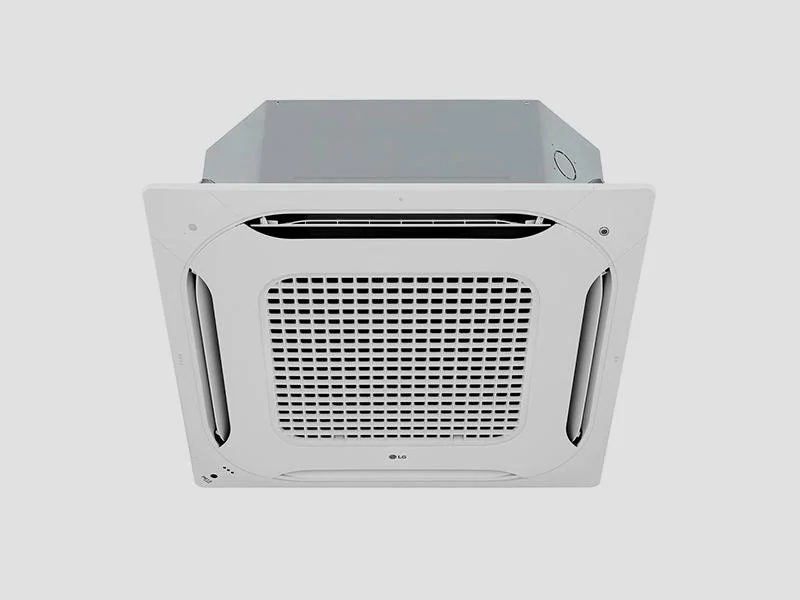
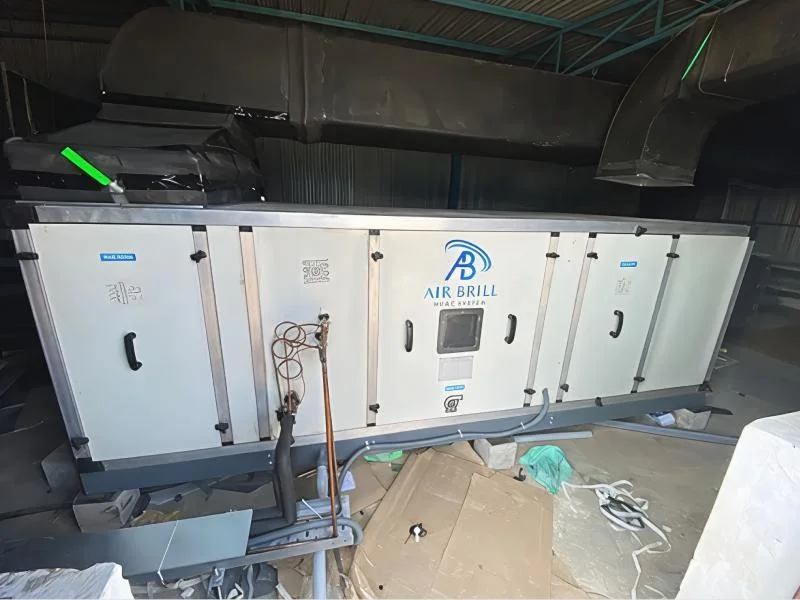
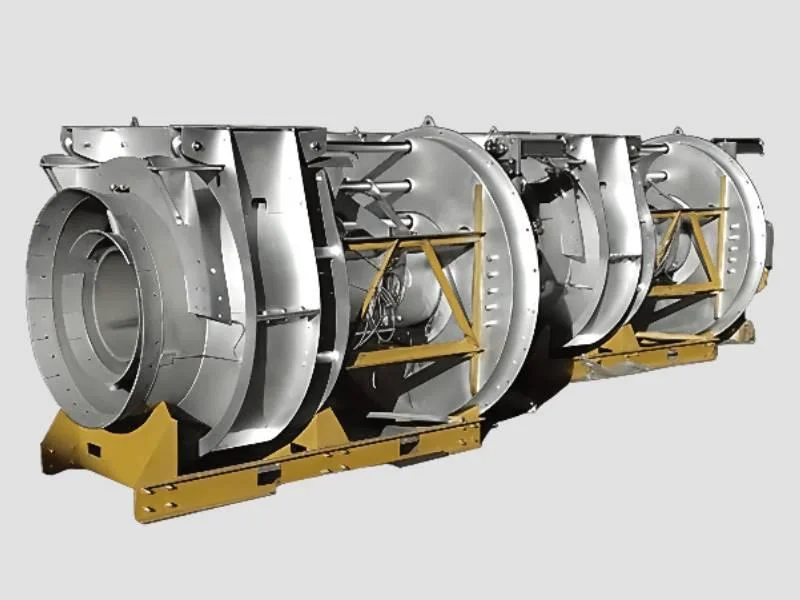
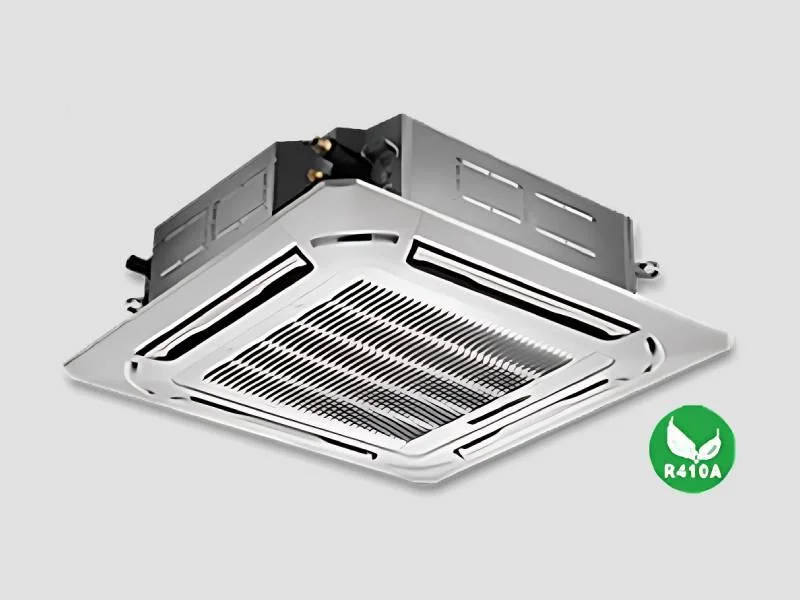
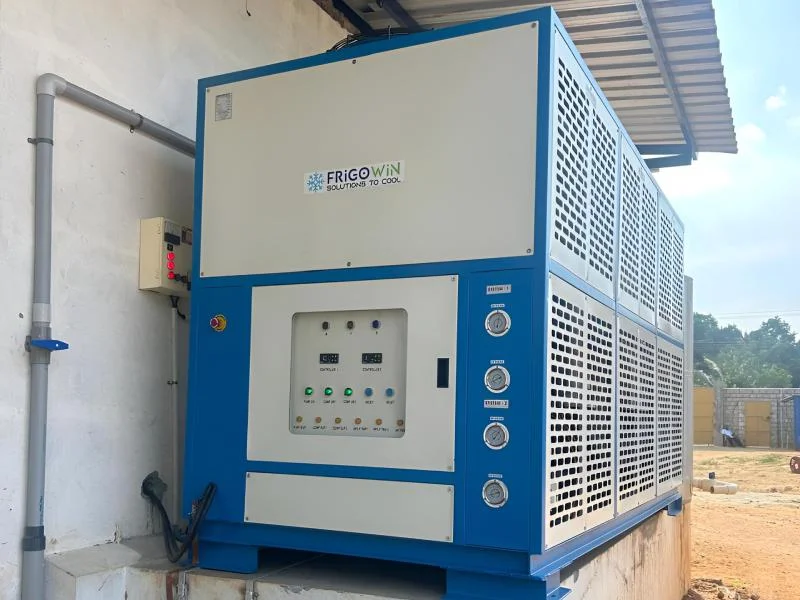
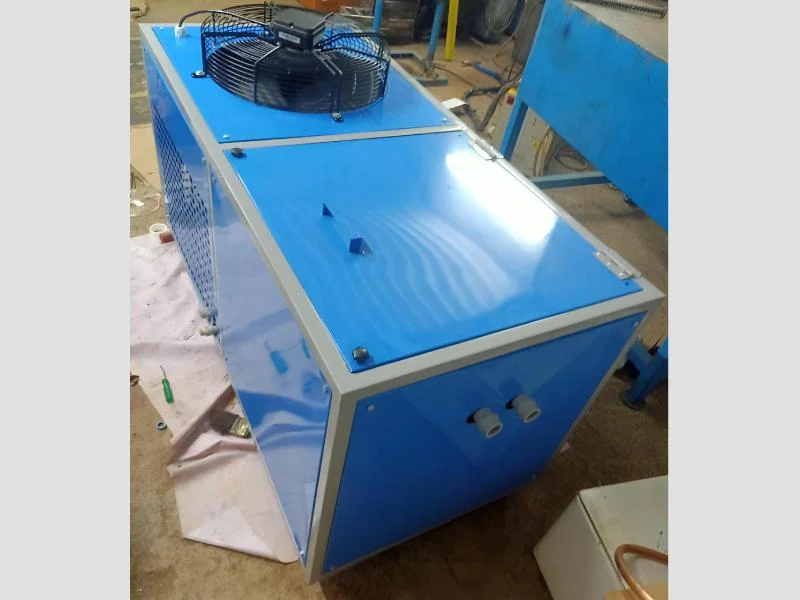
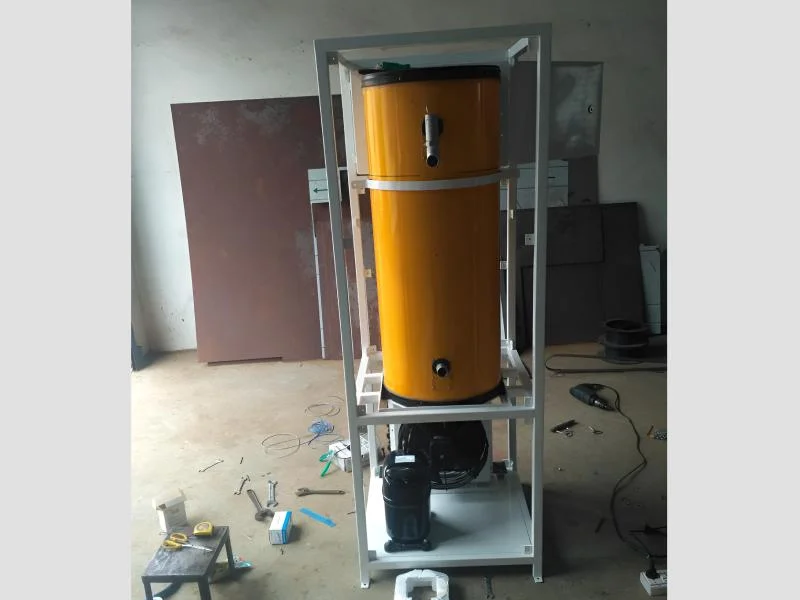
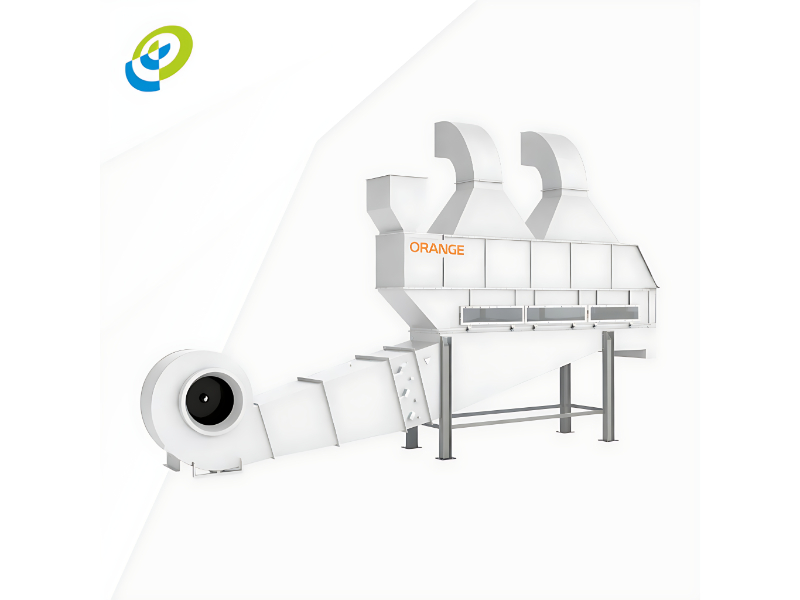
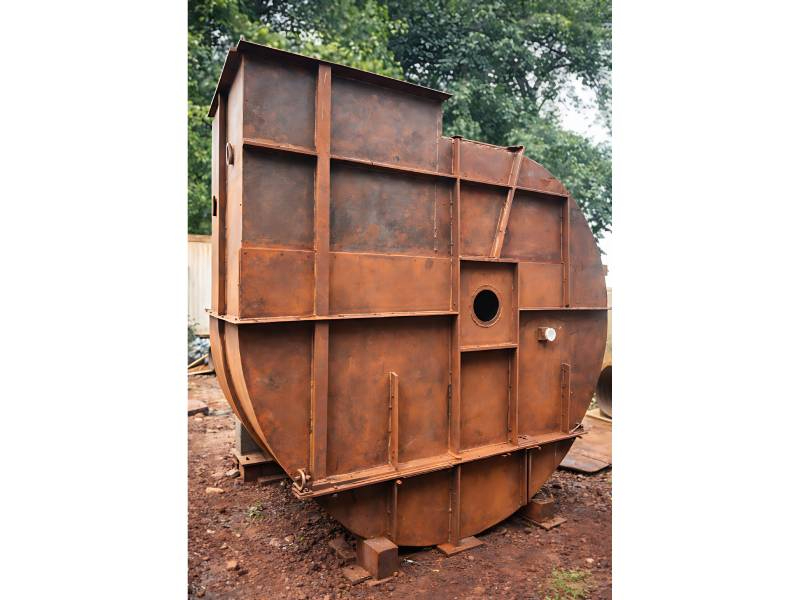
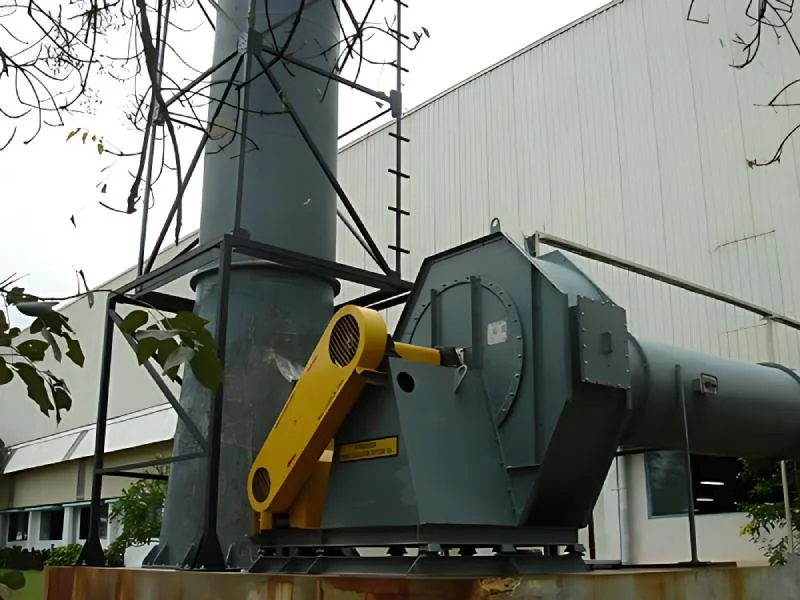
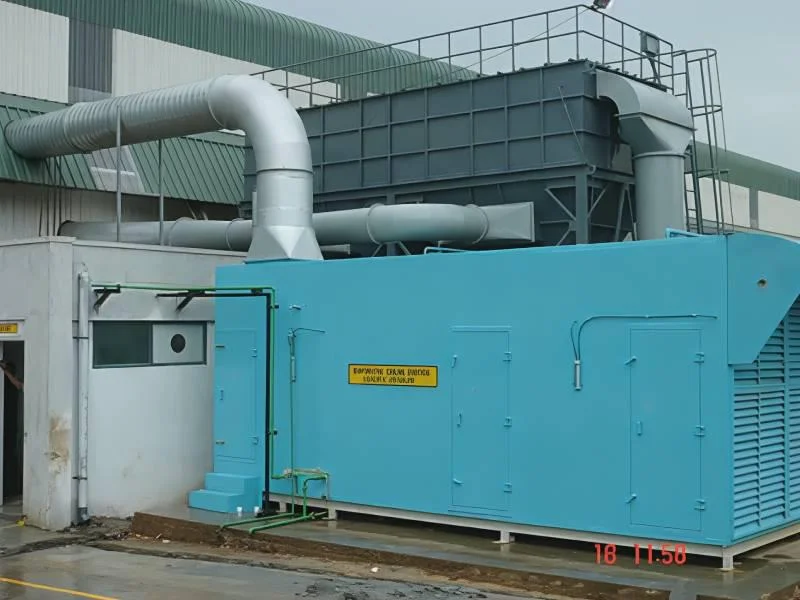
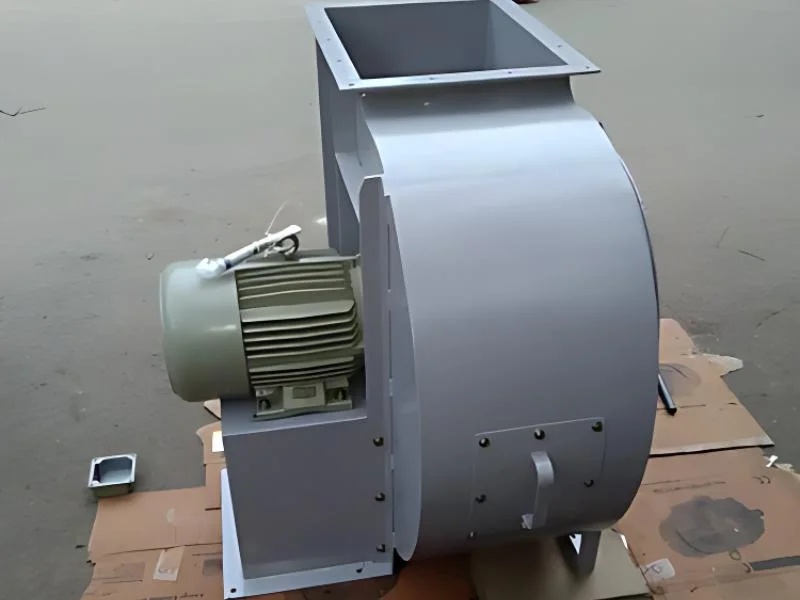
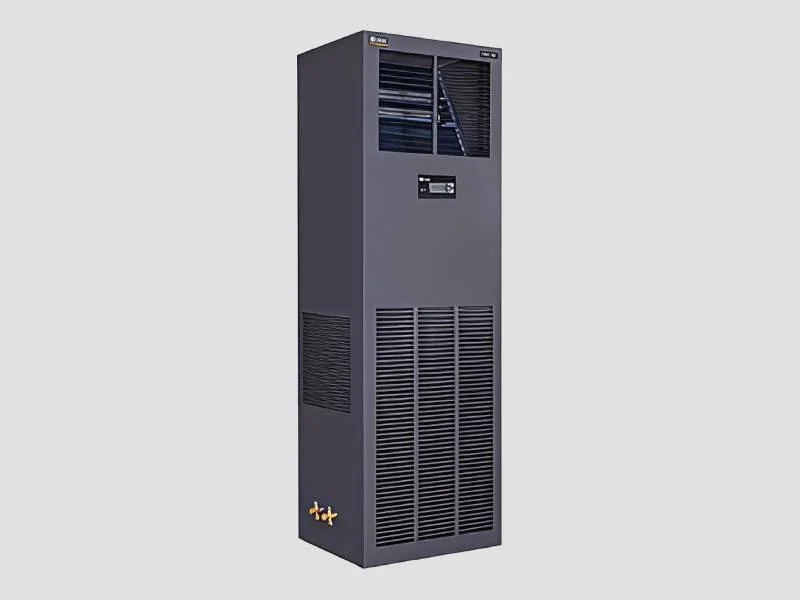
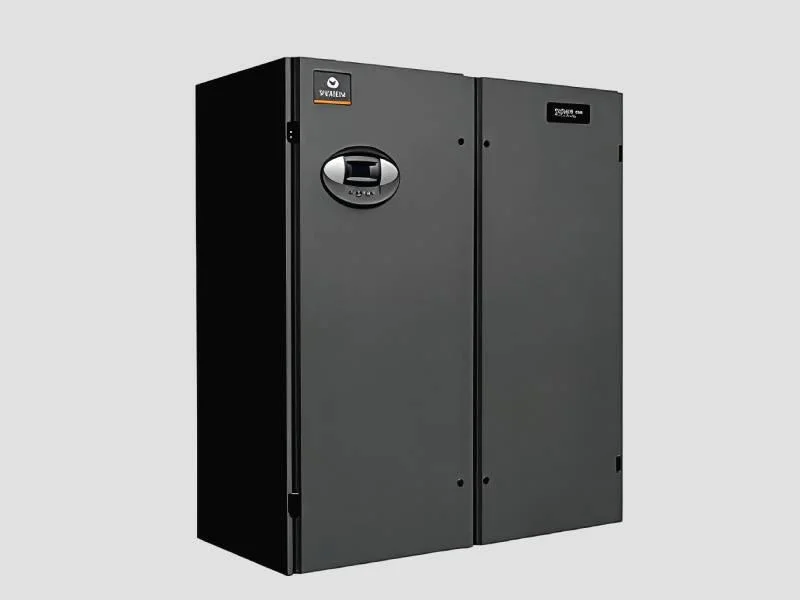
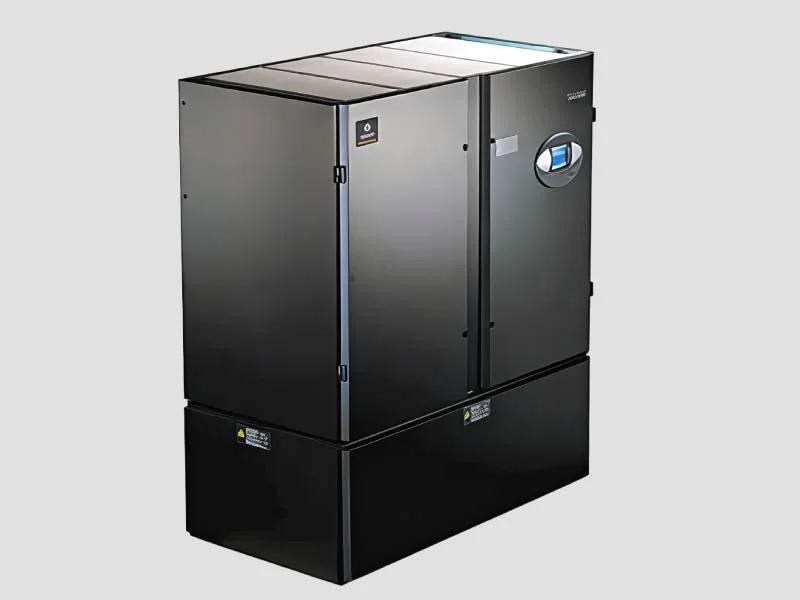
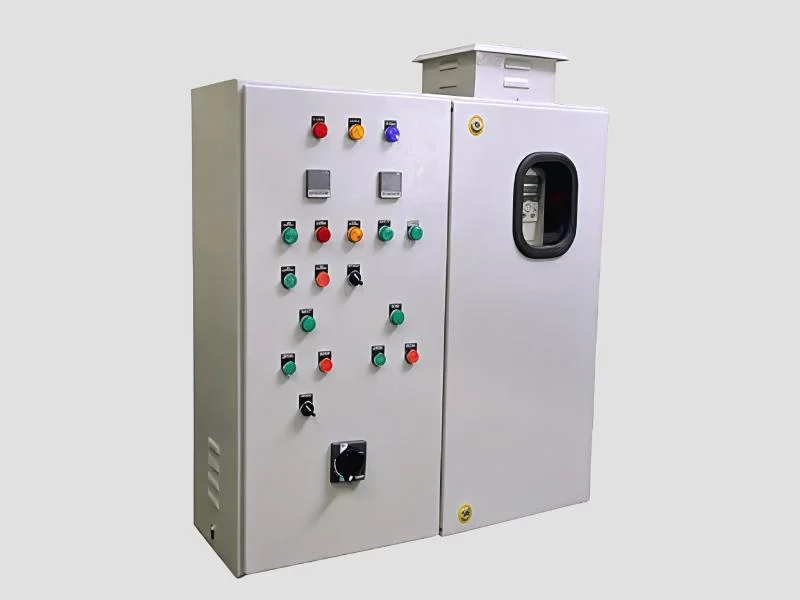
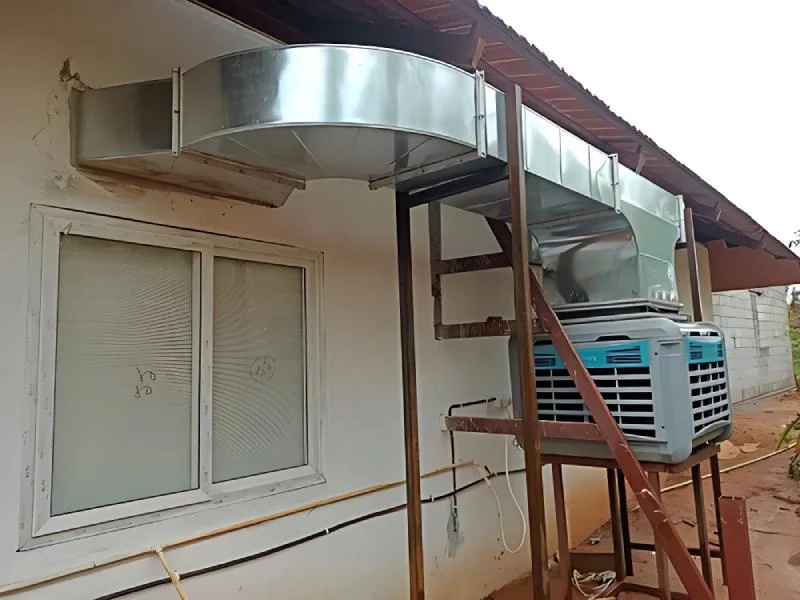
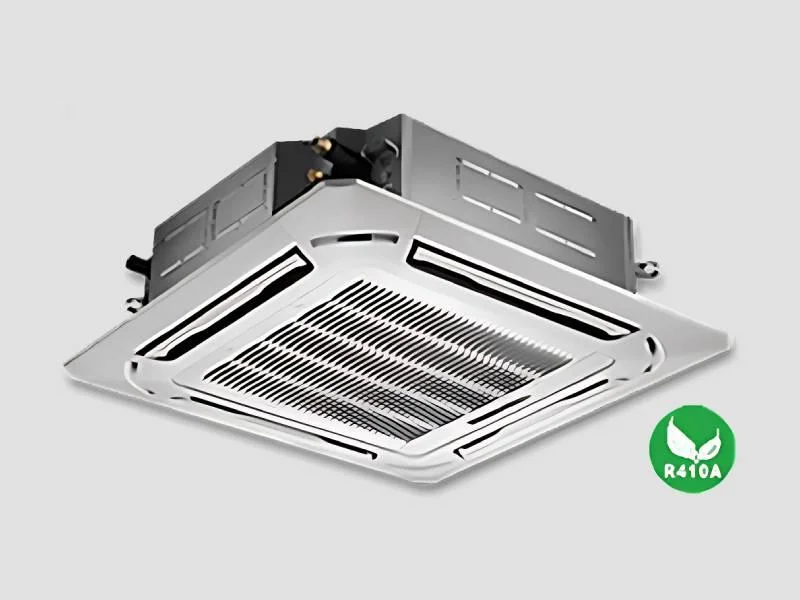
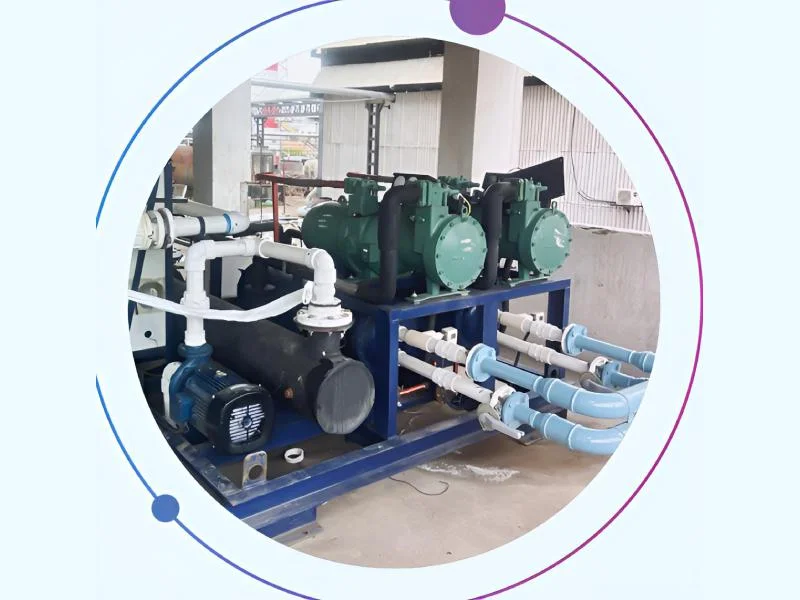
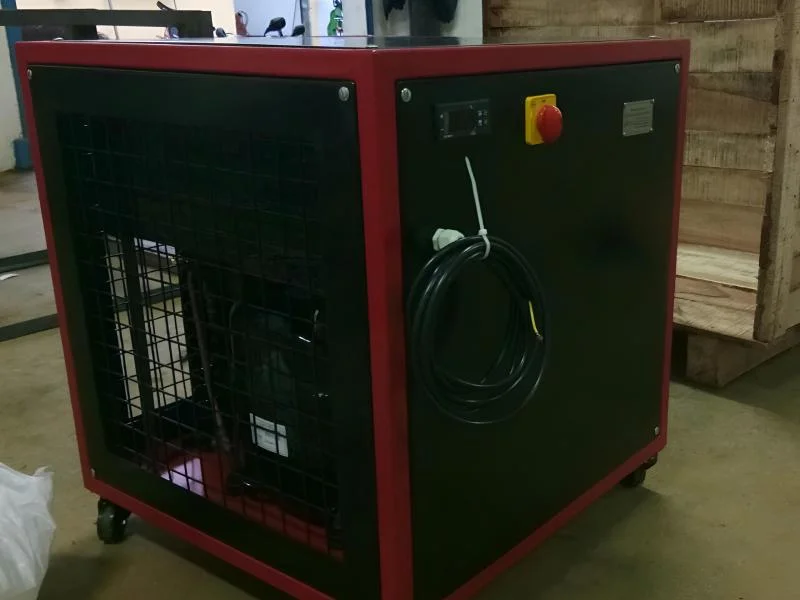
HVAC Equipment refers to systems and devices designed for heating, ventilation, and air conditioning within residential, commercial, and industrial settings. These systems work together to control the indoor climate, ensuring comfortable temperatures and air quality. Heating systems may include boilers and furnaces, ventilation encompasses air circulation and filtration, while air conditioning provides cooling and humidity control.
These systems are essential in various business applications, including office buildings, manufacturing facilities, hospitals, and retail spaces. They help maintain optimal working conditions, enhance productivity, and ensure compliance with health and safety regulations. As industries face increasing demands for energy efficiency and sustainable practices, HVAC solutions play a critical role in reducing energy consumption and operational costs.
In the current market context, the HVAC industry is experiencing robust growth driven by advancements in technology and increasing awareness of environmental impact. Companies are seeking modern, energy-efficient solutions that not only provide comfort but also contribute to sustainability goals.
𝗞𝗲𝘆 𝗙𝗲𝗮𝘁𝘂𝗿𝗲𝘀 𝗮𝗻𝗱 𝗦𝗽𝗲𝗰𝗶𝗳𝗶𝗰𝗮𝘁𝗶𝗼𝗻𝘀
HVAC Equipment comes with a range of features and specifications that enhance performance and efficiency. Understanding these specifications is crucial for buyers to make informed decisions.
Key specifications include:
1. Heating Capacity
- Measured in BTUs (British Thermal Units) per hour
- Indicates the amount of heat the system can produce
2. Cooling Capacity
- Measured in tons or BTUs per hour
- Determines the cooling potential of the air conditioning unit
3. Energy Efficiency Ratio (EER)
- Ratio of cooling output to energy consumption
- Higher EER indicates better energy efficiency
4. Seasonal Energy Efficiency Ratio (SEER)
- Average efficiency over a cooling season
- Higher SEER ratings are more desirable for cost savings
5. Airflow Rate
- Measured in cubic feet per minute (CFM)
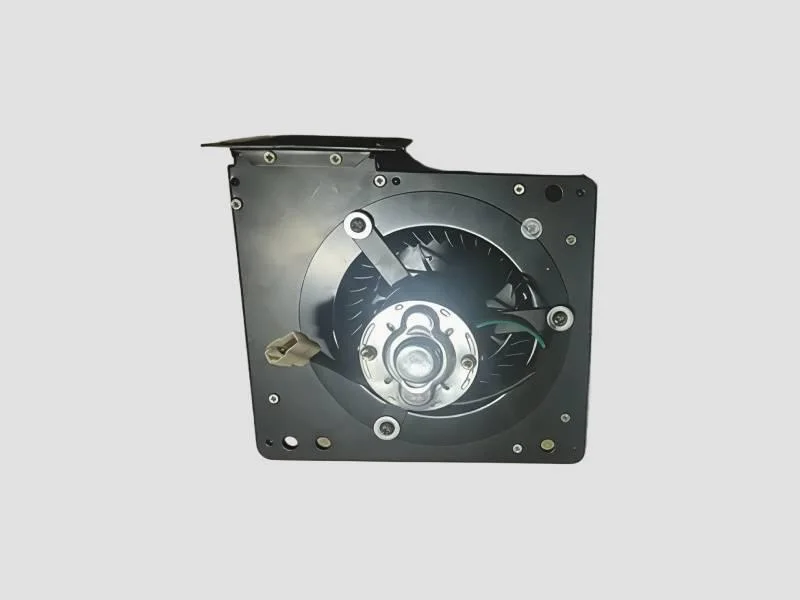
- Indicates the volume of air circulated by the system
6. Noise Level
- Measured in decibels (dB)
- Lower noise levels improve comfort in workspaces
7. Filtration Efficiency
- Rated by MERV (Minimum Efficiency Reporting Value)
- Higher MERV ratings indicate better filtration of particles
8. Control Systems
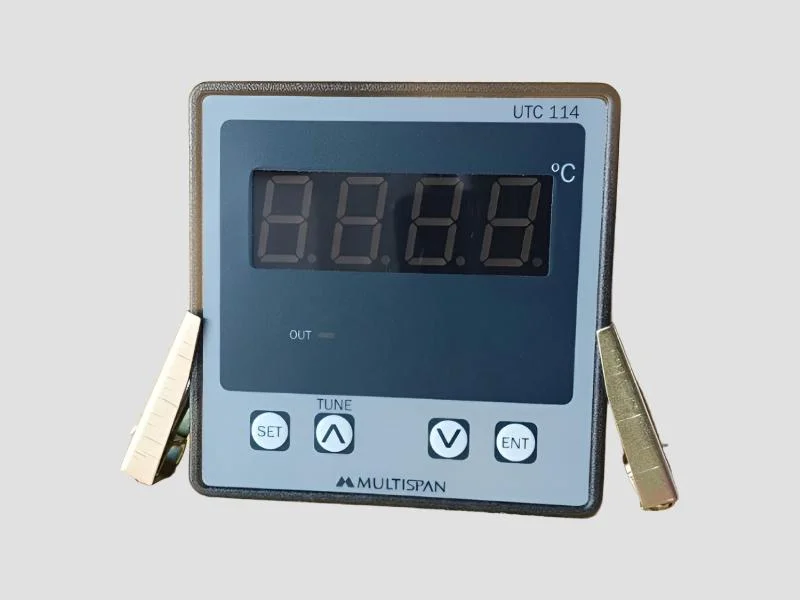
- Smart technology options for remote monitoring and control
- Enhances user convenience and energy management
These specifications are vital for ensuring the selected HVAC Equipment meets the specific needs of a business while optimizing performance and energy use.
𝗖𝗼𝗺𝗺𝗼𝗻 𝗔𝗽𝗽𝗹𝗶𝗰𝗮𝘁𝗶𝗼𝗻𝘀 𝗮𝗻𝗱 𝗨𝘀𝗲 𝗖𝗮𝘀𝗲𝘀
HVAC Equipment is utilized across various industries, each with specific applications tailored to their unique requirements.
1. Commercial Offices: HVAC systems are crucial for maintaining comfortable working environments, ensuring employee productivity and satisfaction.
2. Manufacturing Facilities: These systems regulate temperature and humidity levels to protect sensitive equipment and ensure product quality.
3. Hospitals: HVAC plays a vital role in maintaining sterile environments, controlling air quality, and ensuring patient comfort.
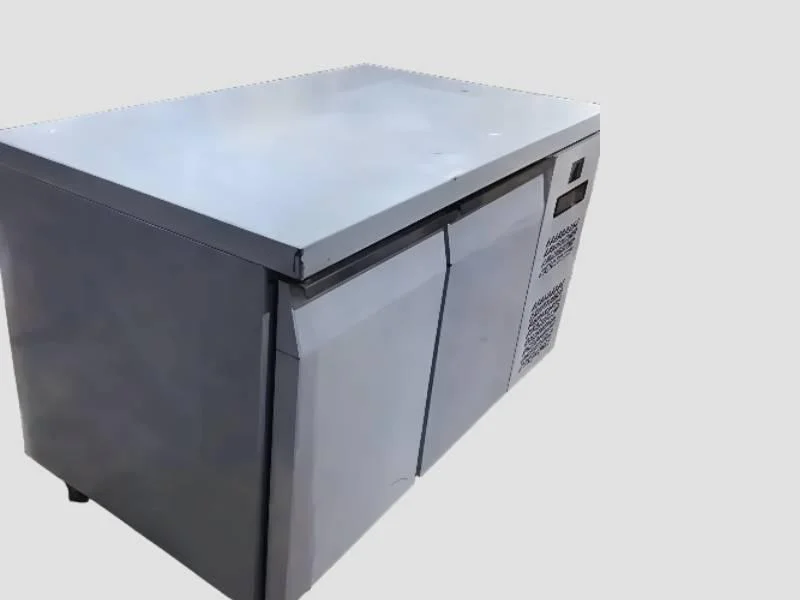
4. Retail Spaces: Proper ventilation and climate control are essential for preserving perishable goods and enhancing customer shopping experiences.
5. Educational Institutions: Schools and universities require effective HVAC systems to provide a conducive learning environment.
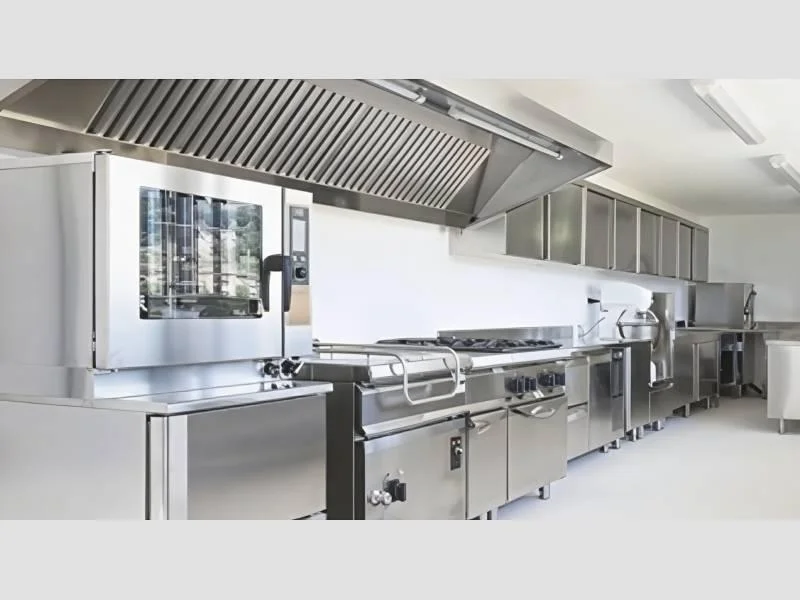
6. Hospitality: Hotels and restaurants depend on HVAC solutions for guest comfort and optimal kitchen conditions.
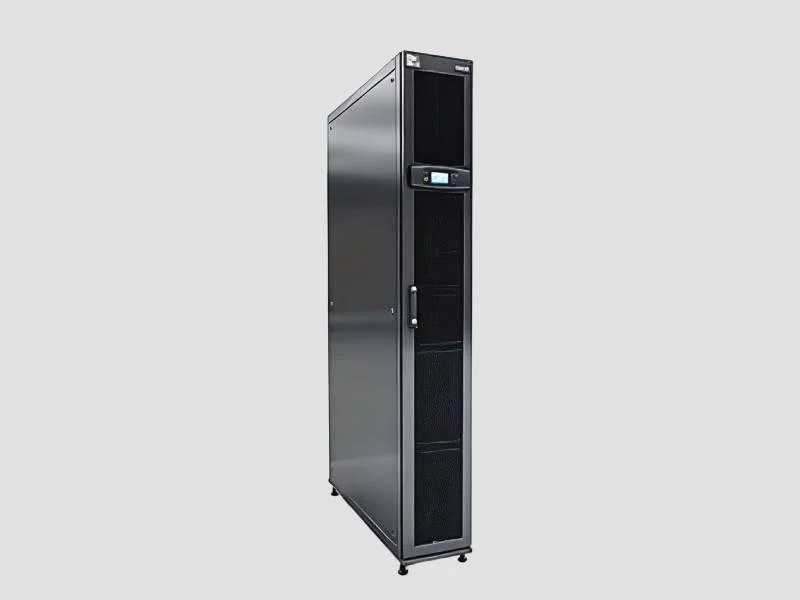
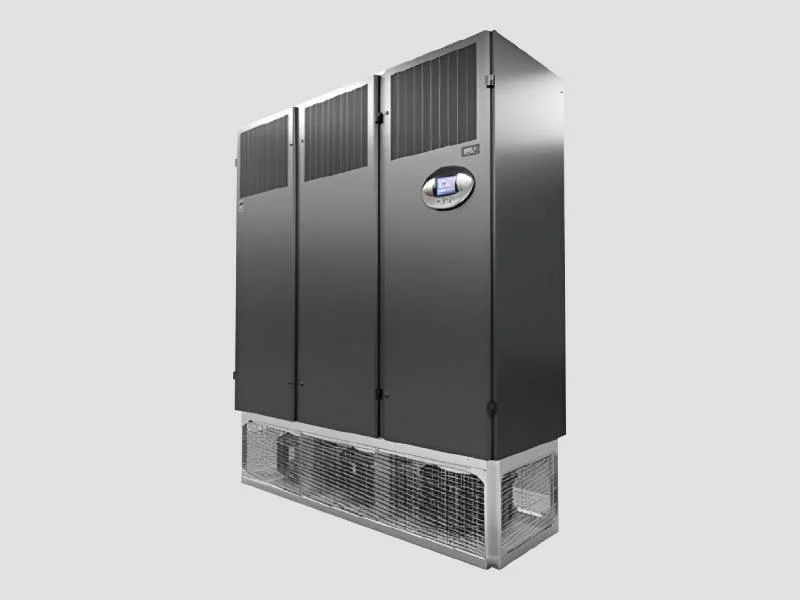
7. Data Centers: HVAC systems are critical for regulating temperatures and humidity to protect sensitive electronic equipment.
𝗣𝗿𝗼𝗱𝘂𝗰𝘁 𝗩𝗮𝗿𝗶𝗮𝗻𝘁𝘀 𝗮𝗻𝗱 𝗦𝘂𝗯𝗰𝗮𝘁𝗲𝗴𝗼𝗿𝗶𝗲𝘀
HVAC Equipment offers a variety of product variants, allowing businesses to choose systems that best suit their needs.
Packaged Units: These all-in-one systems combine heating and cooling in a single unit, making installation straightforward and efficient for businesses with limited space.
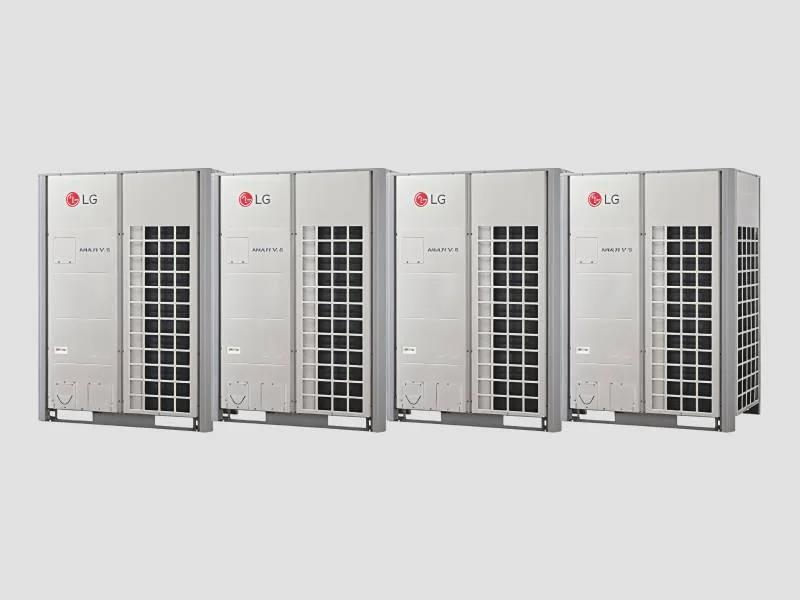
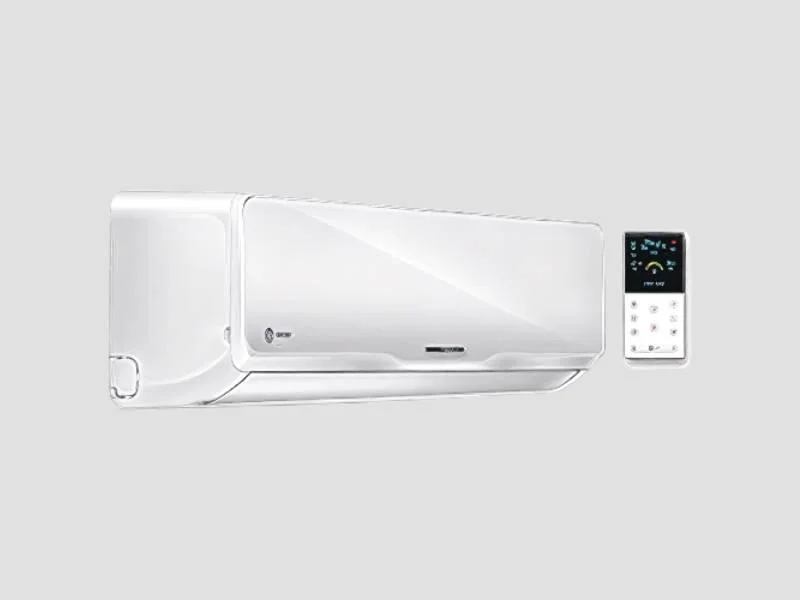
Split Systems: Consisting of an outdoor unit and an indoor unit, split systems provide flexibility in installation and are often quieter than packaged units.
Ductless Mini-Split Systems: Ideal for spaces without ductwork, these systems offer targeted heating and cooling, providing energy-efficient solutions for specific areas.
Heat Pumps: These versatile systems can both heat and cool spaces. They are particularly popular in regions with moderate heating and cooling needs.
𝗕𝗲𝗻𝗲𝗳𝗶𝘁𝘀 𝗮𝗻𝗱 𝗔𝗱𝘃𝗮𝗻𝘁𝗮𝗴𝗲𝘀
Investing in HVAC Equipment provides numerous benefits that enhance operational efficiency and comfort.
1. Improved Air Quality: HVAC systems filter and circulate air, reducing airborne contaminants and enhancing indoor air quality.
2. Energy Efficiency: Modern HVAC systems are designed to consume less energy, leading to reduced utility bills and a smaller carbon footprint.
3. Enhanced Comfort: Consistent temperature and humidity control create a comfortable environment for employees and customers alike.
4. Increased Productivity: Comfortable working conditions contribute to higher employee satisfaction and productivity levels.
5. Compliance with Regulations: Proper HVAC systems help businesses meet health and safety standards, avoiding potential penalties.
6. Long-Term Cost Savings: Investing in high-efficiency systems reduces maintenance and operational costs over time.
𝗕𝘂𝘆𝗶𝗻𝗴 𝗚𝘂𝗶𝗱𝗲 𝗳𝗼𝗿 𝗕𝟮𝗕 𝗕𝘂𝘆𝗲𝗿𝘀
When sourcing HVAC Equipment, several important factors should be considered to ensure a wise investment.
1. Quality Assessment: Evaluate the quality of materials and construction. Look for systems that meet industry standards and have a proven track record of reliability.
2. Supplier Verification: Research potential suppliers thoroughly. Ensure they have a good reputation, positive customer reviews, and a history of delivering quality products.
3. Pricing and MOQ: Compare pricing among different suppliers. Be aware of minimum order quantities to avoid overcommitting resources.
4. Delivery and Lead Times: Discuss expected delivery times and logistics. Ensure the supplier can meet your project's timelines without delays.
5. Compliance Requirements: Understand local regulations and standards that apply to HVAC systems. Verify that the equipment meets all necessary compliance requirements.
𝗖𝗼𝗺𝗽𝗹𝗶𝗮𝗻𝗰𝗲 𝗮𝗻𝗱 𝗖𝗲𝗿𝘁𝗶𝗳𝗶𝗰𝗮𝘁𝗶𝗼𝗻𝘀
Ensuring that HVAC Equipment meets industry standards and regulations is paramount for B2B buyers. Relevant quality standards such as ISO 9001 ensure that products are manufactured with consistent quality and reliability. Compliance with environmental regulations, such as HACCP, is essential, especially in food-related industries.
Certification from organizations like CE indicates that the equipment meets European safety and performance standards. Safety and testing requirements must also be adhered to, ensuring that systems are safe for operation and do not pose hazards to users.
Regional compliance considerations can vary significantly. Buyers should familiarize themselves with local regulations governing HVAC installations, ensuring that their equipment adheres to all necessary guidelines.
Why Source HVAC Equipment (Heating, Ventilation, Air Conditioning) from Pepagora?
Pepagora provides a trusted platform for sourcing HVAC Equipment, offering several key advantages to B2B buyers. One significant benefit is the Verified Supplier Network. This ensures that buyers are matched with reputable suppliers who have undergone thorough vetting, enhancing trust and reliability in transactions.
The Streamlined RFQ Process allows buyers to submit requests for quotations quickly and efficiently, making it easier to compare options and make informed decisions. This feature saves time and simplifies the procurement process.
Trade Assurance and Support is another critical advantage. Pepagora offers buyer protection, ensuring that transactions are secure and that support is available should any issues arise during the purchasing process.
Lastly, Pepagora's Regional Coverage extends across India, the GCC, and Southeast Asia. This broad geographic reach allows businesses to access a diverse range of HVAC solutions and suppliers, ensuring that they find the right products for their specific requirements.