What are Insulation Material for Ducts?
Insulation material for ducts refers to specialized materials designed to reduce heat loss or gain in air ducts. These materials are essential for maintaining energy efficiency in heating, ventilation, and air conditioning (HVAC) systems. By insulating ducts, businesses can improve the performance of their HVAC systems, leading to reduced energy costs and enhanced comfort levels in indoor environments.
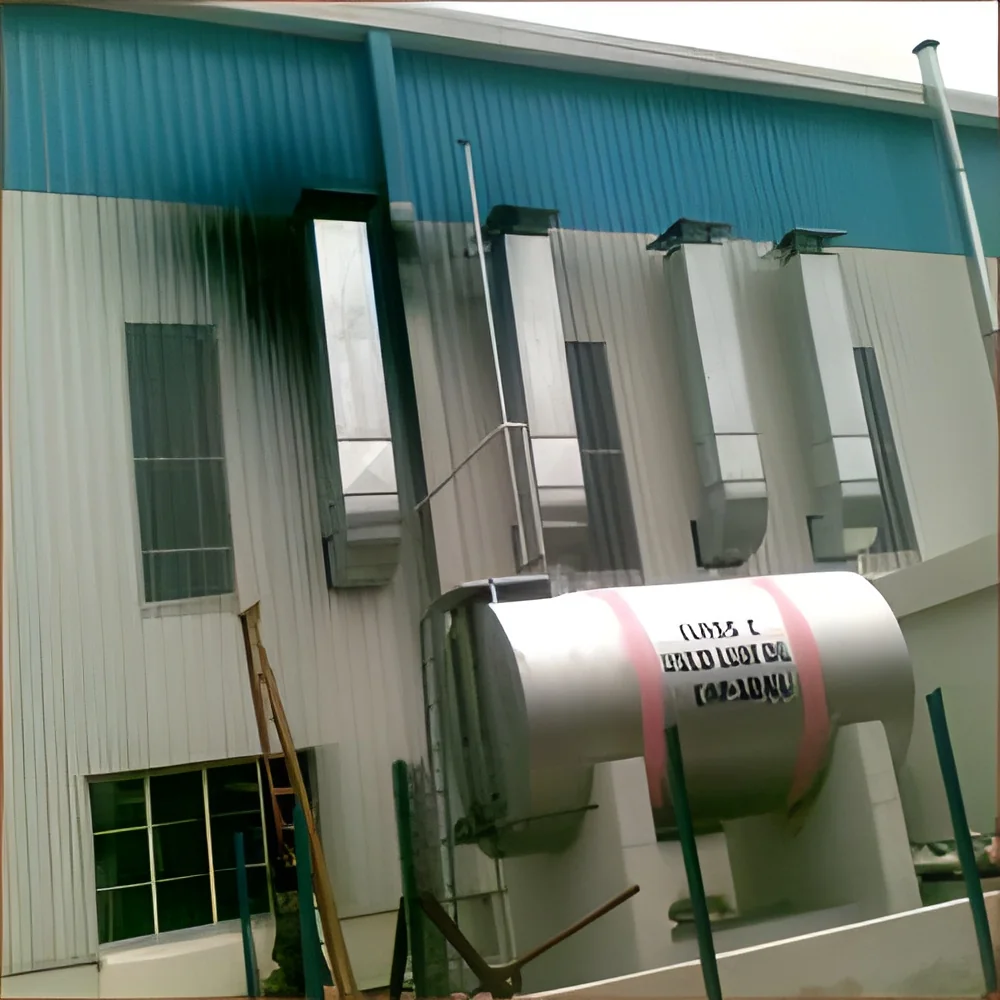
The primary uses of duct insulation include residential and commercial buildings, industrial plants, and manufacturing facilities. Businesses utilize these materials not only for energy efficiency but also for noise reduction and condensation control. In commercial applications, properly insulated ducts can ensure that temperature-sensitive products are maintained at optimal conditions during transportation.
In the current market context, the demand for duct insulation materials is increasing as industries focus on sustainability and energy efficiency. The growing emphasis on reducing carbon footprints further drives the need for effective insulation solutions across various sectors.
Key Features and Specifications
Insulation materials for ducts come with specific features that enhance their performance. Understanding these specifications is crucial for selecting the right product for various applications.
Key specifications include:
1. Thermal Conductivity
- Indicates the material's ability to conduct heat.
- Typically measured in watts per meter-kelvin (W/m·K).
2. Noise Reduction Coefficient (NRC)
- Measures the material's effectiveness in reducing noise transmission.
- Values range from 0 (no absorption) to 1 (total absorption).
3. Moisture Resistance
- Determines how well the insulation can resist moisture accumulation.
- Important for preventing mold and mildew growth.
4. Fire Resistance Rating
- Indicates how well the material can withstand fire.
- Often classified according to ASTM or UL standards.
5. Density
- Refers to the mass per unit volume of the insulation material.
- Higher density often correlates with better thermal performance.
6. Temperature Range
- Specifies the temperature limits within which the insulation remains effective.
- Critical for applications involving extreme temperatures.
7. Environmental Impact
- Assesses the sustainability of the materials used in insulation.
- Certifications such as LEED may apply.
8. Compliance Standards
- Ensures the product meets necessary industry regulations and standards.
- Common certifications include CE and UL.
In summary, selecting insulation materials for ducts involves a thorough understanding of these specifications to ensure optimal performance and compliance with industry standards.
Common Applications and Use Cases
Insulation materials for ducts find applications across a variety of industries. Their role in improving energy efficiency and performance is crucial.
1. HVAC Systems: Used extensively in residential and commercial HVAC systems to minimize energy loss and enhance performance.
2. Food and Beverage Industry: Insulated ducts help maintain temperature-sensitive products during transport and storage, ensuring quality and safety.
3. Pharmaceutical Manufacturing: Critical for maintaining controlled environments essential for drug production and storage.
4. Industrial Facilities: Used in manufacturing plants to reduce heat loss in process ducts, improving overall energy efficiency.
5. Data Centers: Insulation of cooling ducts is vital for maintaining optimal operating temperatures for sensitive electronic equipment.
6. Automotive Industry: Used in manufacturing environments to control temperature and humidity levels effectively.
7. Marine Applications: Insulation materials help manage temperatures in shipbuilding and repair facilities, ensuring compliance with safety standards.
Product Variants and Subcategories
Insulation materials for ducts come in various forms, each tailored for specific applications and environments.
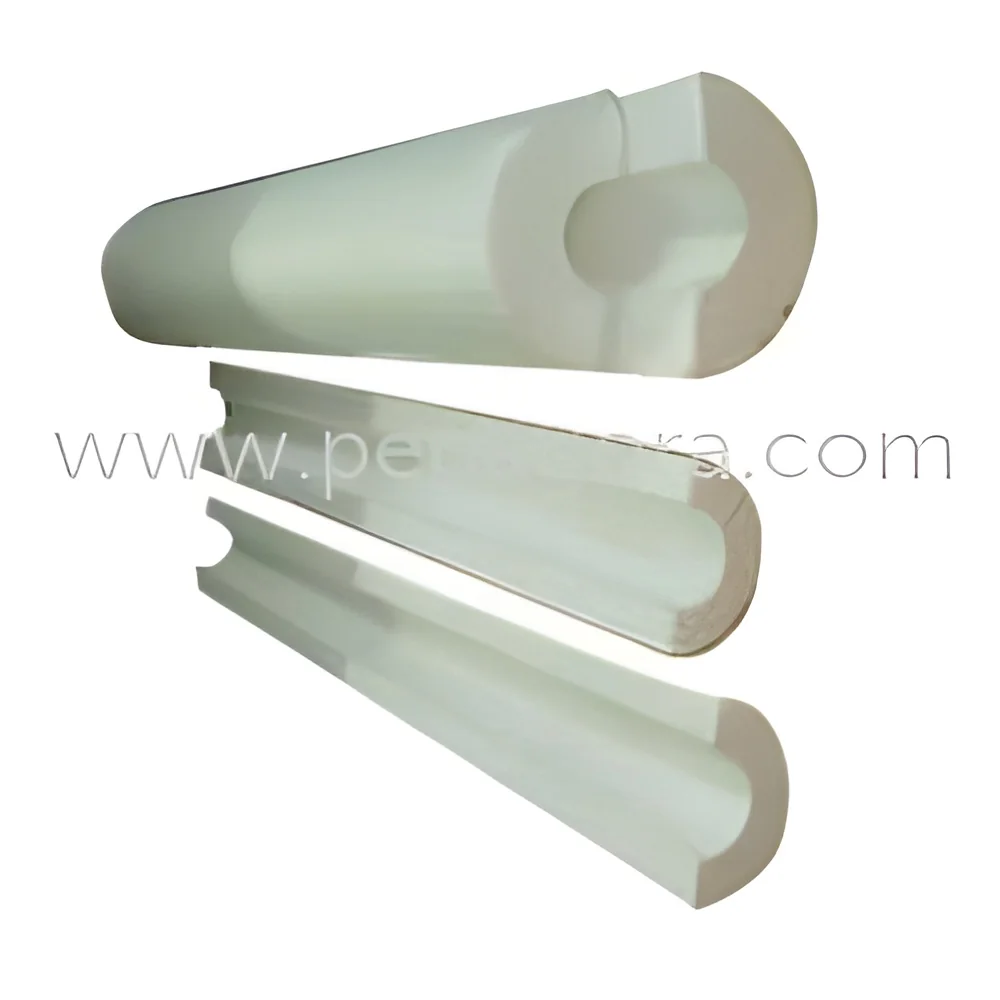
Foam Board Insulation
This variant is lightweight and easy to install. It provides excellent thermal resistance and is ideal for both residential and commercial ductwork.
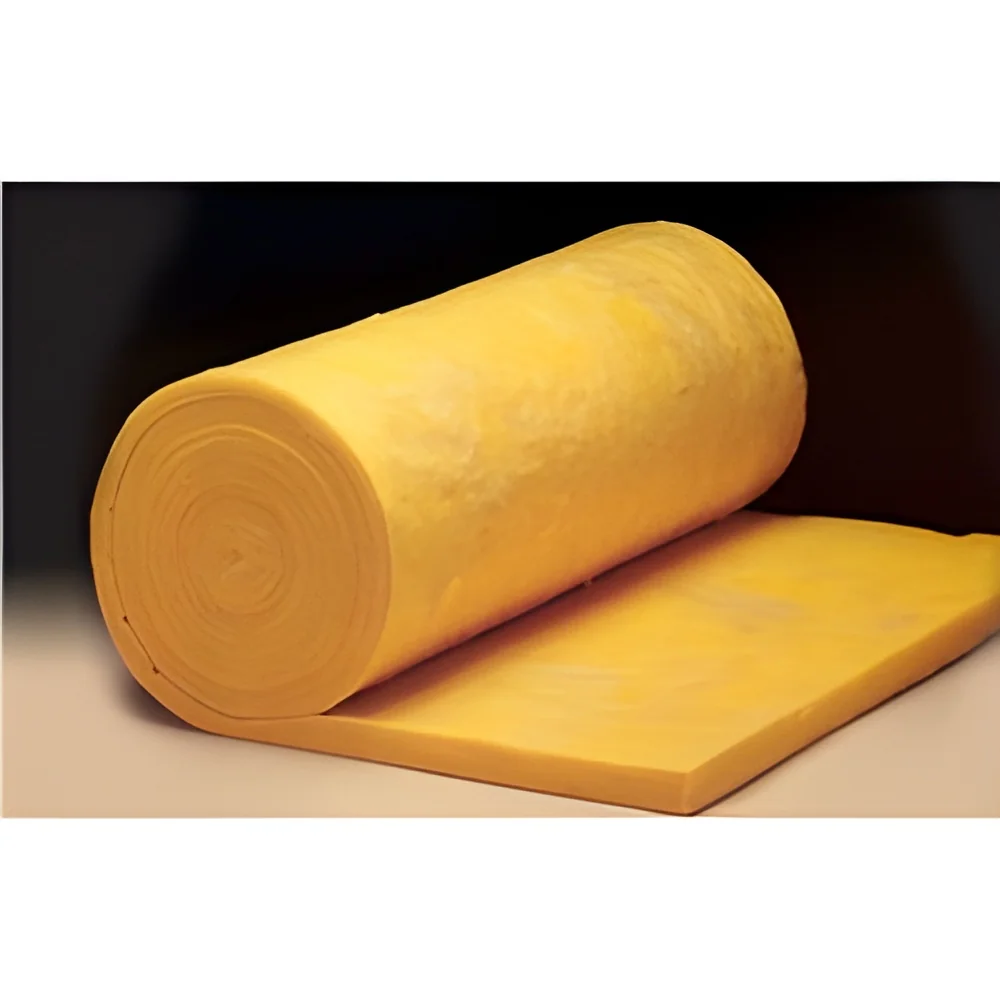
Fiberglass Insulation
Known for its sound-dampening properties, fiberglass insulation is commonly used in HVAC systems. It is resistant to moisture and fire, making it suitable for a wide range of applications.
Mineral Wool Insulation
This type is effective in high-temperature applications and offers exceptional fire resistance. It is widely used in industrial settings where safety is a priority.
Reflective Insulation
Designed to reflect radiant heat, this variant is ideal for hot climates. It helps to keep duct surfaces cooler and improves overall energy efficiency.
Benefits and Advantages
Investing in insulation materials for ducts offers numerous advantages for businesses.
1. Energy Savings: Proper insulation significantly reduces energy consumption, leading to lower utility costs.
2. Enhanced Comfort: By maintaining consistent temperatures, insulated ducts improve comfort levels in indoor spaces.
3. Noise Reduction: Insulation materials can effectively dampen sound, providing a quieter environment.
4. Condensation Control: Insulated ducts help prevent condensation, reducing the risk of mold and mildew.
5. Improved System Efficiency: Insulated ducts enhance the performance of HVAC systems, extending their lifespan.
6. Regulatory Compliance: High-quality insulation materials meet industry standards, ensuring compliance with safety regulations.
Buying Guide for B2B Buyers
When sourcing insulation material for ducts, several critical factors should be considered to ensure the best purchase decision.
1. Quality Assessment: Evaluate the material's thermal performance, fire resistance, and moisture control capabilities. Look for products that meet relevant industry standards.
2. Supplier Verification: Research suppliers to ensure they have a reputable track record. Consider checking their certifications and customer reviews.
3. Pricing and MOQ: Understand the cost implications and minimum order quantities. Compare pricing across different suppliers to find the best value.
4. Delivery and Lead Times: Consider logistics and ensure that suppliers can meet your timeline for delivery. Efficient supply chain management is crucial.
5. Compliance Requirements: Ensure that the insulation materials comply with local and international regulations to avoid future liabilities.
Compliance and Certifications
Compliance with industry standards and certifications is essential when selecting insulation materials for ducts.
Relevant quality standards include ISO 9001, which ensures consistent quality management processes. Additionally, industry certifications such as CE and UL signify that the materials meet safety and performance criteria.
Safety and testing requirements are critical in ensuring that insulation materials perform effectively under various conditions. Products are often subjected to rigorous testing to verify their thermal performance, fire resistance, and moisture control capabilities.
Regional compliance considerations are also important. Different regions may have specific regulations regarding insulation materials, and being aware of these can help businesses avoid non-compliance issues.
Why Source Insulation Material for Ducts from Pepagora?
Pepagora offers a reliable platform for sourcing insulation materials for ducts, providing several key advantages for B2B buyers.
Verified Supplier Network: Our platform connects you with a network of verified suppliers, ensuring quality and reliability in your sourcing process.
Streamlined RFQ Process: Pepagora simplifies the request for quotation process, allowing buyers to receive competitive pricing and choose the best offers easily.
Trade Assurance and Support: Our platform provides buyer protection, ensuring that your transactions are secure and your interests are safeguarded.
Regional Coverage: With a strong presence in India, GCC, and Southeast Asia, Pepagora provides extensive geographic coverage, making it easier for businesses to source materials across different regions.

 IN
IN