What are Fresh Air Units?
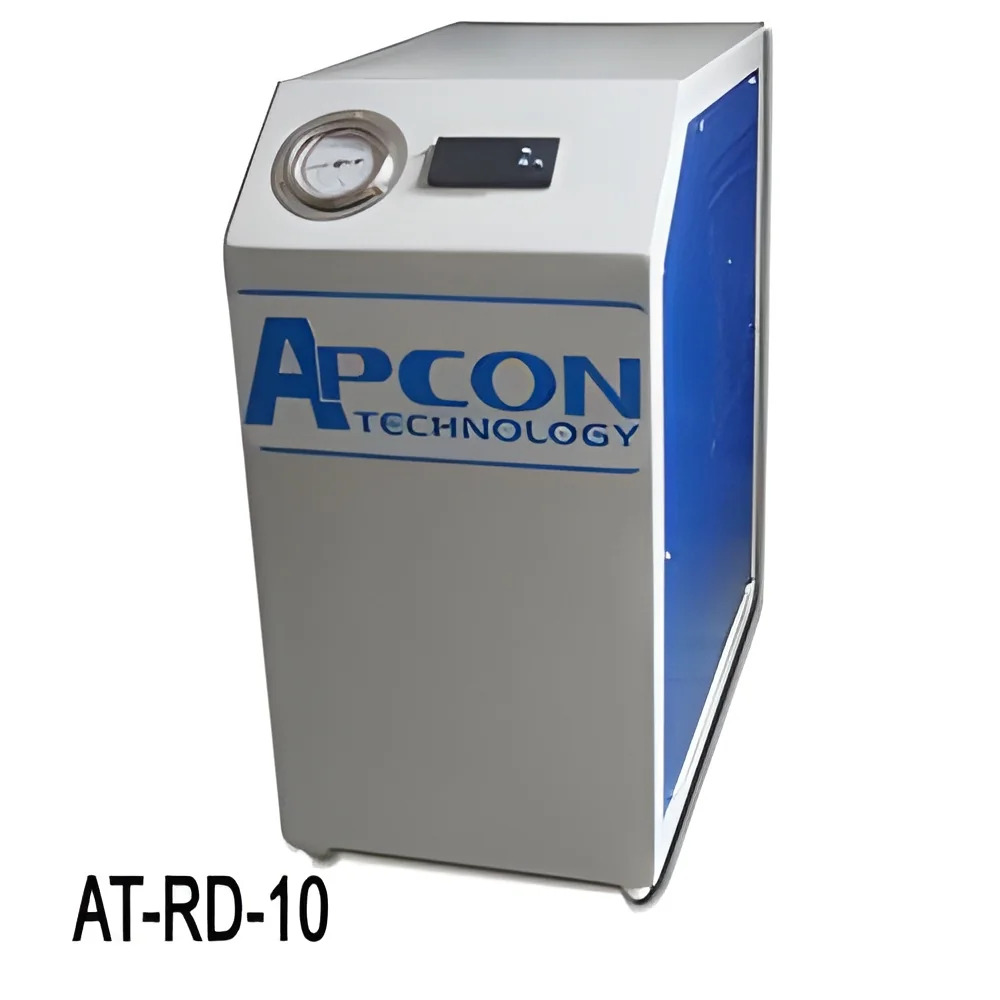
Fresh Air Units are specialized systems designed to enhance indoor air quality by introducing fresh outdoor air into a building. These units play a critical role in maintaining a healthy environment by filtering and conditioning incoming air before it circulates within the premises. They are equipped with various technologies to control humidity, temperature, and particulate matter, ensuring that the air quality meets health and safety standards.
The primary applications of Fresh Air Units include commercial buildings, industrial facilities, healthcare environments, and educational institutions. Businesses utilize these units to ensure compliance with air quality regulations and improve the comfort of occupants. In industries where air quality is paramount, such as food processing or pharmaceuticals, Fresh Air Units are essential for maintaining operational standards and protecting product integrity.
In today's market, the demand for Fresh Air Units is on the rise due to increasing awareness of indoor air quality issues and the impact of contaminants on health. As regulations become stricter and businesses seek to provide safe environments for employees and customers, Fresh Air Units have become a vital component of HVAC systems across various sectors.
Key Features and Specifications
Fresh Air Units come with various features tailored to meet the needs of different applications. These features enhance their functionality, efficiency, and usability. Below are some key specifications to consider when evaluating Fresh Air Units.
Key specifications include:
1. Airflow Rate
- This specification indicates the volume of air the unit can process, typically measured in cubic feet per minute (CFM).
- Airflow rates can vary significantly depending on the size and design of the unit.
2. Filtration System
- Fresh Air Units often include multi-stage filtration systems designed to remove particulate matter, allergens, and pollutants.
- Common filter types include HEPA, activated carbon, and electrostatic filters.
3. Energy Efficiency
- Many units are designed to meet energy efficiency standards, which can reduce operational costs.
- Look for units with high SEER (Seasonal Energy Efficiency Ratio) ratings.
4. Temperature Control
- These units may include features for cooling or heating incoming air to maintain desired indoor temperatures.
- Systems can typically operate within a specified temperature range.
5. Humidity Control
- Humidity control features are crucial for preventing mold growth and maintaining comfort levels.
- Units may include humidistats and dehumidifiers.
6. Monitoring Features
- Advanced models come equipped with monitoring capabilities that allow for real-time tracking of air quality metrics.
- These features may include digital displays and connectivity for remote access.
7. Dimensions and Weight
- The size and weight of Fresh Air Units can vary, influencing installation options and space requirements.
- Ensure that the unit fits the designated installation area.
8. Noise Level
- Noise levels are an important consideration, especially in environments where quiet is essential.
- Units are typically rated in decibels (dB) for operational noise.
In summary, Fresh Air Units are equipped with essential features that enhance air quality and energy efficiency, making them suitable for a variety of commercial and industrial applications.
Common Applications and Use Cases
Fresh Air Units are versatile and find applications across multiple industries.
1. Commercial Buildings: In office spaces, Fresh Air Units help maintain a comfortable and healthy work environment by improving indoor air quality and regulating temperature.
2. Healthcare Facilities: Hospitals and clinics use Fresh Air Units to ensure that air quality meets strict health regulations, protecting patients and staff from airborne pathogens.
3. Educational Institutions: Schools benefit from Fresh Air Units by creating conducive learning environments that support student health and focus.
4. Food Processing: In the food industry, these units are essential for preventing contamination and maintaining product quality by ensuring clean air circulation.
5. Pharmaceutical Manufacturing: Fresh Air Units help in controlling the sterile environments required in pharmaceutical production, safeguarding product efficacy.
6. Hospitality: Hotels and restaurants use these systems to enhance guest comfort and satisfaction through improved air quality.
7. Industrial Manufacturing: Factories utilize Fresh Air Units to ensure worker safety by controlling exposure to harmful airborne substances.
Product Variants and Subcategories
Fresh Air Units are available in various configurations to meet specific needs.
Packaged Fresh Air Units
These units combine all components into a single unit for easy installation and operation. They are ideal for commercial buildings where space is limited.
Modular Fresh Air Units
Modular designs allow for customizable configurations. These units can be tailored to meet unique airflow and filtration requirements, making them suitable for specialized applications.
Rooftop Fresh Air Units
Designed for installation on rooftops, these units save valuable indoor space while providing effective air management for large facilities.
Portable Fresh Air Units
These are smaller, movable units that can be relocated as needed. They are perfect for temporary setups or areas requiring additional air quality management.
Benefits and Advantages
Fresh Air Units offer numerous benefits that enhance both air quality and operational efficiency.
1. Improved Indoor Air Quality: By filtering and conditioning incoming air, these units significantly reduce the levels of indoor pollutants and allergens.
2. Enhanced Energy Efficiency: Many Fresh Air Units are designed to operate with high energy efficiency, resulting in lower utility bills and a reduced carbon footprint.
3. Compliance with Regulations: Fresh Air Units help businesses meet health and safety regulations regarding indoor air quality, avoiding potential fines and liabilities.
4. Increased Comfort: Maintaining optimal temperature and humidity levels leads to a more comfortable environment for occupants, enhancing productivity and satisfaction.
5. Versatility: Fresh Air Units can be tailored for various applications across different industries, making them suitable for diverse operational needs.
6. Long-Term Cost Savings: Investing in high-quality Fresh Air Units can lead to significant savings over time through reduced energy costs and improved health outcomes.
Buying Guide for B2B Buyers
When considering the purchase of Fresh Air Units, it is essential for B2B buyers to evaluate several key factors.
1. Quality Assessment: Review product specifications and certifications to ensure the units meet necessary performance and safety standards.
2. Supplier Verification: Conduct thorough background checks on suppliers to confirm their reliability and track record in delivering quality products.
3. Pricing and MOQ: Understand the pricing structures and minimum order quantities to align with budget constraints and purchasing needs.
4. Delivery and Lead Times: Discuss logistics and expected delivery times to ensure timely installation and operation of the units.
5. Compliance Requirements: Verify that the units comply with regional and industry-specific regulations, including safety and environmental standards.
Compliance and Certifications
Fresh Air Units must adhere to several quality standards and certifications to ensure safety and performance.
ISO 9001 is a widely recognized standard that outlines criteria for quality management systems. Products that meet this standard demonstrate consistent quality and customer satisfaction.
CE certification indicates that a product meets European health, safety, and environmental protection standards. This certification is crucial for products marketed in European markets.
Safety and testing requirements are critical for Fresh Air Units to ensure they operate safely and efficiently. Regular testing for performance, energy consumption, and emissions is essential.
Additionally, regional compliance considerations may vary based on local regulations. Understanding these requirements is vital for ensuring that Fresh Air Units can be legally and effectively utilized within specific markets.
Why Source Fresh Air Units from Pepagora?
Pepagora offers a reliable platform for sourcing Fresh Air Units with numerous advantages for B2B buyers.
Verified Supplier Network: Pepagora connects buyers with a network of verified suppliers, ensuring that every product meets high-quality standards. This verification process helps mitigate risks associated with sourcing.
Streamlined RFQ Process: The platform features an efficient request-for-quotation system, allowing buyers to easily obtain competitive quotes from multiple suppliers. This simplifies the sourcing process and saves time.
Trade Assurance and Support: Pepagora provides trade assurance services, offering buyer protection throughout the purchasing process. This support helps build trust between buyers and suppliers.
Regional Coverage: With a presence in India, the GCC, and Southeast Asia, Pepagora provides extensive regional coverage, facilitating access to a diverse range of Fresh Air Units for various market needs.

 IN
IN