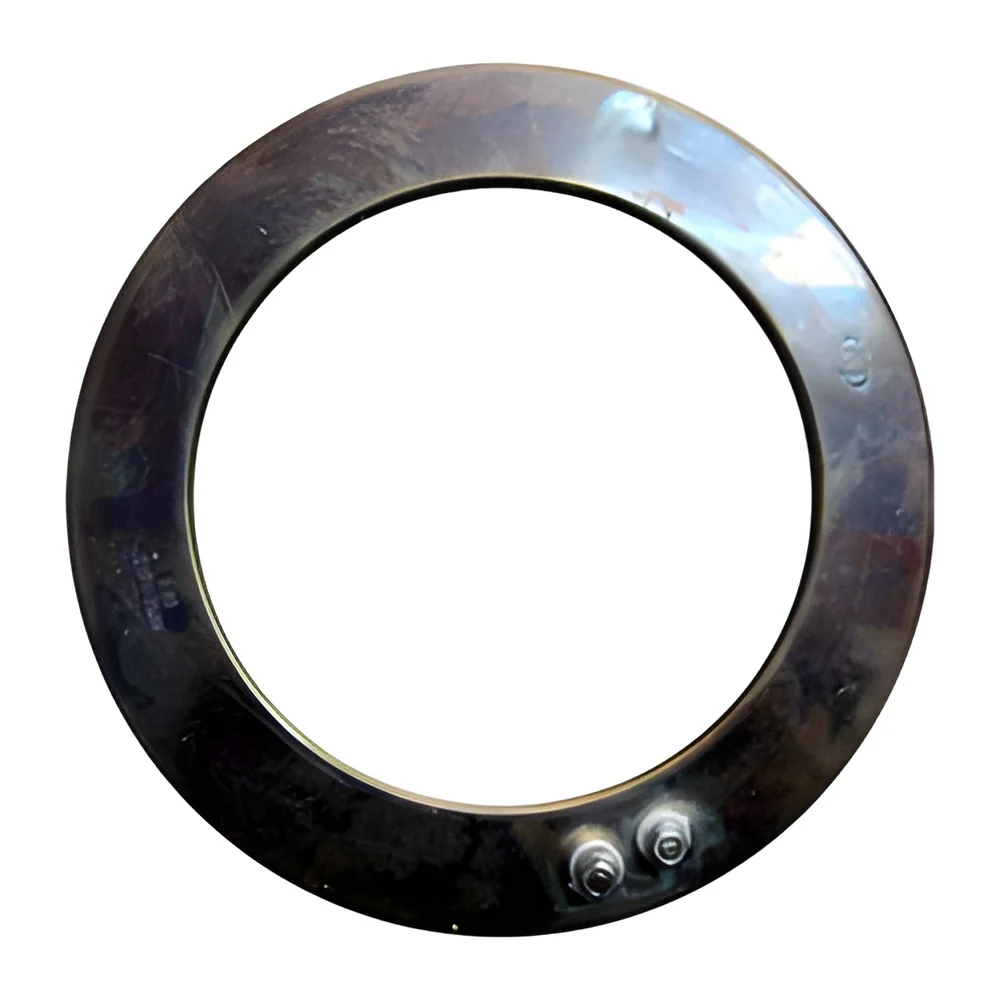
What are Electric Duct Heaters?
Electric duct heaters are devices designed to heat air as it passes through ductwork in heating, ventilation, and air conditioning (HVAC) systems. These heaters utilize electrical resistance to generate heat, which is then transferred to the air flowing through the ducts. The design of electric duct heaters allows for efficient heating in a variety of applications, making them an essential component in modern HVAC systems.
These heaters are commonly used in commercial and industrial settings, where maintaining a specific air temperature is crucial for operational efficiency. They are particularly beneficial in spaces that require precise temperature control, such as manufacturing facilities, warehouses, and laboratories. Electric duct heaters play a vital role in ensuring a comfortable environment for employees and optimal conditions for equipment and materials.
The relevance of electric duct heaters is underscored by the growing demand for energy-efficient heating solutions in various industries. As businesses strive to enhance their operational efficiency and reduce energy costs, electric duct heaters offer a reliable, cost-effective solution. The market for these products continues to expand, driven by advancements in technology and increasing awareness of environmental sustainability.
Key Features and Specifications
Electric duct heaters come with several key features that enhance their performance and adaptability. Understanding these features is crucial for selecting the right heater for specific applications.
Key specifications include:
1. Heating Capacity
- Measured in kilowatts (kW) to indicate the amount of heat produced.
- Typical ranges vary based on the application, with options available from 1 kW to over 20 kW.
2. Voltage Rating
- Available in various voltage ratings to suit different electrical systems.
- Common options include 120V, 240V, and 480V configurations.
3. Control Options
- Can be equipped with manual or automatic controls for temperature regulation.
- Advanced models may include digital thermostats and integration with building management systems.
4. Material Construction
- Typically made of durable materials such as stainless steel or aluminum.
- Designed to withstand high temperatures and resist corrosion.
5. Safety Features
- Includes over-temperature protection and built-in thermal cutoffs to prevent overheating.
- Complies with industry safety standards for electrical devices.
6. Size and Dimensions
- Available in various sizes to fit different ductwork configurations.
- Compact designs may be necessary for limited space applications.
7. Installation Type
- Options for horizontal or vertical installation to accommodate different duct layouts.
- Easy installation features to facilitate quick setup.
8. Airflow Direction
- Designed for either upward or downward airflow, depending on the specific heating needs.
In summary, understanding the key features and specifications of electric duct heaters is essential for making informed purchasing decisions. These specifications ensure that the chosen heater meets the requirements of the intended application.
Common Applications and Use Cases
Electric duct heaters are utilized across a range of industries, providing reliable heating solutions for various environments.
1. Manufacturing: In manufacturing facilities, electric duct heaters maintain optimal temperatures for production processes, ensuring equipment operates efficiently.
2. Warehousing: Warehouses often require reliable heating to protect stored goods and maintain a comfortable working environment for staff.
3. Laboratories: In laboratories, precise temperature control is essential for experiments and equipment function, making electric duct heaters a critical component.
4. Greenhouses: Electric duct heaters help regulate temperature and humidity levels in greenhouses, supporting plant health and growth.
5. Retail Spaces: Retail environments utilize these heaters to enhance customer comfort during colder months, promoting a pleasant shopping experience.
6. Office Buildings: In office settings, electric duct heaters can maintain a comfortable climate, contributing to employee productivity.
7. Hospitals: Healthcare facilities rely on consistent heating to ensure patient comfort and proper functioning of medical equipment.
Product Variants and Subcategories
Electric duct heaters come in various designs to meet different heating needs and applications.
Standard Electric Duct Heaters: These are designed for general heating purposes and are suitable for most commercial and industrial applications. They feature straightforward designs with reliable performance.
Custom Electric Duct Heaters: These heaters can be tailored to specific requirements, including size, capacity, and control options. Custom solutions are ideal for unique applications where standard features may not suffice.
Benefits and Advantages
Electric duct heaters offer numerous benefits that make them a favorable choice for heating solutions.
1. Energy Efficiency: Electric duct heaters are designed to provide efficient heating while minimizing energy consumption, resulting in lower utility bills.
2. Quick Heating Response: These heaters can quickly adjust to changes in temperature settings, providing prompt heating when needed.
3. Low Maintenance: With fewer moving parts than traditional heating systems, electric duct heaters require minimal maintenance, reducing downtime.
4. Versatile Applications: Their adaptability allows them to be used in various settings, from industrial to commercial environments.
5. Safety Features: Built-in safety mechanisms ensure reliable operation, reducing the risk of overheating and associated hazards.
6. Environmentally Friendly: Electric duct heaters produce no emissions during operation, contributing to a cleaner environment.
Buying Guide for B2B Buyers
When sourcing electric duct heaters, buyers should consider several critical factors to ensure they select the right product for their needs.
1. Quality Assessment: Evaluate the quality of materials and construction to ensure durability and reliability. Look for certifications that indicate adherence to industry standards.
2. Supplier Verification: Vet suppliers by checking their reputation, customer reviews, and experience in the industry. Ensure they can provide support and service after the sale.
3. Pricing and MOQ: Consider pricing structures and minimum order quantities (MOQ) when budgeting for purchases. Compare quotes from multiple suppliers to find competitive pricing.
4. Delivery and Lead Times: Understand the logistics of delivery and lead times to plan for installation and operation effectively. Ensure the supplier can meet your timeline requirements.
5. Compliance Requirements: Be aware of any regulatory or safety standards that the electric duct heaters must meet. This may include certifications such as CE.
Compliance and Certifications
Electric duct heaters must comply with various quality and safety standards to ensure reliable operation and safety. ISO 9001 is a widely recognized standard that emphasizes quality management systems, ensuring manufacturers consistently meet customer and regulatory requirements.
In addition to ISO certifications, electric duct heaters should adhere to industry-specific certifications like CE, which indicates compliance with European health, safety, and environmental protection standards.
Safety and testing requirements are also crucial for electric duct heaters. Manufacturers should conduct rigorous testing to verify the performance and safety of their products. Regional compliance considerations may vary, so it's essential to ensure that the heaters meet local regulations and standards.
Why Source Electric Duct Heaters from Pepagora?
Pepagora provides an excellent platform for sourcing electric duct heaters, offering several key advantages for B2B buyers.
Verified Supplier Network: Pepagora connects buyers with a network of verified suppliers, ensuring that products meet high-quality standards. This network facilitates trust and reliability in transactions.
Streamlined RFQ Process: The request for quotation (RFQ) process on Pepagora is designed to be efficient. Buyers can quickly obtain quotes from multiple suppliers, allowing for informed decision-making.
Trade Assurance and Support: Pepagora safeguards buyer transactions through trade assurance programs, providing protection against potential risks and ensuring support throughout the purchasing process.
Regional Coverage: With a strong presence in India, the GCC region, and Southeast Asia, Pepagora offers extensive geographic reach, making it easier for buyers to find suitable electric duct heaters for their specific needs.

 IN
IN