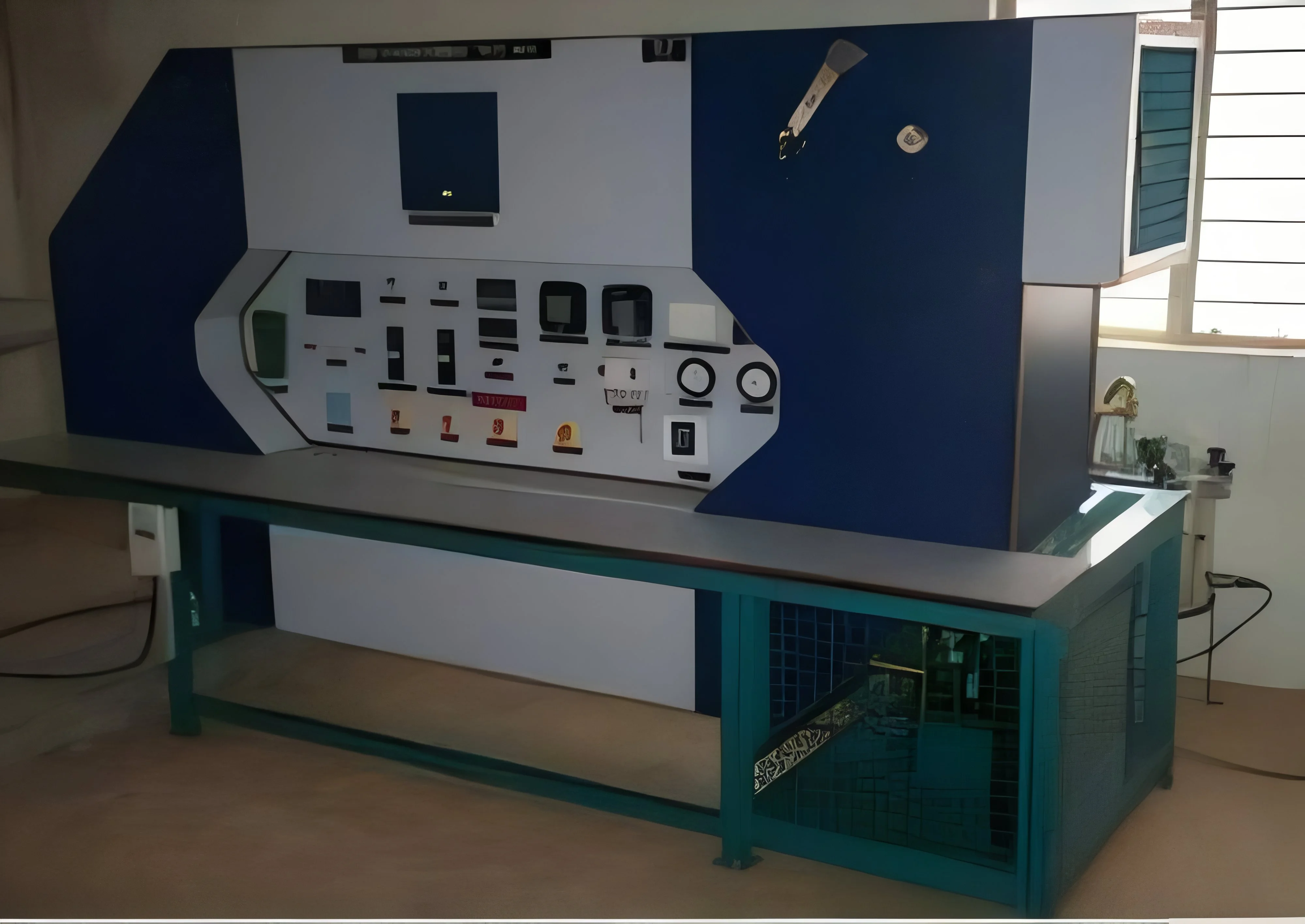
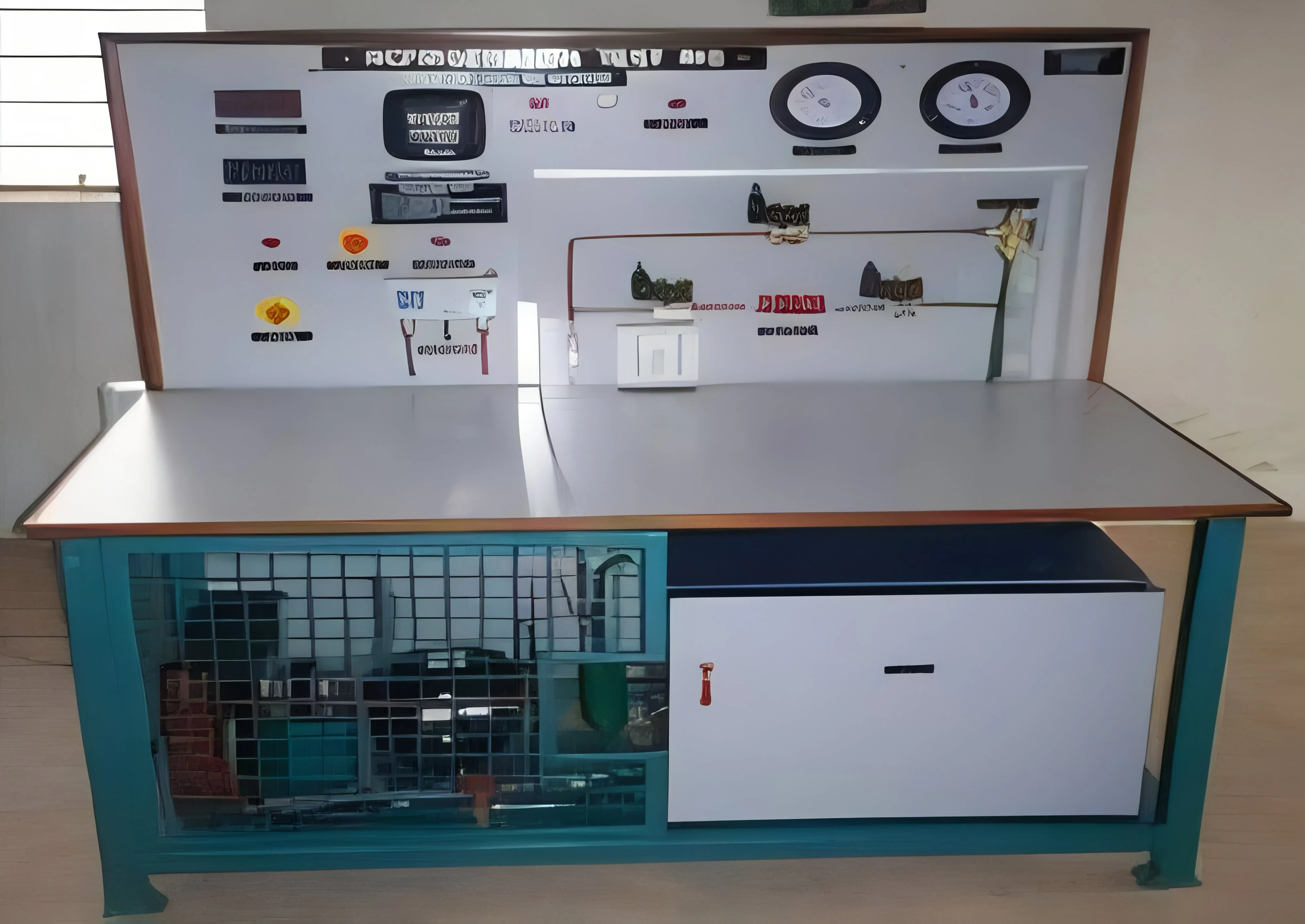
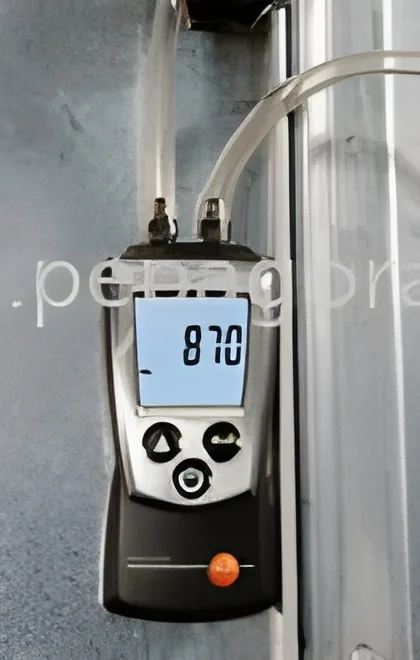
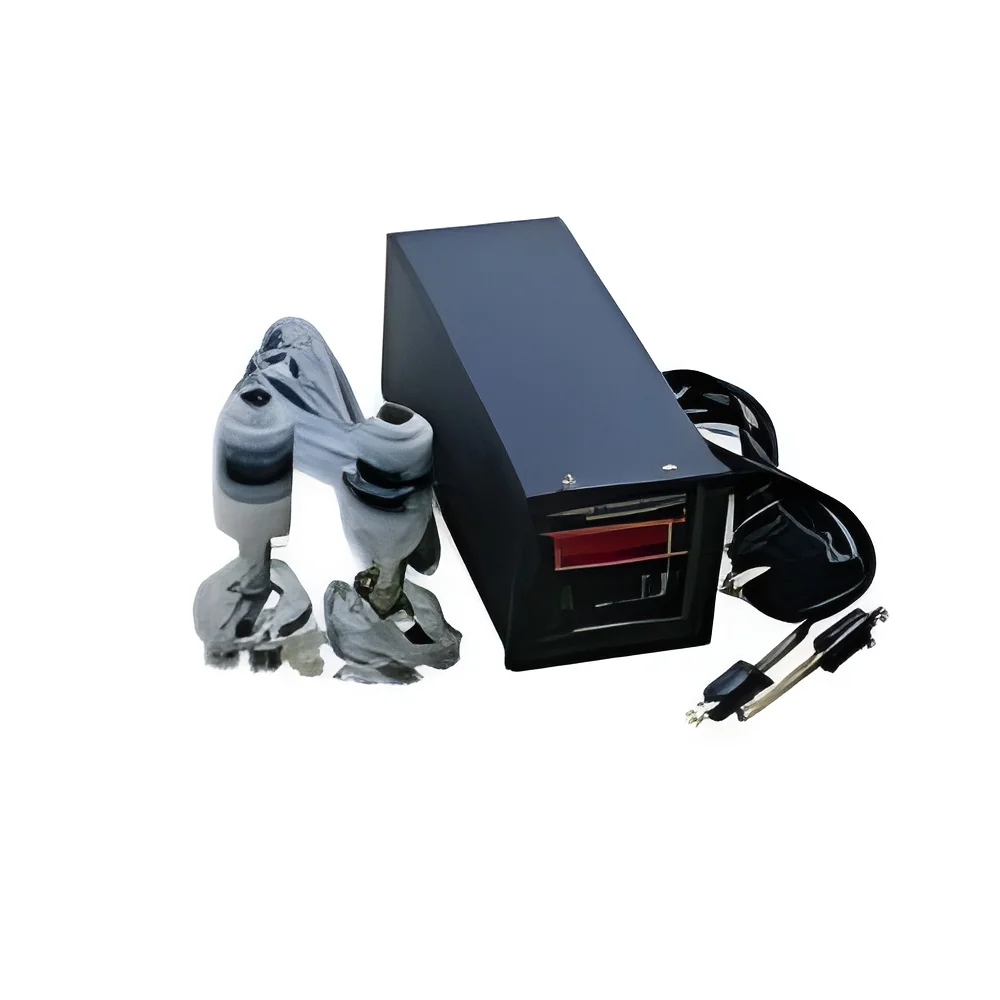
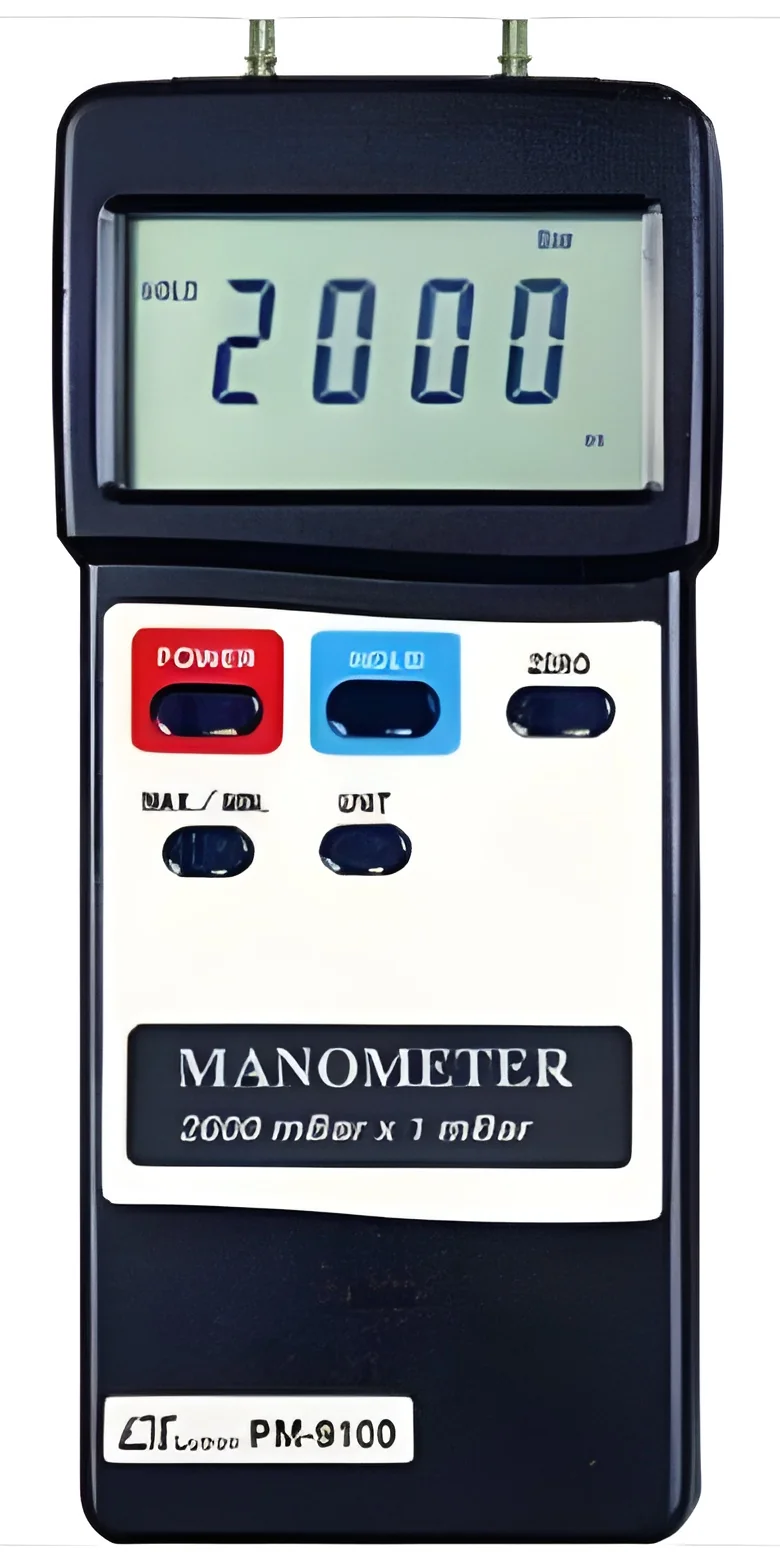
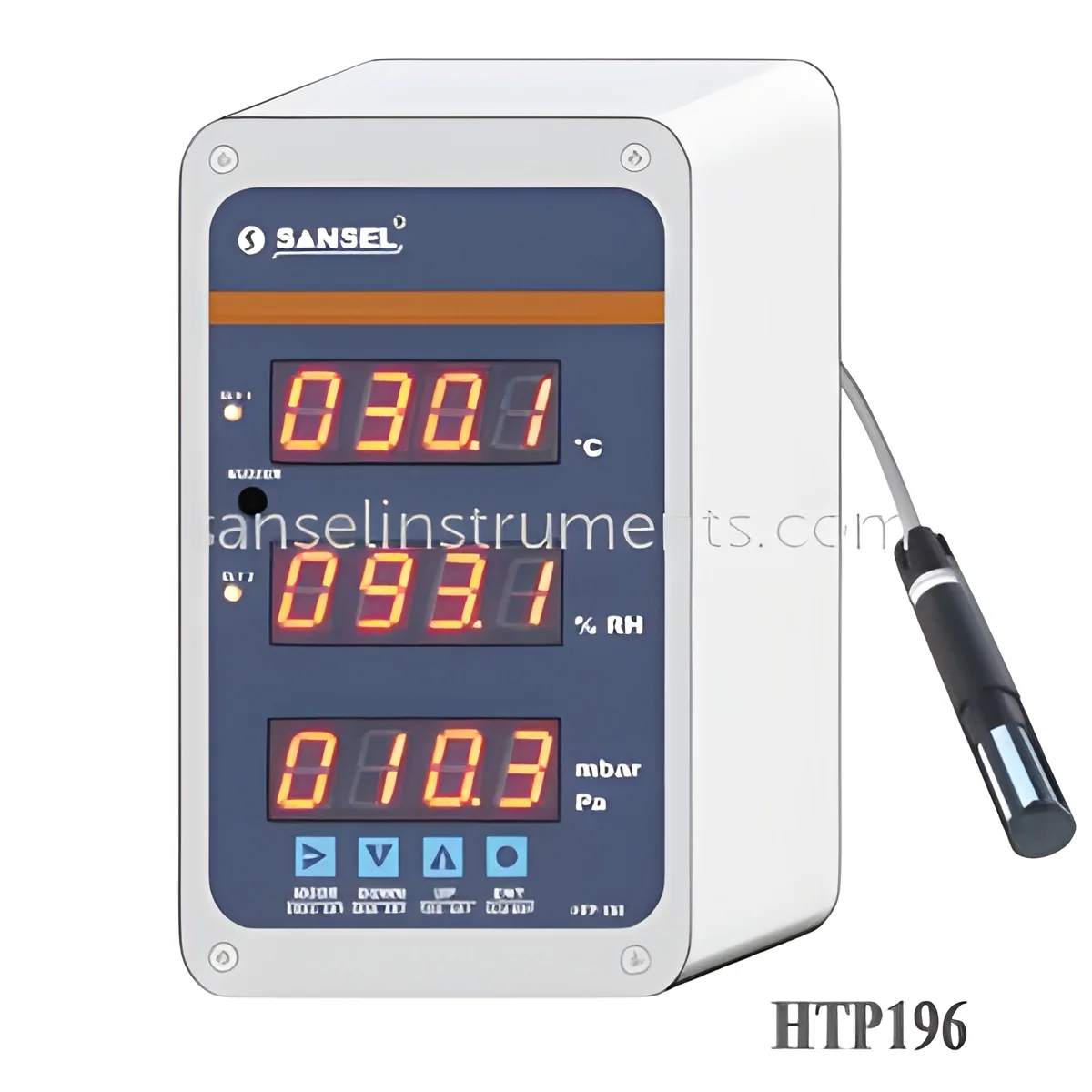
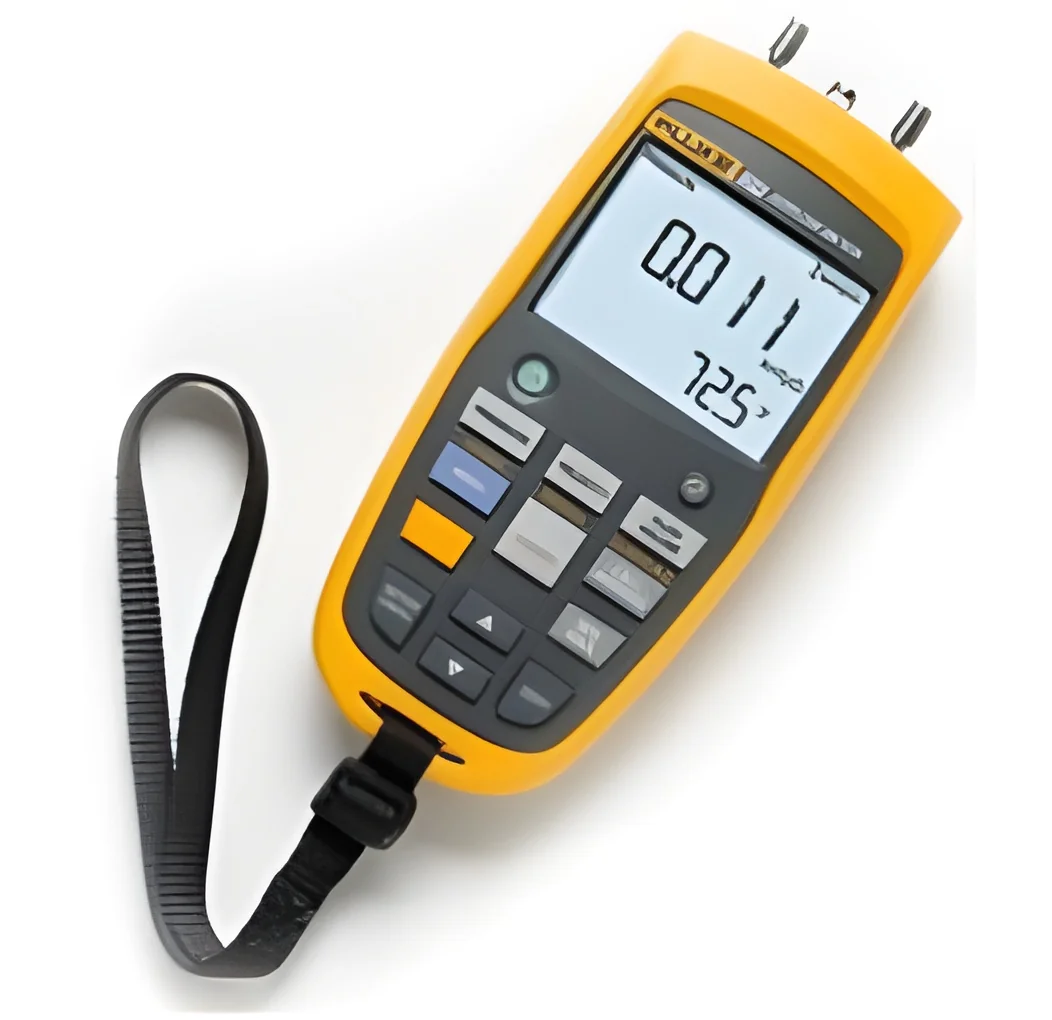
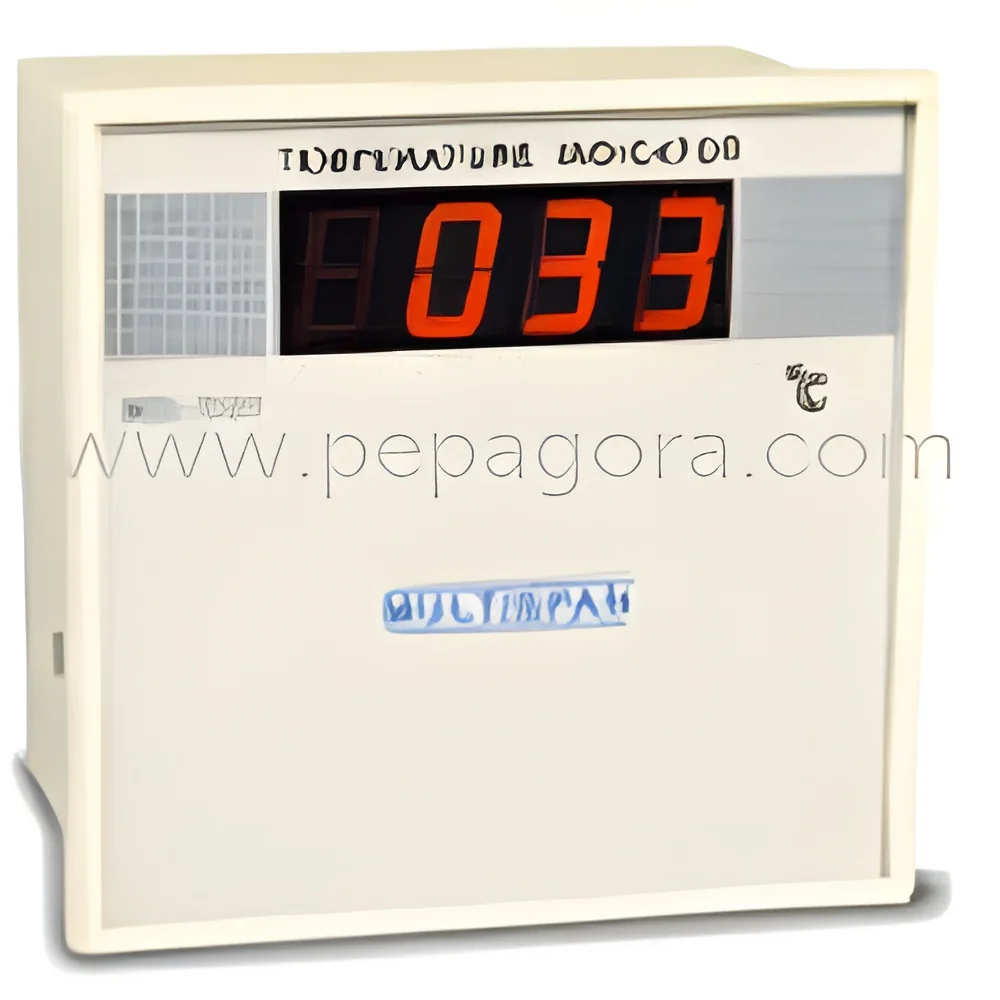
What are HVAC Commissioning Tools?
HVAC commissioning tools are specialized instruments used to ensure that heating, ventilation, and air conditioning systems are functioning efficiently and effectively. These tools help technicians verify system performance, optimize energy efficiency, and confirm that installations meet design specifications. Commissioning involves a systematic process of testing, adjusting, and documenting the performance of HVAC systems, ultimately ensuring that they operate as intended.
The primary uses of HVAC commissioning tools include verifying airflow, measuring temperature and humidity levels, and assessing system efficiency. Businesses across various sectors utilize these tools during the installation phase as well as for routine maintenance checks. By employing commissioning tools, organizations can reduce operational costs and extend the lifespan of their HVAC systems. In a market increasingly focused on energy efficiency and sustainability, the relevance of these tools continues to grow.
In today's competitive landscape, HVAC commissioning tools are essential for contractors, engineers, and facility managers alike. As building codes evolve and energy efficiency standards become more stringent, the demand for reliable commissioning tools is on the rise. This need drives innovation within the industry, leading to the development of advanced tools that enhance reliability and accuracy.
Key Features and Specifications
HVAC commissioning tools are designed with a variety of features that enhance their usability and effectiveness. These specifications cater to different applications and ensure that users can perform accurate assessments and adjustments.
Key specifications include:
1. Measurement Range
- Tools typically measure variables such as airflow, temperature, and humidity.
- Ranges vary by tool, but common values include airflow up to 2000 CFM and temperature from -40 to 120 degrees Fahrenheit.
2. Data Logging Capability
- Many tools feature data logging to record measurements over time.
- This function often includes storage capacity for thousands of data points for ongoing analysis.
3. Wireless Connectivity
- Some advanced models offer Bluetooth or Wi-Fi capability for data transfer.
- This feature allows for easy sharing of results with team members or integration with software systems.
4. User Interface
- Tools often come with intuitive displays and user-friendly controls.
- Touchscreen interfaces are increasingly common for ease of navigation.
5. Battery Life
- Equipment typically has a long battery life, often lasting several hours on a single charge.
- Rechargeable batteries are common, providing cost-effective operation.
6. Calibration Requirements
- Many tools require periodic calibration to maintain accuracy.
- Calibration intervals can vary; some tools offer self-calibration features.
7. Portability
- Most commissioning tools are designed to be lightweight and portable.
- Many include carrying cases for convenient transport to job sites.
8. Compliance Standards
- Tools often meet industry standards for safety and performance.
- Certifications such as CE indicate compliance with European safety regulations.
In summary, HVAC commissioning tools are equipped with features that not only enhance their functionality but also ensure compliance with industry standards. Their diverse specifications cater to the varying needs of HVAC professionals.
Common Applications and Use Cases
HVAC commissioning tools are used across multiple industries to enhance system performance and ensure compliance with regulations.
1. Commercial Buildings: In office complexes, tools are used to verify HVAC system efficiency, enhancing energy performance and occupant comfort.
2. Industrial Facilities: Manufacturing plants utilize commissioning tools to monitor air quality and ensure proper ventilation, which is crucial for worker safety.
3. Healthcare: Hospitals and clinics use these tools to maintain stringent air quality standards, directly impacting patient health and wellbeing.
4. Educational Institutions: Schools and universities employ commissioning tools to optimize HVAC systems, creating a conducive learning environment.
5. Retail Spaces: Retailers utilize these tools to ensure customer comfort and maintain energy efficiency in large shopping complexes.
6. Hospitality: Hotels use commissioning tools to ensure that guest rooms maintain ideal temperature and humidity levels, enhancing the overall guest experience.
7. Data Centers: Commissioning tools are essential in data centers for monitoring HVAC systems that maintain critical temperature and humidity levels for equipment.
Product Variants and Subcategories
HVAC commissioning tools come in various forms, each tailored to specific tasks within the commissioning process.
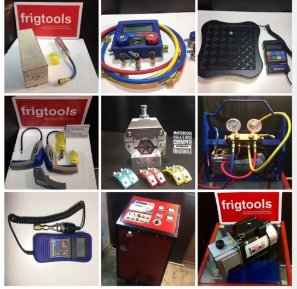
Digital Manifold Gauge
This variant is designed for refrigerant monitoring. It features multiple pressure sensors and can display superheat and subcooling values. Ideal for technicians working on refrigeration systems, it enhances accuracy and efficiency in diagnostics.
Airflow Meter
An airflow meter measures the velocity and volume of air in HVAC systems. This tool is essential for ensuring proper airflow rates in duct systems and can help identify blockages or inefficiencies.
Thermal Anemometer
This tool is used to measure air velocity and temperature simultaneously. It is particularly useful for assessing system performance in real-time, allowing for immediate adjustments to airflow.
Data Logger
A data logger records measurements over time, making it a valuable tool for long-term monitoring. It is often used in projects requiring compliance with energy management standards.
Benefits and Advantages
Investing in HVAC commissioning tools provides numerous advantages for businesses.
1. Enhanced Efficiency: These tools help optimize HVAC performance, leading to reduced energy consumption and lower operational costs.
2. Improved Accuracy: Commissioning tools provide precise measurements, ensuring that systems are balanced and operating within specifications.
3. Longer System Lifespan: Regular commissioning can identify issues early, preventing costly repairs and extending the life of HVAC equipment.
4. Regulatory Compliance: Utilizing commissioning tools aids in meeting local and international standards, reducing the risk of penalties.
5. Increased Comfort: Properly commissioned systems ensure that indoor environments maintain ideal temperature and humidity levels, enhancing occupant comfort.
6. Data-Driven Decisions: The data collected allows for informed decision-making regarding system upgrades and maintenance schedules.
Buying Guide for B2B Buyers
When sourcing HVAC commissioning tools, it is essential for B2B buyers to consider several key factors to ensure they make informed purchasing decisions.
1. Quality Assessment: Evaluate the quality of tools by checking manufacturer reputation, customer reviews, and warranty information. High-quality tools typically offer better durability and accuracy.
2. Supplier Verification: Ensure suppliers are reputable and have a history of providing reliable products. Look for certifications and endorsements from industry bodies.
3. Pricing and MOQ: Compare prices across suppliers while considering the minimum order quantities. Bulk purchasing may yield discounts, so assess your needs accordingly.
4. Delivery and Lead Times: Factor in logistics and delivery times when placing orders. Ensure suppliers can meet your project timelines to avoid delays.
5. Compliance Requirements: Confirm that the tools comply with relevant regulations and standards, which may vary by region and application. Understanding these requirements ensures you select compliant products.
Compliance and Certifications
Compliance and certifications are critical aspects of HVAC commissioning tools, ensuring they meet industry standards for performance and safety.
Manufacturers often adhere to quality standards such as ISO 9001, which outlines requirements for a quality management system. This certification indicates that the tools have been produced under stringent quality controls, ensuring reliability and performance.
Many tools are also certified by CE, signifying compliance with European health, safety, and environmental protection standards. This certification is essential for tools sold in European markets and assures buyers of their safety and efficacy.
Safety and testing requirements may also include various regional standards, ensuring tools can be safely operated in different environments. Compliance with local regulations is crucial, especially when tools are used in sensitive sectors like healthcare or food processing.
Why Source HVAC Commissioning Tools from Pepagora?
Pepagora provides a trusted platform for sourcing HVAC commissioning tools, offering several key advantages for B2B buyers.
Verified Supplier Network: Pepagora connects buyers with a network of verified suppliers, ensuring that products meet high standards of quality and reliability. This network allows buyers to find reputable vendors quickly.
Streamlined RFQ Process: The Request for Quotation process on Pepagora is designed to be user-friendly, enabling buyers to easily compare quotes from multiple suppliers. This transparency helps buyers make informed decisions.
Trade Assurance and Support: Buyers are protected through trade assurance programs that offer support throughout the purchasing process. This ensures that transactions are secure and that buyers receive the products as expected.
Regional Coverage: Pepagora has a broad geographic reach, serving clients in India, the GCC, and Southeast Asia. This extensive network allows buyers to access HVAC commissioning tools tailored to their regional needs, ensuring compliance with local standards.

 IN
IN