IN
IN₹
Apparel & Fashion
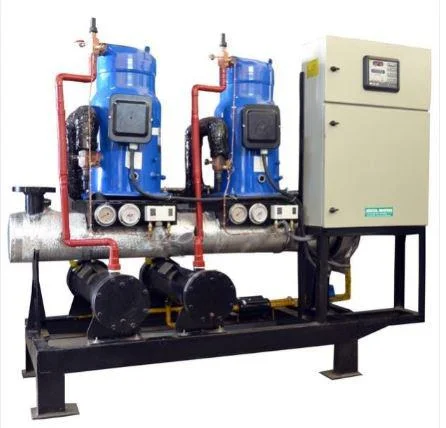
Description
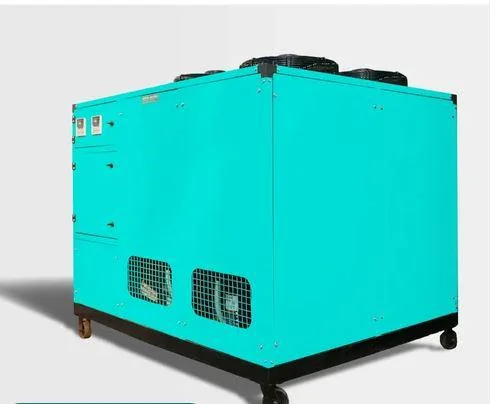
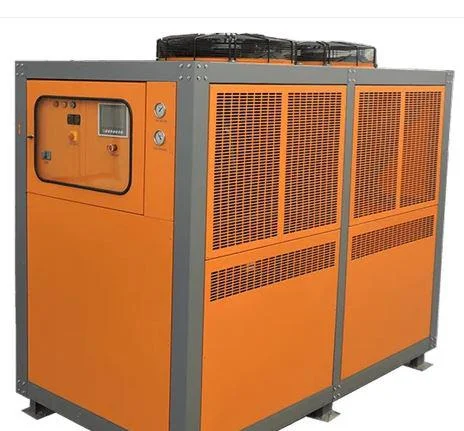
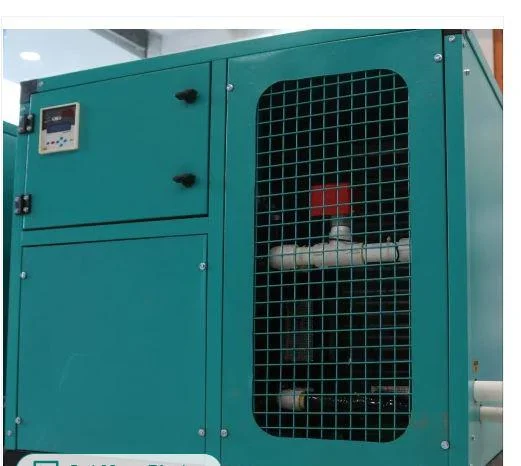
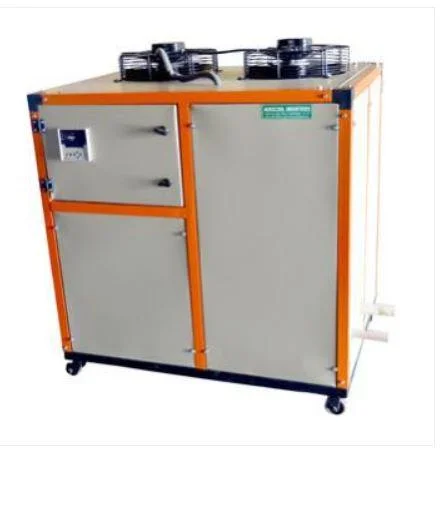
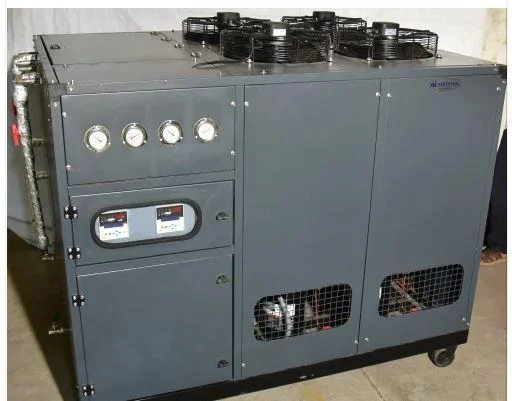
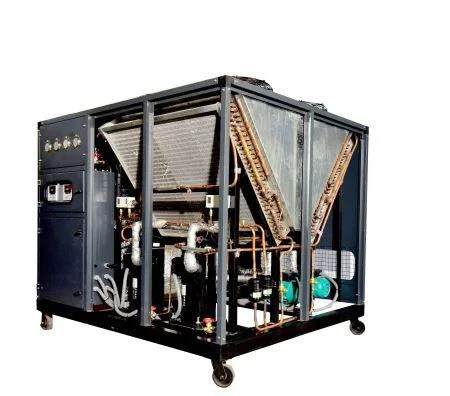
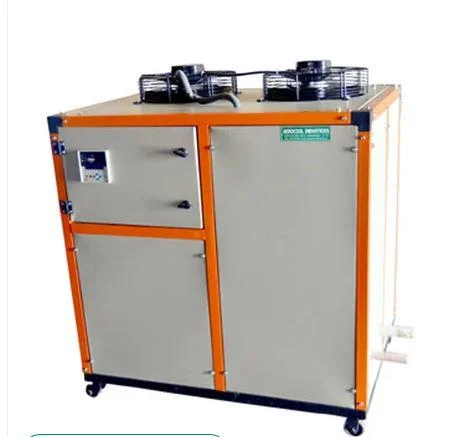
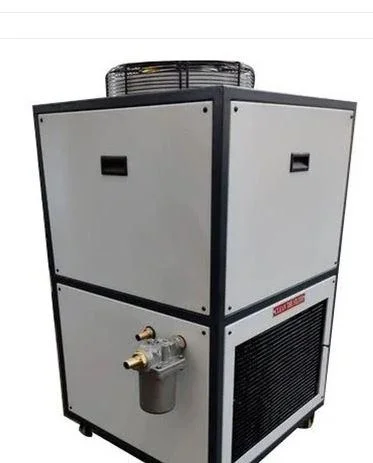
Brine chilling plants represent advanced industrial cooling technology that utilizes specialized saltwater solutions to achieve temperatures far below water's freezing point. These systems employ carefully calibrated mixtures of water with salts like calcium chloride or sodium chloride, creating brine solutions with freezing points as low as -80°C. The brine circulates through a closed-loop system, absorbing heat from industrial processes via heat exchangers and transferring it to the refrigeration unit. This sophisticated approach to cooling provides exceptional temperature stability and precision, making it superior to conventional water-based chilling systems for applications requiring sub-zero conditions. The technology ensures consistent performance while maintaining energy efficiency across various industrial scales and requirements.

These chilling systems find extensive application across multiple industries where precise temperature control is crucial for product quality and p...
Brine chilling plants represent advanced industrial cooling technology that utilizes specialized saltwater solutions to achieve temperatures far below water's freezing point. These systems employ carefully calibrated mixtures of water with salts like calcium chloride or sodium chloride, creating brine solutions with freezing points as low as -80°C. The brine circulates through a closed-loop system, absorbing heat from industrial processes via heat exchangers and transferring it to the refrigeration unit. This sophisticated approach to cooling provides exceptional temperature stability and precision, making it superior to conventional water-based chilling systems for applications requiring sub-zero conditions. The technology ensures consistent performance while maintaining energy efficiency across various industrial scales and requirements.

These chilling systems find extensive application across multiple industries where precise temperature control is crucial for product quality and process efficiency. In the food processing sector, brine chillers are essential for quick freezing operations, blast freezing, and maintaining cold chain integrity for perishable goods. Pharmaceutical manufacturers rely on them for critical temperature control in drug formulation, storage, and laboratory environments. Chemical processing plants utilize brine cooling for reactor temperature management, crystallization processes, and controlling exothermic reactions. The plastics industry depends on these systems for injection molding temperature regulation, while the beverage industry uses them for fermentation control and product cooling. Each industry benefits from the system's ability to maintain exact temperature parameters consistently.

The business value of brine chilling plants extends beyond basic cooling functionality to deliver significant operational advantages and reliability. These systems offer substantial energy savings through optimized heat transfer efficiency and reduced compressor workload. Their robust construction ensures minimal downtime and long service life, providing excellent return on investment. Customization options allow businesses to tailor systems to specific process requirements, ensuring optimal performance for unique applications. The non-freezing nature of brine eliminates system damage risks in sub-zero operations, while the corrosion-resistant components extend equipment lifespan. These chillers maintain consistent performance even in challenging ambient conditions, making them reliable partners for continuous industrial operations.

Key Features:
- Sub-zero temperature capability down to -80°C
- Corrosion-resistant components for extended durability
- Customizable configurations for specific industry needs
- Energy-efficient heat exchange technology
- Compact design suitable for space-constrained facilities

Benefits:
- Reduced operational costs through energy efficiency
- Enhanced product quality with precise temperature control
- Minimal maintenance requirements and downtime
- Reliable performance in varying ambient conditions
- Long service life with robust construction
Specifications
| Additional Information | |
|---|---|
| Country of Origin | India |
Application
Brine chilling plants provide critical cooling solutions where standard water-based systems fall short. Their ability to maintain consistent sub-zero temperatures makes them indispensable for industries requiring precise thermal management in demanding production environments. These systems excel in applications ranging from food preservation to chemical processing, offering reliable performance even under extreme operating conditions.
Our brine chillers are engineered for versatility across multiple industrial sectors. They deliver stable cooling performance for processes requiring temperatures below freezing point, ensuring product quality and operational efficiency. The non-freezing brine solution circulates effectively through heat exchangers, making these systems ideal for both direct cooling and secondary refrigeration applications in various manufacturing settings. Real-world applications:
Real-world applications:
- Food processing facilities for freezing meat, seafood, and poultry products
- Pharmaceutical manufacturing for temperature-controlled drug production
- Chemical plants cooling reactors and process equipment
- Plastic injection molding for precise mold temperature regulation
- Dairy and ice cream plants maintaining optimal production temperatures
Trade Details
| Available Stock | In Stock |
| Sample Availability | No |
Payment Terms
| Payment Terms |
|
Company Profile

AEROCOOL INDUSTRIES, Bihar
 Bihar, India
Bihar, IndiaIndustrial Equipment & Machinery•Manufacturer
Factory Details
Factory SizeBelow 1000 sqm
Industrial Brine Chilling Plant For Sub Zero Cooling To 80C
Industrial brine chilling plants deliver efficient sub-zero cooling for food processing, chemical, and pharmaceutical industries. Our reliable systems offer custom solutions with precise temperature control down to -80°C for demanding applications.
Min. Order Quantity: 1
Shipping
Shipping fee and delivery date to be negotiated. Contact supplier now for more details.
AEROCOOL INDUSTRIES
 Bihar, India
Bihar, IndiaIndustrial Equipment & MachineryManufacturer