What are Industrial Boilers?
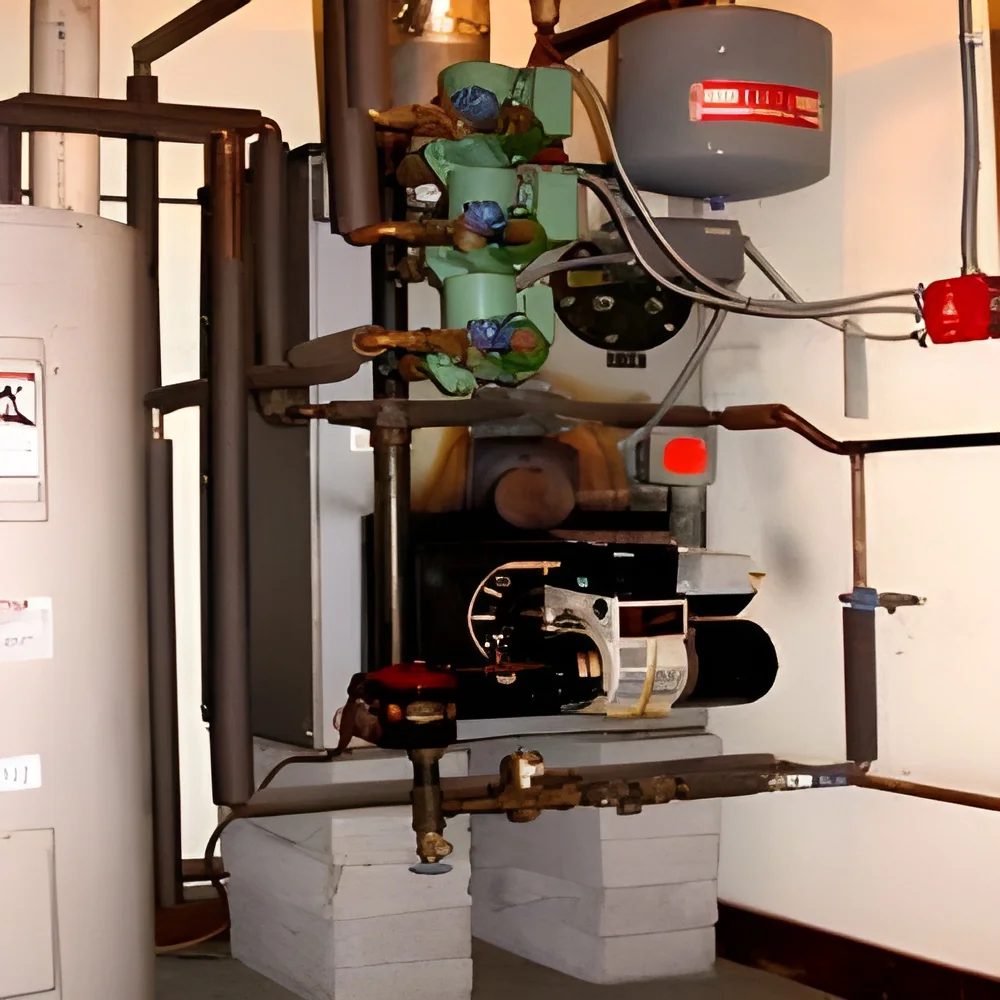
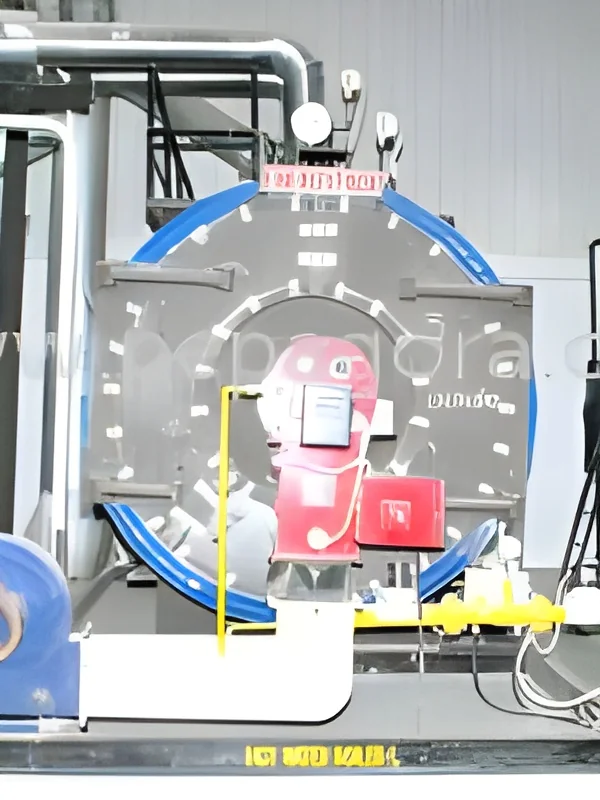
Industrial boilers are large-scale heating systems designed to generate steam or hot water for various industrial applications. They play a crucial role in energy production, providing heat for processes such as manufacturing, food processing, and chemical production. These boilers operate by burning fuel or using electricity to heat water, which is then converted into steam or hot water that can be used in diverse applications.
The primary uses of industrial boilers include providing heat for industrial processes, generating power in power plants, and supplying hot water for cleaning and sterilization purposes. They are essential in industries such as textiles, pharmaceuticals, and food and beverage, where consistent and reliable heat is critical for operational efficiency. With the increasing demand for energy-efficient systems, the market for industrial boilers continues to expand, driven by advancements in technology and the push for sustainable practices.
Key Features and Specifications
Industrial boilers come with various features that enhance their functionality and efficiency. Understanding these specifications is essential for buyers to make informed decisions.
Key specifications include:
1. Fuel Type
- Options include natural gas, oil, coal, and biomass.
- Each fuel type has specific efficiency ratings and emissions profiles.
2. Capacity
- Measured in BTUs or horsepower.
- Ranges from small units for localized heating to large systems for extensive industrial use.
3. Pressure Ratings
- Operating pressure levels, typically ranging from low to high pressure.
- Critical for ensuring safety and efficiency during operation.
4. Efficiency Ratings
- Thermal efficiency percentages indicating how well the boiler converts fuel into usable energy.
- Higher ratings signify better fuel utilization and lower operational costs.
5. Emission Standards
- Compliance with environmental regulations.
- Important for reducing the carbon footprint and ensuring air quality.
6. Control Systems
- Advanced monitoring systems for temperature, pressure, and flow.
- Automation features to enhance operational efficiency and safety.
7. Installation Requirements
- Space and infrastructure considerations, including ventilation and drainage.
- Compliance with local building codes and regulations.
8. Maintenance Needs
- Routine checks and servicing requirements to ensure optimal performance.
- Importance of selecting boilers with accessible components for easier maintenance.
In summary, understanding these specifications helps buyers select the right industrial boiler that meets their operational needs while adhering to efficiency and compliance standards.
Common Applications and Use Cases
Industrial boilers serve a wide range of industries, fulfilling various heating and energy needs.
1. Manufacturing: Industrial boilers are used to provide steam for processes such as dyeing textiles, molding plastics, and curing materials.
2. Food and Beverage: Boilers supply hot water and steam for cooking, sterilization, and cleaning processes in food production facilities.
3. Pharmaceuticals: In this sector, boilers provide steam for sterilization and process heating, ensuring product safety and compliance with health regulations.
4. Chemical Processing: Boilers are essential for maintaining required temperatures during chemical reactions and for heating raw materials.
5. Pulp and Paper: In the paper industry, boilers generate steam for drying and processing pulp, as well as for power generation.
6. Oil and Gas: Used for enhanced oil recovery and as a power source for various processes within the industry.
7. Hospitals: Boilers provide steam for sterilization and space heating, ensuring a safe environment for patients and staff.
Product Variants and Subcategories
Industrial boilers come in various types designed to cater to specific needs and applications.
Fire-Tube Boilers
These boilers consist of a series of tubes through which hot gases pass. They are known for their compact design and are ideal for smaller operations where space is limited.
Water-Tube Boilers
In contrast to fire-tube boilers, water-tube boilers circulate water within tubes heated by external combustion gases. They are capable of producing high-pressure steam and are suitable for large-scale industrial applications.
Electric Boilers
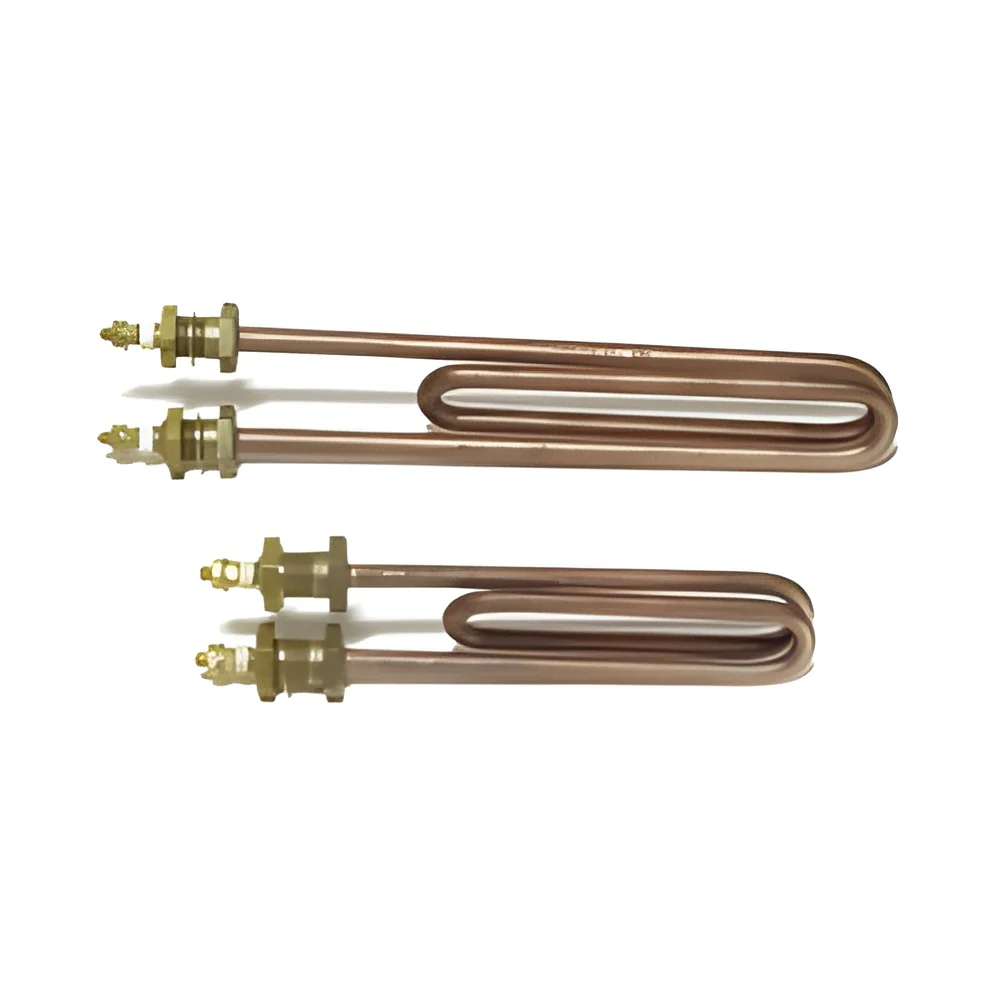
These units utilize electricity to generate steam or hot water, offering a cleaner alternative to fossil fuel-based boilers. They are ideal for operations that require precise temperature control and lower emissions.
Benefits and Advantages
Investing in industrial boilers brings numerous benefits to businesses.
1. Energy Efficiency: Modern boilers are designed to maximize fuel efficiency, reducing operational costs and energy consumption.
2. Reliability: Industrial boilers provide consistent heat and steam supply, essential for maintaining production schedules.
3. Versatility: They can be used in various applications across multiple industries, catering to diverse operational needs.
4. Compliance: High-quality boilers meet environmental regulations, helping businesses avoid penalties and improve sustainability.
5. Safety: Advanced safety features minimize risks associated with boiler operation, protecting personnel and assets.
6. Low Maintenance: Many modern industrial boilers are designed for easy servicing, reducing downtime and maintenance costs.
Buying Guide for B2B Buyers
When sourcing industrial boilers, it is crucial to consider several factors to ensure the right fit for your needs.
1. Quality Assessment: Evaluate the quality of materials and construction. Look for certifications, such as CE, that indicate compliance with industry standards.
2. Supplier Verification: Vet potential suppliers by checking their reputation, financial stability, and customer feedback to ensure reliability.
3. Pricing and MOQ: Understand the price range for different boiler types and inquire about minimum order quantities to align with your budget and needs.
4. Delivery and Lead Times: Assess logistical considerations, including delivery timelines and transportation options, to ensure timely installation.
5. Compliance Requirements: Ensure that the selected boiler meets local regulatory standards for safety and emissions to avoid future complications.
Compliance and Certifications
Compliance with industry standards and certifications is vital for ensuring the reliability and safety of industrial boilers. Key standards include ISO 9001, which emphasizes quality management systems, and HACCP for food safety.
Certifications such as CE indicate that the boiler meets European safety and performance requirements. Regular safety and testing protocols are essential to maintain operational integrity and compliance with regional regulations.
It is also important to consider local compliance requirements, as these can vary significantly by region. Understanding these factors will help businesses make informed decisions about their industrial boiler investments.
Why Source Industrial Boilers from Pepagora?
Pepagora offers a trusted platform for sourcing industrial boilers with multiple advantages for B2B buyers.
Verified Supplier Network: Pepagora ensures that all suppliers are thoroughly vetted, providing buyers with confidence in the quality and reliability of the products offered.
Streamlined RFQ Process: The platform facilitates an efficient request for quotation system, allowing buyers to compare prices and specifications easily from multiple suppliers.
Trade Assurance and Support: Pepagora provides buyer protection measures, ensuring that transactions are secure and that buyers receive the support they need throughout the purchasing process.
Regional Coverage: With a strong presence in India, the GCC, and Southeast Asia, Pepagora offers extensive regional coverage, helping businesses access a diverse range of industrial boilers tailored to their specific requirements.

 IN
IN