What are Ducting Systems (GI, Aluminum, Fabric)?
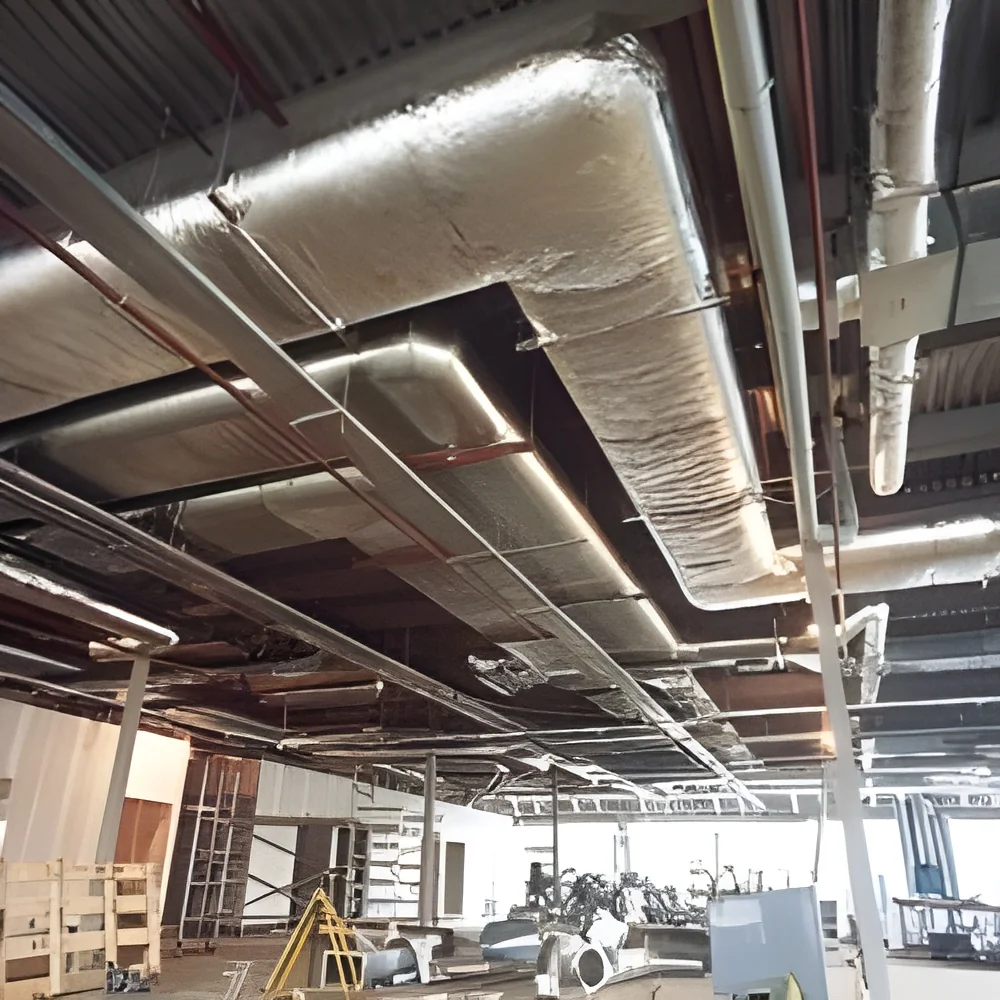
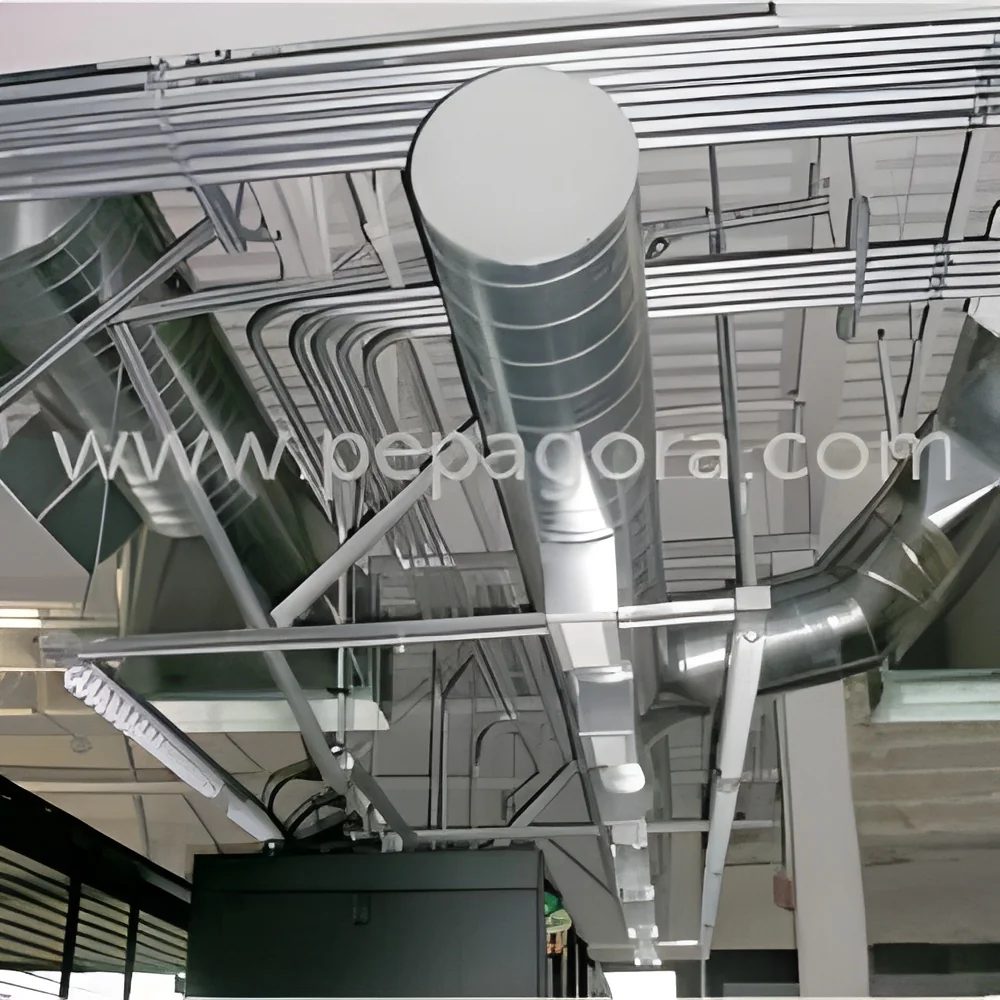
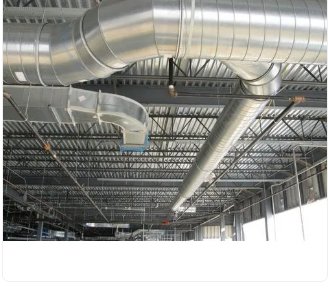
Ducting systems are essential components in various industrial applications, designed to transport air, gases, and other substances efficiently. They are typically made from three primary materials: Galvanized Iron (GI), aluminum, and fabric. Each type of ducting system has distinct characteristics that make it suitable for specific environments and applications. GI ducts are known for their strength and durability, while aluminum offers lightweight and corrosion-resistant options. Fabric ducts provide flexibility and are often used in environments requiring easy installation and maintenance.
These systems are widely utilized in heating, ventilation, and air conditioning (HVAC) applications, as well as in industries such as manufacturing, food processing, and pharmaceuticals. They play a critical role in ensuring proper air flow, temperature control, and the removal of harmful substances from the workplace. With increasing regulatory standards and a growing focus on energy efficiency, the demand for high-quality ducting solutions is on the rise across various sectors.
In the current market, ducting systems are becoming more sophisticated, incorporating advanced monitoring and control features. As industries continue to evolve, the relevance of ducting systems will only grow, making them a vital investment for businesses aiming for operational efficiency and compliance with health and safety regulations.
šš²š šš²š®šššæš²š š®š»š± š¦š½š²š°š¶š³š¶š°š®šš¶š¼š»š
Ducting systems are designed with specific features that cater to industrial needs. Understanding these specifications is crucial for selecting the right system for your application.
Key specifications include:
1. Material Type
- Galvanized Iron (GI), Aluminum, or Fabric options
- Each material offers distinct benefits based on the application
2. Size Range
- Available in various diameters and lengths
- Custom sizes can be manufactured to meet specific requirements
3. Temperature Resistance
- Designed to withstand varying temperature ranges
- Certain materials can handle extreme temperatures
4. Humidity Control
- Some systems are designed to manage humidity levels
- Important for applications in sensitive environments
5. Airflow Capacity
- Measured in cubic feet per minute (CFM)
- Essential for determining system efficiency
6. Installation Type
- Options for modular or fixed installations
- Flexibility in design according to the layout
7. Compliance Standards
- Systems may meet various international standards
- Ensures reliability and safety in applications
8. Maintenance Requirements
- Varies by material and design
- Fabric ducts often require less maintenance compared to metal options
In summary, choosing the right ducting system involves considering factors such as material, size, temperature resistance, and compliance with standards.
šš¼šŗšŗš¼š» šš½š½š¹š¶š°š®šš¶š¼š»š š®š»š± šØšš² šš®šš²š
Ducting systems have a wide range of applications across various industries. Their versatility allows them to be used effectively in different settings.
1. HVAC: Ducting systems are crucial in HVAC systems for distributing heated or cooled air throughout buildings, ensuring comfort and energy efficiency.
2. Manufacturing: In factories, ducting systems help in removing fumes, dust, and other airborne particles, maintaining a safe working environment.
3. Food Processing: Ducts are utilized to manage air quality and temperature, ensuring compliance with food safety standards.
4. Pharmaceuticals: In this industry, specialized ducting systems help maintain sterile environments by controlling airflow and reducing contamination risks.
5. Automotive: Ducting systems are employed in vehicle assembly lines to manage air distribution and ventilation.
6. Chemical Processing: These systems are used to transport hazardous gases and vapors safely, adhering to strict industry regulations.
7. Data Centers: Ducting is vital in cooling systems to manage heat generated by servers, ensuring optimal performance and longevity.
š£šæš¼š±šš°š š©š®šæš¶š®š»šš š®š»š± š¦ššÆš°š®šš²š“š¼šæš¶š²š
Ducting systems come in various forms, each tailored for specific applications and environments.
GI Ducts
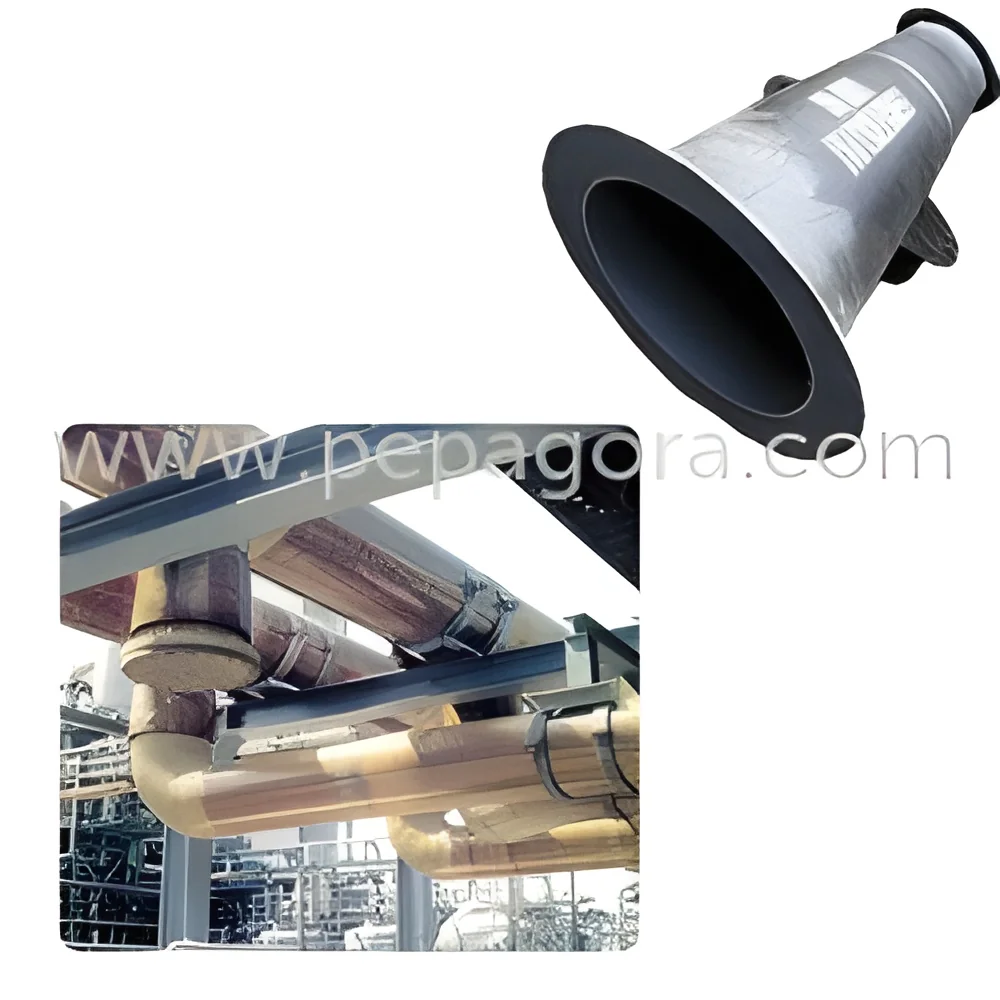
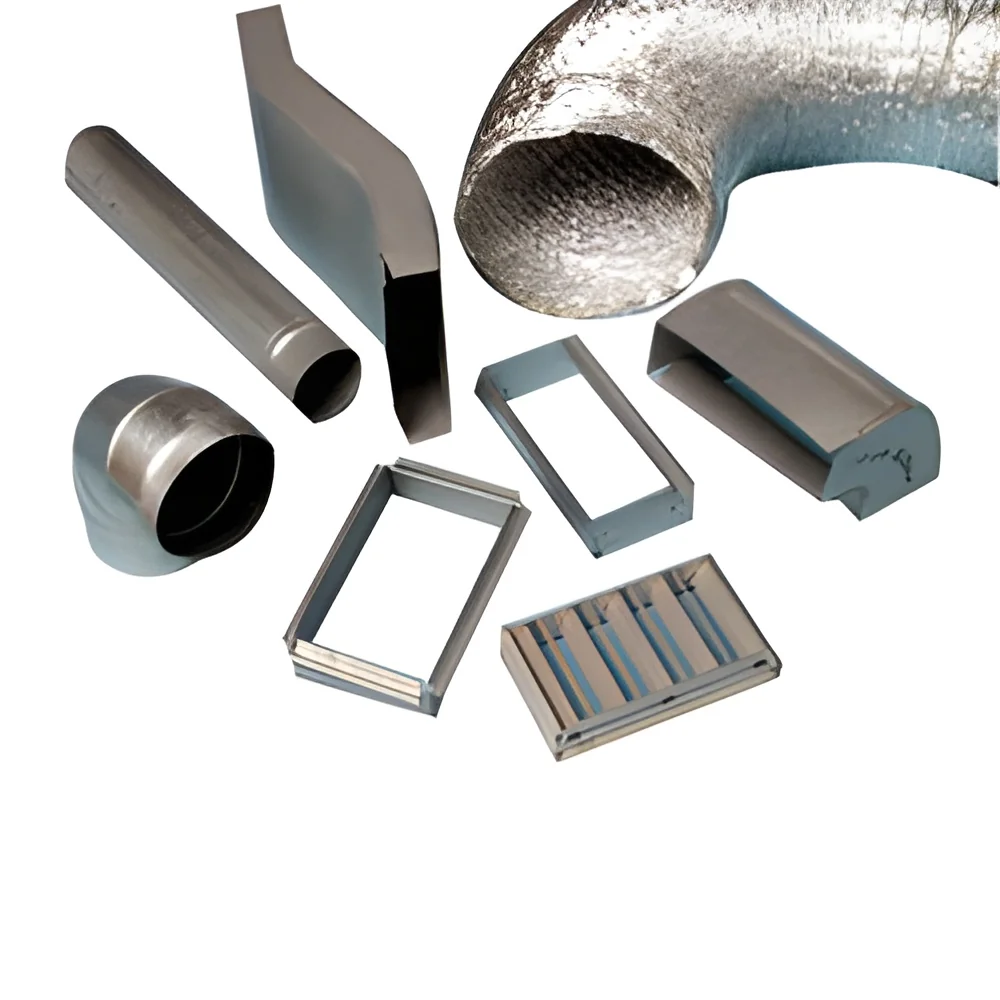
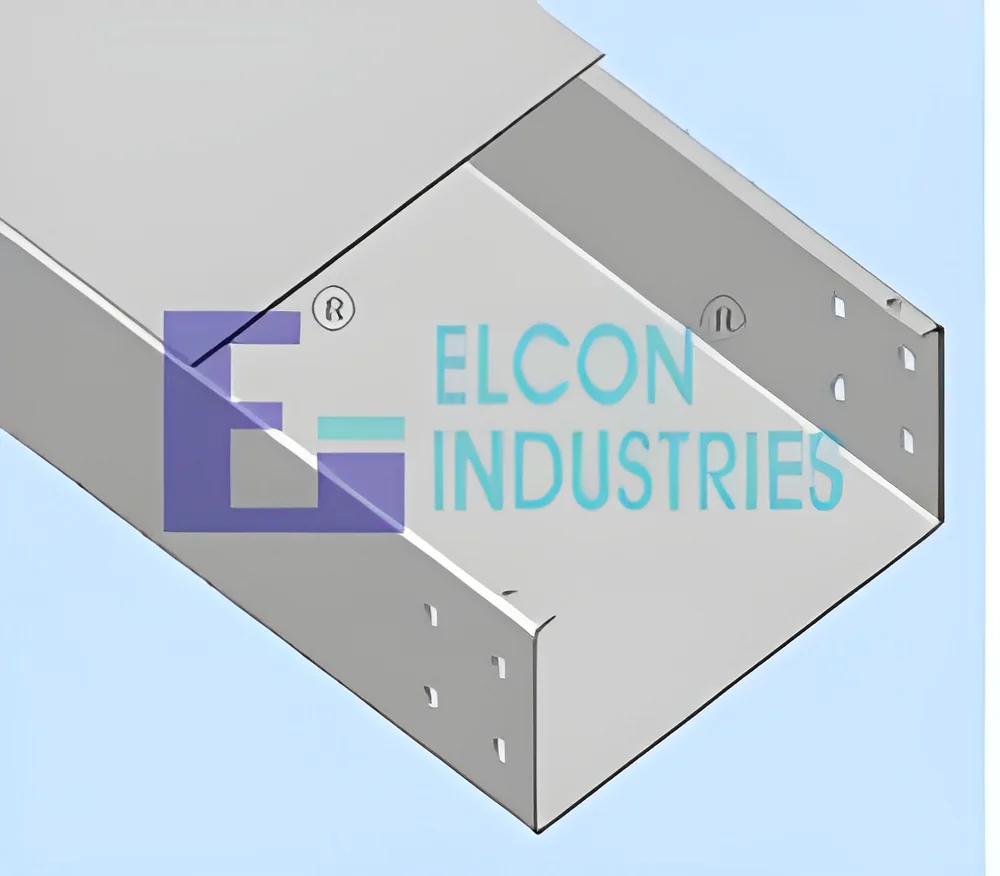
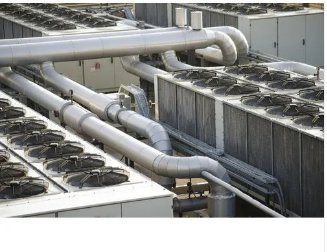
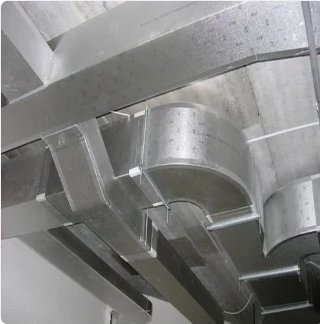
Galvanized Iron ducts are known for their strength and durability. They are suitable for high-pressure applications and often used in industrial settings where longevity is essential.
Aluminum Ducts
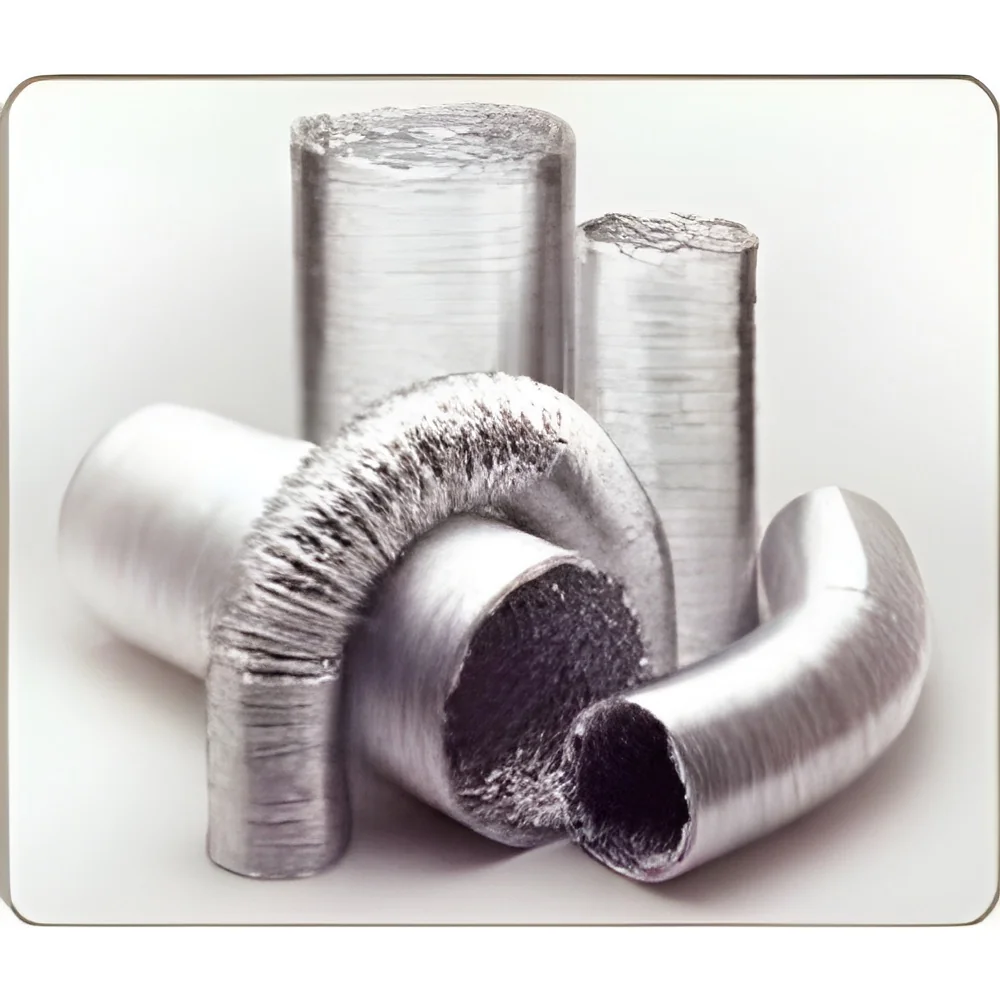
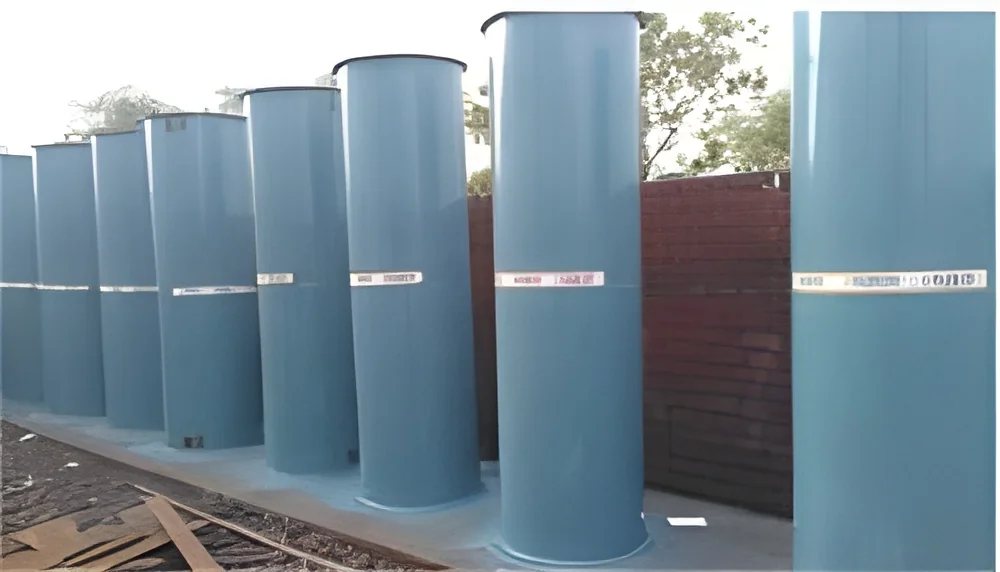
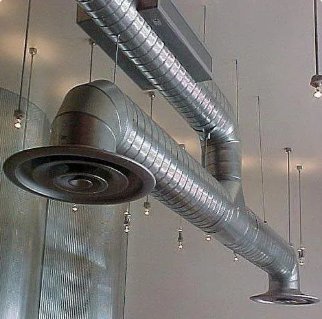
Aluminum ducts are lightweight and resistant to corrosion. Their flexibility makes them ideal for installations in tight spaces and for applications requiring frequent adjustments.
Fabric Ducts
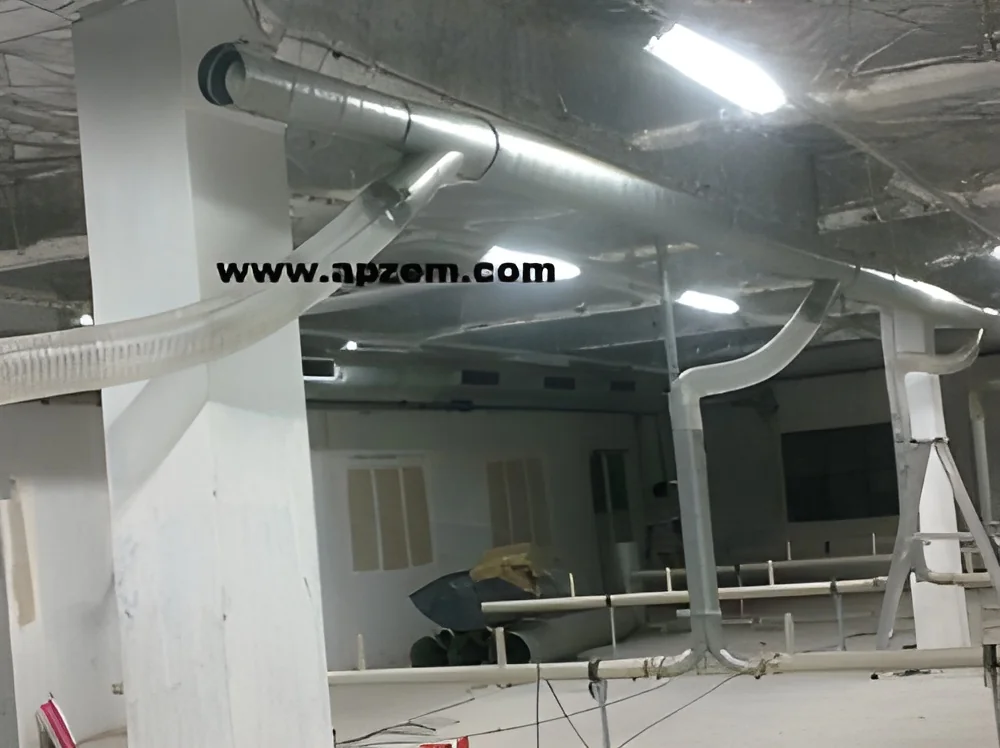
Fabric ducts provide an innovative solution for air distribution. They are easy to install and maintain, making them a popular choice in commercial spaces and facilities where aesthetics are important.
šš²š»š²š³š¶šš š®š»š± šš±šš®š»šš®š“š²š
Investing in high-quality ducting systems offers numerous benefits for businesses.
Key benefits include:
1. Enhanced Efficiency: Ducting systems improve airflow, contributing to better energy efficiency in HVAC systems.
2. Durability: GI and aluminum options provide long-lasting performance, reducing the need for frequent replacements.
3. Flexibility: Fabric ducts can be easily adapted to different configurations, accommodating changing needs in facilities.
4. Cost-Effectiveness: The right ducting system can lead to reduced energy costs and lower maintenance expenses over time.
5. Compliance: Quality ducting systems help businesses meet regulatory standards, minimizing legal risks.
6. Improved Air Quality: Effective ducting systems contribute to better indoor air quality, promoting healthier work environments.
šššš¶š»š“ ššš¶š±š² š³š¼šæ šš®š šššš²šæš
When sourcing ducting systems, several factors should be considered to ensure the best fit for your needs.
1. Quality Assessment: Evaluate the materials used in the ducting systems. High-quality materials will offer better performance and longevity.
2. Supplier Verification: It is crucial to vet suppliers for reliability and reputation. Look for established companies with positive customer feedback.
3. Pricing and MOQ: Understand pricing structures and minimum order quantities (MOQ) to ensure budget alignment and adequate supply.
4. Delivery and Lead Times: Consider logistics and delivery schedules. Timely delivery is essential for maintaining project timelines.
5. Compliance Requirements: Verify that the ducting systems meet necessary regulatory standards relevant to your industry, ensuring safe and efficient operations.
šš¼šŗš½š¹š¶š®š»š°š² š®š»š± šš²šæšš¶š³š¶š°š®šš¶š¼š»š
Ducting systems must adhere to specific quality standards and certifications to ensure safety and reliability in industrial applications. Relevant quality standards include ISO 9001, which emphasizes consistent quality management practices. Additionally, certifications such as CE indicate that products comply with European health, safety, and environmental protection standards.
Safety and testing requirements are critical, especially for systems used in sensitive environments like food processing and pharmaceuticals. Regular testing ensures that ducting systems maintain their integrity and performance over time. Furthermore, regional compliance considerations may vary, necessitating a thorough understanding of local regulations to avoid potential legal issues.
Why Source Ducting Systems (GI, Aluminum, Fabric) from Pepagora?
Pepagora offers a trusted platform for sourcing ducting systems with several key advantages.
Verified Supplier Network: Pepagora has established a rigorous vetting process for suppliers, ensuring that businesses can connect with reliable manufacturers of ducting systems. This instills confidence in the quality of products sourced through the platform.
Streamlined RFQ Process: The request for quotation (RFQ) system on Pepagora allows buyers to easily obtain competitive quotes from multiple suppliers, simplifying the procurement process and enabling informed decision-making.
Trade Assurance and Support: Pepagora provides trade assurance to protect buyers, ensuring that transactions are secure and that support is available throughout the sourcing process. This commitment to buyer protection enhances the overall experience.
Regional Coverage: With a focus on India, GCC, and Southeast Asia, Pepagora ensures that businesses in these regions have access to a diverse range of ducting solutions tailored to their specific needs. This geographic reach facilitates efficient sourcing and logistics management for various industries.