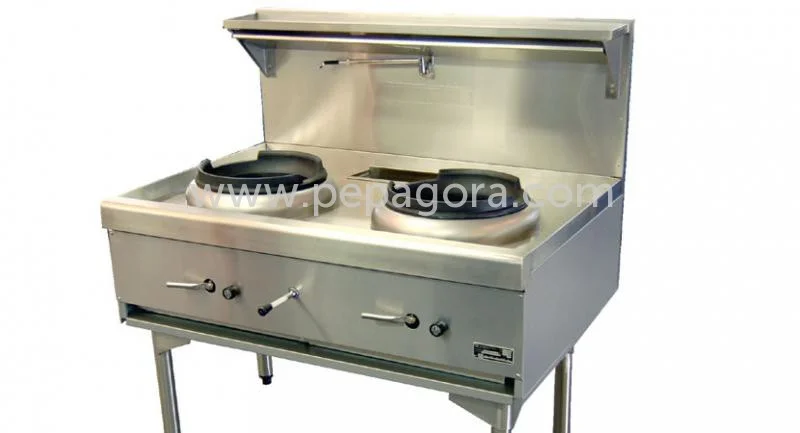
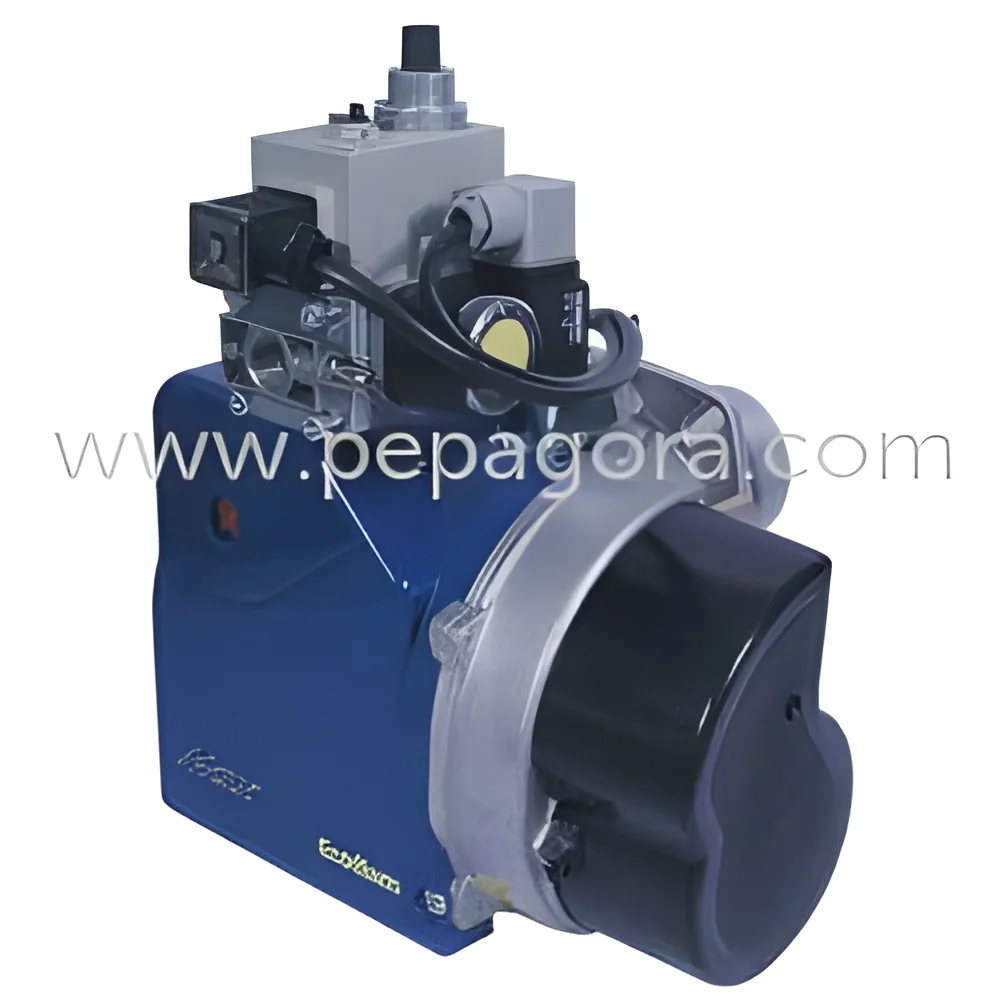
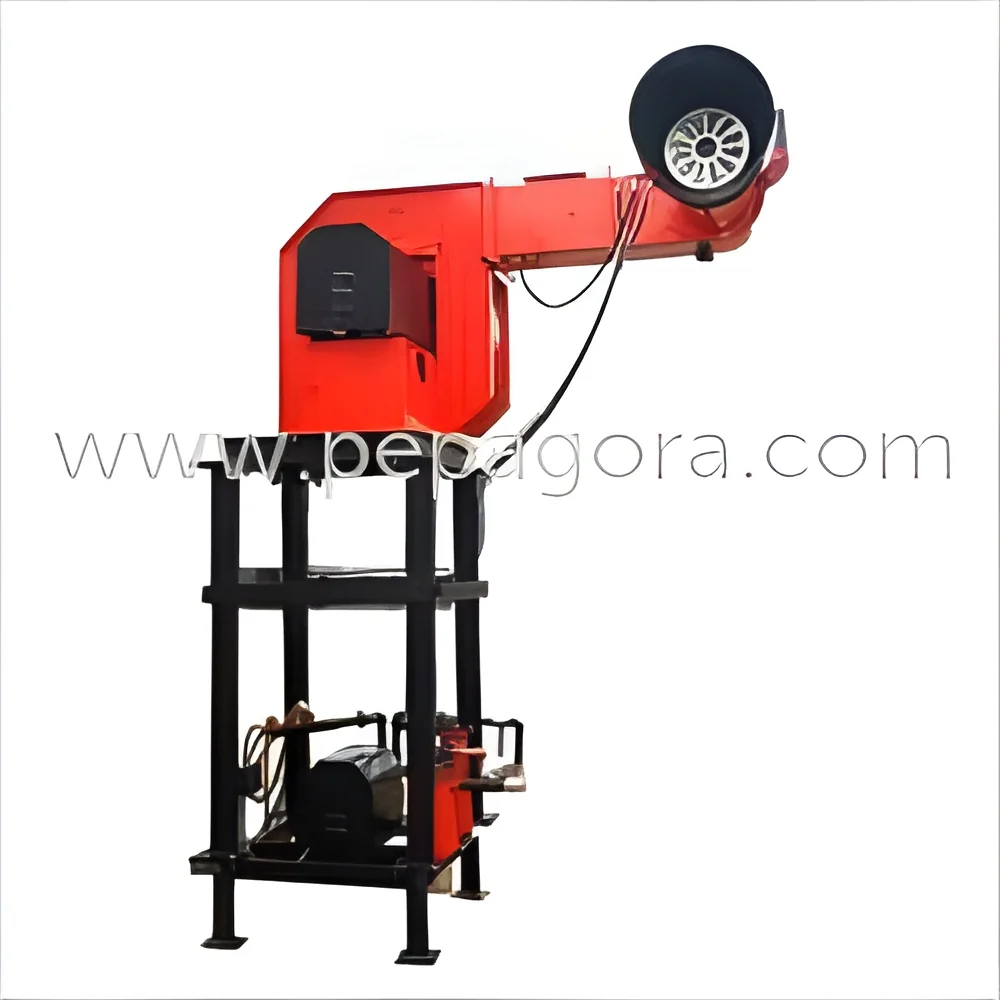
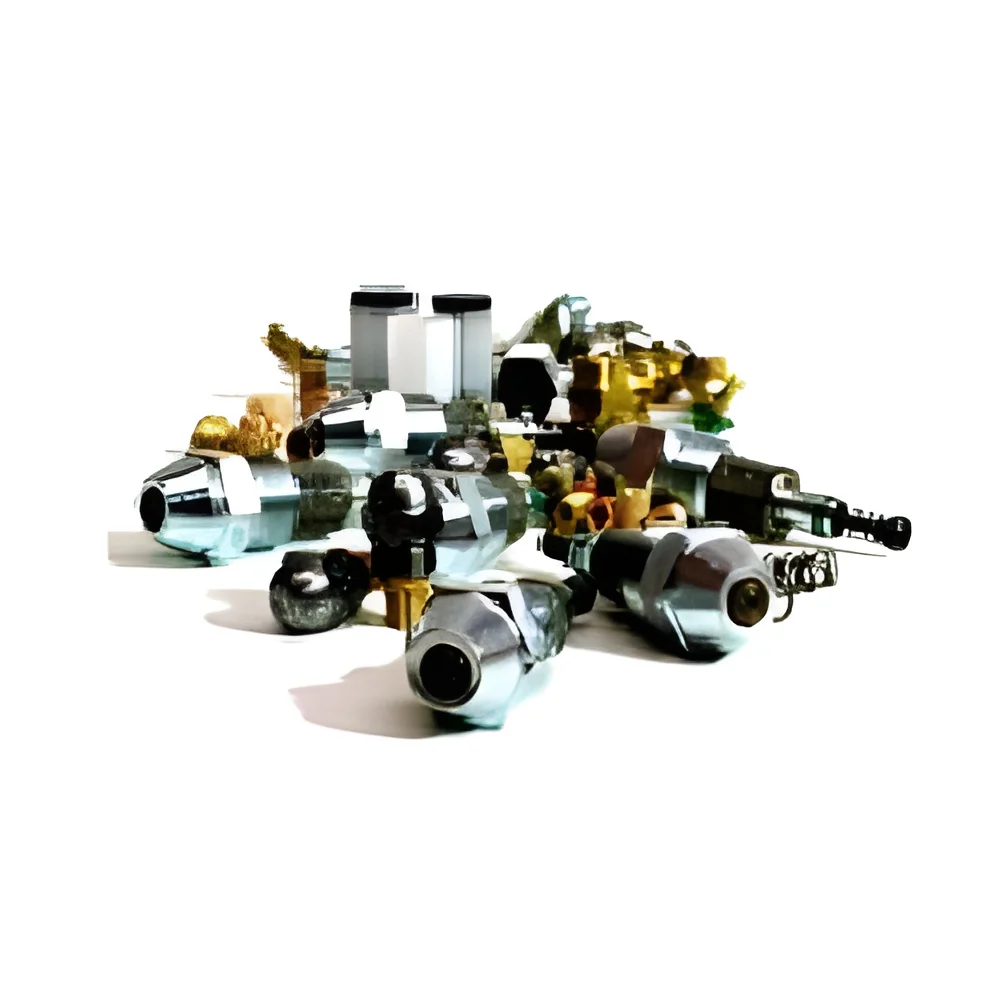
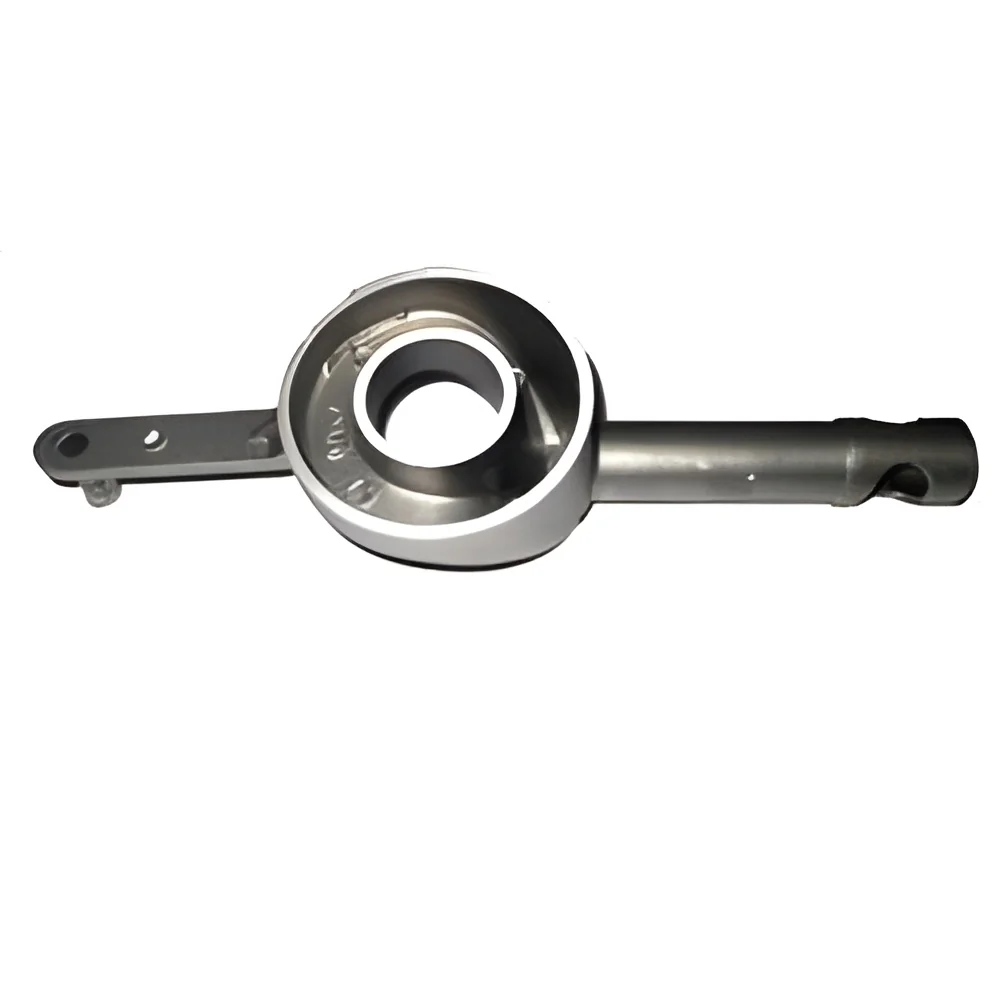
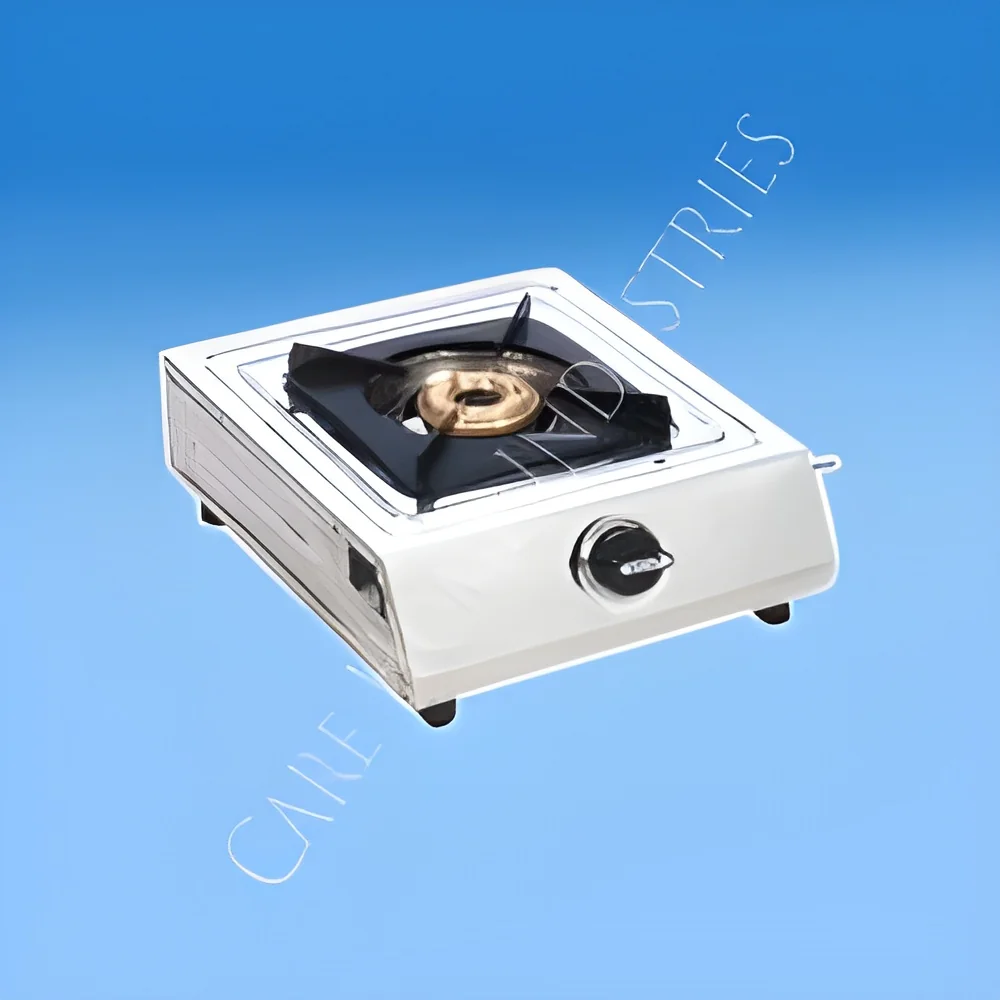
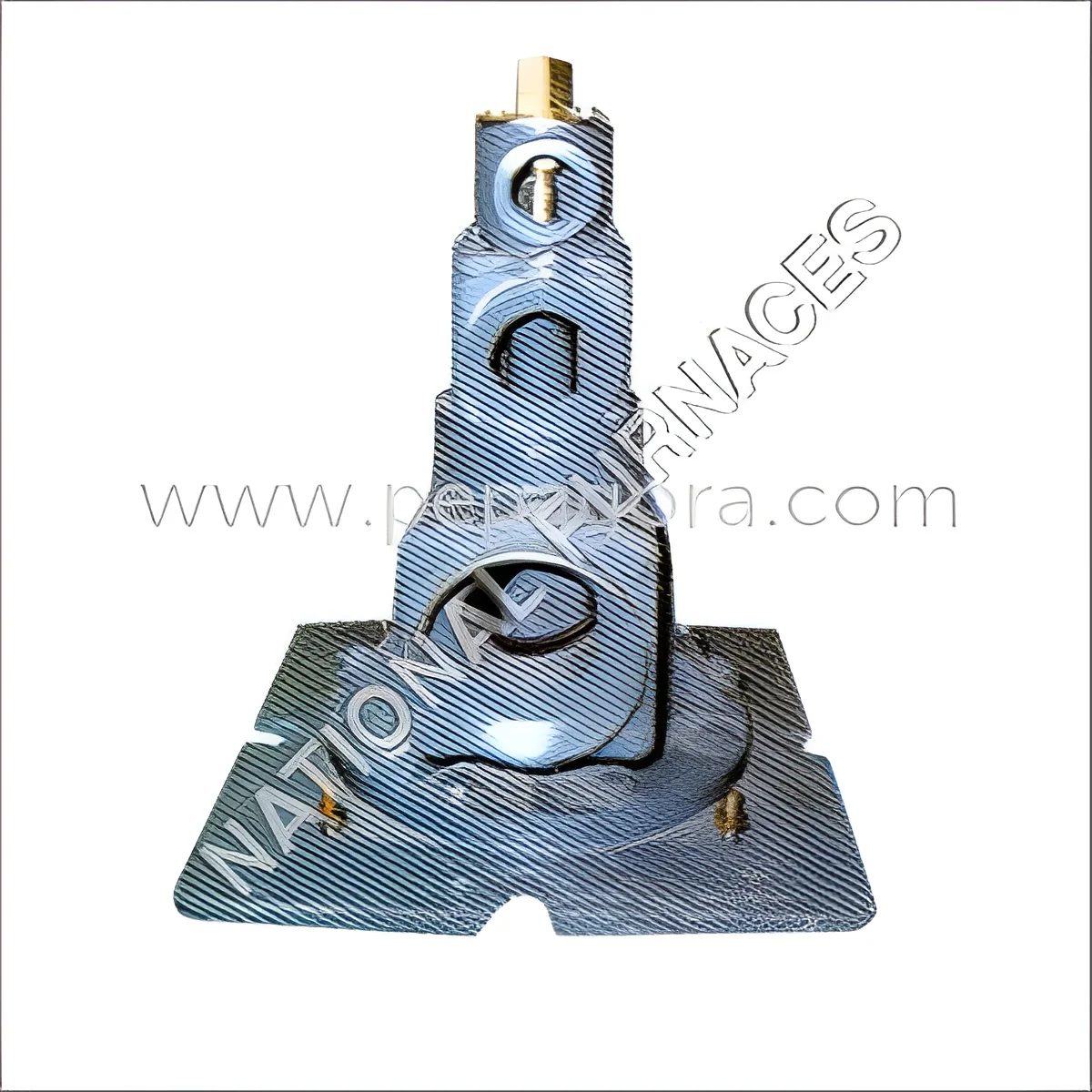
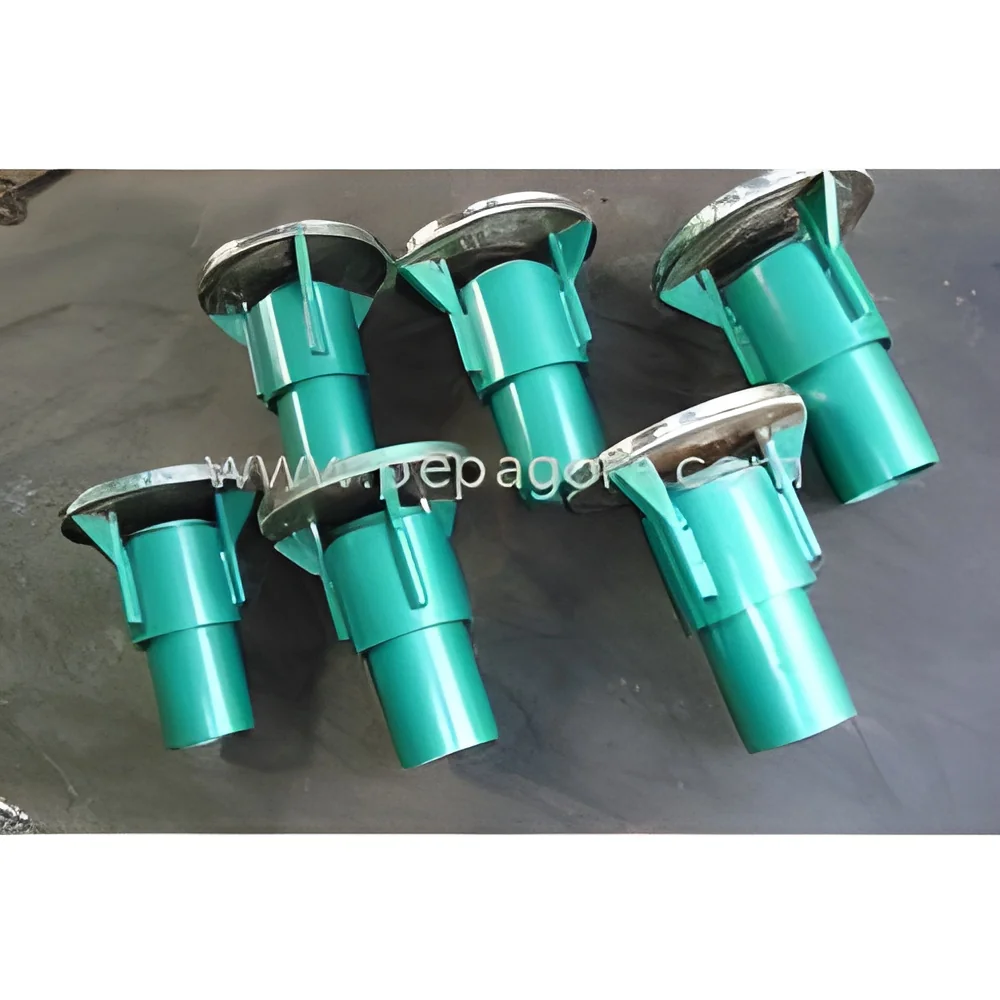
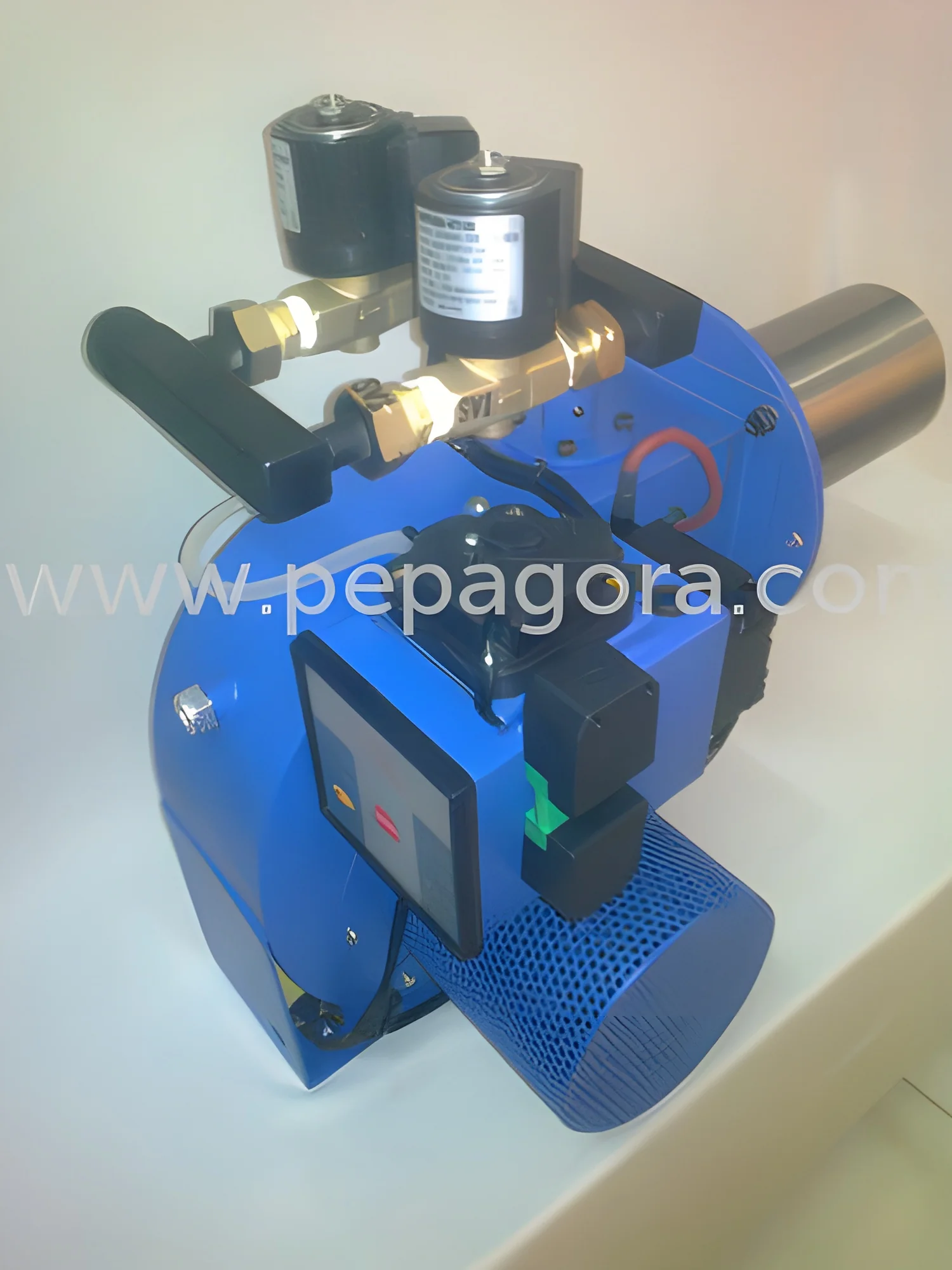
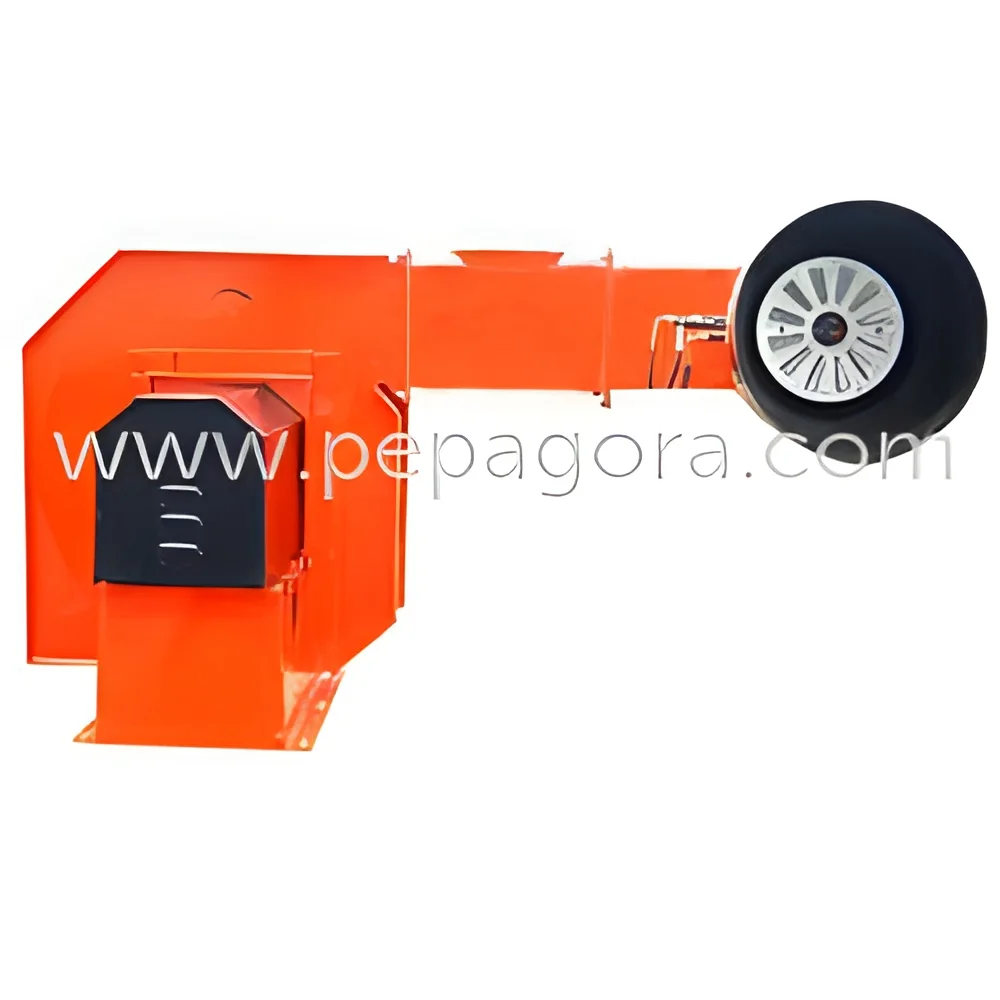
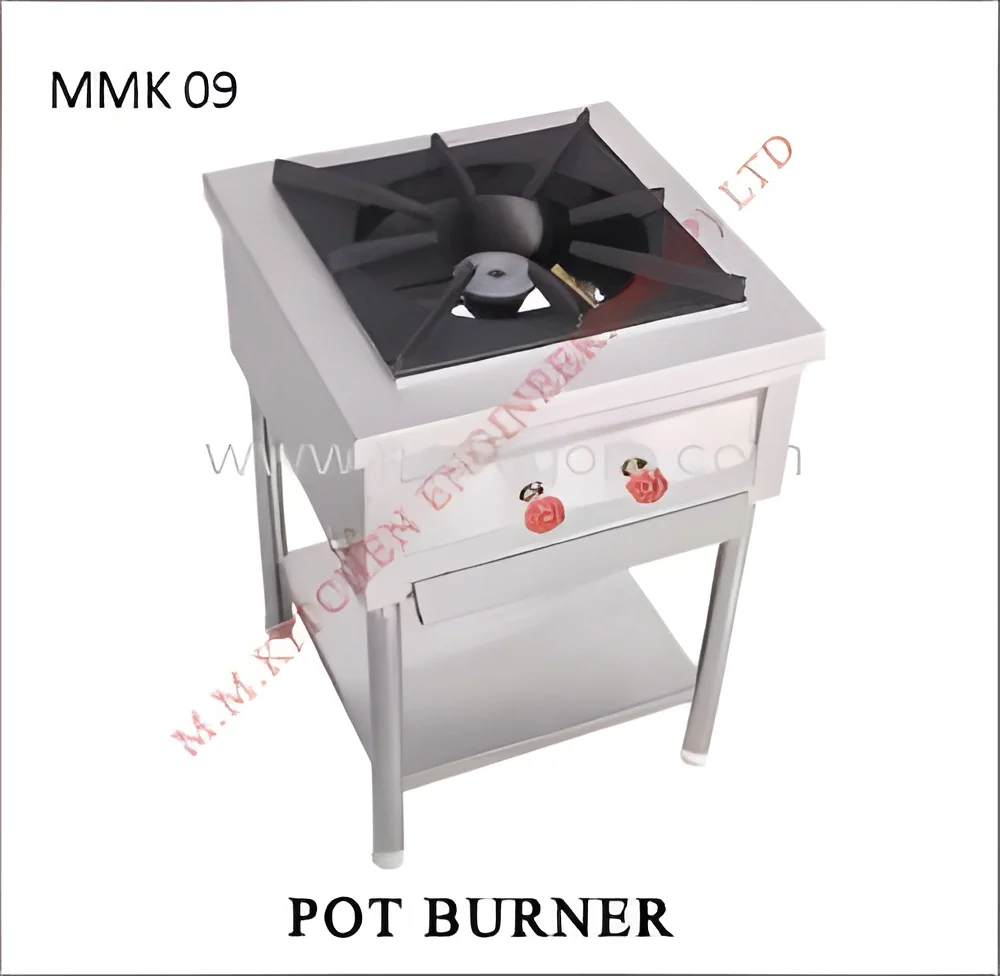
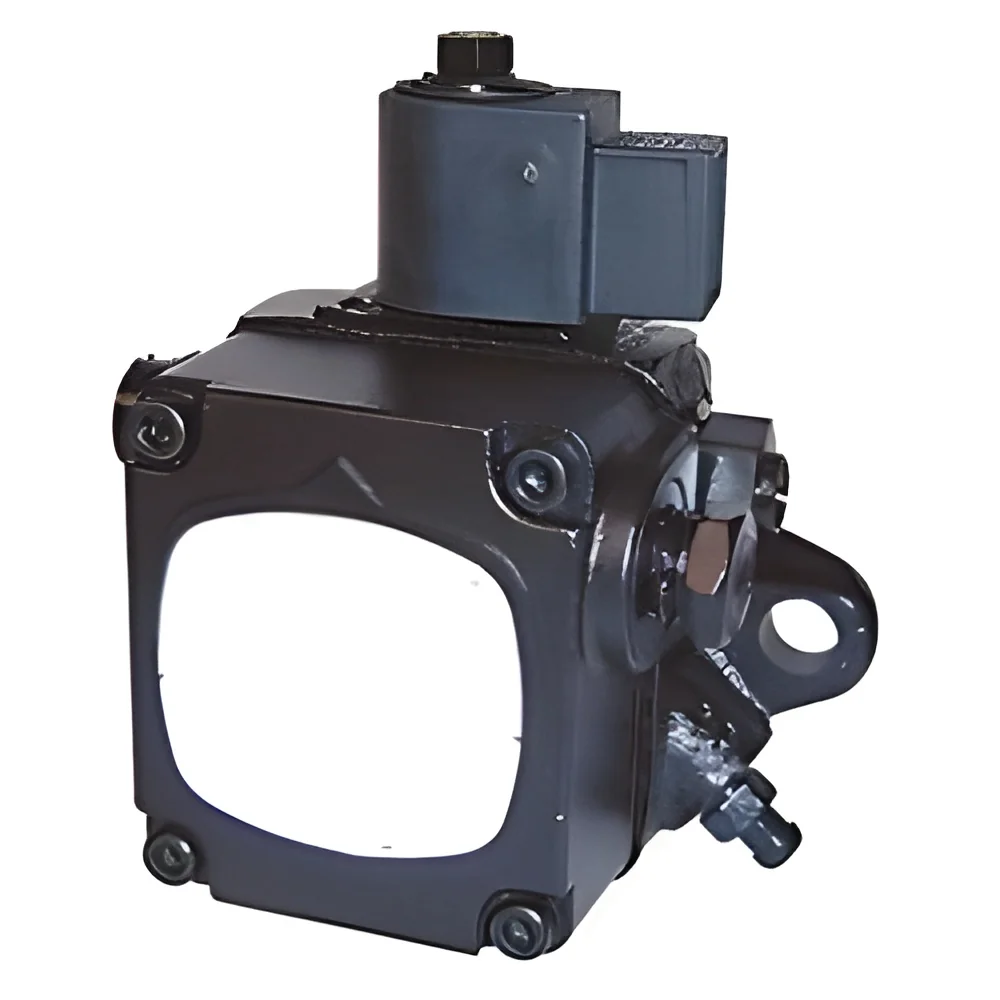
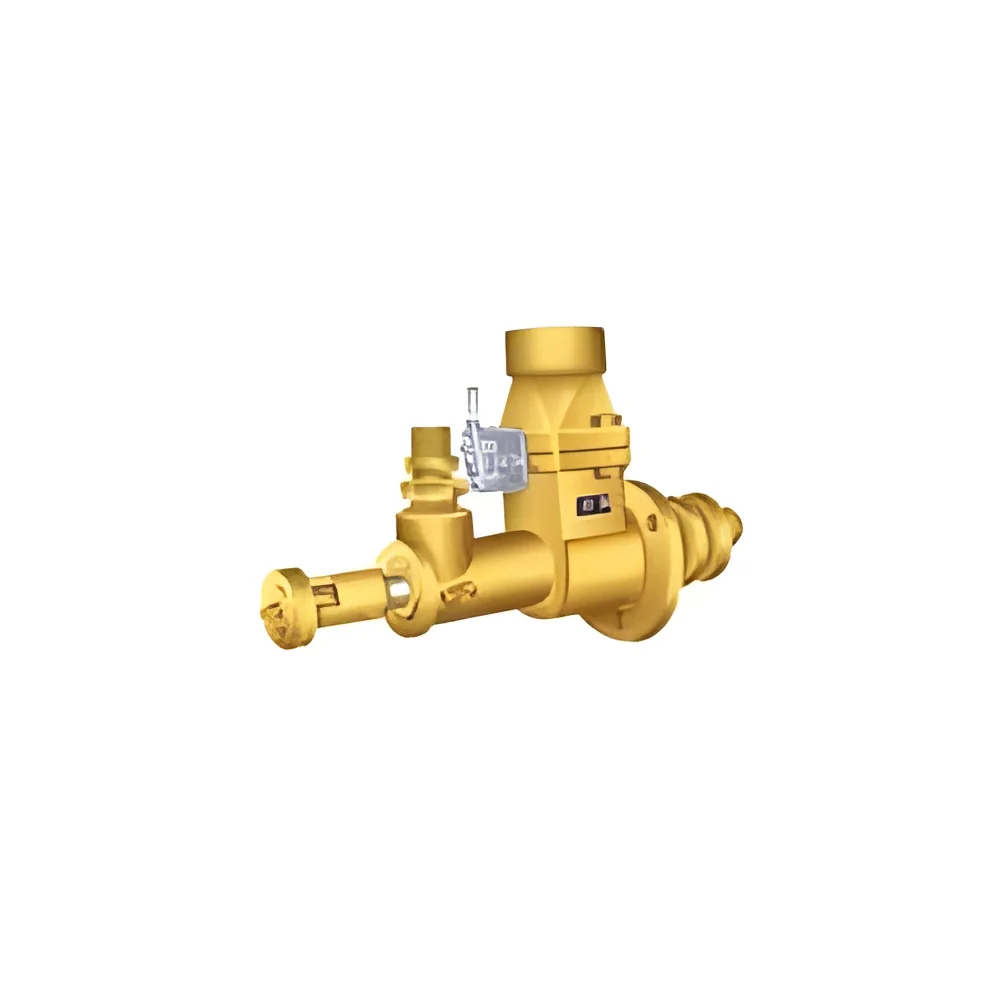
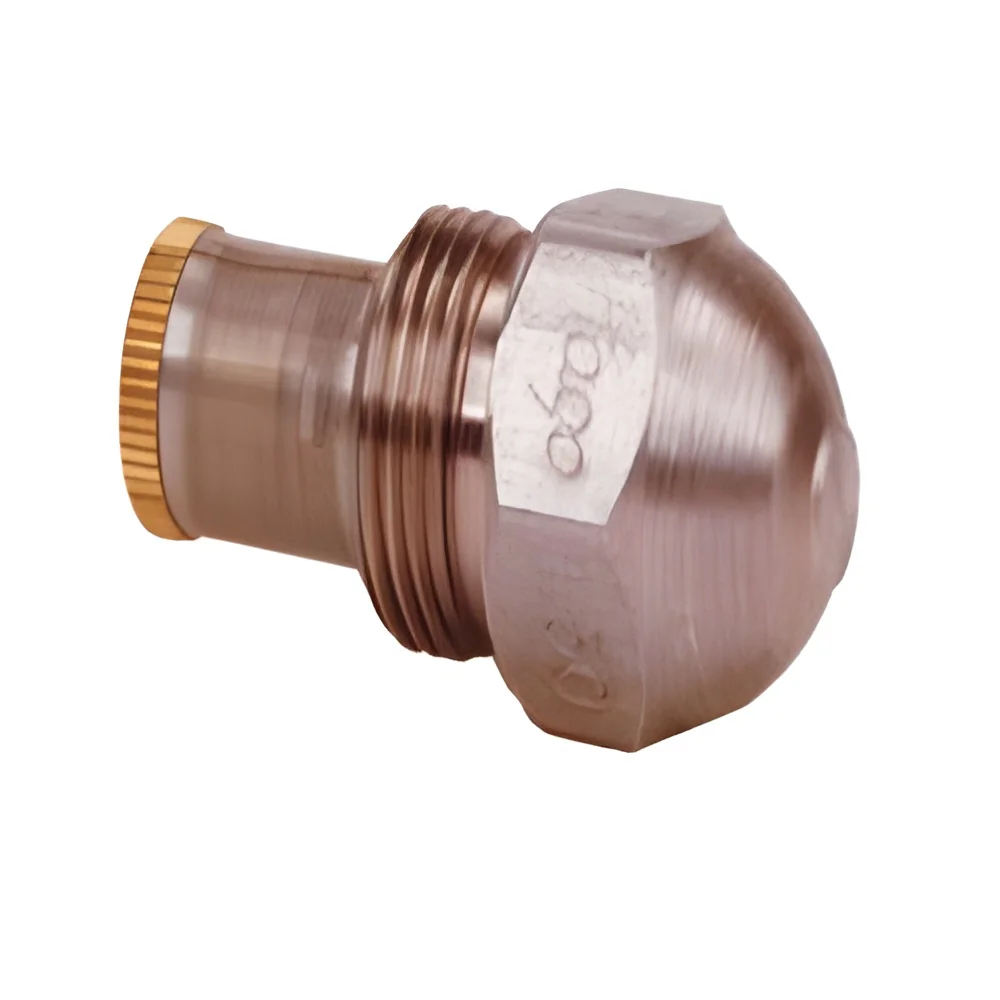
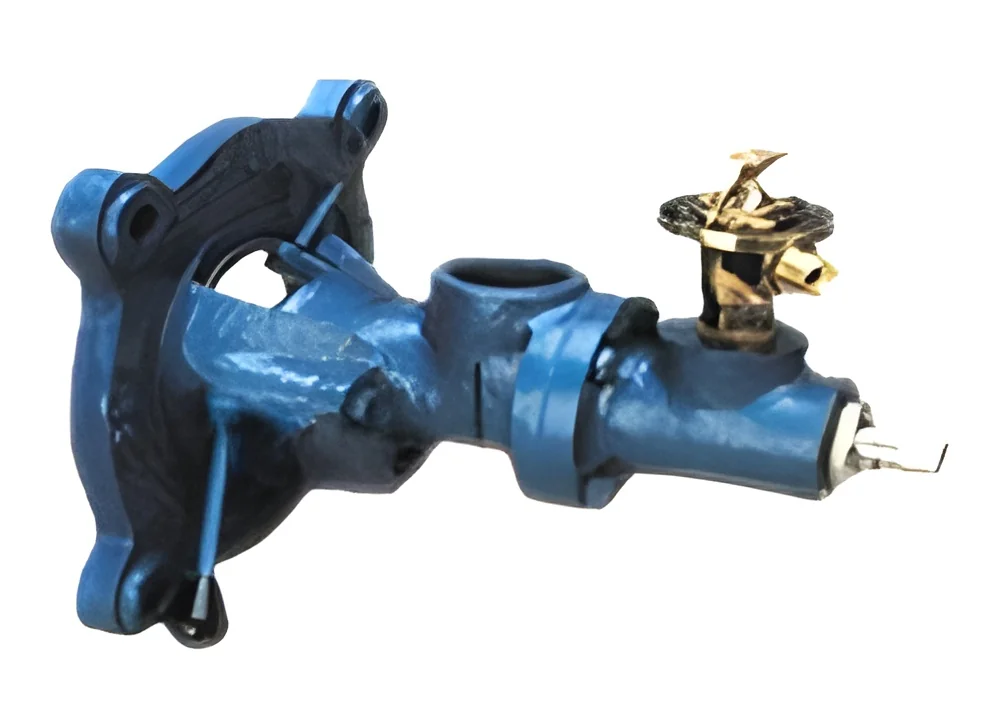
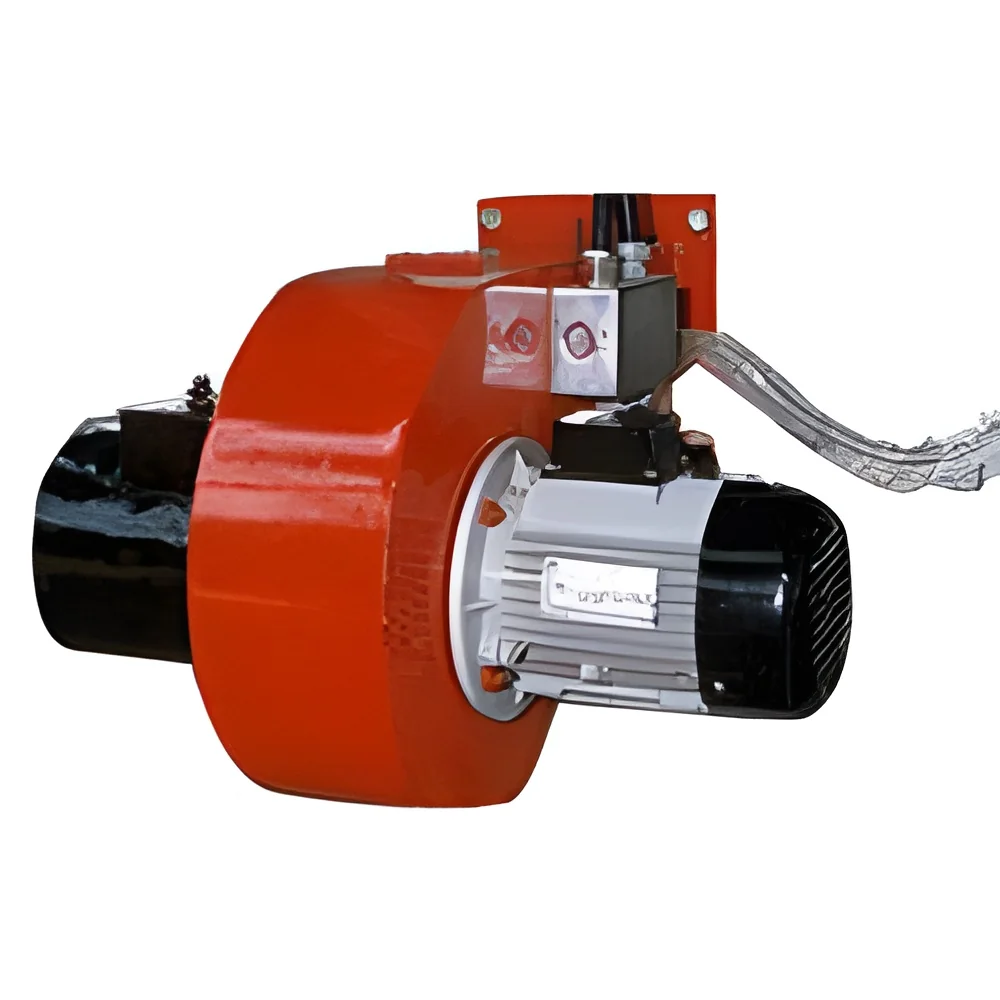
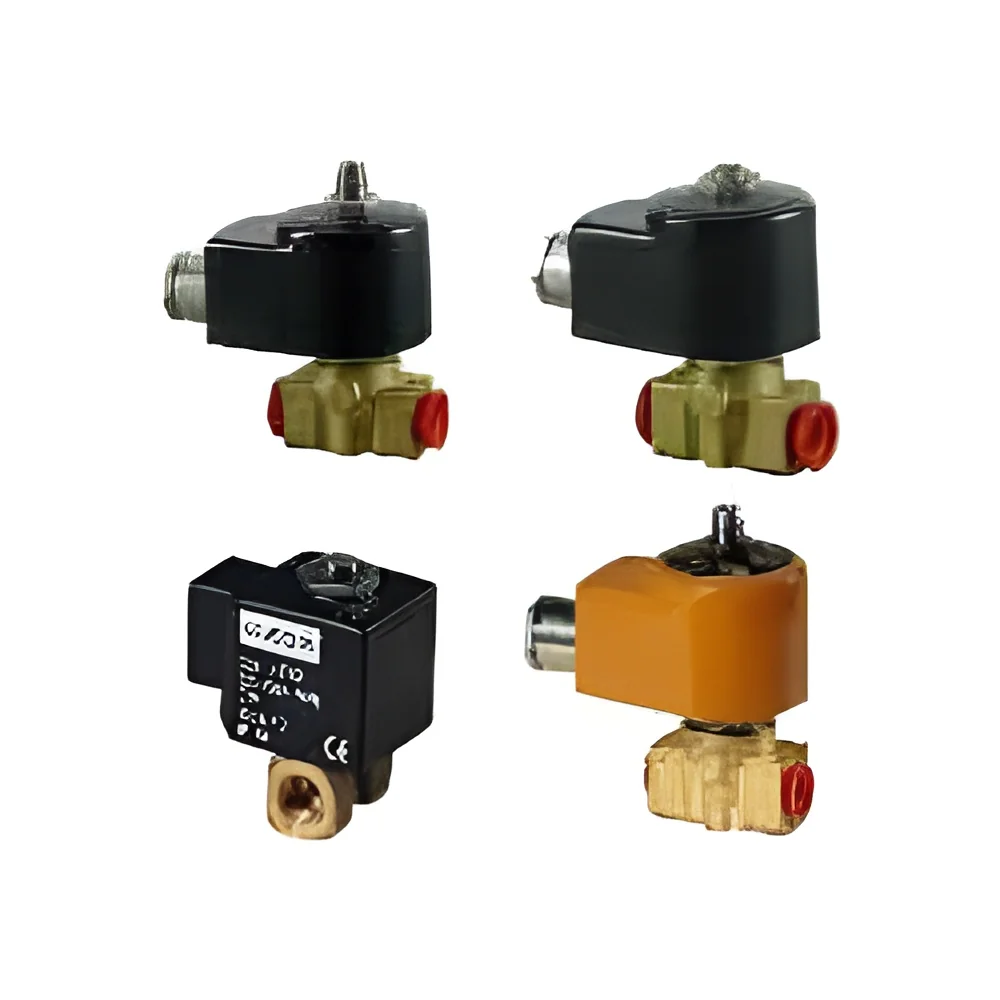
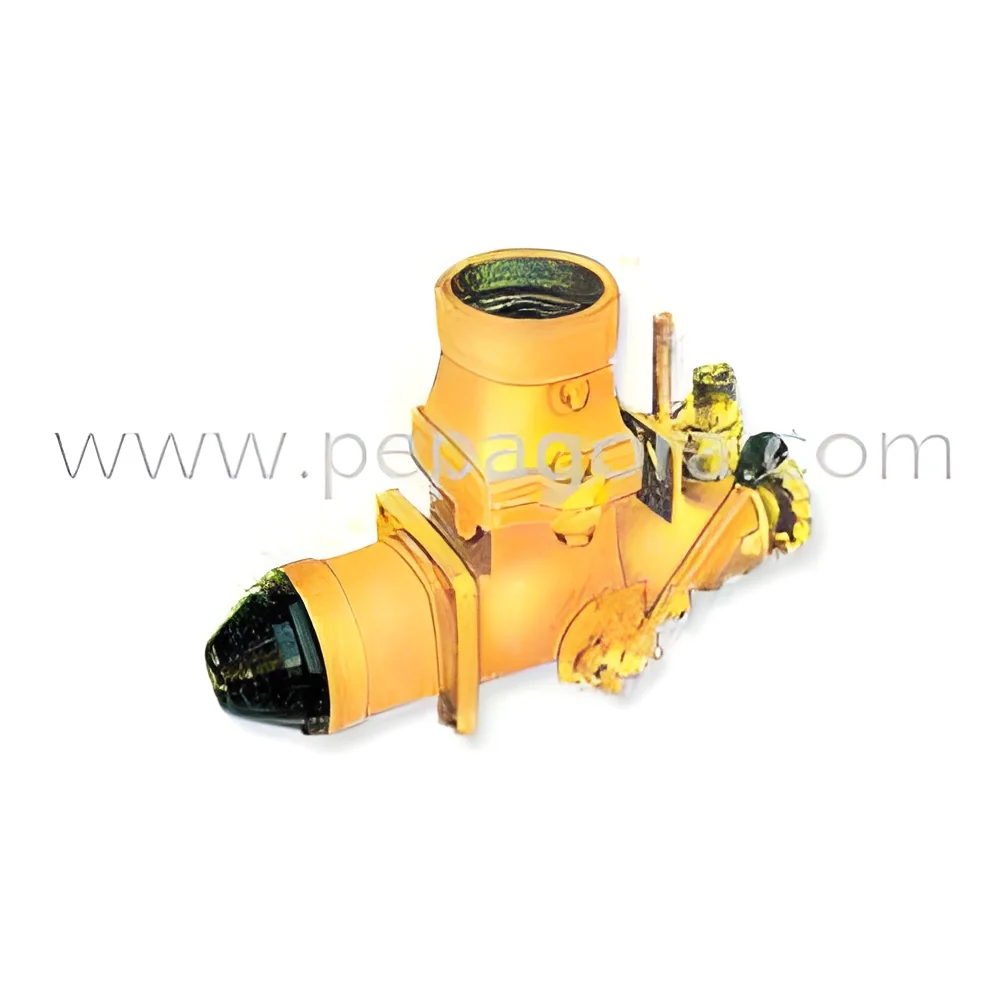
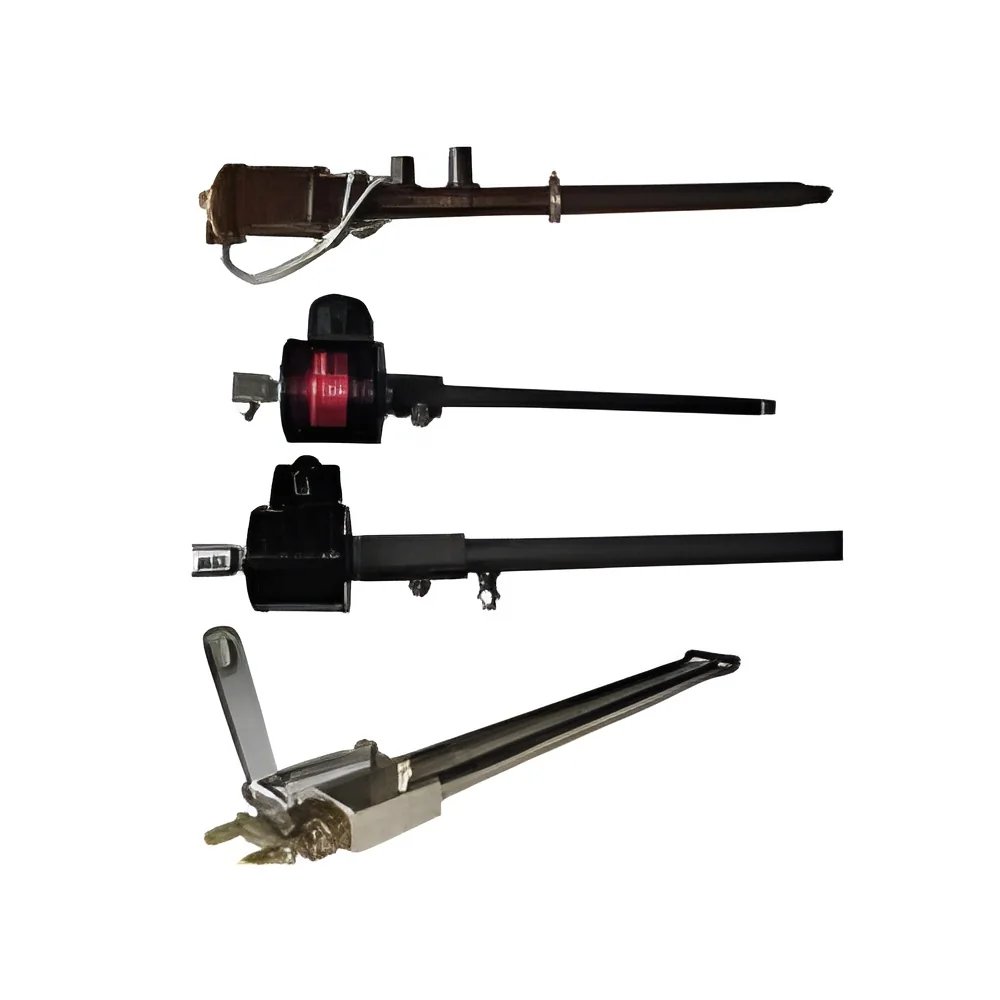
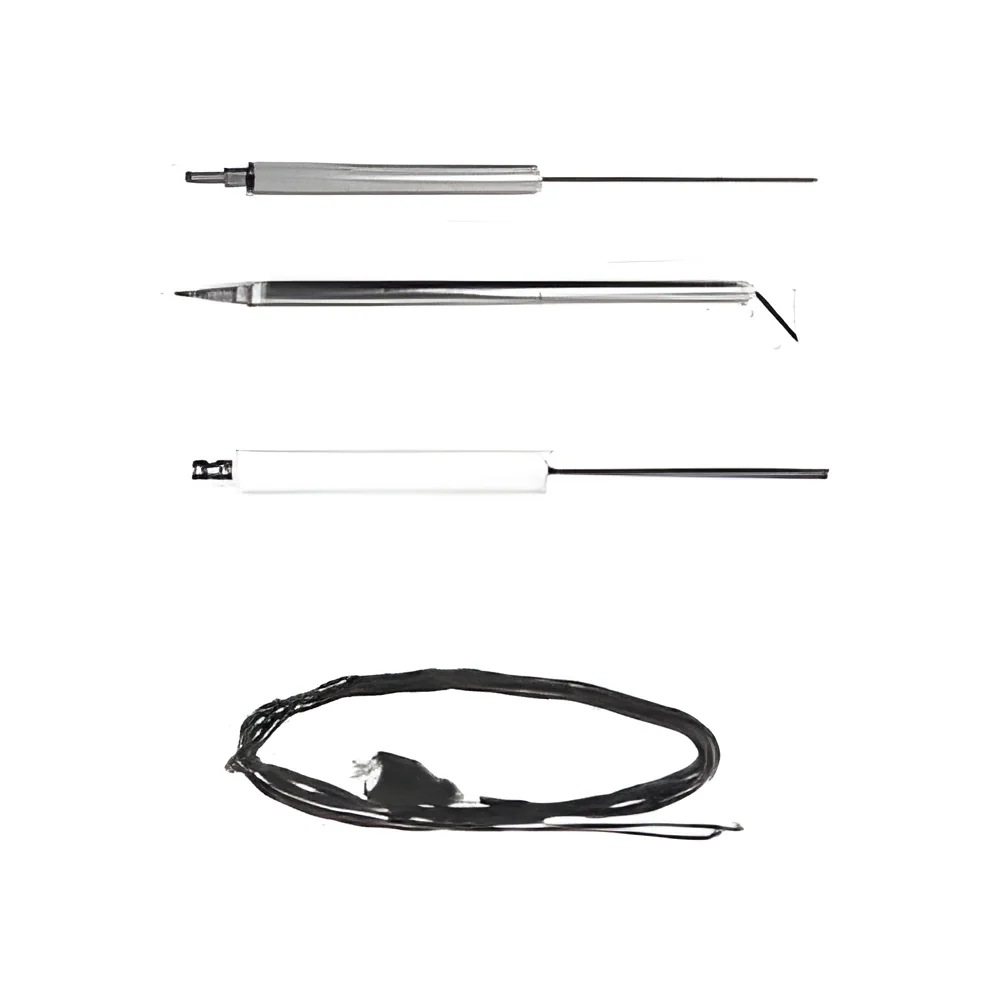
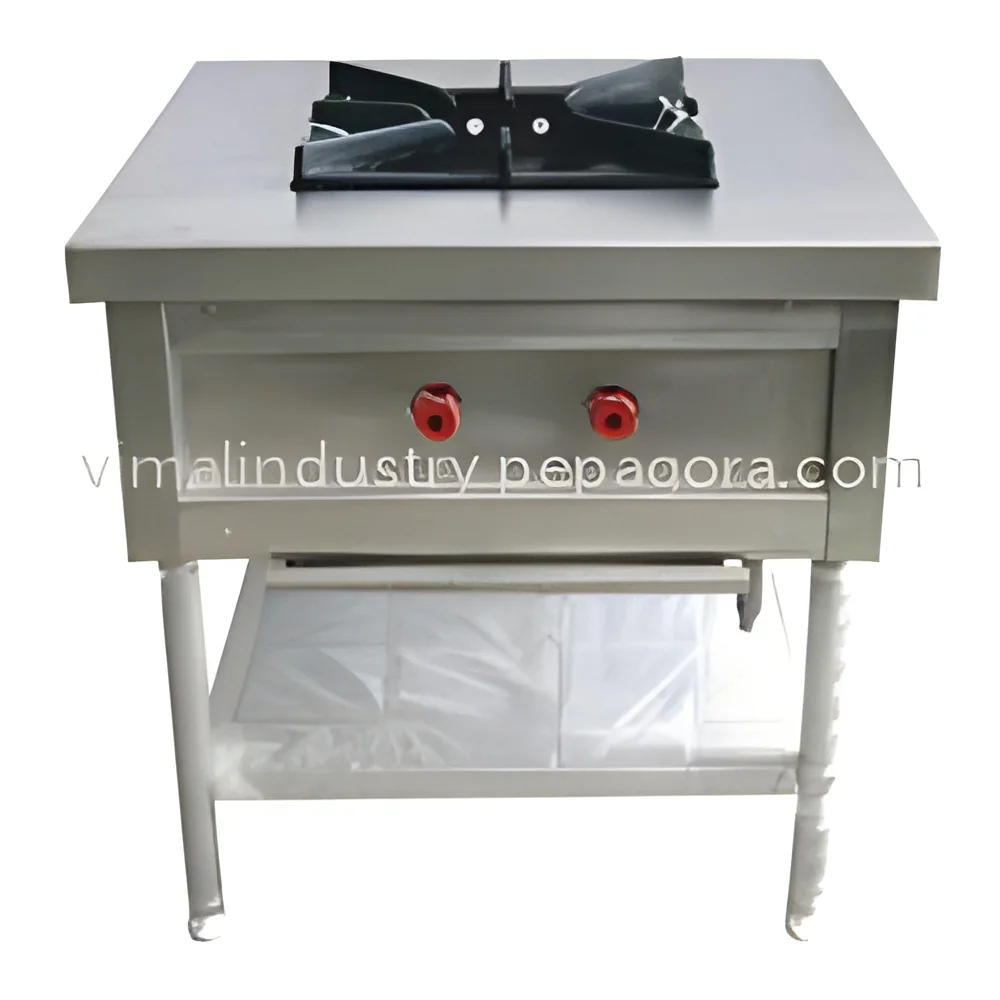
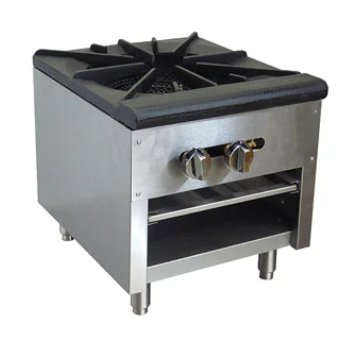
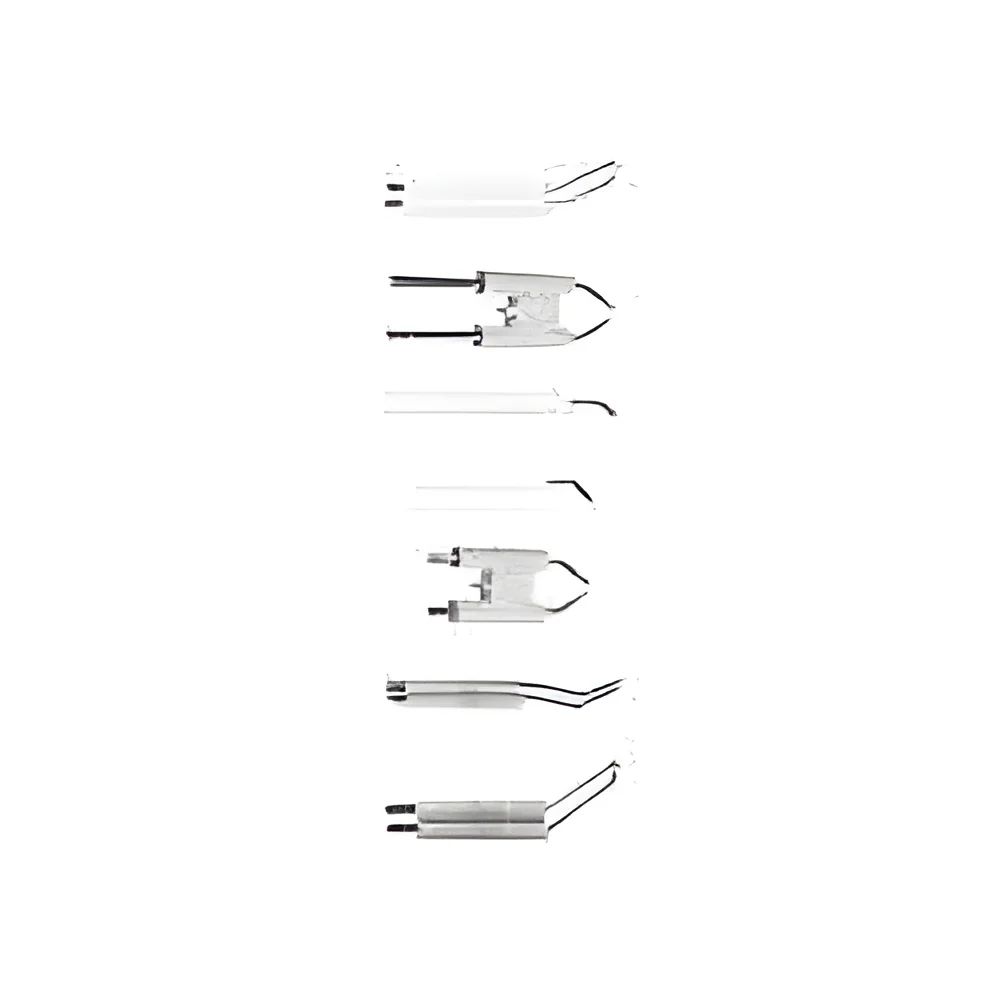
What are Oil & Gas Burners?
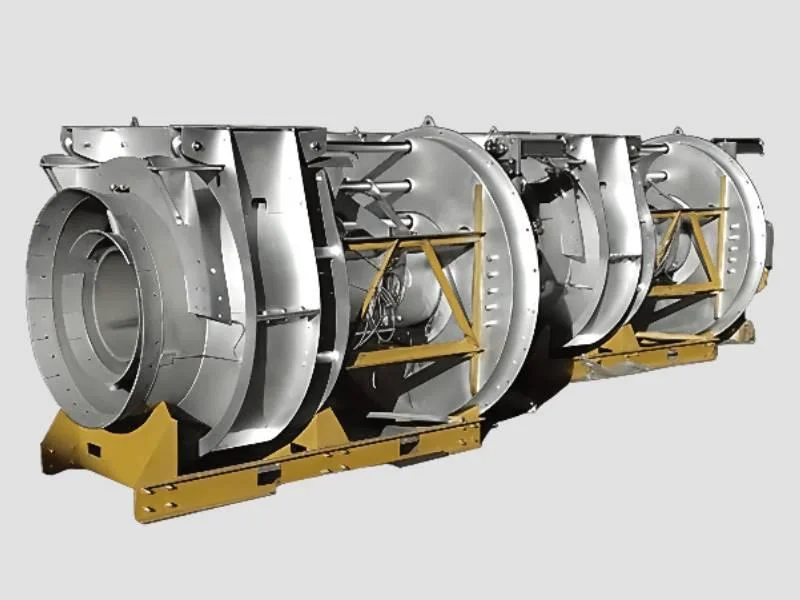
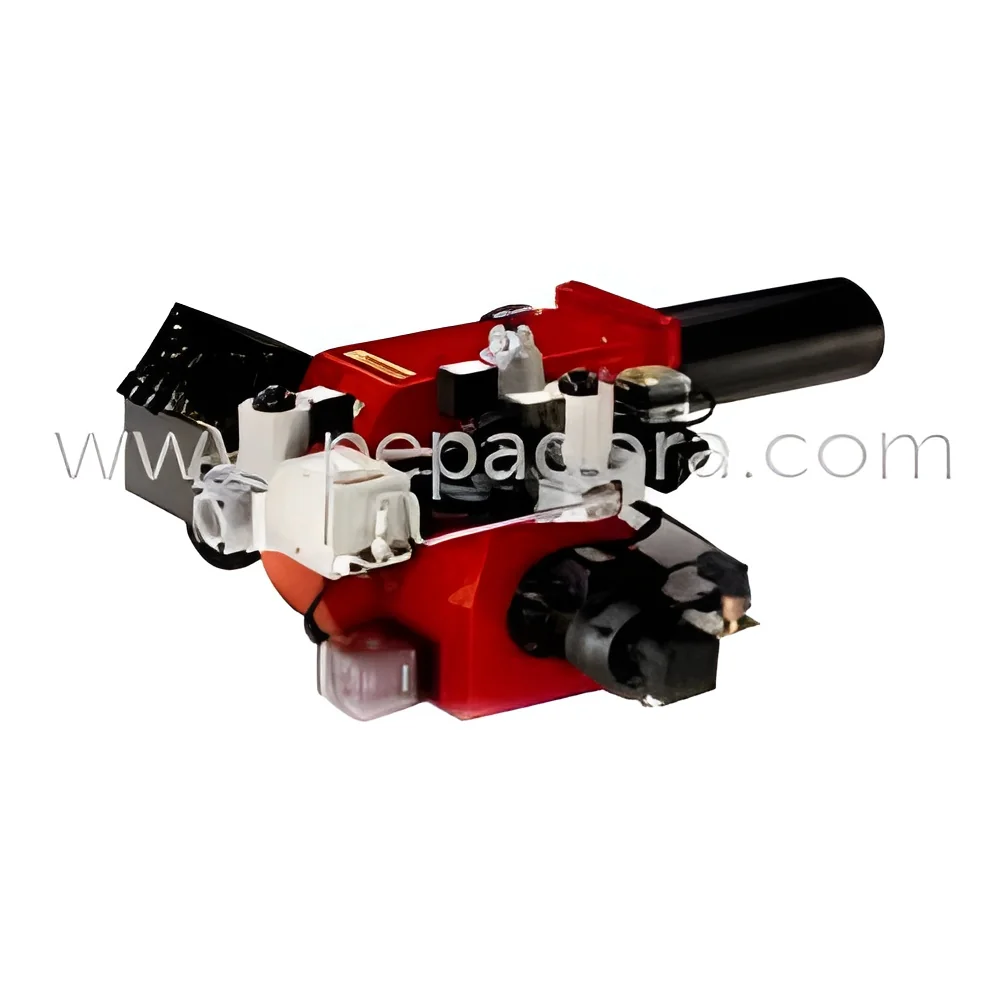
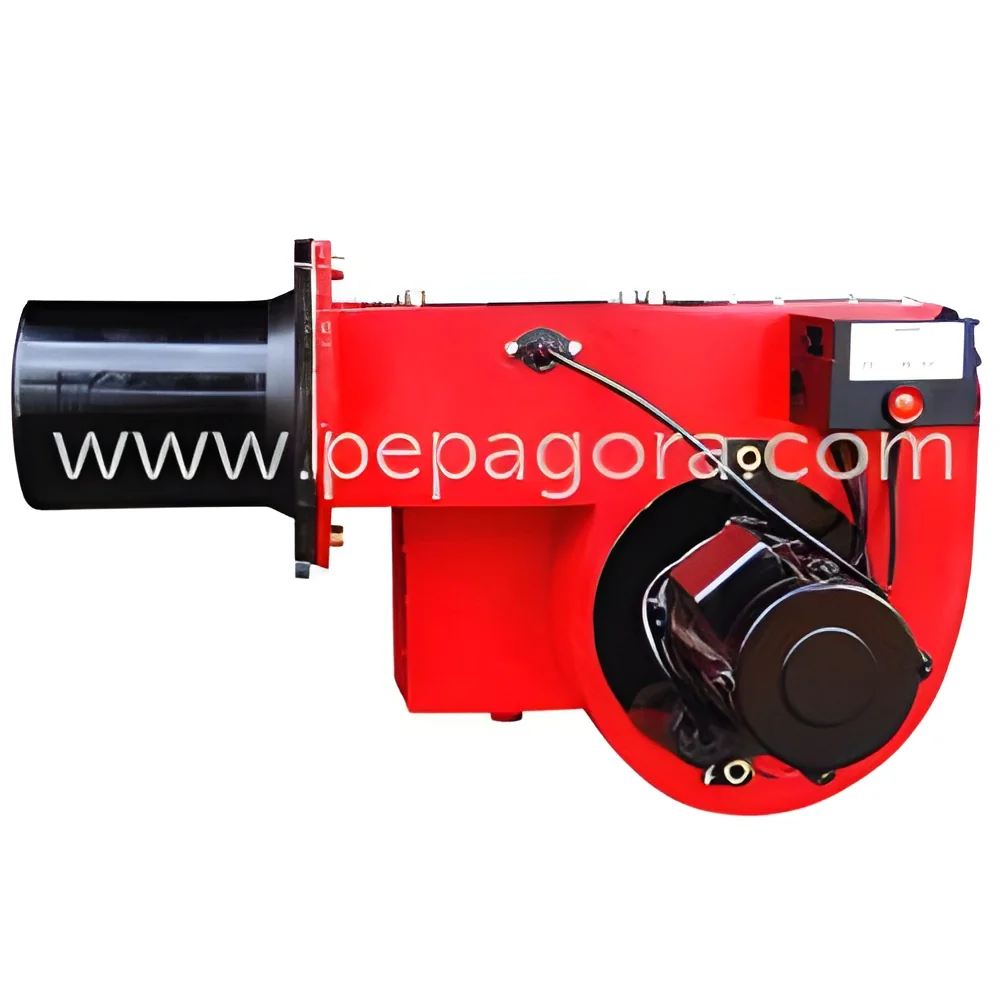
Oil and gas burners are specialized devices designed to combust oil or gas fuels in industrial applications. They convert fuel into heat energy by mixing it with air and igniting the mixture. This process is crucial in various sectors where efficient thermal energy generation is needed. Oil and gas burners are engineered to meet specific combustion requirements, ensuring optimal performance and minimal emissions.
These burners find primary uses in heating systems, industrial ovens, and boilers across industries such as petrochemical, manufacturing, and power generation. They are critical for processes that require consistent and controlled heat application. As energy efficiency and environmental regulations become increasingly important, the role of oil and gas burners continues to evolve, adapting to new technologies and standards.
The oil and gas burner market is influenced by global energy demands and the shift towards cleaner energy solutions. With ongoing advancements in combustion technology, these burners are being designed for higher efficiency, lower emissions, and better integration with renewable energy sources. This relevance in the current energy landscape positions oil and gas burners as essential components in industrial operations.
Key Features and Specifications
Oil and gas burners come with a range of features designed to improve efficiency and safety. Understanding these specifications can help businesses select the right burner for their needs.
Key specifications include:
1. Fuel Type
- Designed to work with either oil or gas fuels.
- Adaptability based on the availability and cost of these fuels.
2. Combustion Efficiency
- High efficiency rates ensure optimal fuel consumption.
- Efficiency ratings can range from 80% to over 95%, depending on the model.
3. Control Systems
- Advanced control systems for precise fuel-air mixture regulation.
- Options for automated monitoring and adjustments to optimize performance.
4. Emission Levels
- Compliance with emission standards to minimize environmental impact.
- Capability to achieve low NOx and CO emissions.
5. Safety Features
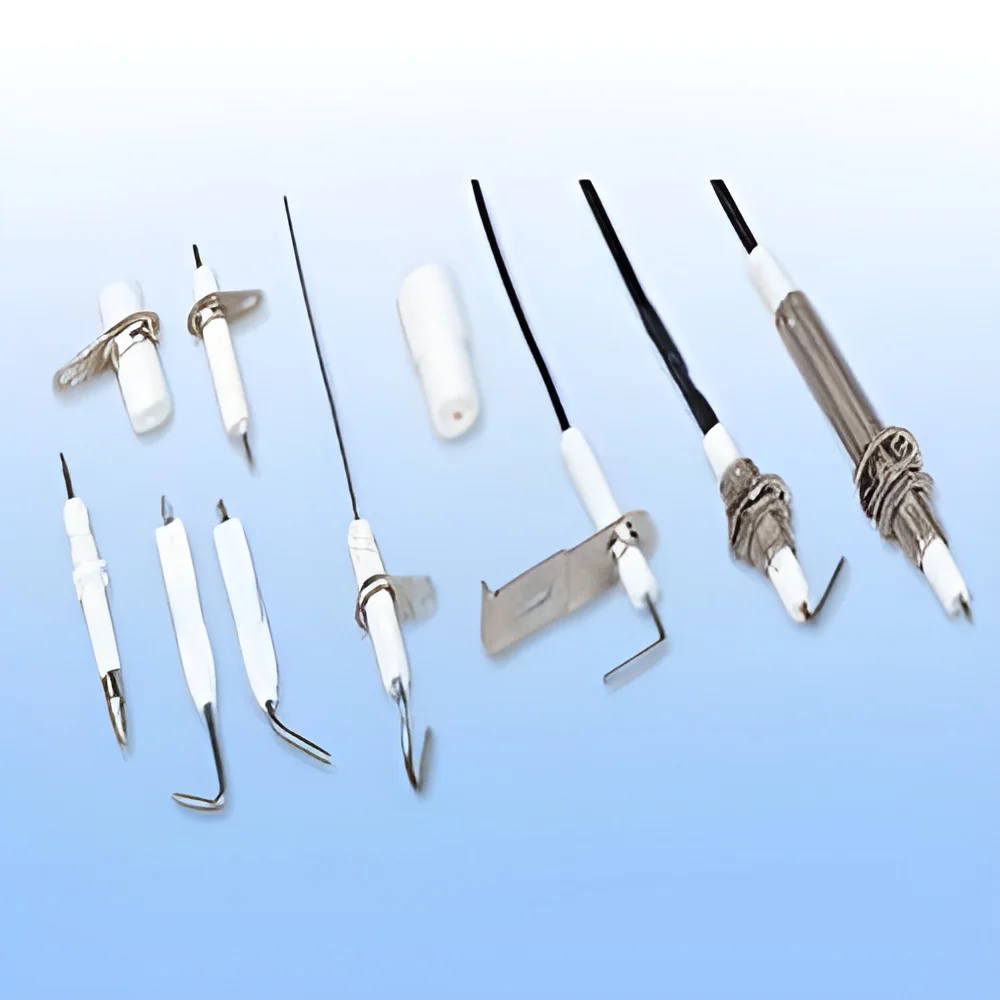
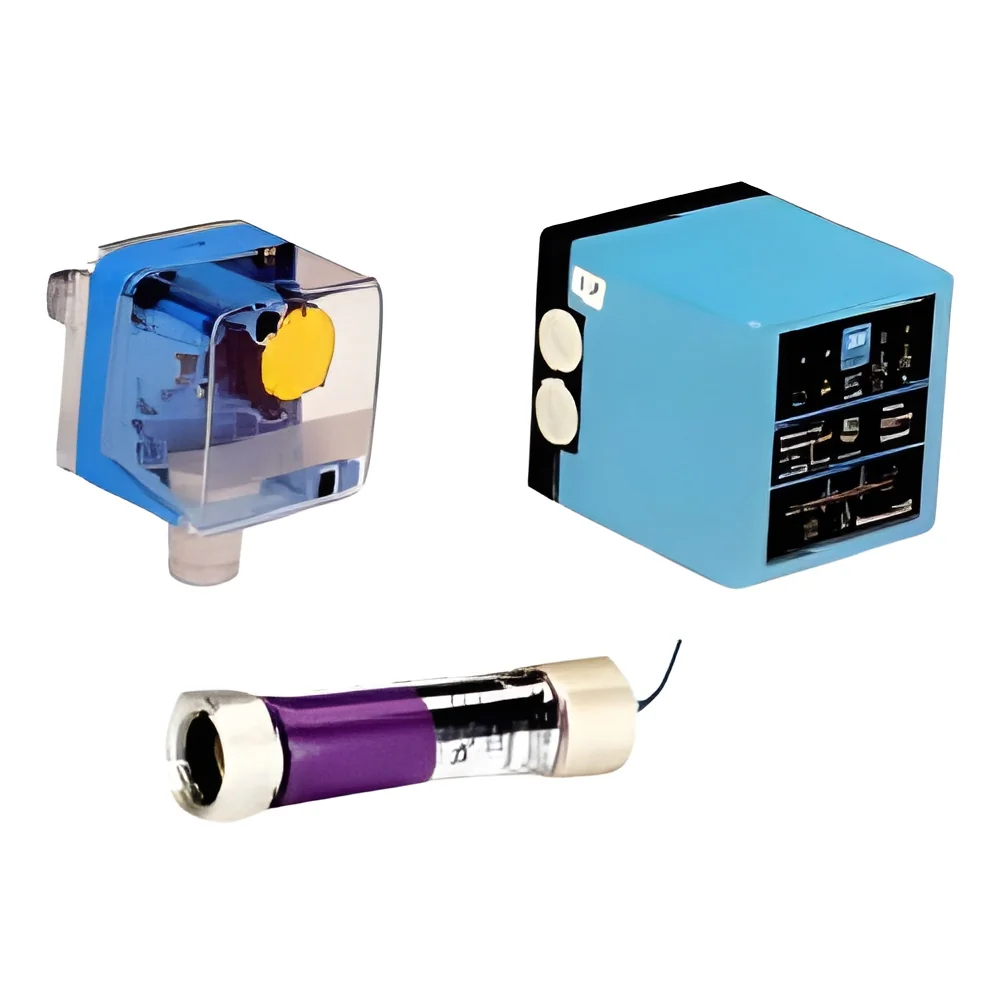
- Built-in safety mechanisms such as flame detection and automatic shut-off.
- Robust construction to withstand high operating temperatures.
6. Maintenance Requirements
- Designed for easy access to components for routine maintenance.
- Recommendations for service intervals to ensure longevity.
7. Size and Capacity
- Varied sizes to suit different industrial applications.
- Capacity ratings that can accommodate small to large-scale operations.
8. Installation Options
- Flexibility in installation configurations, including wall-mounted and floor-standing options.
- Compatibility with existing systems for seamless integration.
These features collectively enhance the usability and reliability of oil and gas burners, making them a vital investment for businesses in various sectors.
Common Applications and Use Cases
Oil and gas burners are utilized across several industries, each benefiting from their unique capabilities.
1. Petrochemical Industry: In this sector, burners are used for heating processes in the production of chemicals and fuels. High-temperature requirements necessitate efficient combustion solutions.
2. Power Generation: Burners play a critical role in generating thermal energy for turbines. They help maximize efficiency and reduce emissions in electricity production.
3. Manufacturing: Many manufacturing processes require consistent heat, making oil and gas burners essential for operations such as metalworking and plastics.
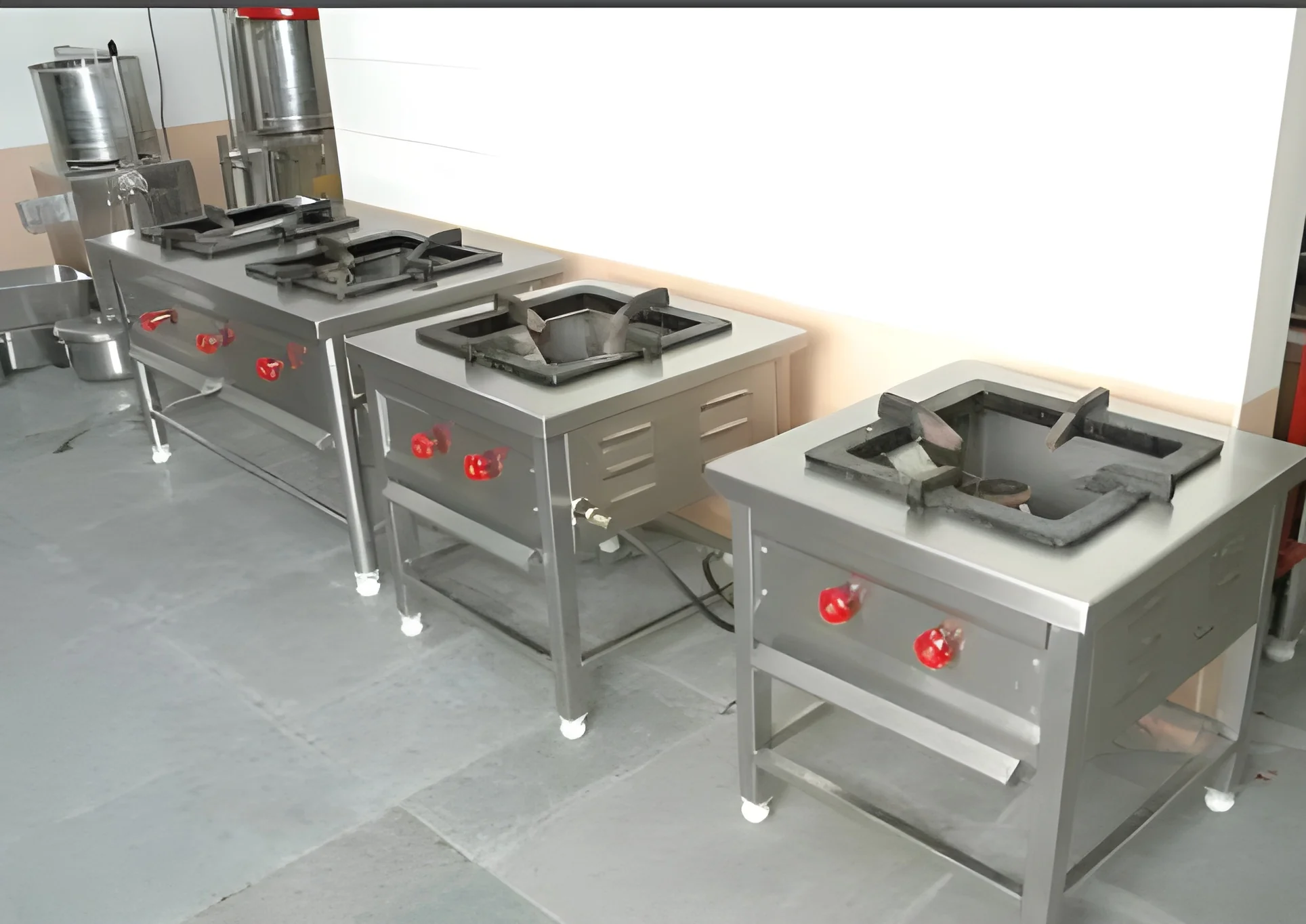
4. Food Processing: In food production, burners provide the heat needed for cooking, drying, and pasteurization processes while adhering to strict safety and quality standards.
5. HVAC Systems: Oil and gas burners are integral to heating, ventilation, and air conditioning systems, providing comfortable environments in commercial and residential spaces.
6. Marine Applications: In shipping, burners are used for onboard heating systems and power generation, ensuring efficient operation at sea.
7. Asphalt Production: Burners are utilized in the production of asphalt, providing the necessary heat for mixing materials in road construction.
Each of these applications highlights the versatility and efficiency of oil and gas burners in meeting diverse industrial needs.
Product Variants and Subcategories
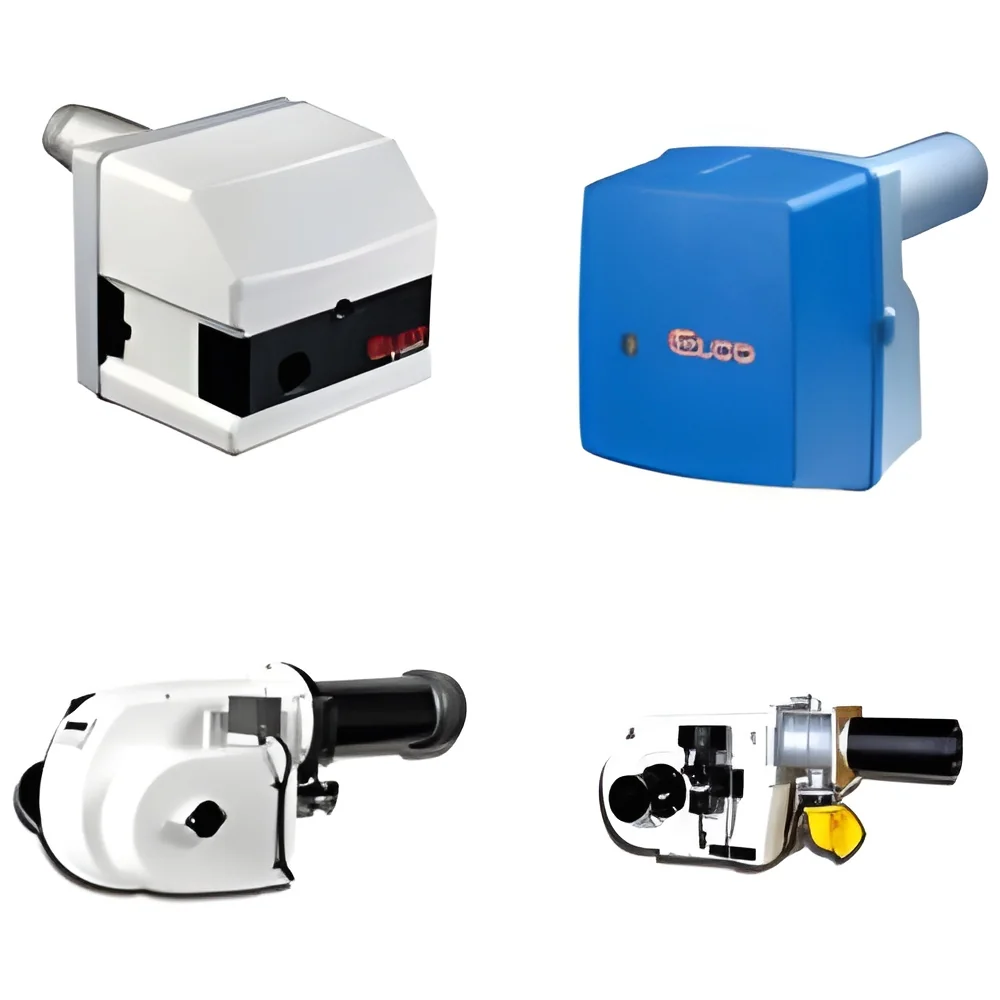
Oil and gas burners are available in various configurations to cater to specific industrial requirements. The diversity of these products allows businesses to find the right solution for their operations.
Standard Oil Burner
This variant is primarily designed for burning oil fuels. It features robust construction for high-temperature applications and is suitable for industrial heating systems.
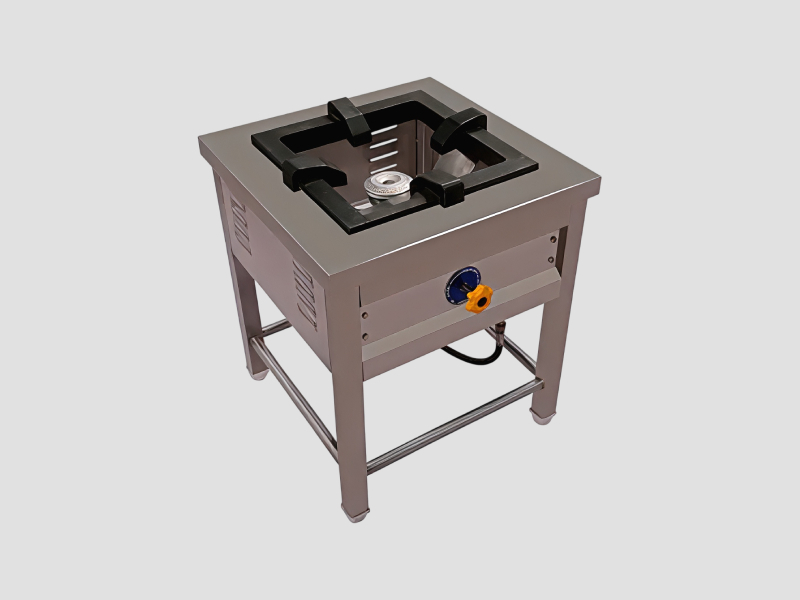
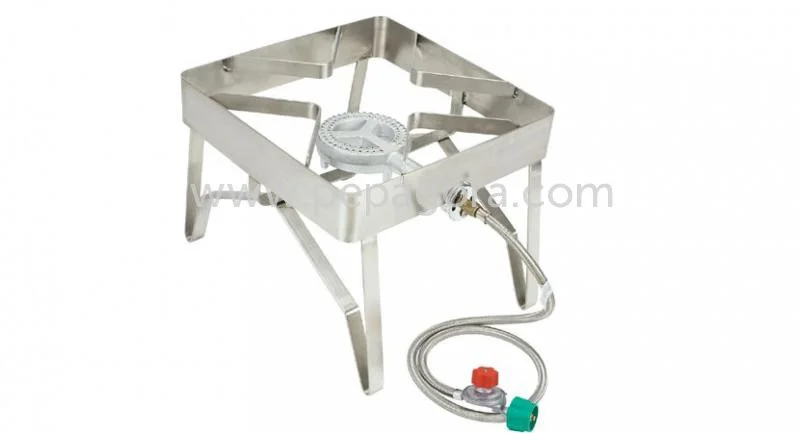
Gas Burner
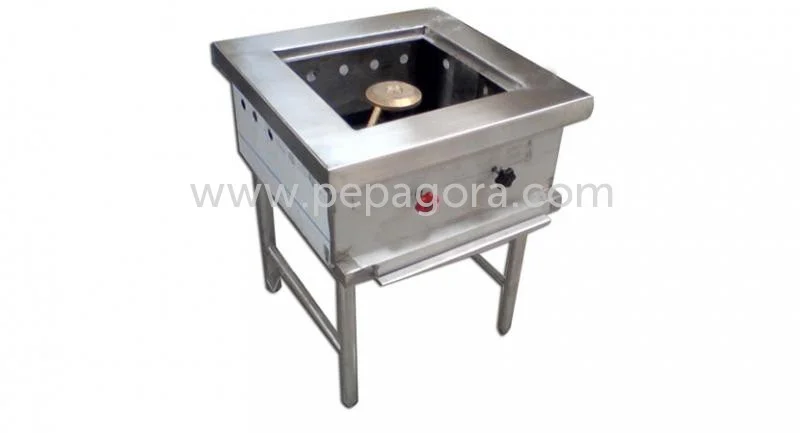
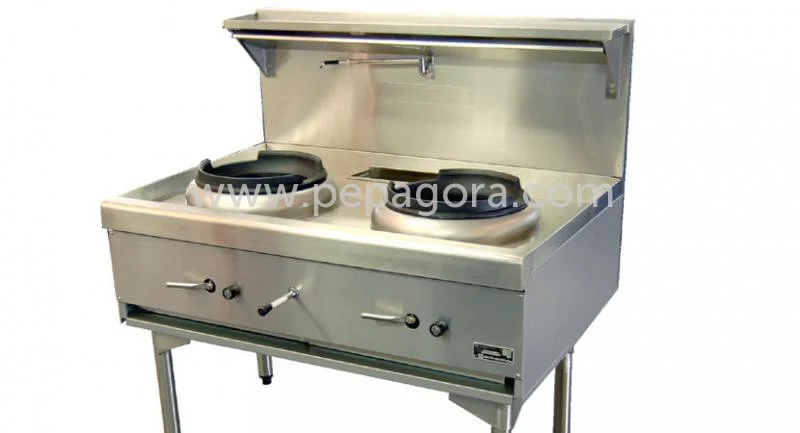
Tailored for natural gas or propane, this burner variant offers efficient combustion with lower emissions. It is ideal for applications where gas is the preferred fuel source.
Dual-Fuel Burner
This versatile option can switch between oil and gas, providing flexibility and reliability. It is particularly beneficial for industries facing fluctuating fuel availability.
High-Temperature Burner
Engineered for extreme heat applications, these burners are often used in processes requiring elevated temperatures, such as metal processing or glass manufacturing.
Each variant is crafted to meet specific operational demands, ensuring businesses can maintain efficiency and compliance.
Benefits and Advantages
Investing in oil and gas burners offers numerous advantages that can significantly impact operational efficiency.
1. Energy Efficiency: Advanced combustion technology ensures that fuel consumption is minimized while maximizing heat output.
2. Cost Savings: Reduced fuel costs and lower maintenance expenses lead to significant savings over time.
3. Environmental Compliance: Modern burners are designed to meet stringent emission standards, helping businesses adhere to environmental regulations.
4. Reliability: With robust construction and safety features, these burners provide consistent performance under various operating conditions.
5. Flexibility: The availability of dual-fuel options allows businesses to adapt to changing fuel prices and availability, enhancing operational resilience.
6. Enhanced Control: Advanced monitoring systems provide real-time data, allowing for precise control over combustion processes and better decision-making.
These benefits position oil and gas burners as essential assets for businesses focused on efficiency, compliance, and cost-effectiveness.
Buying Guide for B2B Buyers
When sourcing oil and gas burners, buyers should consider several critical factors to ensure they make informed decisions.
1. Quality Assessment: Evaluate the quality of the burners by checking manufacturer certifications and customer reviews. Reliable manufacturers often adhere to international quality standards.
2. Supplier Verification: Vet potential suppliers to ensure they have a proven track record in the industry. Look for references and case studies from previous clients.
3. Pricing and MOQ: Understand the pricing structure and minimum order quantities. This will help in budgeting and ensuring that the chosen supplier meets your needs.
4. Delivery and Lead Times: Confirm the delivery schedules and lead times to avoid disruptions in your operations. Timely delivery is crucial for maintaining production schedules.
5. Compliance Requirements: Ensure that the burners meet all relevant local and international regulations. Compliance with safety and environmental standards is non-negotiable for operational integrity.
By considering these factors, buyers can confidently select oil and gas burners that align with their operational goals.
Compliance and Certifications
Compliance with industry standards is crucial in the manufacturing and operation of oil and gas burners. Adhering to recognized quality standards such as ISO 9001 ensures that products meet customer expectations and regulatory requirements. This standard emphasizes consistent quality management and continuous improvement.
In addition to ISO certification, many oil and gas burners are certified with CE marking, indicating compliance with European safety and environmental standards. This certification assures users that the product meets stringent regulations designed to protect both users and the environment.
Safety and testing requirements also play a vital role in the design and manufacturing of these burners. Burners undergo rigorous testing to ensure they operate safely under various conditions. Furthermore, regional compliance considerations must be taken into account, as different markets may have specific regulations governing emissions, safety, and operational efficiency.
Why Source Oil & Gas Burners from Pepagora?
Pepagora offers a reliable platform for sourcing oil and gas burners with several key advantages that benefit buyers.
Verified Supplier Network: Pepagora connects buyers with a network of verified suppliers. This ensures that businesses can source high-quality products from trusted manufacturers.
Streamlined RFQ Process: The request for quotation process is designed for efficiency, allowing buyers to obtain competitive pricing and options from multiple suppliers without hassle.
Trade Assurance and Support: Pepagora provides buyer protection through trade assurance, ensuring that transactions are secure and that buyers receive the products as specified.
Regional Coverage: With a focus on markets in India, the GCC, and Southeast Asia, Pepagora offers extensive regional coverage, making it easier for businesses to find local suppliers that meet their specific needs.
By choosing Pepagora, businesses can confidently navigate the sourcing process for oil and gas burners, ensuring they find the right solutions for their operations.

 IN
IN