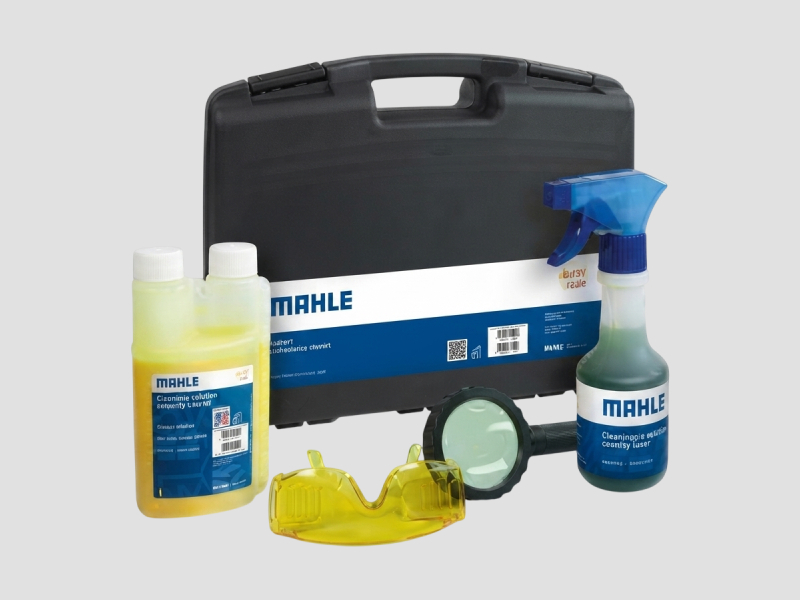
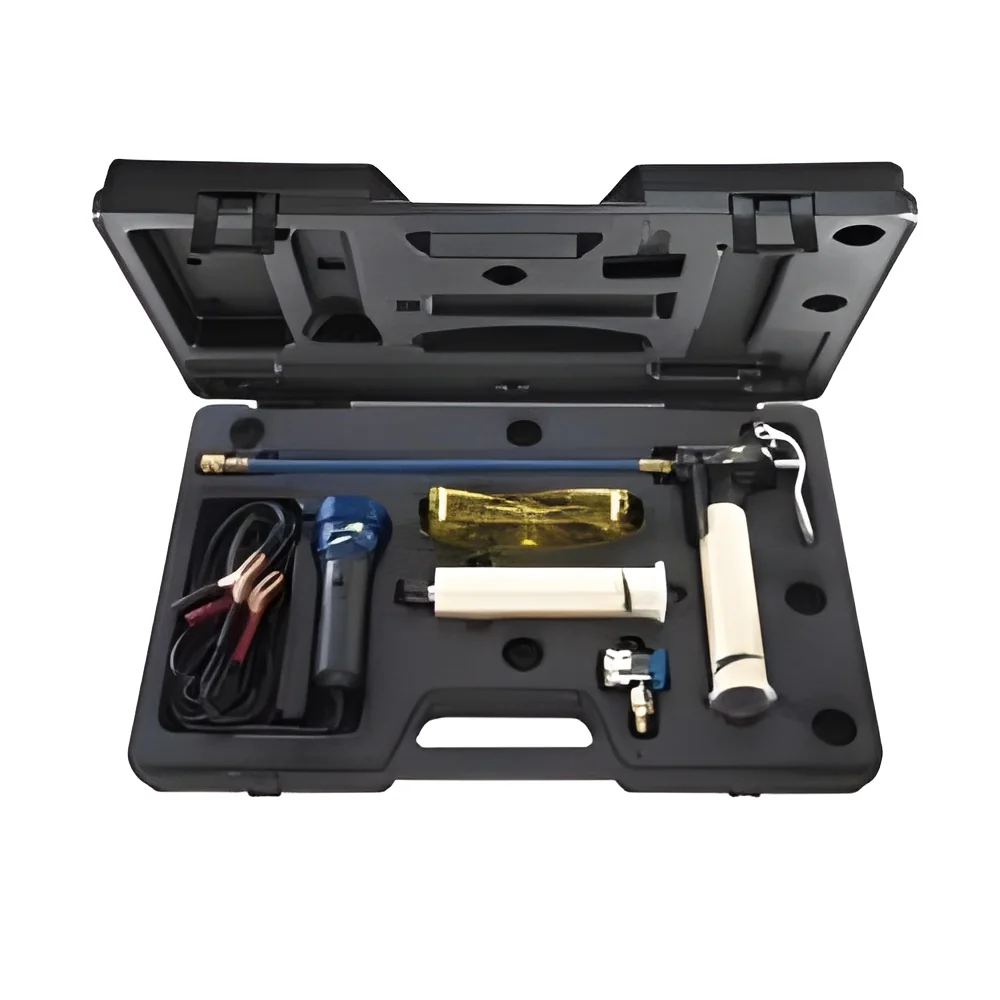
What are Refrigerant Leak Detectors?
Refrigerant leak detectors are specialized instruments designed to identify leakage of refrigerants in various systems. These devices function by detecting the presence of specific gases, commonly used in refrigeration and air conditioning systems. By utilizing various sensing technologies, they provide accurate readings that help prevent environmental damage and ensure operational efficiency.
The primary use of refrigerant leak detectors is in maintenance and service applications within HVAC (heating, ventilation, and air conditioning) systems. Businesses across various sectors utilize these detectors to monitor refrigerant levels, ensuring compliance with safety standards and regulations. This proactive approach not only enhances system performance but also minimizes operational costs associated with refrigerant loss and environmental fines.
In today's market, the relevance of refrigerant leak detectors has increased due to stricter environmental regulations and a growing awareness of climate change. Industries that rely on refrigeration must adopt effective leak detection measures to ensure compliance with local and international standards. As a result, the demand for reliable refrigerant leak detectors continues to rise.
Key Features and Specifications
Refrigerant leak detectors come equipped with several key features that enhance their functionality and reliability. These features vary among models but generally include advanced sensing technologies and user-friendly interfaces. Understanding the specifications is crucial for selecting the right detector for specific applications.
Key specifications include:
1. Detection Method
- Utilizes technologies such as infrared, heated diode, and electrochemical sensors
- Provides precise detection of various refrigerants
2. Sensitivity Range
- Capable of detecting refrigerant concentrations as low as parts per million (ppm)
- High sensitivity ensures early detection of leaks
3. Response Time
- Typically ranges from a few seconds to a minute
- Fast response times are critical for timely leak identification
4. Operating Temperature
- Designed to function effectively in a wide range of temperatures
- Ensures reliability in various operating environments
5. Battery Life
- Long-lasting battery life for portable models
- Rechargeable options available for extended use
6. Display Features
- Digital displays for easy reading of measurements
- Some models include backlighting for visibility in low-light conditions
7. Calibration Requirements
- Some units require periodic calibration to maintain accuracy
- User-friendly calibration processes are preferred
8. Portability
- Lightweight and compact designs for easy transport
- Ideal for fieldwork and maintenance tasks
In summary, understanding the key features and specifications of refrigerant leak detectors is essential for businesses seeking effective solutions for leak detection in their operations.
Common Applications and Use Cases
Refrigerant leak detectors serve a wide range of industries, each with specific applications that benefit from their use.
1. HVAC Industry: These detectors are crucial in the HVAC sector for maintaining and servicing air conditioning systems. They help technicians identify leaks quickly, ensuring efficient operation and compliance with environmental regulations.
2. Refrigeration Services: In commercial refrigeration, leak detectors are used to monitor large refrigeration units. Detecting leaks early prevents product spoilage and costly repairs.
3. Automotive Industry: Many automotive repair shops use refrigerant leak detectors to service air conditioning systems in vehicles. Accurate detection is vital for ensuring proper system performance.
4. Pharmaceutical Industry: In pharmaceutical manufacturing, maintaining precise temperature control is critical. Leak detectors help ensure refrigeration systems remain intact, protecting sensitive products.
5. Food and Beverage Industry: Refrigeration is essential for preserving food products. Leak detectors are used in food warehouses and processing plants to prevent costly losses.
6. Chemical Manufacturing: In chemical plants, refrigerant leak detectors monitor systems that handle hazardous materials. Early detection is essential for safety and compliance.
7. Commercial Buildings: Large facilities such as malls and office buildings utilize these detectors to maintain HVAC systems, ensuring comfort and energy efficiency.
Product Variants and Subcategories
While there are no specific subcategories for refrigerant leak detectors, there are various models available that cater to different needs and preferences.
Portable Leak Detectors: These compact devices are designed for field use, allowing technicians to easily carry them during service calls. They often feature rechargeable batteries and user-friendly interfaces.
Fixed Leak Detectors: These systems are installed in refrigeration and HVAC applications for continuous monitoring. They provide real-time alerts and are ideal for larger facilities needing constant oversight.
Wireless Leak Detectors: These models integrate wireless technology to connect with monitoring systems. They allow for remote monitoring and alerts, enhancing operational efficiency.
Benefits and Advantages
Refrigerant leak detectors offer numerous benefits that make them invaluable tools for businesses.
1. Enhanced Safety: By detecting refrigerant leaks, these detectors help prevent hazardous situations that can arise from exposure to harmful gases.
2. Environmental Compliance: Using leak detectors helps businesses comply with environmental regulations, reducing the risk of fines and penalties.
3. Cost Efficiency: Early detection of leaks minimizes refrigerant loss, leading to reduced operational costs and enhanced system efficiency.
4. Improved System Performance: Regular monitoring ensures HVAC and refrigeration systems operate at optimal levels, improving overall performance.
5. Increased Equipment Lifespan: Detecting and addressing leaks promptly prolongs the life of refrigeration equipment, saving on replacement costs.
6. Peace of Mind: Businesses can operate confidently knowing they have effective measures in place to detect refrigerant leaks.
Buying Guide for B2B Buyers
When sourcing refrigerant leak detectors, B2B buyers should consider several factors to ensure they select the right product for their needs.
1. Quality Assessment: Evaluate the quality of the detectors by researching manufacturers and reading reviews. Look for certifications that indicate reliable performance.
2. Supplier Verification: Vet potential suppliers by checking their history, customer feedback, and adherence to industry standards. A reliable supplier will provide support and warranty options.
3. Pricing and MOQ: Understand the pricing structure and minimum order quantities. Compare different suppliers to get competitive pricing without compromising quality.
4. Delivery and Lead Times: Inquire about delivery schedules and lead times to ensure the products arrive when needed. Timely delivery is crucial for ongoing operations.
5. Compliance Requirements: Confirm that the detectors meet relevant industry standards and regulations. Compliance ensures safety and legality in operations.
Compliance and Certifications
Refrigerant leak detectors must adhere to various compliance requirements and certifications to ensure they meet industry standards.
Relevant quality standards include ISO 9001, which focuses on quality management systems, ensuring consistent quality in manufacturing processes. Compliance with HACCP (Hazard Analysis Critical Control Point) standards is important in industries where food safety is paramount. Additionally, GDP (Good Distribution Practice) standards apply to ensure proper logistics in the handling of refrigerants.
Industry certifications such as CE (Conformité Européenne) signify that a product meets European safety and health requirements. This certification is crucial for any product sold in the European market.
Safety and testing requirements also play a significant role in the compliance landscape. Detectors must undergo rigorous testing to ensure they operate effectively and safely under various conditions.
Regional compliance considerations may vary based on local regulations and standards. Buyers should ensure that the products they source meet the specific requirements of their operating regions.
Why Source Refrigerant Leak Detectors from Pepagora?
Pepagora provides a trusted platform for sourcing refrigerant leak detectors, offering several key advantages to B2B buyers.
Verified Supplier Network: Pepagora has a rigorous supplier verification process, ensuring that all listed suppliers meet high-quality standards. This gives buyers confidence in the products they purchase.
Streamlined RFQ Process: The platform offers a simplified request for quotation (RFQ) process, allowing buyers to quickly obtain quotes from multiple suppliers. This efficiency saves time and aids in decision-making.
Trade Assurance and Support: Pepagora provides trade assurance, protecting buyer transactions and ensuring a smooth purchasing experience. Support is available to address any questions or concerns.
Regional Coverage: With a strong presence in India, the GCC, and Southeast Asia, Pepagora connects buyers with suppliers across these regions. This broad geographic reach facilitates sourcing for businesses operating in diverse markets.

 IN
IN