What are Steam Generators for HVAC?
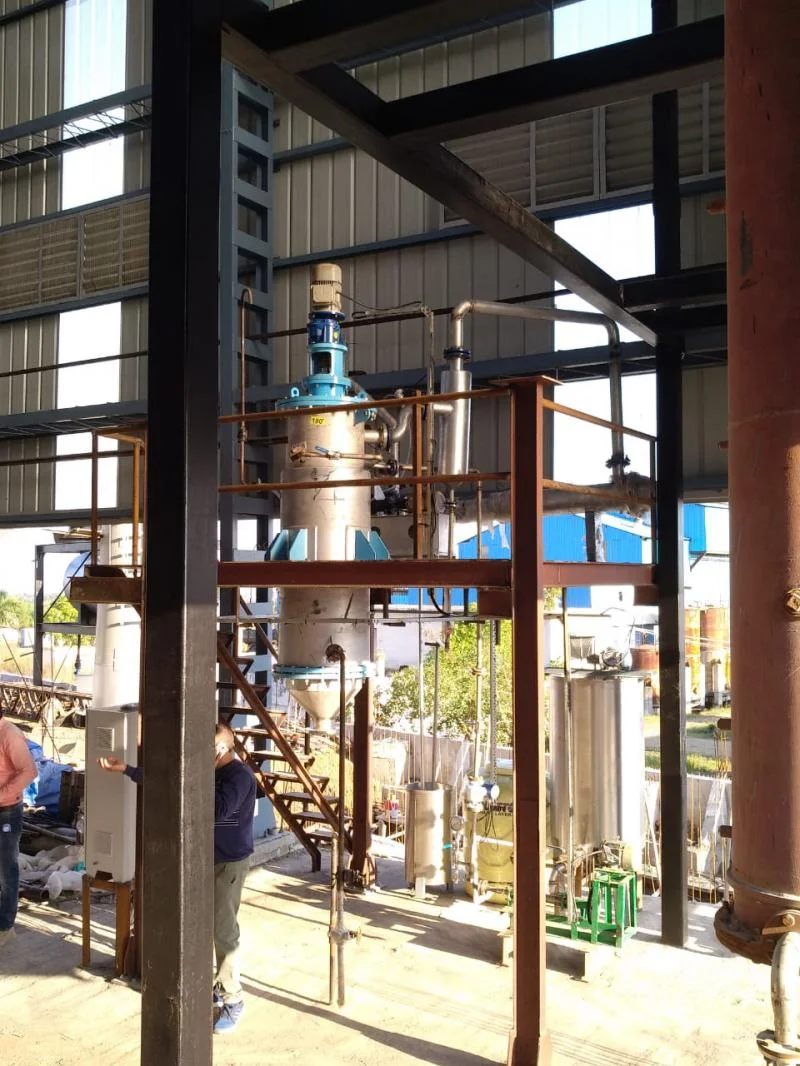
Steam generators for HVAC (Heating, Ventilation, and Air Conditioning) are specialized systems designed to create steam for a variety of heating and humidification applications. These devices typically utilize water which is heated to produce steam, enabling efficient temperature control and moisture management in commercial and industrial environments. Steam generators are essential components for maintaining comfortable indoor climates and ensuring optimal operational conditions in facilities.
The primary uses of steam generators in HVAC systems include space heating, process heating, and humidity control. Businesses rely on these systems to enhance air quality and manage humidity levels in environments such as manufacturing plants, hospitals, and commercial buildings. In addition, steam generators play a crucial role in energy management and can contribute to sustainability efforts by utilizing less energy compared to traditional heating methods. The growing focus on energy-efficient technologies has further increased the relevance of steam generators in today's market.
In the context of the HVAC industry, steam generators are increasingly recognized for their ability to enhance system efficiency and improve indoor air quality. As businesses strive to meet stringent environmental regulations and adopt greener technologies, the demand for steam generators is expected to rise. This trend reflects a broader movement towards sustainable practices in the HVAC sector, positioning steam generators as a vital solution for modern heating and humidification challenges.
Key Features and Specifications
Steam generators for HVAC come equipped with a variety of features designed to enhance performance and efficiency. These specifications help users select the right model based on their specific needs.
Key specifications include:
1. Power Rating
- Determines the steam output capacity.
- Typically measured in kilowatts (kW) or horsepower (HP).
2. Steam Production Rate
- Indicates the amount of steam generated per hour.
- Usually expressed in pounds per hour (lb/h) or kilograms per hour (kg/h).
3. Operating Pressure
- Defines the maximum pressure at which the generator operates.
- Common ranges are between 30 to 150 psi.
4. Fuel Type
- Identifies the energy source used for heating.
- Options may include electricity, natural gas, or oil.
5. Efficiency Rating
- Reflects the energy conversion efficiency of the system.
- Measured as a percentage, with higher values indicating better performance.
6. Control Features
- Includes automated controls for temperature and pressure regulation.
- May offer digital displays and remote monitoring capabilities.
7. Safety Features
- Incorporates safety mechanisms such as pressure relief valves and emergency shutoff systems.
- Ensures compliance with industry standards.
8. Size and Dimensions
- Specifies the physical dimensions of the unit.
- Important for installation considerations and space requirements.
In summary, understanding the key specifications of steam generators is essential for selecting the right unit for specific HVAC applications. These features not only contribute to performance but also impact efficiency, safety, and compliance with industry standards.
Common Applications and Use Cases
Steam generators serve a wide range of industries, each benefiting from their unique capabilities.
1. Healthcare: In hospitals and clinics, steam generators are used for sterilization processes and maintaining optimal humidity levels, which are critical for patient care and infection control.
2. Manufacturing: Many manufacturing processes require precise temperature control. Steam generators provide the necessary heat for processes such as molding, curing, and drying.
3. Food and Beverage: In this industry, steam is essential for cooking, pasteurization, and maintaining product quality. Steam generators help ensure consistent results in production lines.
4. Textile: The textile industry utilizes steam for dyeing and finishing processes. Steam generators facilitate these activities by providing reliable and efficient steam supply.
5. Pharmaceuticals: Steam is used for sterilization and cleaning equipment in pharmaceutical production. Steam generators ensure compliance with stringent industry regulations.
6. Greenhouses: In agricultural settings, steam generators help manage humidity levels, promoting optimal growing conditions for plants.
7. Commercial Buildings: Large buildings often require steam for heating and humidity control, making steam generators vital for maintaining comfort in office spaces.
Product Variants and Subcategories
Steam generators for HVAC come in various configurations to meet diverse application needs.
Compact Steam Generators
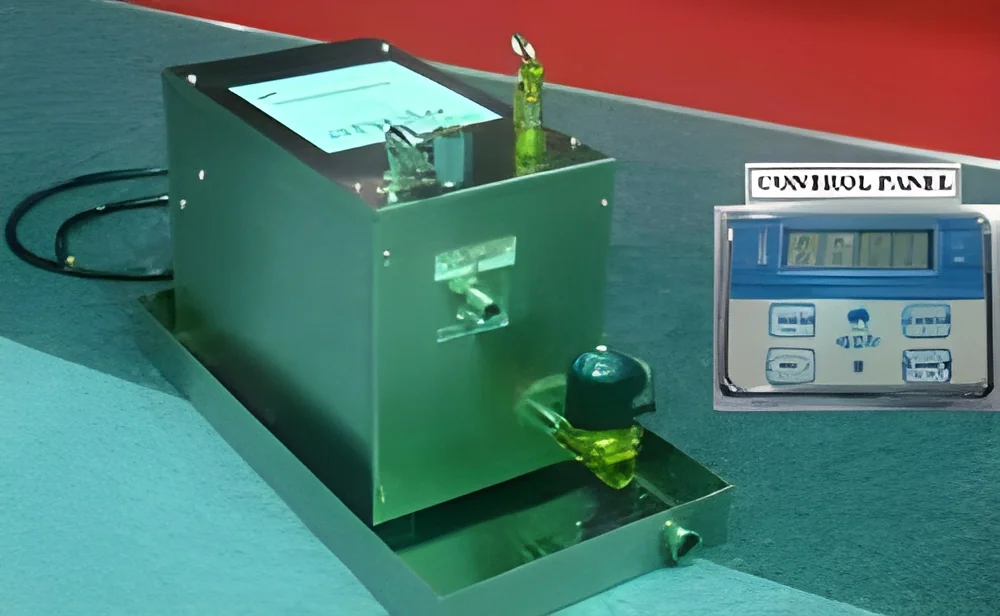
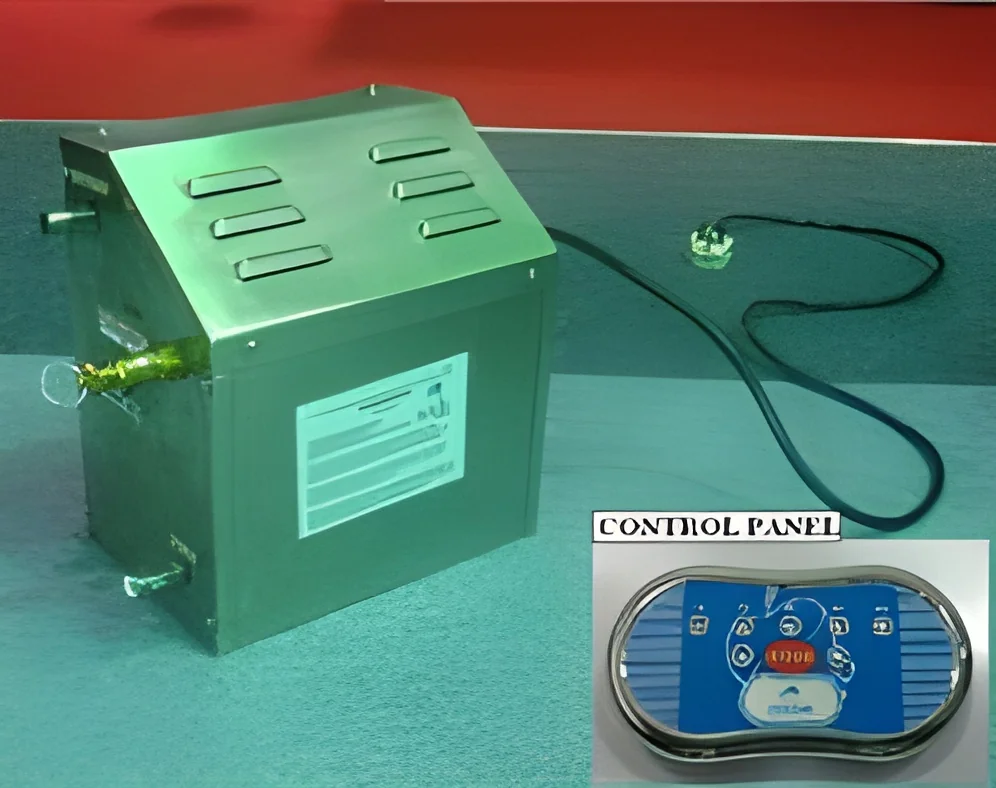
These units are designed for small spaces and are ideal for applications with limited installation areas. They offer efficient steam generation without occupying much floor space.
Industrial Steam Boilers
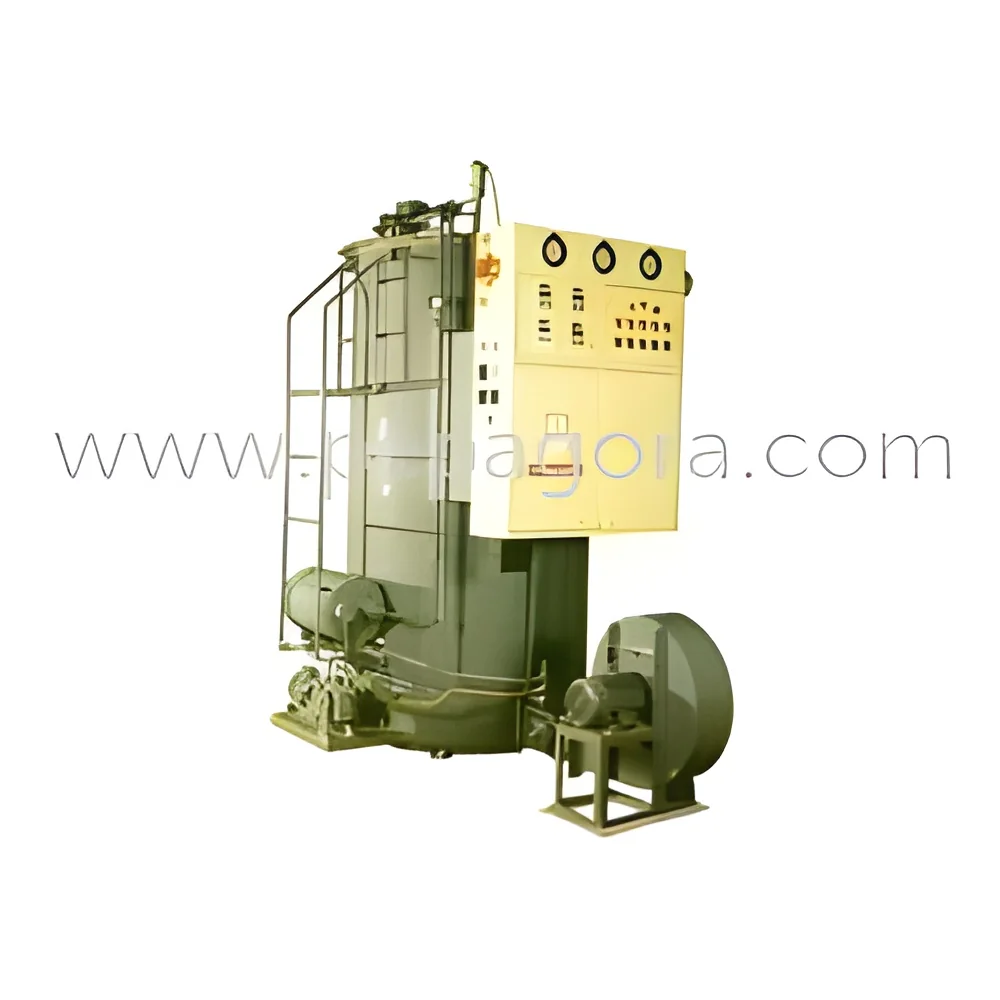
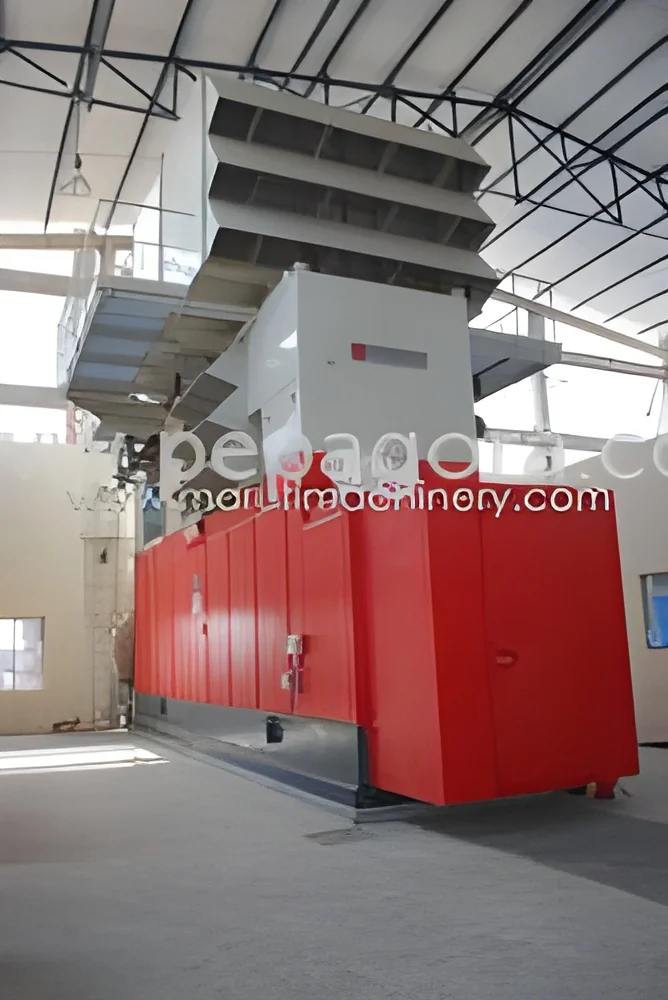
These larger systems are tailored for heavy-duty applications, providing high steam output for extensive industrial processes. They are built to handle increased pressure and larger volumes of steam.
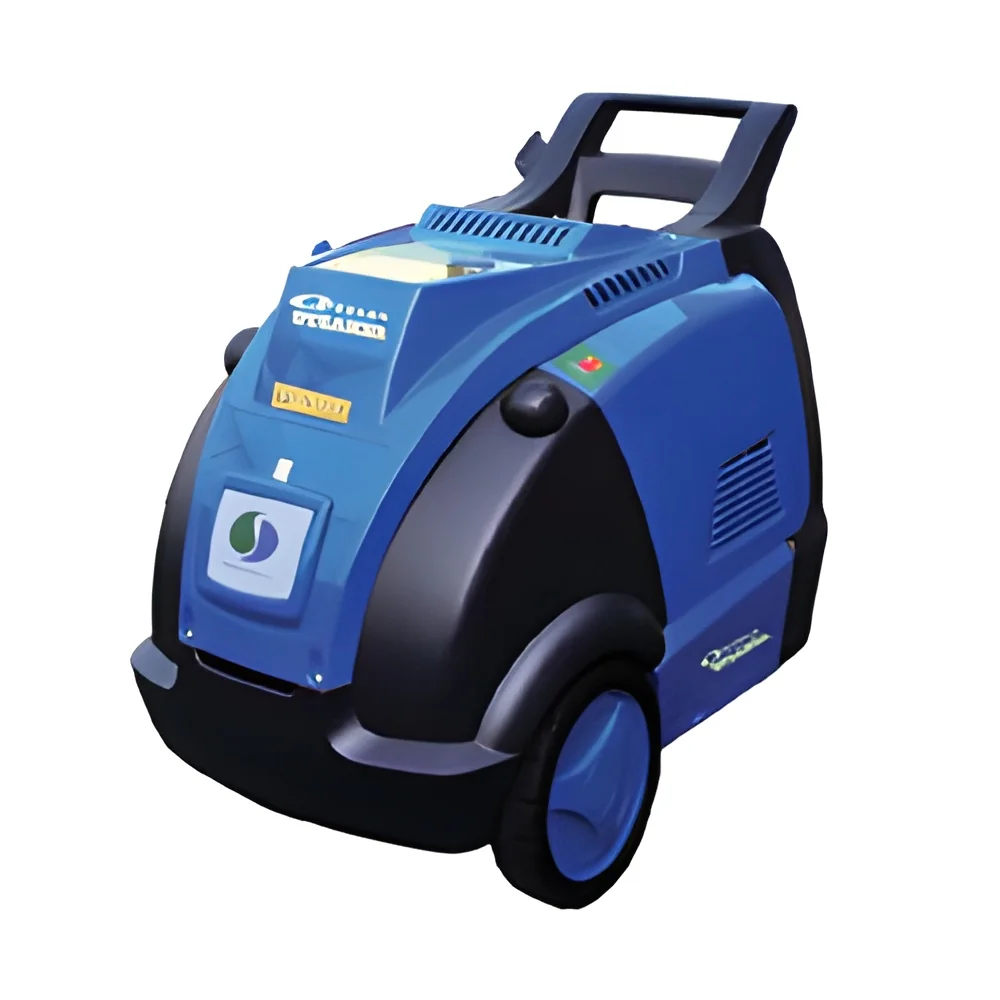
Mobile Steam Generators
These portable units allow for flexibility in applications requiring temporary steam solutions. They are often used in construction sites or for events where steam is needed for short durations.
Electric Steam Generators
This variant operates using electricity, making them suitable for environments where gas or oil cannot be used. They are efficient and often preferred for smaller operations.
Benefits and Advantages
Investing in steam generators for HVAC provides numerous advantages for businesses.
1. Energy Efficiency: Steam generators can significantly reduce energy consumption compared to traditional heating methods, leading to cost savings over time.
2. Improved Air Quality: By maintaining optimal humidity levels, these systems help enhance indoor air quality, contributing to a healthier environment.
3. Versatile Applications: Steam generators can be used across various industries, making them a flexible solution for many business needs.
4. Reduced Maintenance: Many modern steam generators come with automated features that minimize the need for frequent maintenance, saving time and resources.
5. Enhanced Safety: Equipped with advanced safety features, steam generators reduce the risk of accidents and ensure compliance with industry standards.
6. Environmental Compliance: Using energy-efficient steam generators supports sustainability initiatives and helps businesses meet regulatory requirements.
Buying Guide for B2B Buyers
When sourcing steam generators for HVAC, it is crucial to consider several key factors.
1. Quality Assessment: Evaluate the quality of materials and construction used in the steam generator. Look for certifications that indicate adherence to industry standards.
2. Supplier Verification: Vet potential suppliers by checking their reputation, customer reviews, and track record in the market. This ensures reliability in product quality and delivery.
3. Pricing and MOQ: Understand the pricing structure and minimum order quantities (MOQ) set by suppliers. This knowledge helps in budgeting and negotiating favorable terms.
4. Delivery and Lead Times: Consider the logistics involved in delivery. Confirm lead times to ensure that the steam generator can be procured and installed according to project timelines.
5. Compliance Requirements: Be aware of any regulatory compliance that applies to steam generators in your industry. This includes safety standards and environmental regulations.
Compliance and Certifications
Steam generators for HVAC must adhere to several quality and safety standards to ensure reliable performance and safety.
ISO 9001 is a widely recognized standard that outlines criteria for a quality management system. Adhering to this standard indicates that the manufacturer is committed to providing consistent quality and continuous improvement.
Industry certifications such as CE mark demonstrate compliance with European safety and environmental regulations. This certification assures buyers that the product meets essential health and safety requirements.
Safety and testing requirements also play a crucial role in the manufacturing of steam generators. These requirements ensure that the generators can operate safely under various conditions, minimizing risks associated with steam production.
Regional compliance considerations may vary depending on the location of use. It is essential to verify that any steam generator meets the specific regulatory requirements of the region in which it will be installed and operated.
Why Source Steam Generators for HVAC from Pepagora?
Pepagora is a trusted platform for sourcing steam generators for HVAC, offering several key advantages to B2B buyers.
Verified Supplier Network: Pepagora features a network of verified suppliers, ensuring that buyers can find reliable and high-quality steam generators. This network reduces the risk associated with sourcing from unverified sources.
Streamlined RFQ Process: The platform provides an efficient request for quotation (RFQ) process, allowing buyers to easily request and compare quotes from multiple suppliers. This feature simplifies the purchasing decision.
Trade Assurance and Support: Pepagora offers trade assurance, providing buyers with protection throughout the transaction. This support includes assistance with any issues that may arise during the buying process.
Regional Coverage: With a strong presence in India, the GCC, and Southeast Asia, Pepagora caters to a wide geographic area, ensuring accessibility for businesses in various locations. This regional coverage enables buyers to find suitable steam generators tailored to their specific needs.

 IN
IN