IN
IN₹
Apparel & Fashion
Description
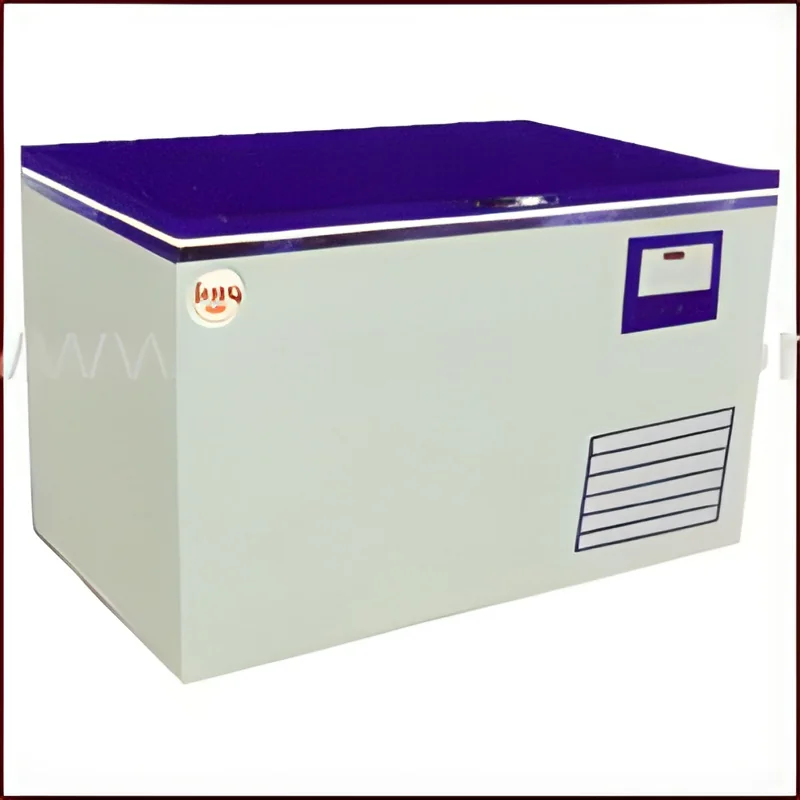
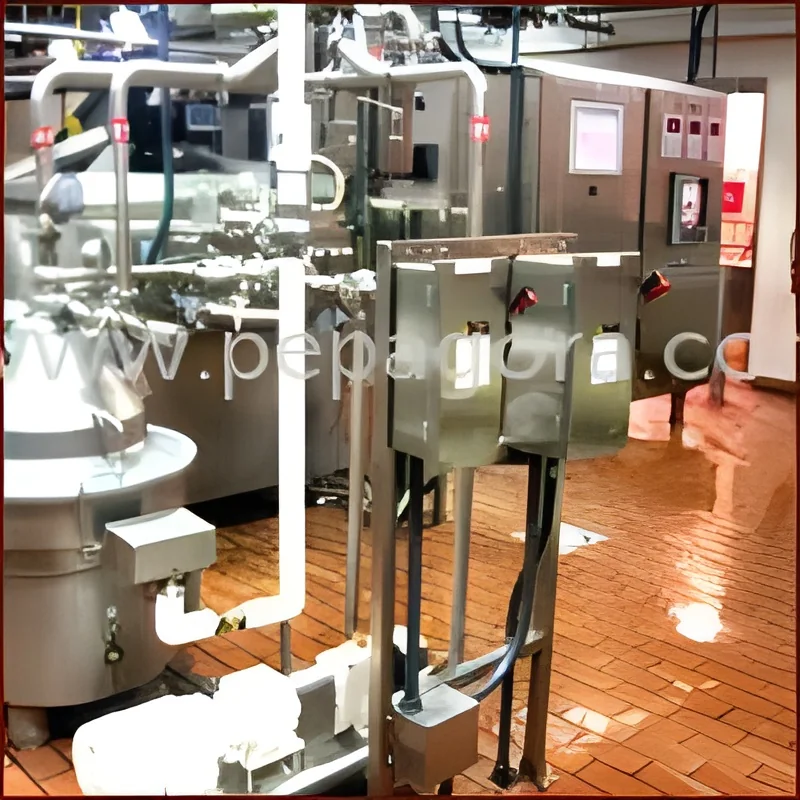
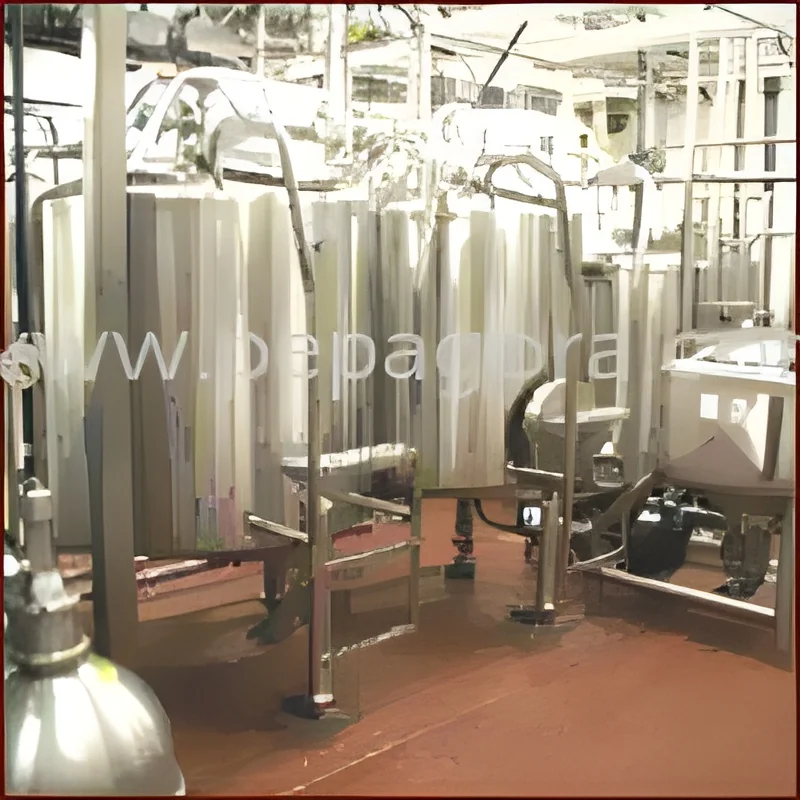
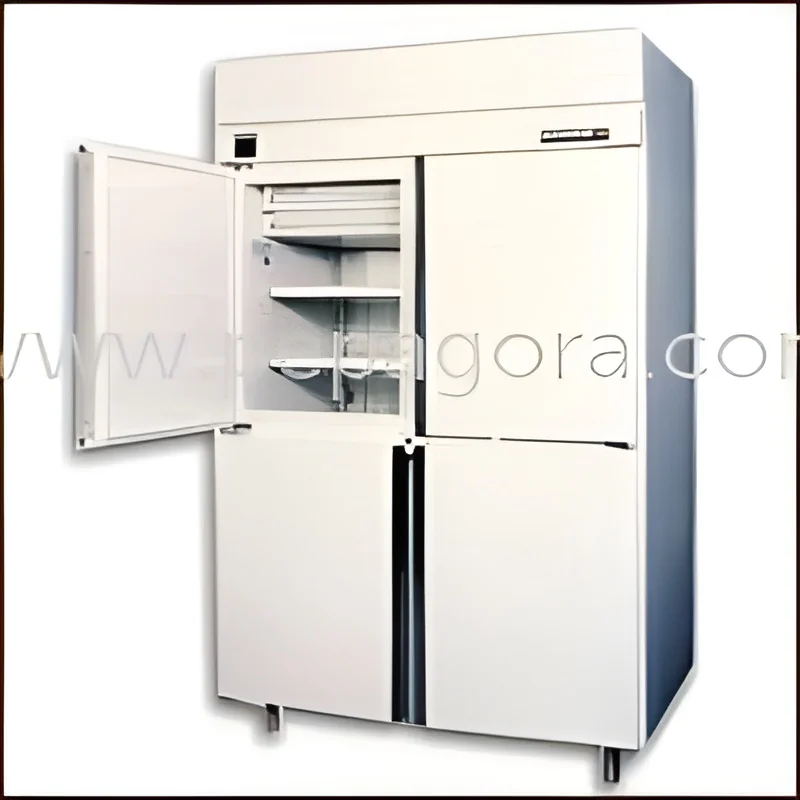
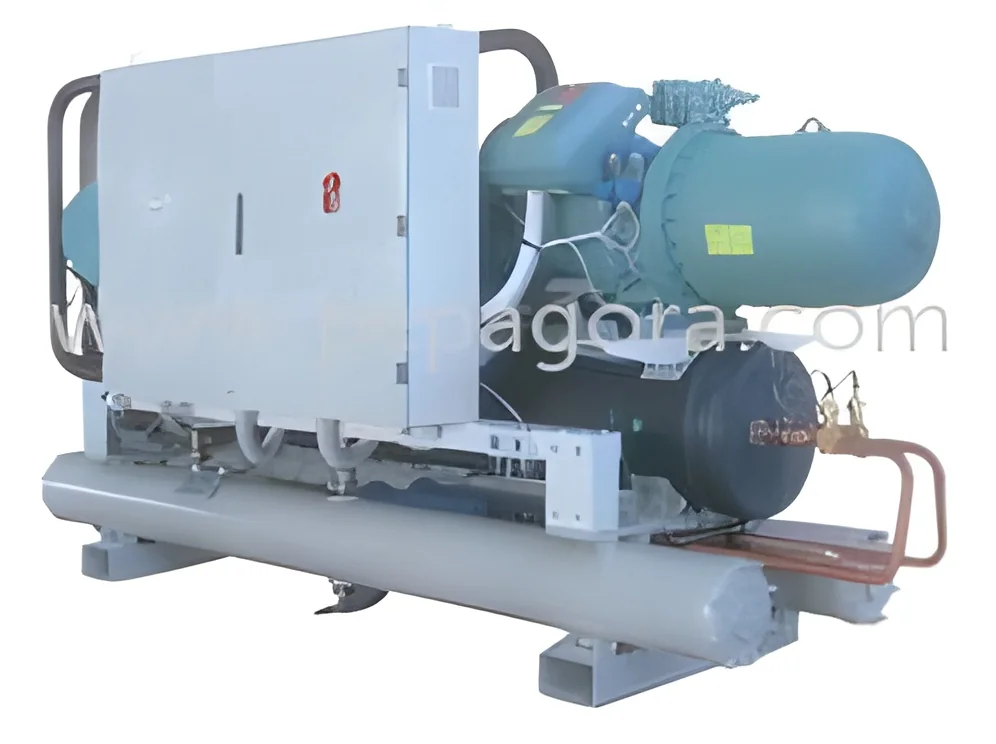
Industrial water chilling plants represent advanced cooling technology engineered for demanding manufacturing applications. These systems deliver precise temperature control through efficient refrigeration cycles, providing reliable chilled water output for various industrial processes. Built with robust components and intelligent control systems, these chilling plants maintain consistent performance while adapting to fluctuating thermal loads. The units feature optimized configurations to match specific capacity requirements and operational parameters, ensuring effective cooling performance across different industrial settings.

These water chilling systems serve critical functions across multiple industries where temperature control directly influences product quality and operational efficiency. In plastic manufacturing, they cool injection molding machines and extruders to maintain product dimensional stability. Metal processing industries utilize them for temperature regulation in ...
Industrial water chilling plants represent advanced cooling technology engineered for demanding manufacturing applications. These systems deliver precise temperature control through efficient refrigeration cycles, providing reliable chilled water output for various industrial processes. Built with robust components and intelligent control systems, these chilling plants maintain consistent performance while adapting to fluctuating thermal loads. The units feature optimized configurations to match specific capacity requirements and operational parameters, ensuring effective cooling performance across different industrial settings.

These water chilling systems serve critical functions across multiple industries where temperature control directly influences product quality and operational efficiency. In plastic manufacturing, they cool injection molding machines and extruders to maintain product dimensional stability. Metal processing industries utilize them for temperature regulation in plating baths, anodizing lines, and heat treatment operations. Pharmaceutical and food processing facilities rely on these plants for maintaining proper cooling conditions that comply with industry standards. Additional applications include cooling for laser equipment, vacuum systems, and power generation facilities where precise temperature management is essential.

The operational value of these water chilling plants lies in their reliability, energy efficiency, and long-term durability. These systems minimize downtime through robust construction and quality components designed for continuous operation. Energy-efficient designs reduce operational costs while maintaining performance standards. The plants incorporate safety features and monitoring systems that prevent equipment damage and ensure process consistency, providing reliable operation and reduced maintenance requirements over time.

Key Features:
- Advanced refrigeration systems with precise temperature control capabilities
- Durable construction using corrosion-resistant materials for longevity
- Multiple capacity options suitable for various industrial applications
- Intelligent control systems with automated operation and monitoring
- Energy-efficient components designed for cost-effective operation

Benefits:
- Consistent temperature control for improved product quality
- Reduced operational costs through energy-efficient performance
- Minimal downtime with reliable, durable construction
- Enhanced process stability and equipment protection
- Long-term operational reliability with reduced maintenance needs
Specifications
| Additional Information | |
|---|---|
| Country of Origin | India |
Application
Industrial water chilling plants provide essential cooling for temperature-sensitive manufacturing processes across multiple sectors. These systems deliver consistent chilled water circulation for equipment protection, process stability, and climate control in demanding industrial environments. Their robust engineering ensures reliable performance under varying thermal loads and continuous operation requirements.
These cooling systems serve critical functions where precise temperature management directly impacts product quality and production efficiency. From maintaining dimensional stability in plastic manufacturing to ensuring hygienic conditions in food processing, these plants offer tailored cooling performance. Industries benefit from systems designed to match specific process requirements and operational scales for optimal results.
- Cooling injection molding machines and extruders in plastic manufacturing
- Temperature regulation for metal plating, anodizing, and heat treatment operations
- Process cooling in pharmaceutical production and chemical manufacturing
- Temperature management in food processing and beverage production
- HVAC system support for large commercial and industrial facilities
Trade Details
| Available Stock | In Stock |
| Sample Availability | No |
Payment Terms
| Payment Terms |
|
Company Profile
Master Food Tech, Maharashtra
 Maharashtra, India
Maharashtra, IndiaIndustrial Equipment & Machinery•Manufacturer•Trading Company•Importer / Exporter
Factory Details
Factory SizeBelow 1000 sqm
Annual Production Capacity0
Industrial Water Chilling Plants For Precise Temperature Control
Industrial water chilling plants deliver precise temperature control for manufacturing processes. These reliable systems serve plastics, metalworking, food processing, and pharmaceutical industries with durable, energy-efficient cooling solutions for optimal operational performance.
Min. Order Quantity: 1 unit
Shipping
Shipping fee and delivery date to be negotiated. Contact supplier now for more details.
Master Food Tech
 Maharashtra, India
Maharashtra, IndiaIndustrial Equipment & MachineryManufacturer